SmartPawsGuides, comparisons & trusted resources — Guides & trusted resources — always independent.

How to Train Your
Specific Breed
Generic dog training advice ignores the most important variable: your dog's breed. These guides are written for specific breeds — covering the training challenges, techniques, and priorities that actually matter for each one.
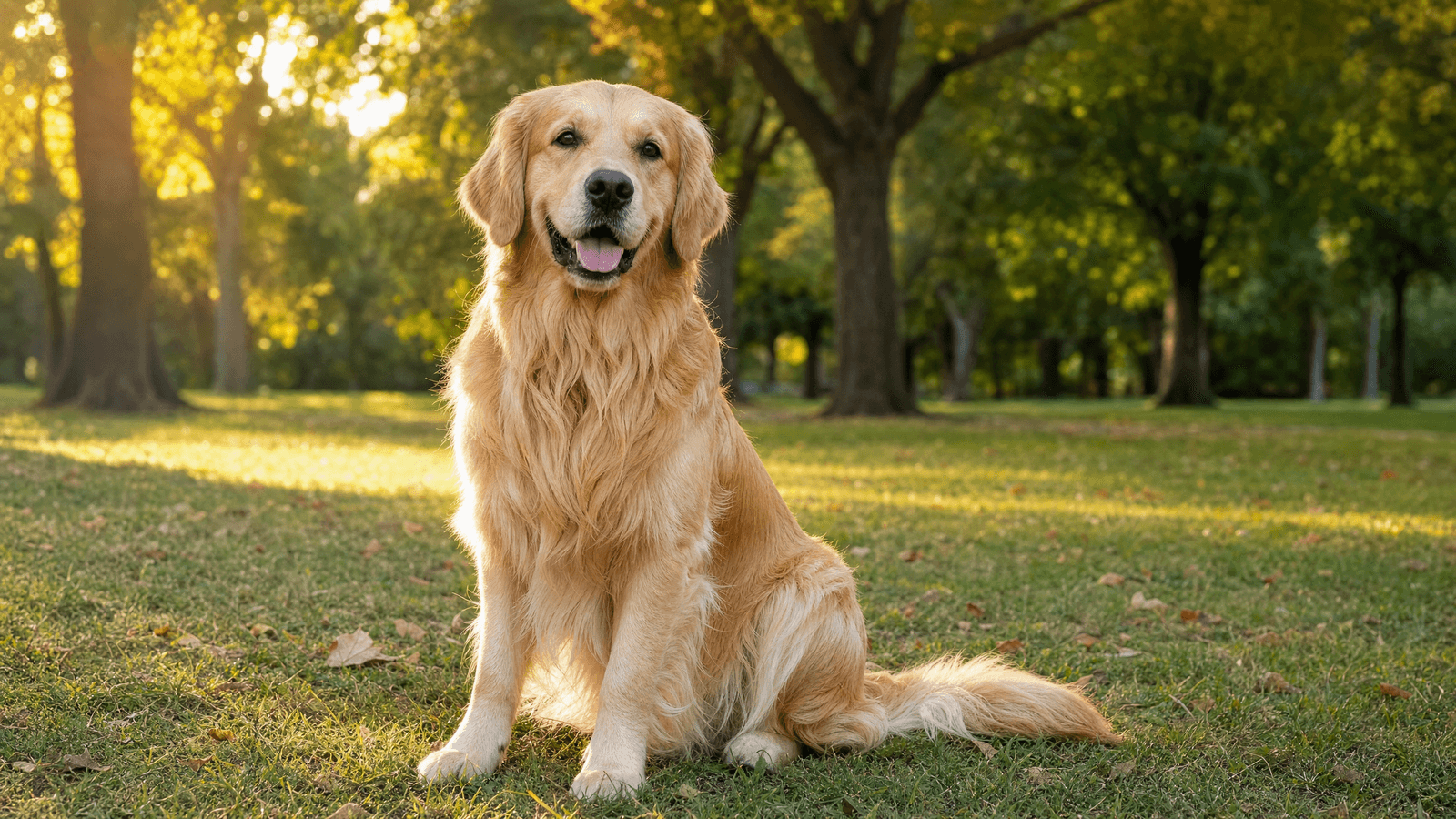
Golden Retriever Training Guide
Priority: Impulse control around people and distractions
Eager to please but prone to over-excitement. The most forgiving breed to train — with one major catch.
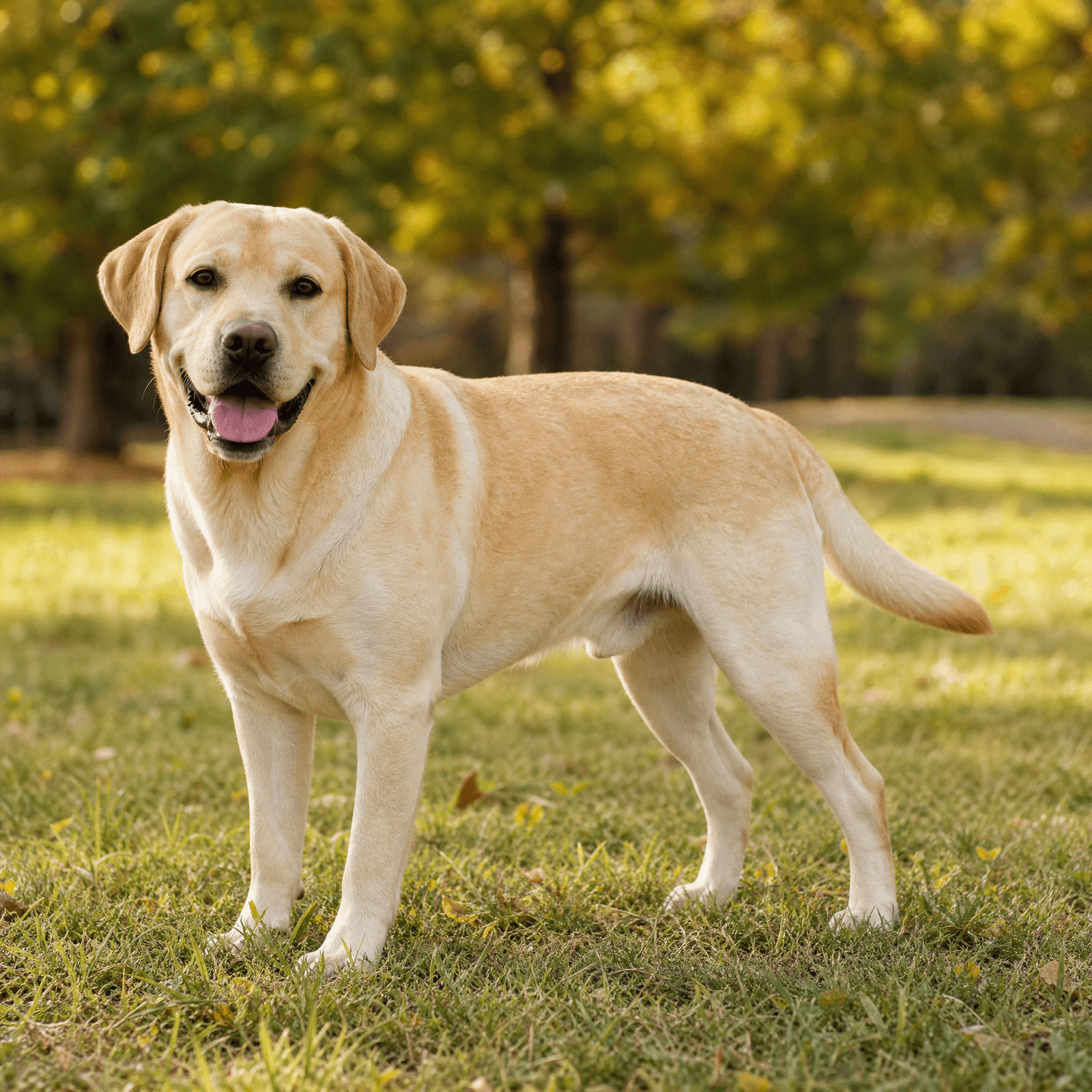
Labrador Retriever Training Guide
Priority: Leash manners and managing the adolescent energy surge
America's most popular dog is also one of the most trainable — if you survive the first 18 months.
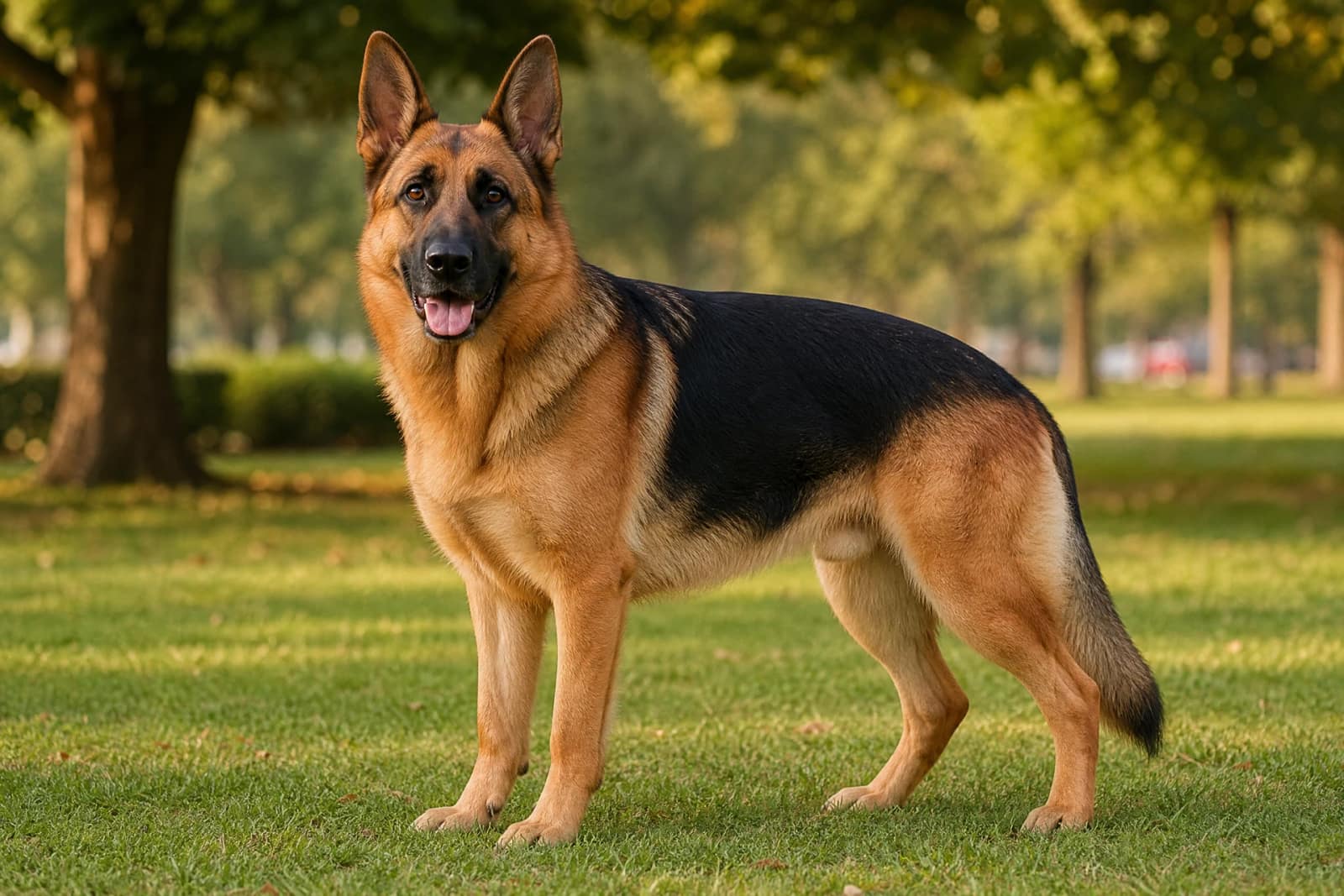
German Shepherd Dog Training Guide
Priority: Reactivity management and environmental stability
Brilliant, loyal, and capable of almost anything — but under-socialization turns that watchfulness into a liability.
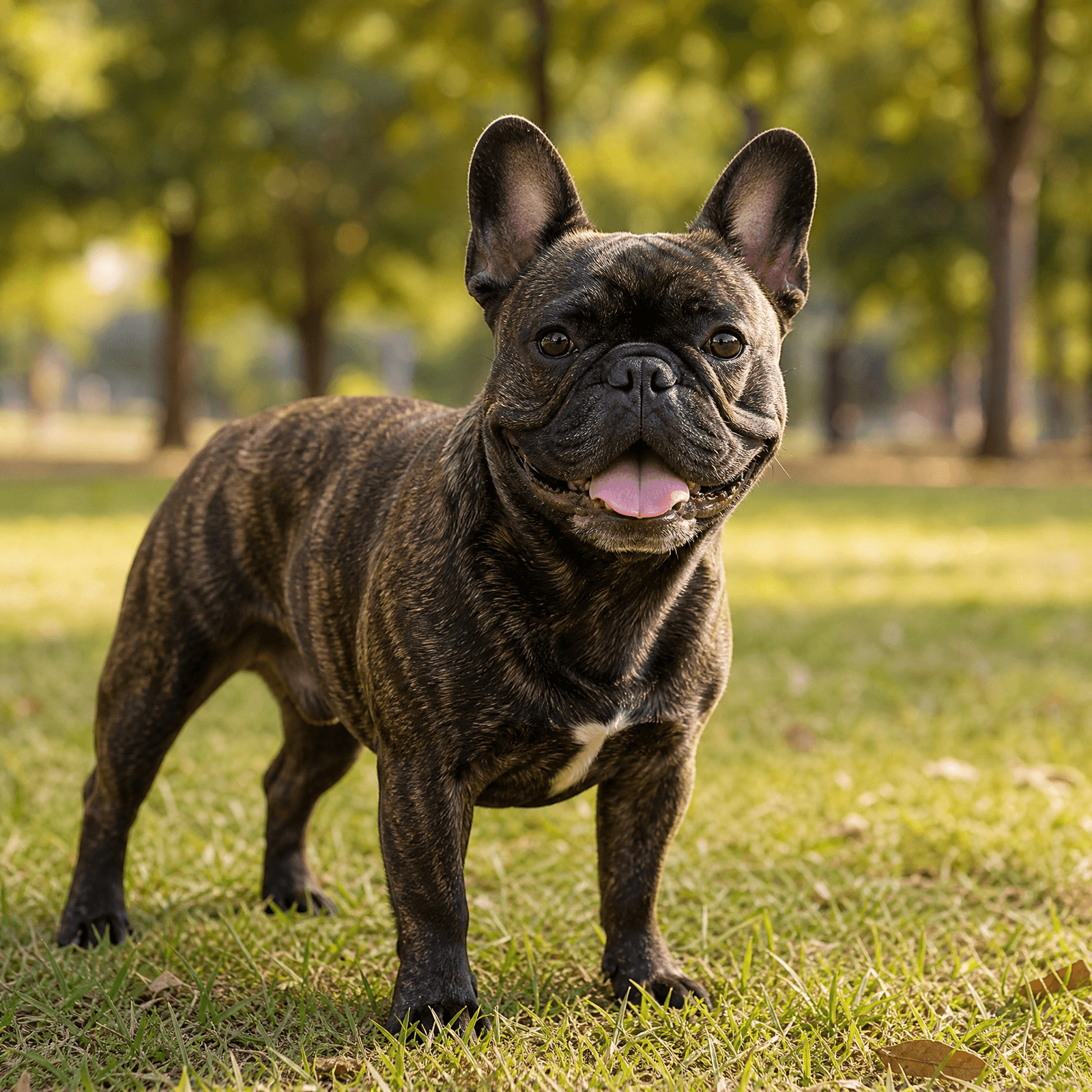
French Bulldog Training Guide
Priority: Consistency despite stubbornness and heat sensitivity
Frenchies are charming, stubborn, and physically limited by their flat faces. Training requires patience and short sessions.
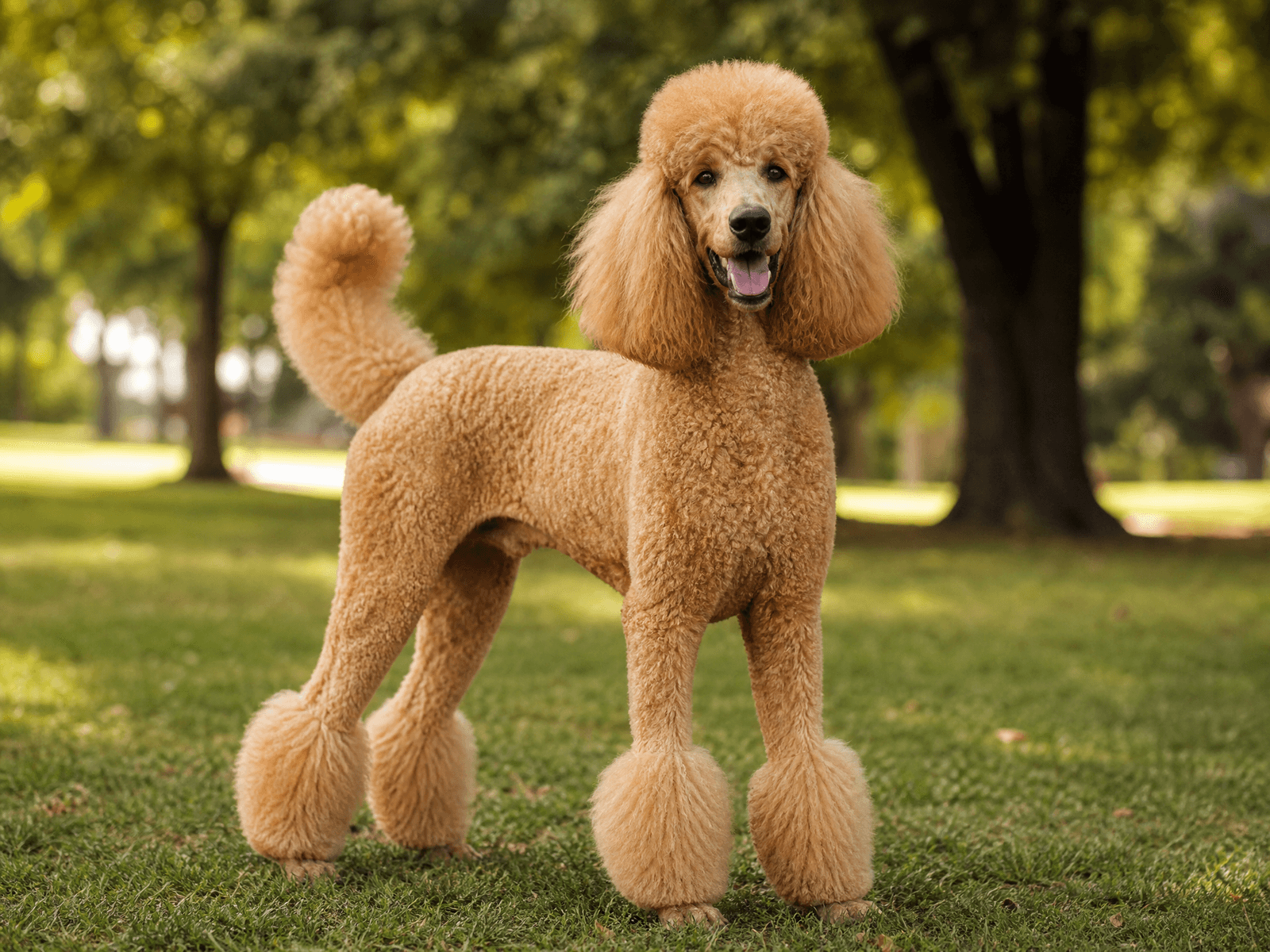
Standard Poodle Training Guide
Priority: Mental stimulation and variety to prevent boredom-driven behavior
The most intelligent breed in the world will outsmart your training plan if you don't stay one step ahead.
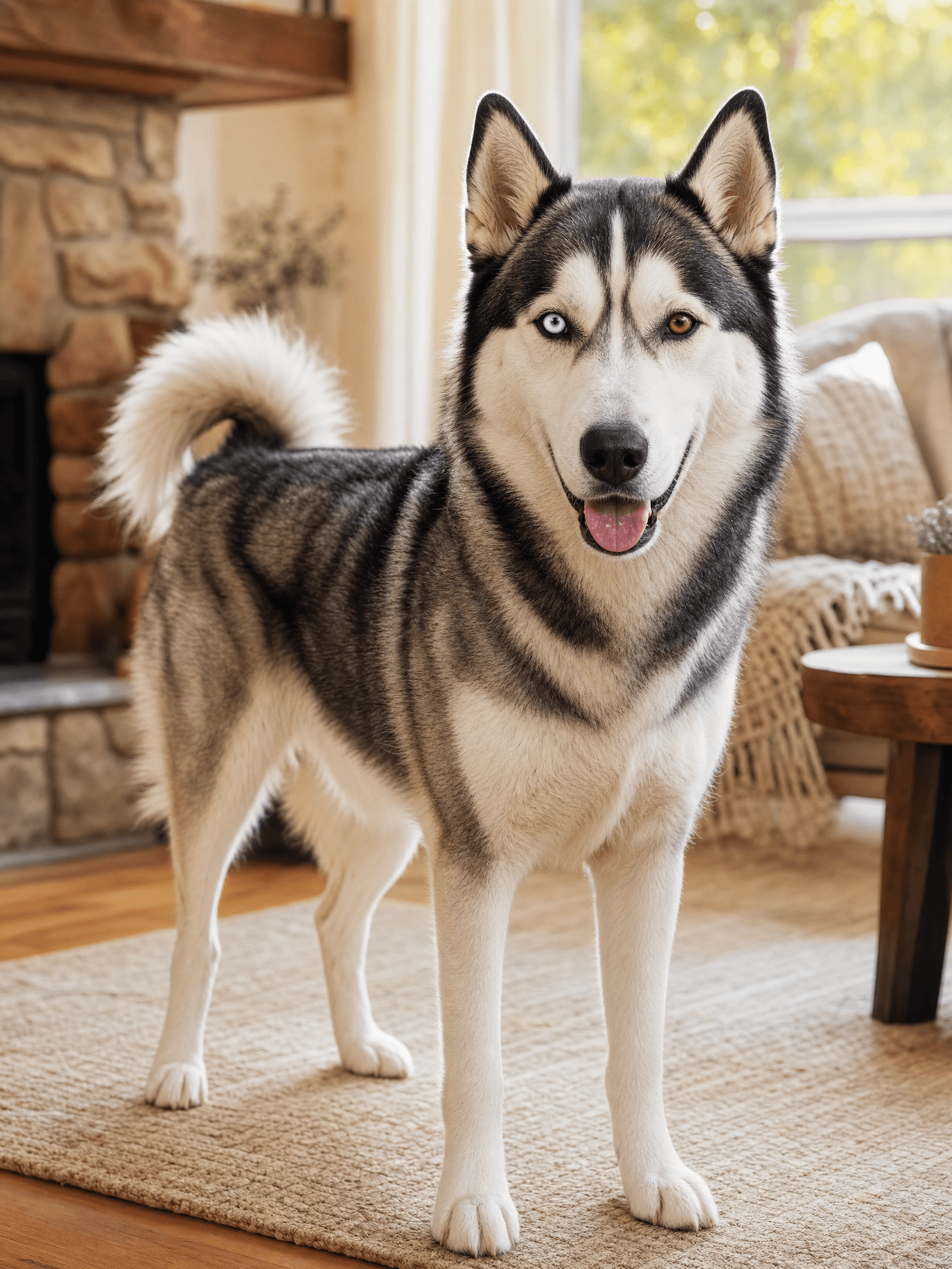
Siberian Husky Training Guide
Priority: Reliable emergency recall and containment safety
Huskies were bred to run away from their handler and make independent decisions. That doesn't change with training.
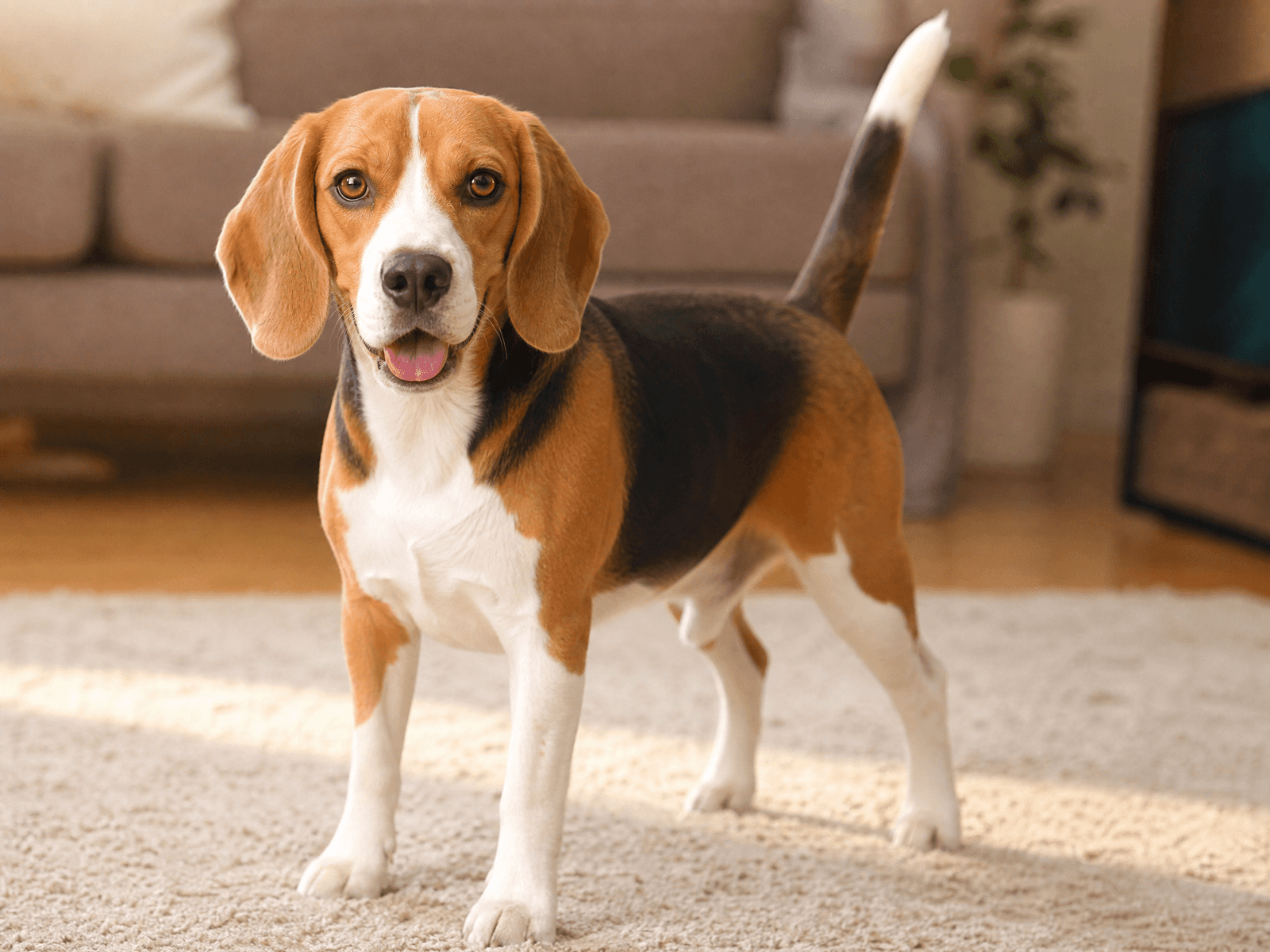
Beagle Training Guide
Priority: Scent distraction management and reliable recall
The moment a Beagle's nose locks onto a scent, you stop existing. Training around that drive is the whole game.
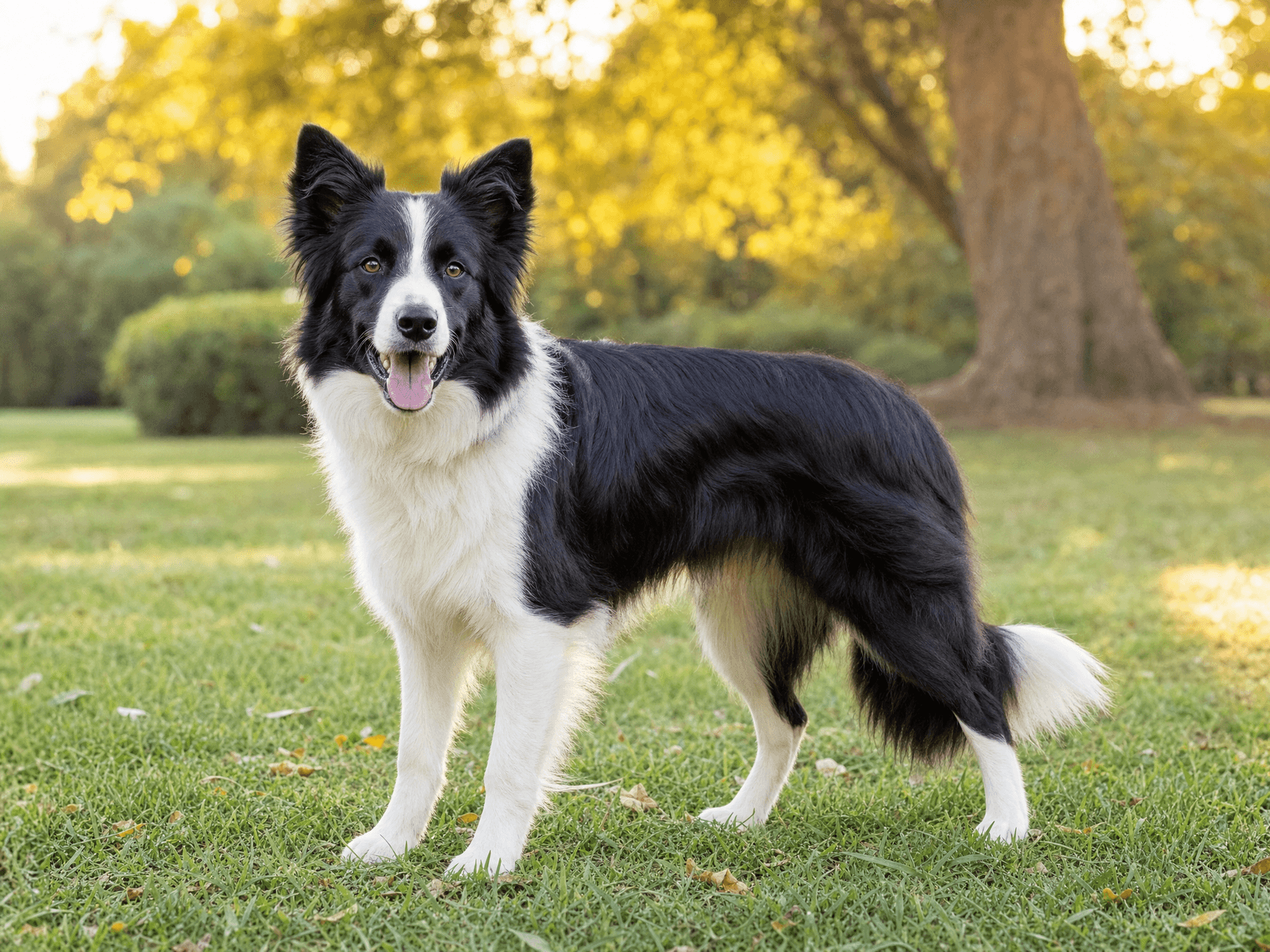
Border Collie Training Guide
Priority: Teaching the 'off switch' and preventing obsessive behavior
The most trainable breed in the world can also be the most challenging to live with if their mind isn't properly managed.
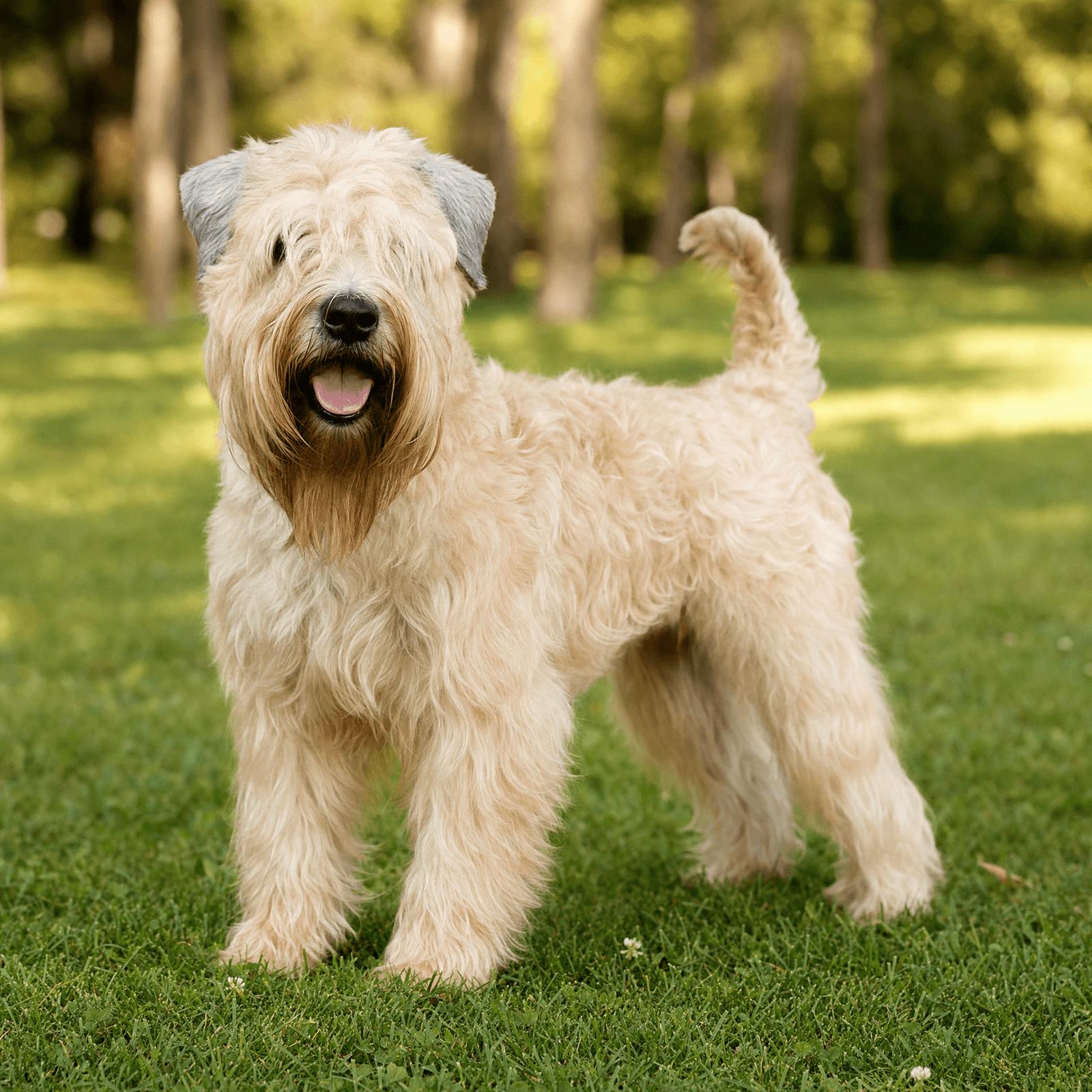
Soft Coated Wheaten Terrier Training Guide
Priority: Managing the Wheaten greeting and terrier independence
Wheatens hear every command perfectly. They're just deciding whether to comply. That's the whole training challenge.
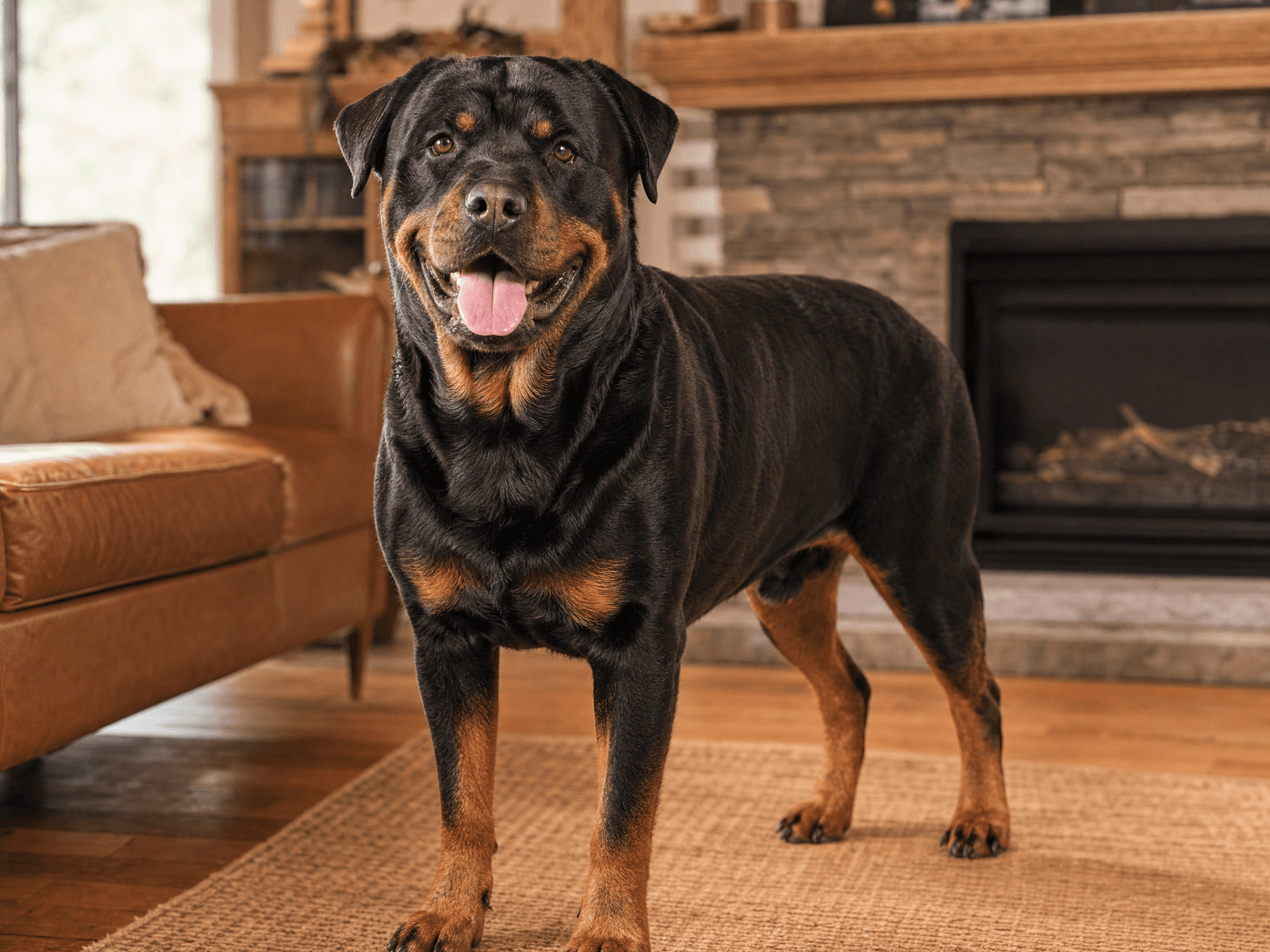
Rottweiler Training Guide
Priority: Early socialization and building neutrality around strangers
A well-trained Rottweiler is one of the calmest dogs you'll ever meet. The window to build that foundation closes fast.
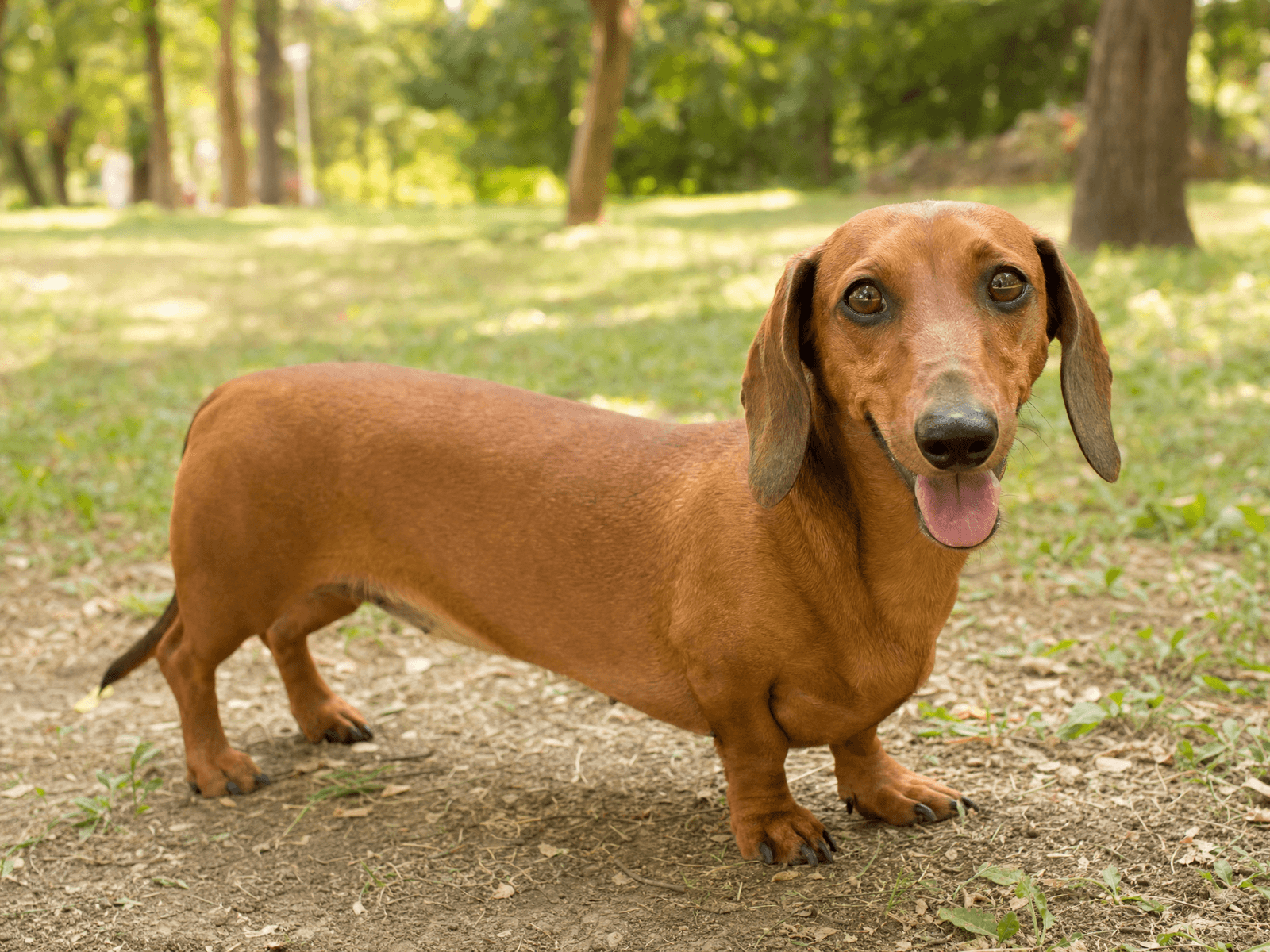
Dachshund Training Guide
Priority: Spinal health awareness and managing stubborn independence
Dachshunds are stubborn, back-injury prone, and notoriously difficult to housetrain. Training one requires patience, consistency, and understanding why their spine changes everything.
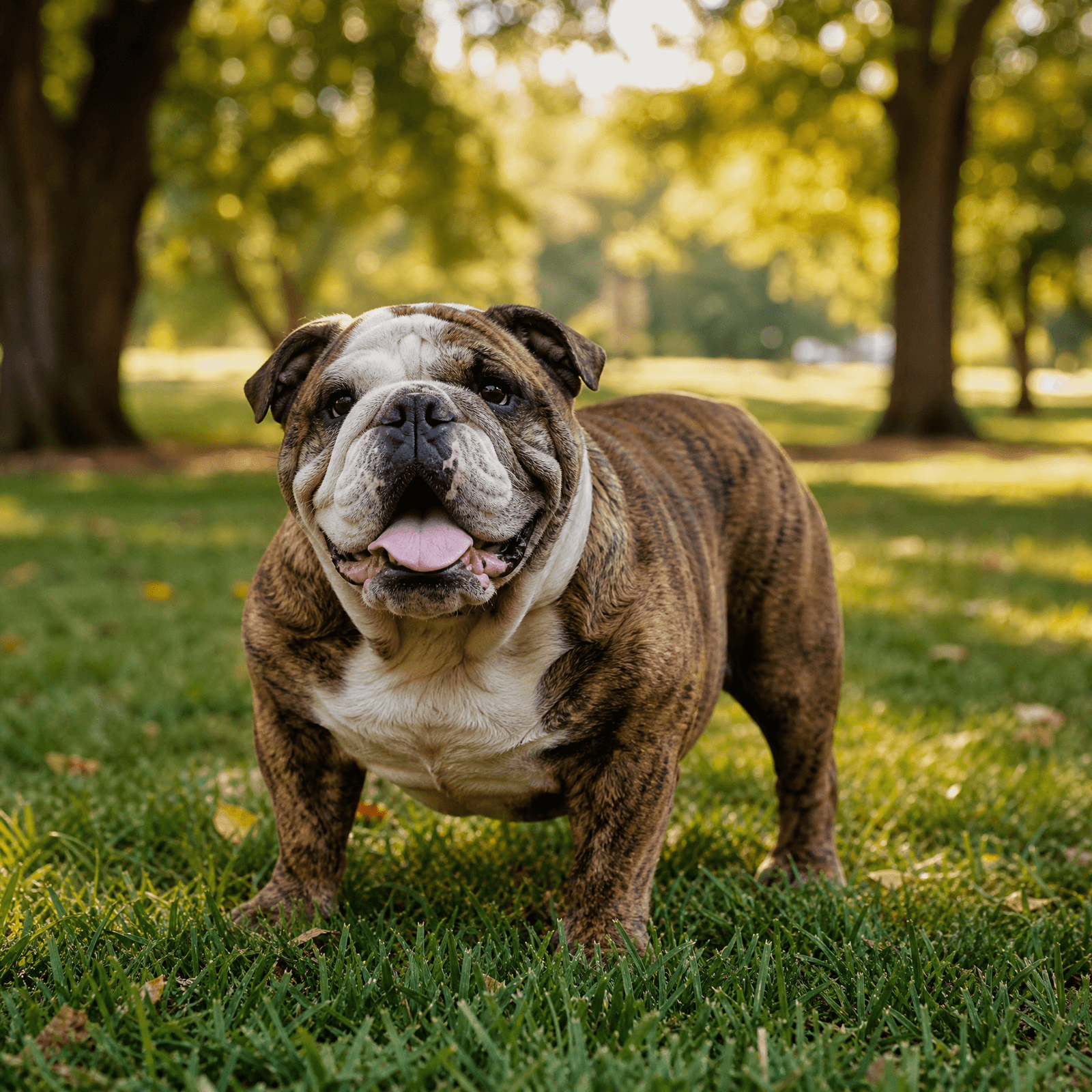
English Bulldog Training Guide
Priority: Consistency despite heat sensitivity and stubbornness
Bulldogs are lovable, stubborn, and physically limited by their flat faces. Training requires short sessions, high-value rewards, and accepting that some commands will take weeks to stick.
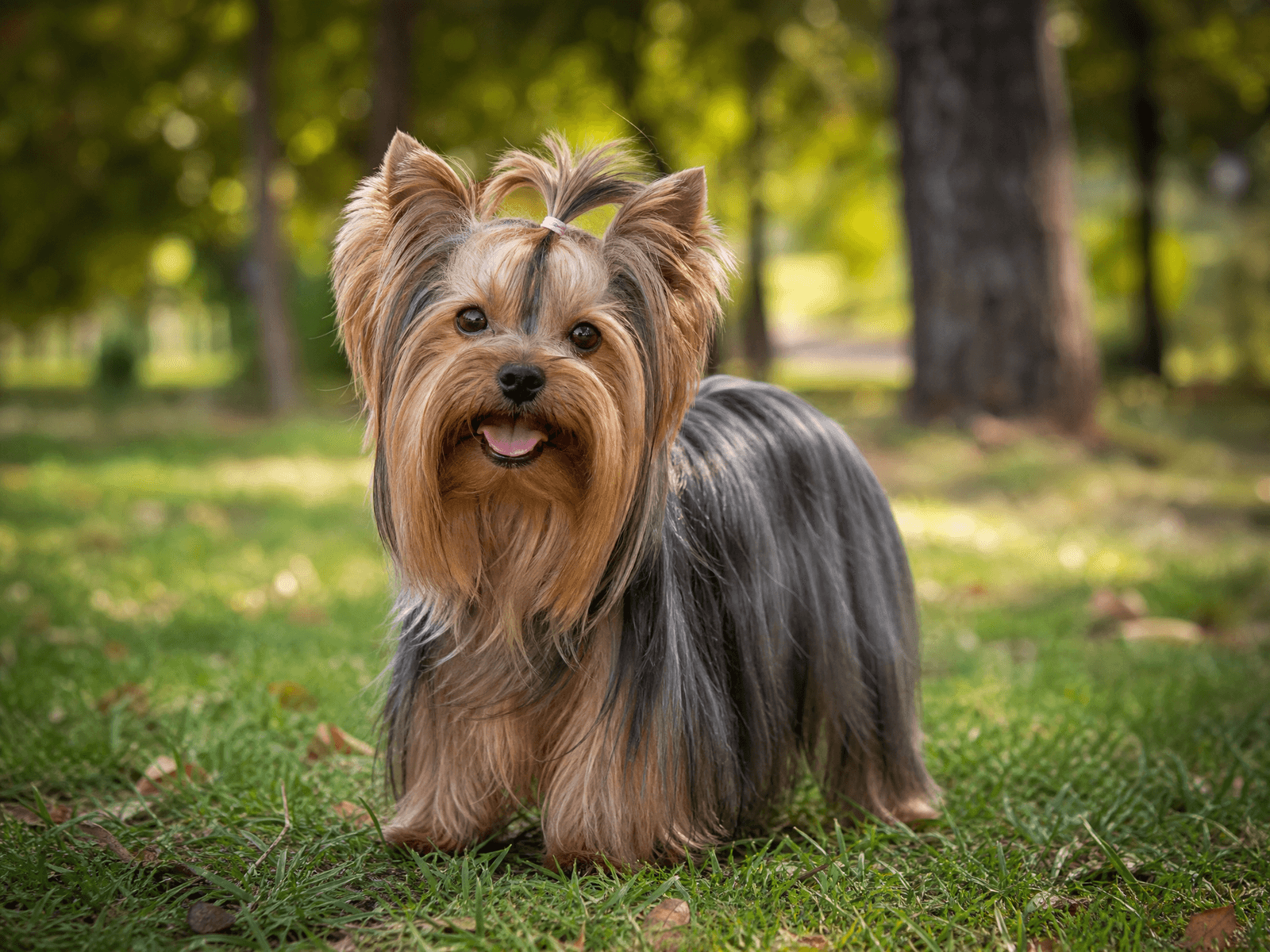
Yorkshire Terrier Training Guide
Priority: Preventing small dog syndrome through early boundary-setting
Yorkies are confident, vocal, and will run the household if you let them. The training window is short and the consequences of missing it are loud.
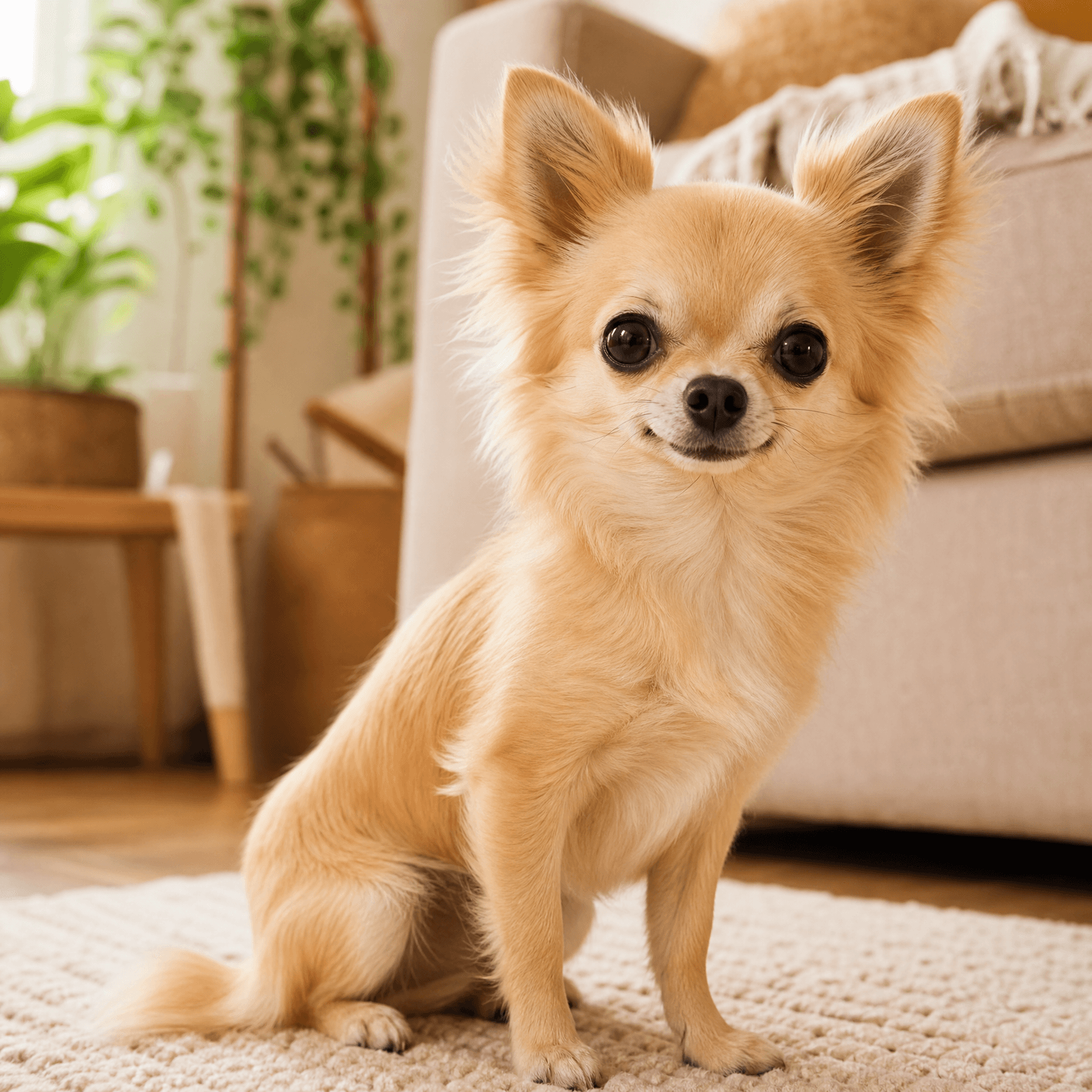
Chihuahua Training Guide
Priority: Fear-based reactivity management and early socialization
Chihuahuas are fearless in their own minds and terrified of everything else. Most aggression in this breed is fear-based — and most of it is preventable with early socialization.
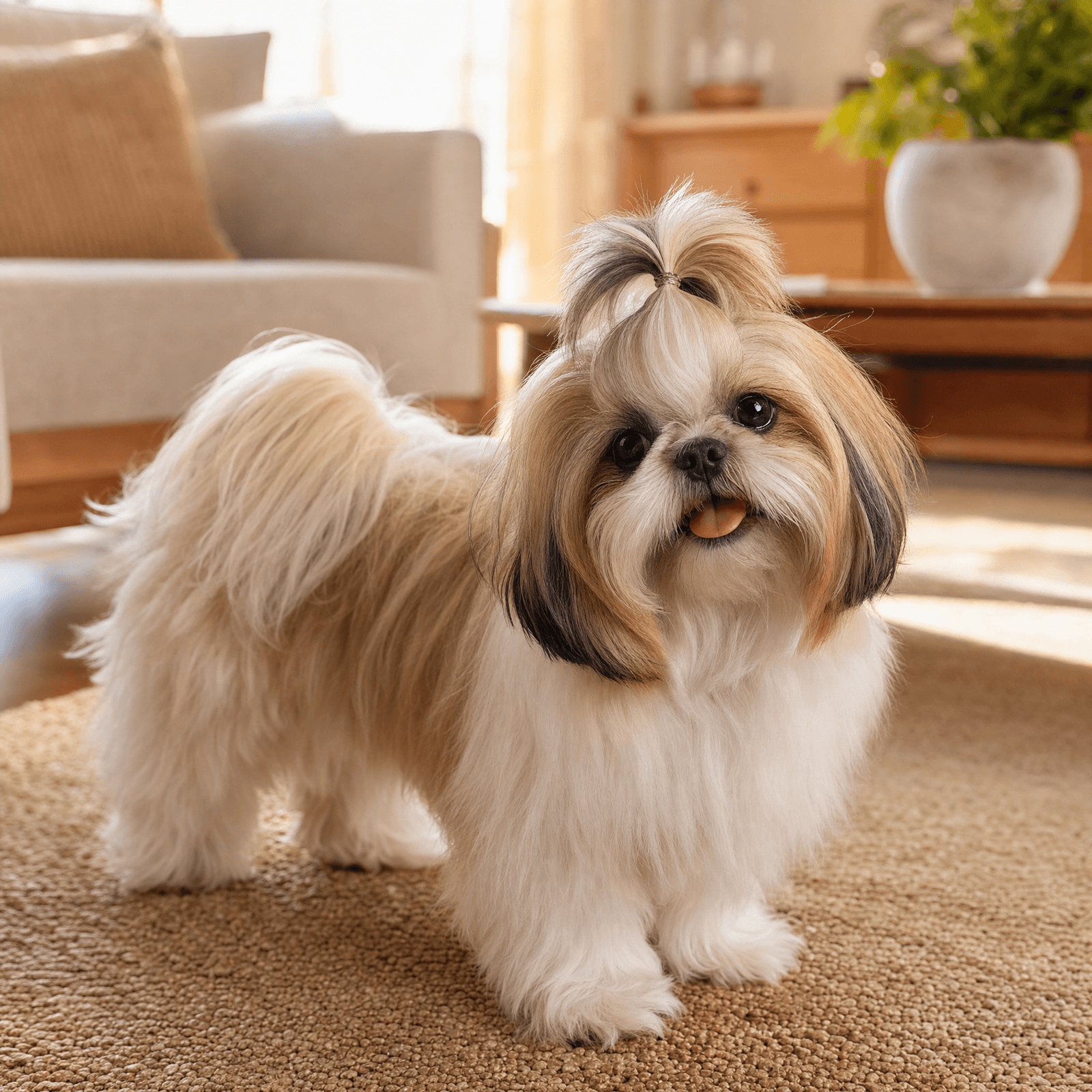
Shih Tzu Training Guide
Priority: Housetraining consistency and building intrinsic motivation
Shih Tzus were bred to sit on laps and look beautiful — not to work. Training requires making compliance genuinely worth their while.
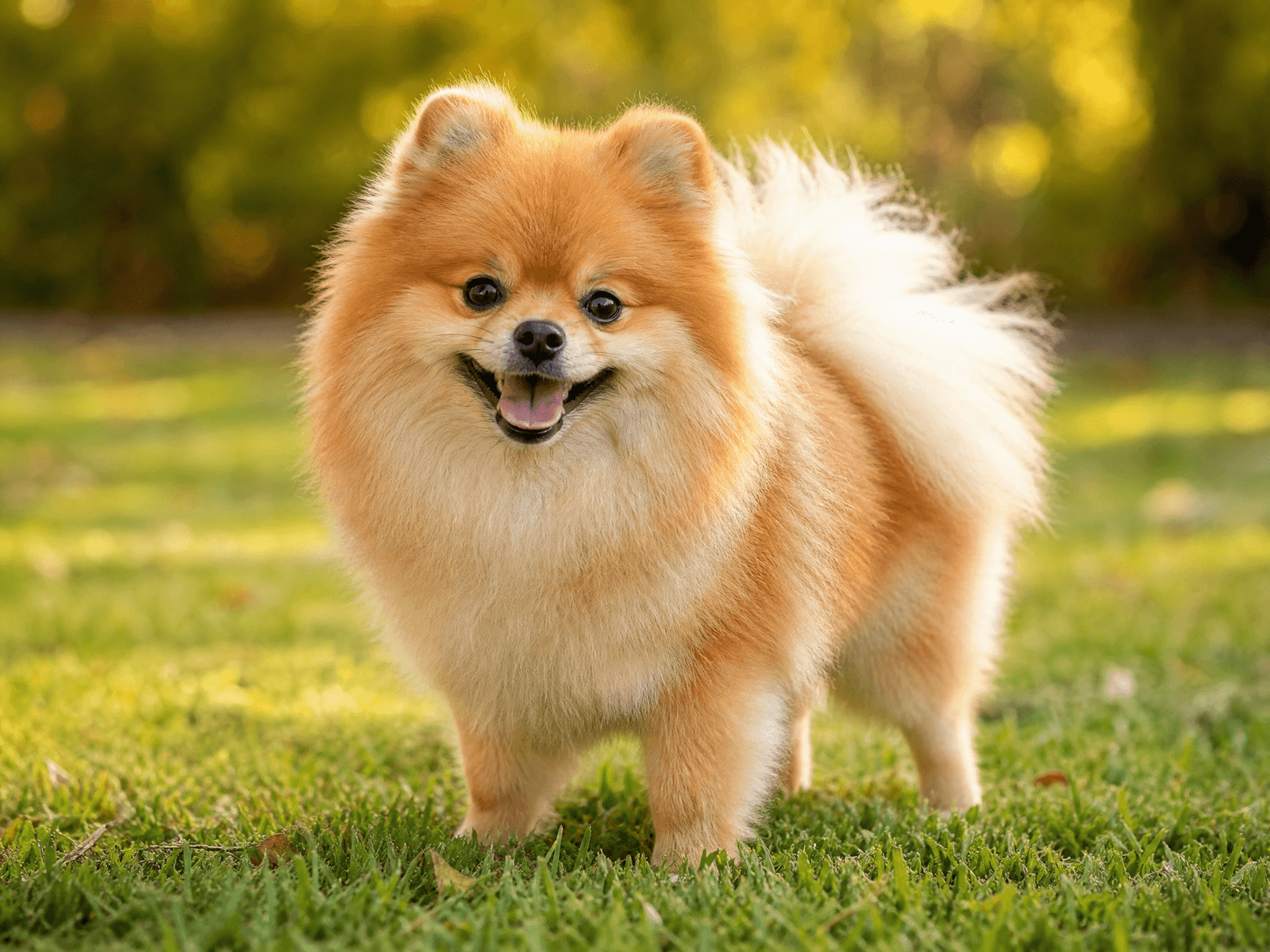
Pomeranian Training Guide
Priority: Barking management and preventing demand behaviors
Pomeranians are intelligent, vocal, and will train you before you train them if you're not careful. Early barking management is non-negotiable.
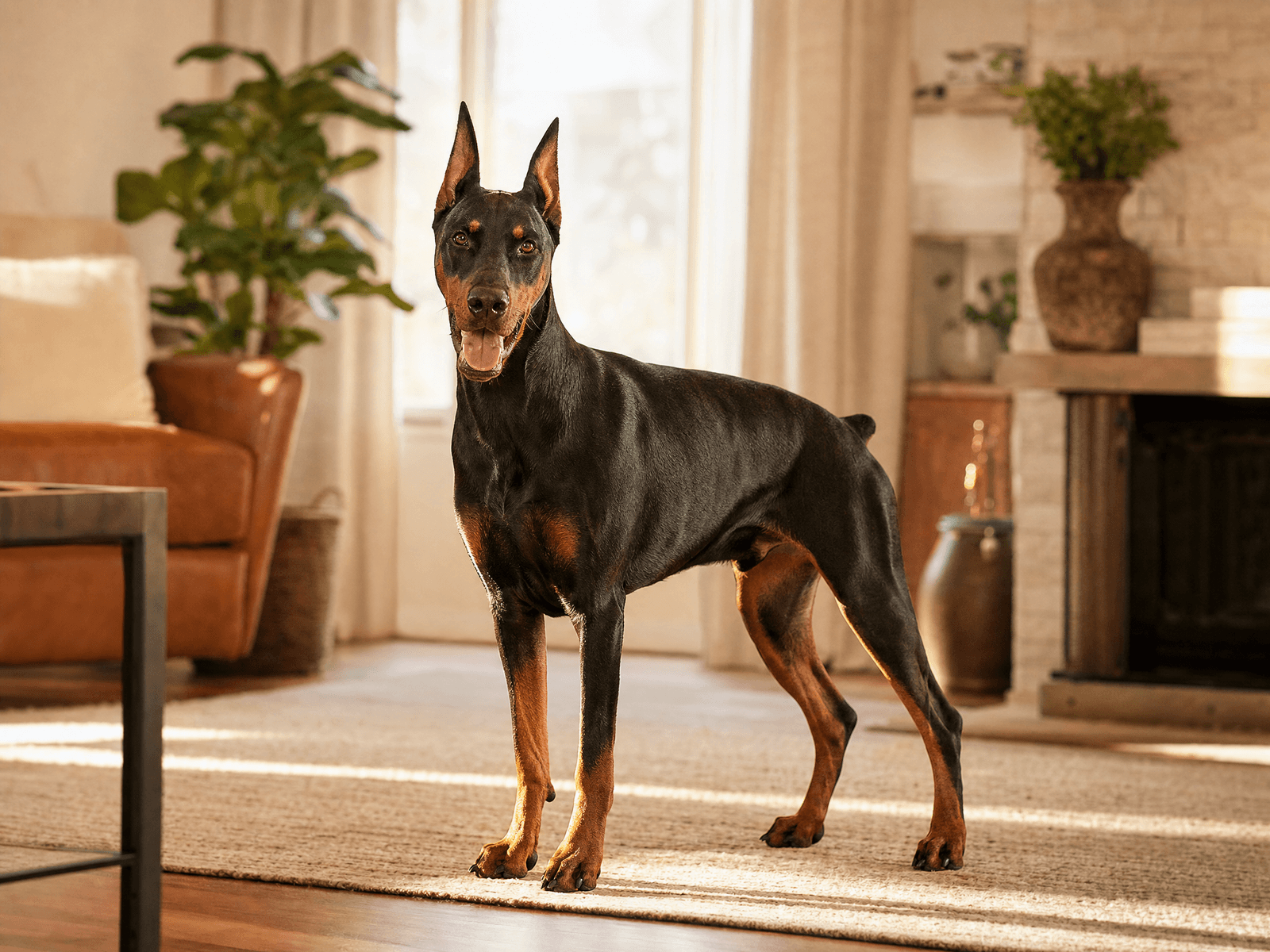
Doberman Pinscher Training Guide
Priority: Early socialization and building confidence around novelty
A well-trained Doberman is one of the most impressive dogs you'll ever meet. The window to build that foundation is shorter than most owners realize.
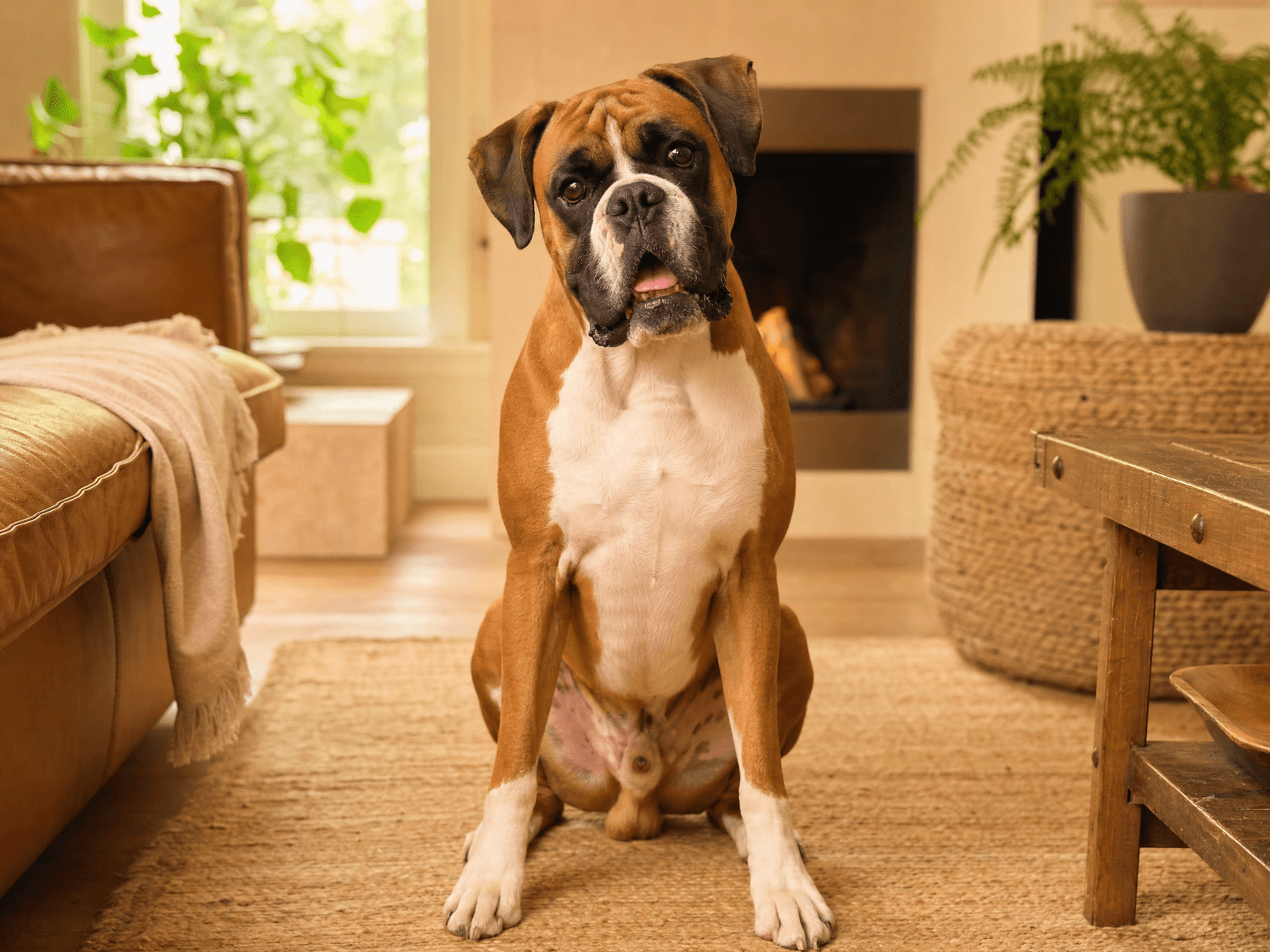
Boxer Training Guide
Priority: Impulse control and managing the extended adolescent phase
Boxers are exuberant, slow to mature, and will knock over your grandmother with love. Managing that energy requires patience through a very long adolescence.
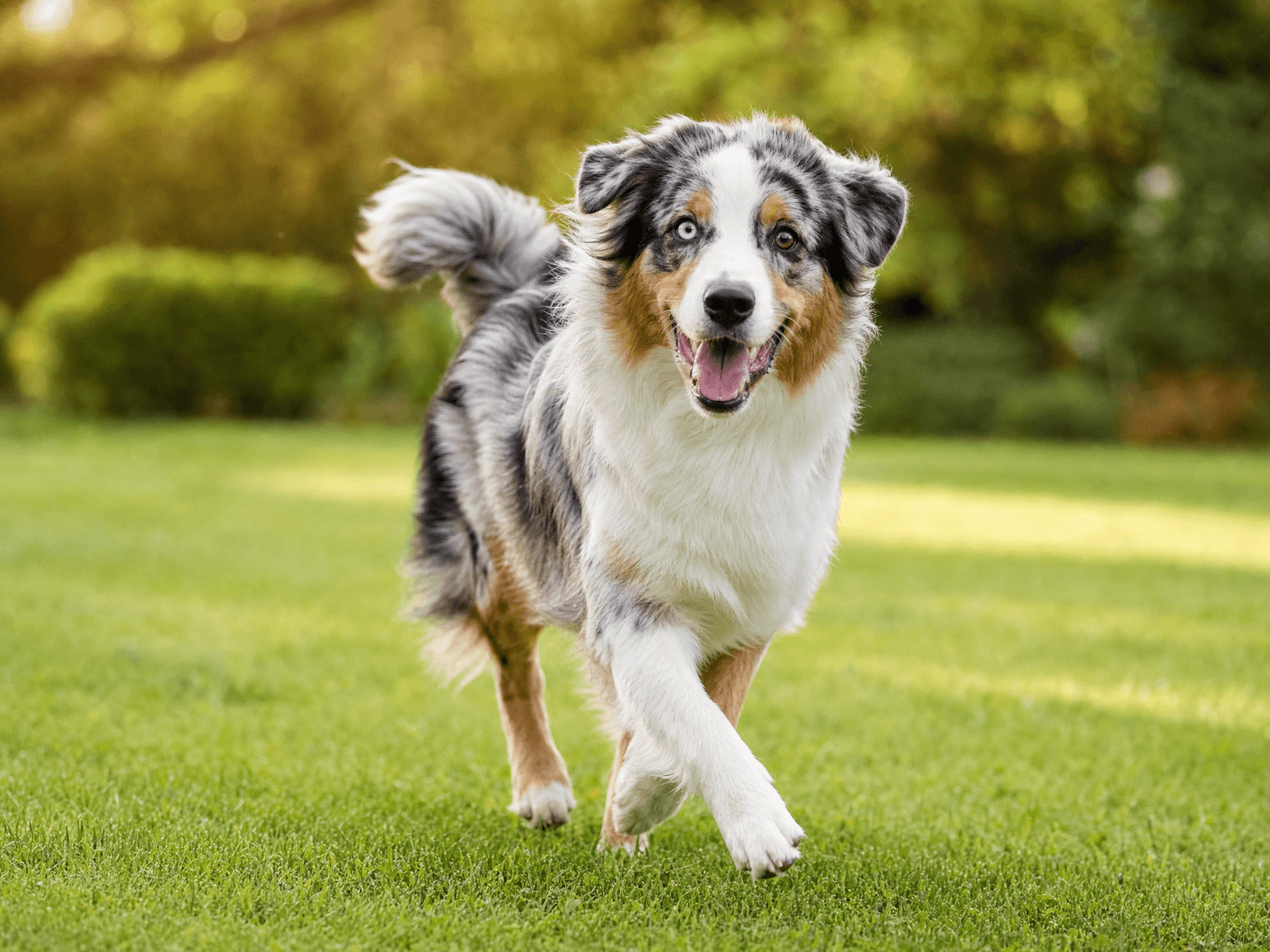
Australian Shepherd Training Guide
Priority: Providing a job and managing herding instinct redirection
Australian Shepherds need a job. Without one, they'll herd your children, chase your cats, and redecorate your home. Training is not optional — it's survival.
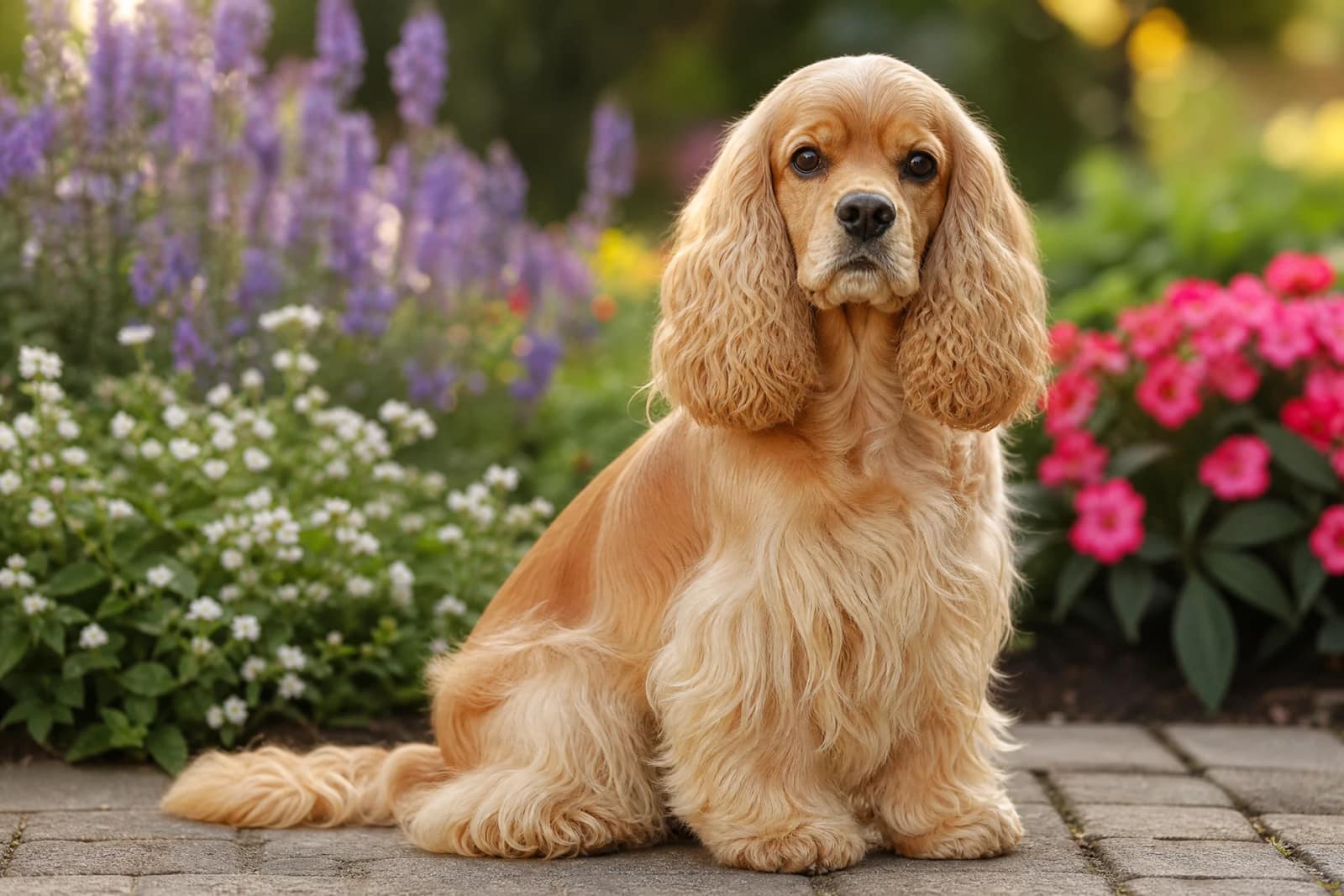
Cocker Spaniel Training Guide
Priority: Gentle training methods to prevent fear-based submission
Cocker Spaniels are sensitive, eager to please, and will shut down completely if training is too harsh. This breed requires the gentlest approach of any sporting dog.
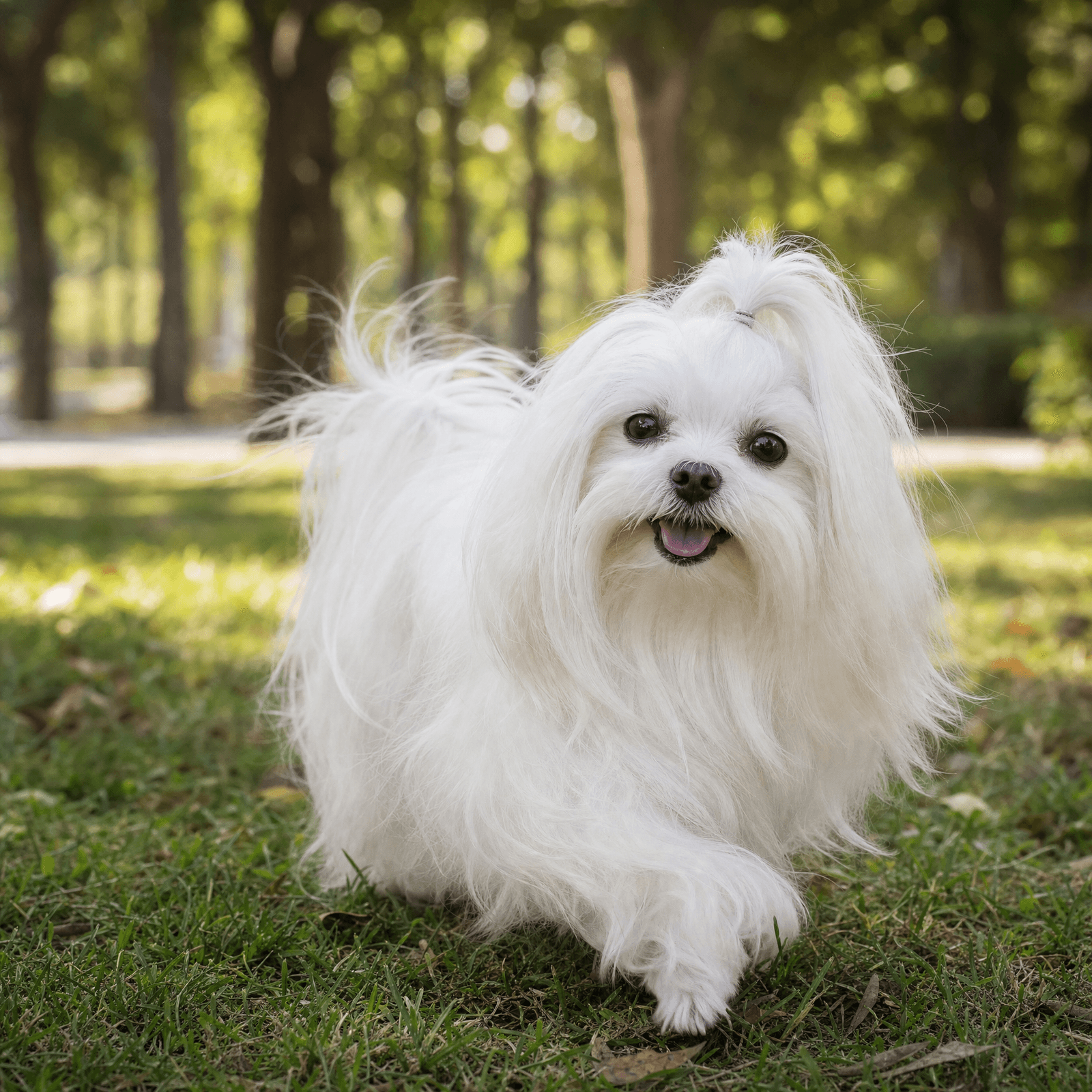
Maltese Training Guide
Priority: Housebreaking and Independent Confidence
Beneath the glamorous white silk coat of the Maltese lies the tenacious, strong-willed spirit of an ancient Mediterranean rat hunter that refuses to be bullied by its own diminutive size. Training a Maltese is less about obedience drills and more about establishing firm, gentle boundaries before their clever manipulation turns your lap into a tiny tyrant's throne.
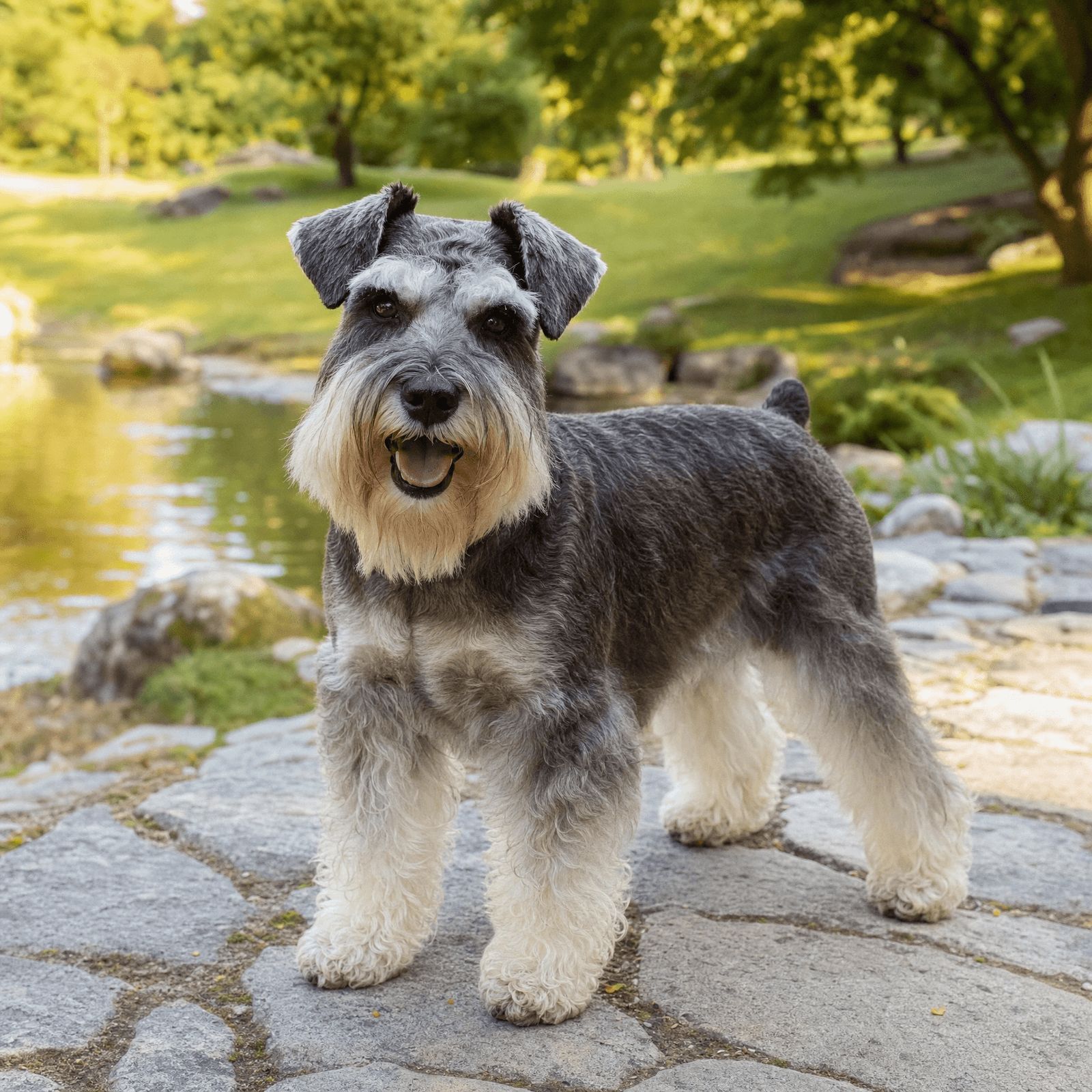
Miniature Schnauzer Training Guide
Priority: Impulse control and arousal management around triggers
The Miniature Schnauzer is a fiercely loyal, whip-smart watchdog whose biggest training obstacle is an incessant, hardwired vocal alarm system and a stubborn independent streak inherited from generations of vermin-hunting farm terriers. If you do not proactively train an 'off switch' for their alertness and channel their relentless drive, you will find yourself managing a hyper-vigilant barker who thinks every rustle in the hedge requires immediate vocal intervention. Training a Miniature Schnauzer is not about breaking their spirit; it is about outsmarting their high-octane alertness and establishing crystal-clear boundaries before they appoint themselves CEO of the household.
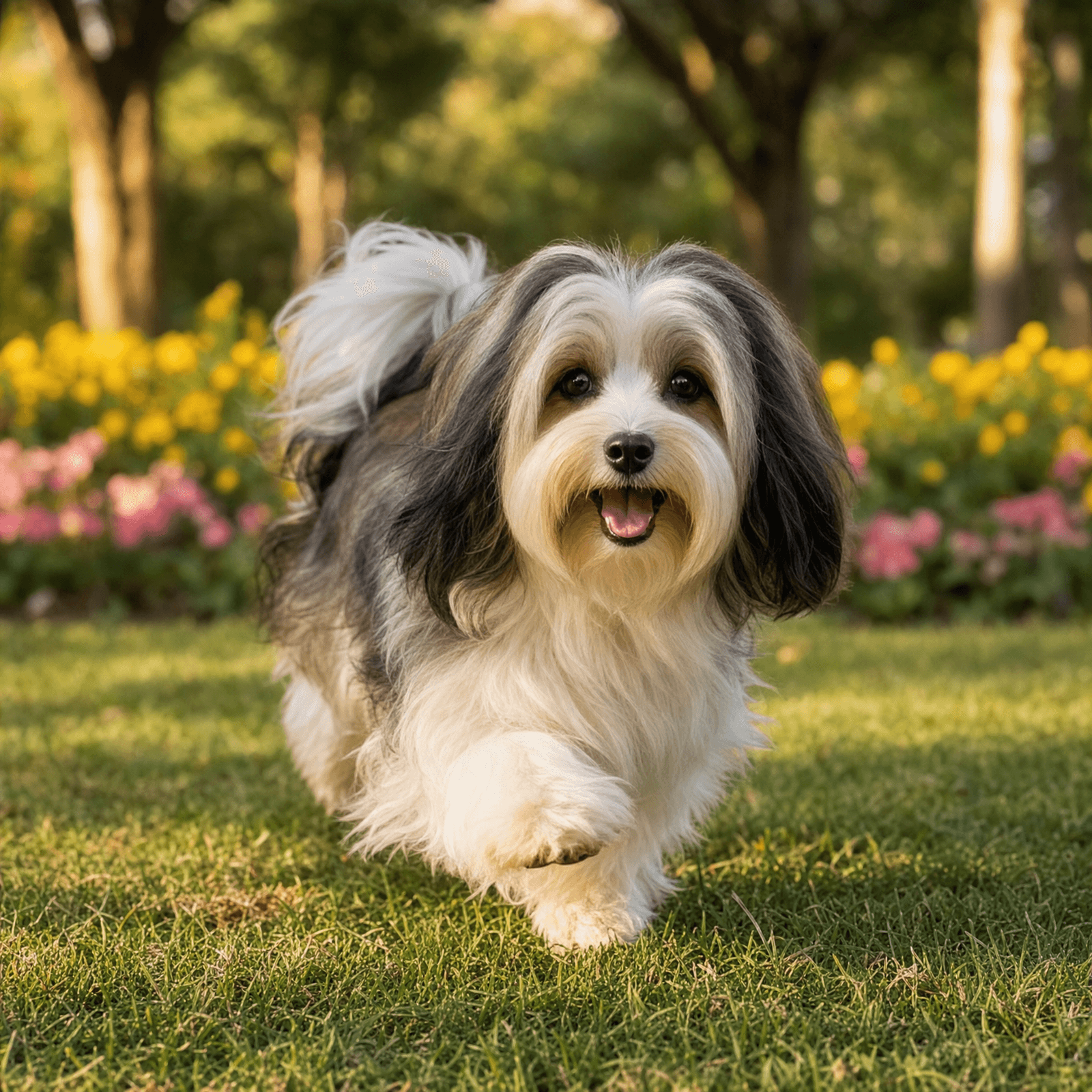
Havanese Training Guide
Priority: Preventing separation anxiety and building independent confidence
Training a Havanese is rarely a battle of raw dominance, but rather an ongoing negotiation with a fiercely devoted velcro dog who views your entire house as their personal stage. Beneath their charming, silky exterior lies a sensitive, clever mind that can easily outsmart lax consistency or exploit emotional soft spots. If you do not establish clear boundaries early, your affectionate little shadow will quickly appoint themselves the director of your household.
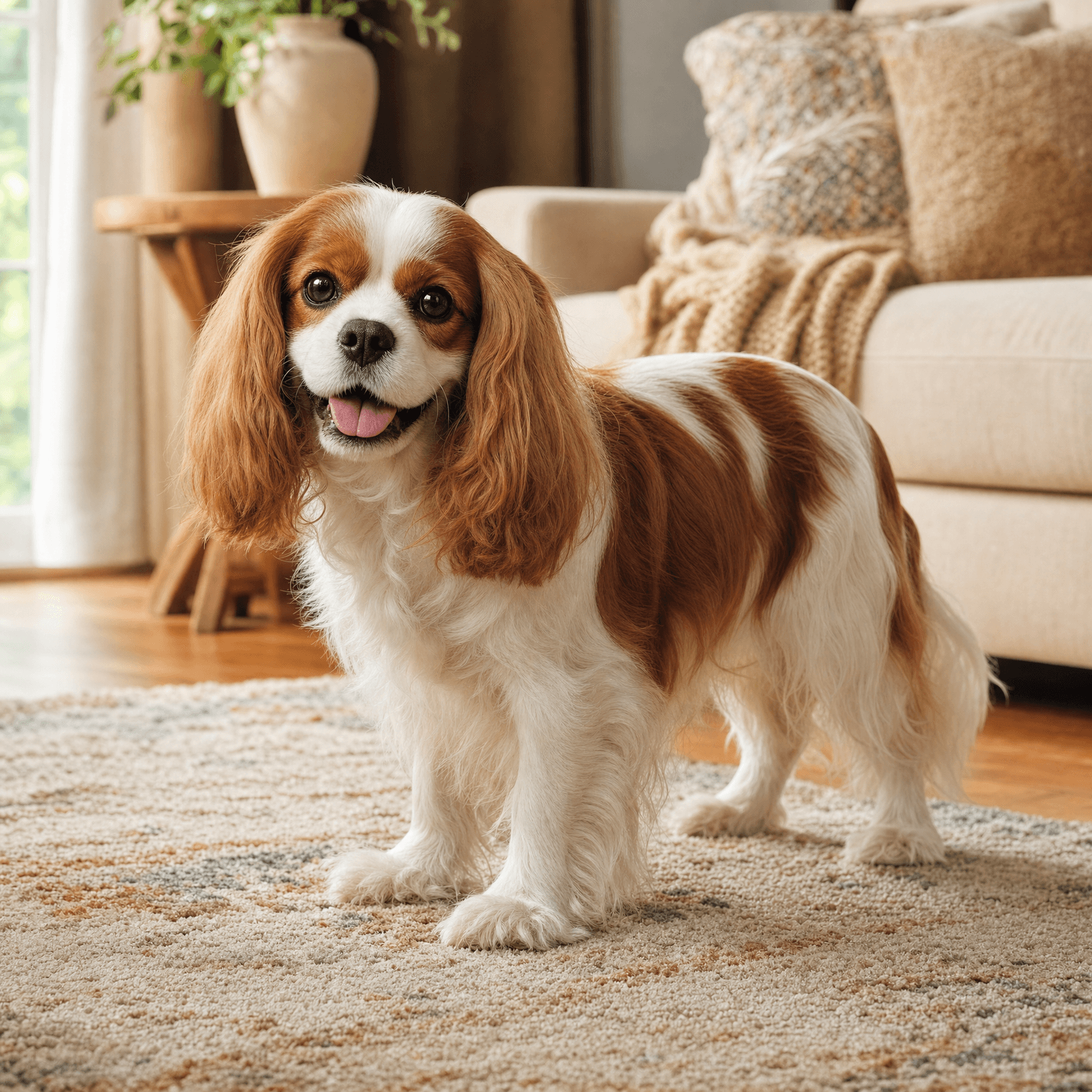
Cavalier King Charles Spaniel Training Guide
Priority: Bulletproof recall and soft-surface impulse control
Training a Cavalier King Charles Spaniel means confronting the ultimate canine paradox: an affectionate, eager-to-please companion whose soft, sensitive nature makes traditional harsh corrections utterly disastrous, yet whose ancient spaniel hunting instincts can cause them to completely vanish into the brush after a passing butterfly. Owners quickly learn that while this breed is remarkably easy to love, managing their profound sensitivity alongside their stealthy predatory drive requires an uncommon blend of bulletproof patience, gentle consistency, and elite-level recall conditioning.
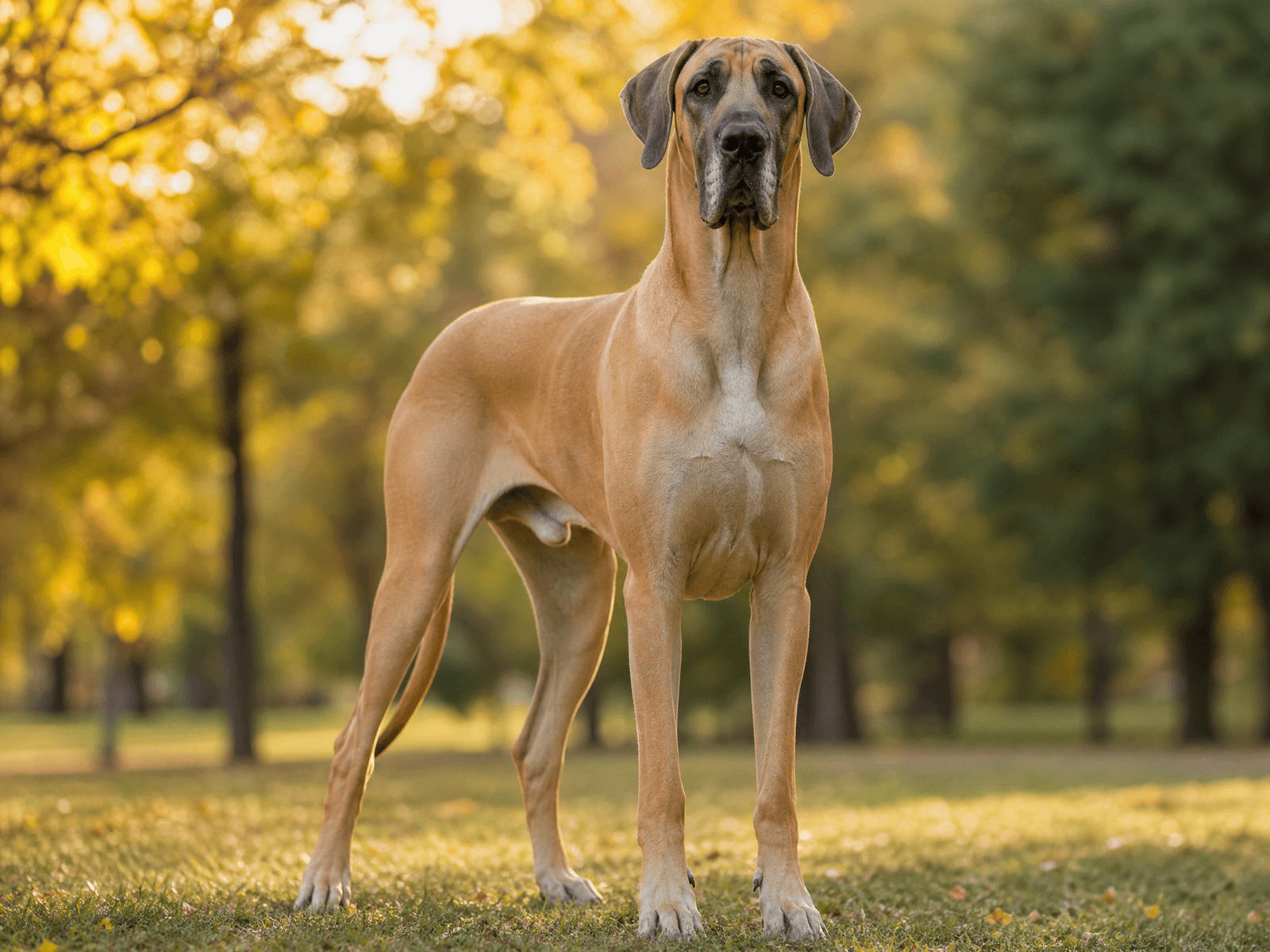
Great Dane Training Guide
Priority: Leash Manners and Body Awareness (Loose-Leash Walking at Scale)
Training a Great Dane is less about fierce obedience and more about steering a living sofa with the gentle persistence of an aircraft carrier captain. The #1 training reality with this breed is that physical control becomes obsolete by six months of age; if you haven't established mental buy-in and polite loose-leash habits before your puppy reaches 100 pounds, you will no longer be walking your dog—your dog will be walking you across traffic.
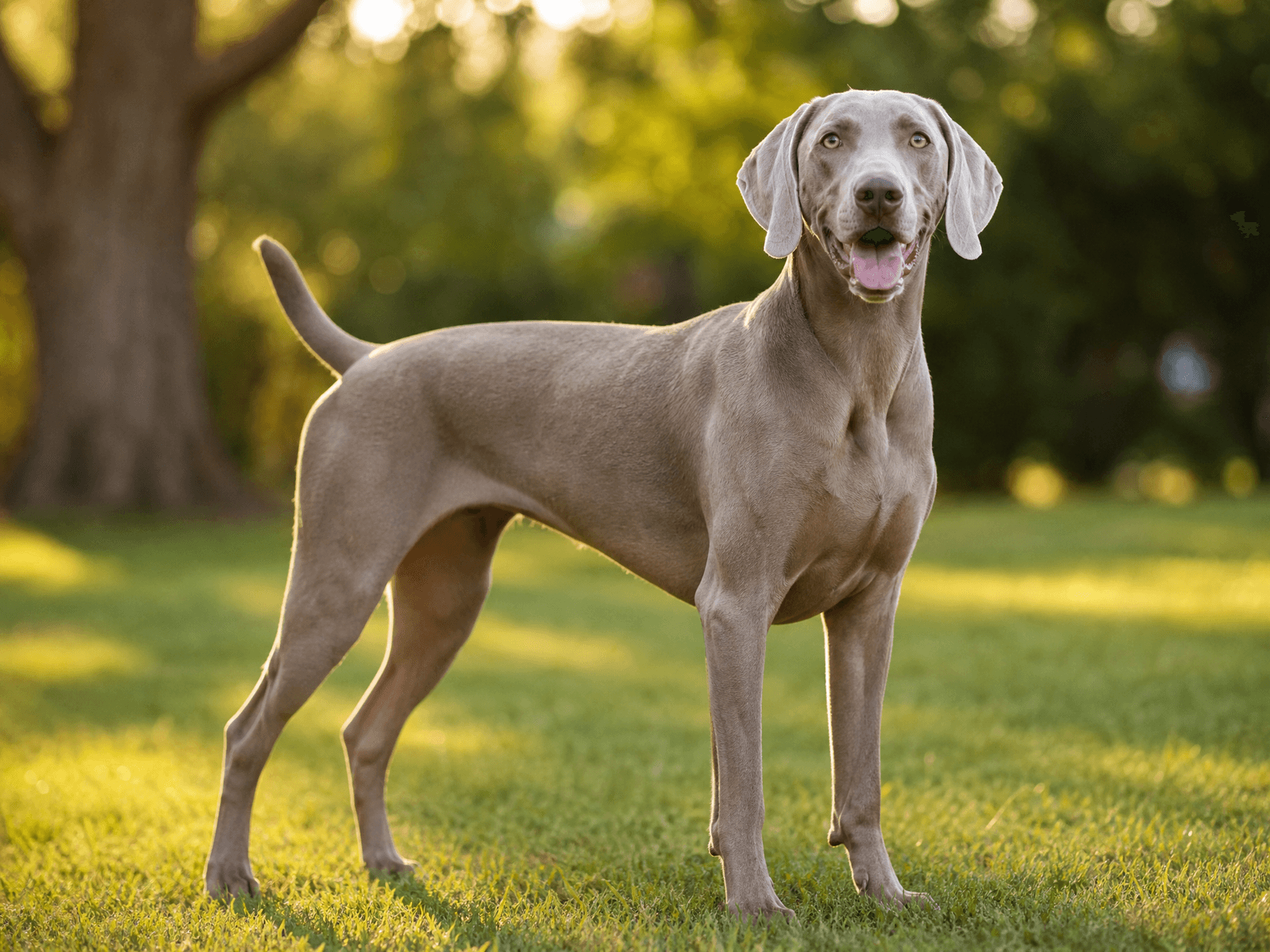
Weimaraner Training Guide
Priority: Reliable emotional regulation and impulse control under high arousal
The Weimaraner is not just an energetic dog; they are an intensive, velcro-like psychological project packaged in an athletic 70-pound frame. If you are not prepared to manage severe separation anxiety, relentless prey drive, and a stubborn independent streak, this breed will quickly outsmart and overwhelm your household.
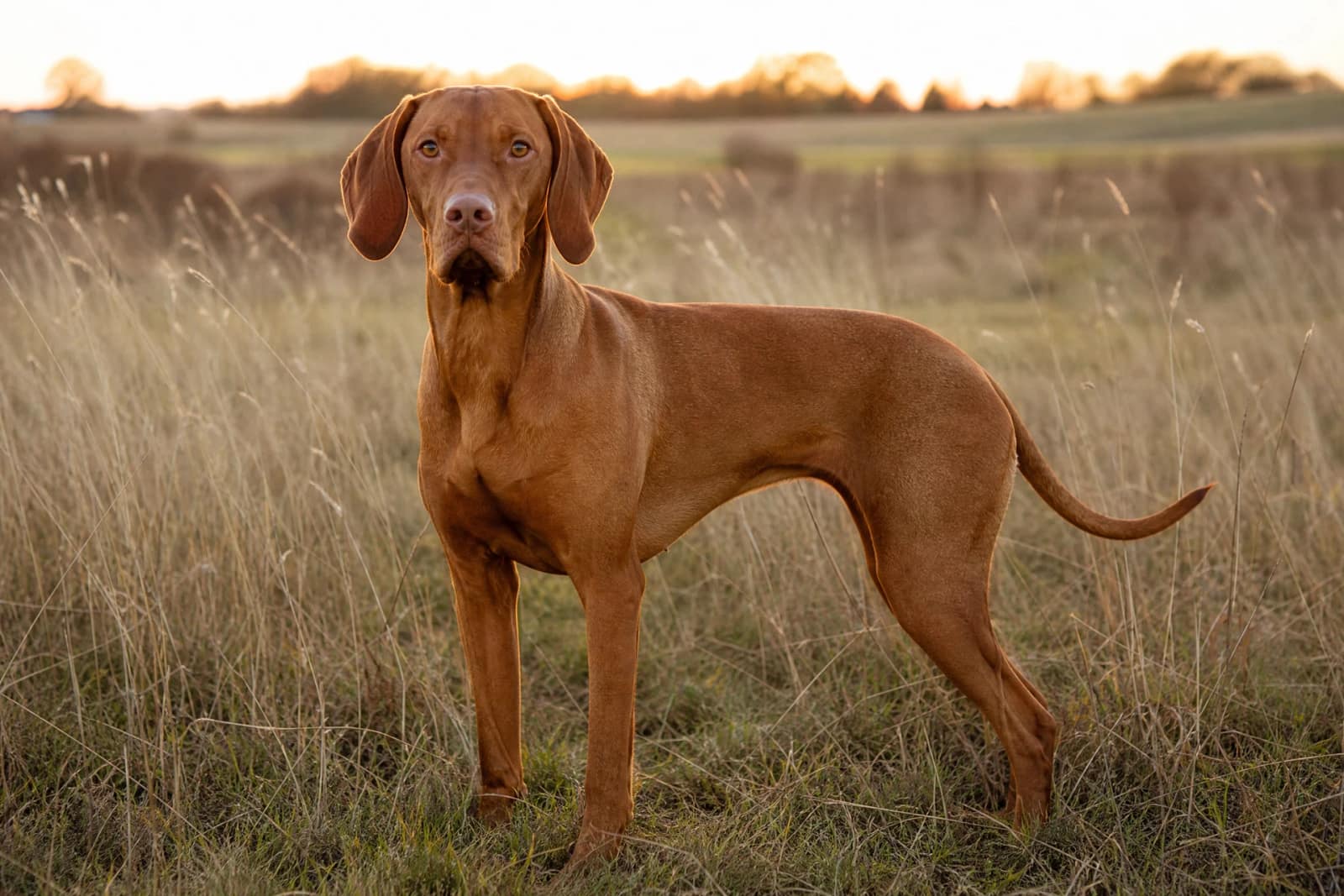
Vizsla Training Guide
Priority: Recall reliability in open spaces
The Vizsla is not just a dog; it is an organic shadow with an insatiable need for physical contact and a brain that operates at supersonic speed. If you are looking for an independent pet that will happily lounge on the sofa while you work undisturbed for eight hours, turn around right now. Training a Vizsla requires acknowledging that their legendary velcro nature and relentless working drive are two sides of the same coin: a high-stakes partnership that demands absolute emotional attunement and unwavering consistency.
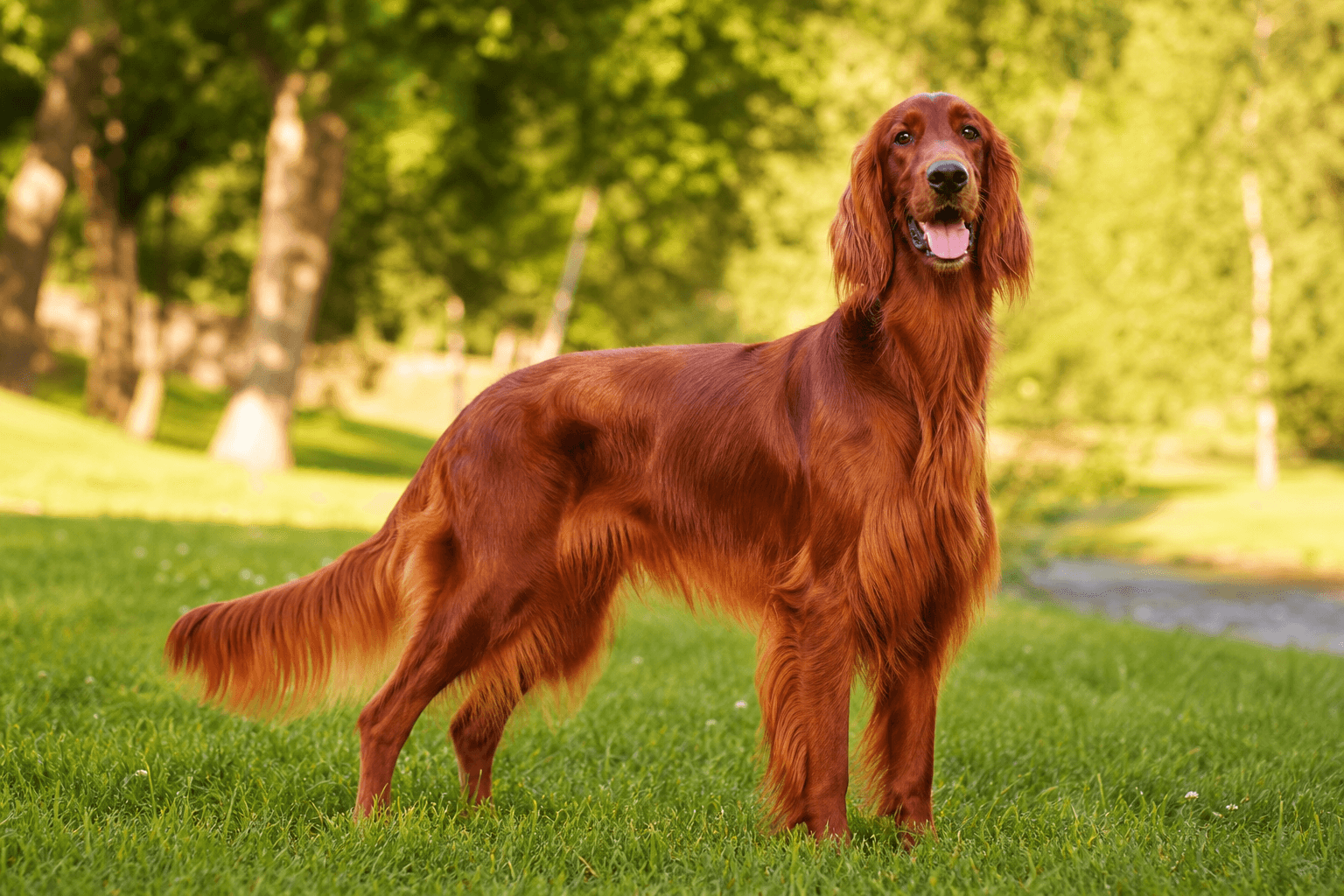
Irish Setter Training Guide
Priority: Reliable Off-Leash Recall and Impulse Control Under High Arousal
Training an Irish Setter means accepting that you are handling a high-spirited, emotionally sensitive athlete trapped in the body of a perpetual adolescent who matures at a glacial pace. If you expect immediate, robot-like compliance or drill-sergeant obedience, this exuberant redhead will quickly humble you with a masterclass in selective hearing and joyful independence. Success with the breed requires laughing off their boundless antics while relentlessly building impulse control, emotional regulation, and an unbreakable bond.
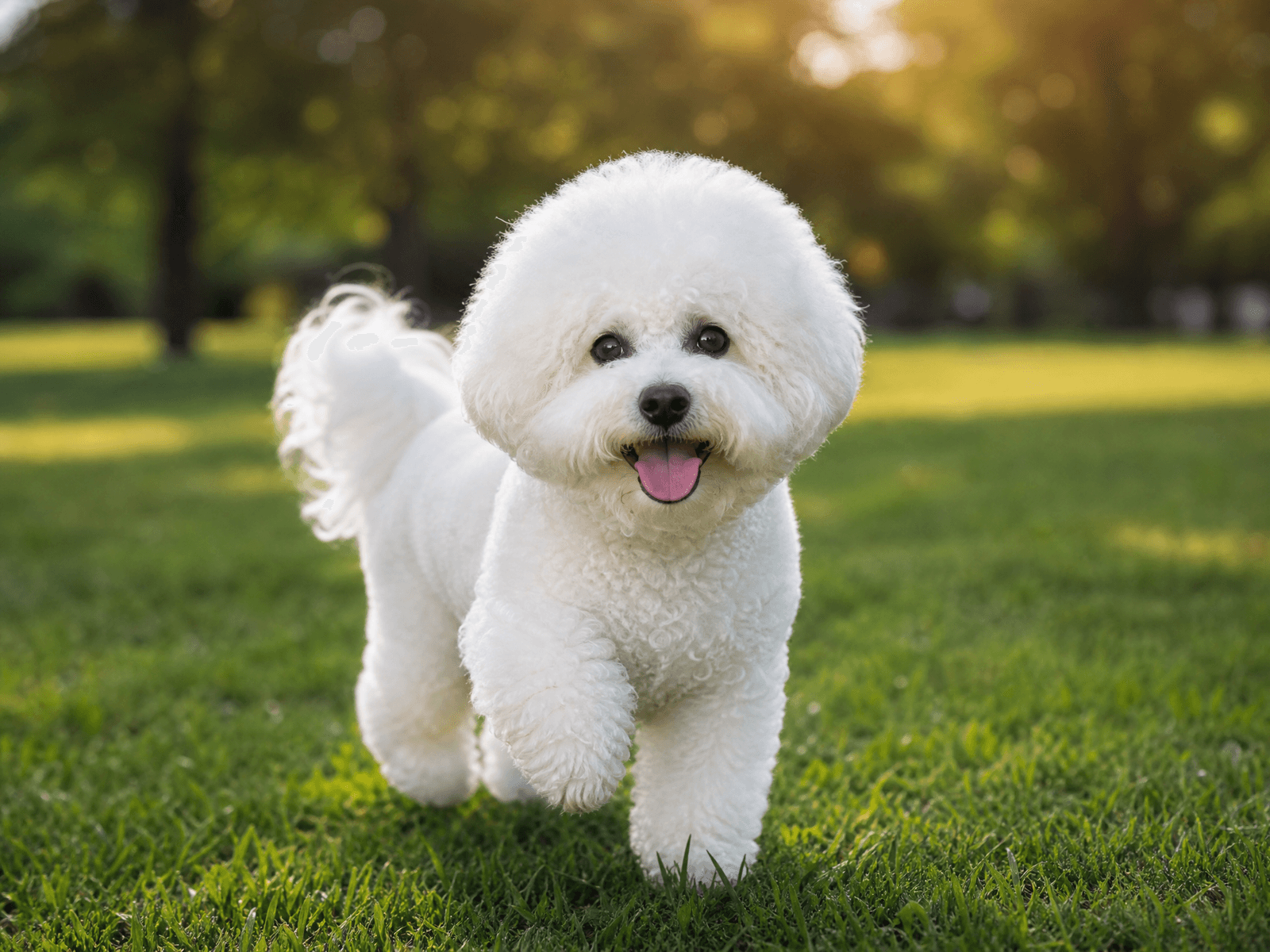
Bichon Frise Training Guide
Priority: Reliable housebreaking and crate-training independence
The Bichon Frise is often dismissed as an easygoing lapdog, but behind that cheerful powder-puff exterior lies a notoriously stubborn streak when it comes to housebreaking and an independent mind that views your commands as optional suggestions. If you approach training expecting a compliant pushover, you will quickly find yourself outsmarted by a nine-pound aristocrat who knows exactly how to get their way.
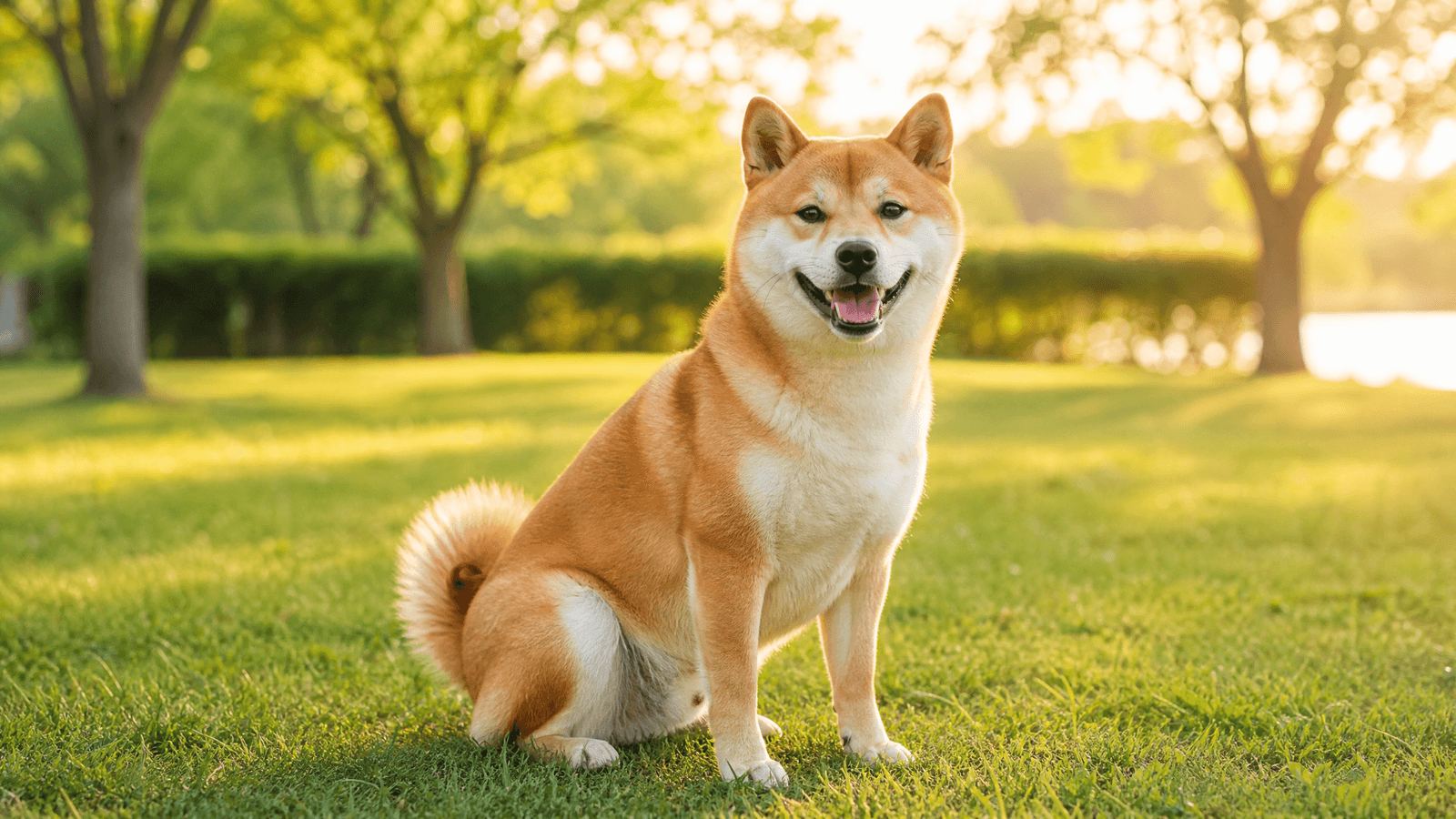
Shiba Inu Training Guide
Priority: Recall reliability in open spaces
The Shiba Inu is not a stubborn dog; rather, they are independent thinkers who simply do not see the point in complying with redundant commands unless there is a clear, immediate benefit to doing so. Training a Shiba requires abandoning traditional obedience mindsets and embracing a partnership built on mutual respect, precise timing, and psychological motivation.
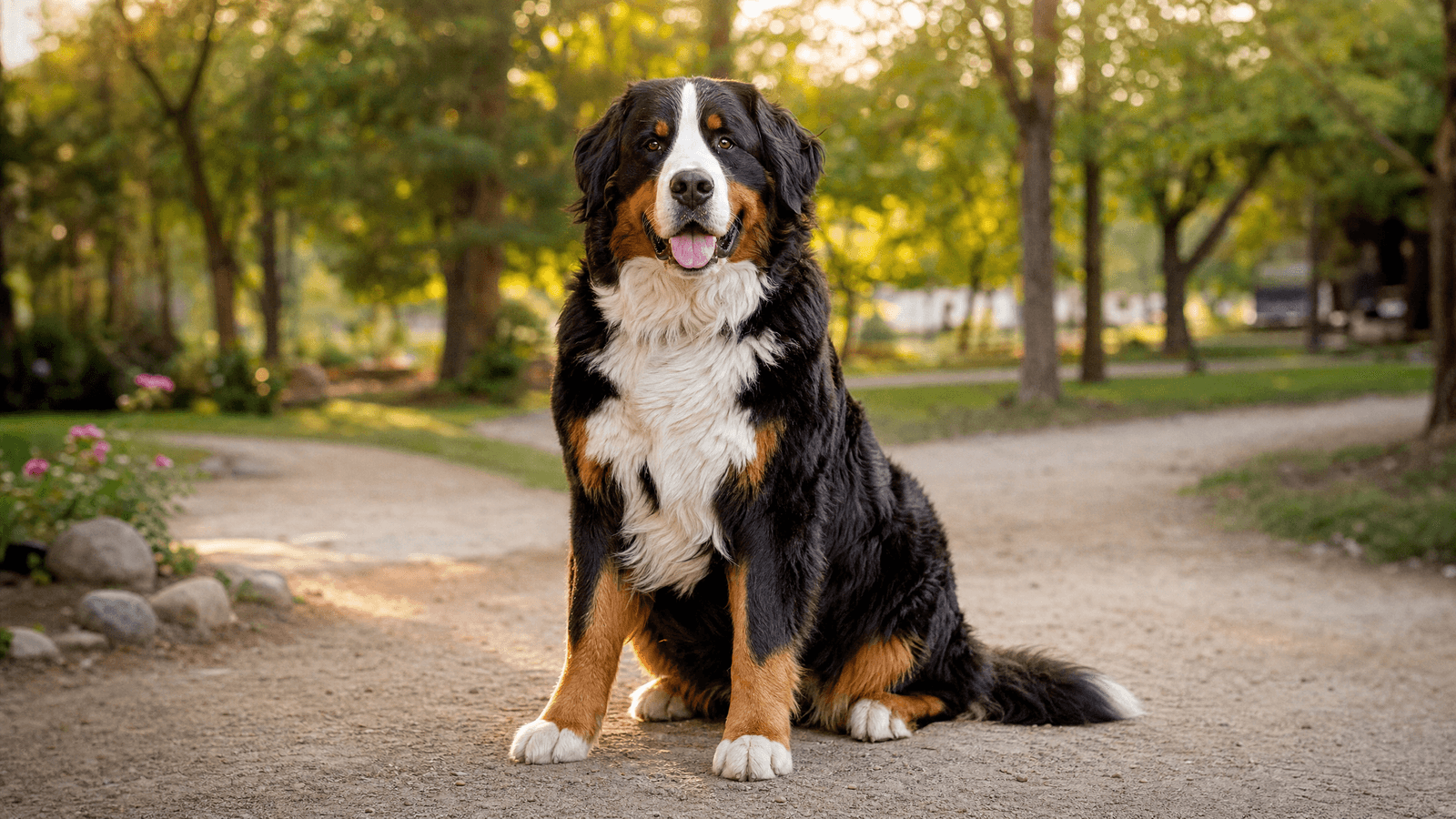
Bernese Mountain Dog Training Guide
Priority: Early socialization before 16 weeks combined with leash-pressure desensitization
Training a Bernese Mountain Dog requires navigating a powerful drafting heritage, a strong opposition reflex, and a gentle, sensitive temperament that shuts down under harsh corrections. Beneath their famously calm exterior lies an independent problem-solver who will happily plant their feet if your training sessions lack fairness and clarity.
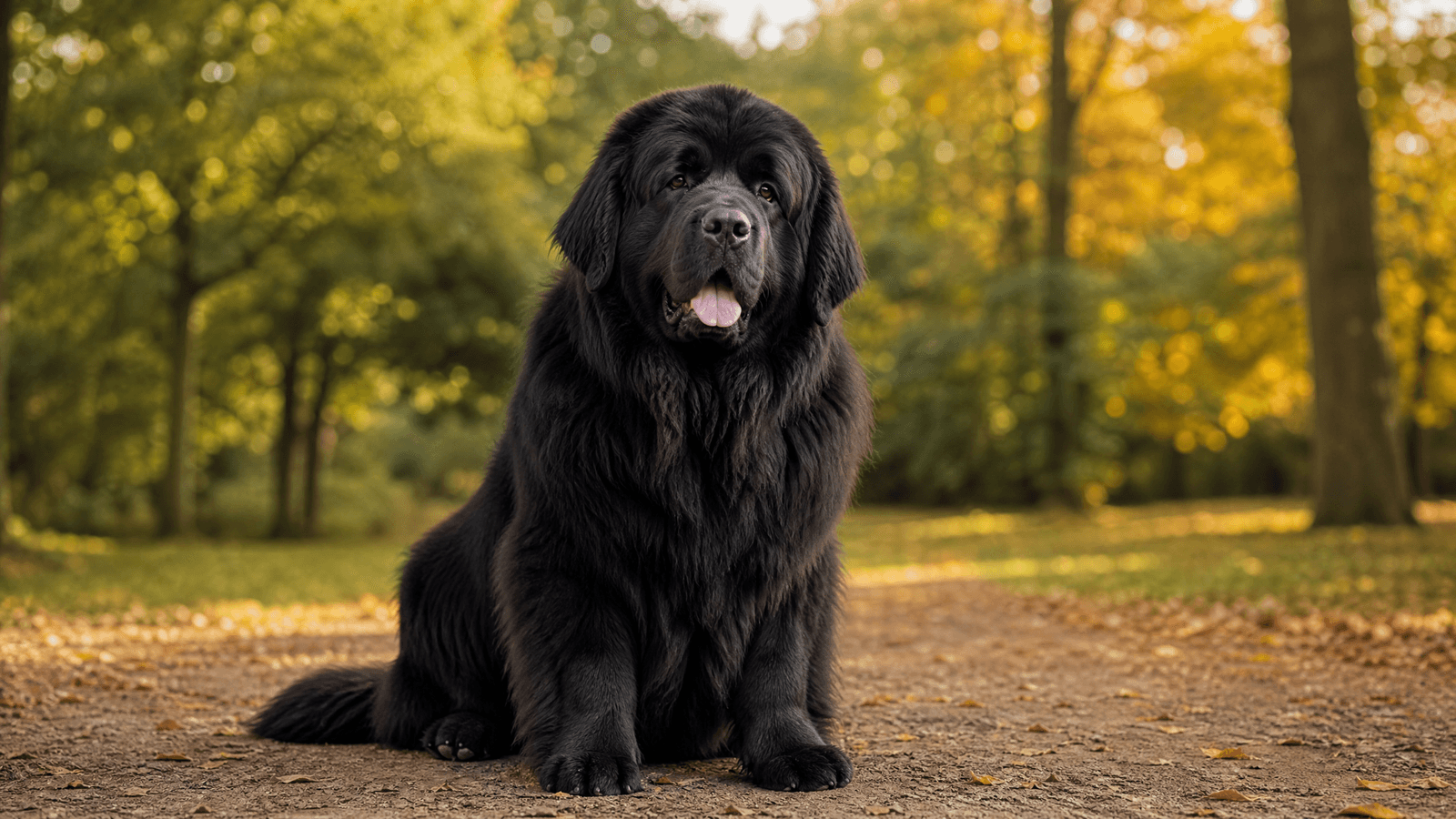
Newfoundland Training Guide
Priority: Leash Manners and Impulse Control under Environmental Distraction (Water and People)
Training a Newfoundland is less about breaking stubbornness and more about managing a 150-pound creature who firmly believes they are a lapdog with a part-time job as a lifeguard. Beneath their legendary gentle giant persona lies an independent working retriever bred to make autonomous decisions in freezing Atlantic swells, meaning standard compliance drills bounce off them unless you understand their independent motivation. If you cannot establish calm, respectful leadership before they reach 80 pounds, you will spend the next decade being walked by your dog rather than the other way around.
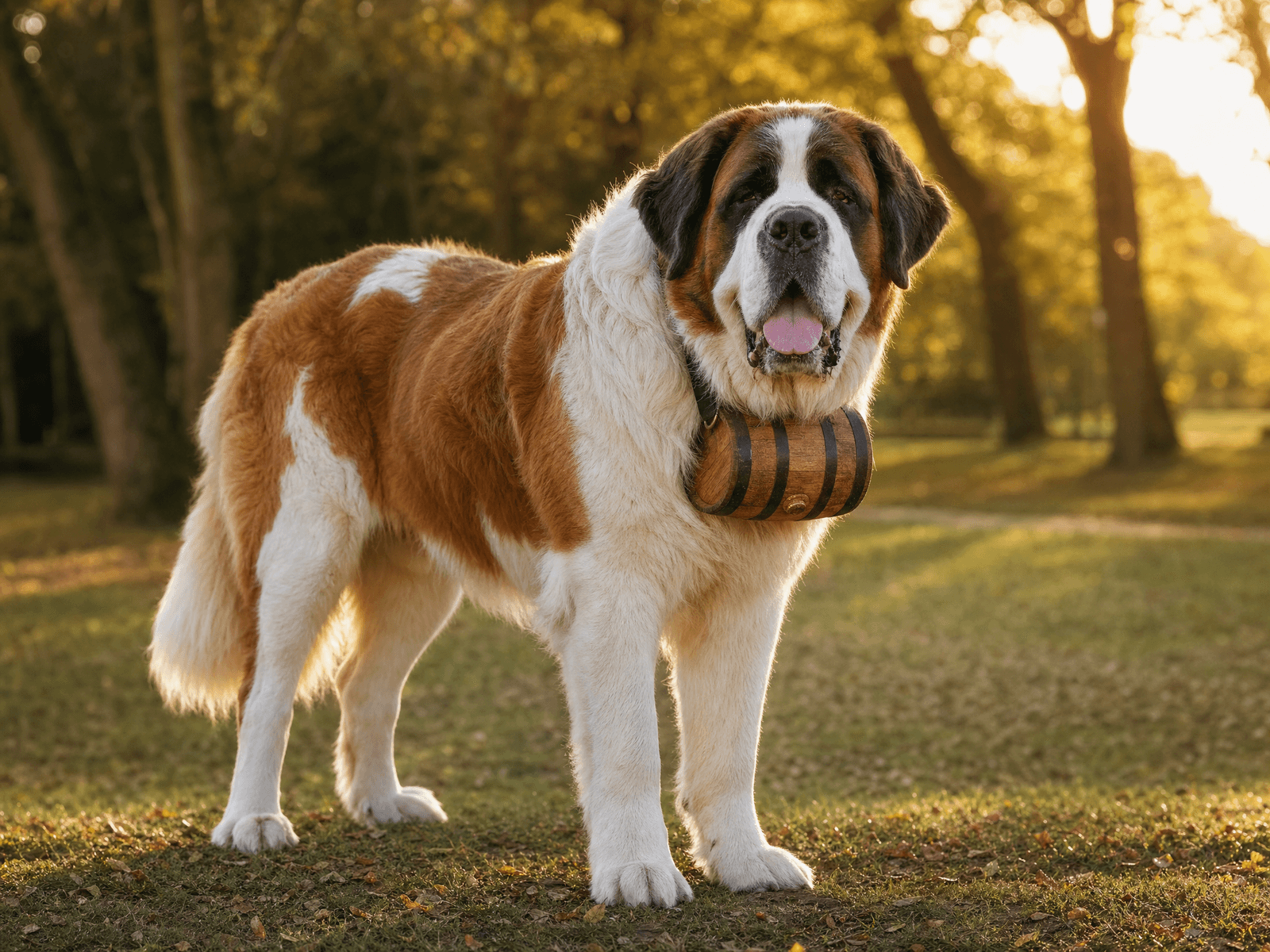
Saint Bernard Training Guide
Priority: Early Socialization and Controlled Leash Manners
Training a Saint Bernard is not about breaking a willful spirit, but about managing an affectionate, independent giant before they outgrow you. If you fail to establish respectful boundaries by six months of age, you will find yourself physically overpowered by a 170-pound dog who treats commands as polite suggestions.
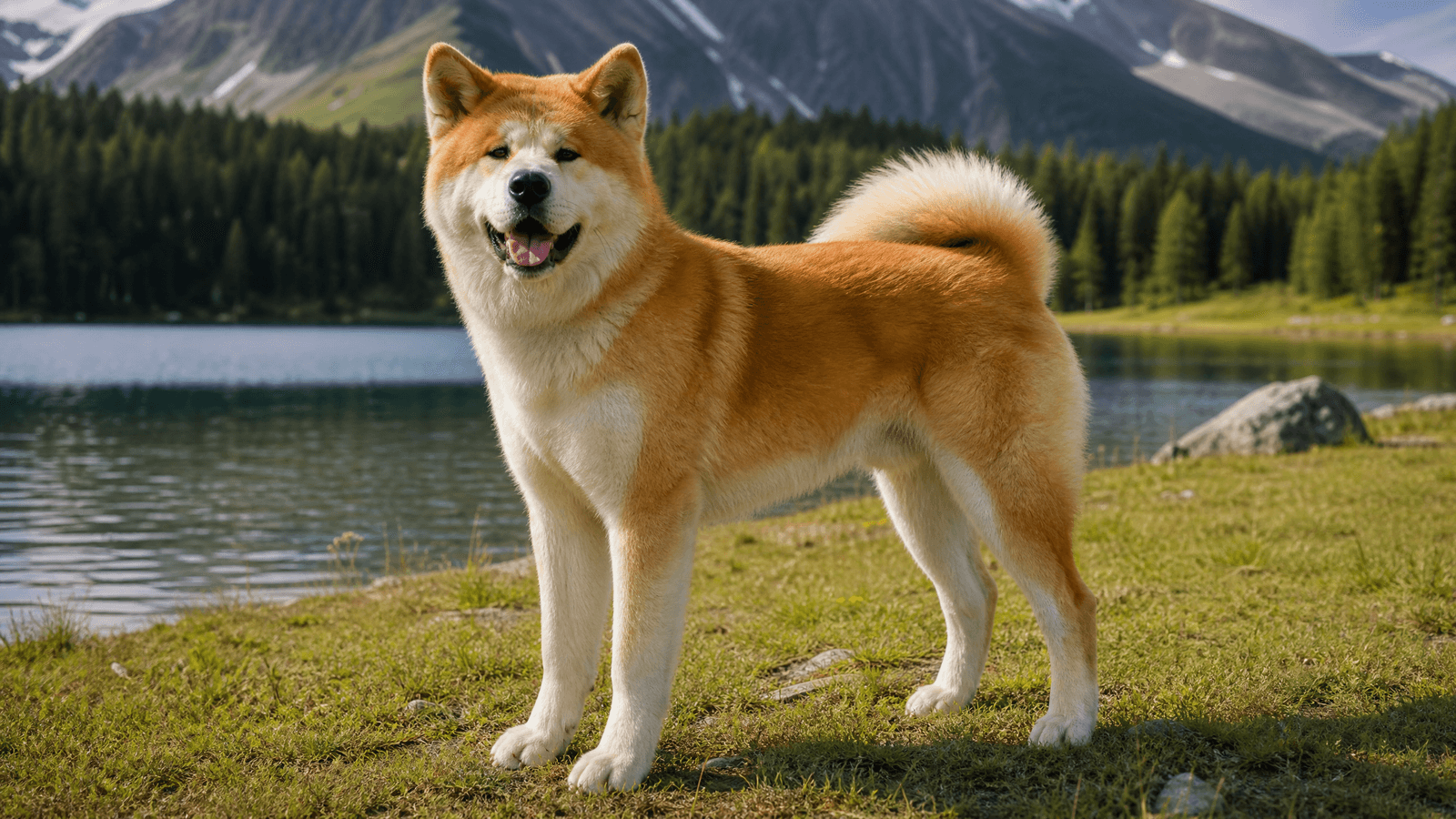
Akita Training Guide
Priority: Early Socialization and Environmental Habituation
Training an Akita is not about obedience through dominance or mindless repetition; it is an exercise in earning the respect of a fiercely independent, ancient guardian. If you expect a Golden Retriever who lives to please, the Akita's aloof skepticism and powerful self-determination will shock you.
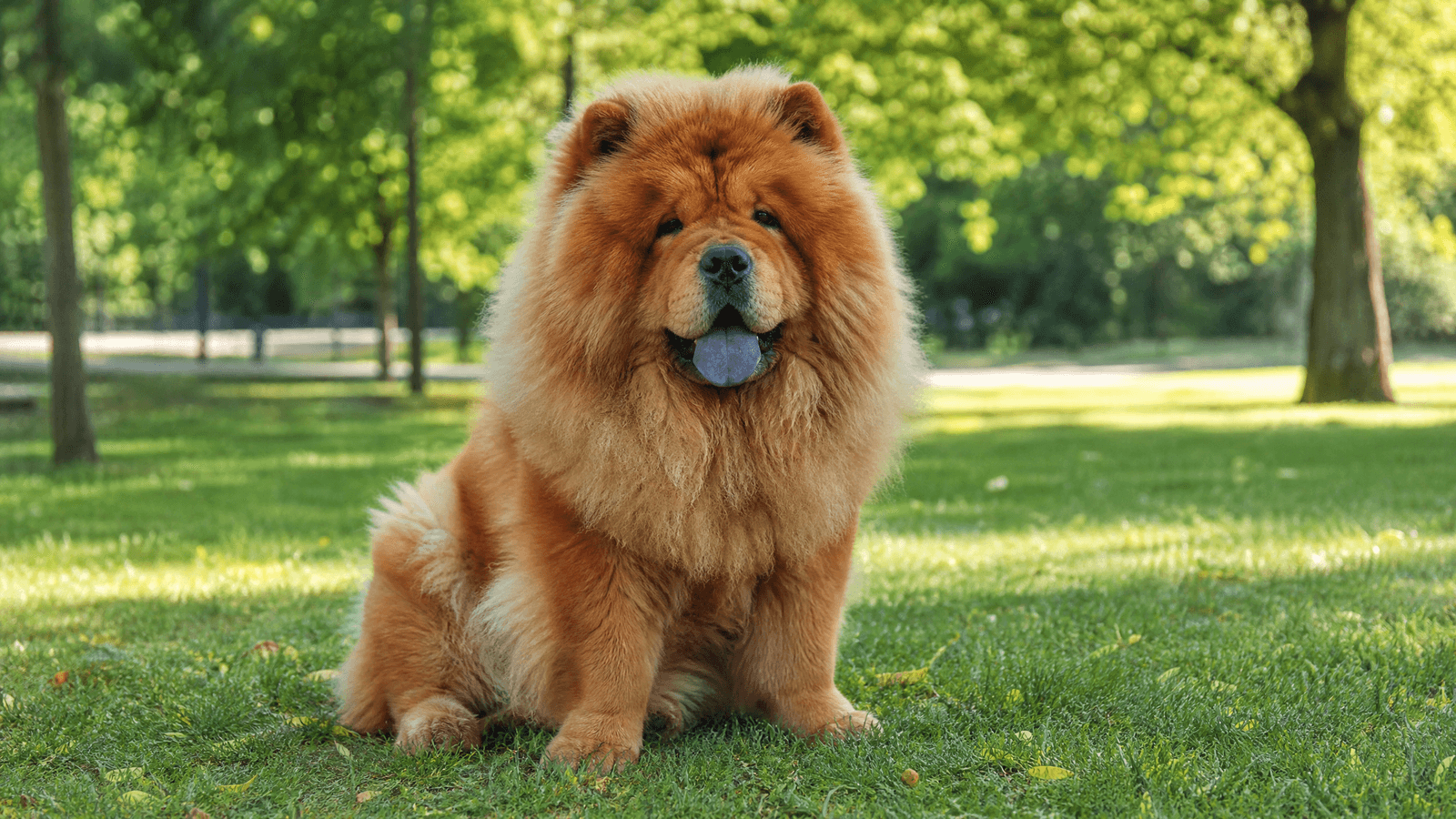
Chow Chow Training Guide
Priority: Early socialization and impulse desensitization before 16 weeks
Training a Chow Chow is less about teaching obedience and more about negotiating with a fiercely independent, cat-like roommate who expects you to justify your requests. If you approach this ancient northern breed expecting Labrador-like enthusiasm or a desire to please, you will be met with dignified indifference or outright stubborn refusal. Success with a Chow Chow requires respecting their profound aloofness, establishing mutual respect early, and accepting that absolute compliance is simply not in their DNA.
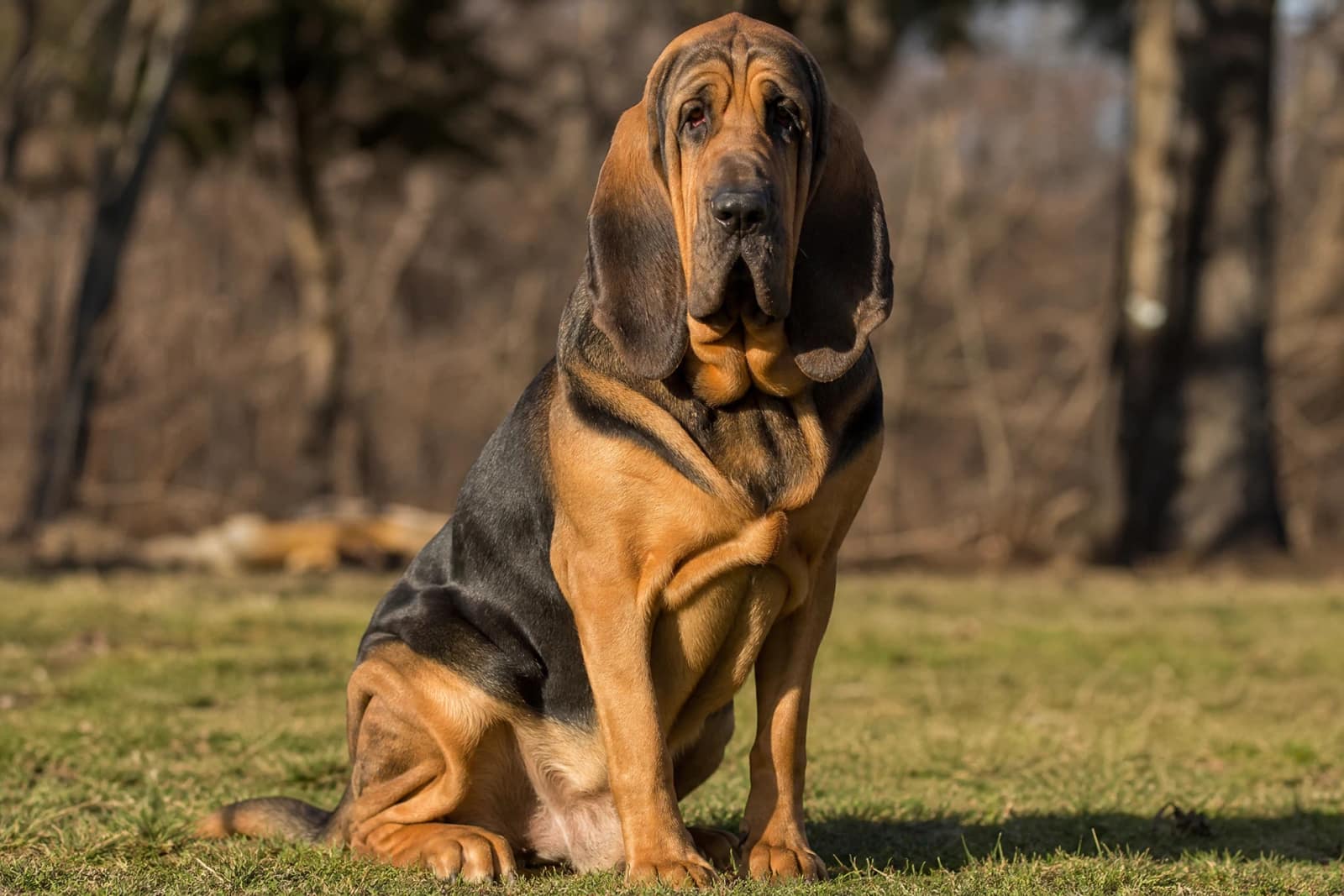
Bloodhound Training Guide
Priority: Reliable recall and emergency stop tied to long-line management and scent-proofing
Training a Bloodhound is not about achieving military-style obedience; it is about learning to negotiate with an independent, scent-obsessed ancient tracker that possesses a mind of its own. If you expect a dog that hangs on your every word and sits instantly on command, the Bloodhound will humble you within the first forty-eight hours. Success with this magnificent hound requires immense patience, indestructible leashes, and an acceptance that their nose will almost always veto your authority if left unmanaged.
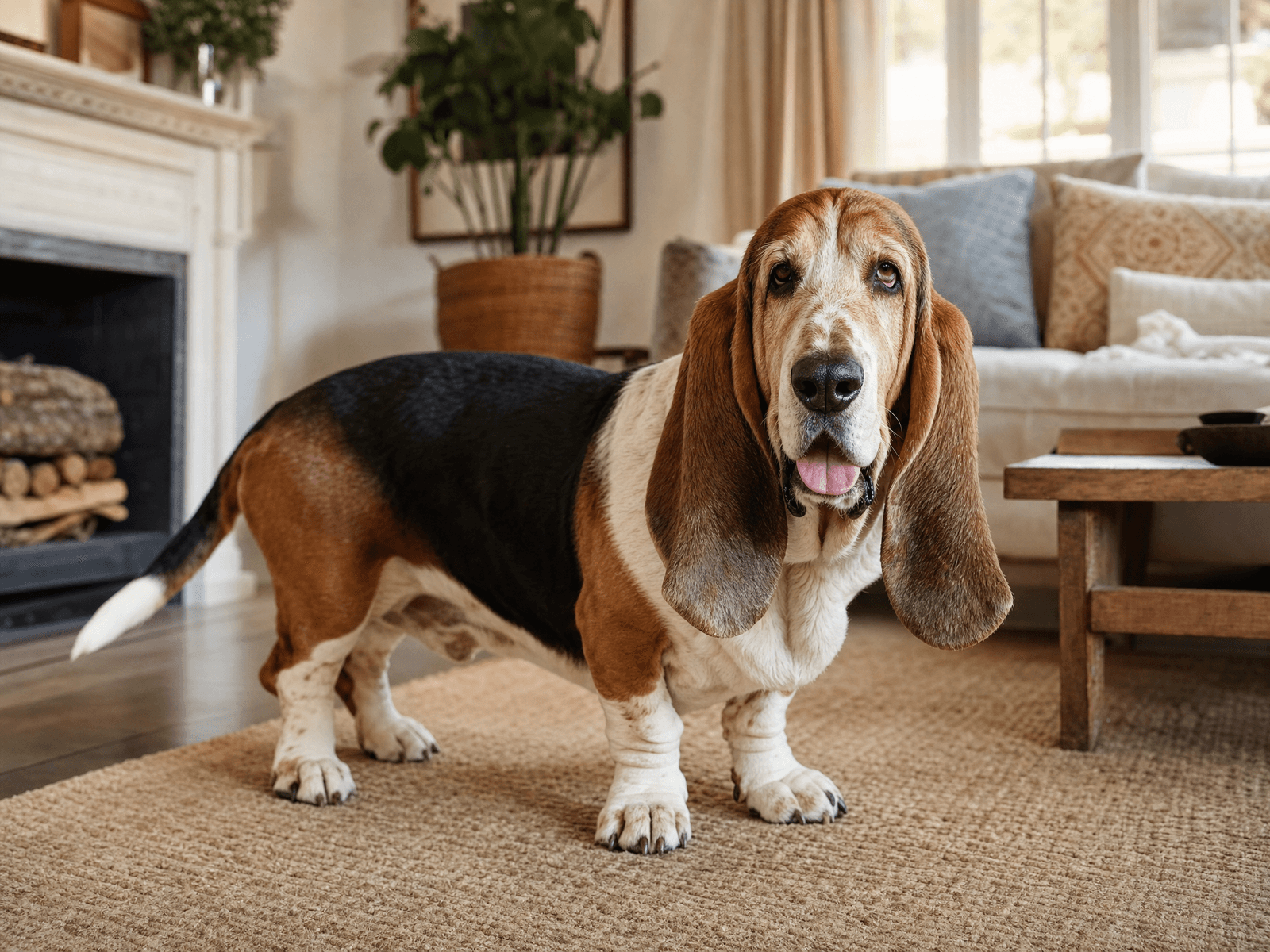
Basset Hound Training Guide
Priority: Reliable recall and leash management tethered to scent awareness
Training a Basset Hound is less about obedience and more about negotiation with an independent, low-slung scent hound who weighs things on his own terms. Beneath those soulful, mournful eyes and velvety ears lies a single-minded tracking machine bred to ignore everything except an interesting odor. If you expect a dog that hangs on your every word for a pat on the head, the Basset Hound will humble you within forty-eight hours.
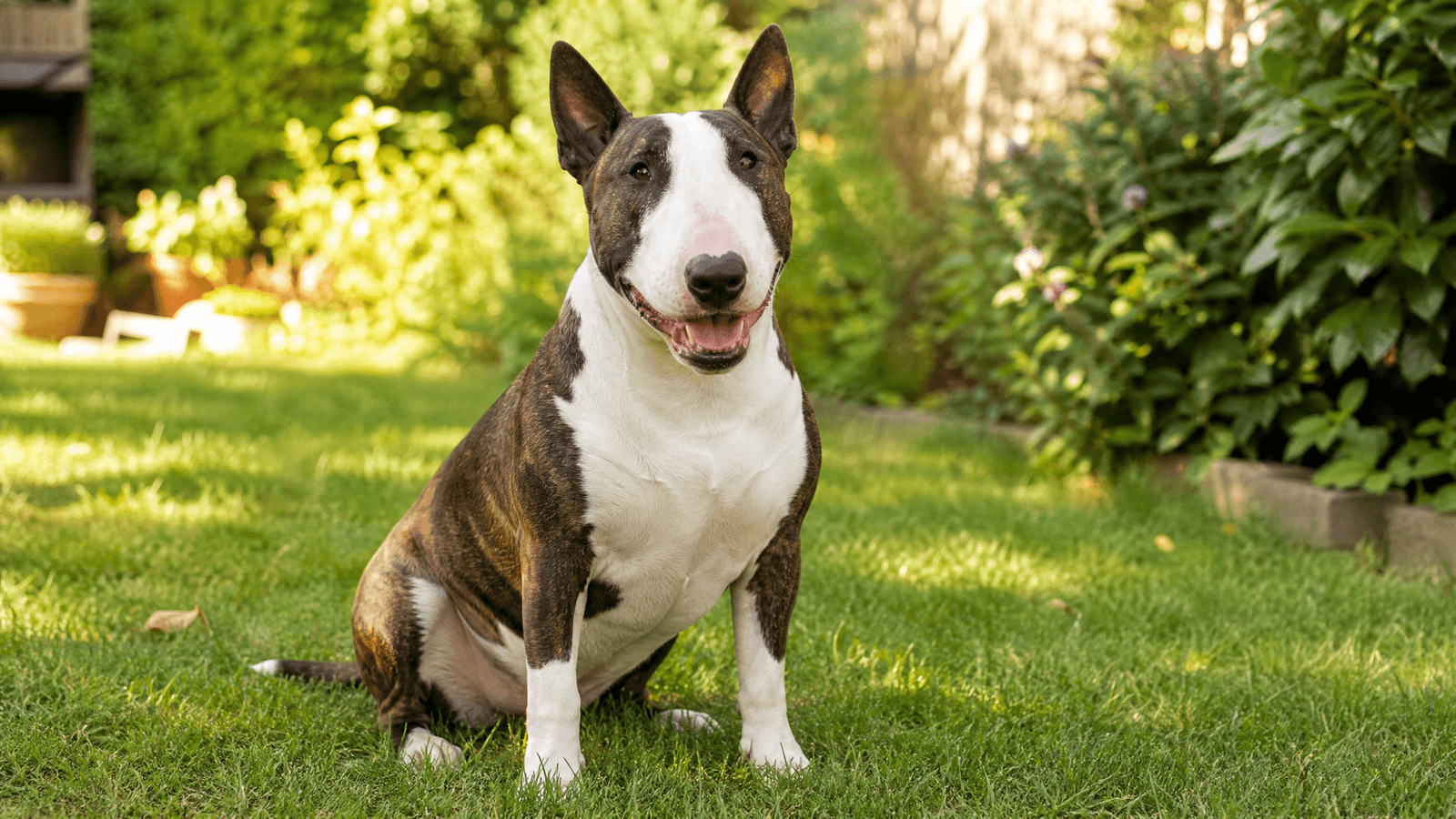
Bull Terrier Training Guide
Priority: Impulse Control and Gamified Energy Release
Owning a Bull Terrier means living with a clownish, high-energy athlete who operates with zero natural self-regulation. If you fail to establish firm boundaries early, their relentless determination and independent streak will quickly turn your home into a chaotic obstacle course.
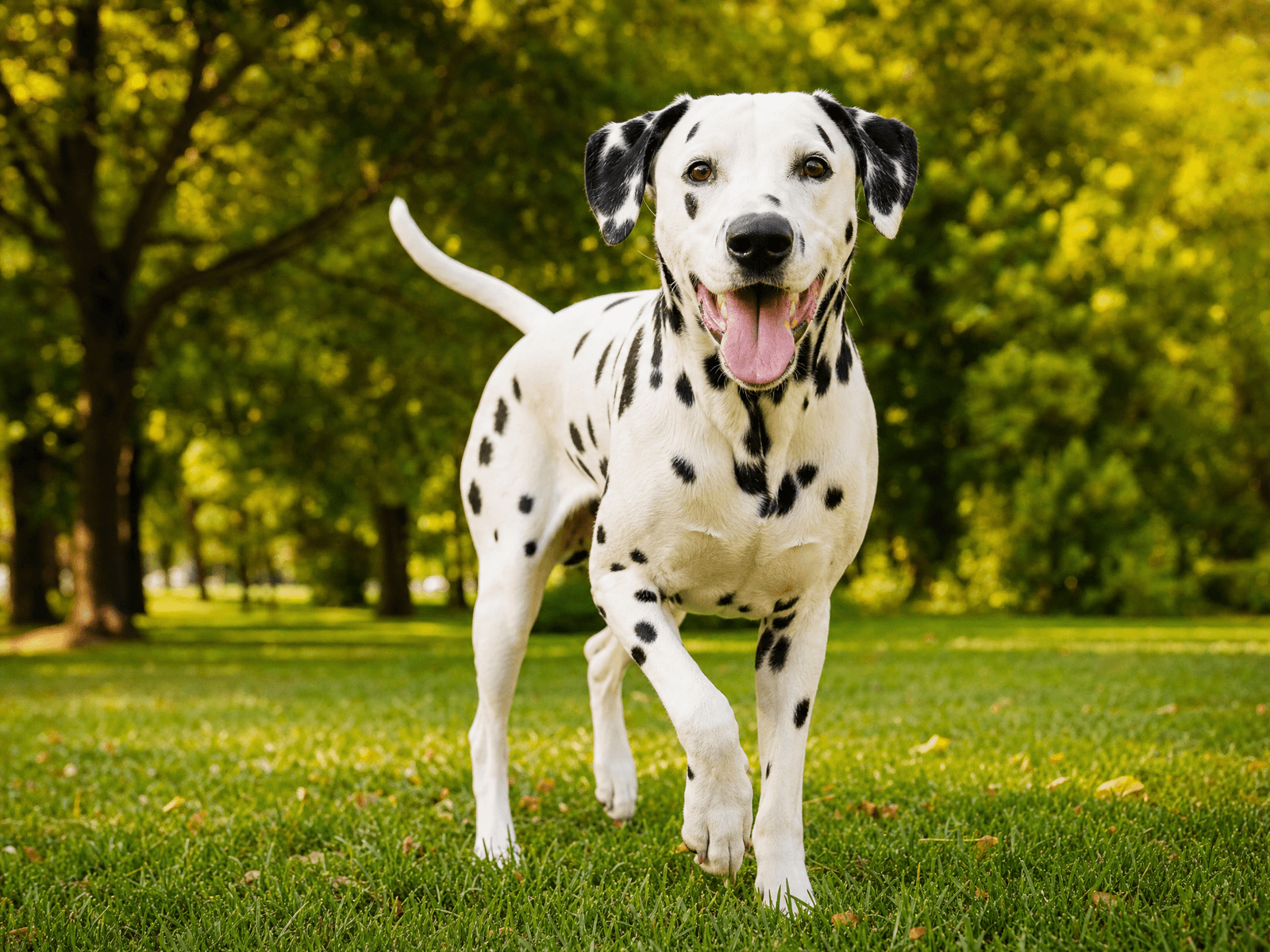
Dalmatian Training Guide
Priority: Early relentless socialization and structured impulse control around movement
Beneath their iconic spotted coats lies the heart of an elite endurance athlete with a zero-tolerance policy for unfair handling. Training a Dalmatian is less about obedience and more about outsmarting a high-speed independent thinker who evaluates your competence in real time.
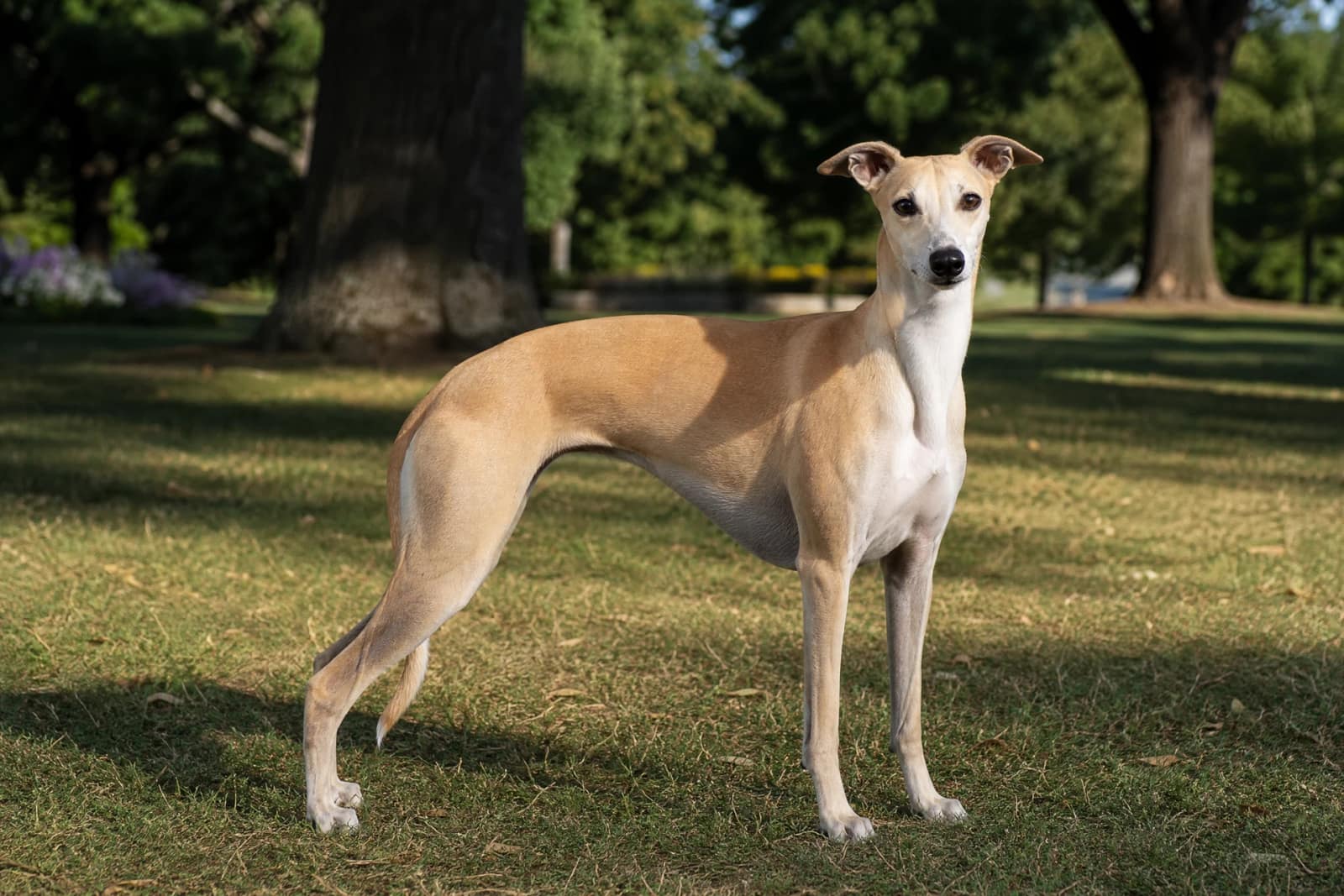
Whippet Training Guide
Priority: Reliable Emergency Recall and Impulse Control around Motion
Training a Whippet is less about breaking stubbornness and more about managing an ancient, high-speed sprinter's instinct that lives inside a sensitive, couch-loving companion. Beneath their tranquil, aristocratic demeanor on your living room sofa lies a pristine sighthound programmed to chase anything small and fast with zero hesitation. If you approach a Whippet with harsh corrections, you will instantly shut down their delicate nervous system; if you approach them without understanding their intense prey drive and fragility, you will find yourself chasing a white streak across fields while your recall commands evaporate into the wind.
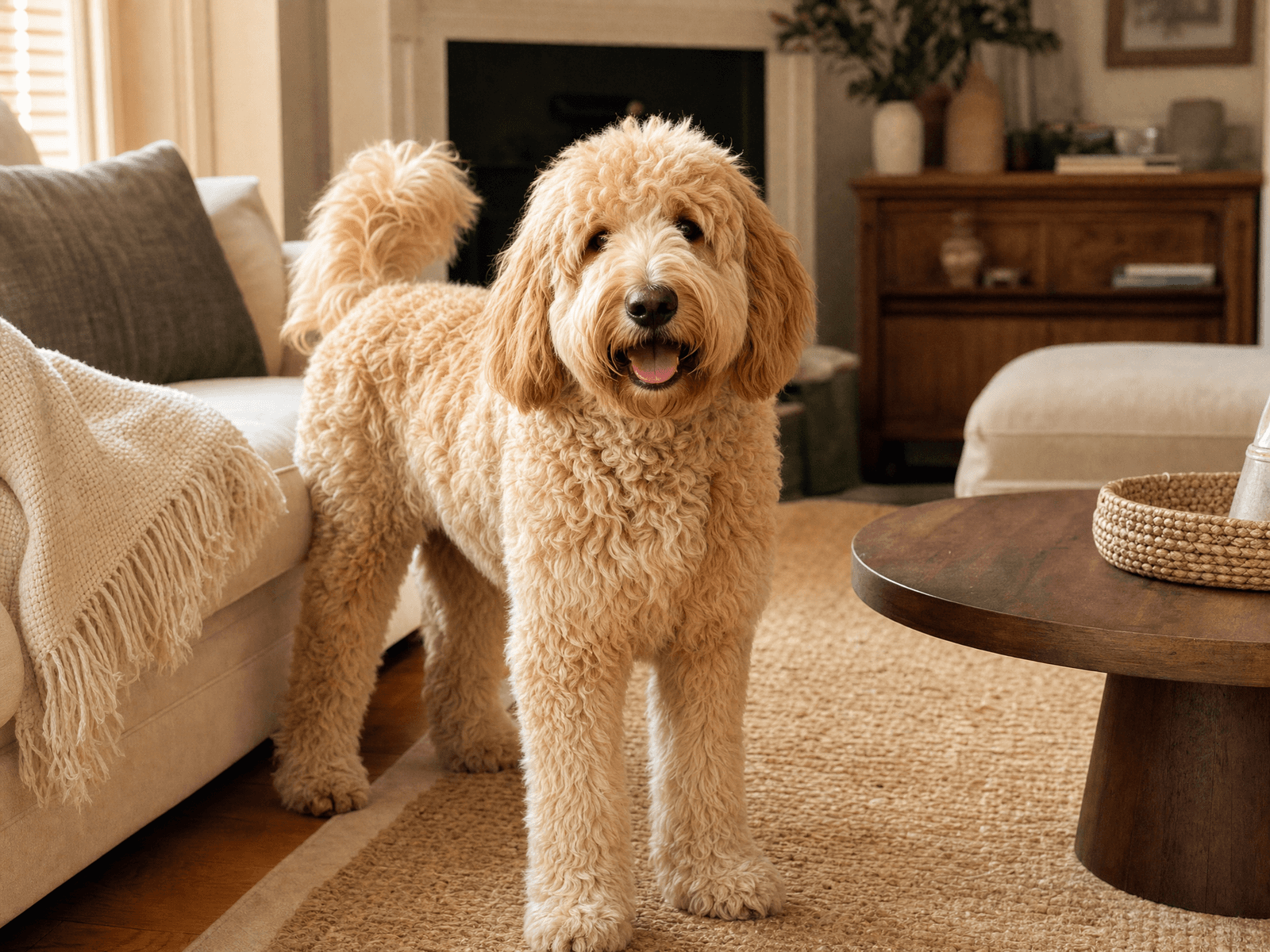
Goldendoodle Training Guide
Priority:
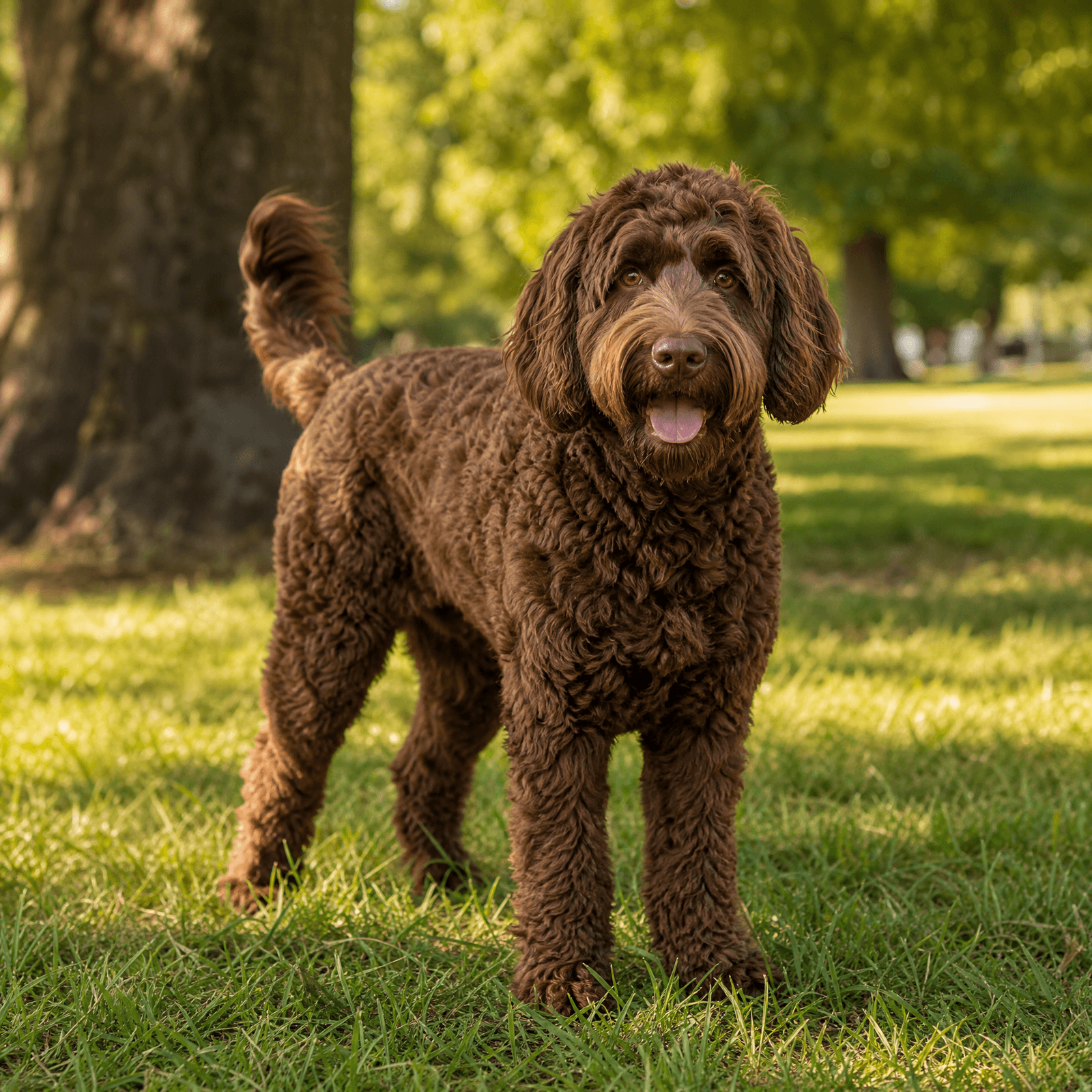
Labradoodle Training Guide
Priority:
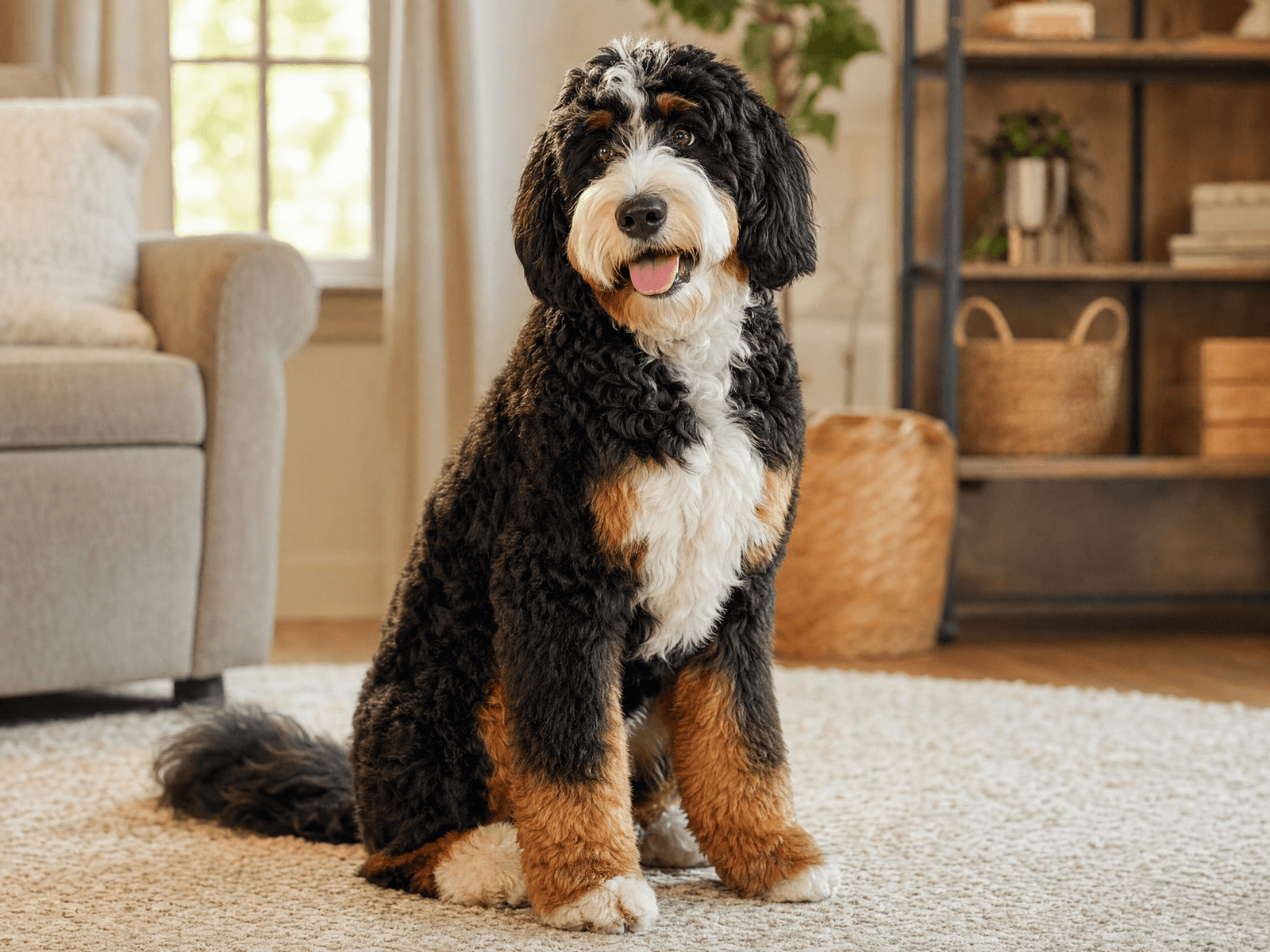
Bernedoodle Training Guide
Priority:
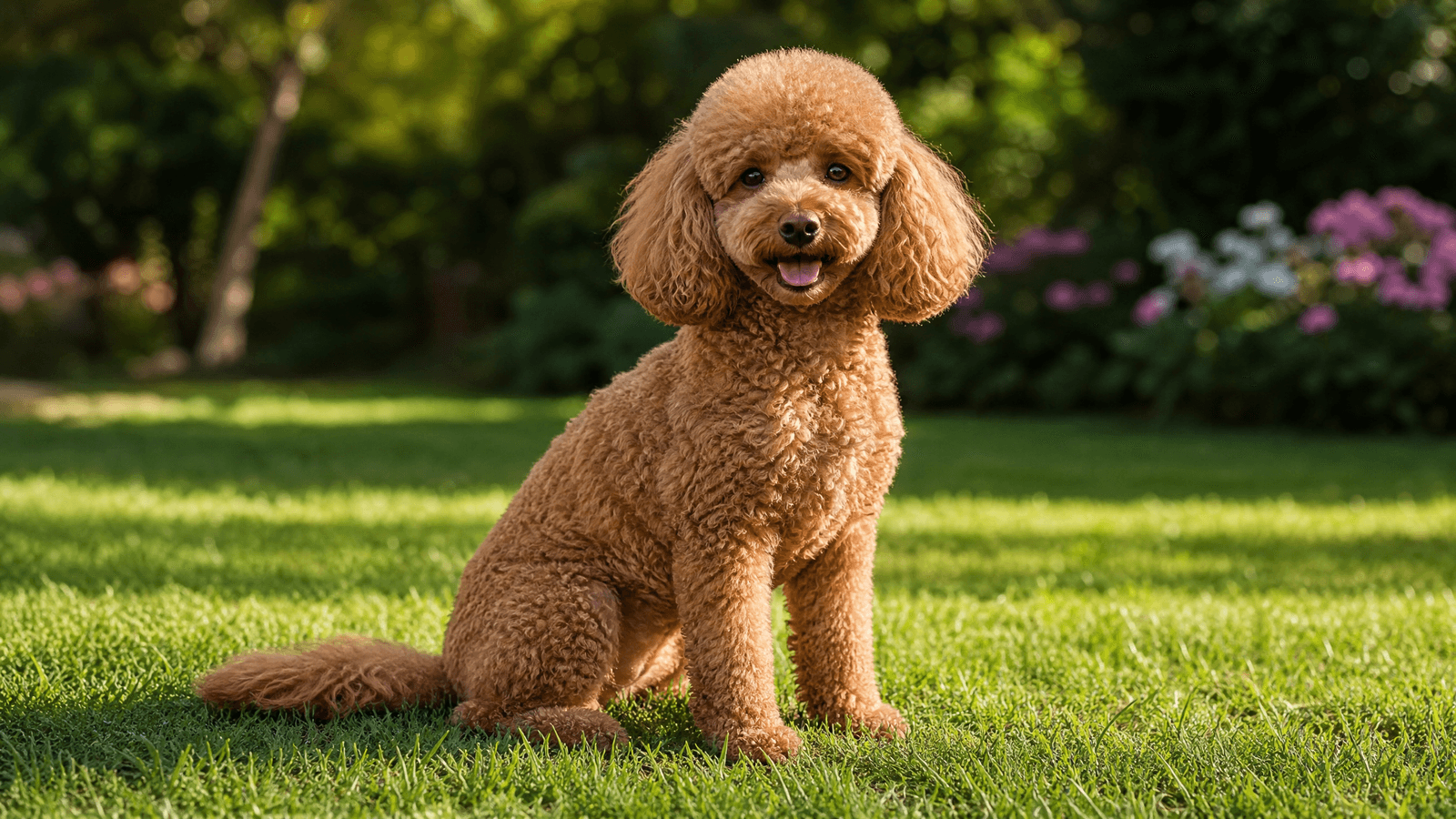
Miniature Poodle Training Guide
Priority:

Toy Poodle Training Guide
Priority:
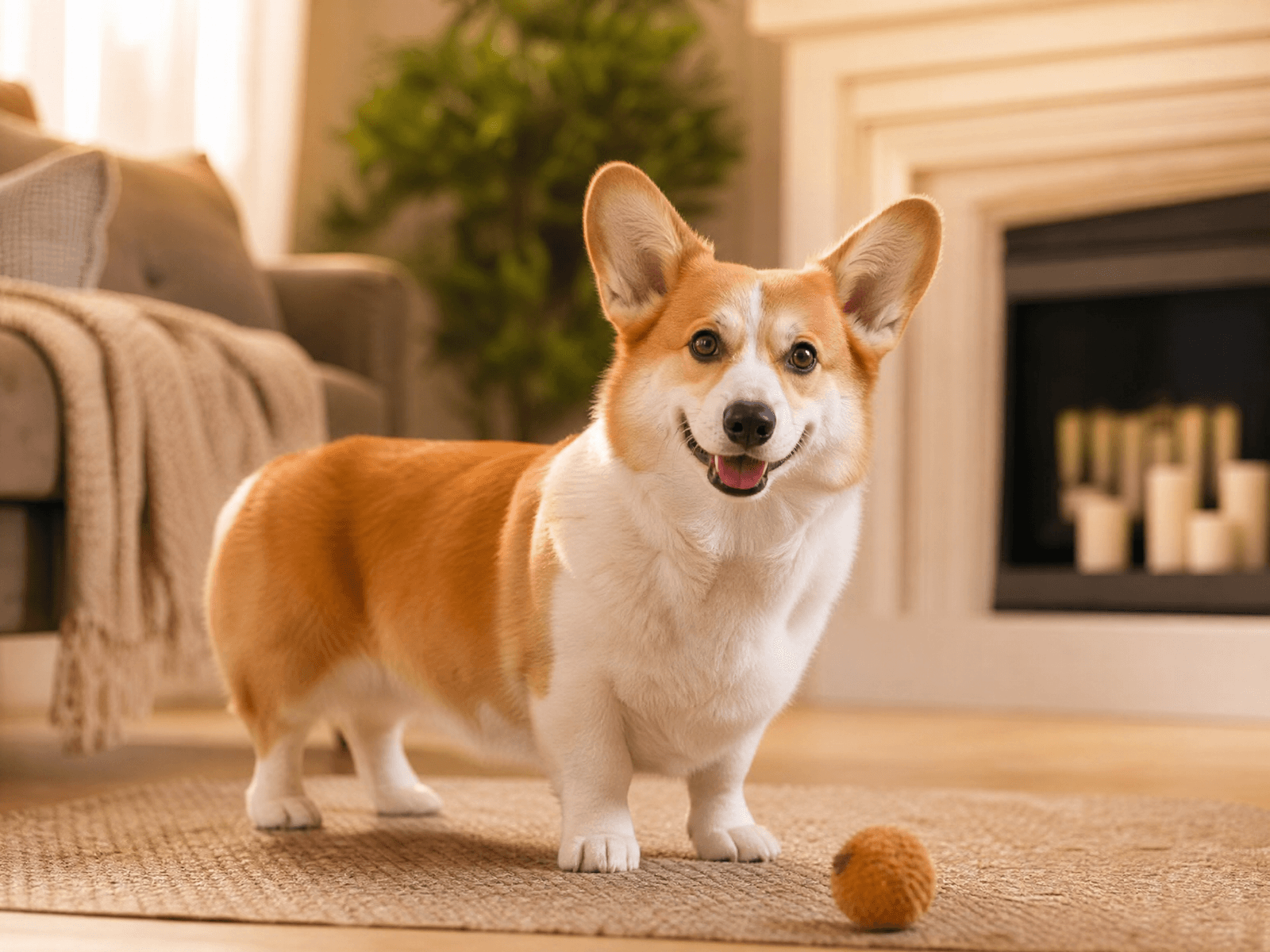
Pembroke Welsh Corgi Training Guide
Priority:
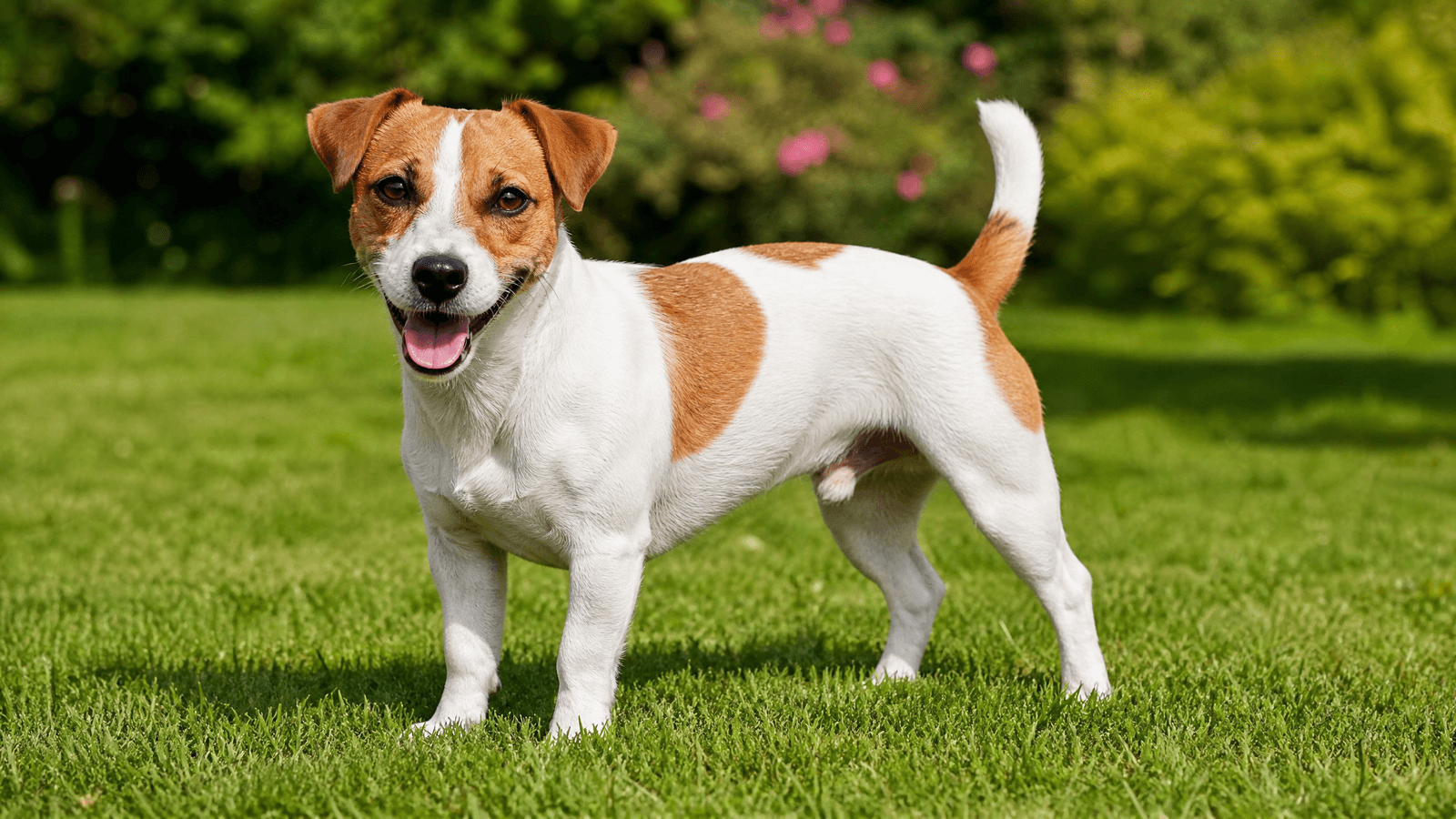
Jack Russell Terrier Training Guide
Priority:
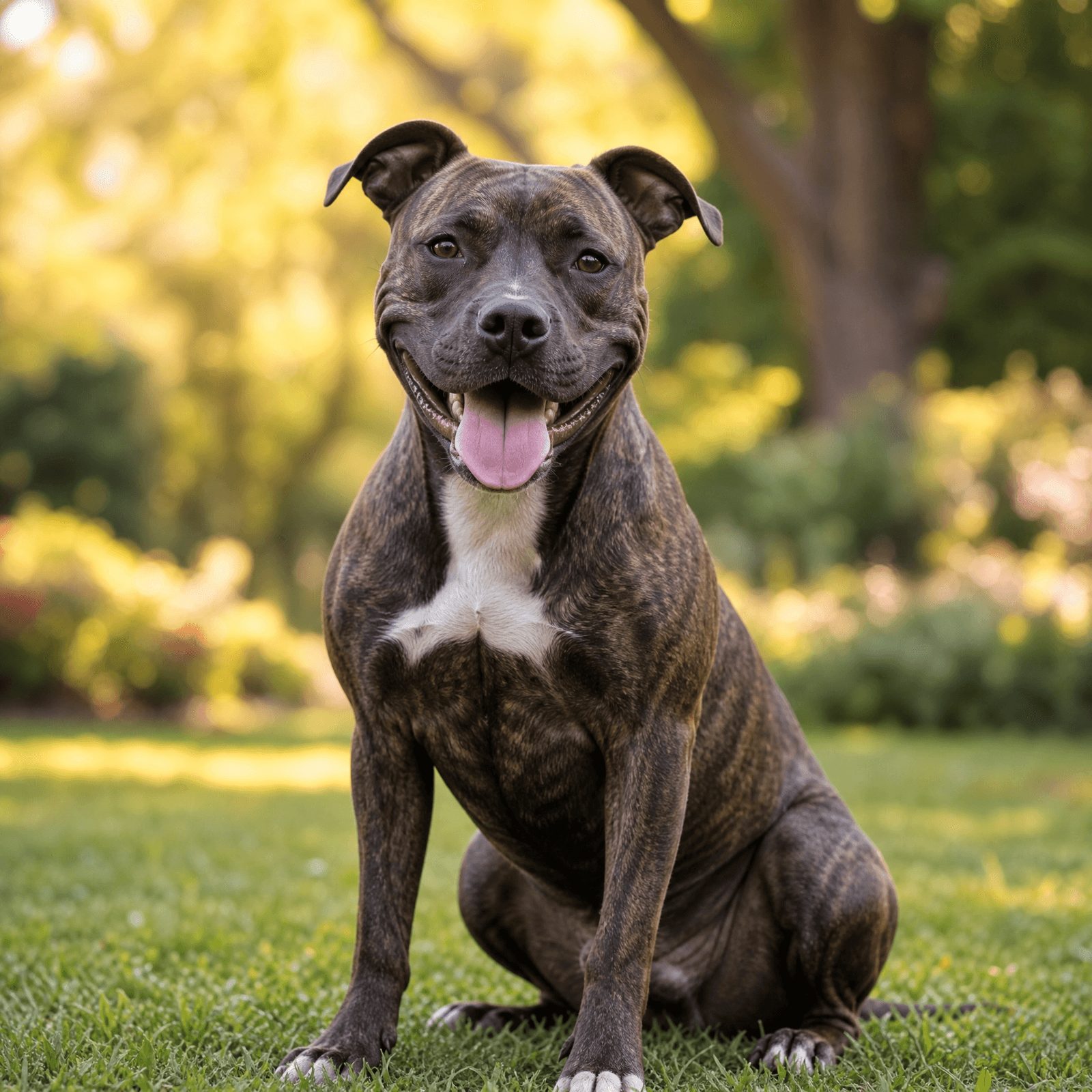
American Pit Bull Terrier Training Guide
Priority:
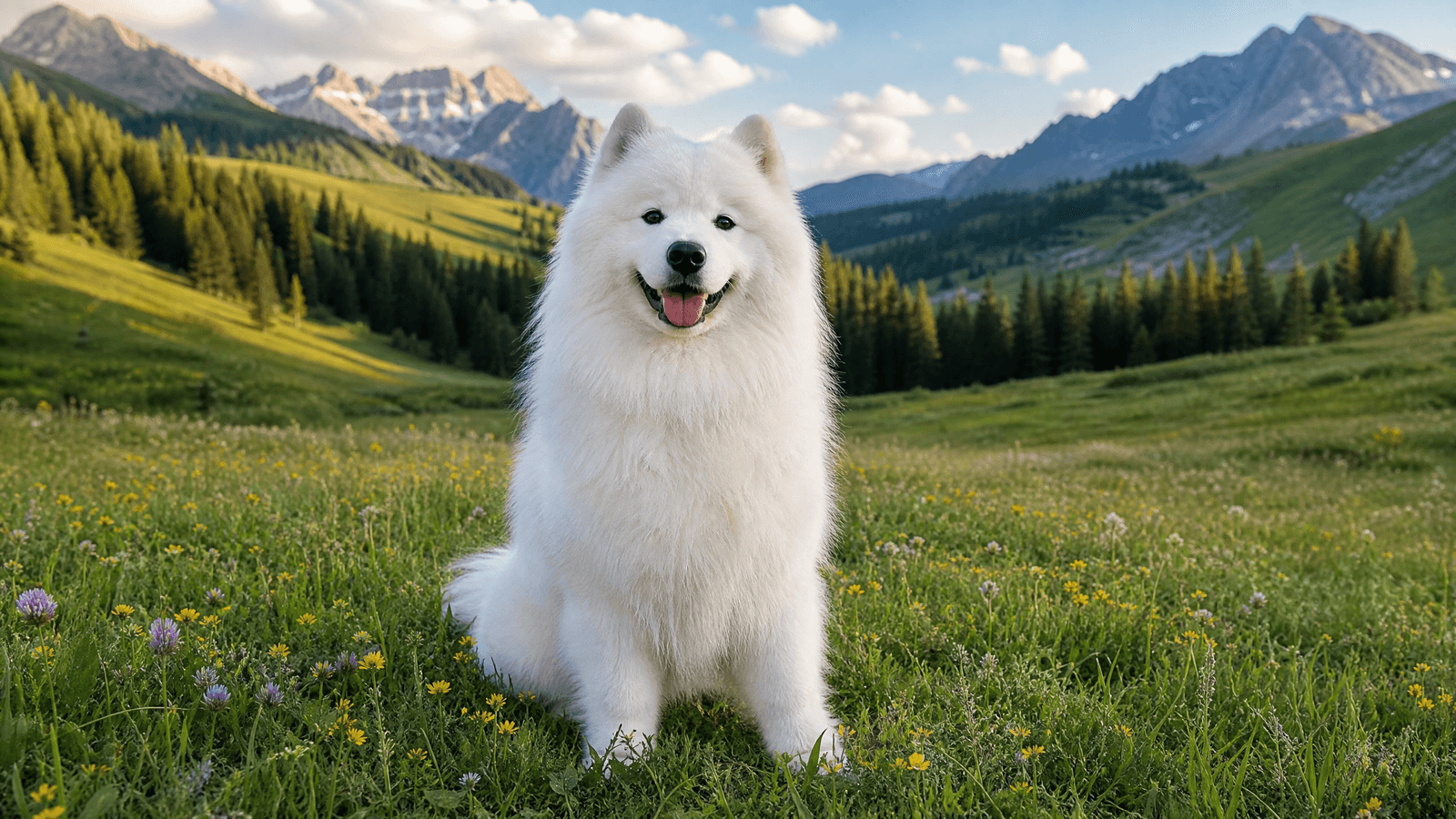
Samoyed Training Guide
Priority:
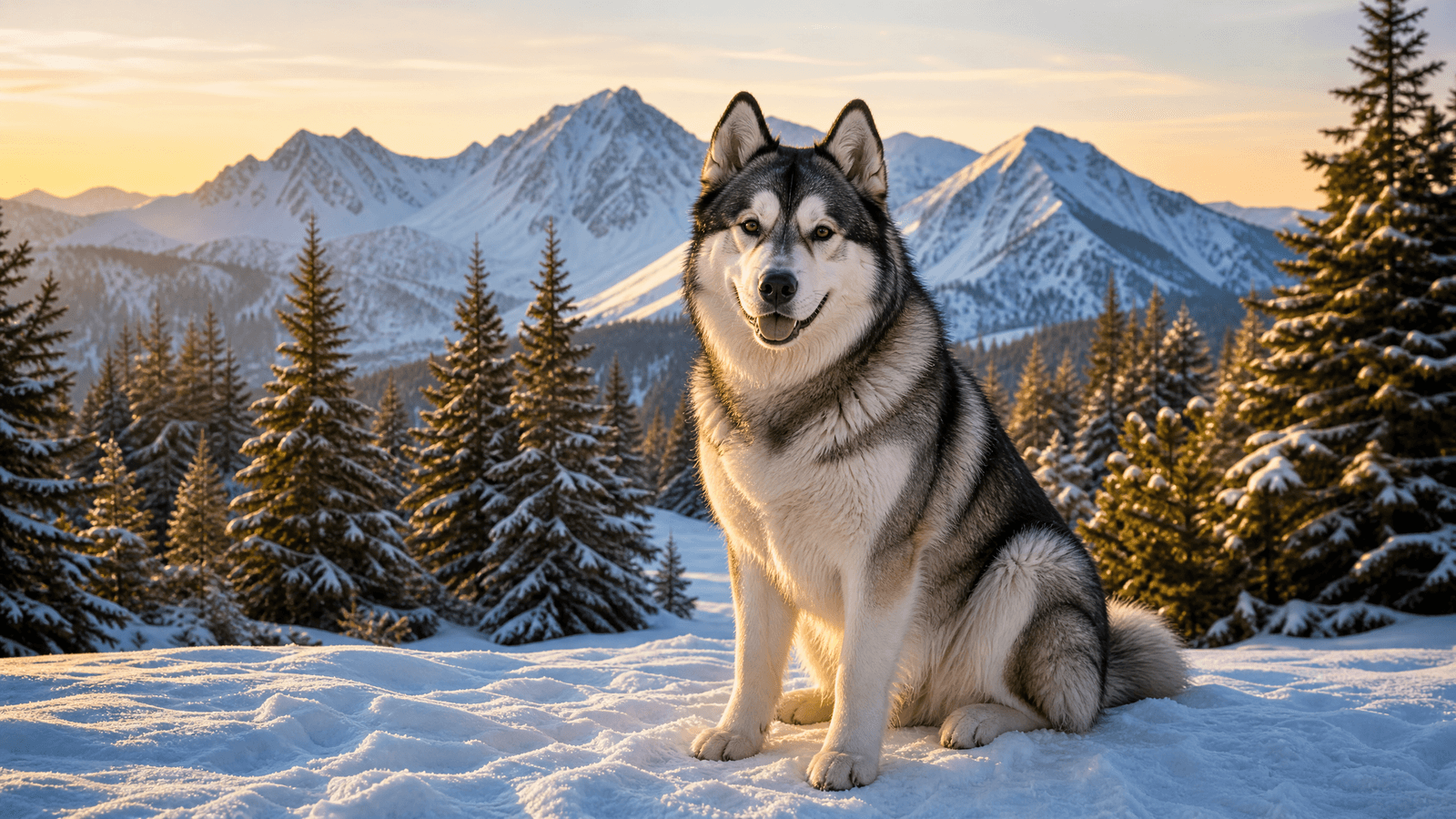
Alaskan Malamute Training Guide
Priority:
More Breed Guides Coming Soon
We're building breed-specific training guides for all 177 dog breeds in our database. Check back regularly or subscribe to get notified when new guides are published.
Cat Training Guides
Cats can absolutely be trained — the key is understanding what motivates each breed. These guides cover commands, litter training, leash training, and the breed-specific quirks that make all the difference.

Siamese
Cat Training Guide →
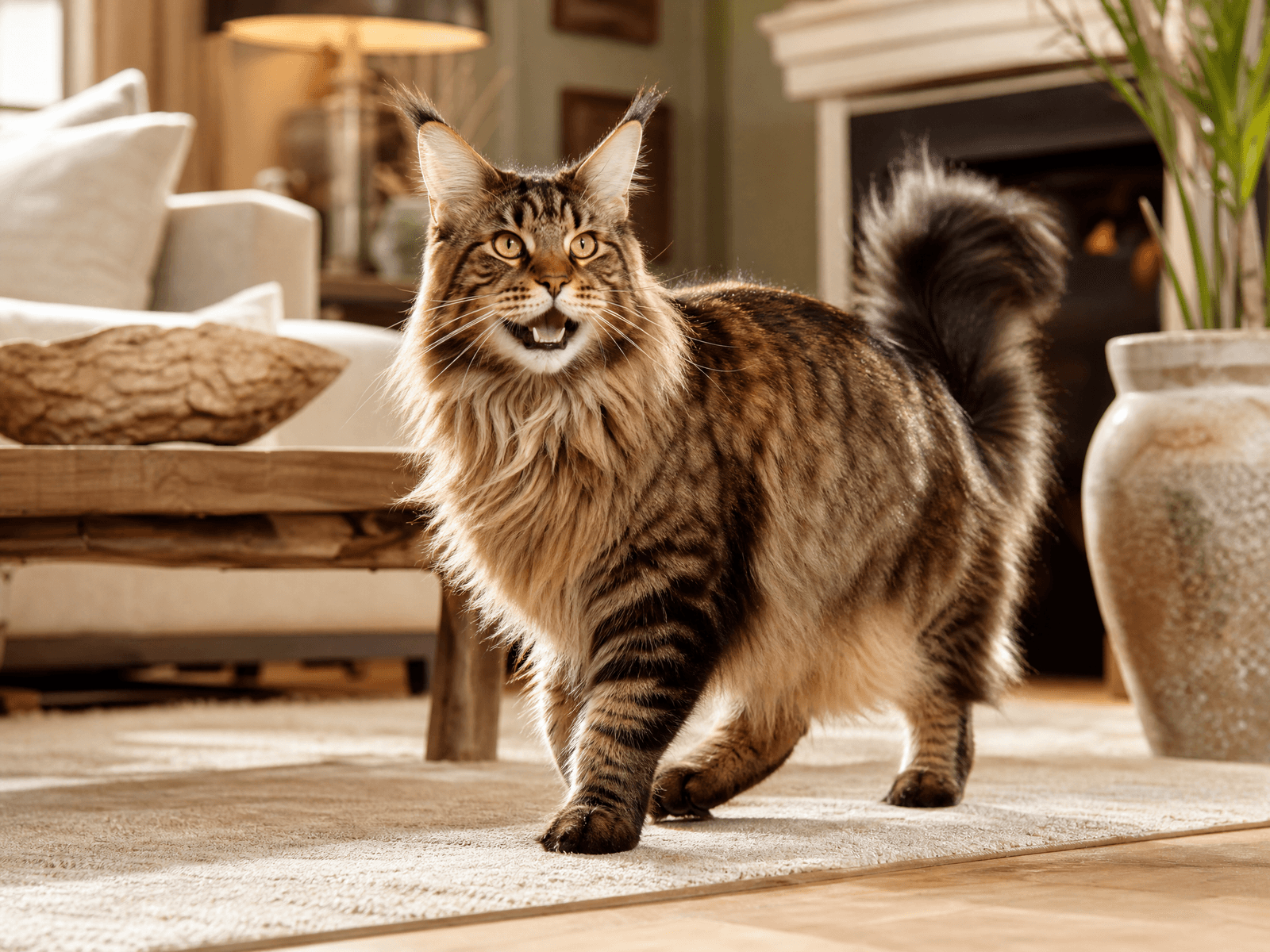
Maine Coon
Cat Training Guide →

Ragdoll
Cat Training Guide →
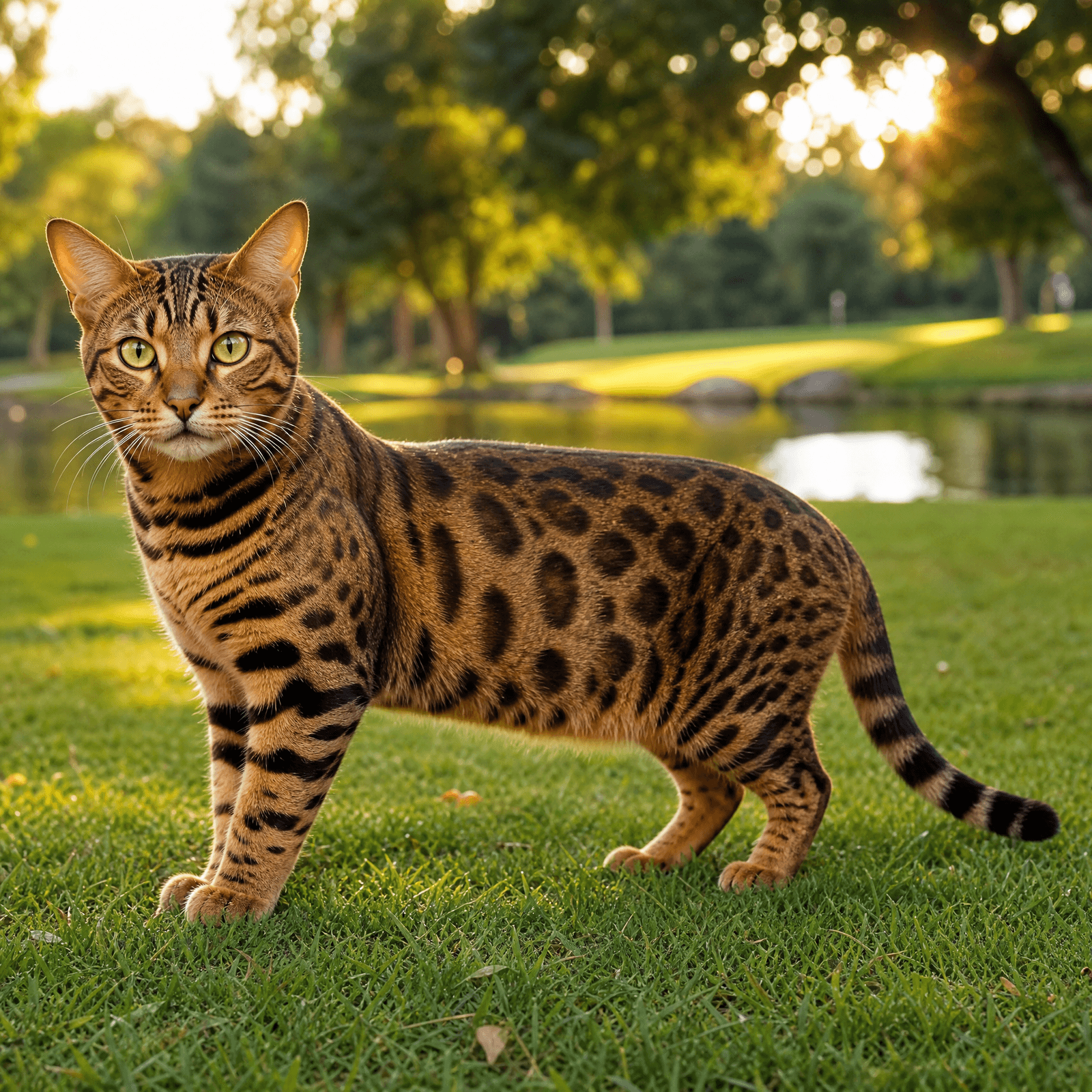
Bengal
Cat Training Guide →

Abyssinian
Cat Training Guide →
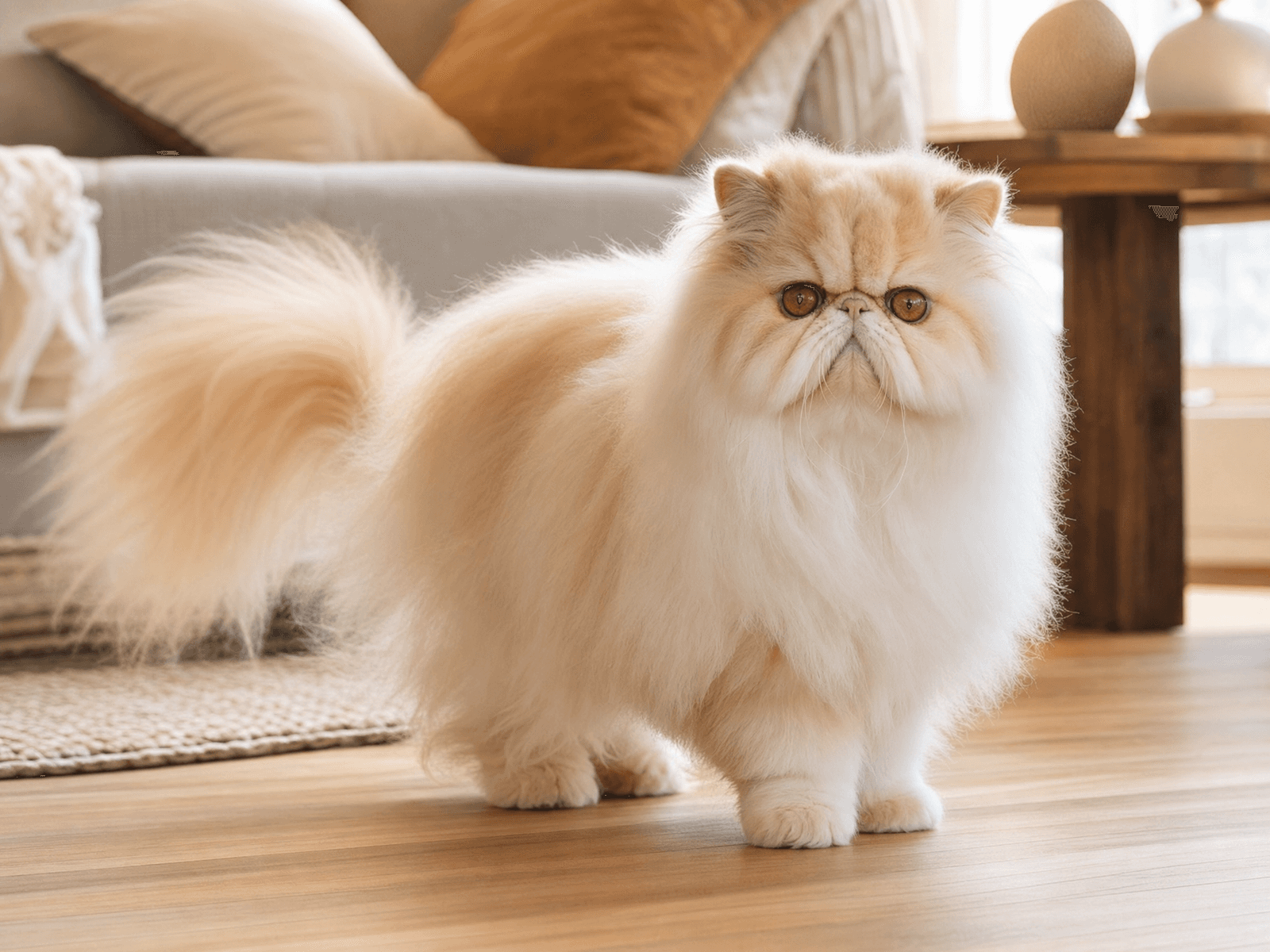
Persian
Cat Training Guide →

Scottish Fold
Cat Training Guide →
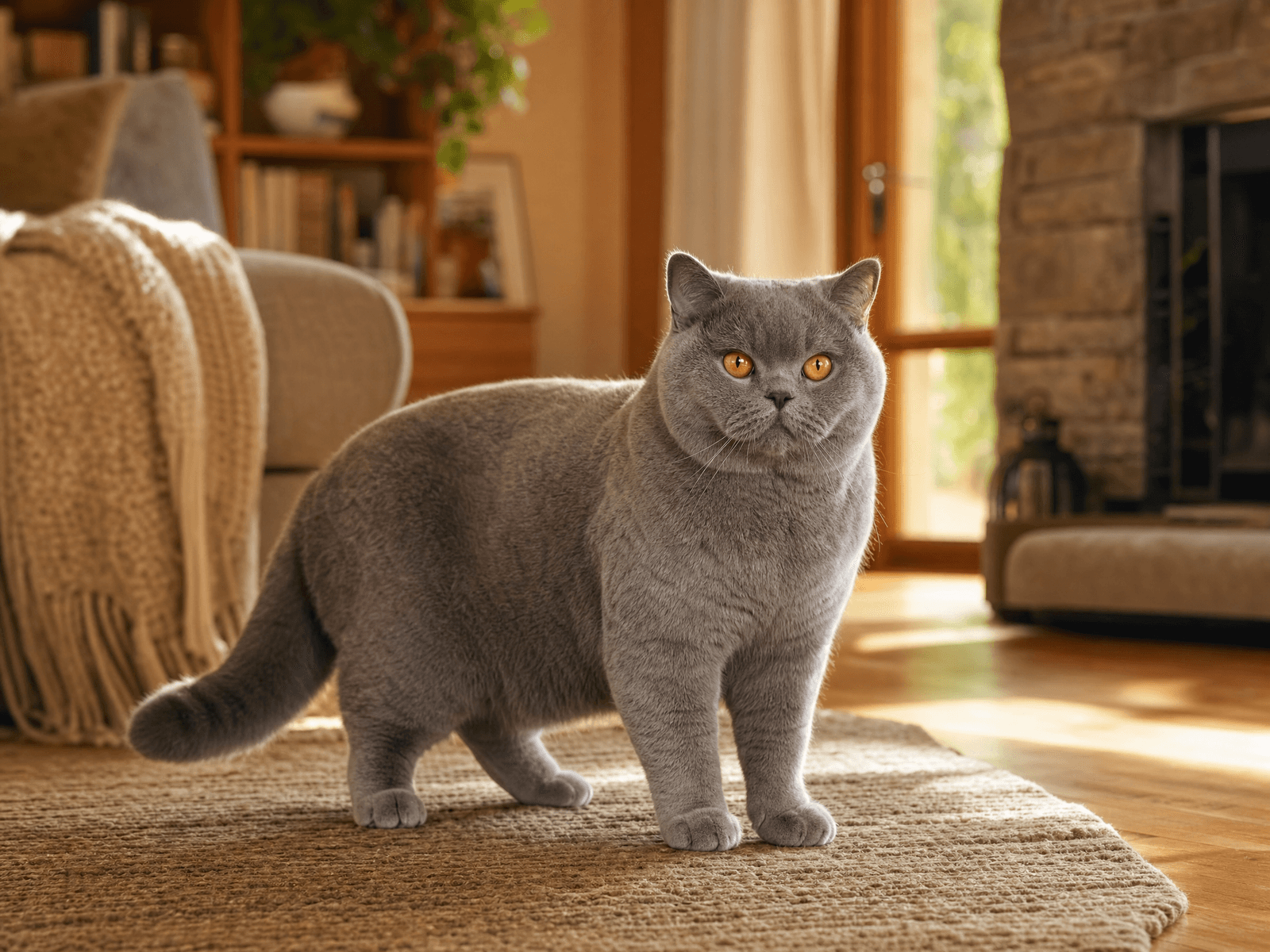
British Shorthair
Cat Training Guide →

Sphynx
Cat Training Guide →
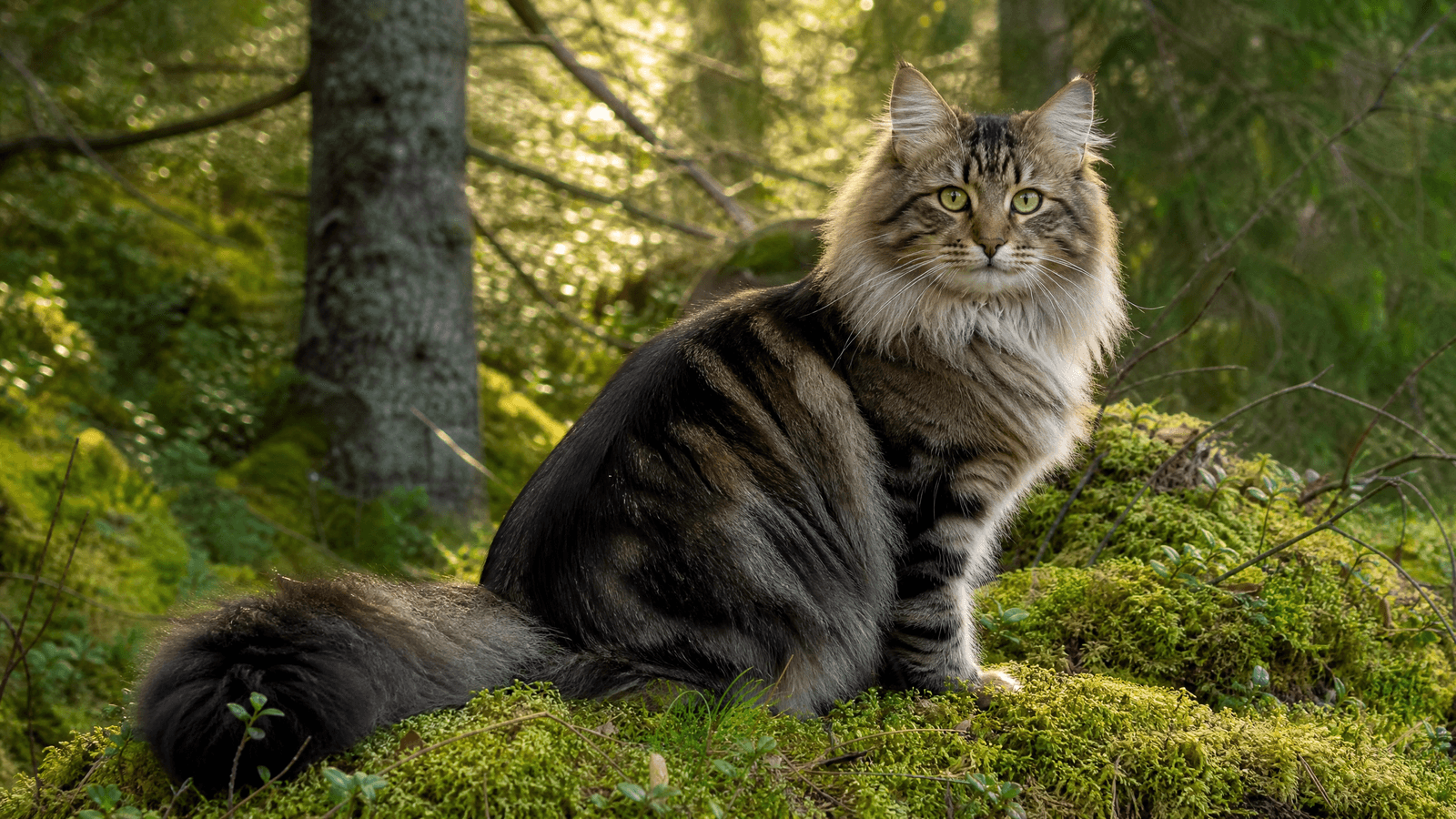
Norwegian Forest Cat
Cat Training Guide →