SmartPawsGuides, comparisons & trusted resources — Guides & trusted resources — always independent.

Norwegian Forest Cat Training Guide
Gentle giants of the Nordic frost — training a Norwegian Forest Cat is an exercise in mutual respect and patient partnership.
Understanding the Norwegian Forest Cat
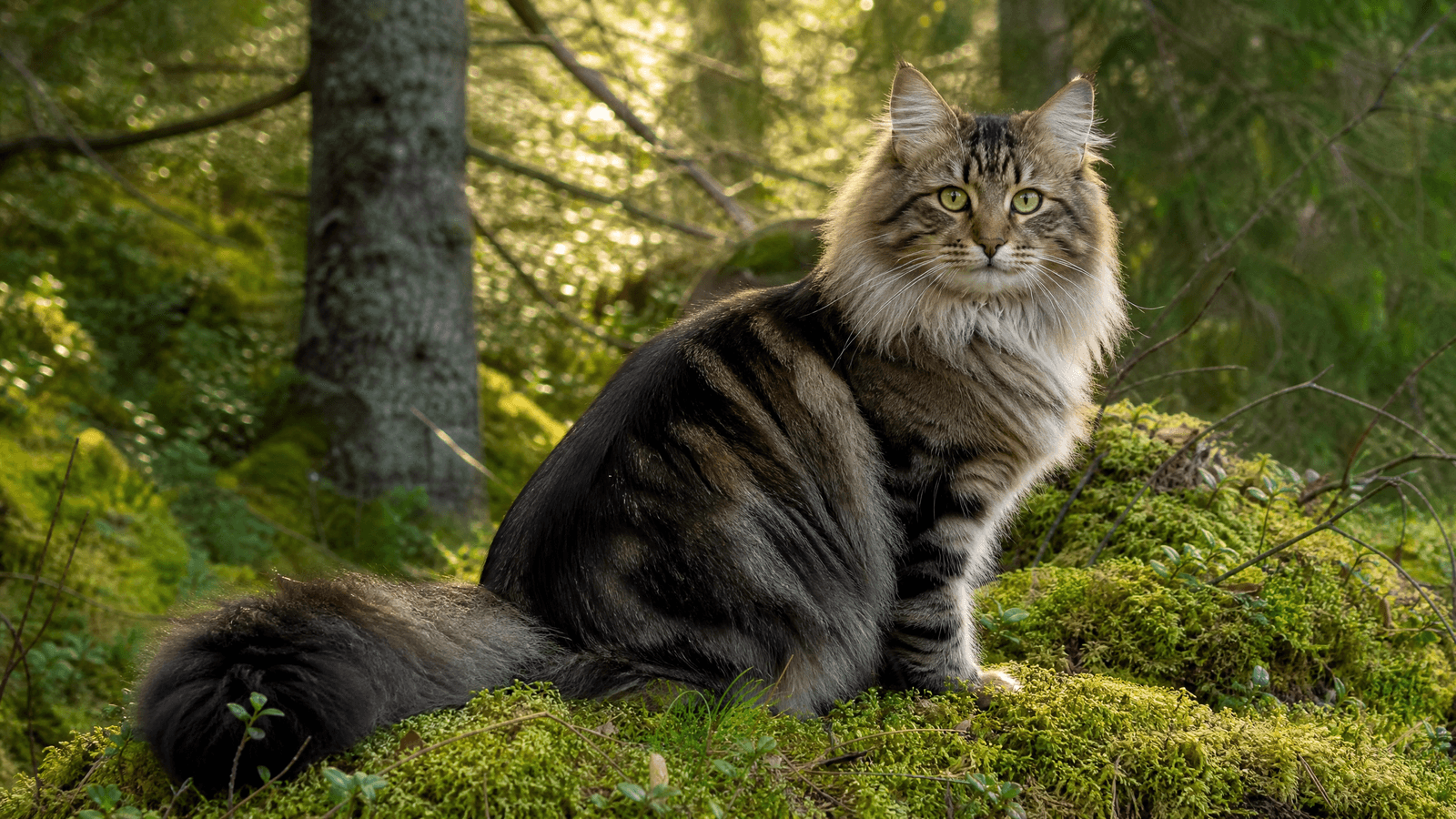
The Norwegian Forest Cat, affectionately known as the 'Wegie', is a magnificent natural breed shaped by harsh Scandinavian climates. They combine rugged physical prowess with a remarkably sweet, gentle, and social temperament. When it comes to training, their high intelligence and strong problem-solving abilities make them quick learners, but they retain a dignified independence inherited from their forest-dwelling ancestors. Unlike high-energy breeds that crave constant commands or Velcro-like attention, Wegies prefer to participate in family life on their own terms, often supervising household activities from a high vantage point. Their motivation style leans heavily toward a balance of interactive play and high-value food rewards, accompanied by sincere verbal praise. Because they mature very slowly—taking up to three to five years to reach full physical and emotional maturity—their attention span in youth can be easily distracted by outdoor sights or complex environmental stimuli. However, as mature adults, they exhibit a calm and steady demeanor. They respond very poorly to harsh corrections, scolding, or physical punishment; negativity causes them to withdraw or become stubborn. Instead, they thrive on positive reinforcement, patience, and clear, respectful communication that honors their majestic, independent nature. What sets the Norwegian Forest Cat apart from other domestic breeds is their exceptional climbing aptitude, strong outdoor heritage, and dog-like loyalty. They are natural explorers with claw structures adapted for descending tree trunks headfirst, which translates into an innate passion for vertical space and harness adventures. Their combination of hefty size, heavy double coats, and sharp intellect requires structured mental stimulation to prevent boredom-driven mischief, such as opening cabinet doors or inventing complex games of their own.
Training Strengths
- ✓High intelligence and exceptional problem-solving skills that accelerate learning
- ✓Balanced motivation style responding well to both food treats and interactive play
- ✓Naturally calm, steady temperament that handles environmental changes well
- ✓Strong dog-like loyalty and desire to bond closely with human family members
- ✓Natural aptitude for vertical navigation, making agility and high-perch training intuitive
Training Challenges
- ✗Independent streak that can manifest as stubbornness if training feels repetitive or unrewarding
- ✗Slow maturation rate (taking 3-5 years) requiring prolonged, patient guidance during their extended adolescence
- ✗Tendency to become easily distracted by outdoor wildlife or high-vantage exploration
- ✗Imposing physical size and strength, making improper leash-pulling difficult to manage without early redirection
- ✗High mental stimulation needs that can lead to cabinet-opening or mischief if neglected
Commands & How to Teach Them
Sit
Easy- Hold a high-value, aromatic treat (such as freeze-dried chicken) just above your Wegie's nose.
- Slowly move the treat backward over their head toward their ears, encouraging their natural tracking instinct.
- As their head tilts back to follow the treat, their hindquarters will naturally lower into a sitting position.
- The exact second their rump touches the floor, say 'Sit', give the treat, and offer warm verbal praise.
- Practice in short 3-to-5 repetition sessions once or twice daily.
Come (Recall)
Medium- Start in a quiet room, calling your cat's name followed by the cue word 'Come' in an upbeat, welcoming tone.
- Use a distinctive auditory marker, such as gently shaking a treat container or clicking a clicker.
- When your Wegie trots over, immediately reward them with a high-value treat and enthusiastic petting.
- Gradually increase the distance across different rooms as your cat consistently responds.
- Periodically reinforce recall without treats in later stages to maintain reliable obedience.
High Five
Medium- Ask your Wegie to sit in front of you on a stable surface.
- Hold a treat in a closed fist slightly above and to the side of their paw level.
- Wait for your cat to lift a paw to bat at your hand in an attempt to reach the treat.
- The moment their paw touches your hand, say 'High Five', open your fist, and let them eat the treat.
- Gradually flatten your hand into an upright palm gesture as they master the paw-raising motion.
Harness Up
Hard- Place the harness on the floor near your cat's favorite resting spot and let them sniff it while receiving treats.
- Drape the unclipped harness over their back briefly, rewarding them immediately for remaining calm.
- Gently guide their head through the neck opening, securing quick fastener clicks without tightening yet, followed by a high-value reward.
- Fasten the body straps, ensuring a snug two-finger fit beneath the thick double coat, and let them wear it indoors for 2 minutes.
- Gradually increase indoor wearing time before attaching the leash for indoor hallway practice.
Stay
Hard- Ask your cat to assume a 'Sit' or 'Down' position.
- Hold your open palm facing them and give the verbal cue 'Stay' in a calm, firm tone.
- Wait for one second without movement, then reward them in place with a treat.
- Gradually increase the duration by a few seconds, then introduce taking one small step backward.
- Always return to your cat to deliver the reward rather than calling them out of the stay position.
Target (Touch)
Easy- Present your index finger or a target stick about two inches away from your cat's nose.
- Your Wegie will instinctively sniff the novel object out of curiosity.
- The instant their nose touches your finger, click your clicker or say 'Yes', and deliver a treat.
- Repeat multiple times until your cat eagerly lunges to touch your finger on command from various angles.
- Use this target command to guide your cat onto scales, into carriers, or across agility obstacles.
Leave It
Hard- Hold a low-value treat in a closed fist and present it to your cat while saying 'Leave it'.
- Ignore all sniffing, pawing, or licking; wait until your cat pulls their head back or stops trying.
- The exact moment they disengage, immediately reward them with a *different*, much higher-value treat from your other hand.
- Never let them eat the exact item they were told to leave.
- Progress from closed fists to open palms on the floor once the concept is understood.
🚽 Litter Training
Norwegian Forest Cats are exceptionally clean and naturally instinctual about using a litter box from an early age. However, due to their large adult size and magnificent fluffy tails, standard commercial litter boxes are often cramped; they require an extra-large box or uncovered storage tote to dig and maneuver comfortably without messing the surrounding floor.
🦮 Leash & Harness Training
Norwegian Forest Cats are outstanding candidates for leash and harness training thanks to their confident outdoor heritage, high intelligence, and adventurous spirit. Success requires using an H-style or vest harness fitted precisely over their dense double coat, paired with slow, patient indoor desensitization before ever stepping outside.
Common Mistakes with Norwegian Forest Cats
- Using harsh verbal scolding or physical :
- Relying on standard-sized litter boxes t:
- Expecting rapid emotional maturity, forg:
- Skipping proper harness sizing, leading :
- Running overly long training sessions th:
Frequently Asked Questions
Are Norwegian Forest Cats easy to train compared to other cats?
Yes, Norwegian Forest Cats are generally easier to train than many other breeds due to their high intelligence, problem-solving aptitude, and eagerness to interact with their owners. However, their independent streak means training must be treated as a collaborative partnership rather than strict subordination.
How long does it take for a Norwegian Forest Cat to mature mentally?
Norwegian Forest Cats are a slow-maturing breed. While they reach their impressive physical size around 3 to 5 years of age, their mental maturity develops at a similar pace. Training should be adapted to account for prolonged adolescent playfulness and curiosity.
Can Norwegian Forest Cats really learn to walk on a leash?
Absolutely. Because of their rugged ancestry and natural curiosity about the outdoors, Wegies adapt wonderfully to harness and leash training when introduced gradually and positively during kittenhood or patient adulthood.
What is the best way to motivate a Norwegian Forest Cat during training?
A combination of high-value, aromatic food treats (such as freeze-dried meats) and interactive play sessions works best. They are highly responsive to positive reinforcement and enthusiastic praise when they feel respected by their handler.
Why does my Norwegian Forest Cat keep opening cabinets and doors?
Wegies possess superior intelligence and dexterous paws, combined with an innate need for exploration. If they are under-stimulated mentally, they invent their own entertainment. Providing puzzle toys, clicker training, and interactive play channels this clever energy constructively.
Training Fact
Despite their massive, rugged appearance and legacy as Viking ship cats capable of scaling sheer cliff faces, Norwegian Forest Cats have delicate chirping voices that they frequently use during training sessions to 'talk back' and negotiate with their owners!
Read the full Norwegian Forest Cat breed profile
Traits, health, costs, and what life with a Norwegian Forest Cat is really like.