SmartPawsGuides, comparisons & trusted resources for cat owners — Guides & trusted resources — always independent.

Bringing Home a Kitten or Newly Adopted Cat — The Complete First-Year System
Everything you need to do, buy, and prepare — from adoption day through month twelve. A 30-day adjustment calendar, shopping checklist, vet prep guide, and cat-specific insurance comparison.
The Safe Room Rule
Cats need a single room to decompress for 1–2 weeks before exploring the full home. Skipping this step is the #1 cause of adjustment problems.
Obligate Carnivores
Cats cannot synthesize taurine — they must get it from animal protein. A cat on the wrong diet will develop heart and eye problems within years.
The N+1 Litter Rule
One litter box per cat, plus one extra. In multi-cat homes, resource competition is the leading cause of inappropriate elimination.
First 30 Days Calendar
Day-by-day tasks for the first month
Starter Kit + Full List
A quick-buy path or item-by-item checklist
First Vet Visit Prep
What to bring, ask, and do
Insurance Comparison
Enroll before pre-existing conditions
Step-by-Step Action Plan
Your First 30 Days Calendar
Cats adjust on their own timeline — this calendar respects that. Each week builds on the last, following the natural feline decompression process recommended by cat behaviorists.
Set up a single 'safe room' with litter box, food, water, and hiding spots before your cat arrives. Let your cat explore at their own pace — no forcing interaction or picking up.
Sit quietly in the room and let your cat approach you first. Introduce a worn t-shirt or blanket so your cat learns your scent — this is more effective than forced handling.
Check that the litter box is being used — if not, try a different location or litter type. Offer high-value treats by hand to begin a positive association with your presence.
First vet visit if not done before adoption — baseline health check, fecal test, and vaccination review. Bring any records from the shelter or breeder.
Free Printable
Download Your First 30 Days Calendar
Keep the cat-specific adjustment calendar on the fridge or share it with everyone helping your kitten or newly adopted cat settle in.
Send It to Your Inbox
Enter your email for the print-ready PDF, or open the printable version immediately.
Start Here · Before Day One
Kitten & Newly Adopted Cat Starter Kit
Want the simplest path? We selected a focused set of cat-specific picks for the essentials and early upgrades, so you can prepare without opening twenty product tabs.
SmartPaws Shortcut
Arrive prepared, not overwhelmed.
View the Starter Kit Prefer to compare item by item? Build your own list below ↓Build Your Own Kit
Kitten & Newly Adopted Cat Shopping List
Prefer to choose item by item? This complete checklist is organized around litter, feeding, enrichment, comfort, and safety. Start with the essentials, then add the rest as your cat settles in.
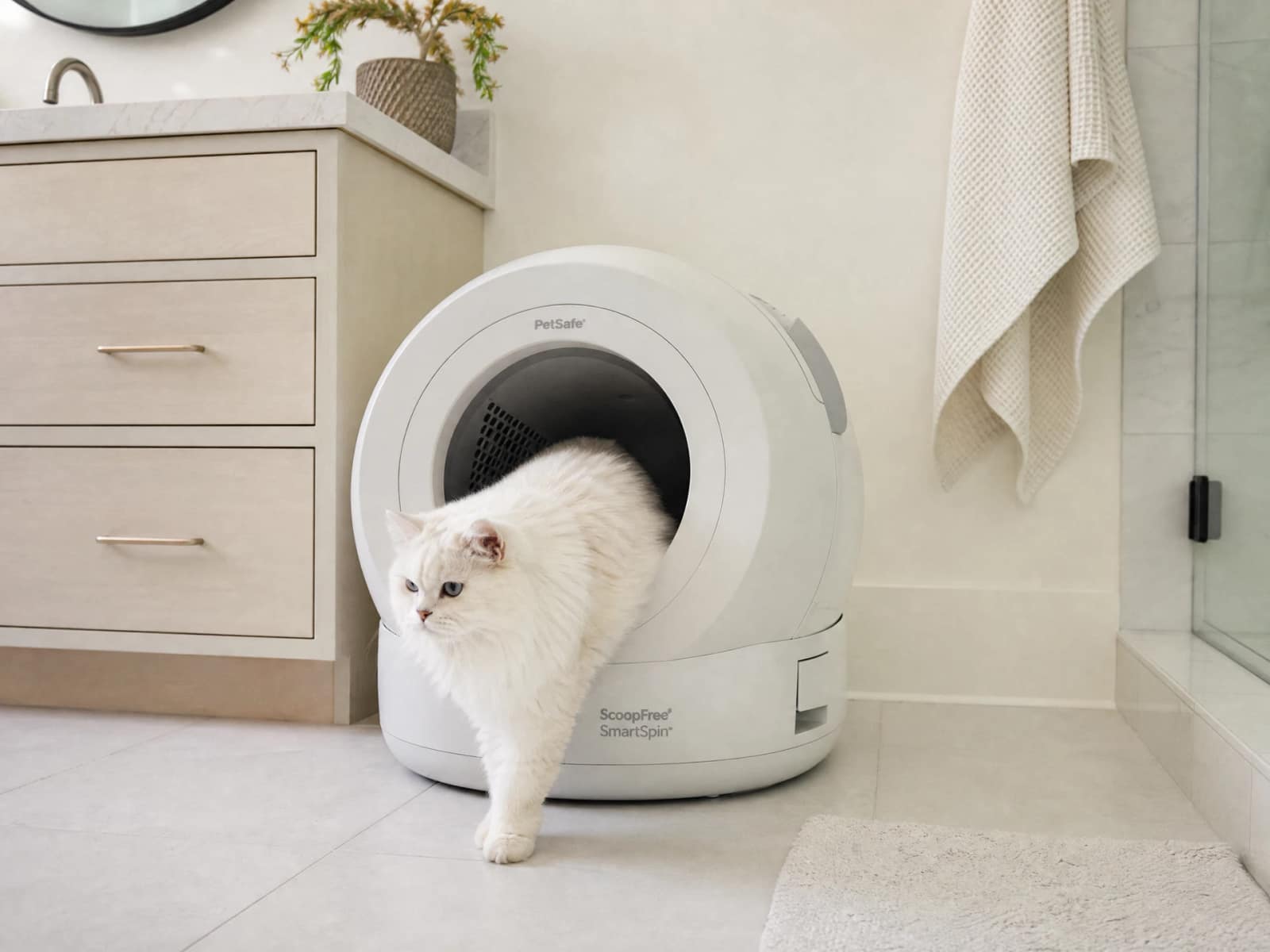
Litter Box Setup




Scratching & Climbing



Bedding & Comfort

Toys & Enrichment


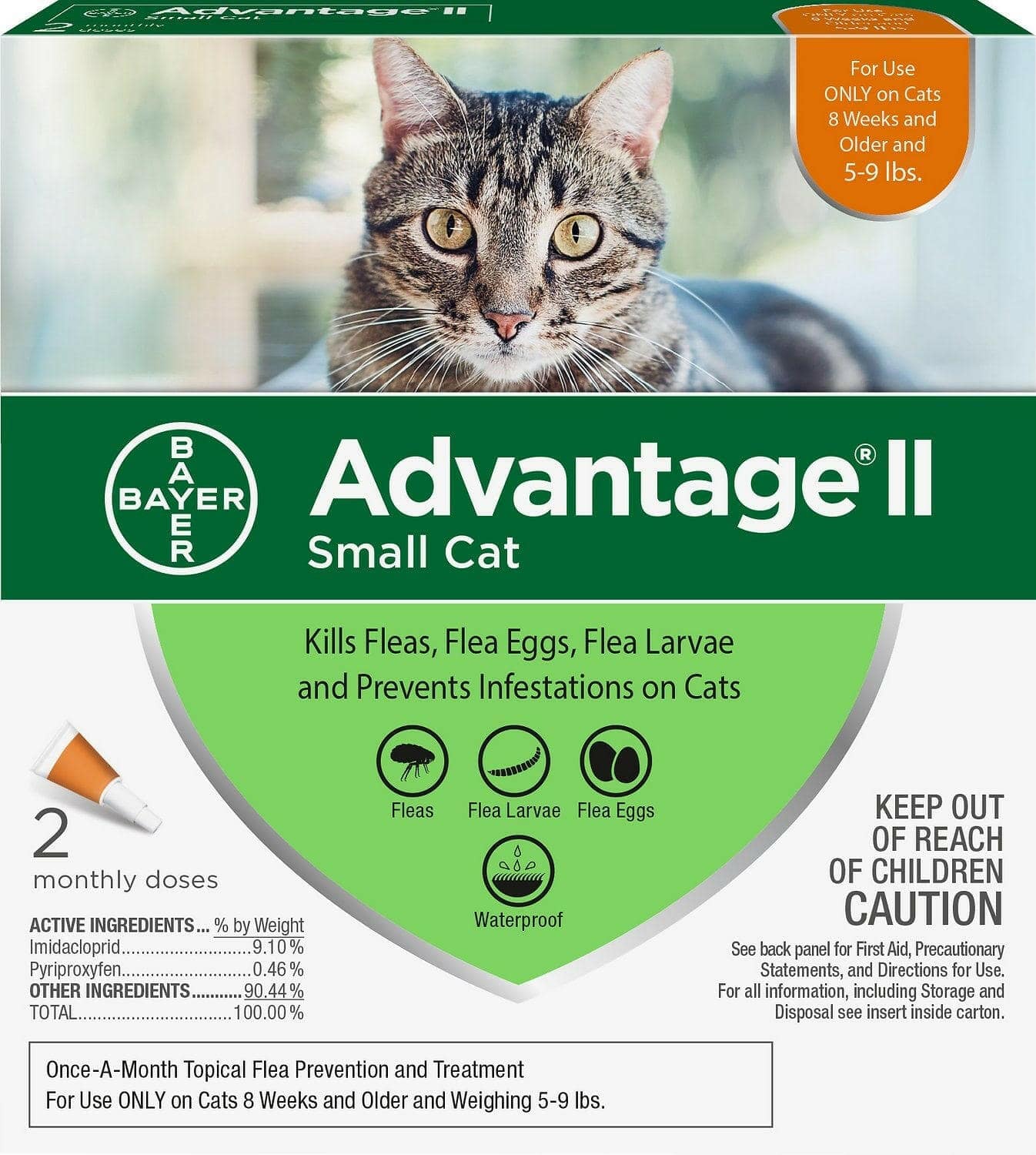
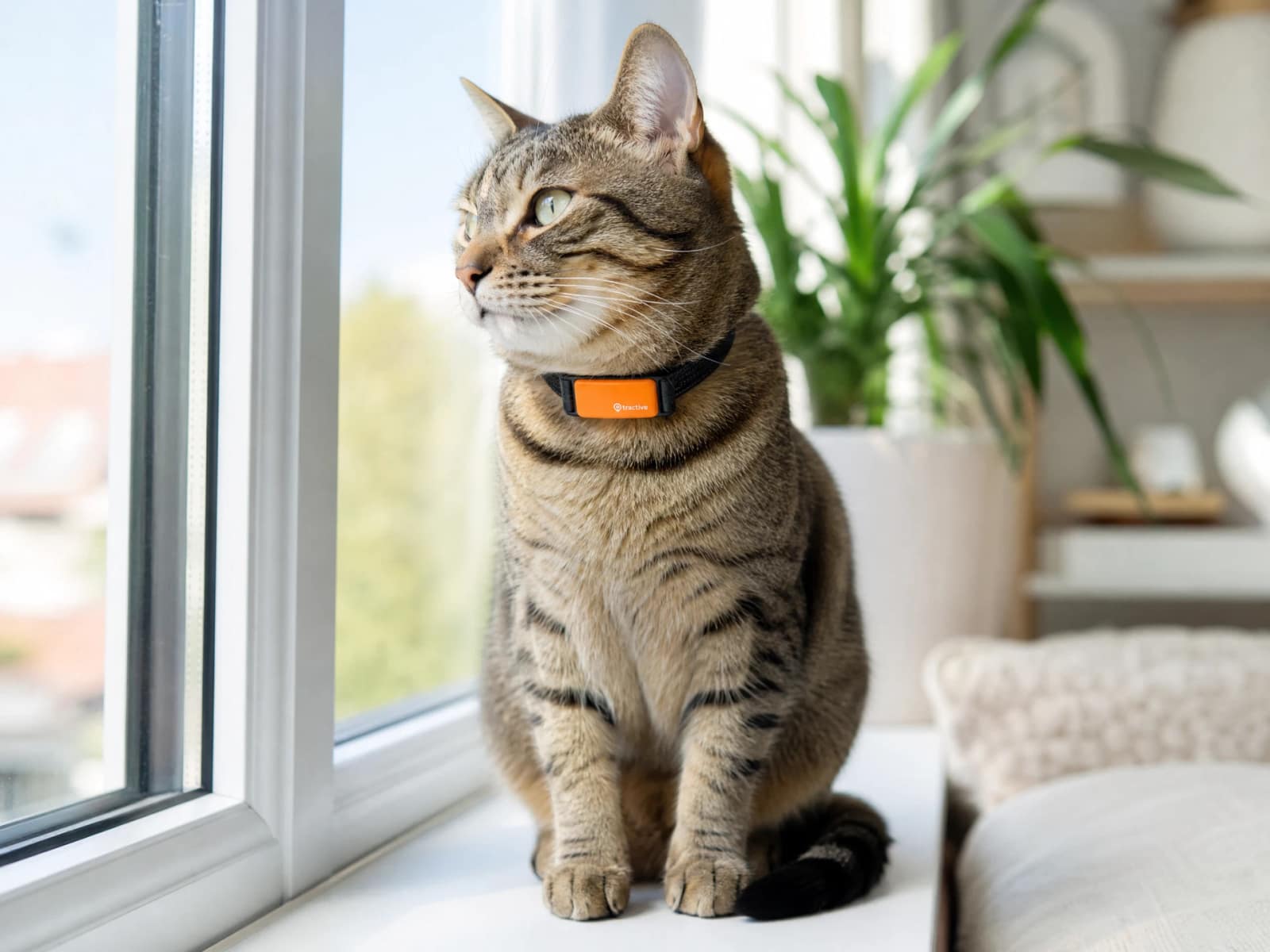
Health & Safety

First Vet Visit
First Vet Visit Prep
Cats are masters at hiding illness — by the time symptoms are obvious, a condition may be advanced. Regular vet care and knowing what to watch for is your first line of defense.
Before the Appointment
- Schedule the visit within the first week at home, or sooner if your cat seems ill or their medical history is unknown.
- Gather adoption, shelter, rescue, breeder, vaccination, deworming, test, medication, allergy, and microchip records.
- Record the current food, daily amount, treats, appetite, water intake, stool, urination, and any behavior changes.
- Ask whether the clinic wants a fresh labeled stool sample and how it should be collected and stored.
- Ask the clinic whether food should be withheld. Do not fast a kitten or cat unless the veterinary team instructs you.
- Tell the clinic about fear, aggression, motion sickness, or handling sensitivities and ask whether pre-visit medication is appropriate.
- Use a secure carrier with familiar washable bedding; cover it lightly if helpful, support it from underneath, and never travel with your cat loose.
Exam, Tests & Prevention
- Request a nose-to-tail exam: weight, body and muscle condition, mouth and teeth, eyes, ears, skin and coat, heart, lungs, abdomen, joints, and mobility.
- Review FVRCP, rabies, and FeLV vaccination needs based on age, health, lifestyle, exposure risk, vaccine history, and local law.
- Discuss FeLV/FIV testing based on age, history, exposure risk, and other cats in the household; a newly acquired cat's status should be established.
- Discuss fecal testing and parasite prevention appropriate for your cat's lifestyle, travel, and region—even for an indoor-only cat.
- Ask whether baseline bloodwork, urinalysis, or blood-pressure screening is appropriate for your cat's age, history, and exam findings.
- Confirm spay or neuter status and timing, and have the microchip scanned so registration and contact details can be verified.
Build the Home Care Plan
- Confirm the food, daily amount, meal schedule, treat limit, hydration plan, and a gradual diet-transition schedule.
- Review litter-box setup and what normal urine and stool should look like for this cat.
- Ask about dental home care, grooming, nail care, play, enrichment, and safe introductions to people and other pets.
- Get vaccines, boosters, test results, parasite prevention, medications, and follow-up dates in writing.
- Ask which symptoms require a same-day call or emergency care, and save the clinic's daytime and after-hours contacts.
- Schedule the next visit before leaving and keep the updated records, baseline weight, test results, and microchip information together.
Know What Cannot Wait
Repeated straining, crying in the litter box, or producing little or no urine—especially in a male cat—is an emergency. Difficulty breathing, collapse, seizures, severe trauma or bleeding, repeated vomiting, or suspected toxin exposure also require immediate veterinary help. Call promptly for loss of appetite, persistent vomiting or diarrhea, marked lethargy, or a sudden behavior change.
Free Printable
Download Your First Vet Visit Prep
Bring the cat-specific checklist to your appointment, capture the care plan, and leave with the next steps clearly documented.
Send It to Your Inbox
Enter your email for the print-ready PDF, or open the printable version immediately.
Pet Insurance
Pet Insurance for Cats
Cat-specific health risks make insurance especially valuable. Urinary blockages (common in male cats) can cost $2,000–$5,000. Kidney disease treatment runs $3,000–$8,000. Enroll before any conditions develop.
Healthy Paws
9.2/10Best overall value
No annual or lifetime payout limits. Covers hereditary conditions. Fast reimbursement.
Trupanion
9.0/10Best for chronic conditions
90% reimbursement with no payout limits. Covers urinary issues, which are common in cats.
Embrace
8.8/10Best for kittens
Diminishing deductible rewards healthy cats. Covers dental illness — important for cats.
Figo
8.5/10Best for multi-cat households
Multi-pet discounts up to 5%. 100% reimbursement option available.
Trusted Picks
Top Tech Products Recommended by SmartPaws
Every product below is independently reviewed by our team. Affiliate links help support SmartPaws at no extra cost to you.
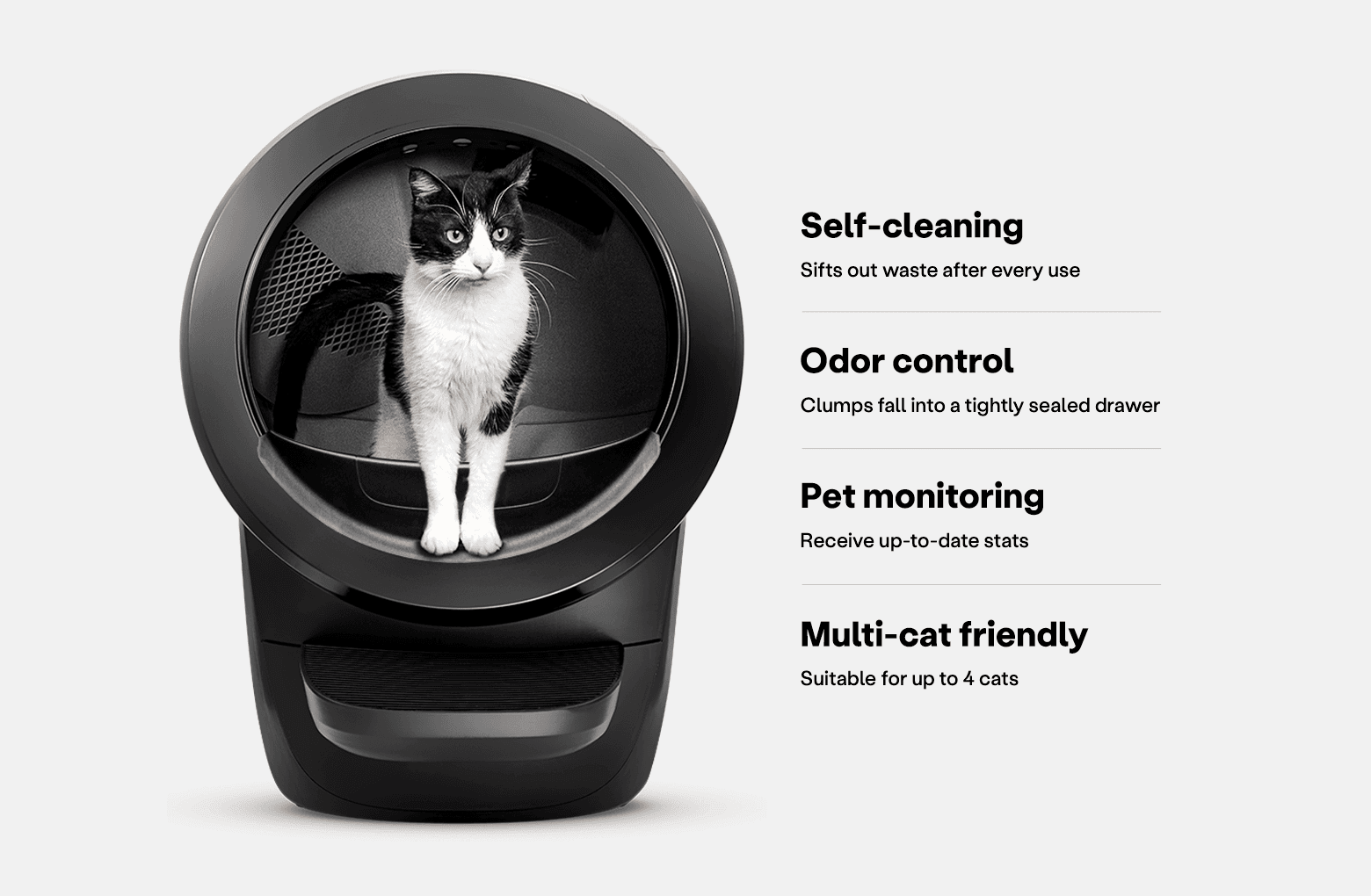
Litter-Robot 4
Self-cleaning litter box that eliminates daily scooping. Reduces litter box aversion — the #1 cause of inappropriate elimination.
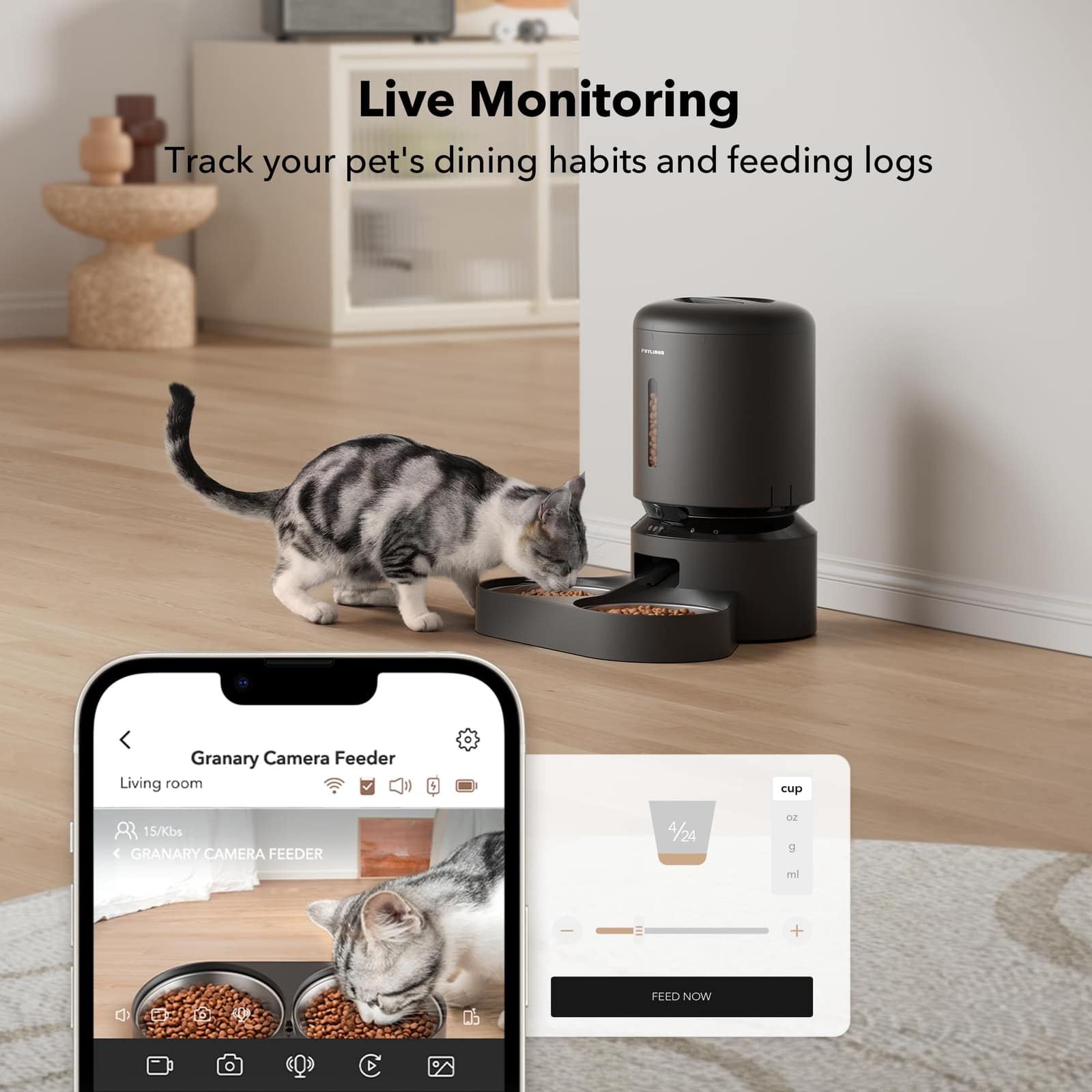
PETLIBRO Automatic Cat Feeder
Consistent feeding schedule is critical in week one. Automates the routine so it never slips, even during the adjustment period.

Furbo Cat Camera
Two-way audio lets you check in without going home. Helps monitor adjustment behavior and separation anxiety.
Save this guide for offline reference