SmartPawsGuides, comparisons & trusted resources — Guides & trusted resources — always independent.

Siamese Training Guide
Brilliant, vocal, and endlessly curious — training a Siamese is a conversation, not a command.
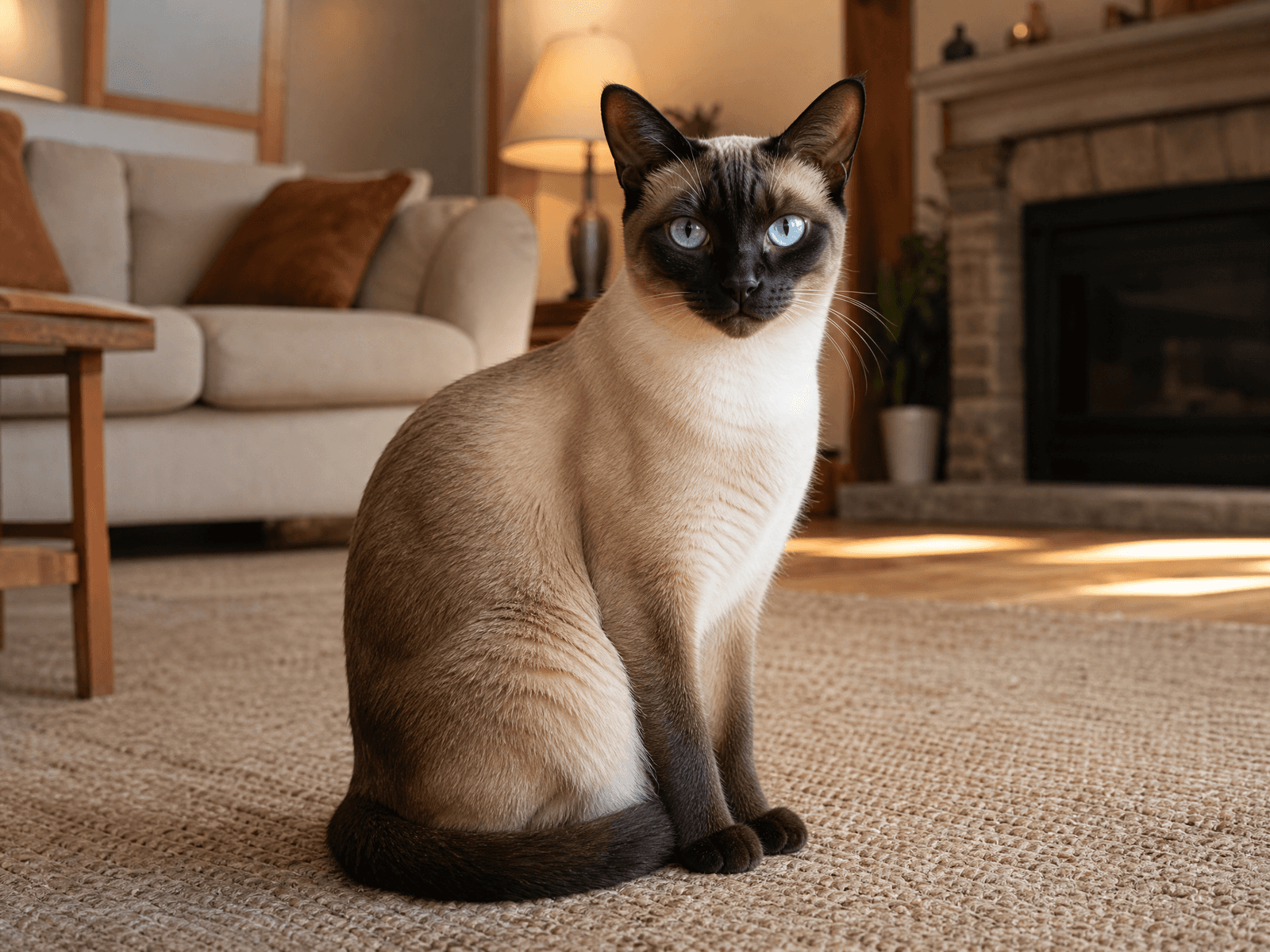
Understanding the Siamese
The Siamese cat is renowned for its striking appearance, high intelligence, and remarkably vocal nature. Unlike more aloof breeds, Siamese cats form intense, dog-like attachments to their human companions and demand constant mental stimulation. Their motivation style blends high play drive with a deep desire for social interaction and praise, though they quickly bore of repetitive tasks. Their attention span is surprisingly agile yet easily derailed if a session becomes monotonous or too rigid. Independence in a Siamese manifests as strong-willed determination rather than detachment. If they disagree with a rule or find a game unrewarding, they will vocalize their displeasure and invent their own rules. They respond poorly to harsh corrections or scolding, which damages trust and elicits stubborn resistance or vocal protests. Instead, positive reinforcement paired with a conversational, respectful tone yields exceptional results. What truly makes them unique is their capacity for complex problem-solving and emotional attunement, allowing them to learn advanced behaviors like clicker training, puzzle solving, and agility courses much faster than the average feline.
Training Strengths
- ✓Exceptional intelligence and problem-solving capability
- ✓Deep social bond with humans makes them highly eager to please
- ✓High play drive translates well into interactive toy-based rewards
- ✓Enjoys complex mental stimulation and learning new tricks
- ✓Vocal and expressive feedback helps owners instantly gauge engagement
Training Challenges
- ✗High sensitivity to correction can cause resentment or refusal to participate
- ✗Intense vocalizations can derail sessions if demands aren't met first
- ✗Easily bored by repetitive, monotonous drills
- ✗Strong-willed independence means they test boundaries consistently
Commands & How to Teach Them
Sit
Easy- Hold a high-value treat just above the Siamese's nose.
- Slowly move the treat backward over their head toward their ears.
- As their head tilts back to follow the treat, their hindquarters will naturally lower into a sit.
- Immediately say 'Sit', give the treat, and offer verbal praise.
High Five
Medium- Ask your Siamese to sit.
- Hold a treat slightly above and to the side of their paw level, closed in your fist.
- When they lift a paw to bat at your hand or investigate, capture the movement.
- Open your palm flat as they touch it, click or praise, and reward immediately.
Come (Recall)
Medium- Use a distinct clicker sound or verbal cue paired with their name.
- Start at a short distance in a quiet room, showing them an enticing treat or toy.
- As soon as they trot over, reward them lavishly with praise and a high-value snack.
- Gradually increase distance and introduce mild distractions over several weeks.
Target (Touch)
Easy- Present a target stick or your finger a few inches from their nose.
- The moment they sniff or touch it with their nose, click or say 'Yes'.
- Immediately deliver a treat from your opposite hand.
- Move the target slightly further away to encourage them to take a step toward it.
Leash Walking
Hard- Introduce an H-style harness indoors, letting them wear it for a few minutes without a leash while playing.
- Attach the leash and allow them to drag it around safely under supervision.
- Practice indoor heel walking using treats to lure them alongside you.
- Transition to a quiet, secure outdoor environment for very brief, positive exploration sessions.
Spin
Easy- Hold a treat close to your Siamese's nose.
- Slowly lure them in a complete horizontal circle.
- Complete the circle, say 'Spin', and immediately reward them.
- Fade the full lure into a subtle hand gesture over time.
Quiet
Hard- Wait for a natural pause when your Siamese stops vocalizing.
- Immediately say 'Quiet', click, and give a treat.
- Gradually lengthen the duration of silence required before the reward is given.
- Never reward vocal demands for attention, as they will quickly train you to respond.
🚽 Litter Training
Siamese kittens are exceptionally clean and naturally gravitate toward a well-maintained litter box with minimal prompting. However, because of their sensitive temperaments, a dirty box or a sudden change in litter texture can cause them to protest outside the box immediately as an emotional statement.
🦮 Leash & Harness Training
Siamese cats are among the best feline candidates for leash and harness training due to their adventurous, dog-like spirit and strong desire to explore. Patience and positive reinforcement are vital, as their high-strung nature means any fear response must be avoided during early introductions.
Common Mistakes with Siameses
- Using harsh verbal scolding or physical :
- Making training sessions too long and re:
- Reinforcing unwanted vocalizations by gi:
- Failing to provide adequate mental stimu:
Frequently Asked Questions
Are Siamese cats easy to train compared to other cats?
Yes and no. They are remarkably intelligent and learn commands faster than almost any other breed, but their independent, strong-willed attitude and vocal nature mean training requires mutual respect rather than authoritarian control.
Why does my Siamese yell during training sessions?
Siamese cats are notoriously talkative and express everything from excitement and impatience to disagreement through vocalization. They are often telling you to hurry up with the treat or debating your training logic!
What is the best motivator for a Siamese cat?
A combination of high-value food treats (like freeze-dried chicken) and enthusiastic social praise or interactive play works best. They thrive on feeling like active participants in a game with their favorite human.
Can Siamese cats be taught to walk on a leash?
Absolutely. With slow, positive desensitization to an H-style harness and plenty of treats, many Siamese cats grow to love outdoor walks and harness adventures.
How long should daily training sessions be?
Keep sessions to 3 to 5 minutes, 1 to 2 times a day. Their quick minds grasp concepts rapidly, but their short threshold for monotony means long sessions lead to frustration.
Training Fact
Siamese cats are so attuned to human behavioral patterns that they can often be taught complex multi-step puzzle chains or fetch games faster than many dog breeds, often initiating training sessions themselves by bringing toys to their owners and vocal until engagement begins.
Read the full Siamese breed profile
Traits, health, costs, and what life with a Siamese is really like.