SmartPawsGuides, comparisons & trusted resources — Guides & trusted resources — always independent.

Scottish Fold Training Guide
Sweet, adaptable, and famously charming — training a Scottish Fold is a delightful exercise in gentle guidance.
Understanding the Scottish Fold
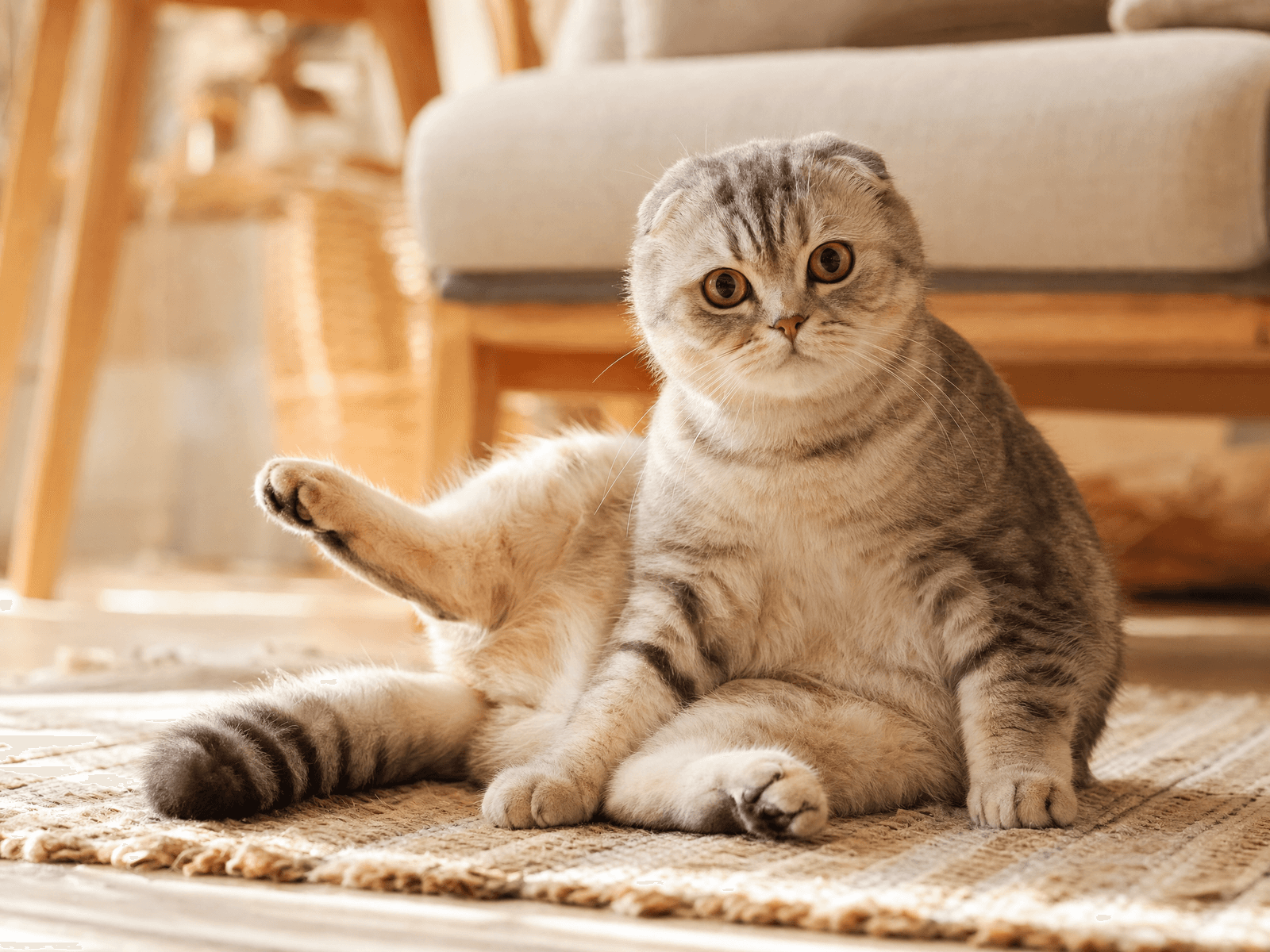
The Scottish Fold is renowned for its easygoing, adaptable, and affectionate temperament. Unlike high-strung or fiercely independent breeds, Folds form deep bonds with their human families and love being involved in household activities, often displaying their signature 'Buddha sit' or lying flat on their backs. They possess a calm, stable demeanor and are remarkably tolerant of handling, which translates into a relaxed and cooperative attitude during training sessions. Their primary motivation style is heavily food-driven, paired closely with gentle social praise and affection. In terms of attention span and independence, Folds strike an ideal balance for learners. While they enjoy quiet downtime and can be moderately lazy as adults, they have healthy bouts of curiosity and moderate energy levels. They respond very poorly to harsh tones, corrections, or physical punishment; negativity will cause them to retreat, shut down, or develop trust issues. Instead, they thrive on positive reinforcement and patience. What makes them truly unique compared to other cats is their high adaptability to new environments and routines, combined with a gentle, placid disposition that makes learning tricks like fetch or target training surprisingly straightforward.
Training Strengths
- ✓Highly food-motivated — responds quickly to high-value treat rewards
- ✓Laid-back and adaptable temperament reduces training stress
- ✓Patient and tolerant of gentle handling during shaping exercises
- ✓Strong human-oriented bonding makes them eager to please
- ✓Moderate energy level prevents destructive boredom behaviors
Training Challenges
- ✗Prone to joint stiffness (osteochondrodysplasia) requiring low-impact sessions
- ✗Easily discouraged by harsh corrections or raised voices
- ✗Can be stubborn or aloof if sessions are too long or repetitive
- ✗Tendency toward laziness requires keeping sessions short and engaging
Commands & How to Teach Them
Sit
Easy- Hold a high-value treat just above your Scottish Fold's nose.
- Slowly move the treat backward over their head toward their ears.
- As their head tilts back to follow the treat, their hindquarters will naturally lower into a sitting position.
- The moment their bottom touches the floor, say 'Sit', give the treat, and offer verbal praise.
Come (Recall)
Easy- Call your cat's name followed by 'Come' in a cheerful, inviting tone.
- Show a fragrant treat or shake a treat bag to capture their attention.
- Reward them immediately with the treat and affection the moment they arrive.
- Gradually increase the distance as they master the cue.
High Five
Medium- Hold a treat slightly above your cat's eye level just out of reach.
- Wait for them to lift a paw toward your hand in anticipation.
- As their paw touches your palm, click a clicker or say 'Good High Five', then immediately hand over the treat.
- Repeat consistently using a flat palm gesture.
Target (Touch)
Easy- Present your index finger or a target stick a few inches away from your cat's nose.
- When they naturally sniff or nose-bump your finger out of curiosity, immediately mark it ('Yes!') and reward with a treat.
- Repeat multiple times until they reliably touch your finger on cue.
- Move the target to slightly different angles to encourage movement.
Fetch
Medium- Select a lightweight, crinkly ball or a small catnip toy that your Fold finds intriguing.
- Toss the toy a short distance of two to three feet.
- When they pick it up or bat it back toward you, reward them with a treat and praise.
- Gradually build up distance and encourage them to bring the toy back to your hand.
Leash Walk
Hard- Introduce a lightweight, soft-mesh harness indoors for a few minutes daily without attaching a leash, rewarding with treats.
- Attach the leash and allow them to drag it around safely indoors under supervision.
- Practice short indoor walking sessions before stepping outside into a quiet, secure outdoor space.
- Let your Fold set the pace, never pulling or dragging them.
🚽 Litter Training
Scottish Folds are naturally clean and instinctive cats, making standard litter box training virtually effortless. However, due to their unique folded ears and potential cartilage or joint stiffness, ensure you provide a litter box with a low entry lip so they can step in and out comfortably without stressing their joints.
🦮 Leash & Harness Training
Scottish Folds can adapt remarkably well to harness and leash training thanks to their calm and inquisitive nature. Keep outdoor excursions short, calm, and safe from sudden loud noises, and always use a well-fitted vest harness rather than a neck collar.
Common Mistakes with Scottish Folds
- Using harsh tones or physical correction:
- Holding training sessions that last long:
- Using standard neck collars for leash tr:
- Forgetting to accommodate joint health b:
- Inconsistent daily practice which disrup:
Frequently Asked Questions
Are Scottish Folds harder to train than other cat breeds?
No, Scottish Folds are actually considered easier to train than many independent breeds because of their affectionate, food-motivated, and people-pleasing nature.
What is the best reward to use when training a Scottish Fold?
High-value, soft meat treats work best because Folds are very food-motivated, and soft treats are easy to consume quickly during short training bursts.
Can Scottish Folds learn to walk on a leash?
Yes, many Scottish Folds enjoy outdoor walks on a harness, provided they are introduced to the equipment gradually and patiently as kittens or calm adults.
How do Scottish Folds react to discipline?
Scottish Folds are sensitive cats that respond very poorly to yelling or scolding. Harsh discipline causes them to lose trust and withdraw from training entirely.
Training Fact
Scottish Folds are famous for sitting in a relaxed upright posture known as the 'Buddha sit' or lying completely flat on their backs like otters, positions they often adopt when waiting expectantly for a training reward!
Read the full Scottish Fold breed profile
Traits, health, costs, and what life with a Scottish Fold is really like.