SmartPawsGuides, comparisons & trusted resources — Guides & trusted resources — always independent.

Persian Training Guide
Quiet, regal, and wonderfully serene — training a Persian requires patience, gentle motivation, and a deep respect for their royal pace.
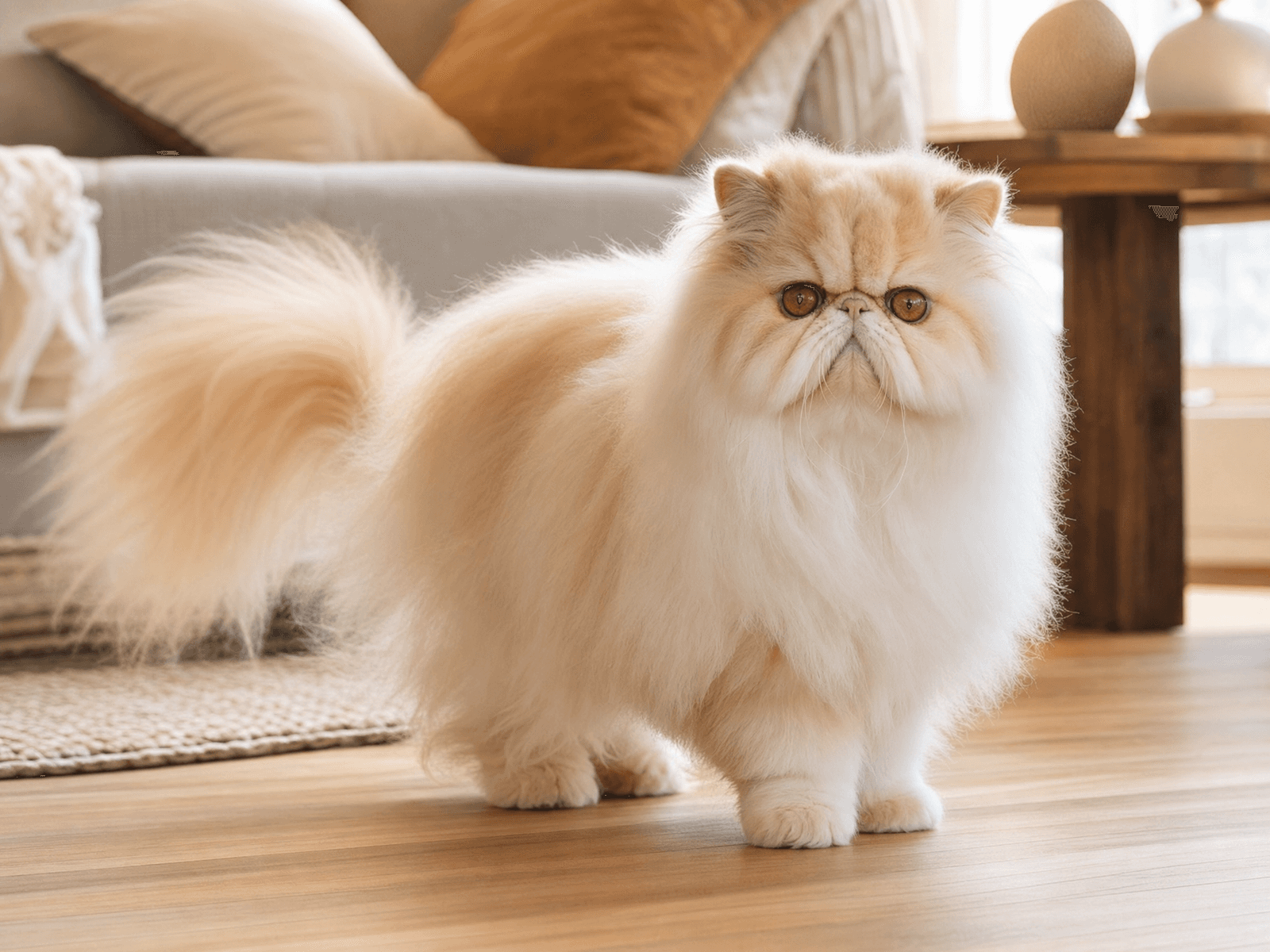
Understanding the Persian
Persian cats are renowned for their sweet, docile, and placid nature. Unlike high-energy active breeds, Persians prefer a quiet, serene environment and are more likely to lounge regally on a sofa than scale your curtains or knock items off counters. When it comes to training motivation, Persians respond best to gentle praise and high-value food treats, though their food motivation can be tempered by their refined, sometimes finicky eating habits. Their attention span is relatively short; they tire quickly of repetitive tasks and prefer calm, low-stress interactions over intense play-driven training. In terms of independence and correction, Persians are sensitive souls. They do not respond well to harsh tones, raised voices, or physical correction, which will simply cause them to withdraw into quiet defiance or fear. Instead, positive reinforcement and patience are essential. What makes Persians unique compared to other breeds is their absolute preference for stability and routine. They are not demanding or overly vocal, meaning training must be initiated proactively by the owner through calm, inviting, and short sessions that match their relaxed lifestyle.
Training Strengths
- ✓Calm and non-destructive demeanor — rarely jumps on high counters or scratches furniture out of hyperactivity
- ✓Gentle temperament — highly tolerant of handling when socialized properly, making grooming and medical training easier
- ✓Food-motivated with the right treats — responds well to soft, high-value savory rewards
- ✓Low vocalization and quiet presence — sessions are peaceful without disruptive meowing or agitation
- ✓Attached to owners — eager to please for affectionate praise and gentle bonding time
Training Challenges
- ✗Low energy and sluggishness — can easily lose interest or fall asleep mid-training session
- ✗Finicky and selective appetite — standard kibble is rarely sufficient reward motivation
- ✗Short attention span — sessions must be kept under 3 to 5 minutes to prevent wandering off
- ✗Sensitive to stress — harsh corrections or loud environments cause immediate withdrawal
- ✗Stubborn independence — if they decide they are done, no amount of coaxing will change their mind
Commands & How to Teach Them
Come
Medium- Hold a high-value soft treat a few inches away from your resting Persian.
- Call their name followed by 'Come' in a soft, welcoming tone.
- Wait patiently as they slowly make their way toward you at their own relaxed pace.
- Reward them immediately with the treat and gentle chin scratches upon arrival.
Stay
Hard- Ask your Persian to sit or lie down on a comfortable, familiar surface like a rug.
- Show your open palm and say 'Stay' in a calm, steady voice.
- Take one step back, pausing for only 2 to 3 seconds initially.
- Step back to your cat, praise softly, and offer a reward before they decide to move.
Sit
Easy- Hold a savory treat just above your Persian's head while they are standing or lounging.
- Slowly move the treat backward over their head toward their tail.
- As their head tilts back to follow the treat, their hindquarters will naturally lower into a sit.
- Say 'Sit' the moment their bottom touches the floor and immediately give the treat.
Grooming Acceptance (Brush)
Hard- Introduce the grooming brush while your Persian is relaxed and sleepy, letting them sniff it first.
- Gently stroke their back with the brush for just 5 to 10 seconds without pulling any tangles.
- Immediately reward with a high-value treat and calm verbal praise.
- Gradually increase brushing time day by day, focusing on areas prone to matting like the chest and underbelly.
Target (Touch)
Easy- Hold your index finger or a target stick a couple of inches from your Persian's nose.
- When they naturally lean forward to sniff your finger, click or say 'Yes!'
- Immediately reward them with a small savory treat.
- Repeat until they confidently nudge your finger every time it is presented.
Eye Wipe / Face Cleaning
Hard- Warm a soft, damp cloth or pet-safe wipe in your hands.
- Gently approach your resting Persian, speaking in a soothing, reassuring whisper.
- Gently wipe the corner of their eye for one second, then immediately remove the cloth.
- Reward with a favorite treat and lavish praise to create a positive association with face handling.
🚽 Litter Training
Persians are naturally clean cats and usually take to the litter box instinctively, but their long fur and short legs require specific accommodations. You must use a low-entry litter box to make stepping in easy, and choose a low-dust, non-clumping paper or pellet litter that won't stick to their long paw fur or get trapped in their coat.
🦮 Leash & Harness Training
Leash training is possible for calm Persians, but it requires extreme patience and an indoor-first approach. Because of their docile and indoor-loving nature, harness training should be done indoors with a lightweight mesh vest over several weeks before ever attempting outdoor strolls.
Common Mistakes with Persians
- Using a loud, commanding tone or physica:
- Scheduling training sessions immediately:
- Using dry, uninspiring standard kibble a:
- Extending training sessions beyond 5 min:
- Ignoring daily coat and eye-cleaning con:
Frequently Asked Questions
Are Persian cats hard to train compared to other breeds?
Persians are not necessarily hard to train, but they require a different approach. Their low energy and placid demeanor mean they lack the eager-to-please drive of dogs or the frantic curiosity of breeds like Bengals. Training succeeds best when kept short, gentle, and paired with high-value food rewards.
What is the best way to motivate a Persian cat during training?
High-value soft treats combined with gentle, soothing vocal praise work best. Because Persians are relaxed and somewhat finicky, standard dry kibble will not motivate them. Finding a savory, meat-based treat they adore is key to successful sessions.
How do I get my Persian to tolerate daily grooming and face wiping?
Start when they are young if possible, or introduce the brush and damp wipe gradually during their relaxed resting periods. Keep sessions under 30 seconds, immediately follow with a delicious treat, and never force them when they are agitated.
Why does my Persian ignore me during training sessions?
Persians have a strong streak of regal independence and low stamina. If a session is too long, repetitive, or if they simply aren't in the mood, they will calmly walk away. Always keep sessions under 5 minutes and end on a positive note before they lose interest.
Can Persian cats learn tricks like high-fives or walking on a leash?
Yes, they can learn simple tricks like target touching and sit, and some can master harness walking. However, high-agility tricks or strenuous movement are not suited to their heavy bone structure and placid personality. Keep expectations aligned with their calm nature.
Training Fact
Despite their reputation as lazy couch potatoes, Persians can be trained to successfully navigate agility tunnels and respond to clicker training when sessions are paired with high-value salmon treats and take place right in their favorite sunbeam.
Read the full Persian breed profile
Traits, health, costs, and what life with a Persian is really like.