SmartPawsGuides, comparisons & trusted resources — Guides & trusted resources — always independent.

British Shorthair Training Guide
Calm, dignified, and unfailingly polite — training a British Shorthair is an exercise in patient, quiet companionship.
Understanding the British Shorthair
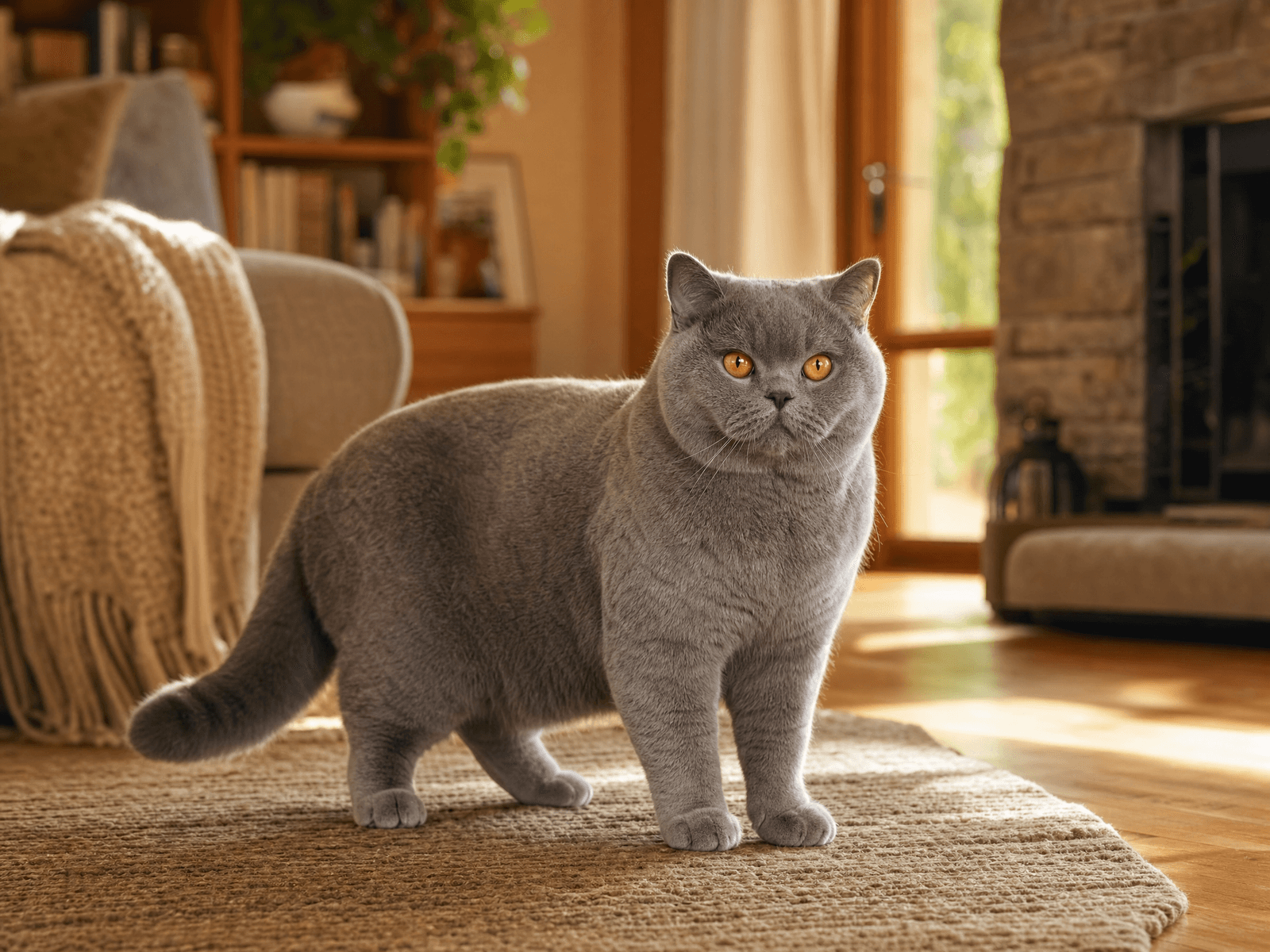
The British Shorthair is renowned for its dignified, placid, and independent nature. Unlike energetic breeds that demand constant stimulation, British Shorthairs possess a quiet confidence and a relaxed demeanor that makes them wonderfully cooperative learners. Their motivation style leans toward a balanced mix of high-value food treats and calm, respectful praise, though they are notoriously food-motivated if the snack is enticing enough. Their attention span is moderate; while they do not possess the frenetic energy of an Abyssinian, they can easily become bored or dismissive if training sessions drag on or become overly repetitive. Independence is a defining trait of the breed. They prefer sitting beside you rather than on your lap, and they approach training on their own terms. Harsh corrections, raised voices, or impatient handling will cause them to completely withdraw, shut down, or simply walk away with an air of quiet disdain. Instead, they respond remarkably well to positive reinforcement, gentle consistency, and predictable routines. What makes the British Shorthair unique is their heavy-set, plush physique and unhurried pace—they think things through before acting, making every command execution deliberate rather than impulsive.
Training Strengths
- ✓Placid and calm temperament — remains unfazed by minor distractions during sessions
- ✓Highly food-motivated — responds exceptionally well to premium, fragrant treats
- ✓Low reactivity — rarely startles or panics, making calm obedience easy to shape
- ✓Independent and self-assured — does not suffer from separation anxiety during downtime
- ✓Methodical thinker — processes cues carefully and retains learned behaviors reliably
Training Challenges
- ✗Stubborn streak — can display a dignified refusal if they feel uninspired
- ✗Prone to weight gain — requires careful management of treat calories during training
- ✗Moderate attention span — loses interest quickly if sessions exceed recommended lengths
- ✗Reserved affection — does not crave constant praise, requiring tangible rewards
Commands & How to Teach Them
Sit
Easy- Hold a high-value treat just above and slightly behind the cat's nose.
- Slowly move the treat backward over their head, encouraging their nose to follow upward.
- As their head tilts back and their hindquarters naturally lower, say 'Sit'.
- Once their bottom touches the floor, immediately deliver the treat and praise gently.
Come (Recall)
Easy- Stand a few feet away from your cat and call their name followed by 'Come'.
- Shake a treat bag or open a scented food container to capture their attention.
- When they leisurely walk over to you, offer a warm verbal cue and a tasty reward.
- Gradually increase the distance across the room as success rates improve.
High Five
Medium- Hold a treat enclosed in your fist just out of reach in front of your cat.
- Wait for the cat to lift a paw and touch your hand in curiosity or mild frustration.
- The exact millisecond their paw contacts your hand, click or say 'Yes' and release the treat.
- Open your hand flat into a palm-out target and repeat the cue until the gesture is fluid.
Target (Touch)
Easy- Present a target stick or your index finger a couple of inches from their nose.
- When the cat investigates and touches your finger with their nose, immediately reward them.
- Repeat multiple times until touching the target becomes an automatic reflex.
- Use the target to guide them onto scales, into carriers, or to designated resting spots.
Stay
Medium- Ask your cat to 'Sit' or 'Down'.
- Hold your palm facing them and say 'Stay' in a calm, firm tone.
- Wait one second, step back in, and immediately reward them before they move.
- Gradually increase duration to 3-5 seconds before releasing with an 'Okay' marker.
Leash Walking
Hard- Introduce an H-style harness indoors for a few minutes daily without attaching a leash.
- Reward calm acceptance of the harness with high-value treats.
- Attach a lightweight leash and allow the cat to drag it around safely indoors.
- Practice gentle forward guidance in a quiet hallway before venturing outdoors.
🚽 Litter Training
British Shorthairs are exceptionally clean and naturally instinctual, making standard litter training effortless. However, due to their large, heavy frames and plush coats, they require a spacious, low-sided litter box with high-quality, low-dust clumping litter to ensure they feel comfortable and secure.
🦮 Leash & Harness Training
British Shorthairs are generally indifferent or slightly resistant to leash training because they prefer the comforts of home over outdoor adventures. While harness training is possible with patient, low-pressure introduction, many owners find they are much happier enjoying supervised indoor window-watching or secure enclosed catios.
Common Mistakes with British Shorthairs
- Using harsh tones or physical correction:
- Overfeeding during training sessions, le:
- Extending training sessions past 5 minut:
- Expecting high-energy acrobatics or ligh:
Frequently Asked Questions
Are British Shorthairs easy to train compared to other cat breeds?
Yes, their calm, balanced, and low-reactivity temperament makes them one of the easiest cat breeds for beginners, provided you respect their independent pace.
What is the best way to motivate a British Shorthair during training?
High-value, aromatic food treats work best. Because they are not overly needy for praise, tangible food rewards keep them engaged and cooperative.
Why does my British Shorthair walk away in the middle of a training session?
British Shorthairs have a strong independent streak and moderate attention spans. If a session is too long, repetitive, or unrewarding, they will simply choose to terminate it.
Can British Shorthairs learn to do tricks like dogs?
Yes! They can easily master target training, sitting on cue, high-fives, and coming when called, though they will always execute them with a calm, deliberate dignity.
Training Fact
Despite their plush, teddy-bear appearance and relaxed reputation, British Shorthairs were originally formidable working mousers bred for stamina and strength, which explains their quiet confidence and sturdy problem-solving abilities.
Read the full British Shorthair breed profile
Traits, health, costs, and what life with a British Shorthair is really like.