SmartPawsGuides, comparisons & trusted resources — Guides & trusted resources — always independent.

Bengal Training Guide
Dazzling, hyper-intelligent, and relentlessly athletic — training a Bengal is an exhilarating masterclass in keeping up with a mini-leopard.
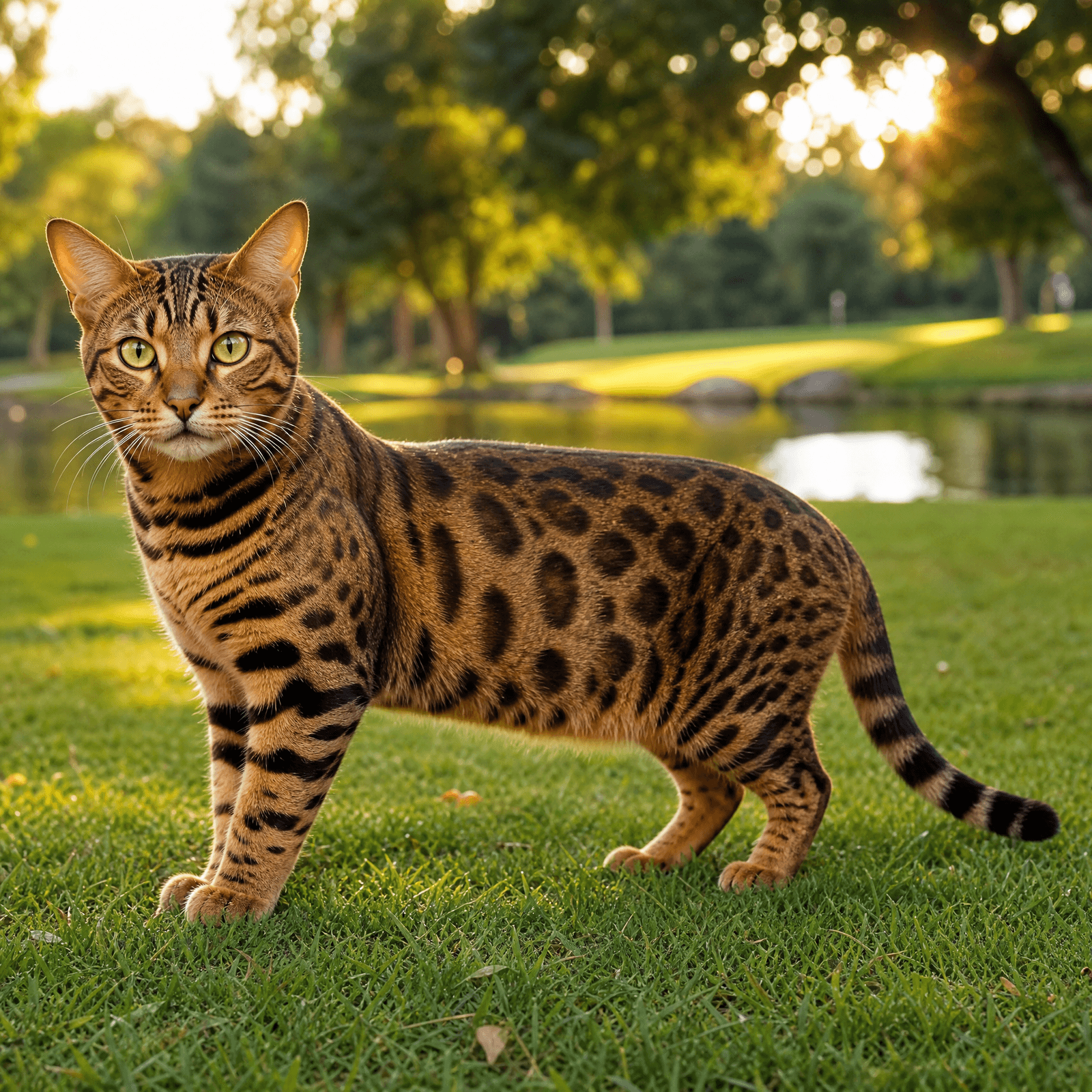
Understanding the Bengal
Bengals are a unique hybrid breed combining the striking appearance of the Asian Leopard Cat with the domestic temperament of affectionate house cats. Their motivation style leans heavily toward high-energy play, interactive problem-solving, and food rewards, though praise alone is rarely sufficient to hold their interest. They possess high intelligence and intense curiosity, but their attention span for repetitive tasks is notoriously short unless the training feels like a high-stakes game. Independently minded and fiercely athletic, Bengals thrive on challenge and vertical space. They do not respond well to harsh corrections, scolding, or physical punishment; such methods damage trust and trigger stubborn defiance or anxiety. Instead, they require positive reinforcement paired with redirection. Compared to typical domestic cat breeds, Bengals demand significantly more environmental enrichment, mental engagement, and structured activity to channel their predatory drive and boundless vigor.
Training Strengths
- ✓Exceptional problem-solving abilities and high intelligence that make learning complex tricks fast
- ✓Deeply toy- and play-motivated, allowing use of feather wands and interactive toys as supreme rewards
- ✓Fearless and adventurous nature that makes harness and leash training much easier than with timid breeds
- ✓High food motivation when paired with puzzle feeders or high-value treats during clicker training
- ✓Strong bonding with owners, making them eager participants in activities that feel like teamwork
Training Challenges
- ✗Rapidly bored by repetitive drills, requiring constant variation and creative session design
- ✗High energy and prey drive that can lead to impulsive distractions during training
- ✗Stubborn independence when they decide a training exercise no longer serves their immediate interests
- ✗Prone to counter-surfing and scaling high surfaces if mental stimulation needs are unmet
- ✗Vocal and demanding when they want attention or food, which can inadvertently reinforce bad habits if owners yield
Commands & How to Teach Them
Sit
Easy- Hold a high-value treat just above and slightly behind the Bengal's nose.
- Slowly move the treat backward over their head, encouraging their hips to lower into a seated position.
- The moment their bottom touches the floor, click or say your marker word (Yes!).
- Immediately deliver the treat and praise enthusiastically.
High Five
Medium- Hold your palm flat a few inches in front of your Bengal at chest level.
- Wait for them to naturally reach out and touch your hand with a paw out of curiosity.
- Immediately click and reward the moment contact is made.
- Gradually raise your hand higher and add the verbal cue High Five.
Come (Recall)
Medium- Start in a quiet room, say your cat's name followed by Come, and use a distinctive clicker or whistle.
- Lure them toward you using an enticing toy or high-value treat.
- Reward lavishly the second they arrive at your feet.
- Practice across varying distances and slight distractions as they master the basics.
Spin
Medium- Hold a treat close to your Bengal's nose and slowly lure them in a full circle.
- Guide them smoothly so they complete a 360-degree turn.
- Click and reward as soon as the circle is finished.
- Fade the physical lure over time into a hand signal or verbal command.
Leash Walk
Hard- Introduce an H-style harness indoors, letting the cat sniff it and rewarding calm behavior.
- Put the harness on for just a few minutes indoors while playing or feeding treats.
- Attach the leash and practice indoor walking before stepping outside into a quiet, secure outdoor space.
- Allow the Bengal to lead the exploration while you gently guide direction.
Stay
Hard- Ask your Bengal to sit and hold your flat palm toward them with the cue Stay.
- Wait for one second without movement, then click and reward.
- Gradually increase the duration by a second at a time before rewarding.
- Add distance very slowly as reliability builds.
Fetch
Medium- Use a lightweight crinkle ball or favorite toy that triggers their prey instinct.
- Throw the toy a short distance and encourage them to chase it.
- When they pick it up, call them back and offer a treat in exchange for dropping the toy.
- Gradually phase out the treat exchange once fetching becomes a self-reinforcing game.
🚽 Litter Training
Bengals are naturally clean and take to litter boxes quickly without extensive effort. However, because of their large size and vigorous digging habits, they require extra-large, sturdy, high-sided litter boxes with premium clumping litter to prevent scatter and accommodate their athletic leaps.
🦮 Leash & Harness Training
Bengals are exceptionally well-suited for leash and harness training compared to almost any other domestic cat breed. Their curiosity and adventurous spirit make outdoor excursions a thrilling enrichment activity, provided training begins slowly with a secure, well-fitted jacket harness.
Common Mistakes with Bengals
- Using physical punishment or raised voic:
- Running training sessions that are too l:
- Failing to provide adequate physical and:
- Inconsistent rules and boundaries, which:
- Ignoring early signs of overstimulation :
Frequently Asked Questions
Are Bengals harder to train than standard domestic cats?
Yes and no. While they learn much faster due to superior intelligence and play drive, their short attention spans, high energy, and independent streak require experienced handling and constant mental challenge.
Can I train my Bengal to walk on a leash like a dog?
Absolutely. In fact, many Bengals thrive on outdoor walks. Using a secure vest harness and positive reinforcement makes outdoor adventures a wonderful source of physical and mental stimulation.
Why does my Bengal bite or get aggressive during training?
Biting or rough behavior during sessions usually stems from overstimulation, frustration, or play aggression. Keep sessions extremely short (3-5 minutes) and redirect their energy onto interactive feather toys rather than hands.
What is the best reward to use for training a Bengal?
Interactive play (such as chasing a feathered wand toy) combined with high-value freeze-dried meat treats works best. Bengals are active predators who value dynamic action as much as food.
Training Fact
Bengals are known to love water due to their wild Asian Leopard Cat heritage, and many can be easily clicker-trained to play in shallow water, swim in pools, or even join their owners in the shower!
Read the full Bengal breed profile
Traits, health, costs, and what life with a Bengal is really like.