
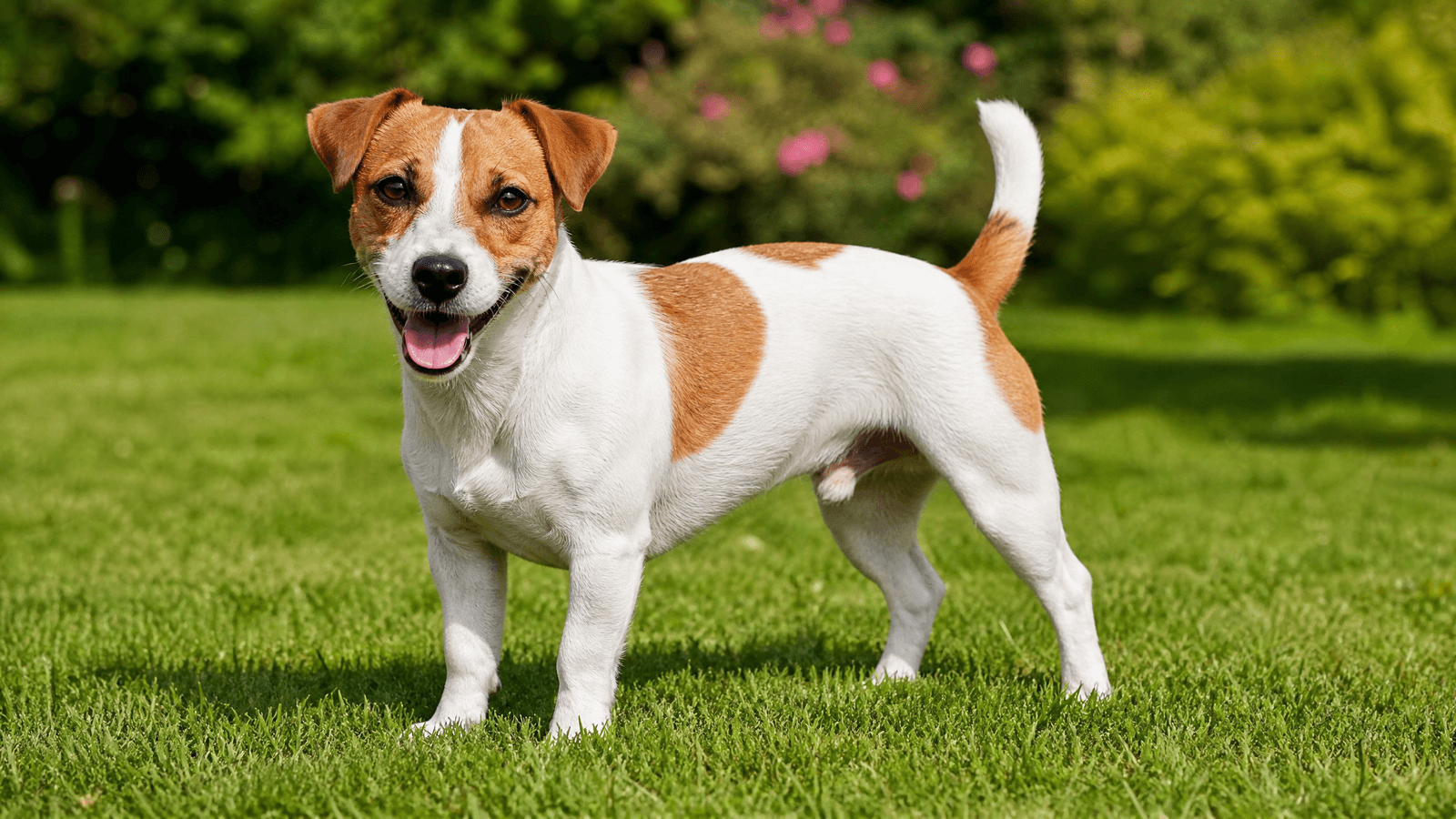
How to Train a Jack Russell Terrier
Training a Jack Russell Terrier is less like teaching a traditional pet and more like negotiating with a pint-sized, high-octane stunt double who possesses an Ivy League intellect and zero fear.
The Ultimate Jack Russell Terrier Training Guide
Training a Jack Russell Terrier is less like teaching a traditional pet and more like negotiating with a pint-sized, high-octane stunt double who possesses an Ivy League intellect and zero fear. Beneath their compact, charmingly athletic white coats beats the heart of a relentless working terrier bred to bolt foxes from underground dens independently [1] [2]. This means they do not look to humans for constant permission; instead, they make split-second tactical decisions based on movement, sound, and instinct. If you attempt to train a Jack Russell with old-school dominance or monotonous repetition, you will encounter a brick wall of stubbornness. However, if you harness their laser focus, unquenchable prey drive, and joyful work ethic using high-energy, intellectually stimulating games, you will forge an unbreakable partnership with one of the most vibrant, intelligent, and fiercely loyal companions in the canine kingdom [1] [3].
Breed Training Profile
Understanding the Jack Russell Mind
To successfully train a Jack Russell Terrier, you must first abandon the traditional mindset of obedience-for-obedience's-sake. Developed by Reverend John Russell in the 19th century for fox hunting, these dogs were engineered to think entirely on their own underground, miles away from the hunter's voice [1] [2]. This historical independence translates directly into modern domestic life: a Jack Russell evaluates every command through the filter of "What's in it for me right now?" They are problem-solvers by nature, capable of opening latches, solving puzzle toys in seconds, and finding the one escape route in a securely fenced yard [3].
Their primary currency is predatory motor pattern fulfillment—the chase, the grab, and the kill shake [4]. Because of this, their motivation relies heavily on dynamic movement, high-value rewards (like freeze-dried liver or a high-intensity game of tug), and rapid-fire training sessions. A standard 15-minute static obedience drill consisting of repetitive sit-stays will cause a Jack Russell to mentally check out, invent their own game (usually digging or barking), or willfully ignore you [1] [4].
Furthermore, their emotional intensity is remarkably high. They feel frustration sharply, and because their nervous systems are wired for instantaneous reaction, boredom manifests quickly as destructive behavior or hyper-reactivity [3]. What does *not* work with this breed is aversive training, yelling, or physical correction. Jack Russells possess a resilient, tenacious spirit; harsh corrections are often met with counter-aggression, anxiety, or a complete breakdown of trust. They require a handler who is exceptionally patient, impeccably consistent, emotionally stable, and capable of out-thinking them [1] [4].
What Works & What Doesn't
Training Timeline: The First 6 Months
Navigating the first six months with a Jack Russell puppy requires a careful balance of boundary setting, socialization, and relentless mental channeling. Because their developmental curve is steep, establishing clear rules early prevents ingrained terrier habits from taking root.
Month 1: Foundation, Bonding, and Impulse Control (8–12 Weeks)
Month 2: Socialization and Environmental Resilience (12–16 Weeks)
Month 3: Core Obedience and Impulse Control (4–5 Months)
Month 4: Distraction Proofing and Adolescent Testing (5–6 Months)
Essential Commands
Training essential commands to a Jack Russell Terrier requires transforming static obedience into dynamic games of focus and control.
1. "Leave It" (The Prey Drive Brake)
2. "Wait" (The Threshold Gatekeeper)
3. "Drop It" / "Out" (Resource Guarding Prevention)
4. "Watch Me" (Breaking Environmental Tunnel Vision)
5. "Place" / "Mat" (Managing Hyperarousal)
The Biggest Challenge: High Prey Drive and Uncontrolled Arousal
The single greatest hurdle in training a Jack Russell Terrier is managing their ferocious, hardwired prey drive and subsequent physiological arousal. Unlike companion breeds that can easily switch from active play to quiet cuddling, a Jack Russell's nervous system operates on a hair-trigger. When triggered by a sudden movement, rustling leaves, or a passing cat, adrenaline surges instantly, cutting off higher cognitive processing and locking the dog into pure predatory autopilot.
Overcoming this challenge requires a multi-faceted approach centered on arousal regulation and pre-emptive management. First, you must learn to read your terrier's subtle pre-arousal body language: stiffening muscles, dilated pupils, lowered head, and a locked tail. The moment you spot these micro-signals, you must intervene *before* the explosion occurs by redirecting their focus onto an alternative behavior, such as a hand-target or an explosive game of tug.
Second, never allow your Jack Russell off-leash in unsecured areas. No matter how reliable their recall is in a quiet living room, millions of years of selective breeding for independent pest eradication will override verbal commands when a rabbit bolts across an open field. Instead, invest in long lines (15 to 30 feet) to give them safe decompression space while maintaining physical control. Finally, channel their predatory energy into legal outlets daily—such as flirt pole sessions, agility courses, or scent work—so their natural biological drives are satisfied constructively rather than destructively in your living room.
Common Owner Mistakes
Even well-intentioned owners frequently stumble when handling the unique psychology of the Jack Russell Terrier. Avoiding these common pitfalls will save you months of frustration:
1. Mistaking Independence for Stubbornness and Using Force: Owners often interpret the breed's natural independence as malicious defiance and resort to yelling, leash jerks, or alpha rolls. This approach backfires instantly; Jack Russells possess immense mental grit and will either fight back or shut down, completely destroying the handler-dog bond.
2. Providing Endless Repetitive Ball-Throwing: Throwing a tennis ball 200 times a day does not tire out a Jack Russell; it merely builds up their physical stamina and creates an obsessive, adrenaline-addicted neurotic dog. True exhaustion comes from mental problem-solving, scent work, and structured impulse control training.
3. Failing to Establish Clear Indoor Boundaries: Because they are small and cute, owners often let puppies jump on furniture, nip at hands, and demand attention on demand. A Jack Russell granted unchecked household autonomy will quickly appoint themselves pack leader and household tyrant.
4. Underestimating Their Need for Mental Jobs: Buying a Jack Russell and expecting a couch potato companion is a recipe for disaster. If you do not give your terrier a job—whether it is trick training, puzzle solving, or earthdog sports—they will invent their own job, which usually involves excavating your drywall, shredding mail, or terrorizing the neighborhood cat.
FAQ
Q: Why is my Jack Russell Terrier still digging up the backyard despite daily walks?
A: Digging is not a behavioral flaw; it is the primary vocational duty embedded in the Jack Russell's DNA. Standard walks only exhaust their physical body while leaving their clever, working minds completely understimulated. To curb destructive backyard excavation, provide a designated "digging box" filled with sand or loose soil where you hide toys or treats, and increase their daily mental enrichment through puzzle feeders, scent games, and obedience training.
Q: Can a Jack Russell Terrier ever be trusted off-leash around small animals like cats or rabbits?
A: In the vast majority of cases, the answer is no. Jack Russell Terriers were selectively bred for centuries to flush and dispatch small quarry independently. While an individual dog may live peacefully with an indoor cat they were raised alongside, their high prey drive means any unfamiliar running animal outside will trigger an instantaneous chase response that bypasses conscious obedience. Always rely on secure fences and long lines when exploring open spaces.
Q: Why does my Jack Russell bark incessantly at every noise or visitor?
A: Jack Russells possess sharp watchdog instincts and a high baseline level of reactivity. They view every sound, knock, or passing pedestrian as an intrusion that requires immediate vocal announcement. To address this, practice the "Quiet" command paired with high-value desensitization, teaching the dog that acknowledging a noise once with a single alert bark is sufficient, after which they must retreat to their designated "Place" mat for a reward.
---
References
[1] Coile, D. (2000). *Jack Russell Terriers*. Barron's Educational Series.
[2] Plumb, T. (2005). *The Jack Russell Terrier Handbook*. Hauppauge: Barron's.
[3] Kilcommons, B., & Wilson, S. (1999). *Good Owners, Great Dogs*. Warner Books.
[4] McConnell, P. B. (2002). *The Other End of the Leash: Why We Do What We Do Around Dogs*. Ballantine Books.
Quick Reference
Download This Guide
Get the full Jack Russell Terrier training guide as a PDF.
Training advice reflects general breed tendencies. Individual dogs vary. Consult a certified trainer for persistent behavioral issues.