
Work with choice, not compliance
A cat who turns away, hides, crouches, hisses, or freezes is telling you the session is too difficult. Pause, lower the challenge, and let the cat choose to re-engage another time.
SmartPawsGuides, comparisons & trusted resources — Guides & trusted resources — always independent.

This is not dog obedience in a cat costume. Learn practical feline skills—carrier comfort, litter habits, cooperative care, target work, and enrichment—using short, reward-based sessions.
Start here
A useful goal is a cat who can make voluntary, rewarded choices that improve everyday care: entering a carrier, touching a target, settling on a familiar mat, accepting a brief brush, or using a scratching surface. Progress varies with temperament, history, health, and the value of the reward.
A cat who turns away, hides, crouches, hisses, or freezes is telling you the session is too difficult. Pause, lower the challenge, and let the cat choose to re-engage another time.
Many cats enjoy food rewards, but a favorite toy, gentle social interaction, or another preferred experience can work better. Offer a few options and observe what your cat actually chooses.
Reward the moment the desired behavior happens. A soft marker word or a quiet click can bridge the short gap before the reward, but some cats find a clicker sound too intense.
Use a quiet room, one cat at a time, and several small successes. End while your cat is still comfortable and interested rather than waiting for them to walk away.
Do not force a cat into position, punish accidents, chase them into a carrier, or continue when they show fear. Sudden behavior changes or pain signs deserve veterinary attention first.
Practical skills
Pick one skill. Make the first version easy. End after a few comfortable repetitions.
Litter habits
Most cats have an instinct to dig and cover, but the box, litter, location, and household environment determine whether the setup works for that individual cat.
Use enough boxes for the household, keep them easy to reach, and avoid trapping a cat in a noisy or high-conflict location. Senior cats may need lower entry sides.
When troubleshooting, avoid replacing the box, litter, location, and routine all at once. A gradual, observable change makes it easier to learn what helps.
Straining, frequent small urination, pain, blood, new accidents, or a sudden refusal to use the box can signal a medical issue. Contact a veterinarian promptly rather than treating it as disobedience.
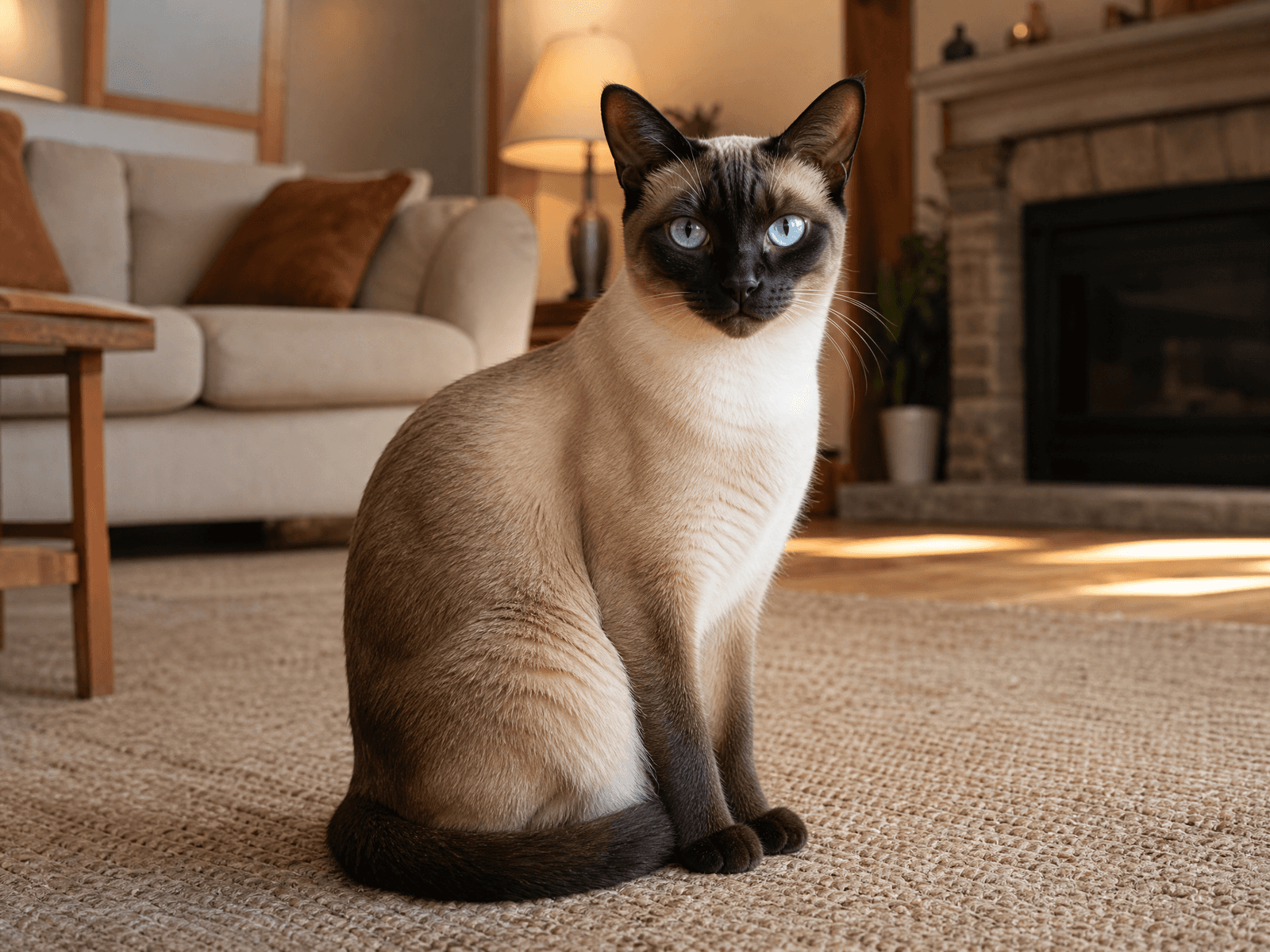
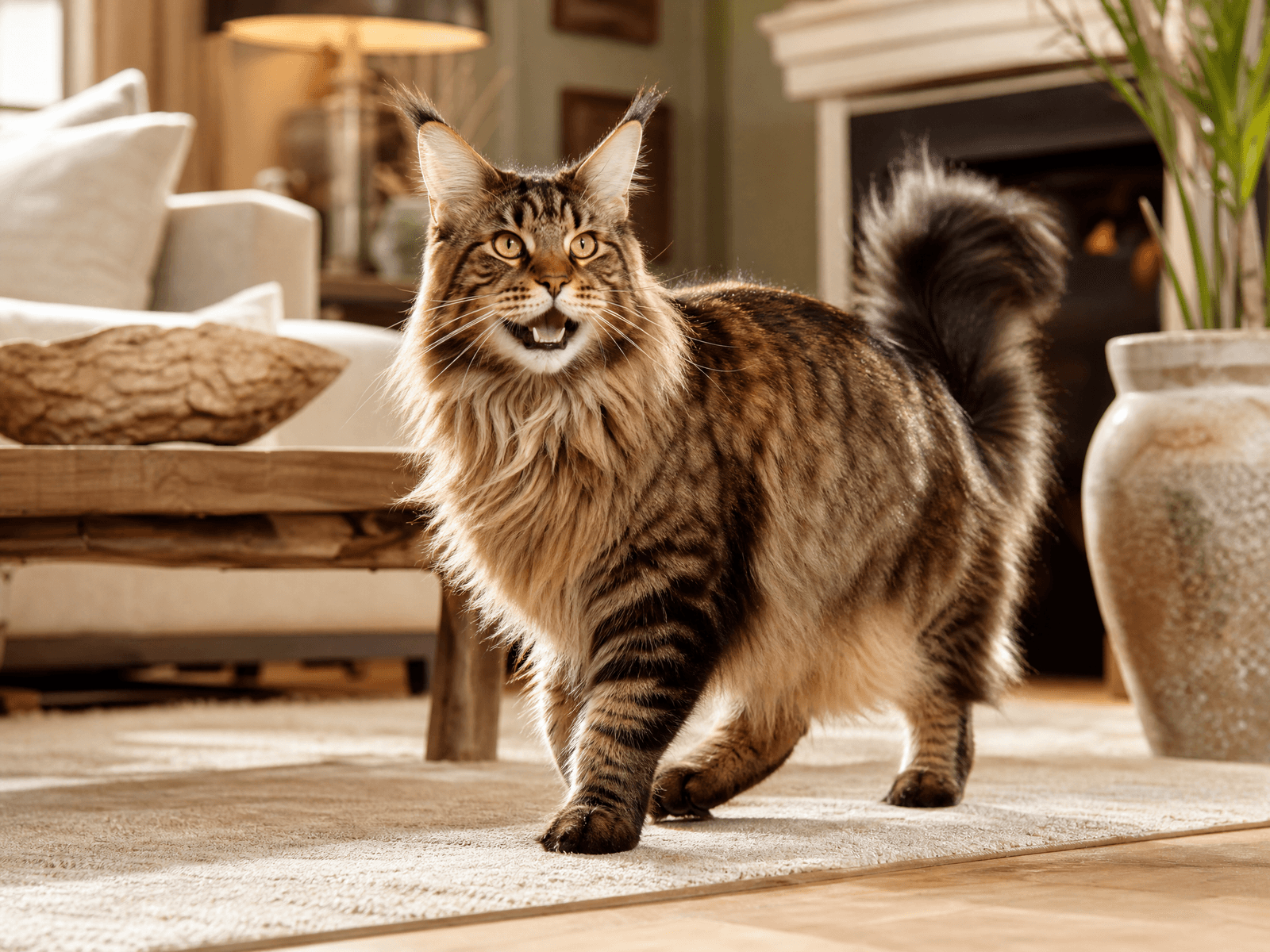
Replace repeated commands and physical positioning with choice, short sessions, target work, and rewards the individual cat actually values.
Punishment can increase fear and does not identify the underlying health, placement, substrate, or environmental problem.
Make the carrier ordinary furniture with familiar bedding and positive experiences long before it is needed.
Start separately, especially if there is tension around food, space, or attention. Each cat should be able to learn without competition.
Hiding, crouching, turning away, flattened ears, growling, hissing, and freezing are reasons to stop and simplify—not signs to push through.
A sudden litter-box change, pain during handling, new aggression, appetite changes, straining to urinate, or persistent fear is not a problem to solve with a training cue. Ask a veterinarian to rule out medical causes first. For ongoing behavior concerns, a qualified feline behavior professional can help build a safe plan.
The foundations above apply to every cat, but breeds differ in energy, sociability and what they find rewarding. A Bengal usually needs far more climbing and hunting-style play than a Persian, and a Siamese may treat training sessions as conversation. Each guide adapts these skills to one breed.
Related guides: bringing home a new cat · everyday cat care · cat travel and carrier prep · litter box placement · foods that are toxic to cats
This guide follows feline-veterinary guidance on positive reinforcement, carrier acclimation, respectful handling, and cooperative care. It is educational information, not a substitute for individualized veterinary or behavior care.
FelineVMA positive-reinforcement toolkit · AAFP/ISFM handling guidelines · Clicker-training study