
Best forhomes with two or more cats
Premium
Smart Hygiene
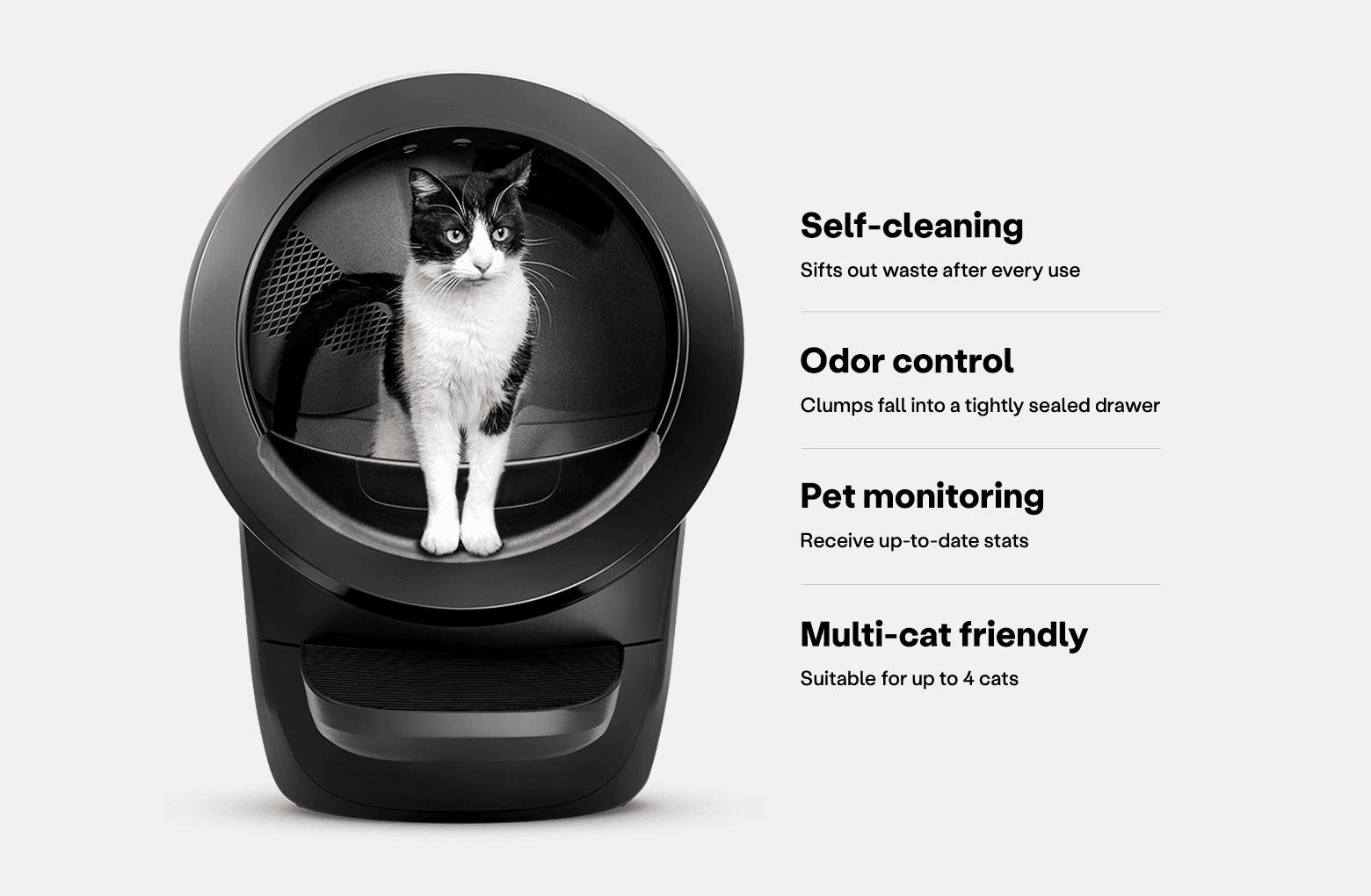
Litter-Robot 4 Self-Cleaning Litter Box
The gold standard in automatic litter boxes. Odor-free, hands-free.
4.5 · 6.7K reviews
8.7SmartPaws Score
How?Typically$699–$899In Stock
SmartPawsGuides, comparisons & trusted resources — Guides & trusted resources — always independent.
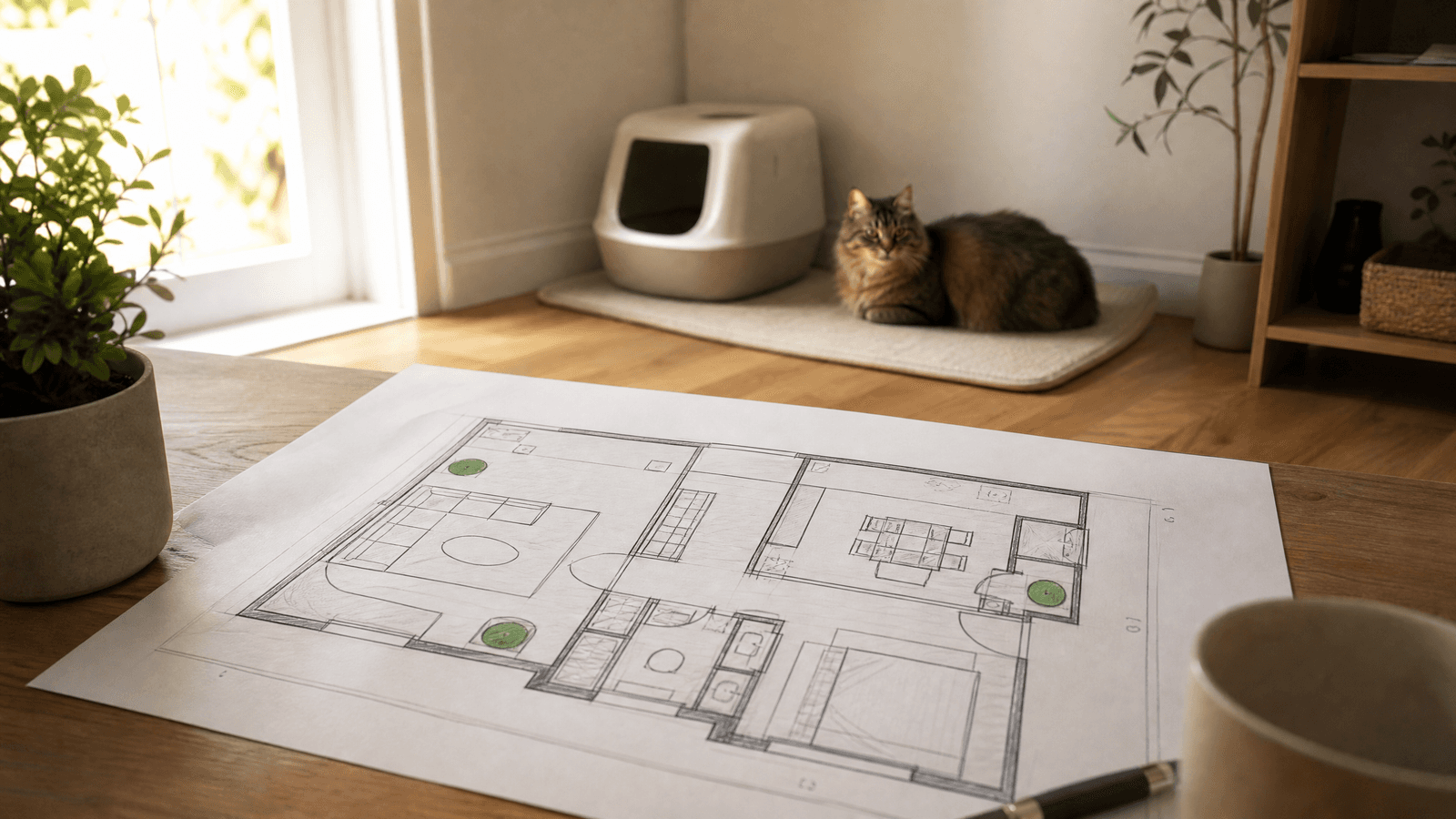
Discover the ideal spots for your cat's litter box to ensure their comfort and your home's cleanliness.
General Education Only
This article is for general educational purposes and does not constitute veterinary advice. Every pet is different — consult your veterinarian before making changes to your pet's diet, health routine, or supplement regimen. If your pet shows signs of illness, contact a licensed veterinarian promptly.
SmartPaws Editorial Team
Pet Tech Experts · Research-based content
This article contains affiliate links. We may earn a commission if you purchase through our links, at no extra cost to you. Choosing the right location for your cat's litter box is more than just a matter of convenience; it significantly impacts your cat's comfort, health, and behavior. A poorly placed litter box can lead to avoidance, accidents outside the box, and unnecessary stress for your feline friend. This comprehensive guide will walk you through the best practices for litter box placement, considering factors like privacy, accessibility, multi-cat dynamics, and the integration of smart litter box technology.
Cats are naturally clean animals, and their instinct drives them to seek out appropriate places to relieve themselves. When a litter box is not ideally situated, it can become a source of anxiety for your cat. Factors such as noise, high traffic, or feeling trapped can deter a cat from using their litter box, leading to behavioral issues. Understanding your cat's needs and preferences is key to creating a harmonious living environment for both of you.
For a single cat, the primary considerations are privacy, accessibility, and cleanliness. **Quiet, Low-Traffic Areas:** Cats prefer to do their business in peace. Avoid busy hallways, laundry rooms with noisy appliances, or areas near loud televisions. A quiet corner in a spare room, a bathroom, or a dedicated cat space is often ideal. **Easy Access:** The litter box should be easy for your cat to get to at all times. Don't place it behind clutter or in a room that's frequently closed off. If you have an older cat or one with mobility issues, ensure there are no stairs or obstacles that make access difficult. **Away from Food and Water:** Just like humans, cats don't like to eat where they eliminate. Always keep the litter box a significant distance from their food and water bowls to maintain hygiene and prevent aversion.
While privacy is important, the litter box shouldn't be so hidden that your cat forgets where it is or finds it inconvenient to reach. A good balance involves placing the box in a secluded yet easily accessible spot. For instance, a corner in a living room can work if it's not directly in the path of foot traffic. Some cats prefer covered litter boxes for added privacy, but ensure it's large enough and well-ventilated to prevent odors from trapping inside, which can also deter use.
The general rule of thumb for multi-cat households is one litter box per cat, plus one extra. So, for two cats, you should have three litter boxes. This helps prevent territorial disputes and ensures that each cat has a clean option available. **Multiple Locations:** Don't place all litter boxes in one spot. Spread them out across different rooms and floors of your home. This gives each cat options and prevents one dominant cat from guarding access to all boxes. **Consider Cat Personalities:** Observe your cats' interactions. If one cat is particularly shy, ensure their litter box is in a very private, secure location. If another is more outgoing, they might be fine with a slightly more open spot, as long as it's still respectful of their need for peace.
Smart litter boxes, like the Litter-Robot 4, offer advanced features such as automatic cleaning, odor control, and health monitoring. Their placement still adheres to the basic principles of privacy and accessibility, but with a few additional considerations. **Power Source:** Smart litter boxes require an electrical outlet, so plan your placement near one. Avoid using extension cords if possible, or ensure they are safely secured and out of your cat's reach. **Wi-Fi Connectivity:** Many smart litter boxes connect to your home Wi-Fi for app control and notifications. Ensure the chosen location has a strong Wi-Fi signal for optimal performance. You can check your signal strength with your smartphone. **Ventilation:** While smart litter boxes often have excellent odor control, good ventilation in the room can further enhance freshness, especially in smaller spaces. For more insights into the latest pet tech, check out our [Smart Pet Tech Buying Guide](/articles/smart-pet-tech-buying-guide-2026).
Smart Hygiene
The gold standard in automatic litter boxes. Odor-free, hands-free.
The Litter-Robot 4 offers unparalleled convenience with its automatic self-cleaning system, superior odor control, and waste level monitoring, making it ideal for busy multi-cat households.
Proper litter box placement is a cornerstone of responsible cat ownership, contributing significantly to your cat's happiness and your home's cleanliness. By considering factors like privacy, accessibility, multi-cat dynamics, and the specific needs of smart litter boxes, you can create an environment where your feline companion feels secure and comfortable. Remember to observe your cat's behavior and adjust as needed, ensuring their litter box experience is always positive.
Keep reading
Automatic feeders offer convenience and consistent meal times, but introducing them to a cat requires a gentle, step-by-step strategy. Learn how to make the transition stress-free for your feline companion and avoid common pitfalls.
Read guide
Separation anxiety is a common yet distressing condition for many dogs and their owners. Understanding the signs is the first step towards providing comfort and effective solutions. This guide will help you identify the symptoms and explore practical steps, including tech aids and training, to alleviate your dog's distress.
Read guide
Setting up a pet camera can provide peace of mind and endless entertainment, allowing you to monitor your pets from anywhere. This guide walks you through every step, from choosing the right spot to securing your network and maximizing video quality. Discover how to create a safe and engaging environment for your beloved companions.
Read guide