SmartPawsGuides, comparisons & trusted resources — Guides & trusted resources — always independent.

Best Dogs for
First-Time Owners
Eight breeds that forgive training mistakes, respond well to positive reinforcement, and won't overwhelm a new owner. Ranked by how beginner-friendly they truly are — not just how popular they are.
What makes a dog "beginner-friendly"?
The best dogs for first-time owners share a few key traits: they're forgiving of training inconsistencies, respond well to positive reinforcement, and don't have extreme exercise or grooming demands that catch new owners off guard. High trainability matters more than low energy — a trainable high-energy dog is far easier to manage than a stubborn low-energy one.
Every breed on this list has been scored across trainability, stubbornness, energy level, and grooming needs. The "Watch Out" notes are honest — because the best thing we can do for a first-time owner is set realistic expectations before day one.
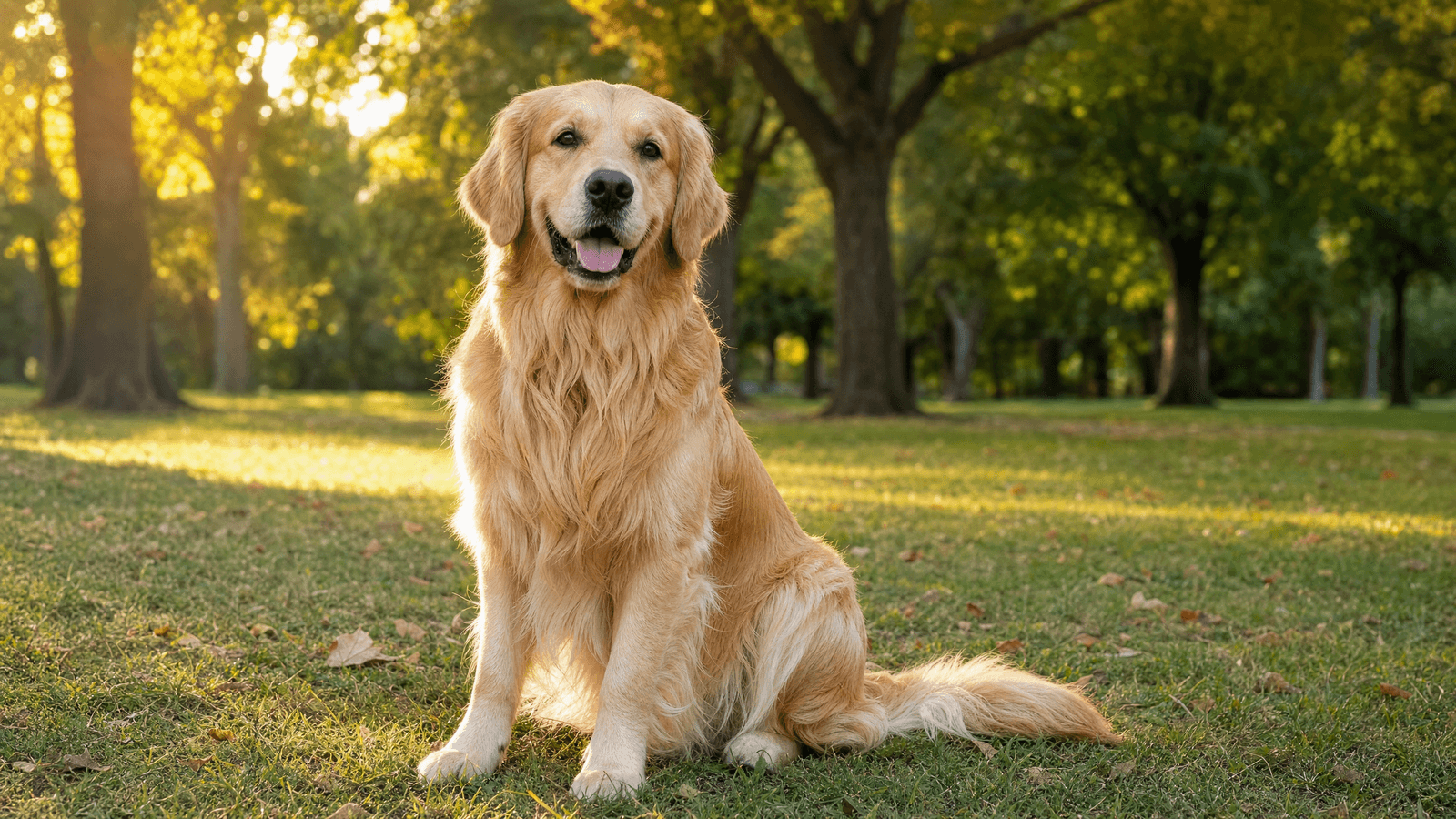
Golden Retriever
The gold standard for a reason
Goldens are eager to please, respond beautifully to positive reinforcement, and rarely show aggression. They're forgiving of training mistakes — a huge advantage for new owners still learning the ropes.
Trainability
Very High
Energy Level
High
Grooming
Moderate
Stubbornness
Very Low
Best For
Families, singles, seniors — virtually everyone
Watch Out
Needs daily exercise; sheds heavily twice a year
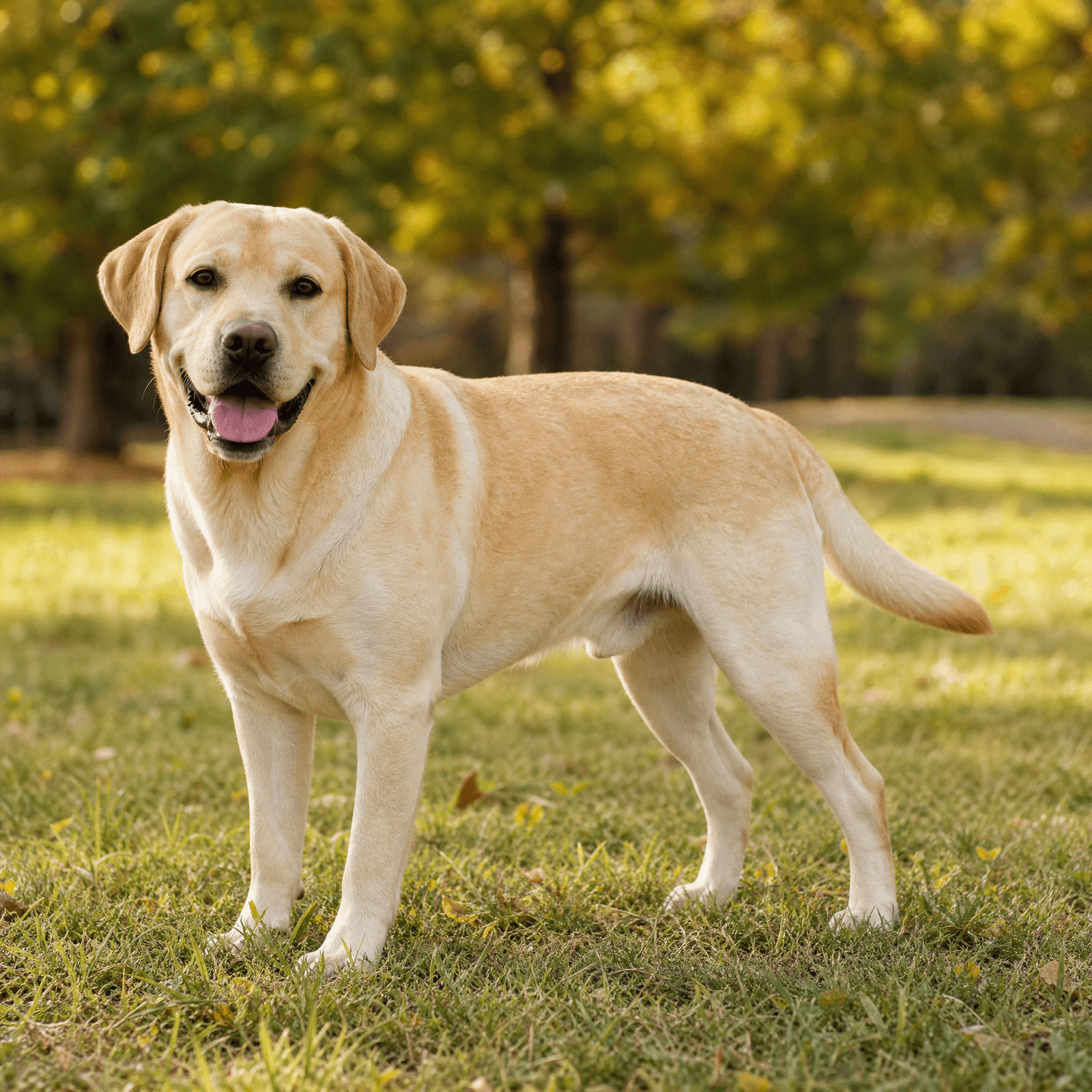
Labrador Retriever
America's most popular dog for good reason
Labs are highly food-motivated, which makes training straightforward even for beginners. They're resilient, social, and rarely hold grudges — mistakes during training don't set them back.
Trainability
Very High
Energy Level
High
Grooming
Low
Stubbornness
Very Low
Best For
Active families, first-time owners who want an athletic companion
Watch Out
High energy as puppies; prone to weight gain without exercise
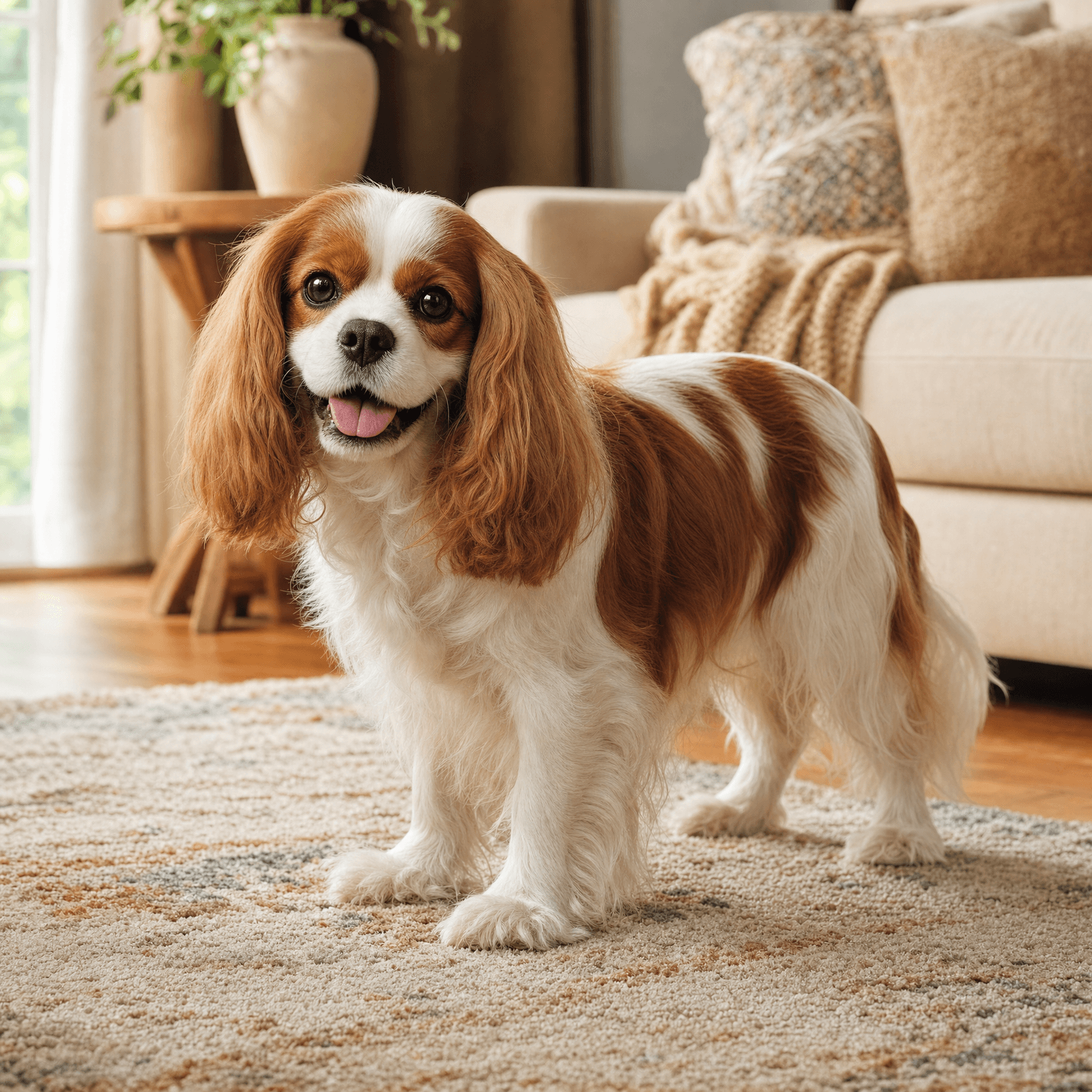
Cavalier King Charles Spaniel
A lap dog with a big heart
Cavaliers are adaptable, gentle, and thrive on companionship. Their moderate energy and eagerness to please make them one of the most manageable breeds for first-time owners.
Trainability
High
Energy Level
Moderate
Grooming
Moderate
Stubbornness
Low
Best For
Apartment dwellers, seniors, anyone wanting a calm companion
Watch Out
Prone to heart conditions; needs regular vet check-ups
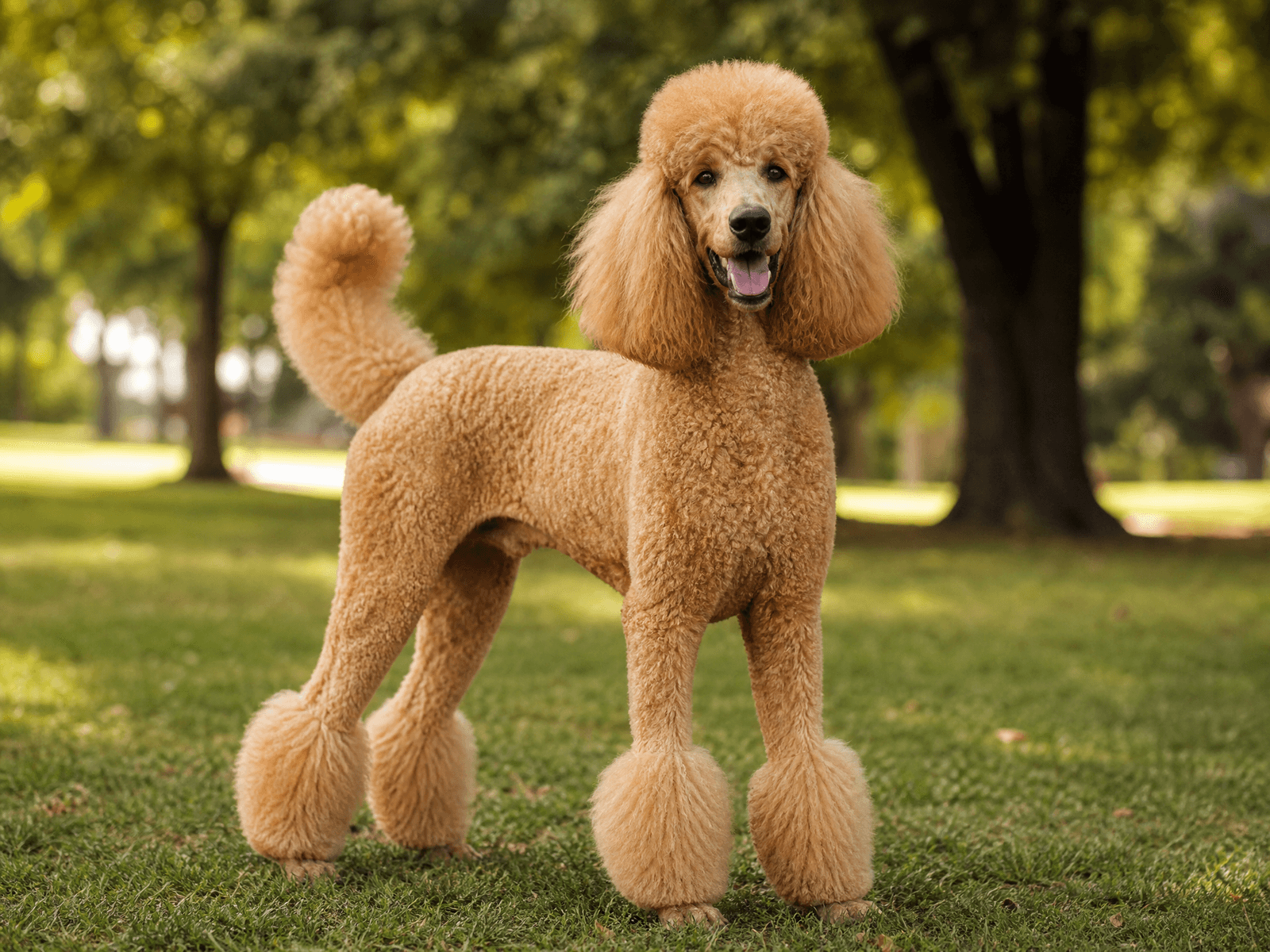
Poodle (Standard)
Brilliant, low-shedding, and surprisingly easy to train
Poodles are among the most intelligent dog breeds and pick up commands in just a few repetitions. Their low-shedding coat is a bonus for allergy sufferers, though grooming costs should be budgeted.
Trainability
Very High
Energy Level
High
Grooming
Very High
Stubbornness
Very Low
Best For
Allergy-sensitive owners, active families who want a smart dog
Watch Out
Grooming costs are high — professional trims every 6–8 weeks
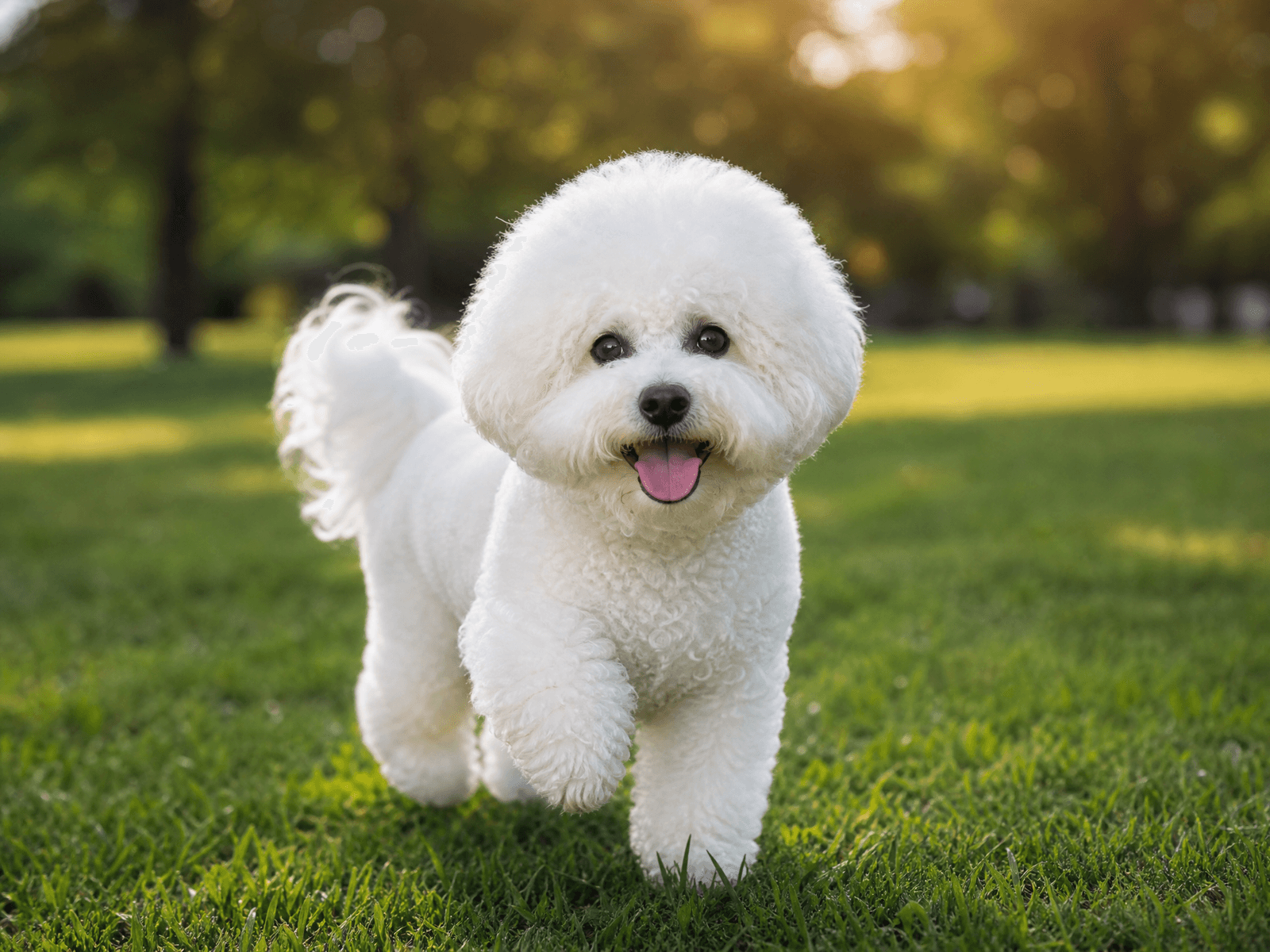
Bichon Frise
Small, cheerful, and surprisingly low-maintenance
Bichons are playful without being overwhelming, hypoallergenic, and genuinely happy dogs. They're forgiving of inconsistent training and adapt well to different living situations.
Trainability
High
Energy Level
Moderate
Grooming
High
Stubbornness
Low
Best For
Apartment owners, families with kids, allergy-sensitive households
Watch Out
Can develop separation anxiety; needs consistent companionship
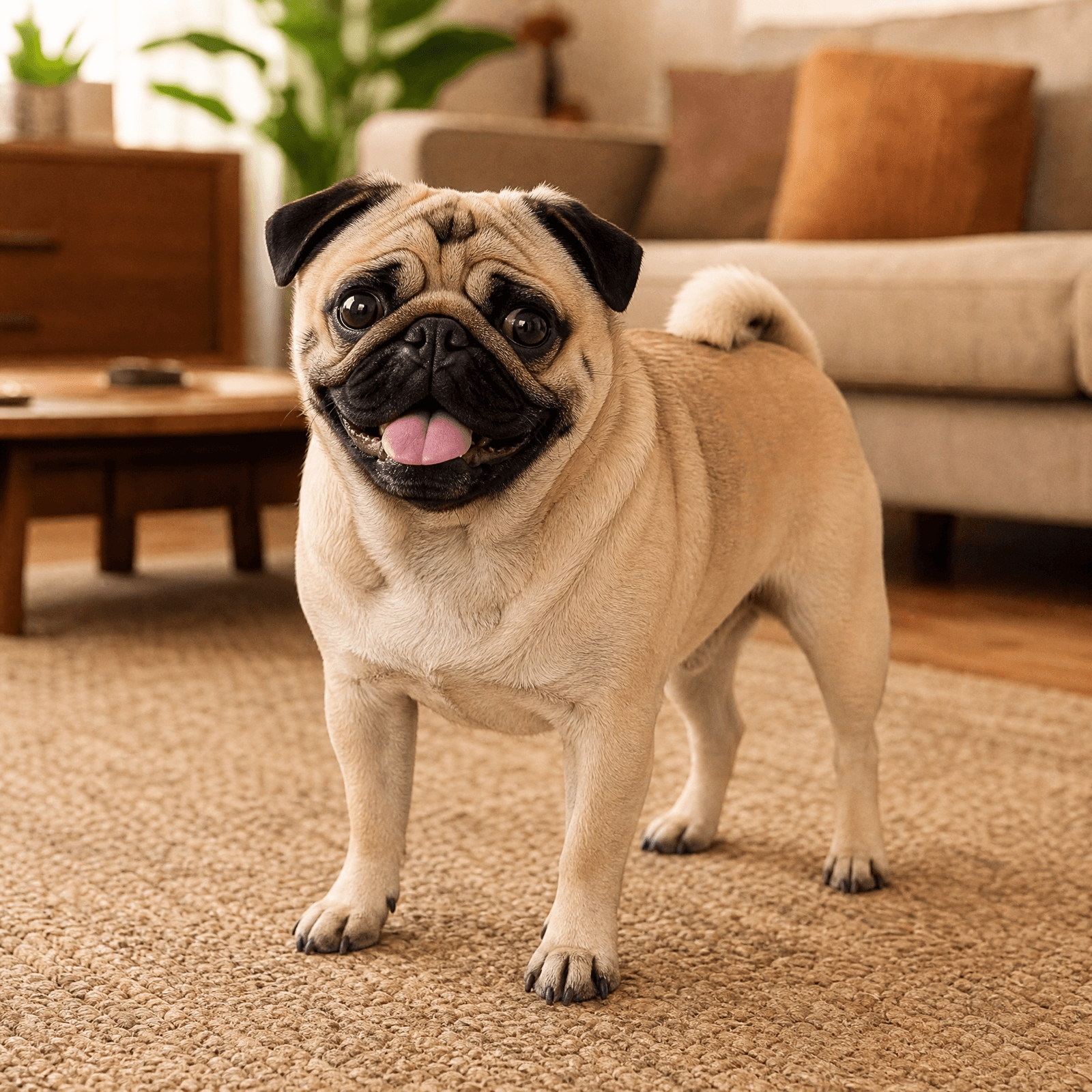
Pug
Low energy, big personality
Pugs are adaptable, affectionate, and don't require much exercise. Their stubbornness is mild and manageable with treats. A great choice for owners who want a companion dog without high activity demands.
Trainability
Moderate
Energy Level
Low
Grooming
Low
Stubbornness
Moderate
Best For
Apartment dwellers, first-time owners who want a low-exercise dog
Watch Out
Brachycephalic (flat-faced) — avoid heat and strenuous exercise; prone to breathing issues
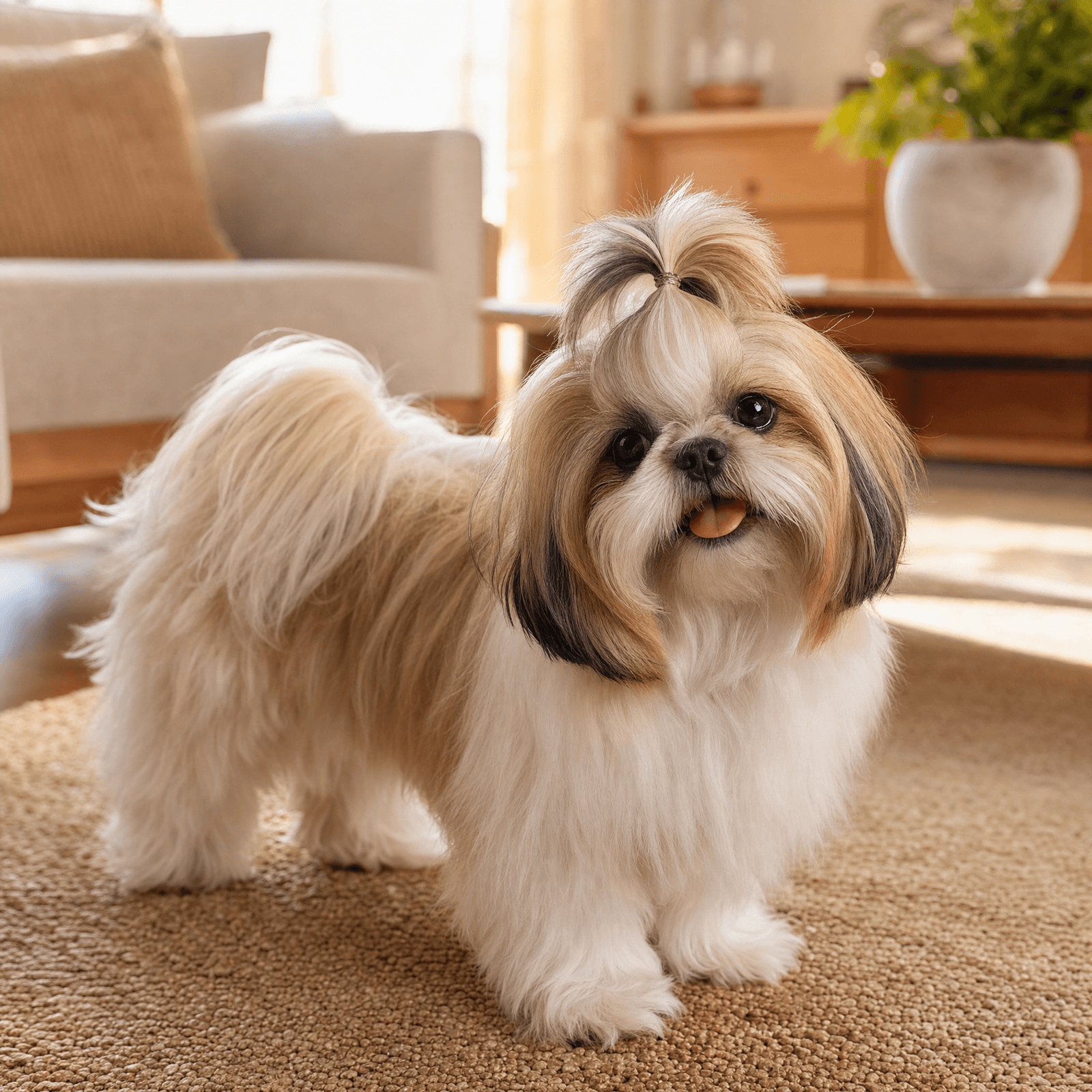
Shih Tzu
Bred to be a companion — and it shows
Shih Tzus were bred exclusively as companion dogs for Chinese royalty — they're content to be close to their person, require minimal exercise, and are rarely aggressive. Patience during training pays off.
Trainability
Moderate
Energy Level
Low
Grooming
High
Stubbornness
Moderate
Best For
Seniors, apartment dwellers, owners who enjoy grooming routines
Watch Out
Grooming is time-intensive; can be stubborn during training
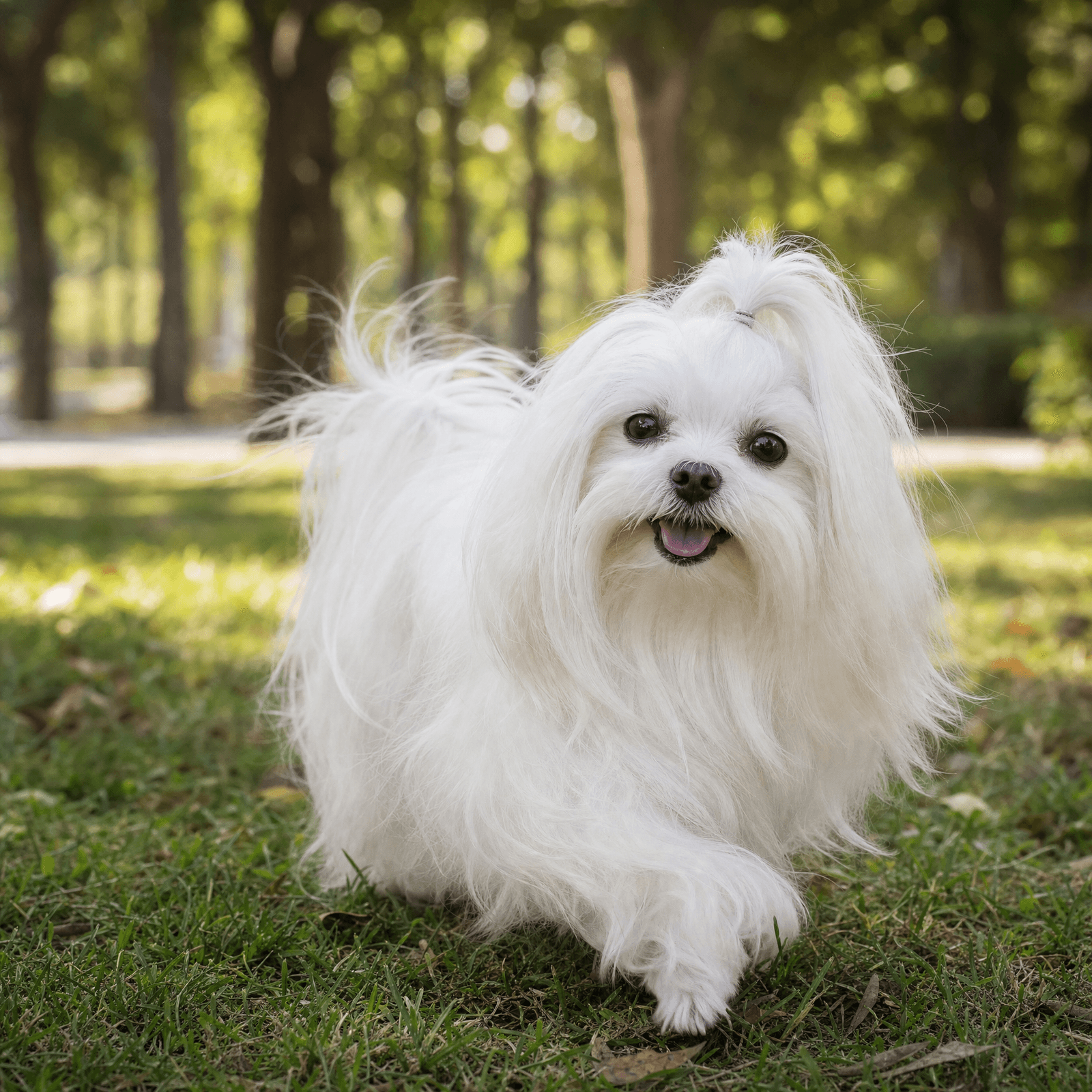
Maltese
Ancient companion breed — still one of the best
Maltese are responsive to positive reinforcement, hypoallergenic, and deeply devoted to their owners. Their small size makes them easy to manage physically, and their gentle temperament makes training rewarding.
Trainability
High
Energy Level
Low
Grooming
High
Stubbornness
Low
Best For
Apartment owners, singles, seniors who want a devoted companion
Watch Out
Can be vocal; prone to dental issues — regular teeth cleaning important
Tips for first-time dog owners
Start with positive reinforcement only
Reward-based training works for every breed on this list. Avoid punishment-based methods — they create anxiety and slow learning, especially in sensitive breeds like Cavaliers and Maltese.
Budget before you bring them home
First-year costs for most of these breeds run $2,000–$4,000 including setup, vet visits, food, and training. Poodles and Bichons add $600–$1,200/yr in grooming costs. Use our breed compare tool to see full cost breakdowns.
Enroll in a puppy class within the first 8 weeks
Socialization windows close fast. A 6-week puppy class does more for long-term behavior than months of solo training later. Most trainers recommend starting between 8–12 weeks.
Crate training is your best friend
Every breed on this list responds well to crate training. It prevents destructive behavior, speeds up housetraining, and gives your dog a safe space. Start on day one.
More Breed Guides