SmartPawsGuides, comparisons & trusted resources — Guides & trusted resources — always independent.


Cavalier King Charles Spaniel
Origin: England
Weight
12–18 lbs
Height
12–13 inches
Lifespan
9–14 years
Coat
Silky, medium-length coat with feathering
Breeder Cost
$1,500–$4,000
Adoption Cost
$50–$300
Personality & Temperament
Cavalier King Charles Spaniels are among the most gentle and affectionate of all breeds. They are true companion dogs who live to be with their people. Cavaliers are adaptable — equally happy with a long walk or a quiet evening on the sofa — and get along beautifully with children, other dogs, and even cats.
Best For
Families with children, apartment dwellers, seniors, those who want a gentle, devoted companion, multi-pet households
Exercise & Activity Needs
Cavaliers need 30–60 minutes of moderate exercise daily. They enjoy walks, gentle hikes, and play sessions. They are adaptable to their owner's lifestyle but should not be over-exercised in hot weather due to their slightly flat face.
Grooming & Coat Care
The Cavalier's silky coat requires brushing 3–4 times weekly to prevent tangles, especially in the feathering on ears, legs, and tail. Professional grooming every 8–12 weeks is recommended. Check ears weekly — their long, floppy ears are prone to infections.
Coat type: Silky, medium-length coat with feathering
Common Health Conditions
Mitral valve disease and syringomyelia are serious health concerns that affect the majority of Cavaliers. This is one of the most health-challenged breeds. Buy only from breeders who follow the MVD Breeding Protocol and MRI-test for SM. Pet insurance is strongly recommended.
Mitral Valve Disease (MVD)
The most serious health concern for Cavaliers. MVD affects the majority of Cavaliers by age 5 and nearly all by age 10. It progresses to heart failure. Regular cardiac screening is essential.
Syringomyelia (SM)
A painful neurological condition where fluid-filled cavities form in the spinal cord, often caused by a skull too small for the brain. Signs include scratching at the neck and sensitivity to touch.
Hip Dysplasia
Common in small-to-medium breeds. Maintain a healthy weight to reduce joint stress.
Eye Conditions
Cataracts and retinal problems are more common in Cavaliers than many breeds.
Episodic Falling Syndrome
A unique condition causing muscle stiffness and falling episodes, especially during excitement or exercise.
History & Origin
The Cavalier King Charles Spaniel is named after King Charles II of England, who was so devoted to his small spaniels that he reportedly issued a royal decree allowing them in any public building — including Parliament. The breed nearly disappeared in the early 20th century when breeders shifted toward a flatter-faced type. American Roswell Eldridge offered prize money at Crufts in the 1920s to revive the original long-nosed type, leading to the modern Cavalier we know today.
Interesting Facts
- 1
King Charles II was so devoted to his spaniels that he reportedly issued a royal decree allowing them in any public place, including Parliament.
- 2
Cavaliers are one of the few breeds that retain their 'puppy personality' throughout their entire lives.
- 3
Nearly all Cavaliers develop mitral valve disease (MVD) by age 10 — it is the leading cause of death in the breed.
- 4
They were nearly extinct in the early 1900s until American Roswell Eldridge offered prize money to revive the original type.
- 5
Cavaliers are one of the most empathetic dog breeds — they are widely used as therapy dogs because of their ability to sense human emotions.
Cost of Ownership
Owning a Cavalier King Charles Spaniel is a long-term financial commitment. Here's a realistic breakdown of what to budget for.
Annual Cost
$1,500–$3,000
First Year (incl. setup)
$3,500–$6,000
Small breed; quality food important for heart health
MVD heart disease affects nearly all Cavaliers by age 10
Silky coat needs professional grooming every 6–8 weeks
Gentle and eager to please; responds beautifully to positive training
Gentle toys; Cavaliers are not rough players
Essential — heart medication and cardiology visits are expensive
* Estimates based on national averages. Costs vary by location, lifestyle, and individual health needs. Emergency vet visits are not included.
Popularity & Adoption Trends
Estimated US Population
~500,000 in the US
Adoption Trend
Cavaliers have grown steadily in popularity as apartment-friendly, gentle companion dogs. However, growing awareness of their serious heart condition (MVD) has prompted ethical breeding discussions. The UK and some European countries have introduced health testing requirements for breeders.
Plan daily life with your Cavalier King Charles Spaniel
Use the guides below to compare practical options alongside this breed's care needs.
Pet Tech Essentials
The right technology makes dog ownership easier, safer, and more connected — whether you're home or away. These are the products our editors consider must-haves for every dog owner.
Automatic Feeder
Schedule precise meals so your dog eats right — even when you're not home.


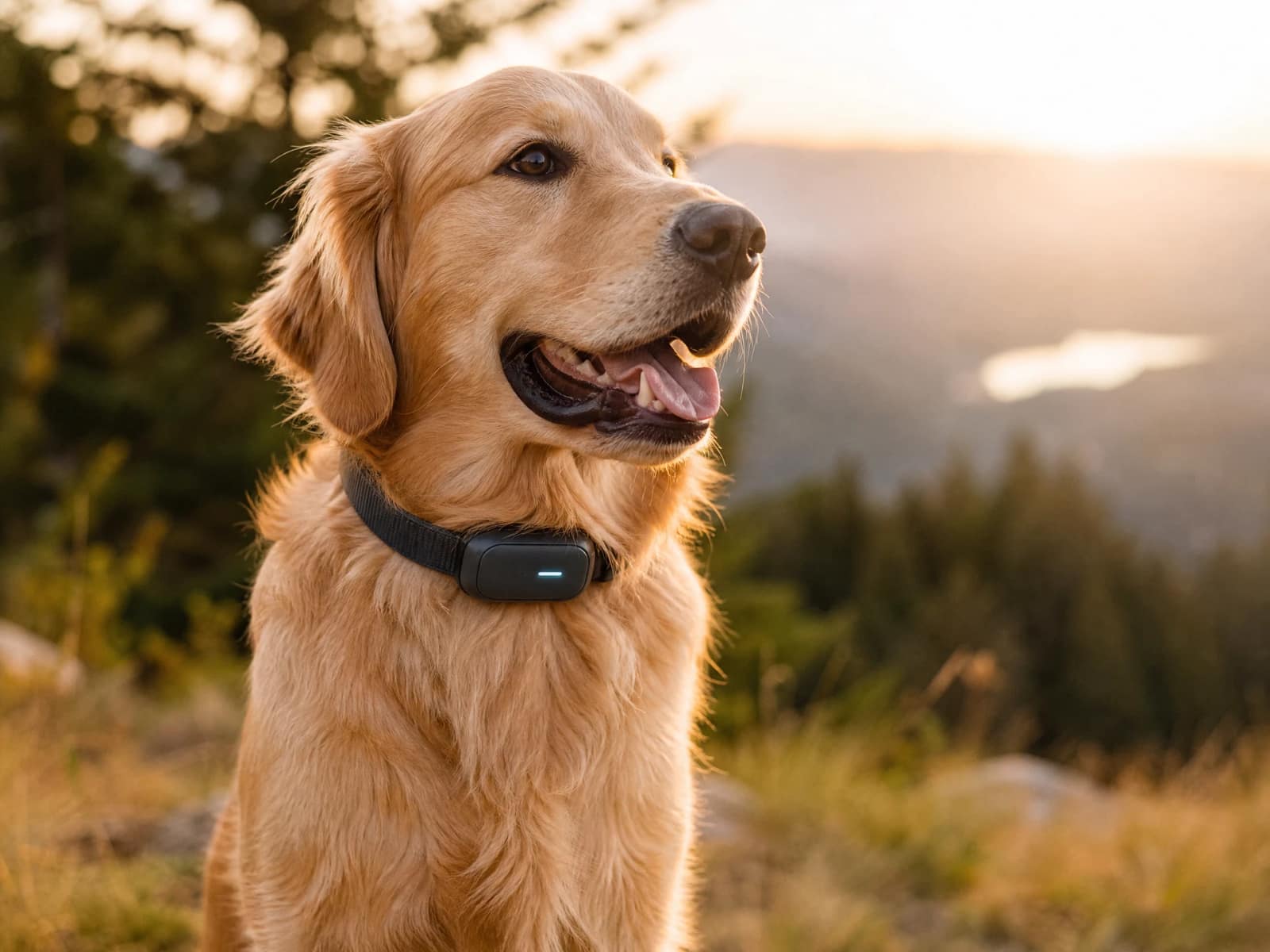
GPS Tracker
Real-time location tracking — because dogs follow their nose, not the fence line.

Pet Camera
Two-way audio and HD video — stay connected and soothe your dog from anywhere.



Robot Vacuum
Built for pet hair — keeps your home clean without lifting a finger.

Recommended Products by Life Stage
Products marked with SmartPaws Recommended are ones we've independently reviewed and recommend across the site. All Amazon links include our affiliate tag — purchases support SmartPaws at no extra cost to you.
Puppy / Kitten Stage
Adult Stage
Calming Aid
Adaptil Calm Home Diffuser for Dogs
Cavaliers can be anxious when separated from their family.
SmartPaws RecommendedDental Care
Oxyfresh Premium Pet Dental Water Additive
Small breeds need daily dental care — water additive is the easiest solution.
SmartPaws RecommendedOmega-3 Supplement
Nordic Naturals Omega-3 Pet Fish Oil
Supports heart health in a breed prone to mitral valve disease.
SmartPaws RecommendedPet Camera
Furbo 360° Dog Camera
Cavaliers are prone to heart disease — a camera lets you monitor breathing patterns and activity levels remotely.
SmartPaws RecommendedGPS Tracker
Tractive Smart Dog GPS Tracker
Cavaliers love to follow their nose. GPS tracking is a safety net for off-leash moments.
SmartPaws RecommendedSenior Stage
Breed Traits
Temperament
Climate & Physical
Compatibility
Rural & Outdoor
Scores reflect breed tendencies. Individual training significantly affects both livestock safety and off-leash reliability.
Health & Longevity
Based on breed-specific genetic health risks and common conditions
Consider Adopting
Many Cavalier King Charles Spaniels are waiting in shelters and breed-specific rescues. Adoption costs are typically $50–$300 vs. $1,500–$4,000 from a breeder.
Read our Rescue Guide →How to Train a Cavalier King Charles Spaniel
Breed-specific challenges, techniques, and training timeline — written specifically for Cavalier King Charles Spaniel owners.
Read Training GuideDownload the Cavalier King Charles Spaniel Guide
Get a printable PDF with traits, cost of ownership, health notes, and best-fit summary — free.