SmartPawsGuides, comparisons & trusted resources — Guides & trusted resources — always independent.

Best Farm Dogs:
10 Breeds for Rural Life
Not all dogs belong on a farm. The right breed depends on whether you need a livestock guardian, a herding dog, or a reliable companion that won't chase your chickens. Every breed below is scored on two traits that matter most for rural life: Livestock Safety and Off-Leash Reliability.
Understanding the Two Scores
🐄 Livestock Safety (1–5)
How safely the breed coexists with chickens, goats, sheep, and cattle. A score of 5 means the breed is a true Livestock Guardian Dog (LGD), bred specifically to protect flocks. A score of 1 means high prey drive — dangerous around small livestock without intensive training.
🐾 Off-Leash Reliability (1–5)
How reliably the breed responds to recall in open spaces. A score of 5 means handler-oriented with excellent recall (Border Collie, Labrador). A score of 1 means strong independent instinct — will follow its nose or instinct regardless of commands (Komondor, sighthounds).
Scores reflect breed tendencies based on AKC working group classifications, historical purpose, and behavioral research. Individual training significantly affects both scores.
The 10 Best Farm Dog Breeds
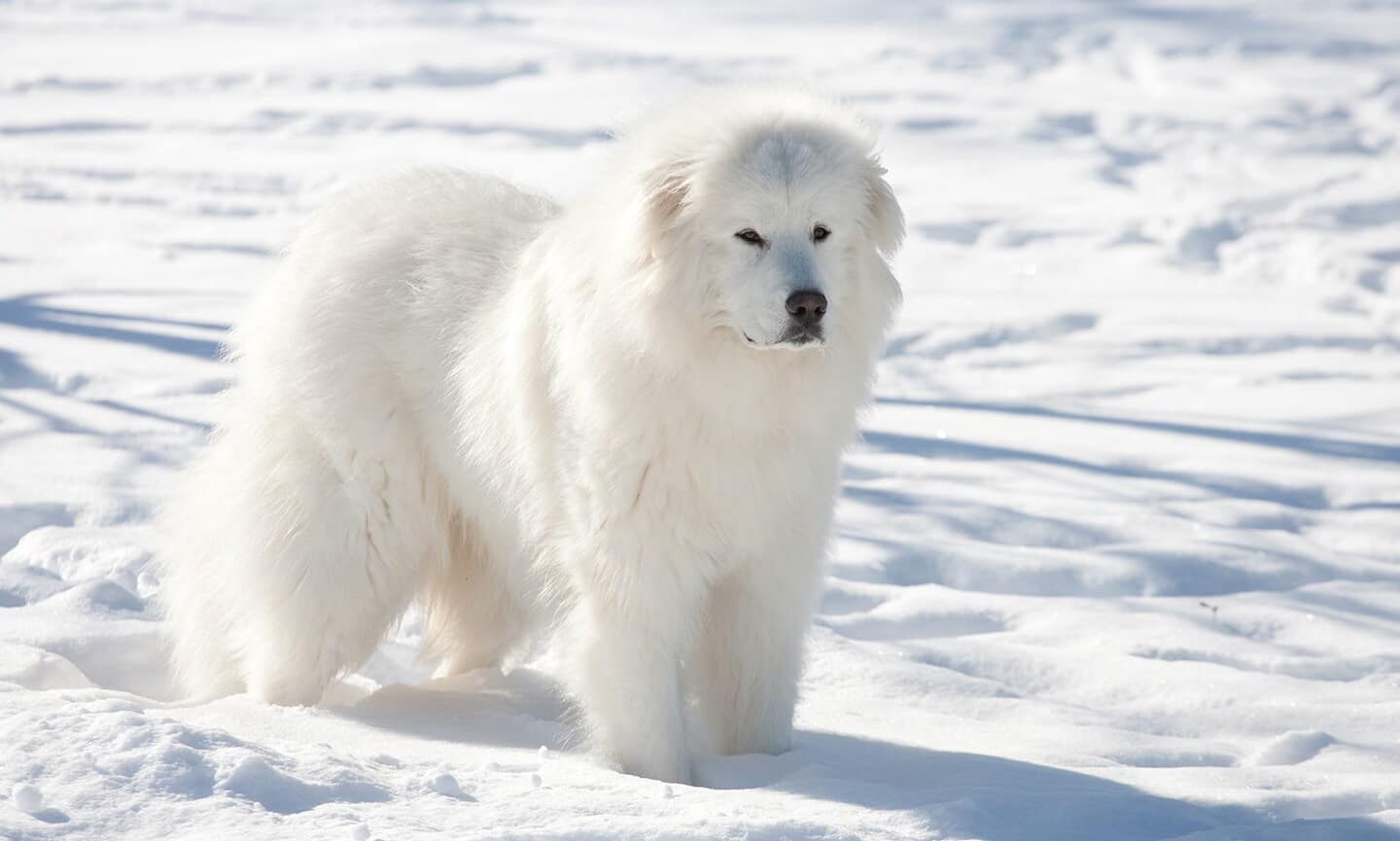
Great Pyrenees
🐄 Livestock Safety
🐾 Off-Leash Reliable
The gold standard for livestock protection. Great Pyrenees bond deeply with the animals they guard and will patrol perimeter fences overnight without instruction. They are not herding dogs — they guard. Expect a dog that works independently and makes its own decisions.
Best for
Guarding sheep, goats, and poultry on large properties
Watch out for
Independent and stubborn — not suited for off-leash work in open fields
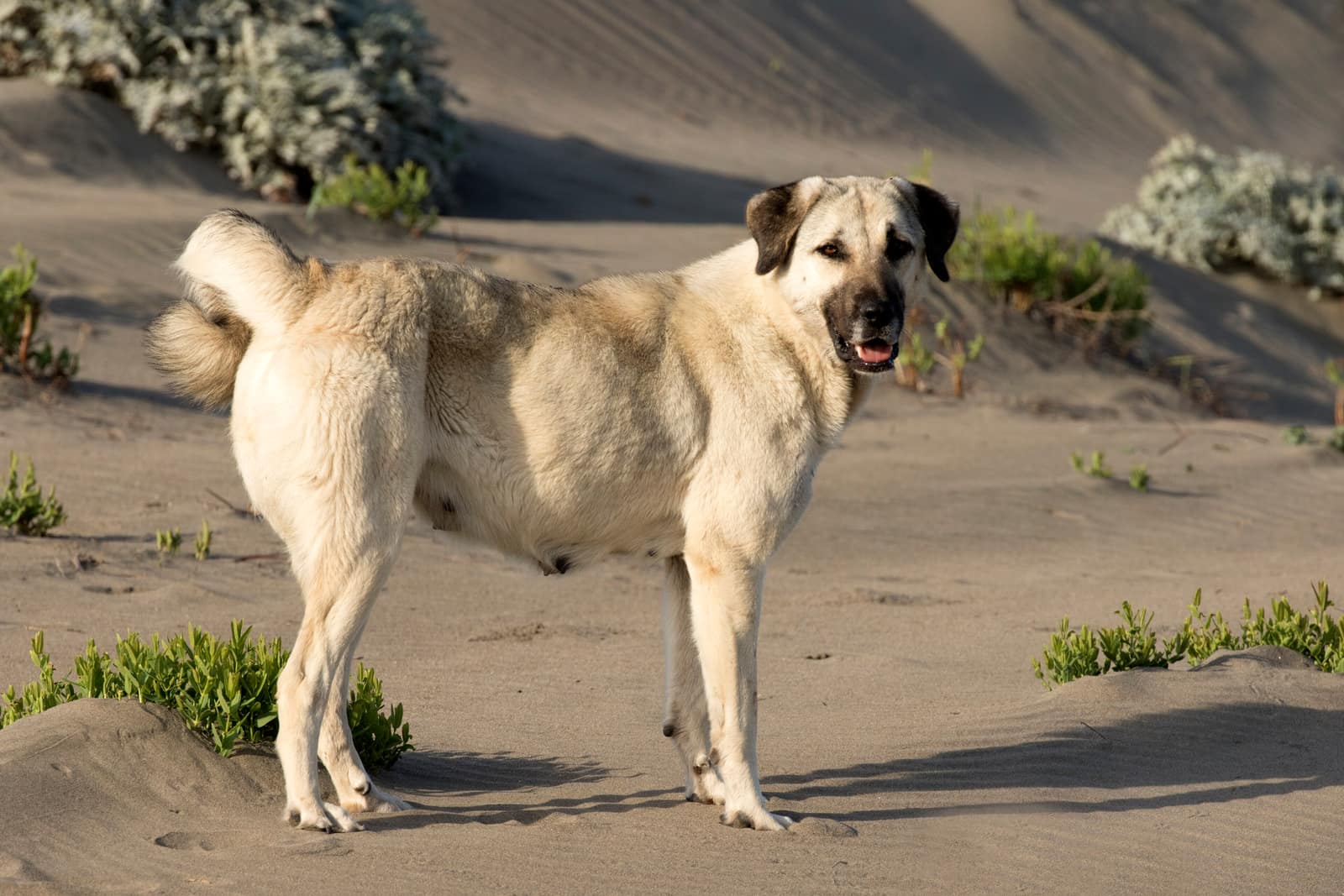
Anatolian Shepherd
🐄 Livestock Safety
🐾 Off-Leash Reliable
One of the oldest and most effective livestock guardian breeds in the world. Anatolian Shepherds are faster and more athletic than Great Pyrenees, making them better suited for properties with coyote or large predator pressure. They are not companion dogs — they are working dogs.
Best for
Large acreage with sheep, goats, or cattle — especially predator-heavy areas
Watch out for
Highly territorial with strangers; requires early socialization
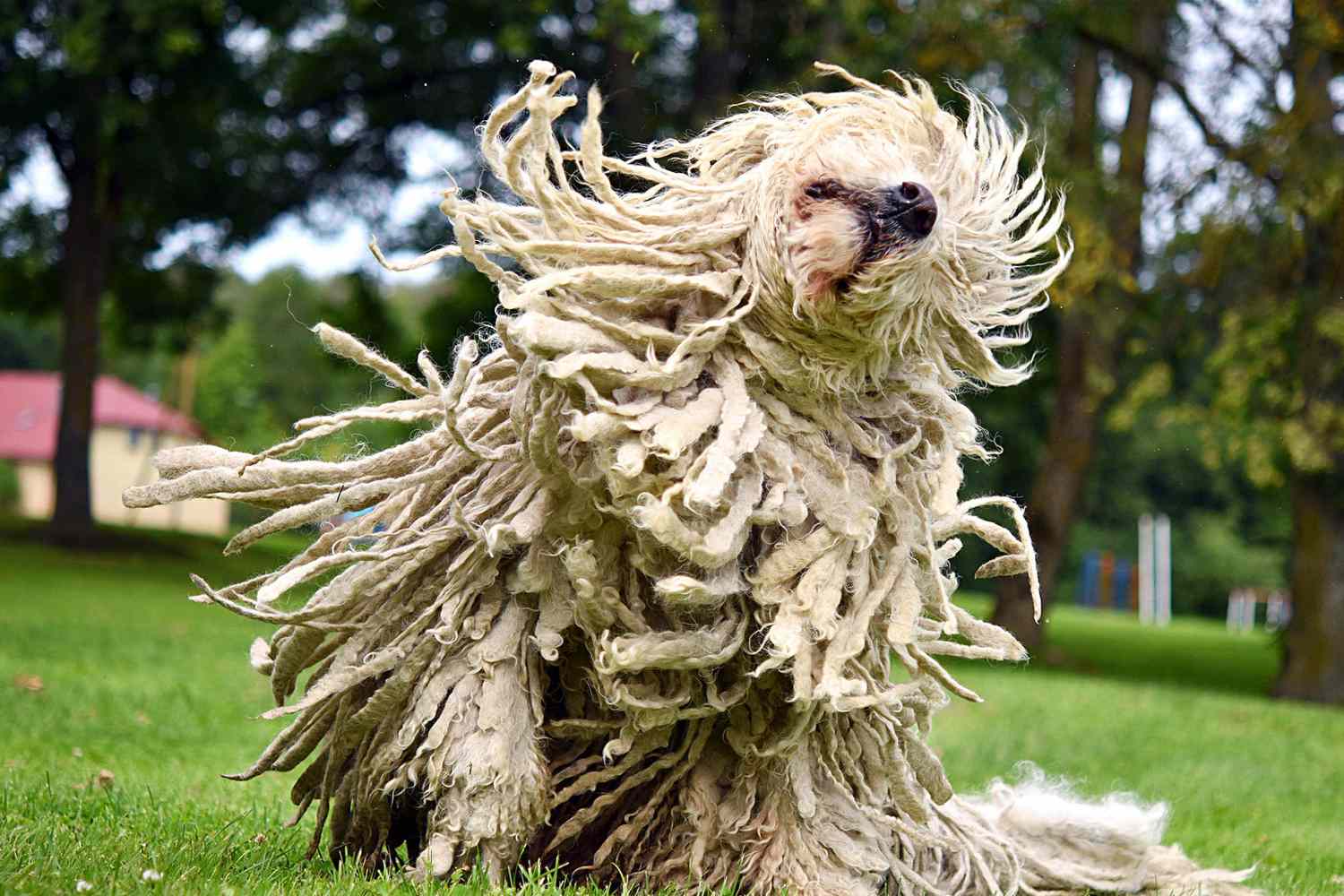
Komondor
🐄 Livestock Safety
🐾 Off-Leash Reliable
The Komondor's distinctive corded coat was designed to blend in with sheep flocks and protect against wolf bites. They are fiercely protective and will challenge any perceived threat. Best suited for experienced owners on working farms — not a family pet.
Best for
Sheep and goat operations with experienced dog owners
Watch out for
Extremely independent; coat requires significant maintenance
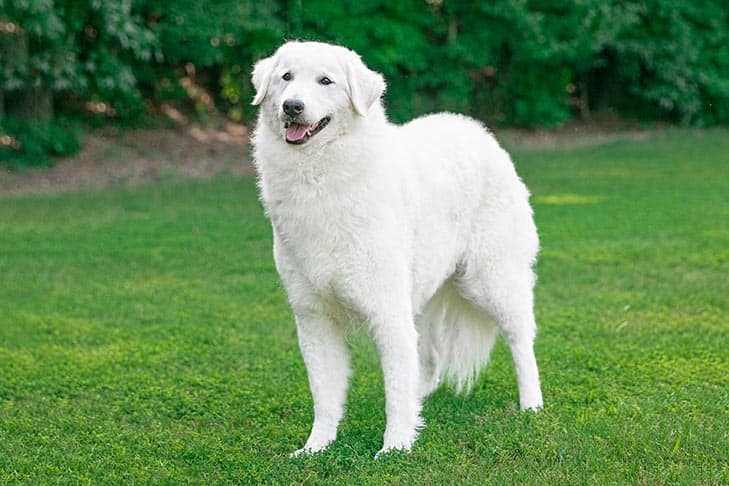
Kuvasz
🐄 Livestock Safety
🐾 Off-Leash Reliable
A Hungarian royal guard dog turned livestock protector, the Kuvasz is intelligent, loyal, and deeply protective. Less common than the Great Pyrenees but equally effective as a livestock guardian. They form strong bonds with their flock and family.
Best for
Medium to large farms with sheep, goats, or horses
Watch out for
Sensitive and not recommended for first-time dog owners
Border Collie
🐄 Livestock Safety
🐾 Off-Leash Reliable
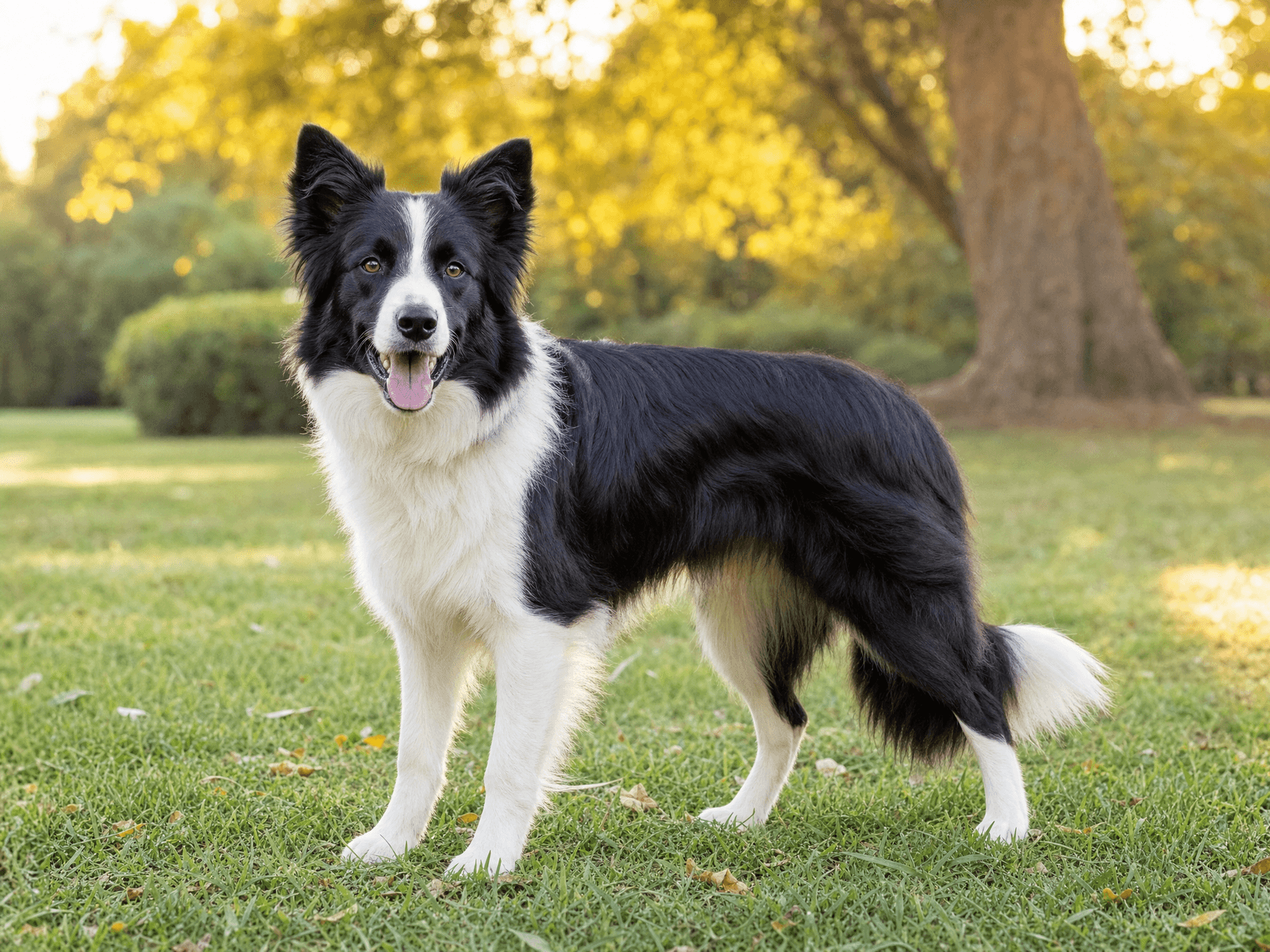
The world's most capable herding dog. Border Collies move livestock with precision using eye contact and body pressure, not barking or biting. They are not livestock guardians — they work livestock. Off-leash reliability is exceptional with proper training. Requires significant daily mental and physical exercise.
Best for
Herding sheep, cattle, and ducks on active working farms
Watch out for
Will herd children and other pets — needs a job or becomes destructive
Australian Shepherd
🐄 Livestock Safety
🐾 Off-Leash Reliable
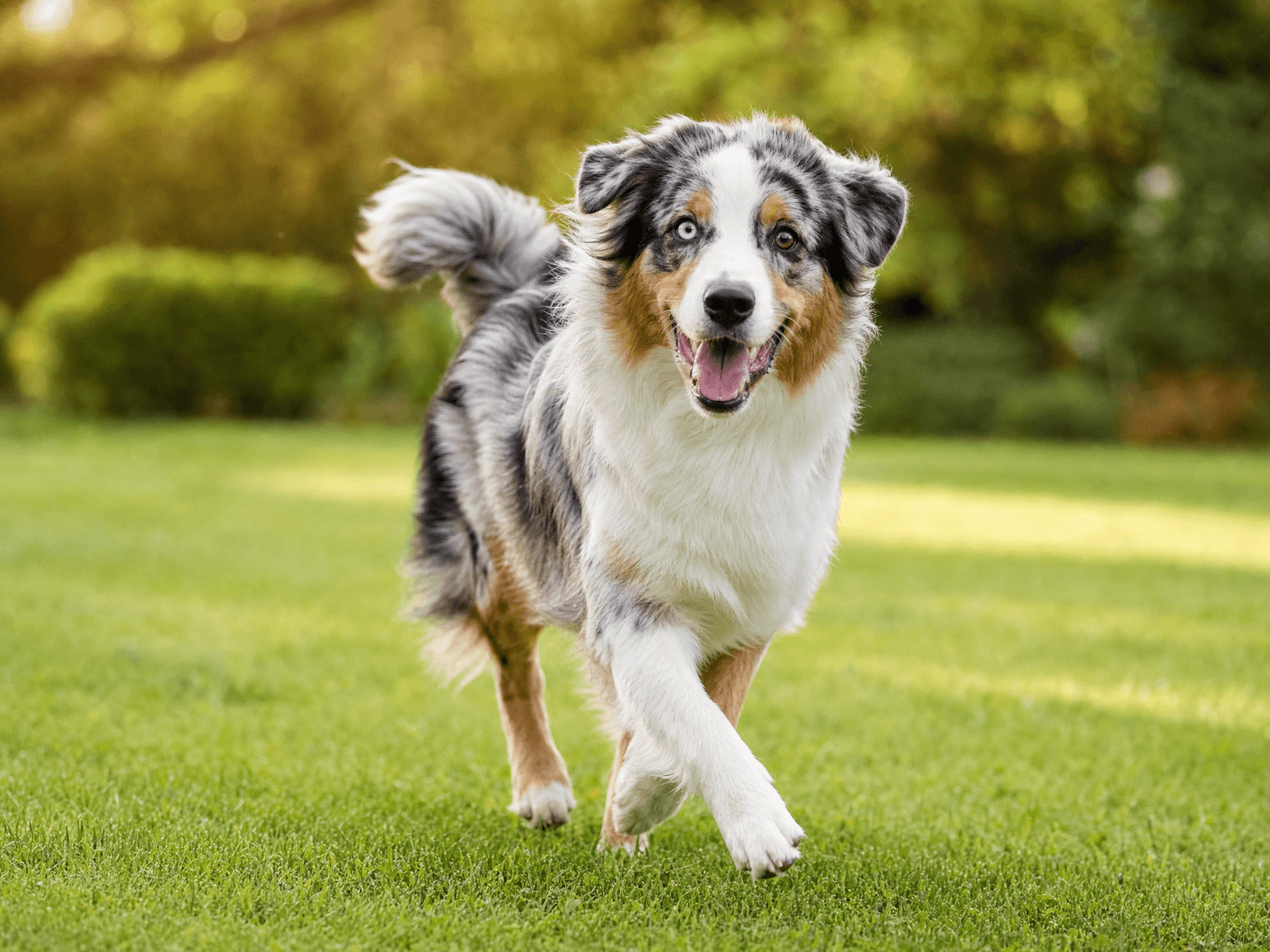
Despite the name, Australian Shepherds were developed in the American West to herd cattle and sheep. They are versatile, athletic, and highly trainable — equally capable of herding livestock and competing in agility. One of the best all-around farm dogs for active owners.
Best for
Herding cattle, sheep, and general farm work
Watch out for
High energy — needs a job; will herd anything that moves
Labrador Retriever
🐄 Livestock Safety
🐾 Off-Leash Reliable
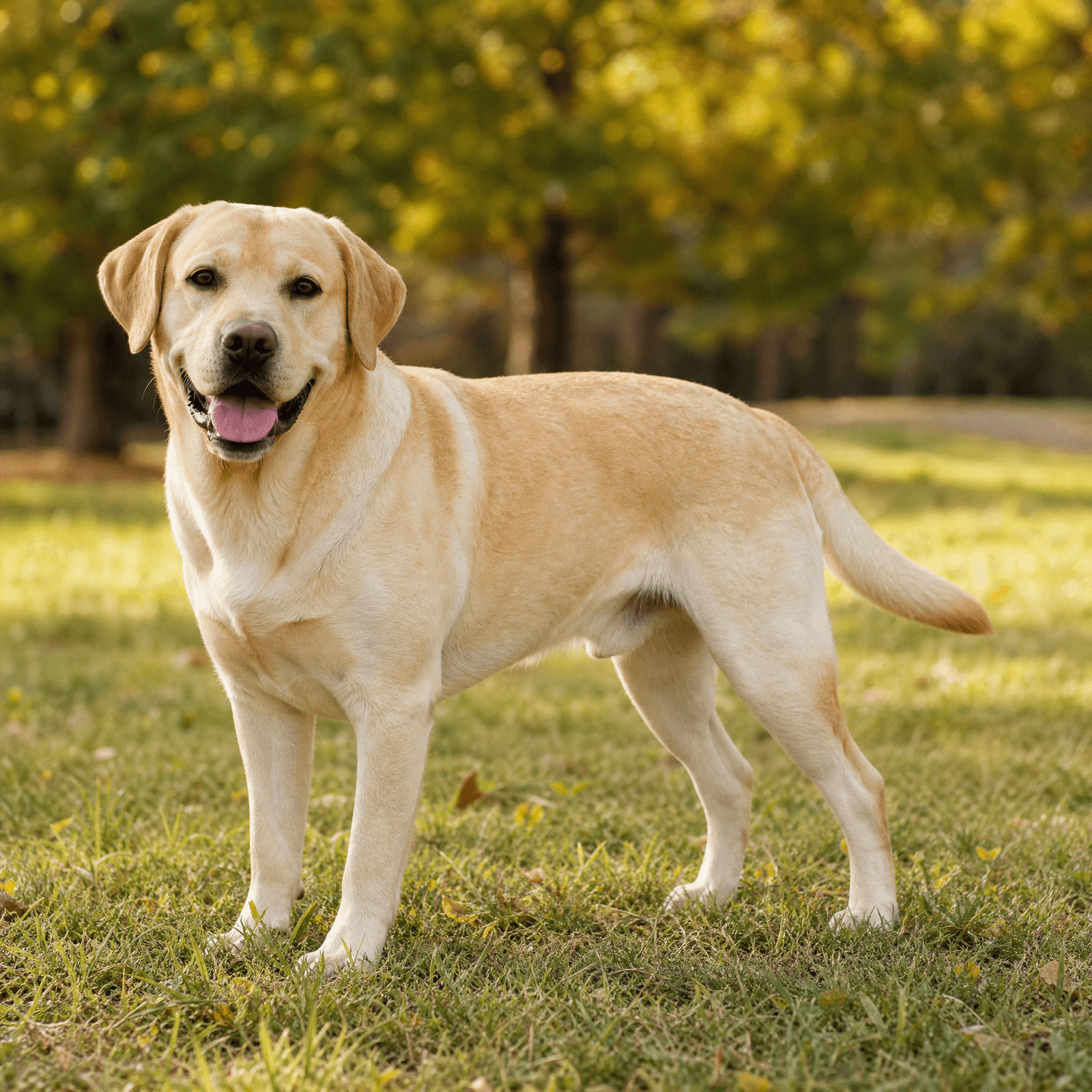
The Labrador is not a livestock guardian or herder, but its trainability, off-leash reliability, and gentle temperament make it one of the most practical farm companion dogs. Labs are used for waterfowl hunting, search and rescue, and general farm work. With proper training, they coexist well with livestock.
Best for
Farms with waterfowl hunting, retrieving, or general companionship
Watch out for
High food motivation — will raid chicken coops if not trained
Golden Retriever
🐄 Livestock Safety
🐾 Off-Leash Reliable
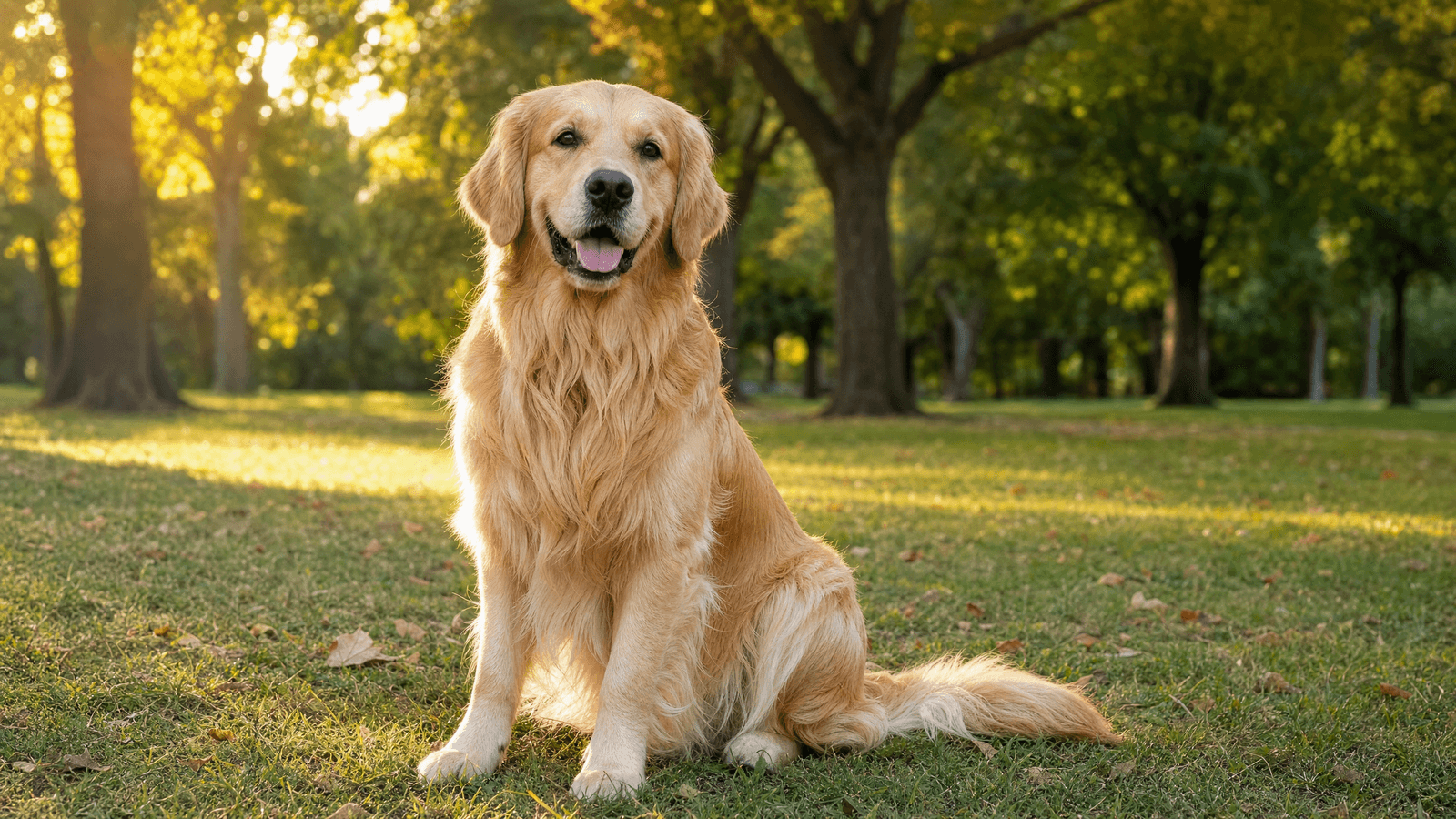
Golden Retrievers are gentle enough to coexist with livestock and reliable enough to be trusted off-leash with training. They are not working farm dogs, but they make excellent farm family dogs — patient with children, friendly with animals, and highly trainable.
Best for
Families on farms who want a gentle, reliable companion
Watch out for
Not a working dog — needs companionship and exercise
Bernese Mountain Dog
🐄 Livestock Safety
🐾 Off-Leash Reliable
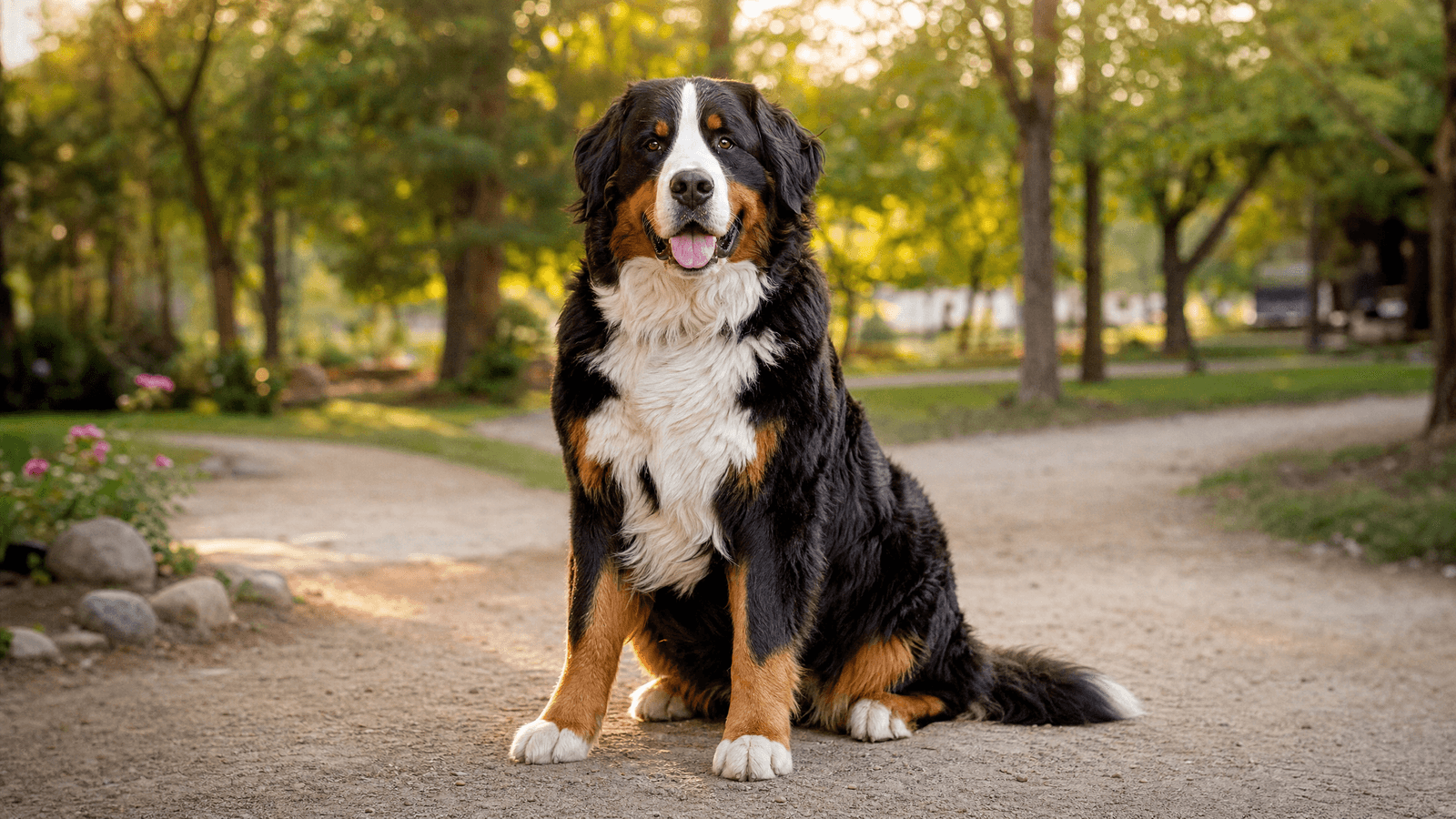
Bernese Mountain Dogs were bred to pull carts and drive cattle in the Swiss Alps. They are calm, strong, and gentle with livestock. Not a guardian or herder, but a reliable farm companion that can handle cold climates and physical work. Their short lifespan is the main drawback.
Best for
Farms needing a calm, large working companion — originally a draft dog
Watch out for
Short lifespan (7–9 years); prone to joint issues
Newfoundland
🐄 Livestock Safety
🐾 Off-Leash Reliable
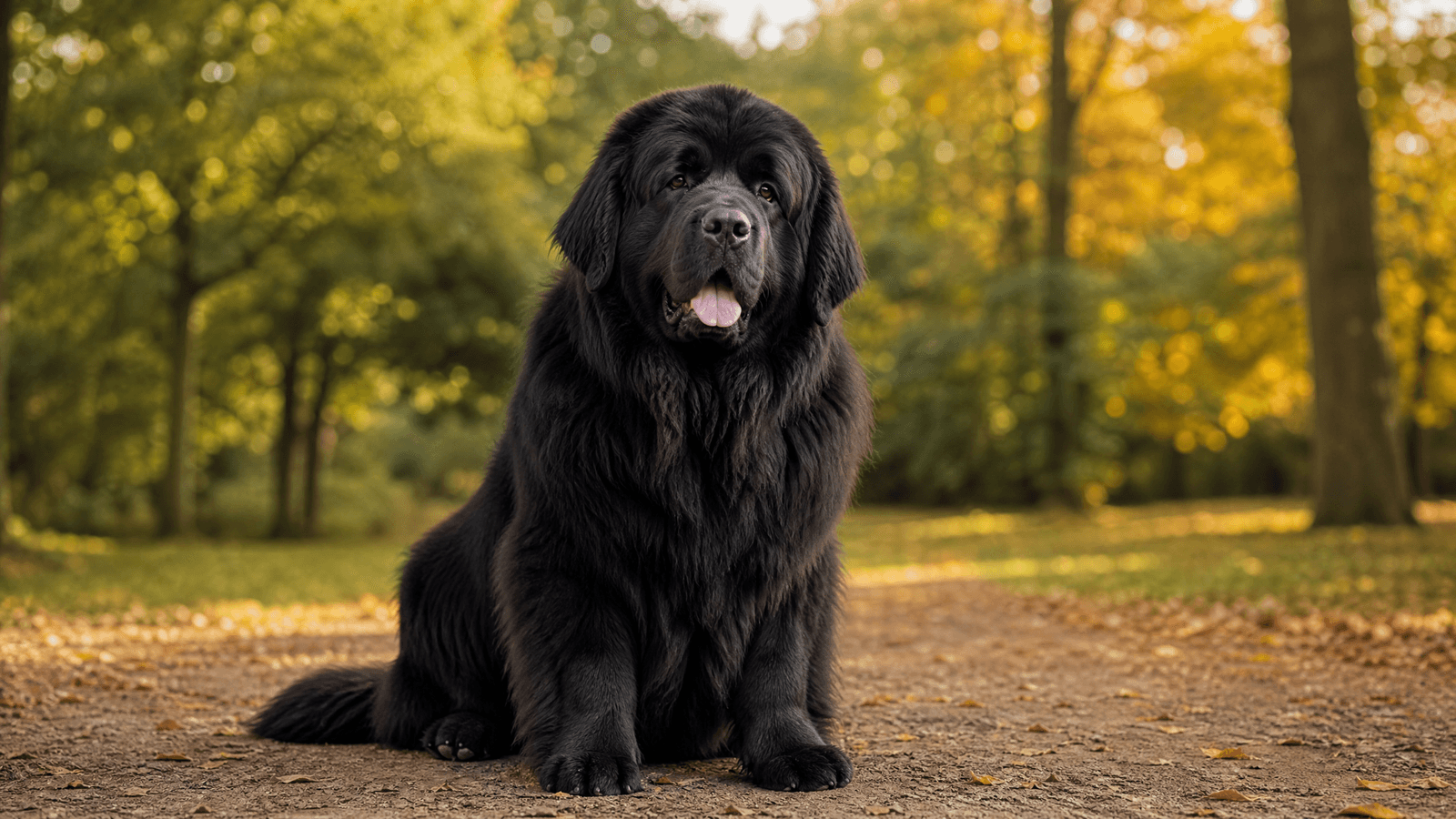
Newfoundlands are gentle giants with a natural instinct for water rescue. On farms near ponds, rivers, or coastal areas, they are invaluable. They coexist peacefully with livestock and are exceptionally patient with children. Their size and calm temperament make them one of the most trustworthy large farm dogs.
Best for
Farms near water; families wanting a calm, large working dog
Watch out for
Heavy shedding and drooling; needs space
5 Things to Know Before Getting a Farm Dog
Guardian vs. Herder — they are not the same
Livestock Guardian Dogs (LGDs) like the Great Pyrenees bond with the flock and protect it from predators. Herding dogs like Border Collies move livestock on command. Most farms need one or both — not just any dog.
Off-leash training is non-negotiable
Even breeds with naturally high recall reliability need consistent recall training before being trusted on open acreage. A dog that bolts onto a road or into a neighboring property is a liability.
Introduce livestock slowly and supervised
Even breeds with high livestock safety scores need proper introduction. Start with supervised, leashed exposure to livestock before allowing unsupervised access. This applies to every breed on this list.
Working dogs need a job
Herding and guardian breeds that don't have livestock to work will redirect their energy in destructive ways. If you don't have livestock, choose a farm companion breed (Labrador, Golden, Bernese) instead.
Consider predator pressure in your area
If coyotes, foxes, or other predators are active in your area, a true LGD (Great Pyrenees, Anatolian Shepherd) is worth the investment. A companion dog or herding dog will not protect your flock from a determined predator.
Want to compare two farm breeds side by side?
Use the Breed Compare tool to see Livestock Safety, Off-Leash Reliability, and full cost of ownership for any two breeds.
Browse Farm Dog Breeds