SmartPawsGuides, comparisons & trusted resources — Guides & trusted resources — always independent.

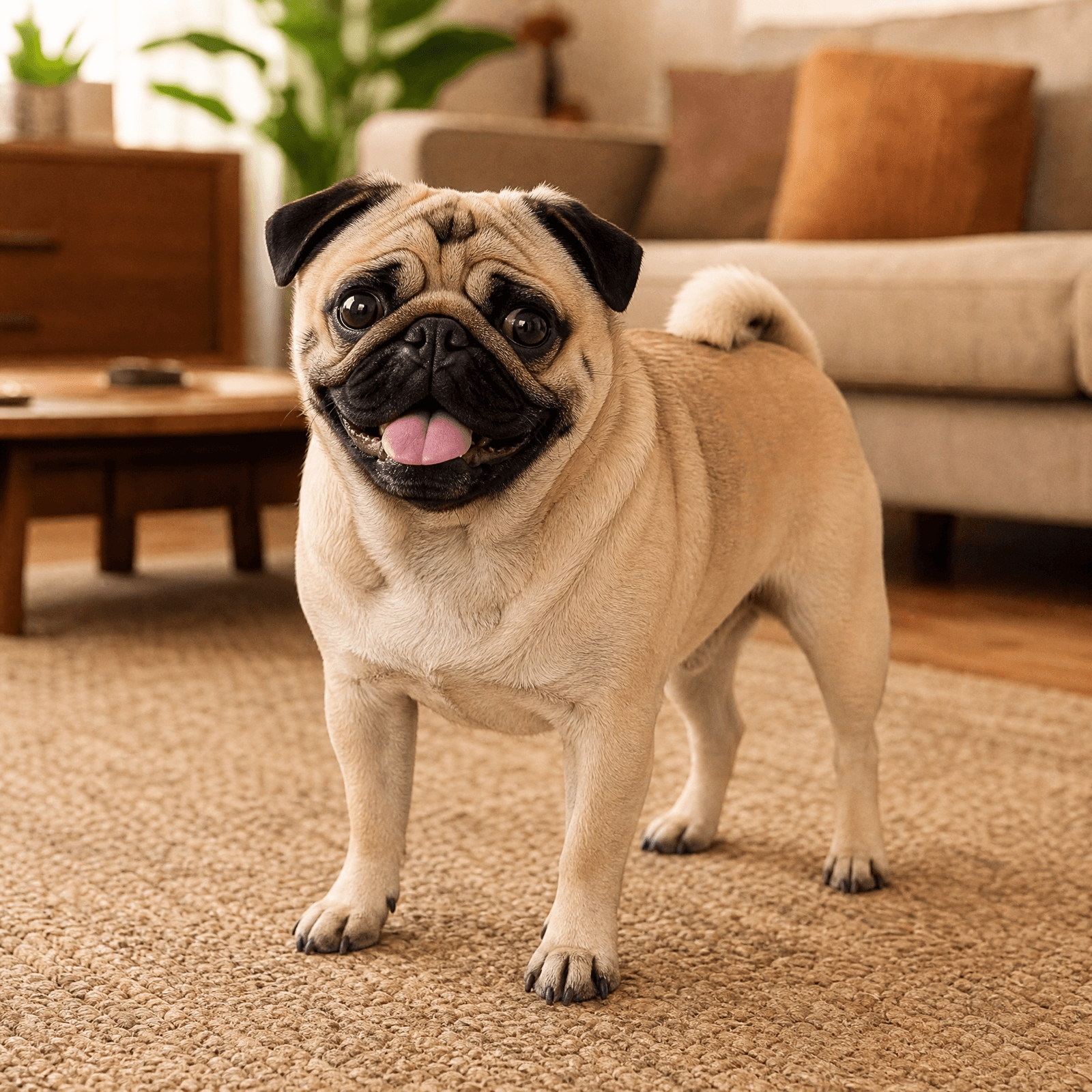
Pug
Origin: China
Weight
14–18 lbs
Height
10–13 inches
Lifespan
13–15 years
Coat
Short, smooth, glossy coat
Breeder Cost
$1,000–$3,000
Adoption Cost
$50–$300
Personality & Temperament
Pugs are charming, mischievous, and utterly devoted companions. Their motto is 'multum in parvo' — a lot of dog in a small space. Pugs are sociable with everyone and make friends wherever they go. They are adaptable, low-exercise dogs who thrive in apartments and are wonderful with children and other pets.
Best For
Apartment dwellers, families with children, seniors, those who want a low-exercise companion in a cool climate
Exercise & Activity Needs
Pugs need only 20–30 minutes of gentle exercise daily. They are extremely heat-sensitive — never exercise a Pug in hot or humid weather. Short morning or evening walks are ideal. Pugs love to play but tire quickly.
Grooming & Coat Care
The Pug's short coat sheds heavily despite its length — daily brushing helps manage loose hair. The facial wrinkles must be cleaned daily to prevent skin fold infections. Bathe every 4–6 weeks. Check and clean the nose wrinkle regularly.
Coat type: Short, smooth, glossy coat
Common Health Conditions
Pugs have significant health challenges related to their flat face. BOAS and eye problems are the primary concerns. Pet insurance is strongly recommended. Choose breeders who select for wider nostrils and better airway structure.
Brachycephalic Obstructive Airway Syndrome (BOAS)
The flat face causes serious breathing difficulties. Many Pugs require corrective surgery. Signs include loud breathing, snoring, and exercise intolerance.
Eye Problems
Pugs' prominent eyes are prone to corneal ulcers, dry eye, and proptosis (eye popping out). Handle Pugs carefully to avoid eye trauma.
Pug Dog Encephalitis (PDE)
A fatal inflammatory brain disease unique to Pugs. Signs include seizures, blindness, and behavioral changes. DNA testing can identify at-risk dogs.
Hip Dysplasia
Common despite their small size. Maintain a healthy weight.
Obesity
Pugs are food-motivated and prone to obesity, which worsens breathing and joint problems.
History & Origin
The Pug is one of the oldest dog breeds, originating in China over 2,000 years ago where they were kept as prized companions of Chinese emperors. They were brought to Europe by Dutch traders in the 16th century and quickly became fashionable among European royalty. William III of Orange brought his Pugs to England when he became king in 1688, cementing the breed's royal status. Napoleon's wife Josephine reportedly used her Pug, Fortune, to carry secret messages to Napoleon while he was imprisoned.
Interesting Facts
- 1
The Pug's motto is 'multum in parvo' — Latin for 'a lot in a little.'
- 2
A group of Pugs is called a 'grumble.'
- 3
Napoleon's wife Josephine used her Pug, Fortune, to carry secret messages to Napoleon during his imprisonment.
- 4
Pugs have a flat face because of a genetic mutation that shortens the skull — this same mutation causes their breathing difficulties.
- 5
William III of Orange's Pug reportedly saved his life by alerting him to approaching Spanish troops in 1572.
Cost of Ownership
Owning a Pug is a long-term financial commitment. Here's a realistic breakdown of what to budget for.
Annual Cost
$1,500–$3,000
First Year (incl. setup)
$3,500–$6,000
Weight management critical; Pugs are notorious overeaters
BOAS breathing issues, eye problems, and skin fold infections
Facial wrinkles need weekly cleaning; heavy shedder
Food-motivated and eager to please; training is fun
Cooling mats essential; Pugs overheat easily
Essential — BOAS surgery can cost $3,000–$6,000
* Estimates based on national averages. Costs vary by location, lifestyle, and individual health needs. Emergency vet visits are not included.
Popularity & Adoption Trends
Estimated US Population
~1 million in the US
Adoption Trend
Pug registrations have declined as awareness of their serious respiratory issues grows. Several European countries — including Norway and the Netherlands — have banned breeding Pugs with extreme brachycephalic features. Welfare organizations are advocating for a 'healthier Pug' with a longer snout, similar to efforts in the Bulldog community.
Plan daily life with your Pug
Use the guides below to compare practical options alongside this breed's care needs.
Pet Tech Essentials
The right technology makes dog ownership easier, safer, and more connected — whether you're home or away. These are the products our editors consider must-haves for every dog owner.
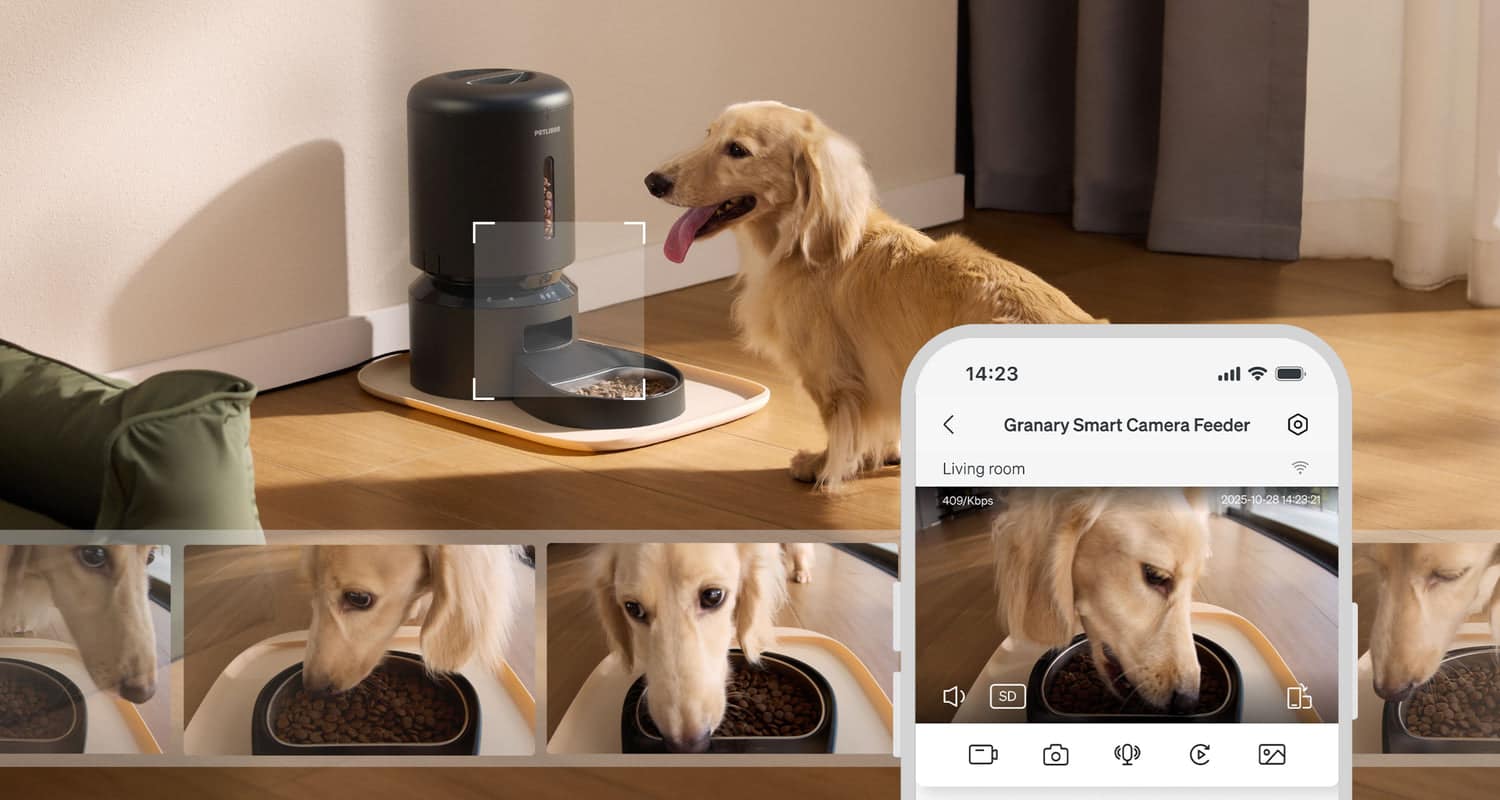
Automatic Feeder
Schedule precise meals so your dog eats right — even when you're not home.

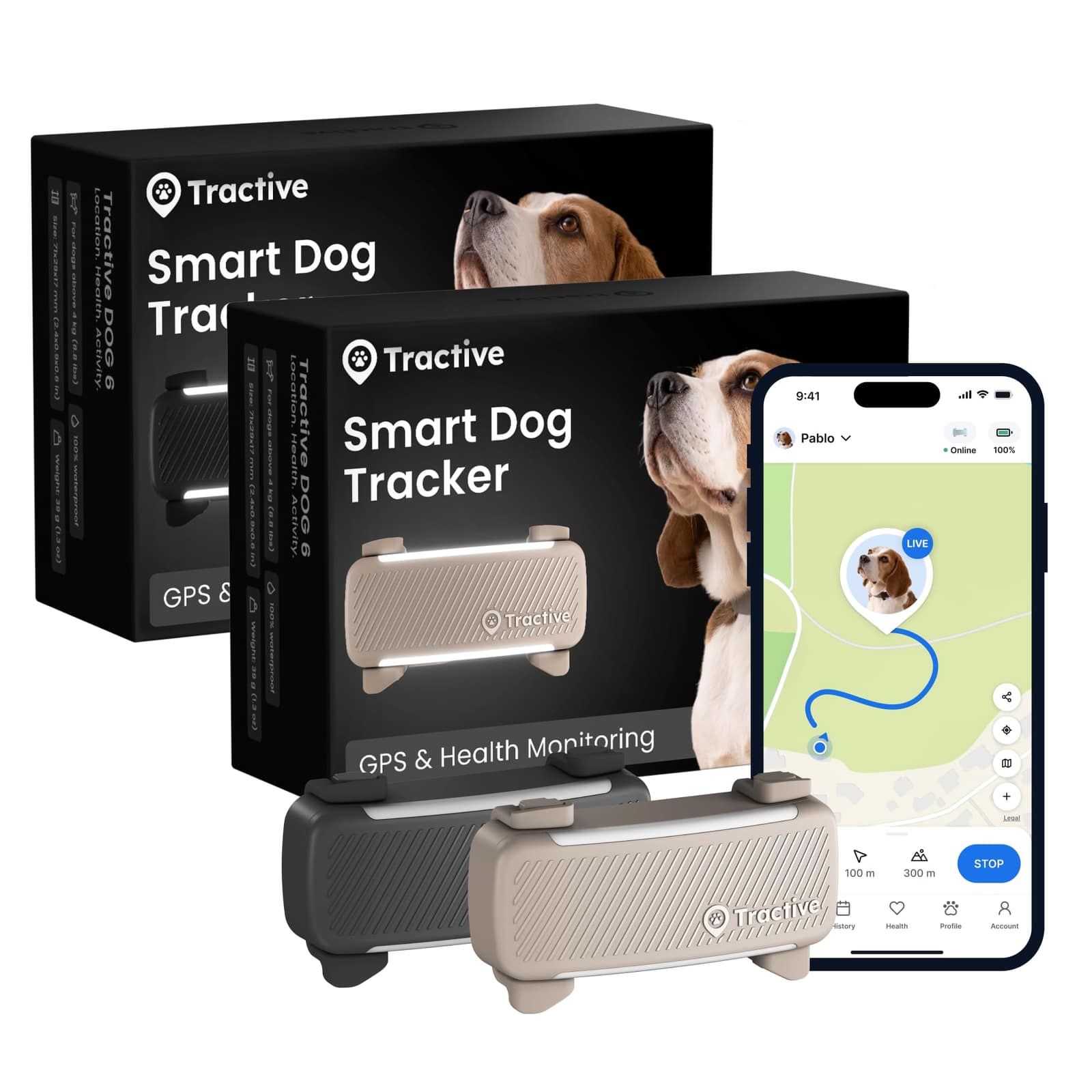
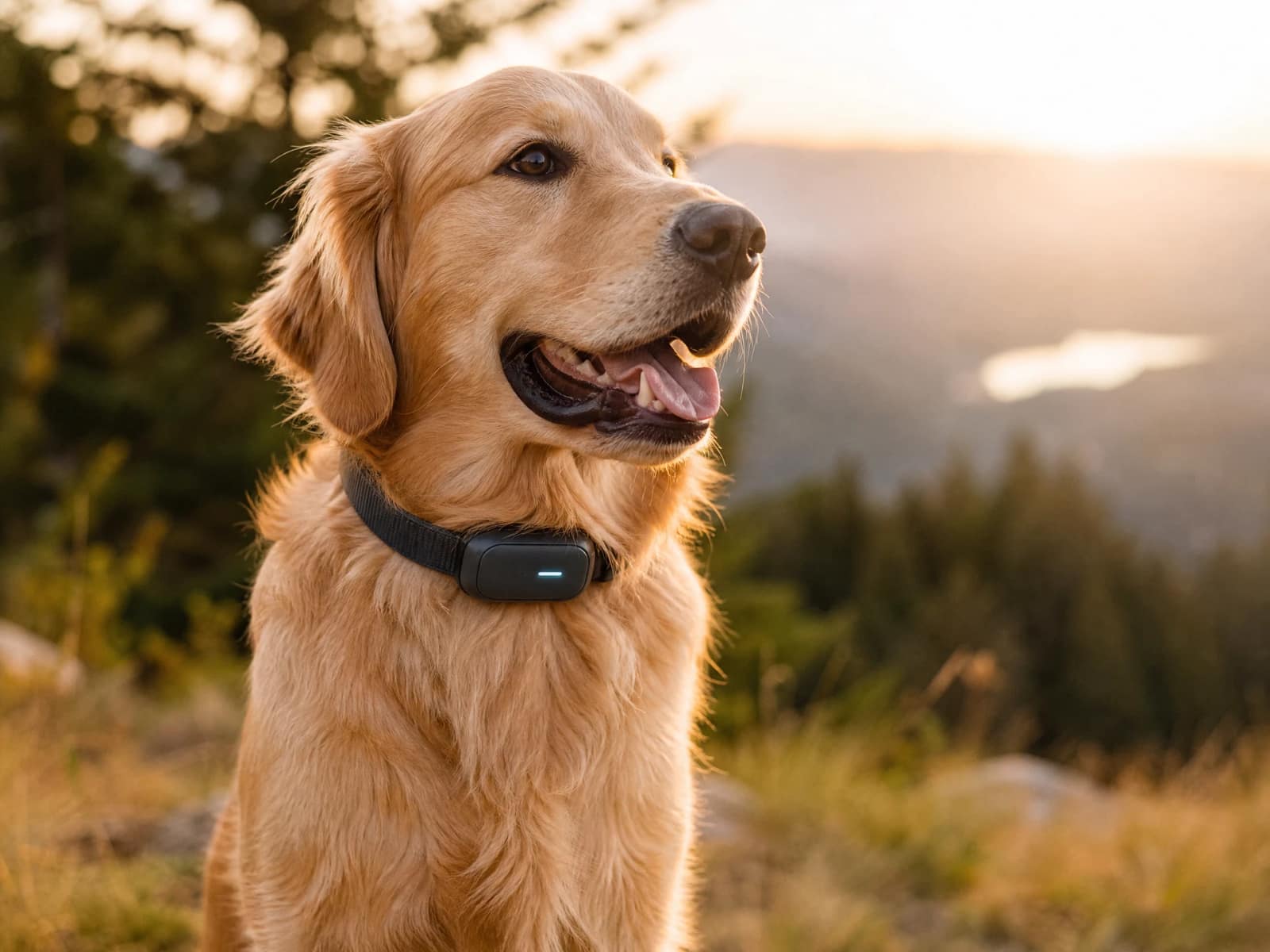
GPS Tracker
Real-time location tracking — because dogs follow their nose, not the fence line.
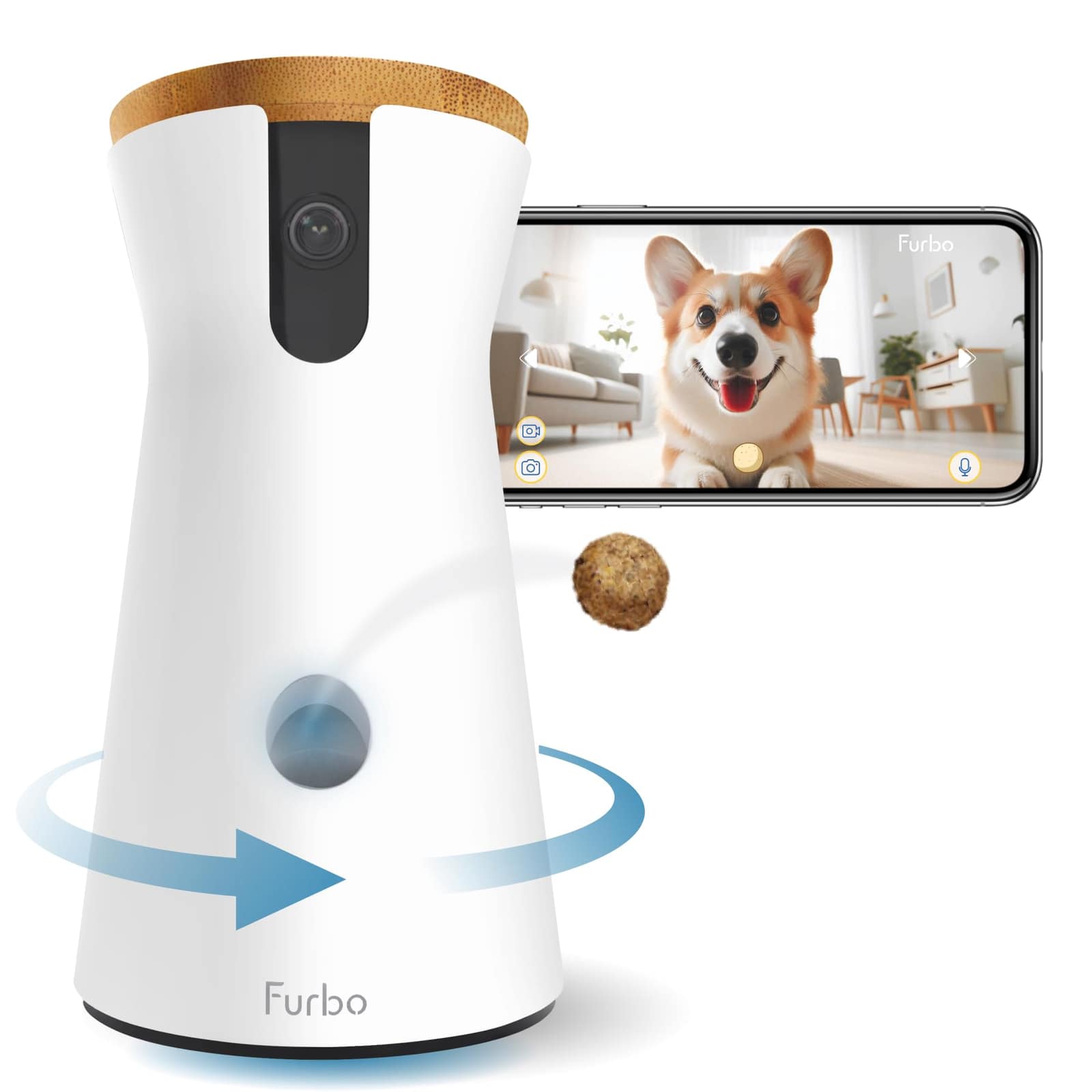
Pet Camera
Two-way audio and HD video — stay connected and soothe your dog from anywhere.

Robot Vacuum
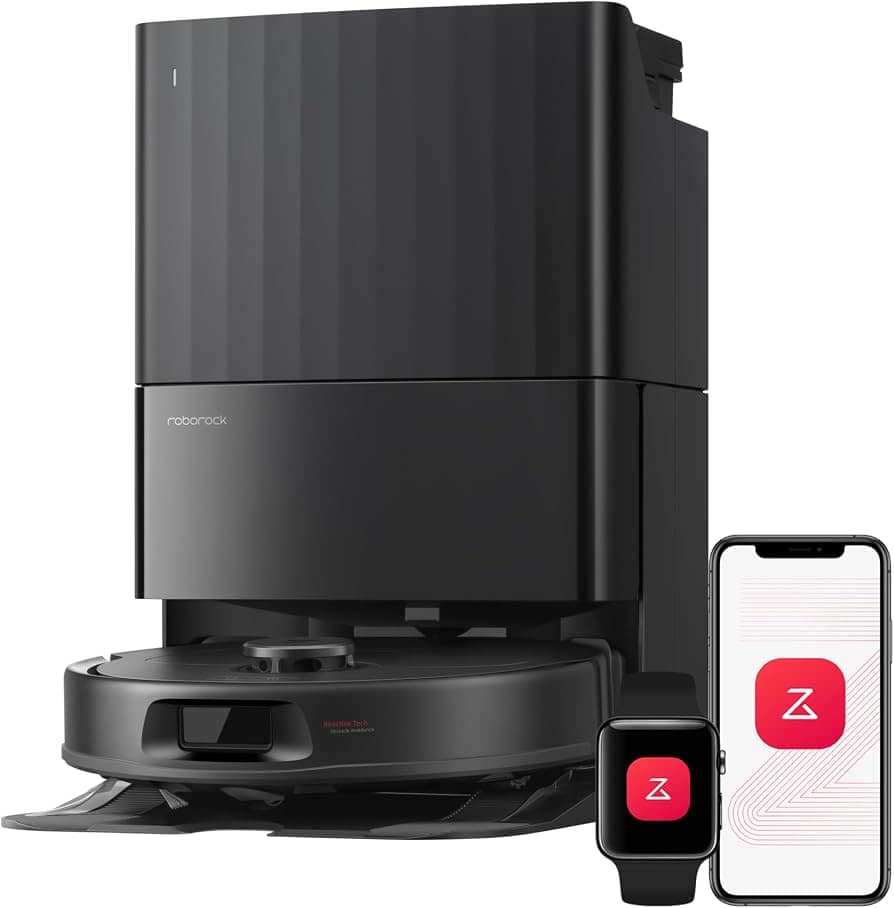
Built for pet hair — keeps your home clean without lifting a finger.
Recommended Products by Life Stage
Products marked with SmartPaws Recommended are ones we've independently reviewed and recommend across the site. All Amazon links include our affiliate tag — purchases support SmartPaws at no extra cost to you.
Puppy / Kitten Stage
Adult Stage
Calming Aid
Adaptil Calm Home Diffuser for Dogs
Pugs can be anxious when separated from their family.
SmartPaws RecommendedDental Care
Oxyfresh Premium Pet Dental Water Additive
Dental disease is common in small breeds — water additive is the easiest solution.
SmartPaws RecommendedSmart Feeder
PETLIBRO Smart Feeder with Camera
Pugs are notorious overeaters — scheduled, portion-controlled meals are essential to prevent obesity.
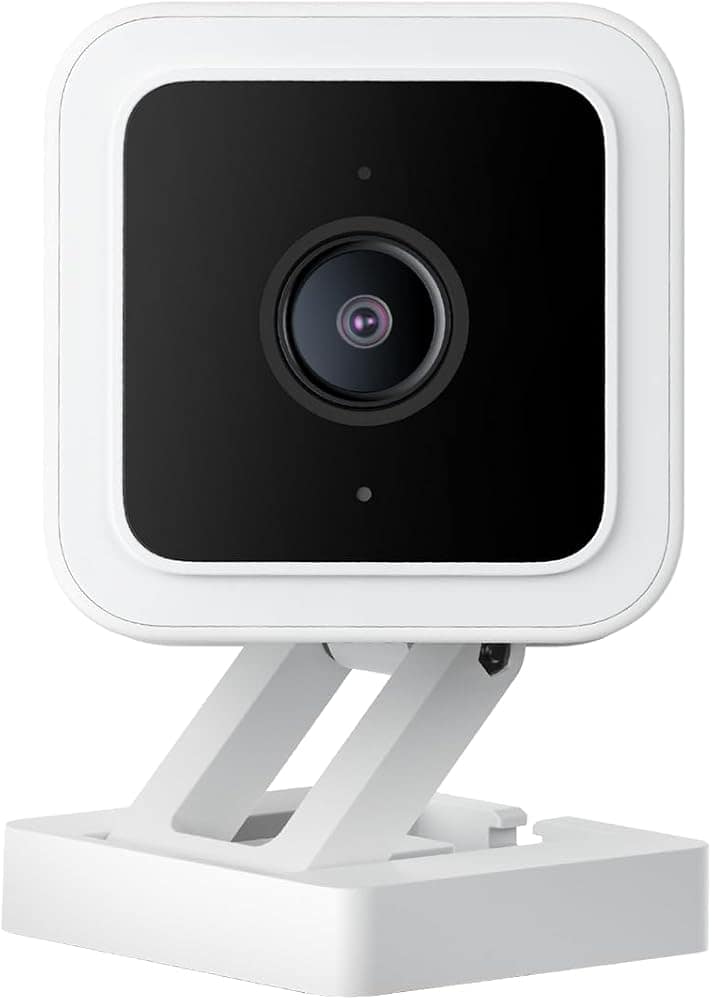
SmartPaws RecommendedPet Camera
Wyze Cam v3 Pet Monitor
Monitor your Pug's breathing and activity while away — brachycephalic breeds need closer observation.
SmartPaws RecommendedSenior Stage
Breed Traits
Temperament
Climate & Physical
Compatibility
Rural & Outdoor
Scores reflect breed tendencies. Individual training significantly affects both livestock safety and off-leash reliability.
Health & Longevity
Based on breed-specific genetic health risks and common conditions
Consider Adopting
Many Pugs are waiting in shelters and breed-specific rescues. Adoption costs are typically $50–$300 vs. $1,000–$3,000 from a breeder.
Read our Rescue Guide →Download the Pug Guide
Get a printable PDF with traits, cost of ownership, health notes, and best-fit summary — free.