SmartPawsGuides, comparisons & trusted resources — Guides & trusted resources — always independent.


Labrador Retriever
Origin: Canada
Weight
55–80 lbs
Height
21–24 inches
Lifespan
10–12 years
Coat
Short, dense double coat
Breeder Cost
$800–$2,500
Adoption Cost
$50–$300
Personality & Temperament
The Labrador Retriever has been America's most popular dog for over 30 consecutive years — and it's easy to see why. Labs are famously friendly, endlessly patient with children, and eager to please everyone they meet. They thrive on human companionship and are happiest when they have a job to do, whether fetching a ball, swimming, or learning a new trick. Their gentle temperament makes them outstanding therapy and service dogs.
Best For
Active families, first-time owners, service dog candidates, households with kids or other pets
Exercise & Activity Needs
Labs need at least 60–90 minutes of vigorous exercise daily. Without adequate activity, they can become destructive and gain weight quickly. Swimming, fetch, hiking, and agility training are all excellent outlets. A bored Lab is a mischievous Lab.
Grooming & Coat Care
Labs shed heavily twice a year and moderately year-round. Weekly brushing with a rubber curry brush or deshedding tool keeps loose hair manageable. Bathe every 4–6 weeks. Check ears weekly — Labs love water and are prone to ear infections.
Coat type: Short, dense double coat
Common Health Conditions
Labs are generally healthy but prone to joint issues and obesity. Keeping your Lab at a healthy weight is the single most impactful thing you can do for their longevity. Buy from breeders who health-test for hip dysplasia, EIC, and PRA.
Hip & Elbow Dysplasia
A common orthopedic condition where the joint doesn't develop properly. Responsible breeders screen for this. Watch for limping or difficulty rising.
Obesity
Labs are notorious food lovers and will overeat if given the chance. Obesity shortens their lifespan and worsens joint problems significantly.
Exercise-Induced Collapse (EIC)
A genetic condition causing muscle weakness after intense exercise. DNA testing can identify carriers.
Progressive Retinal Atrophy
A degenerative eye condition that can lead to blindness. Reputable breeders test for this.
Cancer
Labs have a higher-than-average cancer rate, particularly mast cell tumors and lymphoma. Annual vet checkups are essential.
History & Origin
The Labrador Retriever traces its roots to 16th-century Newfoundland, Canada, where fishermen used a smaller ancestor called the St. John's Water Dog to retrieve nets and fish from icy Atlantic waters. British nobles visiting the region in the early 1800s brought these dogs home, where they were refined into the breed we know today. The AKC officially recognized the Labrador Retriever in 1917.
Interesting Facts
- 1
Labs have webbed toes — an adaptation from their water-retrieving origins in Newfoundland.
- 2
Their double coat is water-resistant, allowing them to swim in cold water without getting soaked to the skin.
- 3
Labs have held the #1 spot on the AKC's most popular breeds list for over 30 consecutive years.
- 4
They are the most common breed used as guide dogs, therapy dogs, and search-and-rescue dogs in the US.
- 5
A Lab named Endal was awarded the PDSA's Gold Medal — the animal equivalent of the George Cross — for his extraordinary service to his disabled owner.
Cost of Ownership
Owning a Labrador Retriever is a long-term financial commitment. Here's a realistic breakdown of what to budget for.
Annual Cost
$1,500–$2,800
First Year (incl. setup)
$3,500–$5,500
Labs eat a lot — budget for quality large-breed food
Routine exams, vaccines, heartworm prevention
Minimal professional grooming; mostly home brushing
Puppy classes strongly recommended
Beds, leashes, toys, crates
Highly recommended given joint/cancer risk
* Estimates based on national averages. Costs vary by location, lifestyle, and individual health needs. Emergency vet visits are not included.
Popularity & Adoption Trends
Estimated US Population
~12 million in the US
Adoption Trend
The Lab has held the #1 spot on the AKC popularity list for over 30 consecutive years. Registration numbers have plateaued slightly as French Bulldogs gain ground, but Labs remain America's most-owned dog breed by a wide margin.
Plan daily life with your Labrador Retriever
Use the guides below to compare practical options alongside this breed's care needs.
Pet Tech Essentials
The right technology makes dog ownership easier, safer, and more connected — whether you're home or away. These are the products our editors consider must-haves for every dog owner.
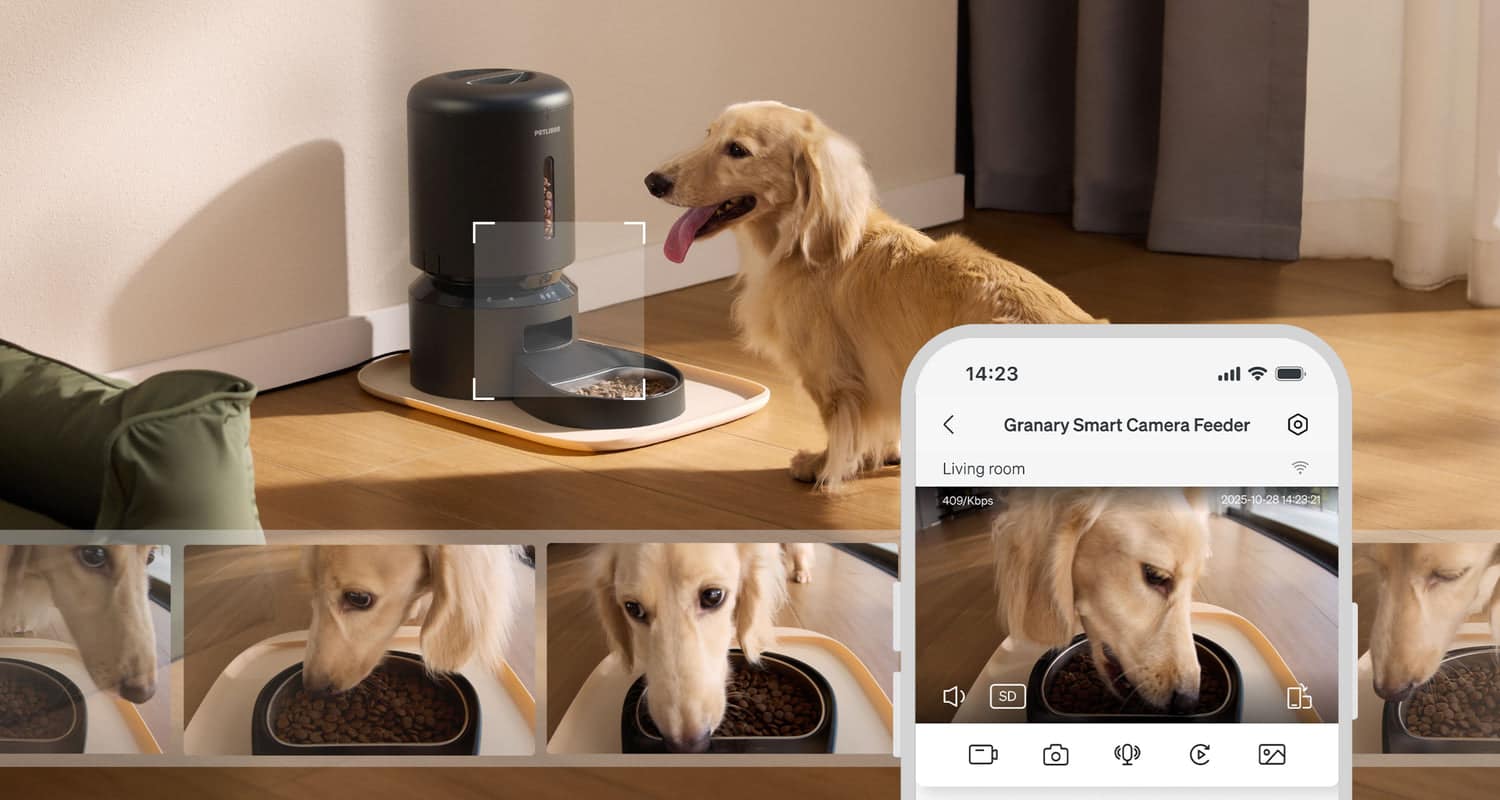
Automatic Feeder
Schedule precise meals so your dog eats right — even when you're not home.

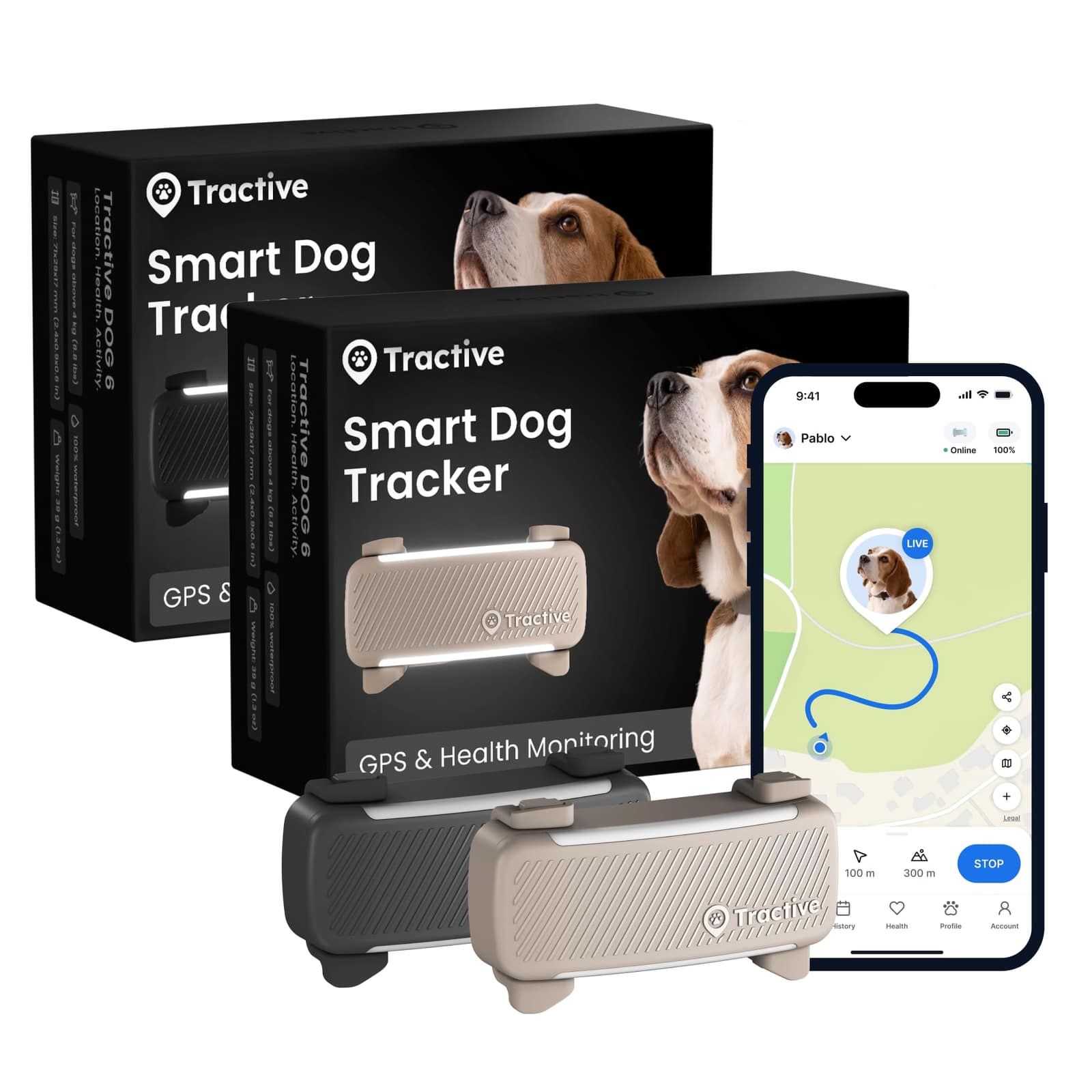
GPS Tracker
Real-time location tracking — because dogs follow their nose, not the fence line.

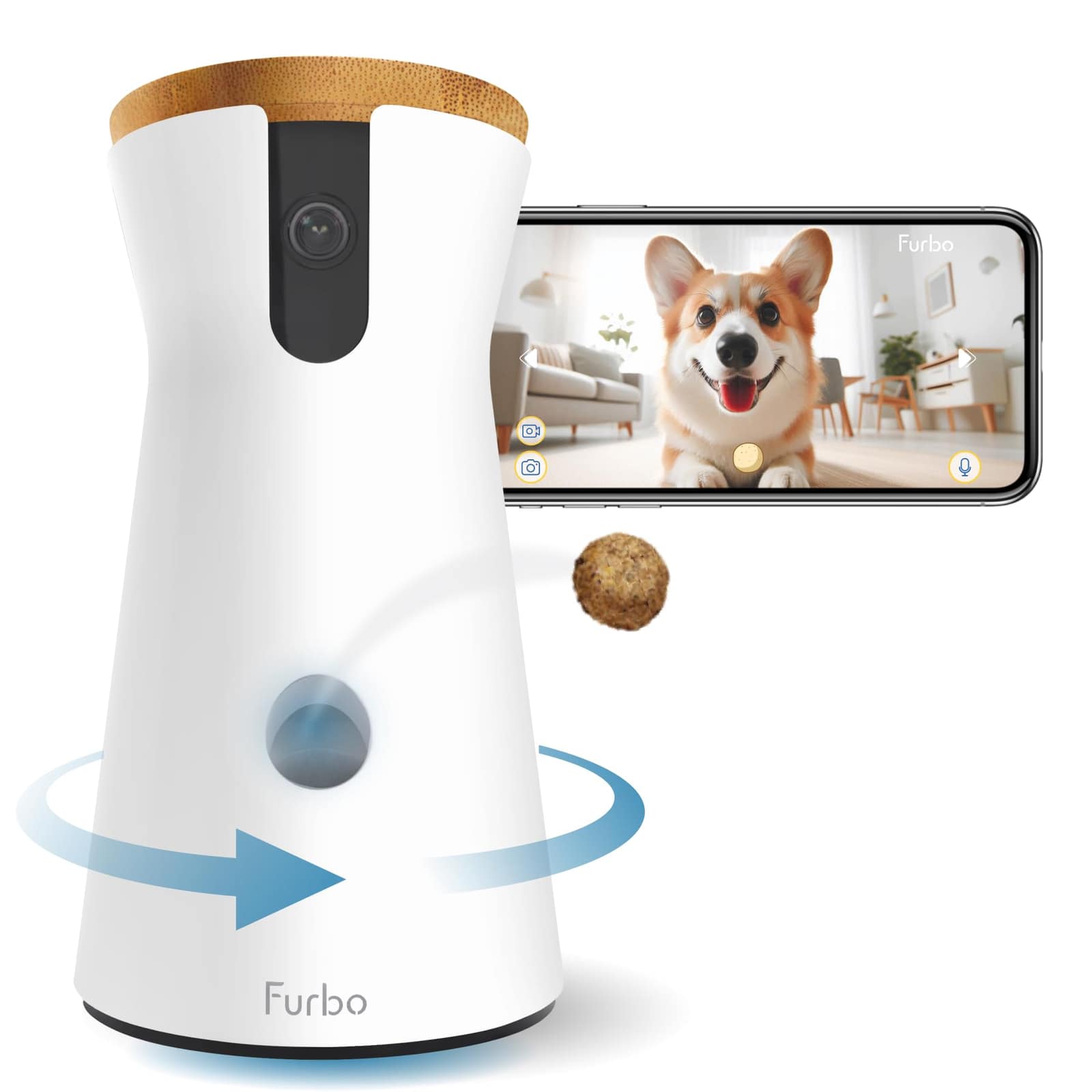
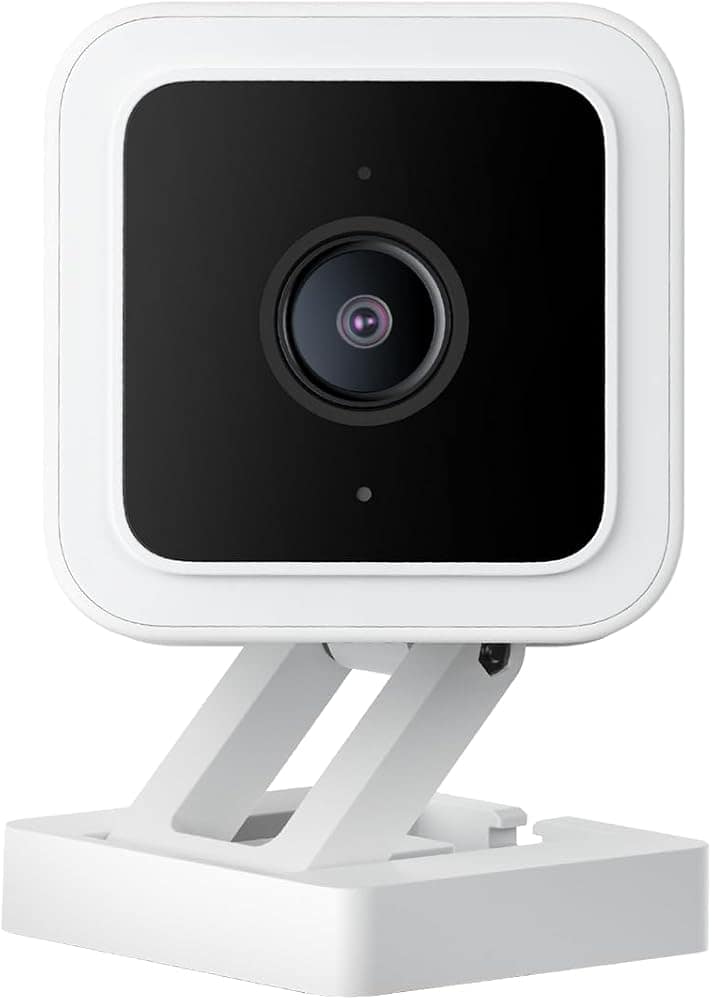
Pet Camera
Two-way audio and HD video — stay connected and soothe your dog from anywhere.

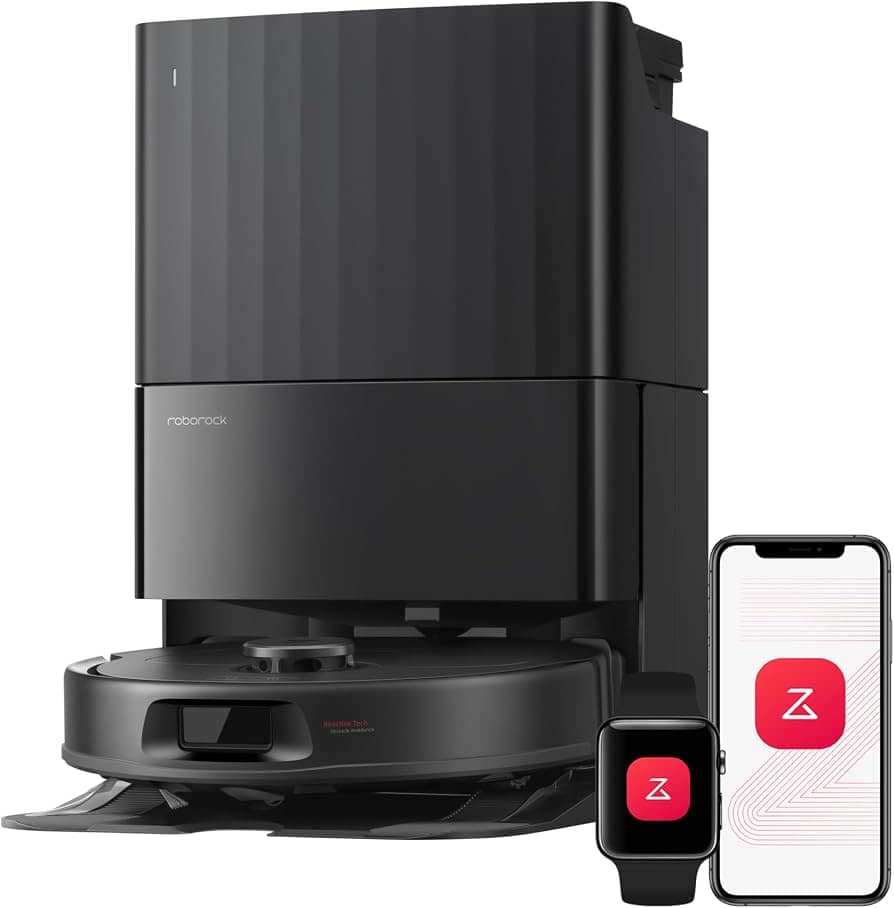
Robot Vacuum
Built for pet hair — keeps your home clean without lifting a finger.
Recommended Products by Life Stage
Products marked with SmartPaws Recommended are ones we've independently reviewed and recommend across the site. All Amazon links include our affiliate tag — purchases support SmartPaws at no extra cost to you.
Puppy / Kitten Stage
Training Treats
Wellness Soft Puppy Bites Lamb & Salmon
Soft, small treats perfect for training a Lab puppy without overfeeding.
SmartPaws RecommendedPuppy Crate
MidWest Homes iCrate Fold & Carry
Labs grow fast — this crate has a divider so it grows with your puppy.
SmartPaws RecommendedAdult Stage
Interactive Toy
KONG Classic Stuffable Dog Toy
Labs need mental stimulation. Stuff with peanut butter to keep them busy.
SmartPaws RecommendedGPS Collar
Fi Series 3+ Smart GPS Dog Collar
Active Labs roam — GPS tracking gives you peace of mind.
SmartPaws RecommendedJoint Supplement
Nutramax Cosequin Maximum Strength Joint Supplement
Start joint support early for large breeds prone to dysplasia.
SmartPaws RecommendedSenior Stage
Breed Traits
Temperament
Climate & Physical
Compatibility
Rural & Outdoor
Scores reflect breed tendencies. Individual training significantly affects both livestock safety and off-leash reliability.
Health & Longevity
Based on breed-specific genetic health risks and common conditions
Consider Adopting
Many Labrador Retrievers are waiting in shelters and breed-specific rescues. Adoption costs are typically $50–$300 vs. $800–$2,500 from a breeder.
Read our Rescue Guide →How to Train a Labrador Retriever
Breed-specific challenges, techniques, and training timeline — written specifically for Labrador Retriever owners.
Read Training GuideDownload the Labrador Retriever Guide
Get a printable PDF with traits, cost of ownership, health notes, and best-fit summary — free.