
Best forchecking in on your dog while away
50K+ Reviews
App Connected
Cameras & Monitoring
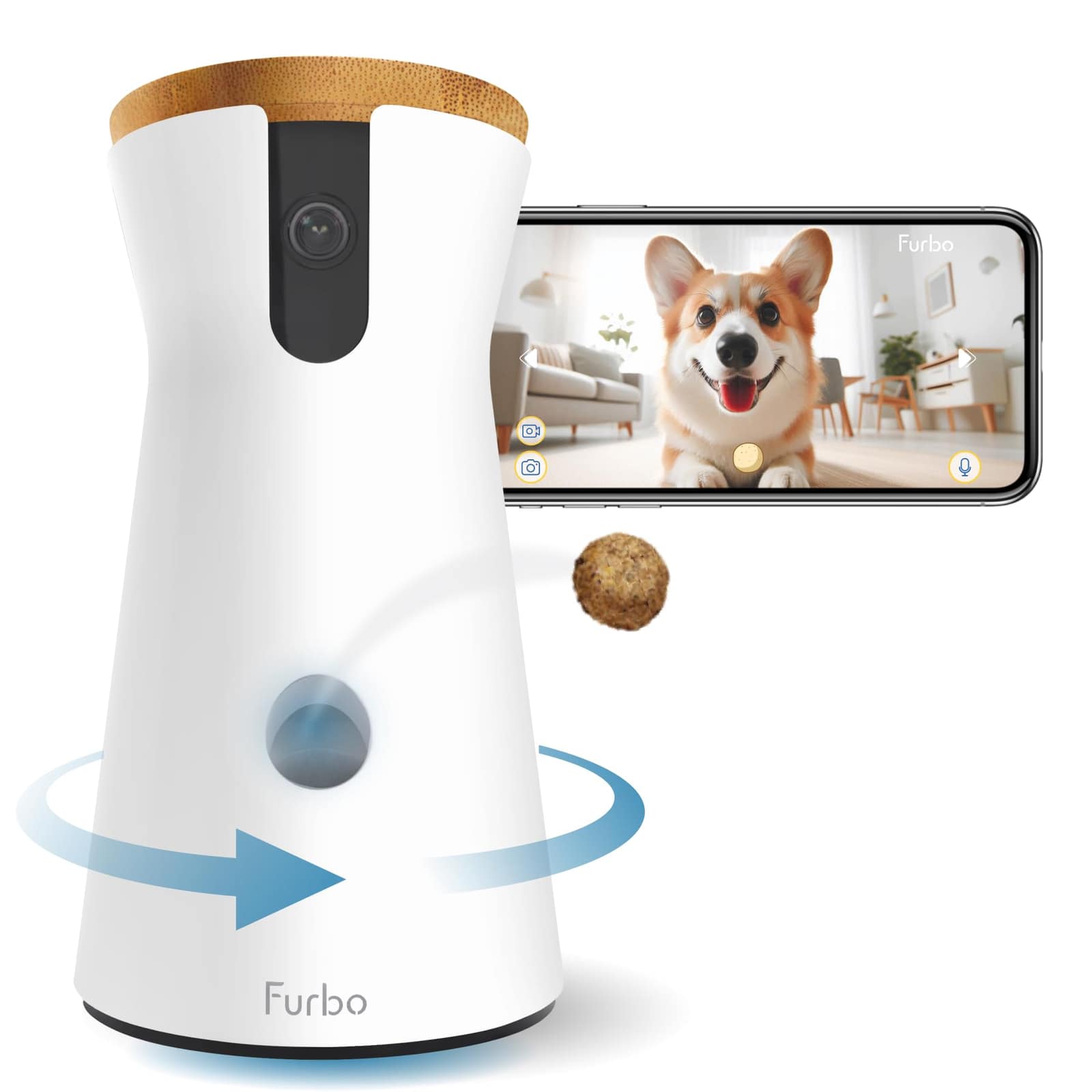
Furbo 360° Dog Camera
See, talk, and toss treats to your dog from anywhere.
4.3 · 50K reviews
8.2SmartPaws Score
How?Typically$69–$210In Stock
SmartPawsGuides, comparisons & trusted resources — Guides & trusted resources — always independent.
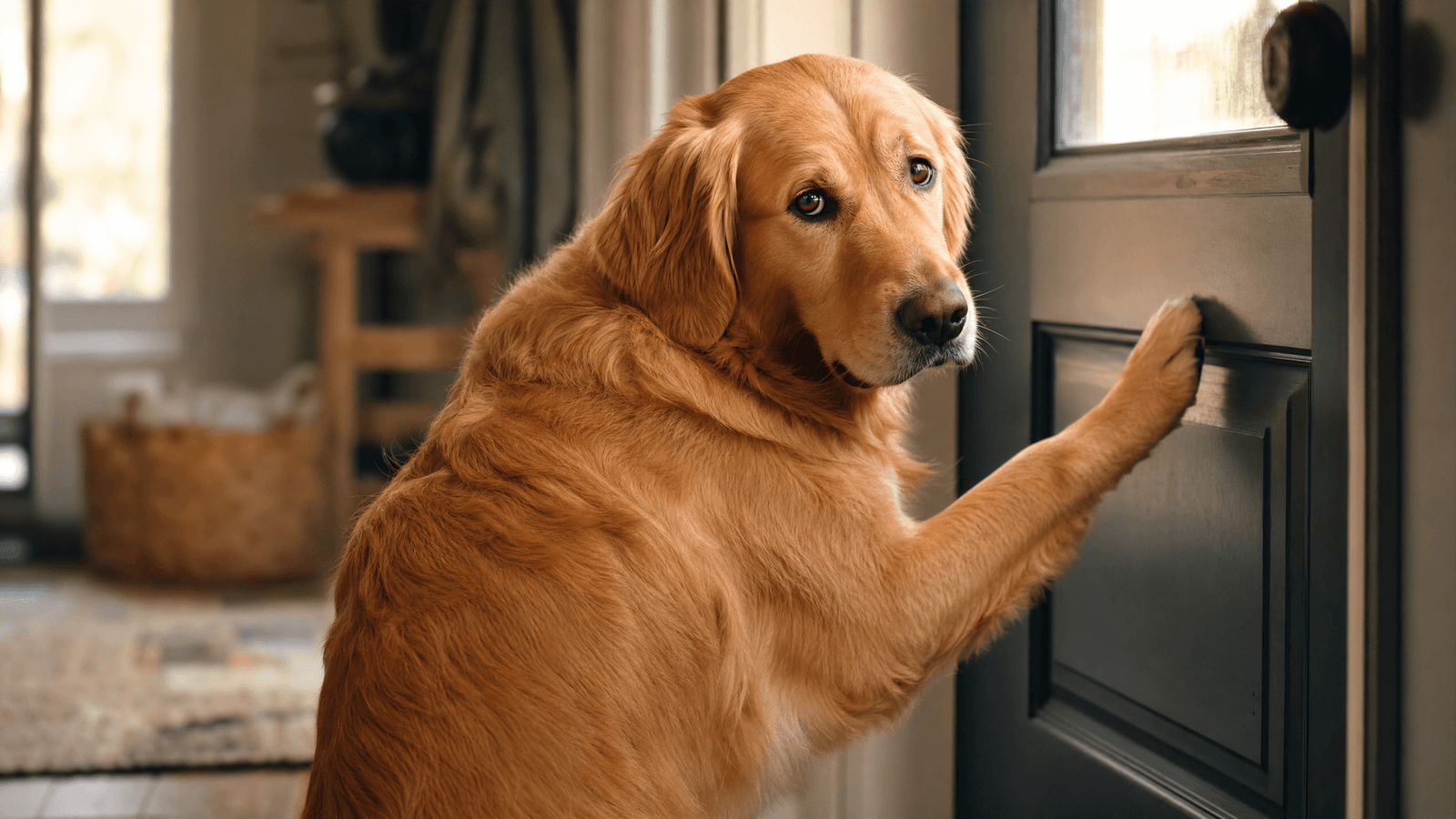
Recognize the subtle and overt cues your canine companion might be struggling with separation anxiety, and discover effective strategies to help them cope.
General Education Only
This article is for general educational purposes and does not constitute veterinary advice. Every pet is different — consult your veterinarian before making changes to your pet's diet, health routine, or supplement regimen. If your pet shows signs of illness, contact a licensed veterinarian promptly.
SmartPaws Editorial Team
Pet Tech Experts · Research-based content
This article contains affiliate links. We may earn a commission if you purchase through our links, at no extra cost to you. Leaving your dog alone can be tough, but for some pups, it's more than just a fleeting sadness—it's a full-blown anxiety attack. Separation anxiety manifests in various ways, often leaving owners feeling helpless and confused. Recognizing the signs early is crucial for intervening effectively and helping your furry friend feel safe and secure when you're not around. Let's dive into the common indicators and what you can do to support your dog.
Separation anxiety is a behavioral condition where dogs experience extreme distress when separated from their primary attachment figure, usually their owner. It's not just about missing you; it's a panic response that can lead to destructive behaviors, excessive vocalization, and even self-harm. This anxiety can stem from various factors, including changes in routine, a new environment, or a traumatic event. It's important to differentiate true separation anxiety from simple boredom or lack of training, as the approach to treatment will differ significantly.
One of the most common and noticeable signs of separation anxiety is persistent vocalization when left alone. This isn't just a few barks when you leave; it's often continuous barking, howling, or whining that can last for hours. Neighbors might complain, or you might hear it yourself if you record your dog while you're out. This vocalization is your dog's way of expressing their distress and trying to call you back.
Dogs with separation anxiety often channel their stress into destructive behaviors. This can include chewing on furniture, doors, window sills, or even digging at carpets and walls. These actions are not out of spite but are an attempt to relieve anxiety or, in some cases, to escape the confinement they feel when alone. The destruction is typically focused around exit points or items that smell strongly of their owner.
House-trained dogs who suddenly start having accidents indoors only when left alone may be exhibiting a sign of separation anxiety. This is not a defiance of their training but an involuntary physiological response to extreme stress. It's important to rule out medical issues first, but if it only happens when you're gone, anxiety is a strong possibility.
Anxious dogs may pace incessantly, often in a fixed pattern, when left alone. They might walk in circles, back and forth, or wander aimlessly through the house. This restless energy is a manifestation of their internal turmoil and inability to settle down without their owner's presence. It's a clear indicator of discomfort and agitation.
Dogs with severe separation anxiety may try to escape their confinement, whether it's a crate, a room, or even the house itself. This can lead to injuries from breaking out of crates, damaging doors, or jumping through windows. Their desperation to reunite with you overrides their sense of safety and self-preservation.
Even in a cool environment, a dog with separation anxiety might pant excessively or drool heavily when left alone. These are physical symptoms of stress and anxiety, similar to how humans might sweat or have a racing heart during a panic attack. If you return home to puddles of drool or a panting dog, it could be a sign of distress.
While not a sign that occurs when you're *gone*, shadowing is a pre-departure indicator. If your dog follows you from room to room, never letting you out of their sight, it can be a sign of an over-attachment that contributes to separation anxiety when you do leave. They anticipate your departure and become hyper-vigilant.
While tech can't replace training, it can be an invaluable tool for monitoring your dog and providing comfort when you're away. These devices offer peace of mind for owners and can help ease your dog's anxiety.
Cameras & Monitoring
See, talk, and toss treats to your dog from anywhere.
Allows you to see, talk to, and even toss treats to your dog remotely. Its 360° view ensures you don't miss a thing, and the barking alerts notify you of distress in real-time, enabling immediate intervention.

GPS & Tracking
Real-time GPS tracking every 2–3 seconds. Unlimited range, worldwide.
While primarily for tracking, the Tractive GPS tracker can offer peace of mind if your dog is an escape artist due to anxiety. Knowing you can locate them quickly reduces your stress, which can indirectly help create a calmer home environment.
Addressing separation anxiety requires patience and a multi-faceted approach. Here are some key training strategies: * **Desensitization:** Gradually accustom your dog to your absence. Start with very short departures (seconds), then slowly increase the duration. Practice 'fake' departures where you go through your routine but don't actually leave, or leave for a minute and return, to reduce the significance of your leaving cues. * **Counter-Conditioning:** Associate your departure with something positive. Offer a high-value, long-lasting treat (like a Kong filled with peanut butter) just before you leave. This distracts them and creates a positive association with your absence. * **Crate Training:** For some dogs, a properly introduced crate can become a safe den. Never use the crate as punishment. Ensure it's comfortable and associated with positive experiences. However, for dogs with severe anxiety, a crate can exacerbate panic, so assess your dog's reaction carefully. * **Exercise and Mental Stimulation:** A tired dog is a good dog. Ensure your dog gets plenty of physical exercise and mental stimulation before you leave. A long walk or a puzzle toy can help them relax and be more likely to rest while you're gone.
If your dog's separation anxiety is severe, not improving with home interventions, or causing significant destruction or self-harm, it's time to seek professional help. A veterinarian can rule out any underlying medical conditions that might be contributing to the behavior and may discuss medication options to help manage extreme anxiety. A certified professional dog trainer or veterinary behaviorist specializes in behavioral issues and can provide a tailored plan, guiding you through advanced desensitization and counter-conditioning techniques. For more insights into professional help, you might find our guide on [Choosing the Right Dog Trainer](/articles/choosing-right-dog-trainer) helpful.
Separation anxiety is challenging for both dogs and their owners, but it is manageable. By recognizing the signs, implementing consistent training, utilizing helpful tech, and knowing when to seek professional guidance, you can help your dog overcome their fears and enjoy a calmer, more independent life. Patience, understanding, and love are your most powerful tools in this journey.
Keep reading
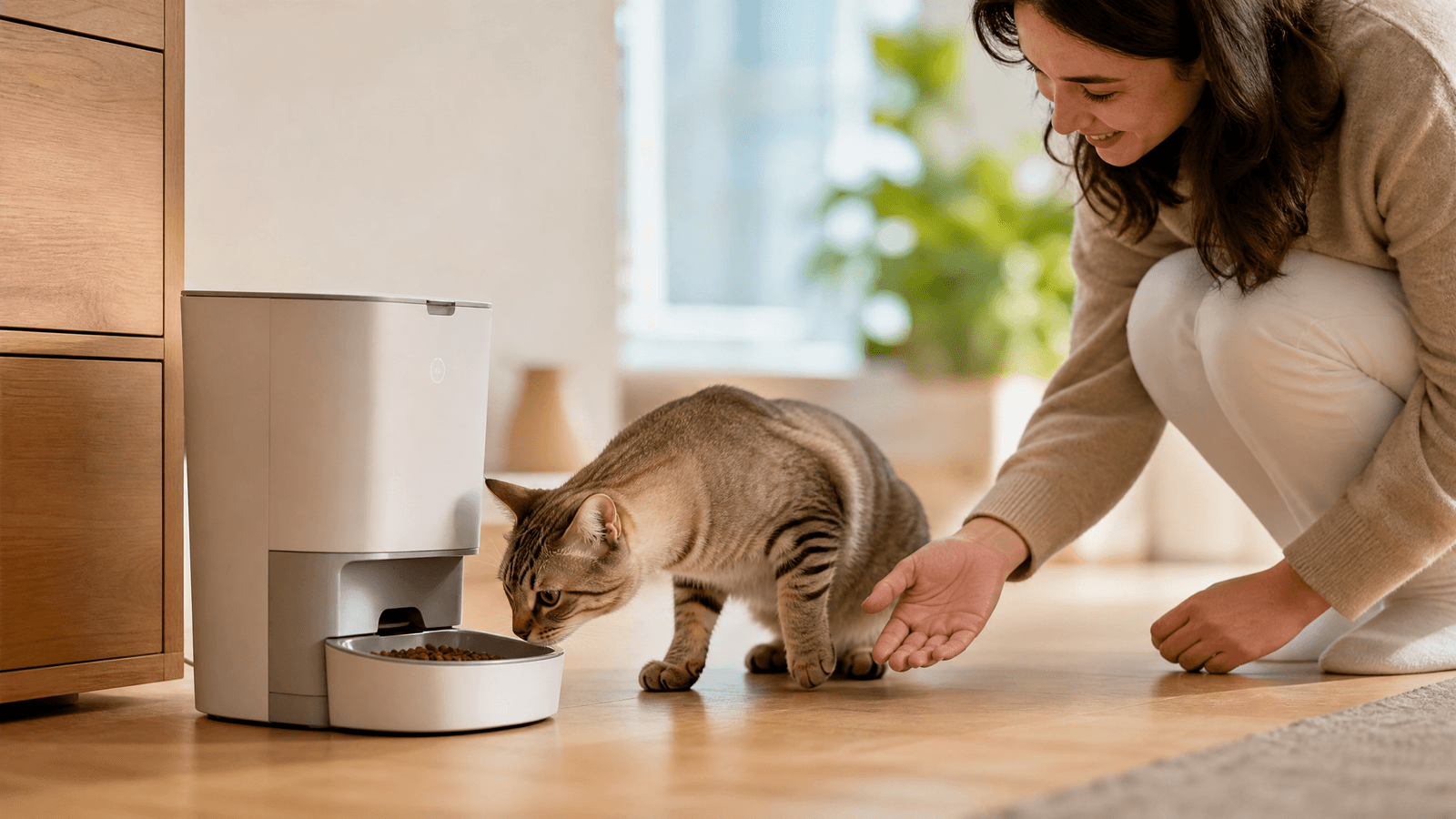
Automatic feeders offer convenience and consistent meal times, but introducing them to a cat requires a gentle, step-by-step strategy. Learn how to make the transition stress-free for your feline companion and avoid common pitfalls.
Read guide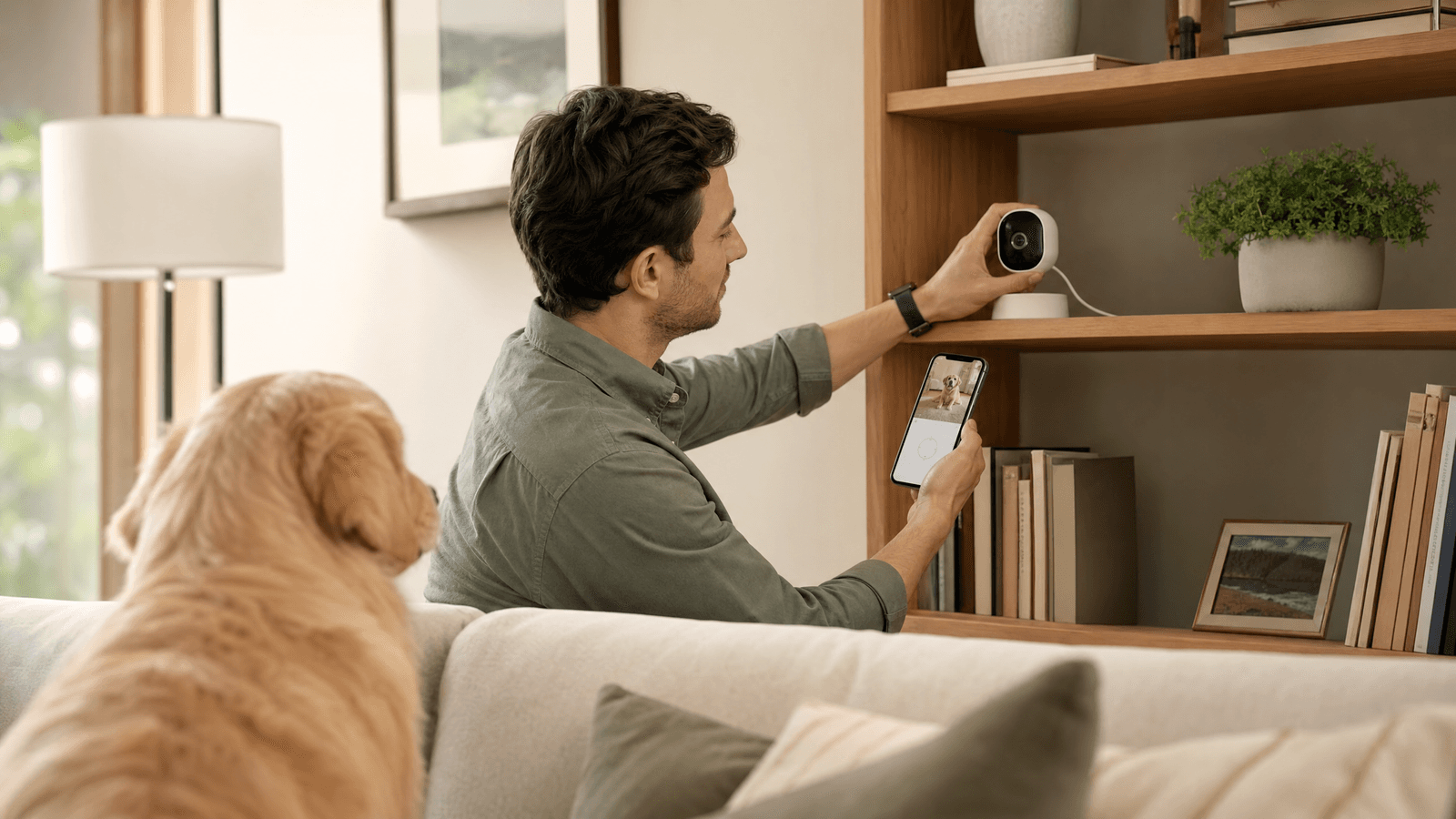
Setting up a pet camera can provide peace of mind and endless entertainment, allowing you to monitor your pets from anywhere. This guide walks you through every step, from choosing the right spot to securing your network and maximizing video quality. Discover how to create a safe and engaging environment for your beloved companions.
Read guide