
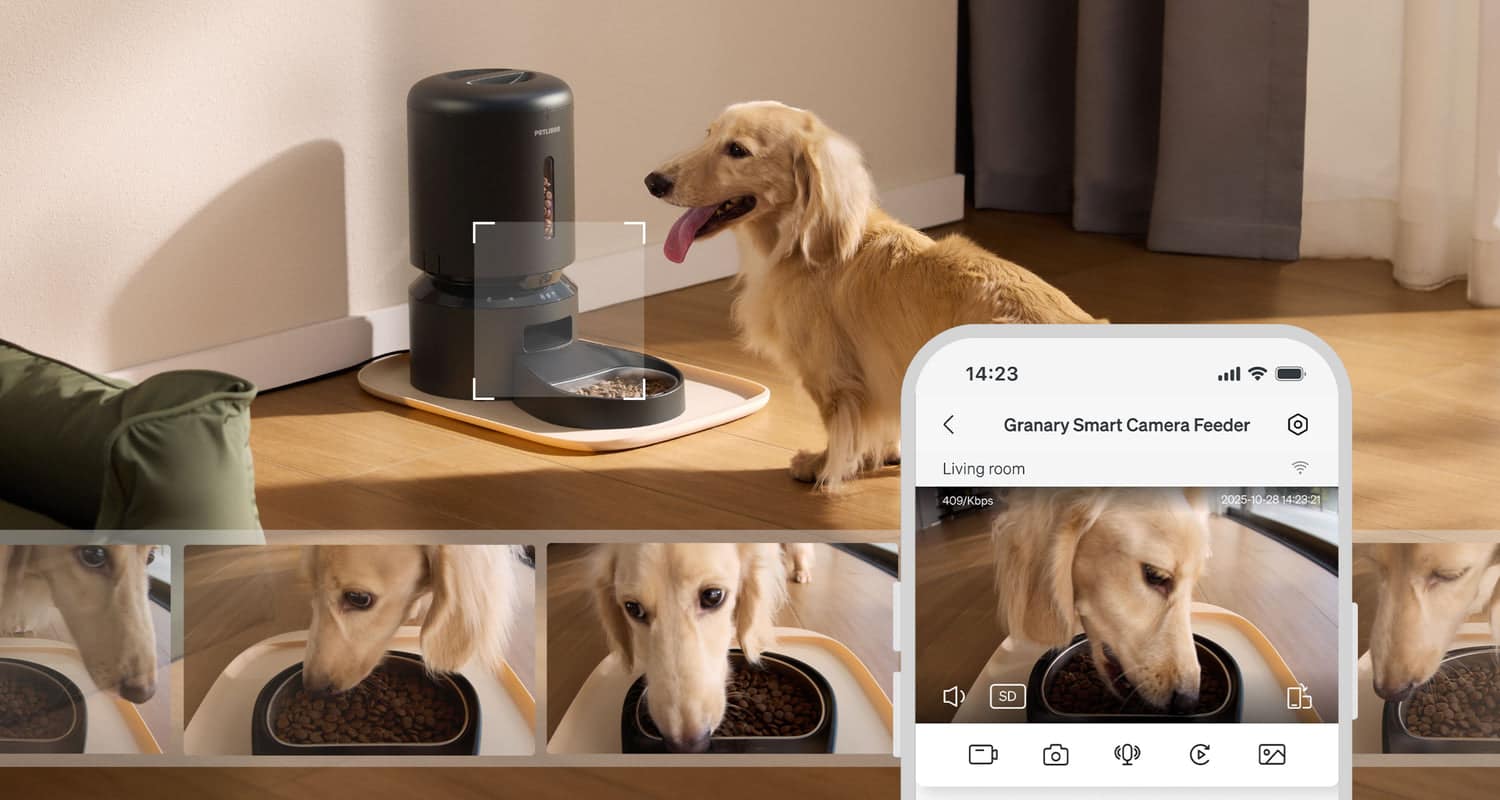
Best forwatching your dog eat from anywhere
Amazon #1
App Connected
Smart Feeding
PETLIBRO Smart Feeder with Camera
Schedule your dog's meals and watch them eat — from anywhere.
4.6 · 12K reviews
8.2SmartPaws Score
How?Typically$99–$139In Stock
SmartPawsGuides, comparisons & trusted resources — Guides & trusted resources — always independent.

Transitioning your feline friend to an automatic feeder can be a smooth process with the right approach and a dash of patience.
General Education Only
This article is for general educational purposes and does not constitute veterinary advice. Every pet is different — consult your veterinarian before making changes to your pet's diet, health routine, or supplement regimen. If your pet shows signs of illness, contact a licensed veterinarian promptly.
SmartPaws Editorial Team
Pet Tech Experts · Research-based content
Welcome to the future of pet care! Smart feeders are revolutionizing how we feed our cats, offering precise portion control, scheduled meals, and peace of mind. However, cats are creatures of habit, and introducing a new feeding system can sometimes be met with skepticism. This guide will walk you through a drama-free transition, ensuring your cat embraces their new smart feeder with ease. This article contains affiliate links. We may earn a commission if you purchase through our links, at no extra cost to you.
Smart feeders aren't just about convenience for pet parents; they offer significant benefits for your cat's health and well-being. They help maintain a consistent feeding schedule, which is crucial for digestive health and can reduce anxiety in cats who thrive on routine. For cats prone to overeating, smart feeders provide accurate portion control, aiding in weight management and preventing obesity-related health issues. They can also be a lifesaver for busy owners, ensuring meals are never missed, even when you're running late or away for a short trip. The ability to dispense food automatically can also help reduce food-related aggression in multi-cat households by ensuring each cat gets their fair share without competition.
The key to success is a slow, patient introduction. Rushing the process can lead to stress, food refusal, and a negative association with the new feeder. Remember, every cat is different, so be prepared to adjust the timeline based on your cat's personality and comfort level.
Start by placing the smart feeder near your cat's current food bowl, but don't use it yet. Let your cat explore it at their own pace. They might sniff it, rub against it, or even ignore it completely. This is normal. To encourage positive associations, place a few treats or a small amount of their favorite food on or around the feeder. You can also try feeding them their regular meal in their old bowl right next to the new, turned-off smart feeder. The goal here is simply to make the feeder a non-threatening, familiar object in their environment.
Once your cat seems comfortable with the feeder's presence, it's time to start using it. Begin by putting a small portion of their regular food in the smart feeder's bowl, while still offering the majority of their meal in their old bowl. Over the next few days, gradually increase the amount of food in the smart feeder and decrease the amount in the old bowl. You can also try turning on the feeder's dispensing mechanism (if it has a manual dispense button) while your cat is present, so they get used to the sound and motion. If your cat is hesitant, try mixing a small amount of their favorite wet food or a food topper into the smart feeder's portion to make it more appealing.
By now, your cat should be eating comfortably from the smart feeder. You can now remove the old food bowl entirely. Set up the feeder's schedule to match your cat's regular meal times. Monitor your cat closely to ensure they are eating all their meals and not showing any signs of stress or hunger. If they seem to be struggling, you might need to revert to Step 2 for a few more days. Some cats may take longer than others, and that's perfectly fine. Patience and positive reinforcement are your best tools. Ensure the feeder is placed in a quiet, accessible location where your cat feels safe eating.
**Rushing the Process:** The most common mistake is trying to transition too quickly. Cats need time to adjust to new objects and routines. **Ignoring Your Cat's Cues:** Pay attention to your cat's body language. If they seem stressed, fearful, or are refusing to eat, slow down. **Changing Food Simultaneously:** Avoid changing your cat's food type at the same time you introduce the feeder. This can add another layer of stress and confusion. **Not Cleaning the Feeder:** Ensure the smart feeder is always clean. Cats are very sensitive to smells, and a dirty feeder can deter them from eating. **Placing the Feeder in a High-Traffic Area:** Cats prefer to eat in a quiet, safe spot where they feel secure. Avoid placing the feeder in a noisy or busy part of the house.
Smart Feeding
Schedule your dog's meals and watch them eat — from anywhere.
This feeder offers customizable meal times and portion sizes, voice recording, and a reliable dispensing mechanism, making it ideal for a smooth transition. Its sleek design also blends well into any home.
If your cat is still reluctant after a week or two, don't despair. Try these tips: **Use a Familiar Scent:** Rub a cloth or blanket that smells like your cat on the feeder to make it more inviting. **Manual Dispense:** For the first few days, manually dispense food when your cat is present so they associate the sound with food. **Cover the Feeder:** If the feeder's appearance is intimidating, try covering it with a towel or blanket, leaving only the bowl exposed, and gradually uncover it over time. **Consult Your Vet:** If your cat completely refuses to eat for more than 24 hours, consult your veterinarian to rule out any underlying health issues. For more advanced feeding solutions, you might also consider exploring options like the [PetSafe Smart Feed](/articles/petsafe-smart-feed-review), which offers app control and slow-feed options.
Introducing a smart feeder to your cat can significantly improve their routine and your peace of mind. By following a gradual, patient approach and understanding your cat's needs, you can ensure a successful transition. With a little effort, your feline friend will soon be enjoying the benefits of their new feeding system, making meal times stress-free for everyone involved. Happy feeding!
Keep reading

Finding the perfect spot for your cat's litter box is crucial for their well-being and preventing accidents. This guide covers everything from ideal locations to multi-cat households and smart litter box considerations.
Read guide
Separation anxiety is a common yet distressing condition for many dogs and their owners. Understanding the signs is the first step towards providing comfort and effective solutions. This guide will help you identify the symptoms and explore practical steps, including tech aids and training, to alleviate your dog's distress.
Read guide
Setting up a pet camera can provide peace of mind and endless entertainment, allowing you to monitor your pets from anywhere. This guide walks you through every step, from choosing the right spot to securing your network and maximizing video quality. Discover how to create a safe and engaging environment for your beloved companions.
Read guide