
Best forchecking in on your dog while away
50K+ Reviews
App Connected
Cameras & Monitoring
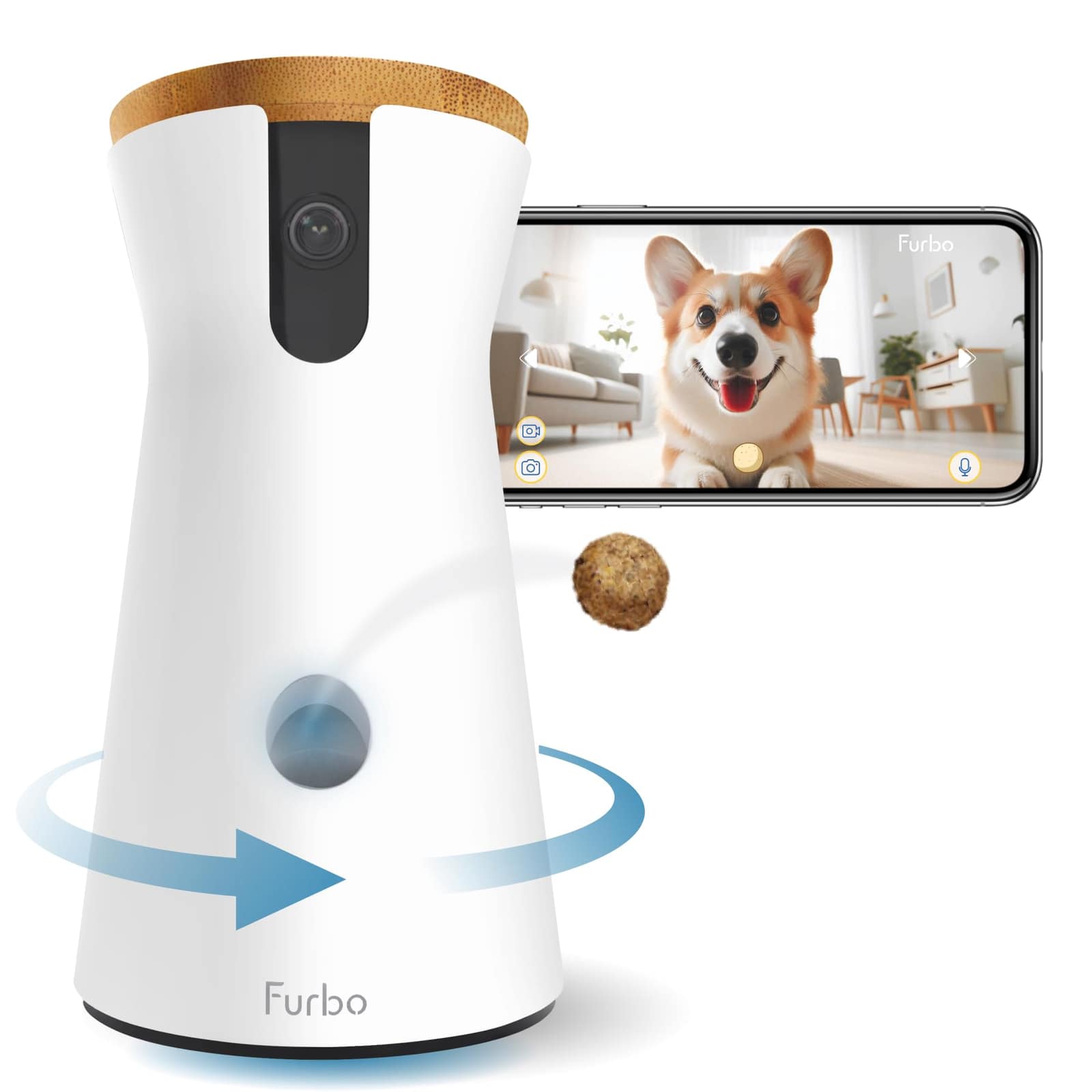
Furbo 360° Dog Camera
See, talk, and toss treats to your dog from anywhere.
4.3 · 50K reviews
8.2SmartPaws Score
How?Typically$69–$210In Stock
SmartPawsGuides, comparisons & trusted resources — Guides & trusted resources — always independent.
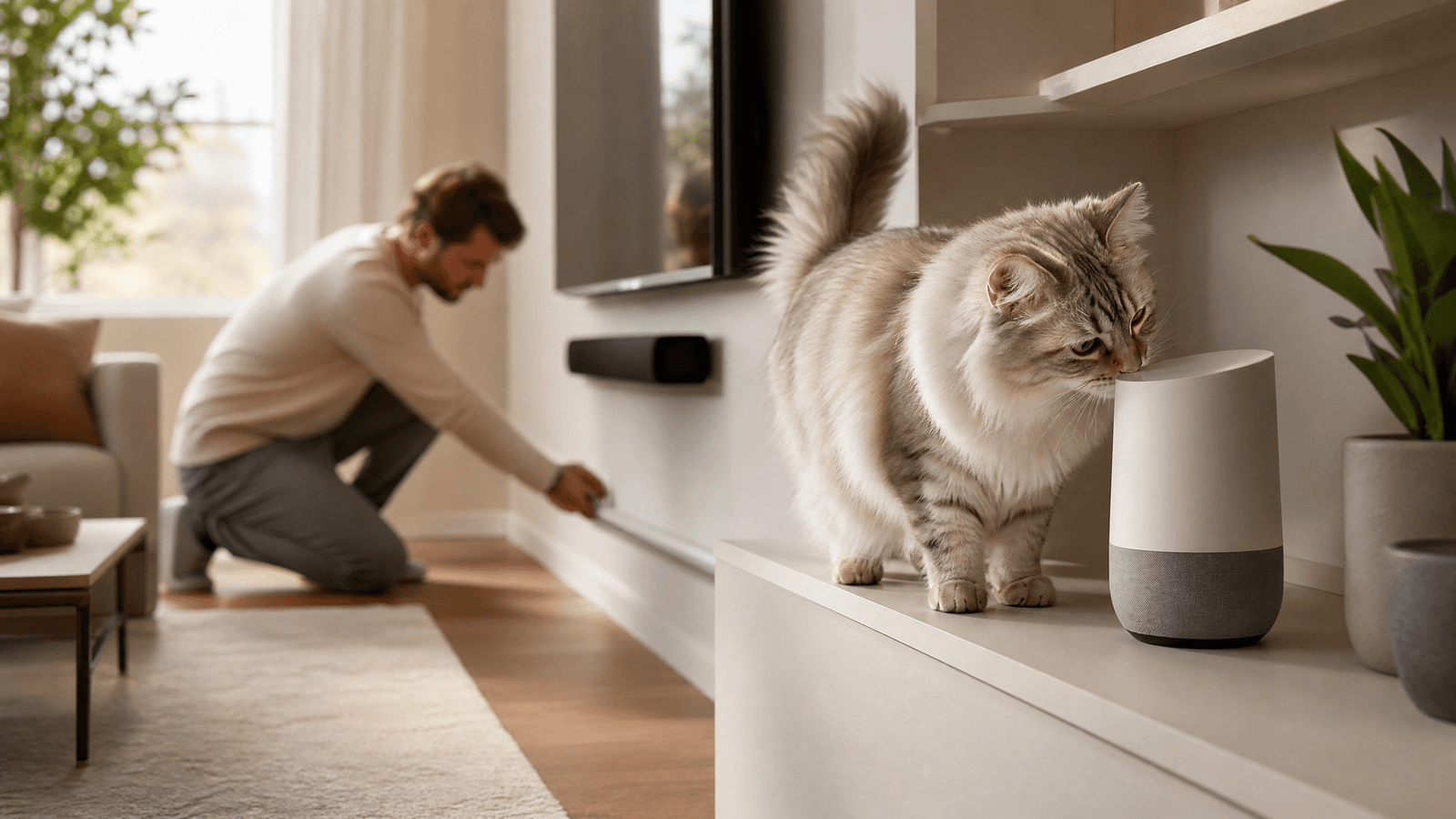
Ensure your furry friends and smart gadgets coexist peacefully with these essential pet-proofing strategies.
SmartPaws Editorial Team
Pet Tech Experts · Research-based content
This article contains affiliate links. We may earn a commission if you purchase through our links, at no extra cost to you. Our homes are increasingly filled with smart technology, from automated feeders to security cameras. While these devices enhance our lives, they can also become irresistible playthings or even hazards for our beloved pets. A chewed cable, a knocked-over camera, or a tampered feeder can lead to costly repairs, inconvenience, or worse, put your pet at risk. Pet-proofing your smart home devices is crucial for maintaining a harmonious household where both your tech and your furry friends thrive. This guide will walk you through practical steps to safeguard your smart home from playful paws and curious claws.
Exposed cables are a magnet for pets, especially puppies and kittens who love to chew. This isn't just a nuisance; it's a serious safety hazard that can lead to electric shocks, burns, or device damage. Even older pets might find dangling cords too tempting to resist. The key is to make cables inaccessible or unappealing.
Invest in cable management solutions like cord protectors, cable sleeves, or conduit. These not only hide unsightly wires but also make them chew-proof. For areas where cables must be exposed, consider bitter apple sprays or pet-safe deterrents that make chewing unpleasant without harming your pet. Elevate devices and their cords whenever possible, placing them on high shelves or mounting them to walls where pets cannot reach.
Smart pet cameras like the Furbo 360° Dog Camera are fantastic for keeping an eye on your pet, but they're often placed within reach. A playful swat or a curious sniff can send your camera tumbling, potentially damaging the device or altering its viewing angle. This defeats the purpose of having a security camera in the first place.
Mount your smart cameras securely to walls or ceilings using appropriate hardware. If wall-mounting isn't an option, place cameras on heavy, stable surfaces that are difficult for pets to dislodge. Ensure the camera's field of view isn't obstructed by pet toys or furniture that your pet might move. Some cameras, like the Furbo, are designed with a sturdy base, but even these can be knocked over by a determined large dog.
Cameras & Monitoring
See, talk, and toss treats to your dog from anywhere.
Allows you to monitor, talk to, and toss treats to your pet from anywhere, with a durable design that can withstand some pet interaction.
Smart pet feeders are a game-changer for consistent meal times, but some clever pets can figure out how to access extra food or even knock the feeder over. This can lead to overeating, missed meals, or a messy floor. It's essential to ensure your pet's food source remains secure and reliable.
Look for smart feeders with secure lids and sturdy bases that are difficult for pets to open or tip over. Place the feeder in a corner or against a wall to minimize the chances of it being knocked. For particularly food-motivated pets, consider feeders that dispense food only when a microchip or RFID tag is detected, preventing other pets from stealing meals. Training your pet to respect the feeder and wait patiently for food can also be highly effective.

Smart Feeding
Reliable Wi-Fi feeding for cats. Precision portions, every time.
Offers reliable, scheduled feeding with a pet-proof design and optional slow-feed mode to prevent gulping.
Beyond cameras and feeders, many other smart devices populate our homes. Smart plugs, robot vacuums, and smart thermostats can also be affected by pets. Robot vacuums, for instance, can get tangled in pet waste or chew on charging cables. Smart plugs might be accidentally turned off by a curious paw. Always consider your pet's behavior when introducing new tech.
When setting up any new smart device, take a moment to consider how your pet might interact with it. Can they reach it? Is it stable? Are there any small, detachable parts they could swallow? Store remote controls and small accessories out of reach. For robot vacuums, ensure the area is clear of potential hazards before running them, especially if your pet is prone to accidents. Consistent training and supervision are your best tools for ensuring a pet-friendly smart home.
Creating a pet-proof smart home is an ongoing process that requires vigilance and proactive measures. By securing cables, strategically placing cameras, and choosing tamper-resistant feeders, you can protect your valuable technology and, more importantly, ensure the safety and well-being of your beloved pets. A little planning goes a long way in fostering a harmonious environment where both your smart devices and your furry companions can coexist happily. For more tips on integrating tech with pet care, explore our other articles like [Smart Home Devices for Pet Owners](/articles/smart-home-devices-for-pet-owners-2026).
Keep reading
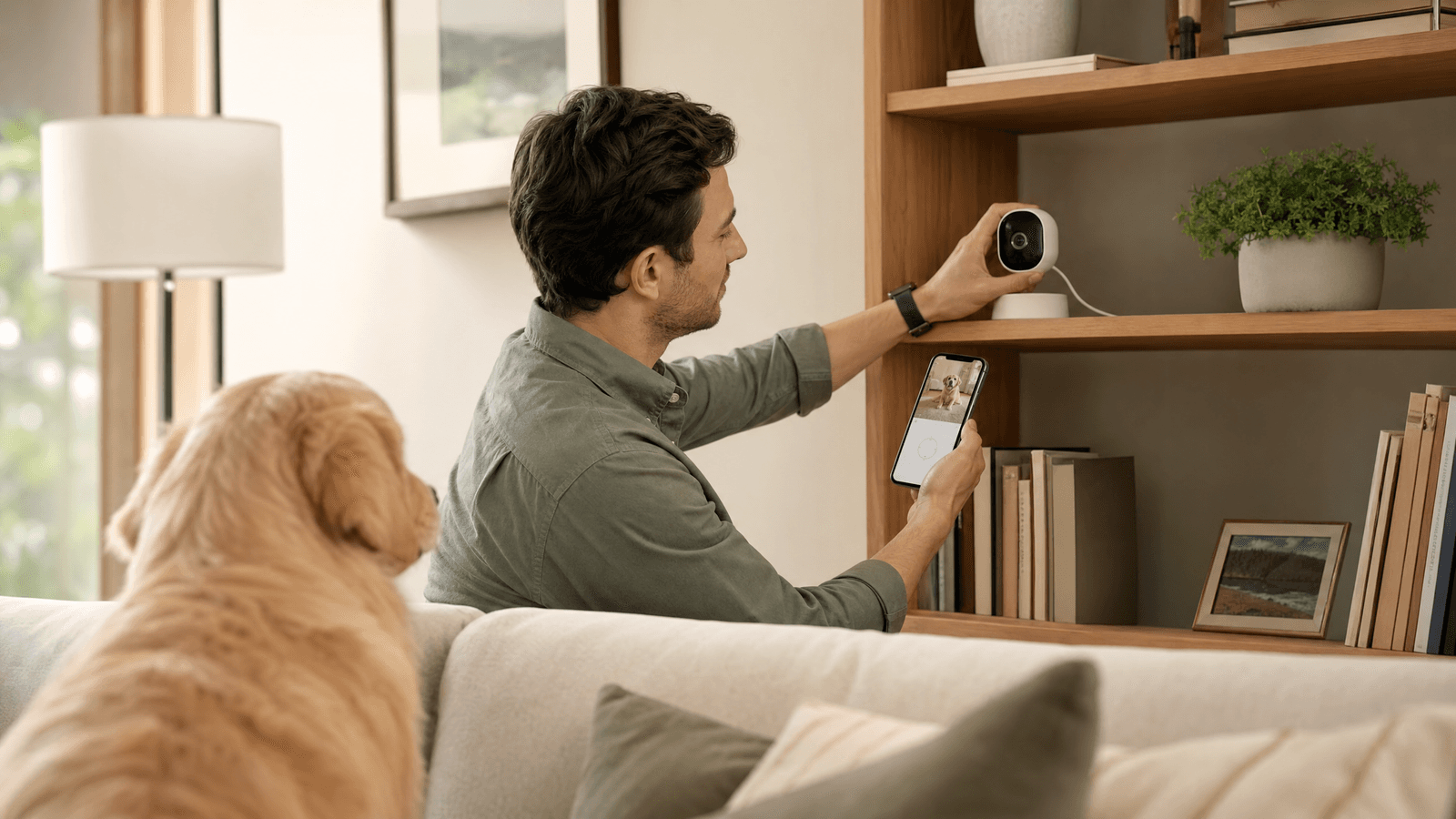
Setting up a pet camera can provide peace of mind and endless entertainment, allowing you to monitor your pets from anywhere. This guide walks you through every step, from choosing the right spot to securing your network and maximizing video quality. Discover how to create a safe and engaging environment for your beloved companions.
Read guide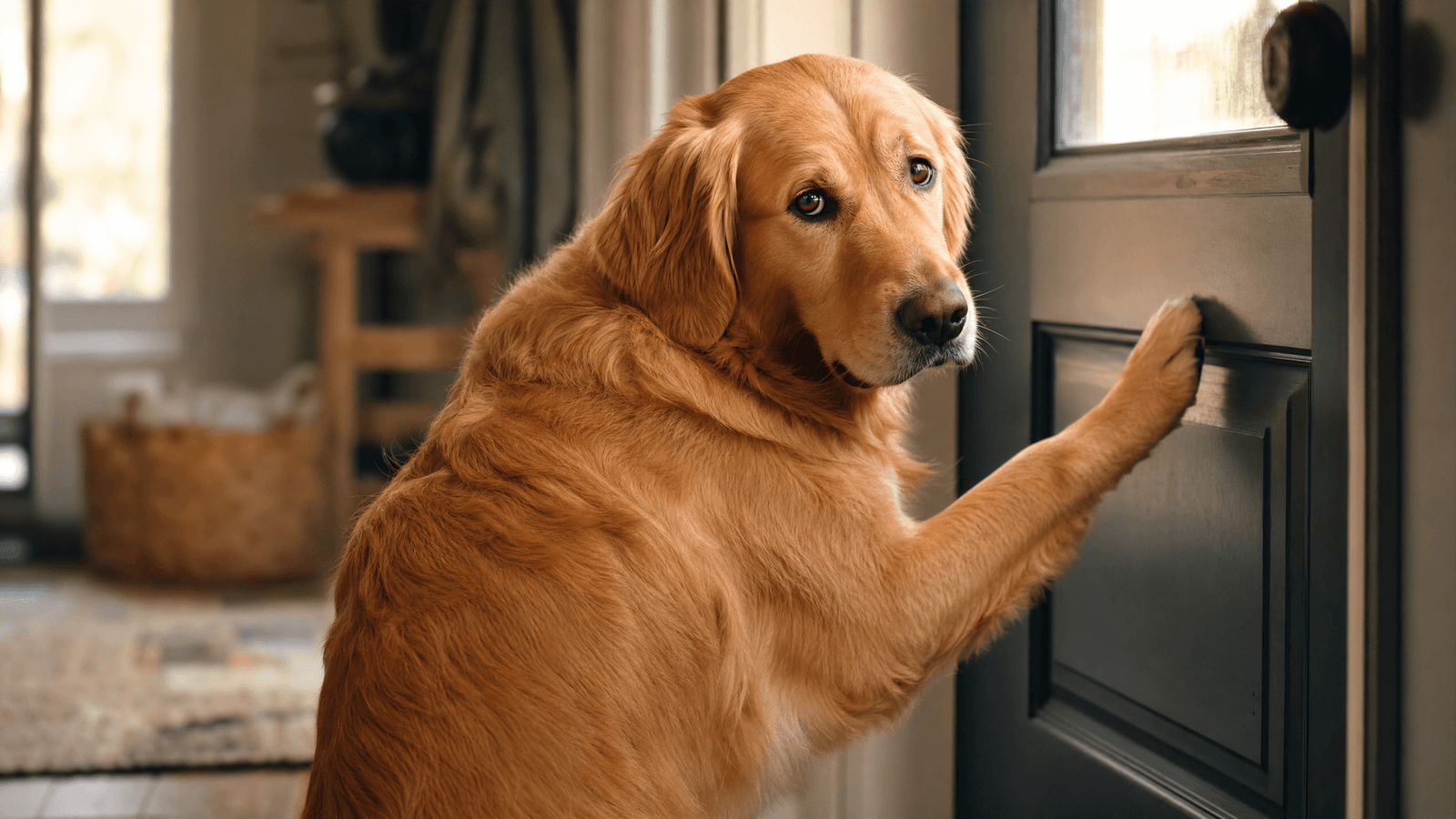
Separation anxiety is a common yet distressing condition for many dogs and their owners. Understanding the signs is the first step towards providing comfort and effective solutions. This guide will help you identify the symptoms and explore practical steps, including tech aids and training, to alleviate your dog's distress.
Read guide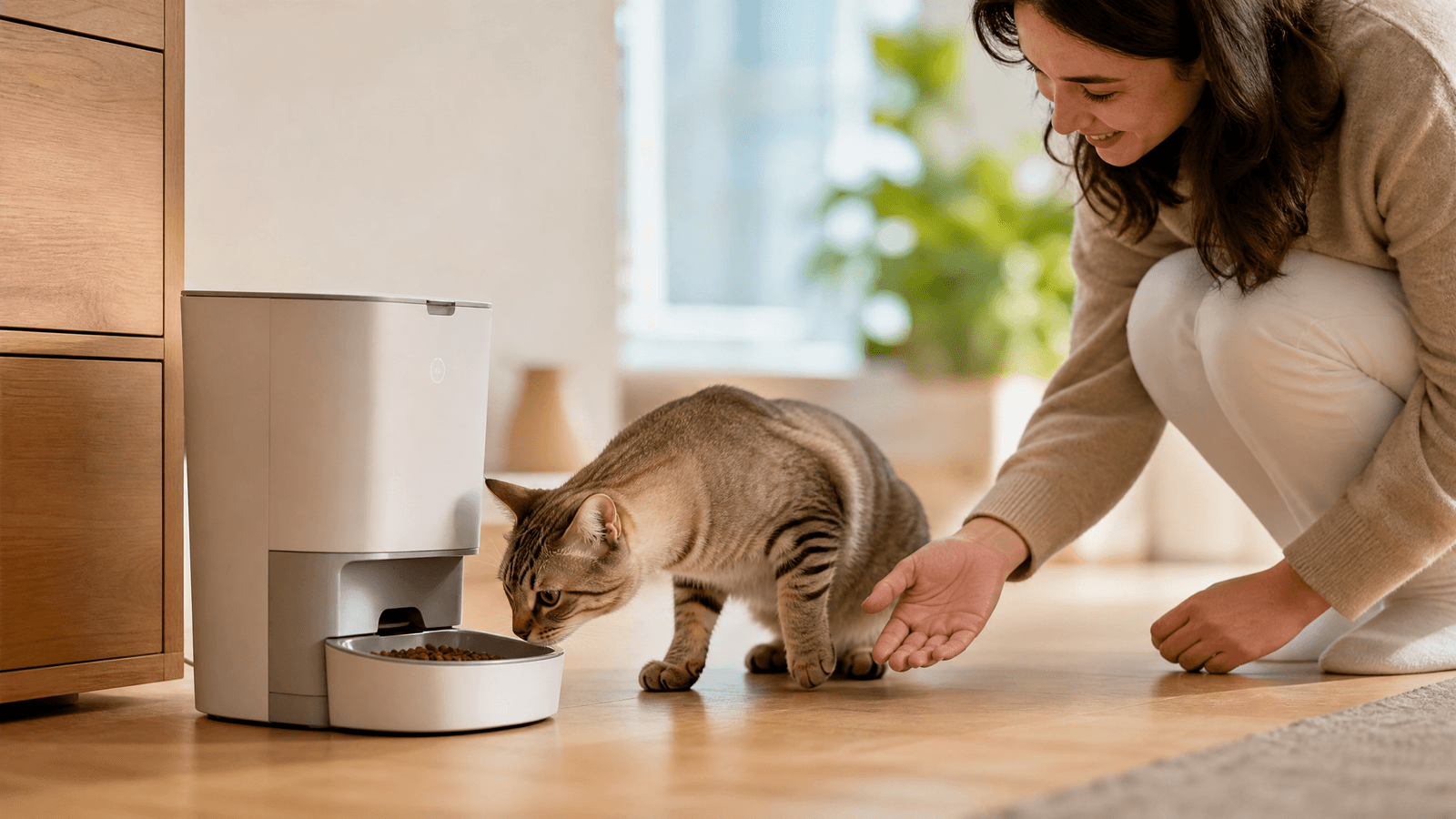
Automatic feeders offer convenience and consistent meal times, but introducing them to a cat requires a gentle, step-by-step strategy. Learn how to make the transition stress-free for your feline companion and avoid common pitfalls.
Read guide