
Best fordogs who need real-time tracking all day
Top Rated
App Connected
GPS & Tracking
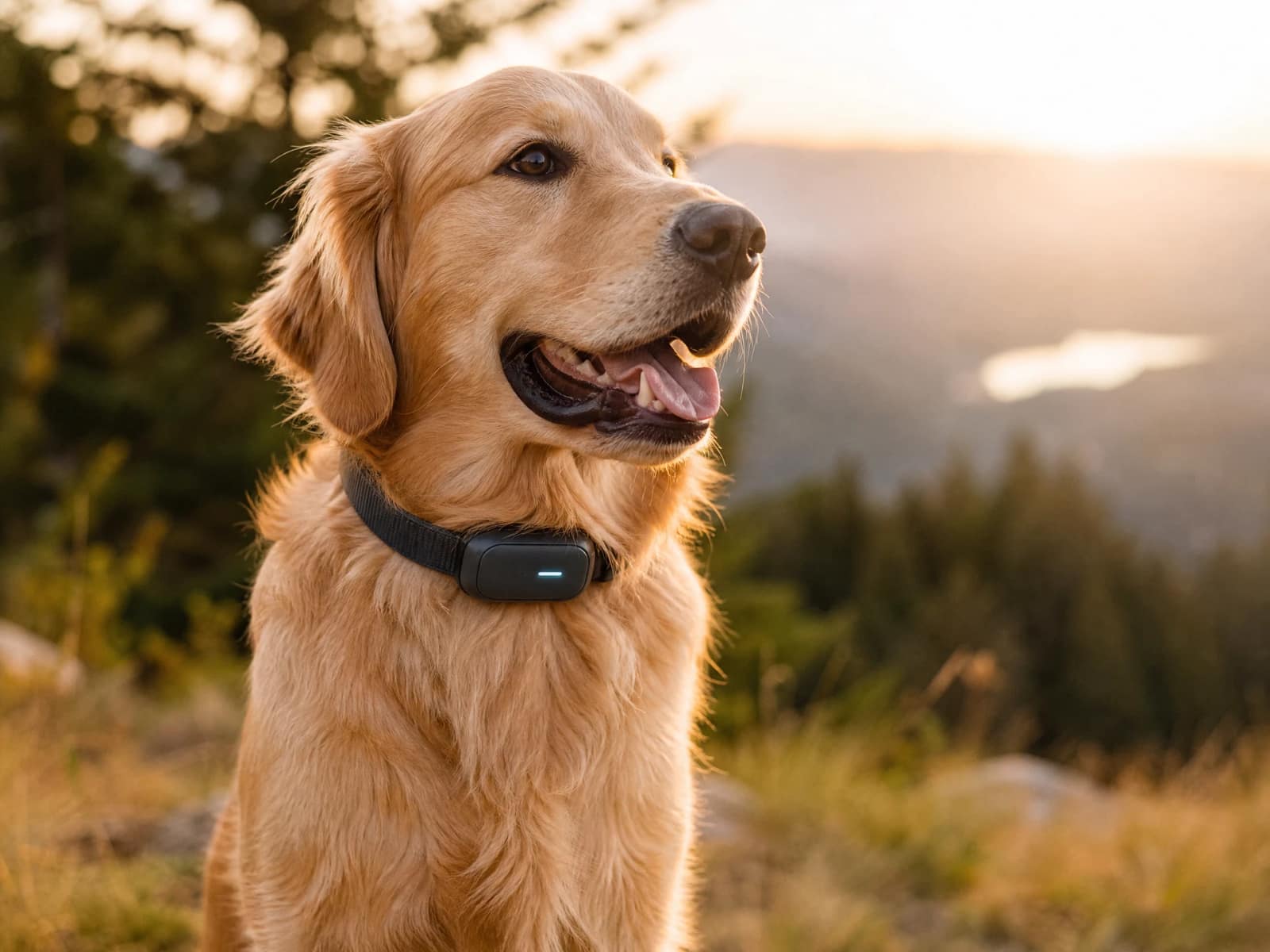
Fi Series 3+ Smart GPS Dog Collar
The most accurate GPS dog collar. Built to last.
4.6 · 4.8K reviews
8.2SmartPaws Score
How?Typically$99–$149In Stock
SmartPawsGuides, comparisons & trusted resources — Guides & trusted resources — always independent.
By John Choi · SmartPaws author
No smart collar can weigh your dog. Here is how to pair a simple weight log with activity trackers and smart feeders to catch changes in an older dog early, and when to call your veterinarian.
General Education Only
This article is for general educational purposes and does not constitute veterinary advice. Every pet is different — consult your veterinarian before making changes to your pet's diet, health routine, or supplement regimen. If your pet shows signs of illness, contact a licensed veterinarian promptly.
This article contains affiliate links. We may earn a commission if you purchase through our links, at no extra cost to you.
Gradual weight loss is easy to miss in an older dog. You see your dog every day, so a pound or two lost over several months rarely registers until a groomer, a friend, or your veterinarian points it out. Many owners search for a senior dog weight loss tracker hoping a smart collar will flag the change for them. The honest answer is more nuanced. Smart collars and feeders are useful early-warning tools, but none of them weighs your dog. This guide explains what each type of device actually measures, how to combine it with a simple weight log, and which changes should prompt a call to your veterinarian. It is general education, not veterinary advice.
GPS collars and activity trackers measure movement, and some measure sleep, behavior, or resting vital signs. None of the mainstream collars, including Fi and Tractive, records body weight. What they can do is show changes that often travel with weight loss: less activity, more restless sleep, changes in eating or drinking behavior, or shifts in resting heart or breathing rate. Treat those signals as prompts to weigh your dog and look more closely, not as a diagnosis. Tractive itself states that it is not a medical device and is not intended to diagnose health conditions.
VCA Animal Hospitals describes weight loss as clinically significant when a dog loses more than 10% of its normal body weight and the loss is not explained by fluid loss or dehydration. For a 50 lb dog, that is 5 lb. For a 12 lb dog, it is just over a pound, which is hard to see by eye. VCA also advises contacting your veterinarian about any unintentional weight loss, especially if it happens quickly. Veterinary sources, including PetMD, list red flags that make a visit more urgent: vomiting, diarrhea, lethargy, increased thirst or urination, difficulty chewing, or breathing changes. Weight loss in an older dog can have many causes, including dental pain, kidney, liver, or heart disease, diabetes, and cancer, which is why a veterinarian, not an app, should identify the cause.
The most reliable senior weight tracker is a scale plus a written or digital log. Weigh your dog at the same time of day, ideally before a meal, every two to four weeks, and more often if your veterinarian asks. Small dogs can be weighed with a household scale by weighing yourself, then weighing yourself holding the dog, and subtracting the difference. Larger dogs are easier to weigh at a veterinary clinic, where many practices let owners use the lobby scale between visits.
Add a body condition check to each weigh-in. The WSAVA body condition score uses a 9-point scale on which 4 and 5 are ideal, based on how easily you can feel the ribs, whether the waist is visible from above, and whether the belly tucks up from the side. WSAVA also publishes a separate muscle condition score, which matters for seniors because a dog can lose muscle over the spine, shoulders, and hips even while its weight or fat cover looks normal. Your veterinarian can show you how to score both at your next visit. For broader care routines, see our senior dog care guide.
Fi says the Series 3+ detects steps, sleep, barking, licking, scratching, eating, and drinking, and tracks them against your dog's own history. For a senior dog, the most useful signals are a steady decline in daily activity, restless sleep, and changes in detected eating or drinking behavior. None of those confirms weight loss, but a sustained change is a good reason to step on the scale and update your log.
GPS & Tracking
The most accurate GPS dog collar. Built to last.
Useful for senior dogs because it combines GPS with long battery life and per-dog activity, sleep, and behavior trends, including detected eating and drinking, which can prompt an earlier weigh-in.
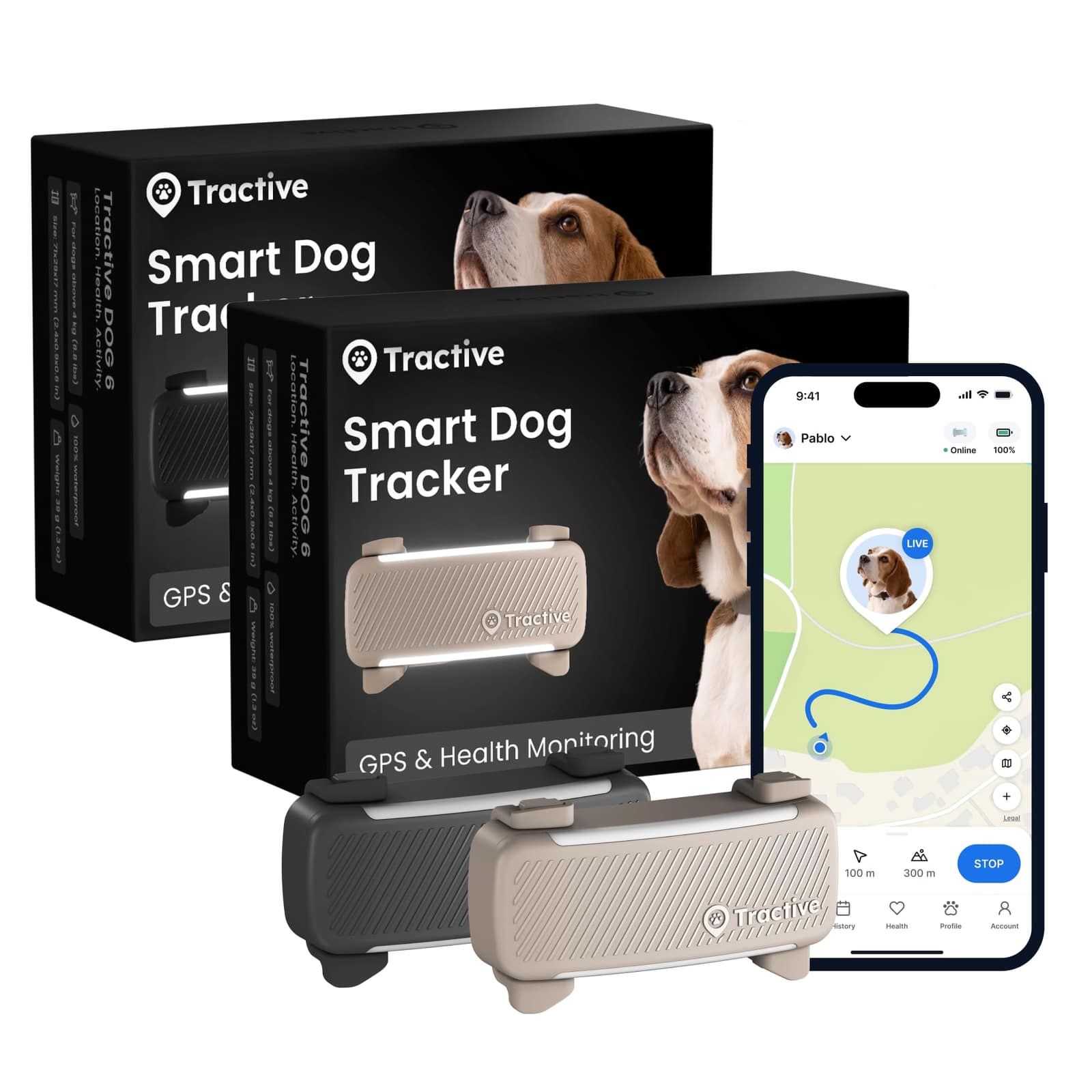
Tractive's health monitoring on supported trackers, including the DOG 6, covers activity, sleep, resting heart rate, resting respiratory rate, scratching, and barking. Tractive says the tracker learns a baseline after being worn for about seven days, including overnight, and that longer-term health alerts need the tracker worn at least 12 hours a day, including overnight, for six weeks or more. Vital-sign monitoring requires a Premium plan. For older dogs, a rising resting breathing rate or falling activity is worth discussing with your veterinarian, alongside your weight log.
GPS & Tracking
Real-time GPS tracking every 2–3 seconds. Unlimited range, worldwide.
A lower-cost option that adds activity and sleep trends, and resting heart and breathing rates on Premium, giving you context to review alongside a monthly weight log.
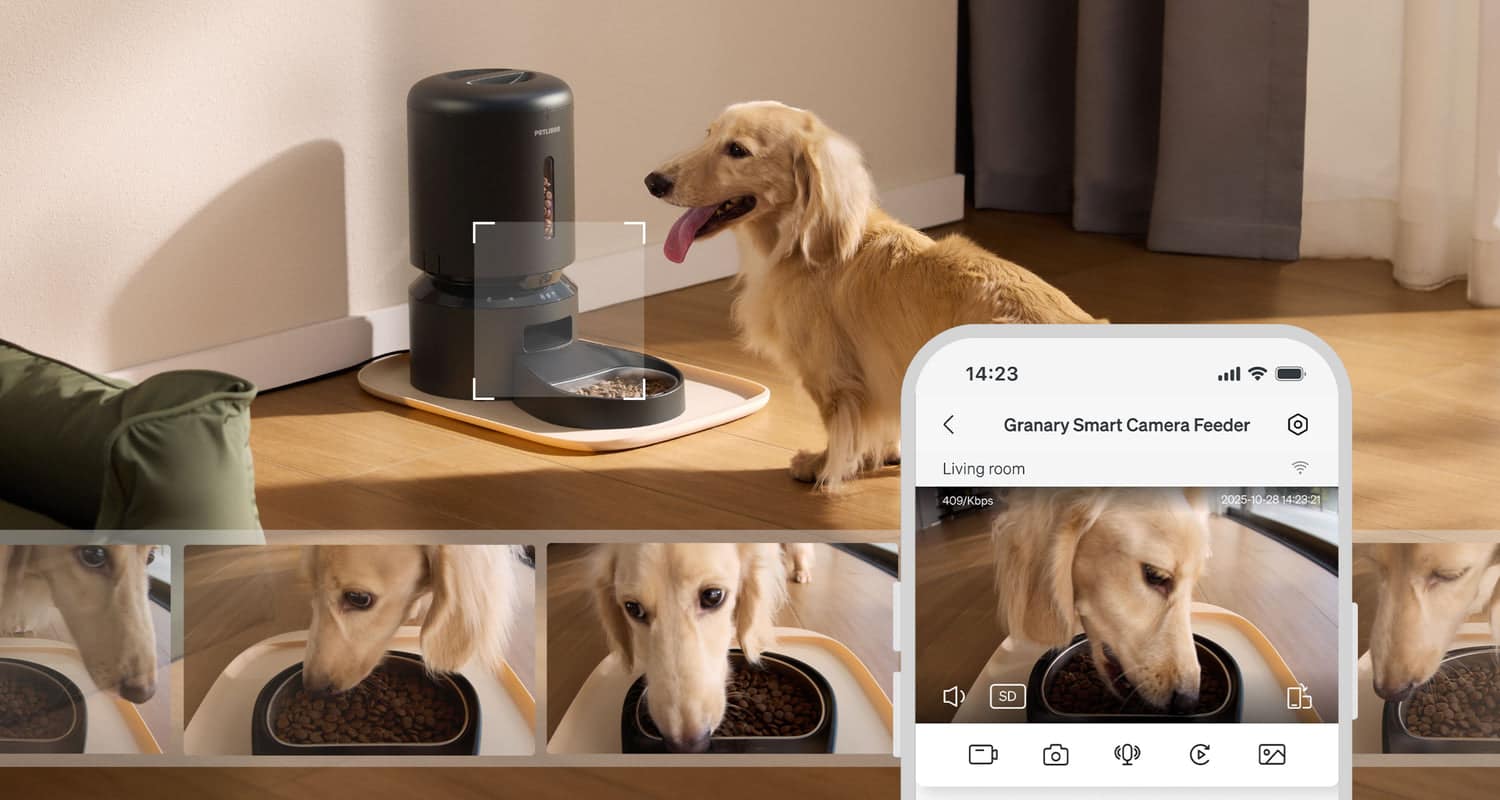
Appetite changes often come before visible weight loss, so knowing exactly how much food is offered matters. A scheduled smart feeder such as the PETLIBRO camera feeder dispenses measured portions and keeps a feeding record in its app. That record shows what was dispensed, not what your dog ate, so use the camera or check the bowl to see whether meals are finished. If your senior dog starts leaving food, eats more slowly, or drops kibble while chewing, note it in your log. Dropped kibble can be a sign of dental pain, one of the common and treatable causes of weight loss in older dogs. A feeder also keeps portions consistent, which makes a real change in weight easier to spot. Our senior dog tech guide covers other devices that support aging dogs.
Smart Feeding
Schedule your dog's meals and watch them eat — from anywhere.
Measured, scheduled portions and an app feeding record make it easier to separate a true appetite change from inconsistent portions, and the camera shows whether meals are actually eaten.
Think of your setup in three layers. The scale and body condition score are the measurement. The feeder record tells you what went in. The collar's activity, sleep, and behavior trends act as an early warning that tells you when to weigh again. Review all three once a month, and sooner if the collar app shows a sustained drop in activity or a change in eating or drinking behavior. If your dog has lost 10% of its normal weight, if loss is rapid, or if any red-flag symptoms appear, contact your veterinarian and bring your log.
Not among mainstream GPS and activity collars. Fi and Tractive track activity, sleep, and behavior or vital signs, but weight still requires a scale.
Every two to four weeks is a practical routine for most healthy senior dogs, and more often if your veterinarian is monitoring a condition. Use the same scale and the same time of day.
VCA describes loss of more than 10% of normal body weight as clinically significant, but any unintentional or rapid loss is worth a call to your veterinarian, especially with other symptoms.
Not by itself. Weather, routine changes, and normal aging all lower activity. A sustained drop is a reason to weigh your dog, check appetite, and talk with your veterinarian if anything else has changed.
No smart collar will weigh your senior dog, but the right combination of tools makes weight loss much harder to miss. A regular weigh-in and body condition check provide the measurement. A smart feeder keeps portions consistent and shows whether meals are being eaten. An activity tracker such as the Fi Series 3+ or Tractive flags changes in movement, sleep, and behavior between weigh-ins. Keep a simple monthly log, bring it to every vet visit, and treat unexplained or rapid weight loss as a reason to see your veterinarian promptly.
Keep reading
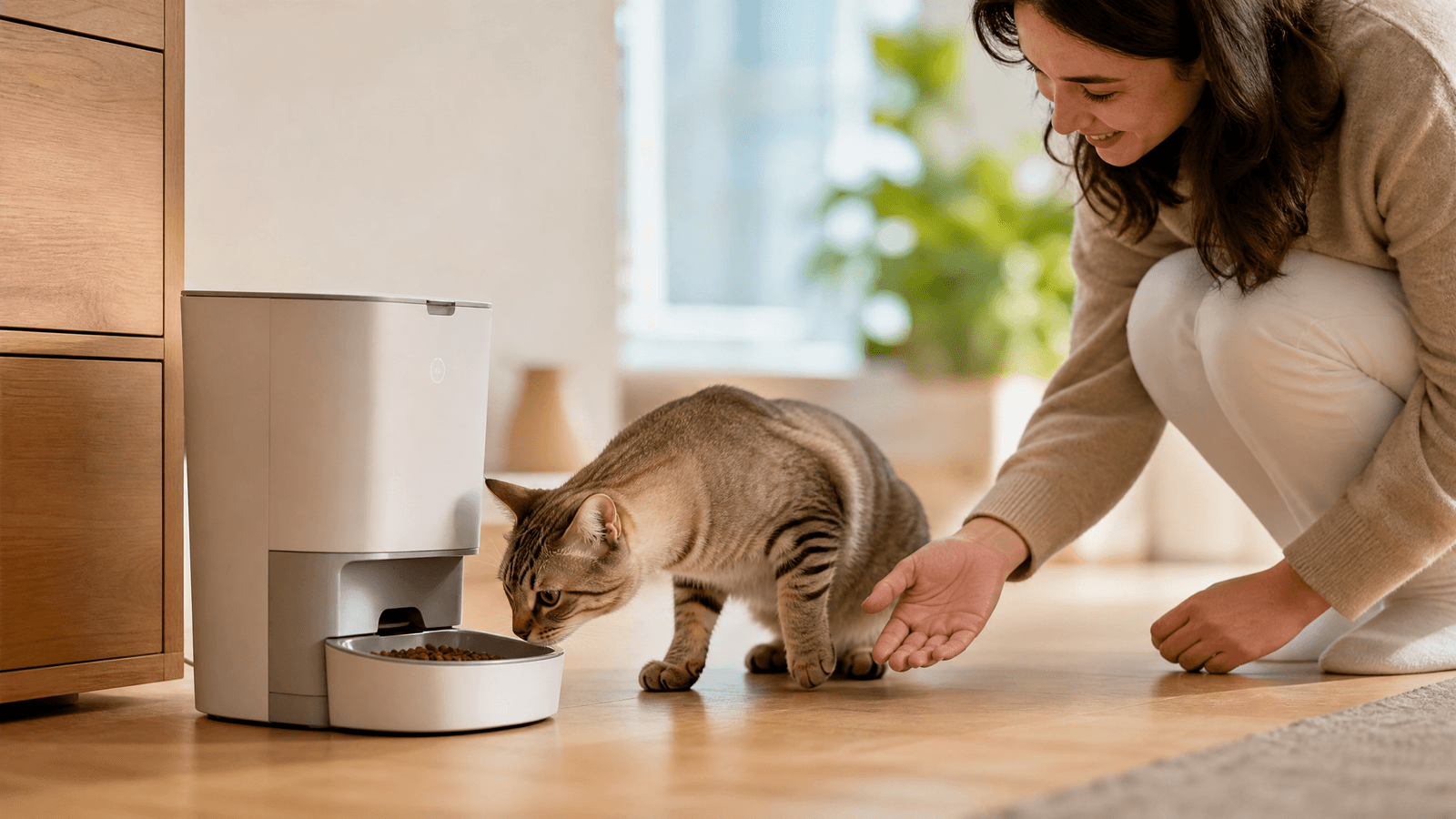
Automatic feeders offer convenience and consistent meal times, but introducing them to a cat requires a gentle, step-by-step strategy. Learn how to make the transition stress-free for your feline companion and avoid common pitfalls.
Read guide
Monitoring your pet's health at home has never been easier, thanks to advancements in smart pet technology. From subtle changes in behavior to shifts in eating habits, these devices provide invaluable data that can alert you to potential problems before they become serious. Discover how pet cameras, smart feeders, and GPS trackers can empower you to be a proactive guardian of your furry friend's health.
Read guide
Separation anxiety is a common yet distressing condition for many dogs and their owners. Understanding the signs is the first step towards providing comfort and effective solutions. This guide will help you identify the symptoms and explore practical steps, including tech aids and training, to alleviate your dog's distress.
Read guide