
Best forchecking in on your dog while away
50K+ Reviews
App Connected
Cameras & Monitoring
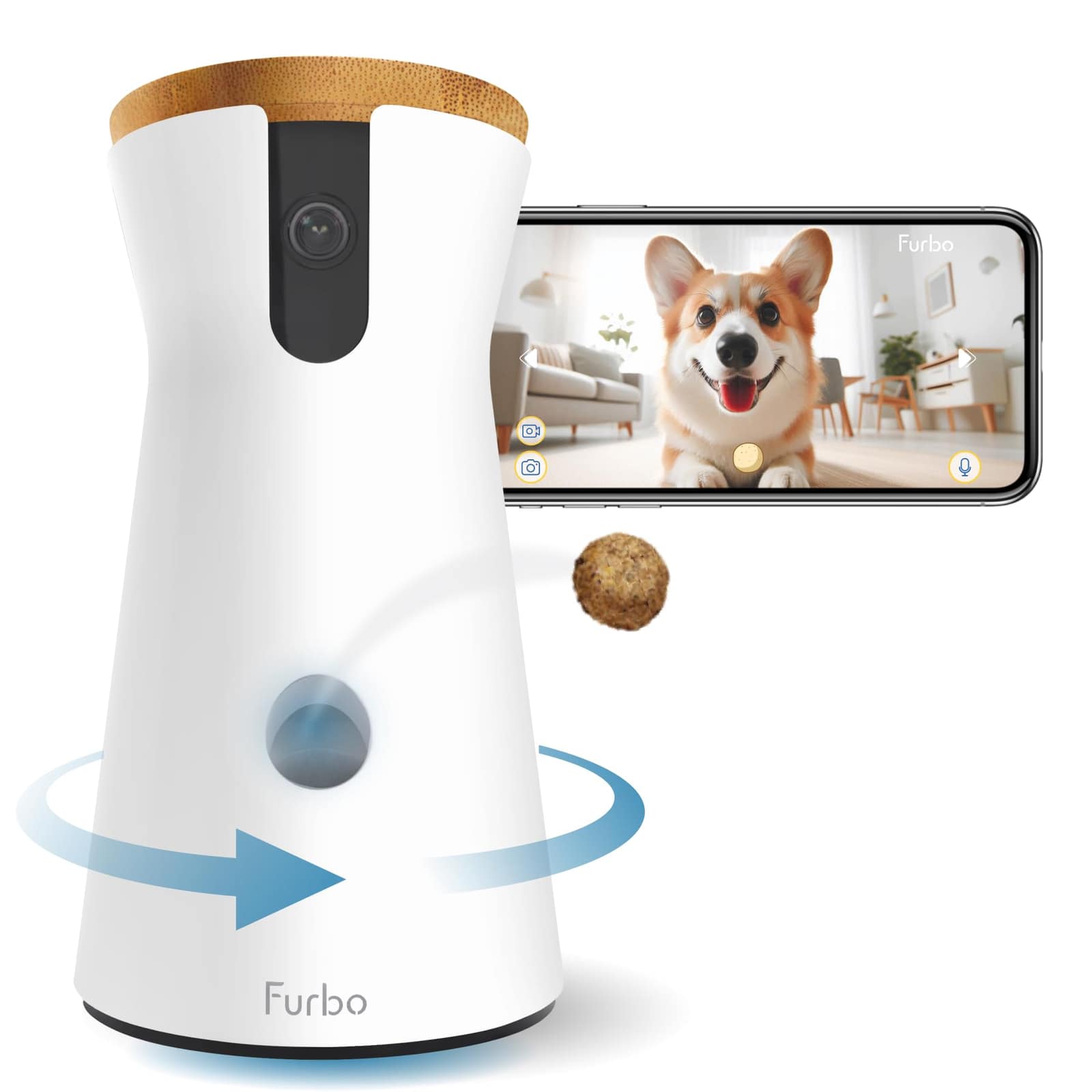
Furbo 360° Dog Camera
See, talk, and toss treats to your dog from anywhere.
4.3 · 50K reviews
8.2SmartPaws Score
How?Typically$69–$210In Stock
SmartPawsGuides, comparisons & trusted resources — Guides & trusted resources — always independent.
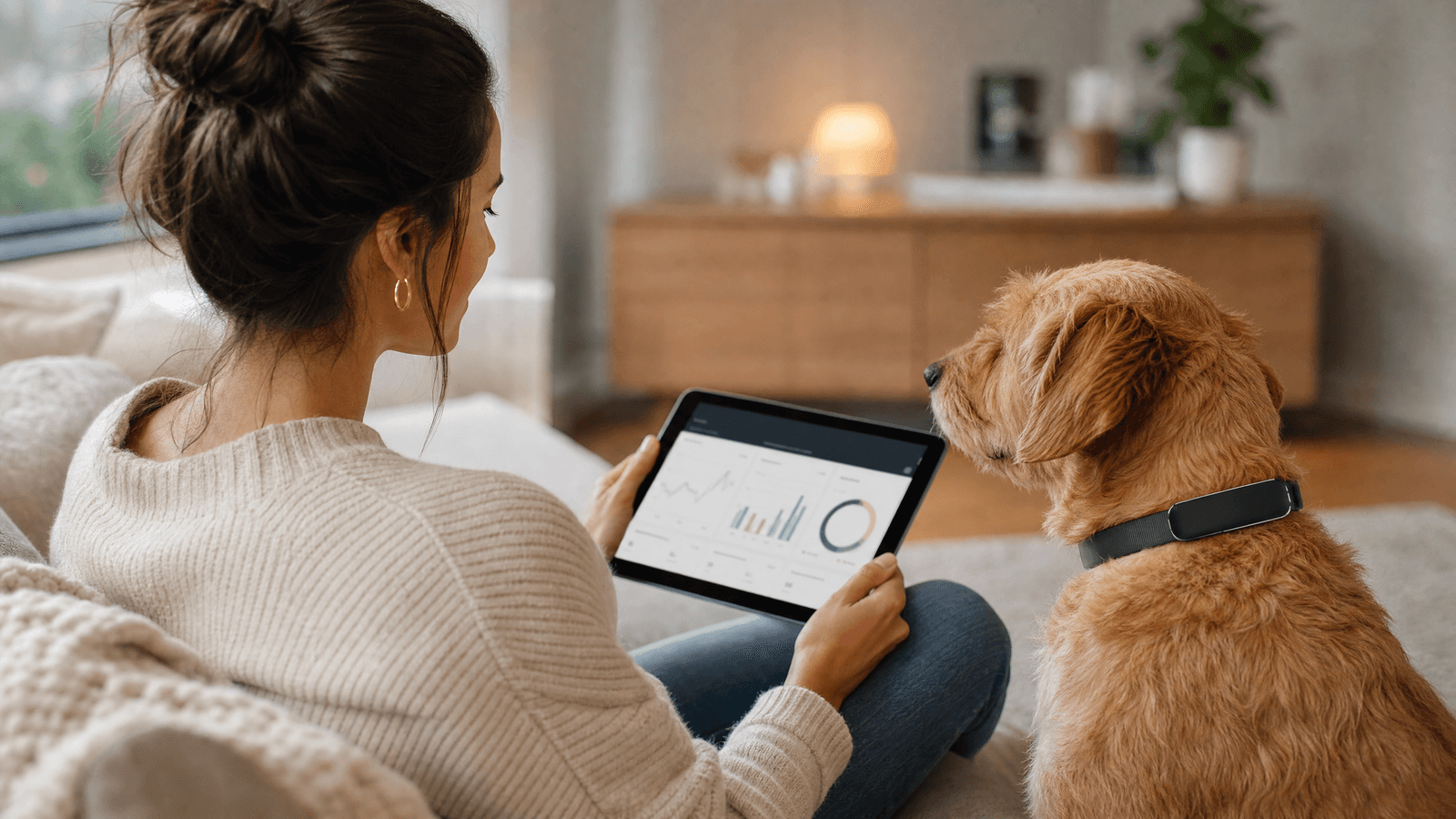
Leverage the power of smart pet cameras, automated feeders, and GPS trackers to gain insights into your pet's well-being and detect potential health issues early.
General Education Only
This article is for general educational purposes and does not constitute veterinary advice. Every pet is different — consult your veterinarian before making changes to your pet's diet, health routine, or supplement regimen. If your pet shows signs of illness, contact a licensed veterinarian promptly.
SmartPaws Editorial Team
Pet Tech Experts · Research-based content
This article contains affiliate links. We may earn a commission if you purchase through our links, at no extra cost to you. As pet parents, we constantly strive to ensure our furry companions live long, healthy, and happy lives. However, pets can't always tell us when something is wrong. This is where smart pet technology steps in, offering innovative ways to monitor their health and behavior from the comfort of your home. By integrating devices like pet cameras, automated feeders, and GPS trackers into your daily routine, you can gain crucial insights that help you spot potential health issues early, often before they become critical. This guide will explore how these smart gadgets can transform your approach to pet wellness, turning you into a proactive health detective for your beloved animal.
Pet cameras have evolved far beyond simple surveillance. Modern pet cameras offer two-way audio, treat dispensers, and even AI-powered alerts that notify you of specific behaviors like excessive barking, pacing, or unusual activity. These features are invaluable for observing your pet's daily habits and detecting deviations that might signal stress, anxiety, or physical discomfort. For instance, a sudden increase in lethargy, restless pacing, or changes in sleeping patterns observed through a camera could indicate pain or illness. Similarly, if your pet is constantly licking a particular spot, it might point to an irritation or injury. Regular review of camera footage, especially if you're away for extended periods, can provide a baseline of normal behavior, making anomalies easier to spot. Some advanced cameras even offer activity summaries, helping you track overall energy levels over time.
Cameras & Monitoring
See, talk, and toss treats to your dog from anywhere.
Offers 360° rotating view, treat tossing, two-way audio, and barking alerts, making it ideal for comprehensive behavioral monitoring and interaction.
Changes in appetite or eating habits are often among the first indicators of a health problem in pets. Smart pet feeders go beyond simply dispensing food; they allow you to precisely control portion sizes, set feeding schedules, and, most importantly, monitor your pet's consumption patterns. Many models connect to an app, providing data on when and how much your pet eats. If your pet suddenly starts eating less, refuses meals, or, conversely, shows an insatiable appetite, these are red flags. A smart feeder's logs can provide concrete data to share with your veterinarian, helping them diagnose issues like dental problems, digestive upset, diabetes, or hyperthyroidism. Some feeders even have slow-feed options to prevent bloat or overeating, contributing to better digestive health. For more on choosing the right feeder, see our [Smart Pet Feeder Buying Guide](/articles/best-smart-pet-feeders-2026).
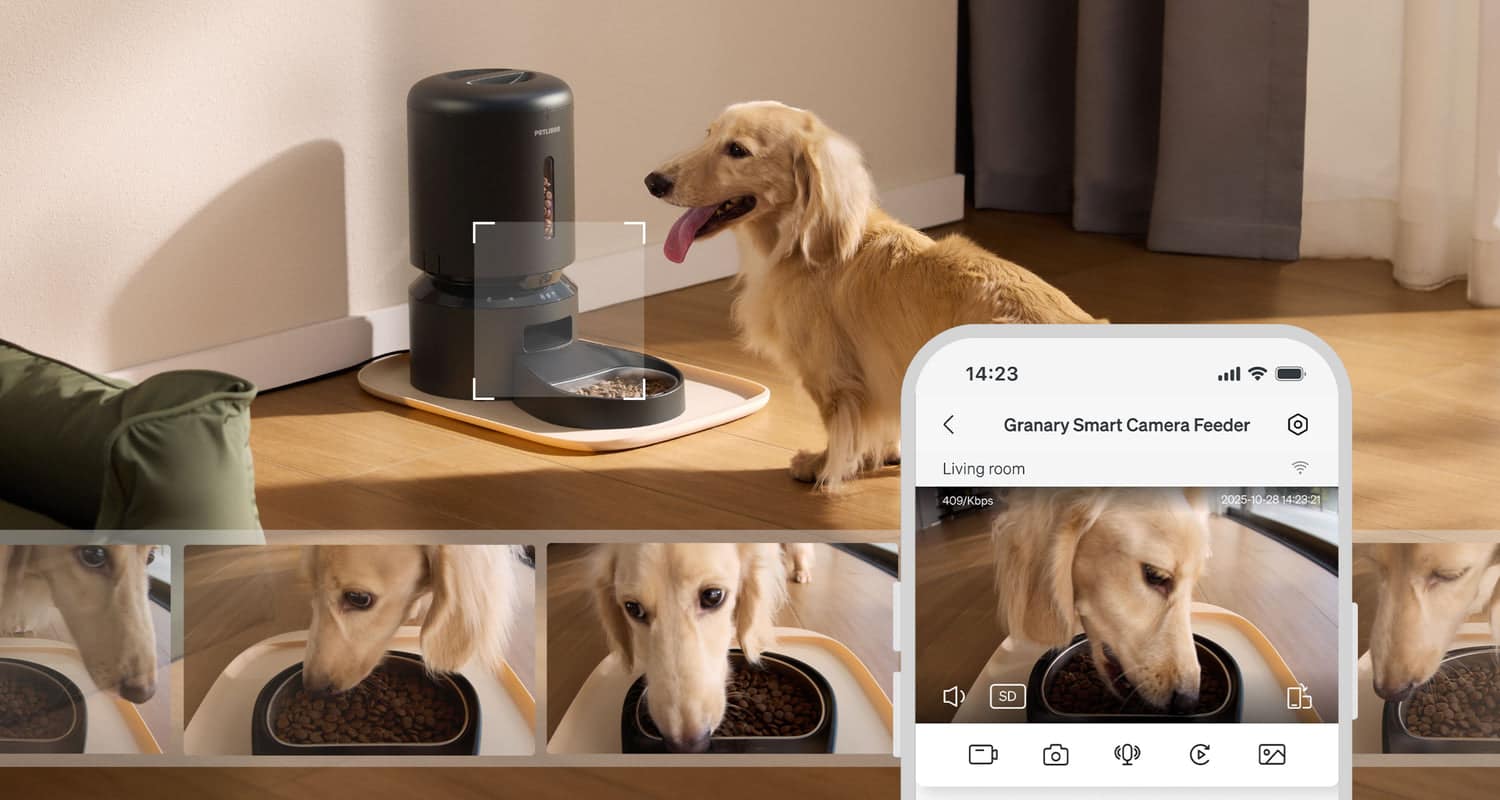
Smart Feeding
Schedule your dog's meals and watch them eat — from anywhere.
Reliable automatic feeding with portion control, scheduling, and feeding reports via app, ensuring consistent dietary monitoring.
While primarily known for preventing pets from getting lost, GPS trackers for pets also offer significant health monitoring capabilities, particularly regarding activity levels. Many modern GPS collars include activity monitoring features that track steps, distance, and even sleep patterns. This data can be crucial for understanding your pet's overall energy and fitness. A sudden drop in activity could signal pain, arthritis, or a systemic illness. Conversely, an unusual increase in restlessness might indicate anxiety or discomfort. By setting daily activity goals and reviewing historical data, you can identify trends and notice when your pet's routine changes. This information, combined with observations from cameras and feeders, paints a comprehensive picture of your pet's health. For a deeper dive into these devices, check out our [GPS Tracker Buying Guide](/articles/best-gps-trackers-dogs-2026).
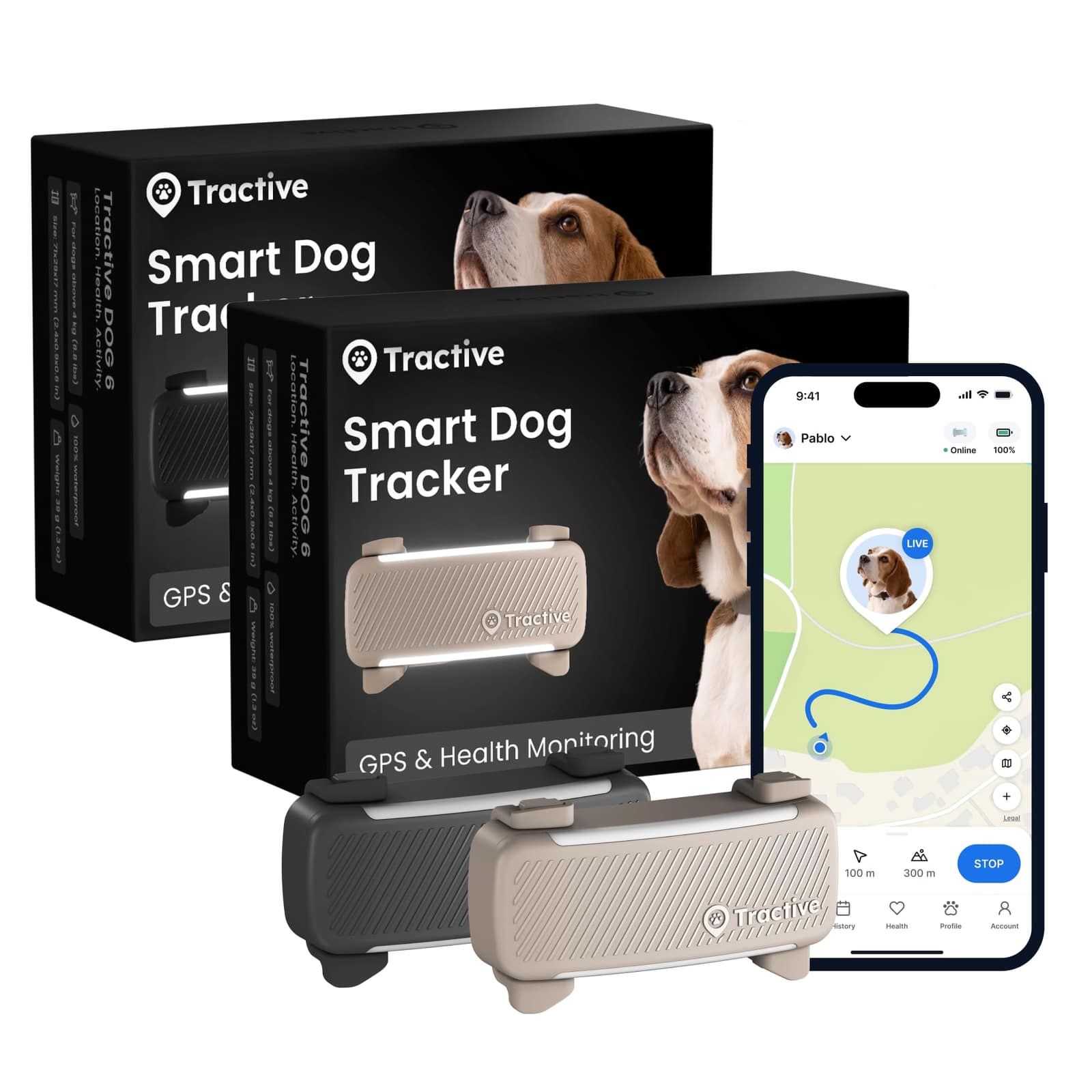
GPS & Tracking
Real-time GPS tracking every 2–3 seconds. Unlimited range, worldwide.
Offers real-time GPS tracking, activity monitoring, and virtual fence features, providing peace of mind and health insights.
Smart pet technology offers an unprecedented opportunity for pet owners to take a proactive role in their animal's health. By utilizing pet cameras to observe behavior, smart feeders to track dietary intake, and GPS trackers to monitor activity, you can create a comprehensive home health monitoring system. These tools not only provide peace of mind but also equip you with vital data to share with your vet, ensuring your beloved companion receives timely care. Investing in smart pet tech is an investment in your pet's long-term well-being, helping them thrive for years to come.
Keep reading
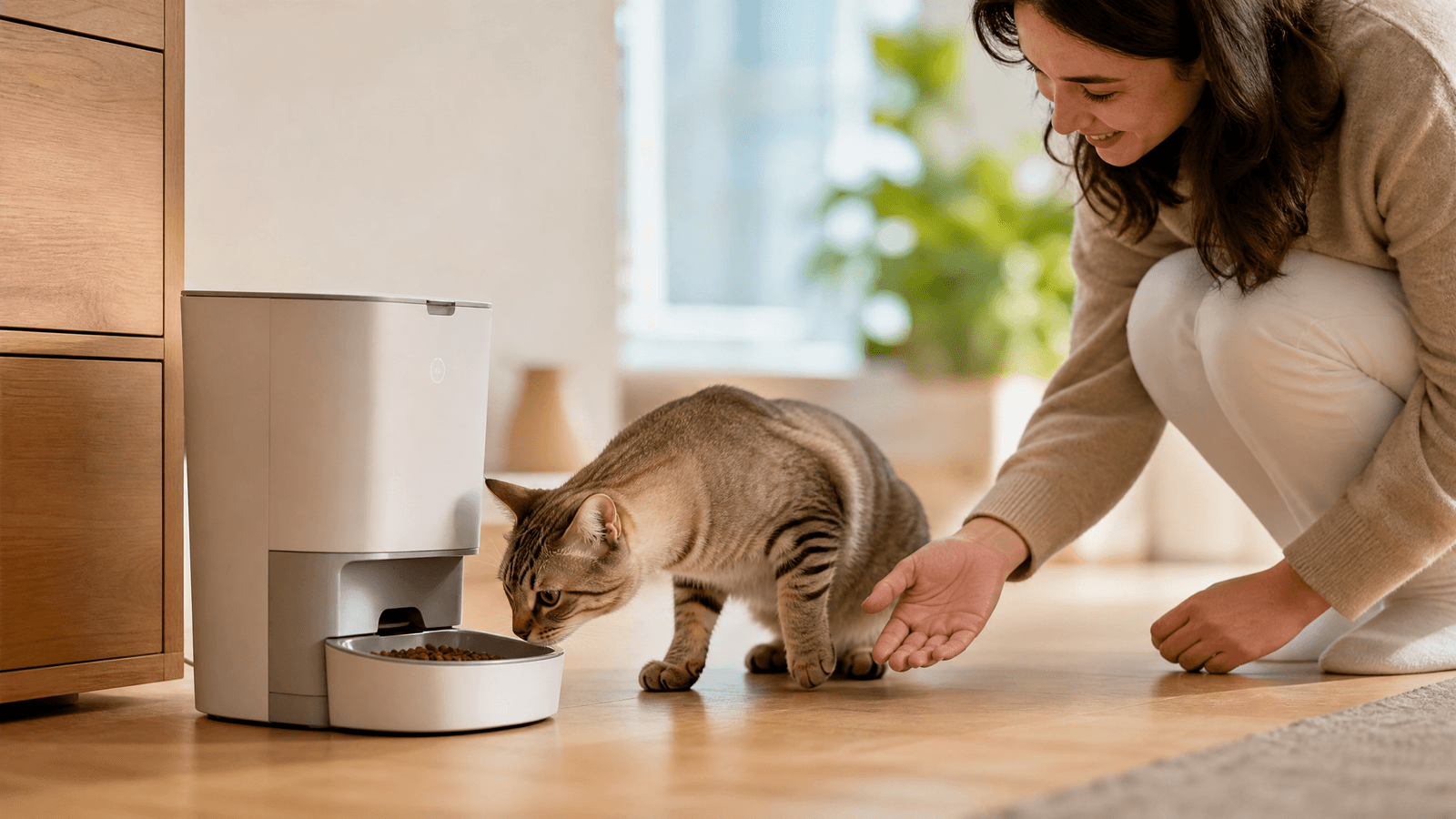
Automatic feeders offer convenience and consistent meal times, but introducing them to a cat requires a gentle, step-by-step strategy. Learn how to make the transition stress-free for your feline companion and avoid common pitfalls.
Read guide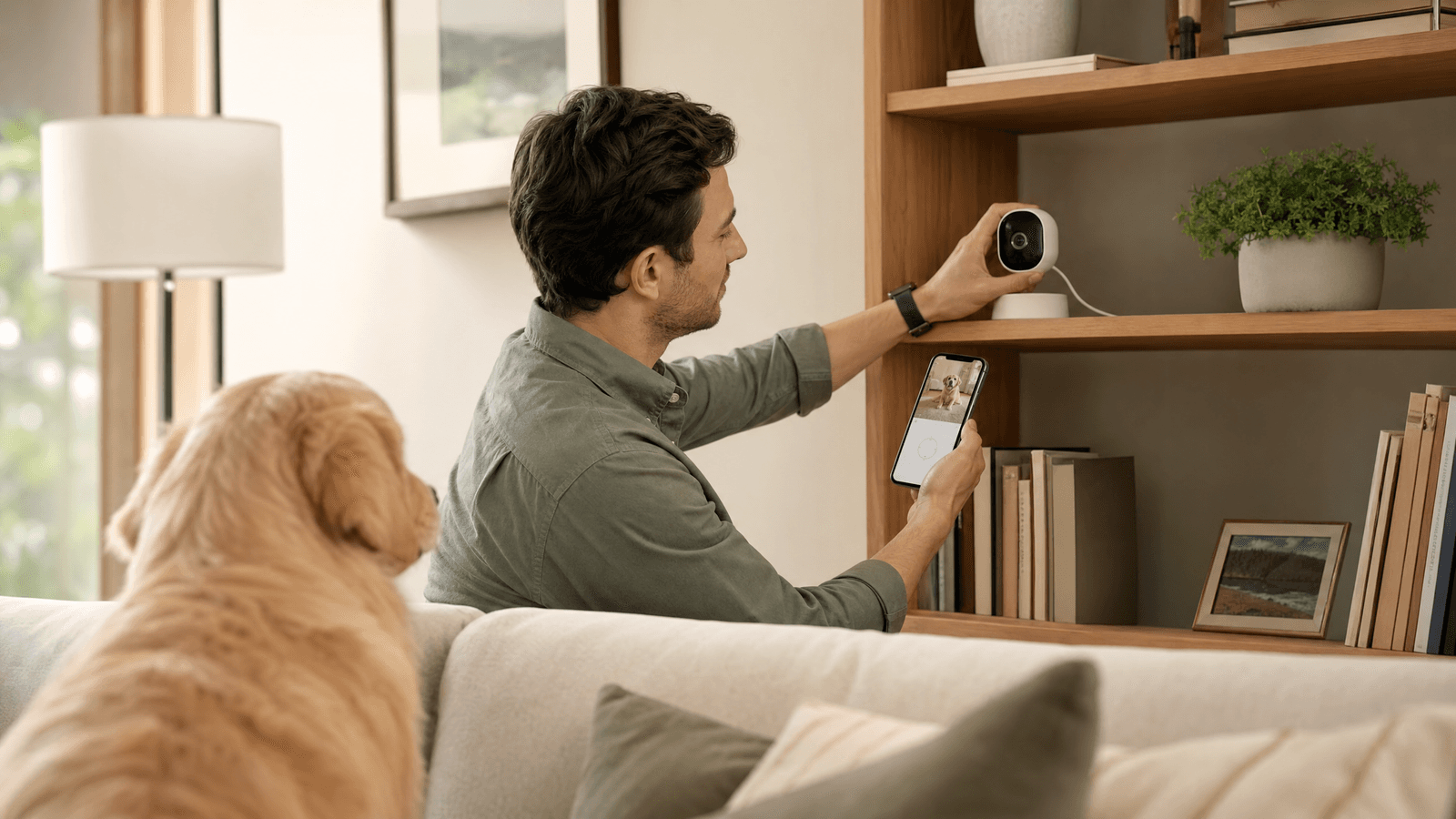
Setting up a pet camera can provide peace of mind and endless entertainment, allowing you to monitor your pets from anywhere. This guide walks you through every step, from choosing the right spot to securing your network and maximizing video quality. Discover how to create a safe and engaging environment for your beloved companions.
Read guide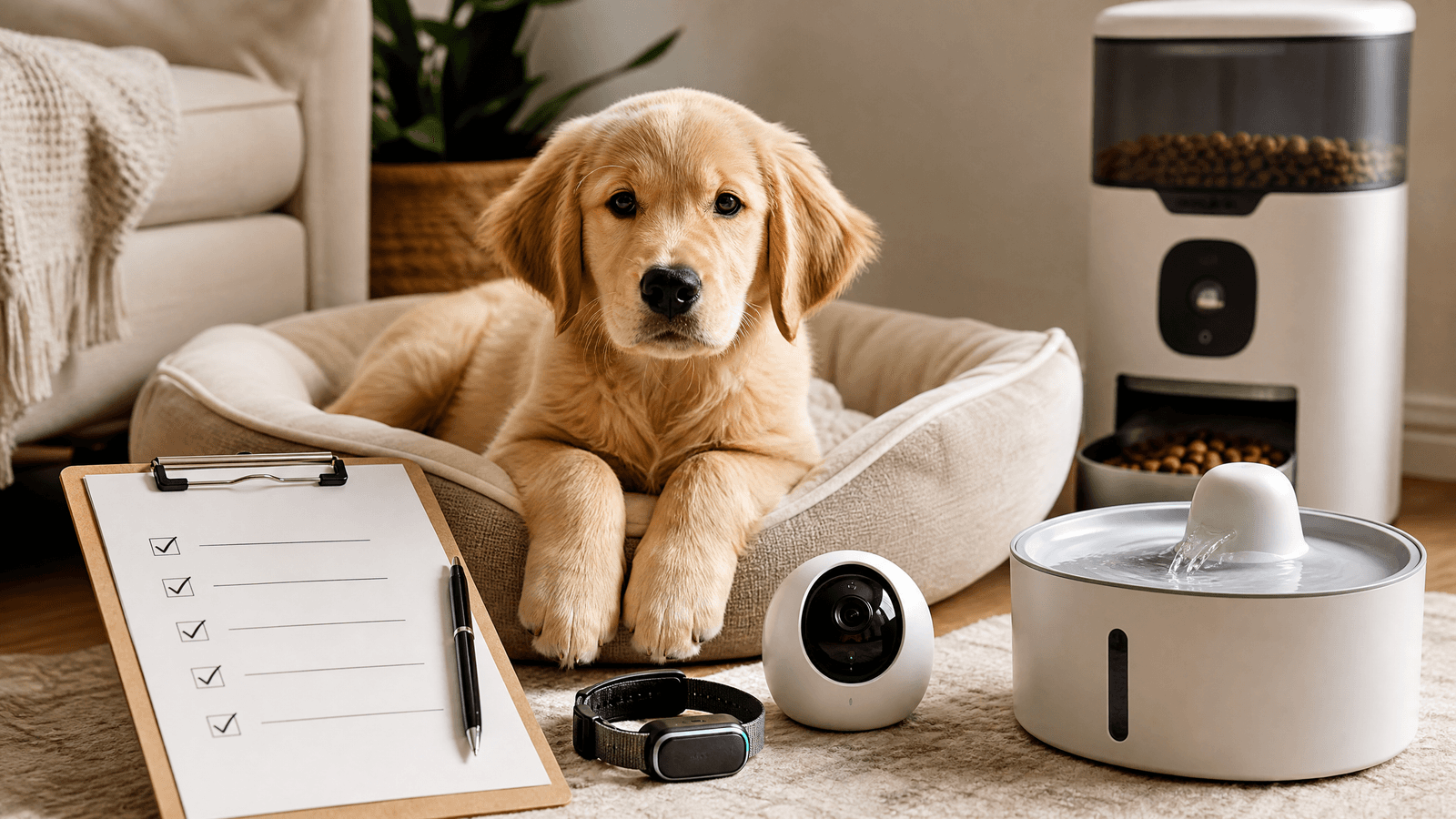
Bringing a new dog home is a joyous occasion, but it also comes with a whirlwind of responsibilities. This checklist prioritizes smart pet tech to help you establish routines, ensure safety, and build a strong bond during those crucial first 30 days.
Read guide