SmartPawsGuides, comparisons & trusted resources — Guides & trusted resources — always independent.


Senior Dog Care Guide: How to Keep Your Aging Dog Healthy and Comfortable
By John Choi · SmartPaws author
Dogs are considered senior at 7–10 years depending on size. Here's what changes, what to watch for, and how to adapt their care.
General Education Only
This article is for general educational purposes and does not constitute veterinary advice. Every pet is different — consult your veterinarian before making changes to your pet's diet, health routine, or supplement regimen. If your pet shows signs of illness, contact a licensed veterinarian promptly.
Dogs age faster than humans, and the senior years bring real changes — slower metabolism, joint stiffness, cognitive changes, and increased disease risk. Small breeds are generally considered senior at 10–12 years; large breeds at 7–8 years; giant breeds as early as 5–6 years. The good news: most age-related changes are manageable with the right care adjustments. This guide covers the key areas to monitor and adapt as your dog enters their senior years.
Veterinary Care: Twice-Yearly Exams
Senior dogs should see a veterinarian every 6 months rather than annually. Age-related conditions — kidney disease, hypothyroidism, heart disease, cancer, and diabetes — are far more treatable when caught early. A senior wellness exam typically includes a physical examination, bloodwork (complete blood count and chemistry panel), urinalysis, blood pressure measurement, and sometimes thyroid testing. The cost of twice-yearly wellness exams is significantly less than the cost of treating advanced disease.
Nutrition for Senior Dogs
Senior dogs typically need fewer calories due to reduced activity and slower metabolism — obesity is the most common nutritional problem in older dogs and significantly worsens joint disease, heart disease, and diabetes. Senior-formulated foods are generally lower in calories and fat, and often include added joint support (glucosamine, chondroitin, omega-3s). However, not all senior dogs need a senior diet — some older dogs actually need more protein to maintain muscle mass. Discuss your dog's specific nutritional needs with your veterinarian.
Joint Health and Mobility
Osteoarthritis affects an estimated 80% of dogs over age 8. Signs include: reluctance to climb stairs or jump, stiffness after rest, slowing down on walks, difficulty rising, and behavioral changes like increased irritability. Management options include: veterinary-prescribed NSAIDs (most effective for pain management), joint supplements (glucosamine, chondroitin, omega-3s), weight management (the single most impactful intervention), low-impact exercise (swimming, gentle walks), orthopedic bedding, and ramps or steps for furniture access.
Cognitive Dysfunction Syndrome
Canine Cognitive Dysfunction (CCD) is the dog equivalent of dementia, affecting an estimated 28% of dogs aged 11–12 and 68% of dogs aged 15–16. Signs include: disorientation (staring at walls, getting stuck in corners), disrupted sleep-wake cycles, house soiling despite being previously reliable, decreased interaction with family, and apparent confusion. CCD is not curable, but it is manageable — veterinary-prescribed medications, dietary supplements, and environmental enrichment can slow progression and improve quality of life.
Quality of Life and End-of-Life Planning
Quality of life assessment is one of the most important aspects of senior dog care. The HHHHHMM scale (Hurt, Hunger, Hydration, Hygiene, Happiness, Mobility, More good days than bad) is a widely used framework developed by veterinary oncologist Dr. Alice Villalobos. Have honest conversations with your veterinarian about your dog's prognosis and quality of life. Planning for end-of-life care reduces crisis decision-making and allows for a peaceful, dignified transition.
Environmental modifications make a significant difference: non-slip rugs on hardwood floors prevent falls and reduce joint strain, raised food and water bowls reduce neck strain, orthopedic beds with memory foam support arthritic joints, and ramps or steps allow access to furniture without jumping. These low-cost changes meaningfully improve daily comfort for arthritic senior dogs.
The Bottom Line
Senior dogs need more attentive care, not less. Twice-yearly vet visits, weight management, joint support, cognitive enrichment, and environmental modifications can significantly extend both the length and quality of your dog's senior years. Pay attention to subtle changes — dogs hide pain and illness instinctively. The earlier you catch age-related conditions, the more options you have.
Keep reading
You might also like

Crate Training a Puppy: The Complete Step-by-Step Guide
Crate training is one of the most valuable things you can do for a new puppy — but only when done correctly. A rushed or punitive approach creates anxiety. A patient, positive approach creates a dog who genuinely loves their crate.
Read guide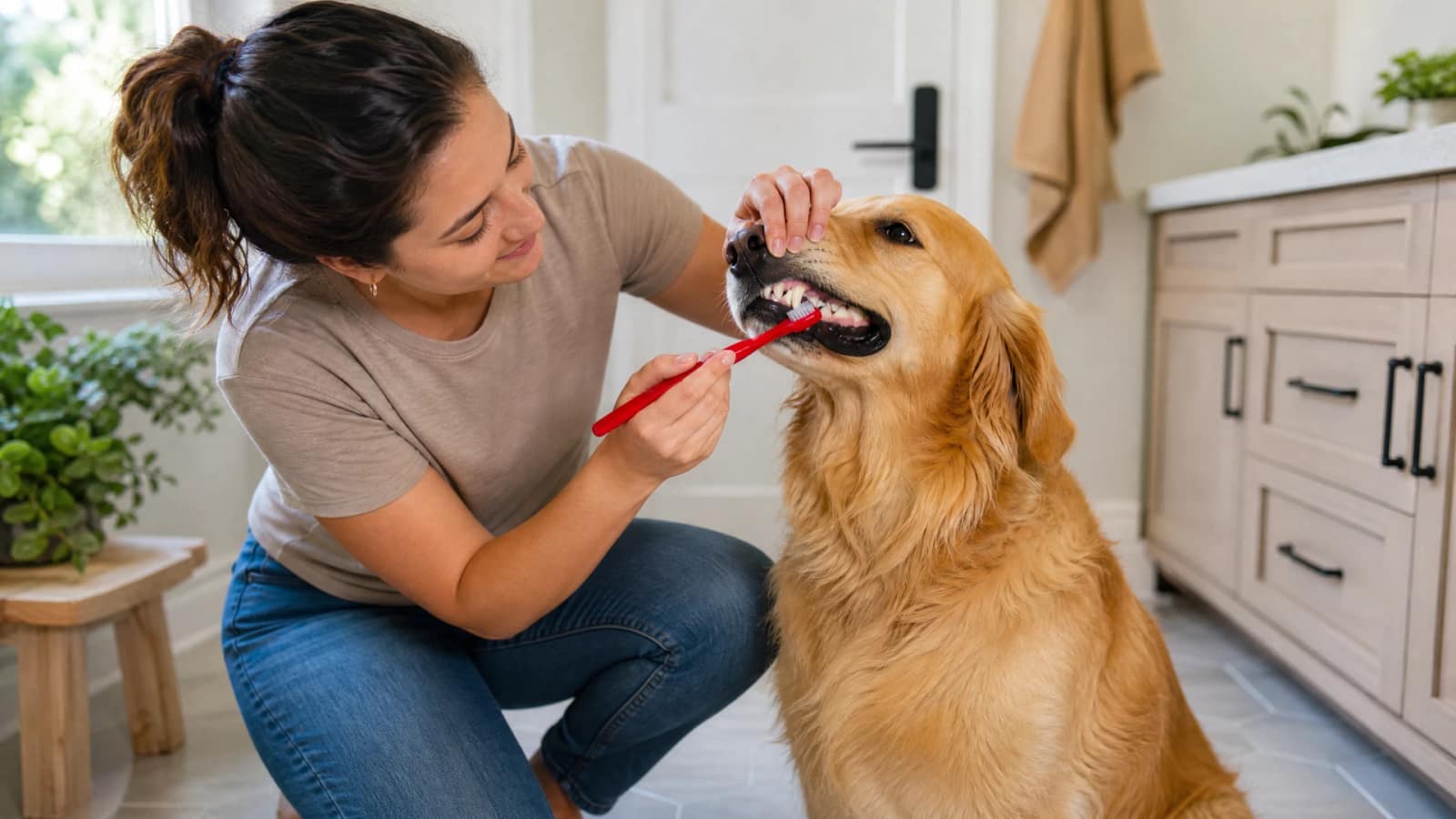
Dog Dental Health: Why It Matters More Than You Think
Most dog owners skip dental care until there's a vet bill. By then, the damage is already done. Dental disease doesn't just cause bad breath — it causes pain, tooth loss, and bacteria that enter the bloodstream and damage the heart, kidneys, and liver.
Read guide
Dog Nutrition Guide: What to Feed, What to Avoid, and How to Read a Label
Dog food marketing is designed to appeal to humans, not dogs. Grain-free, raw, holistic, ancestral — these terms are largely unregulated and often misleading. Here's what the science actually says about feeding your dog well.
Read guide