SmartPawsGuides, comparisons & trusted resources — Guides & trusted resources — always independent.

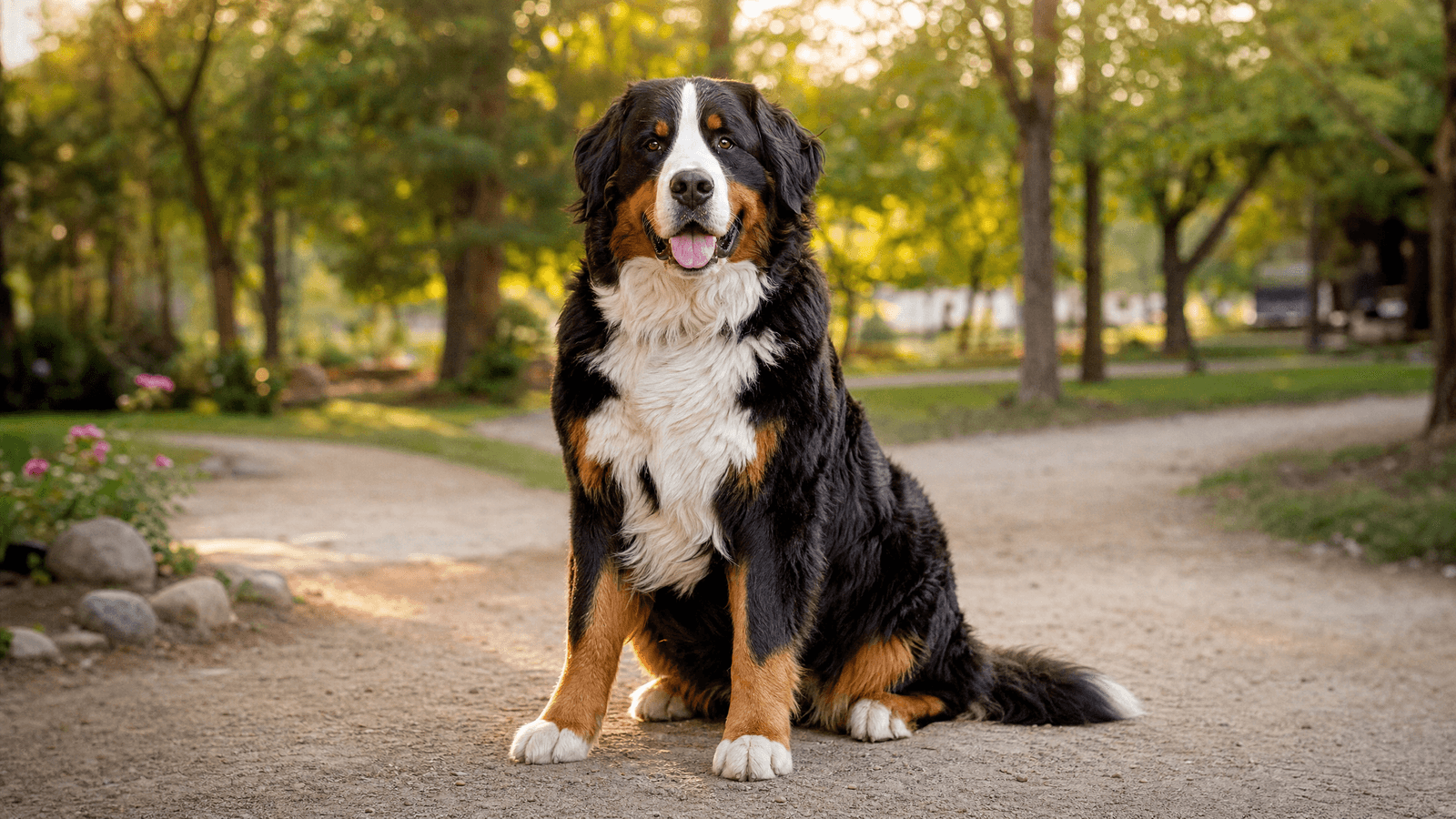
Bernese Mountain Dog
Origin: Switzerland
Weight
70–115 lbs
Height
23–27.5 inches
Lifespan
7–10 years
Coat
Long, thick, slightly wavy or straight tricolor double coat
Breeder Cost
$1,500–$4,000
Adoption Cost
$50–$400
Personality & Temperament
Bernese Mountain Dogs are gentle giants with a calm, good-natured temperament that makes them outstanding family dogs. They are patient with children, friendly with strangers, and devoted to their family. Berners are happiest in cooler climates with space to roam, but their gentle nature means they adapt well to family life.
Best For
Families with children and space, those in cooler climates, active households who want a gentle giant
Exercise & Activity Needs
Berners need 30–60 minutes of moderate exercise daily. They enjoy hiking, carting, and outdoor activities. Avoid strenuous exercise in puppies — their rapid growth makes joints vulnerable. They are sensitive to heat and should not be exercised in hot weather.
Grooming & Coat Care
The Bernese's thick, long coat sheds heavily year-round and massively in spring and fall. Daily brushing during shedding season and 2–3 times weekly otherwise is essential. Professional grooming every 8–12 weeks helps manage the coat. Never shave a Berner.
Coat type: Long, thick, slightly wavy or straight tricolor double coat
Common Health Conditions
Cancer is the most serious health concern for Bernese Mountain Dogs, with a disproportionately high rate compared to other breeds. Their average lifespan of 7–10 years is shorter than most large breeds. Pet insurance is strongly recommended.
Cancer
Bernese Mountain Dogs have one of the highest cancer rates of any breed — approximately 50% die from cancer. Histiocytic sarcoma is particularly common and is rare in other breeds.
Hip & Elbow Dysplasia
Very common in large breeds. OFA certification from breeders is essential.
Bloat (GDV)
A life-threatening emergency in deep-chested breeds. Feed multiple small meals and avoid exercise after eating.
Progressive Retinal Atrophy
A degenerative eye condition. DNA testing is available.
Von Willebrand's Disease
A bleeding disorder affecting blood clotting.
History & Origin
The Bernese Mountain Dog is one of four Swiss mountain dog breeds, developed in the canton of Bern in Switzerland for farm work. They were used as draft dogs to pull carts of dairy products to market, as drovers to move cattle, and as watchdogs on farms. The breed nearly went extinct in the early 20th century when other farm technologies replaced working dogs. Professor Albert Heim worked to revive the breed, and the first Bernese Mountain Dogs arrived in the US in 1926.
Interesting Facts
- 1
Bernese Mountain Dogs were bred to pull carts of dairy products to market in Switzerland — they can pull up to 1,000 lbs.
- 2
They are one of four Swiss mountain dog breeds, all developed for farm work in different Swiss cantons.
- 3
Berners have one of the shortest lifespans of any breed — 7–10 years — largely due to their high cancer rate.
- 4
Their tri-color coat (black, white, and rust) is one of the most distinctive and beautiful in the dog world.
- 5
The breed nearly went extinct in the early 1900s and was saved by Swiss breed enthusiasts who tracked down the remaining working farm dogs.
Cost of Ownership
Owning a Bernese Mountain Dog is a long-term financial commitment. Here's a realistic breakdown of what to budget for.
Annual Cost
$2,000–$3,500
First Year (incl. setup)
$4,500–$7,000
Large breed; quality food essential for joint health
Cancer is the leading cause of death; short lifespan
Thick triple coat needs regular brushing and professional grooming
Gentle and eager to please; early training while manageable
Orthopedic beds and joint supplements from an early age
Critical — cancer treatment and orthopedic surgery are very expensive
* Estimates based on national averages. Costs vary by location, lifestyle, and individual health needs. Emergency vet visits are not included.
Popularity & Adoption Trends
Estimated US Population
~400,000 in the US
Adoption Trend
Bernese Mountain Dogs have grown steadily in popularity over the past decade, driven by their stunning tri-color appearance and gentle giant personality. Social media has amplified their appeal — their photogenic faces and calm demeanor make them popular subjects. Their short lifespan and high cancer rate are increasingly discussed in breed communities.
Plan daily life with your Bernese Mountain Dog
Use the guides below to compare practical options alongside this breed's care needs.
Pet Tech Essentials
The right technology makes dog ownership easier, safer, and more connected — whether you're home or away. These are the products our editors consider must-haves for every dog owner.
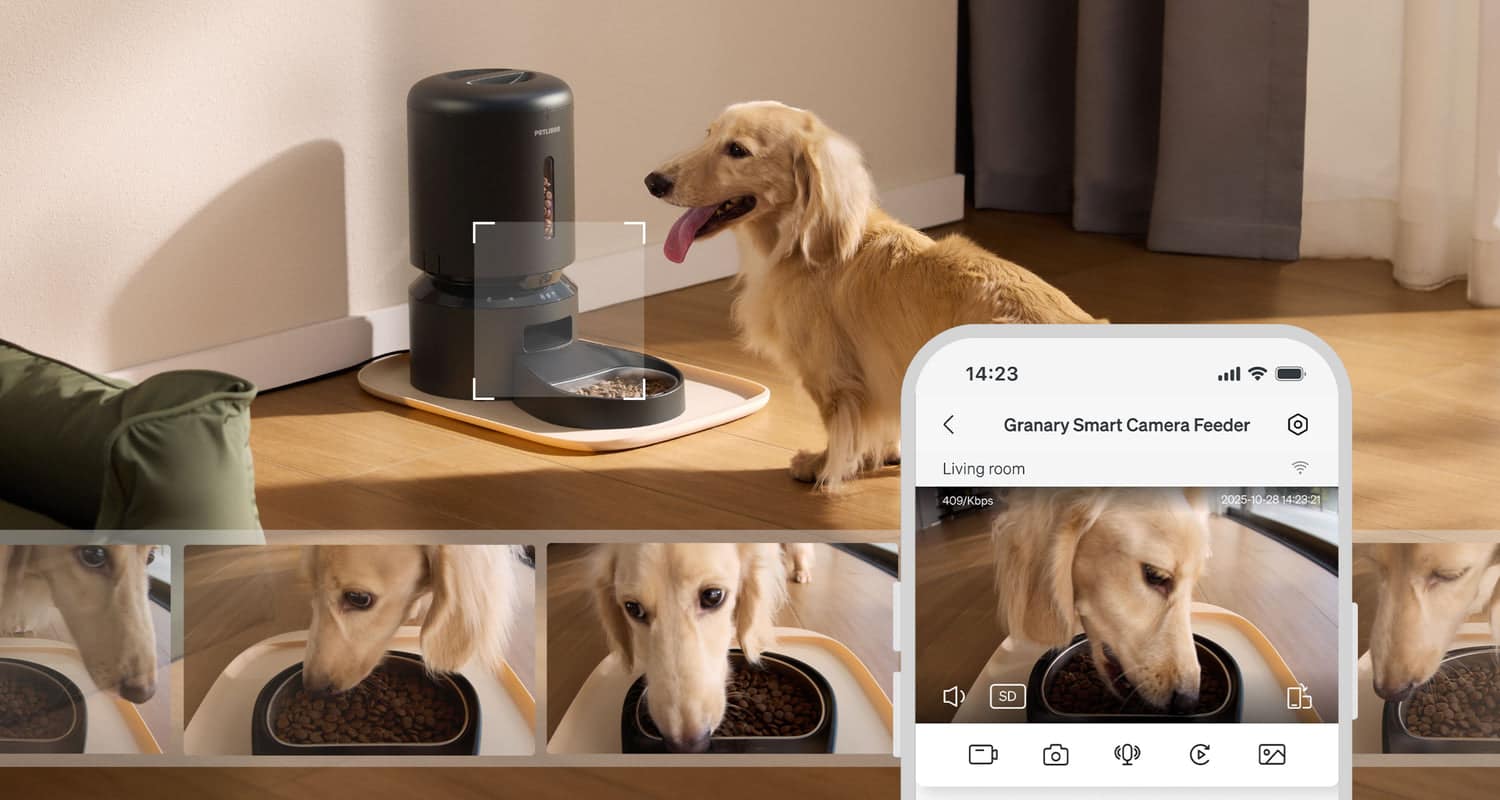
Automatic Feeder
Schedule precise meals so your dog eats right — even when you're not home.

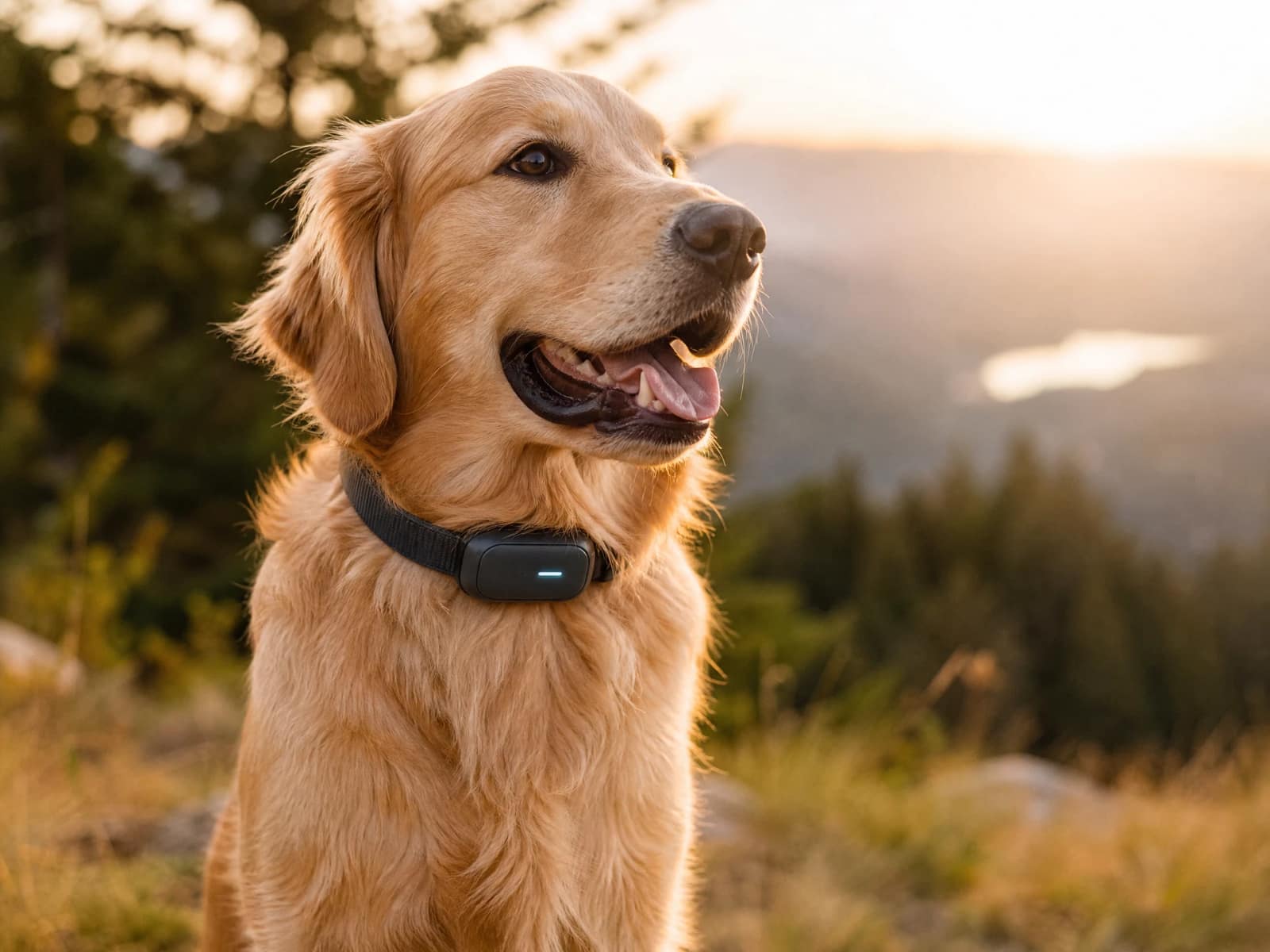
GPS Tracker
Real-time location tracking — because dogs follow their nose, not the fence line.

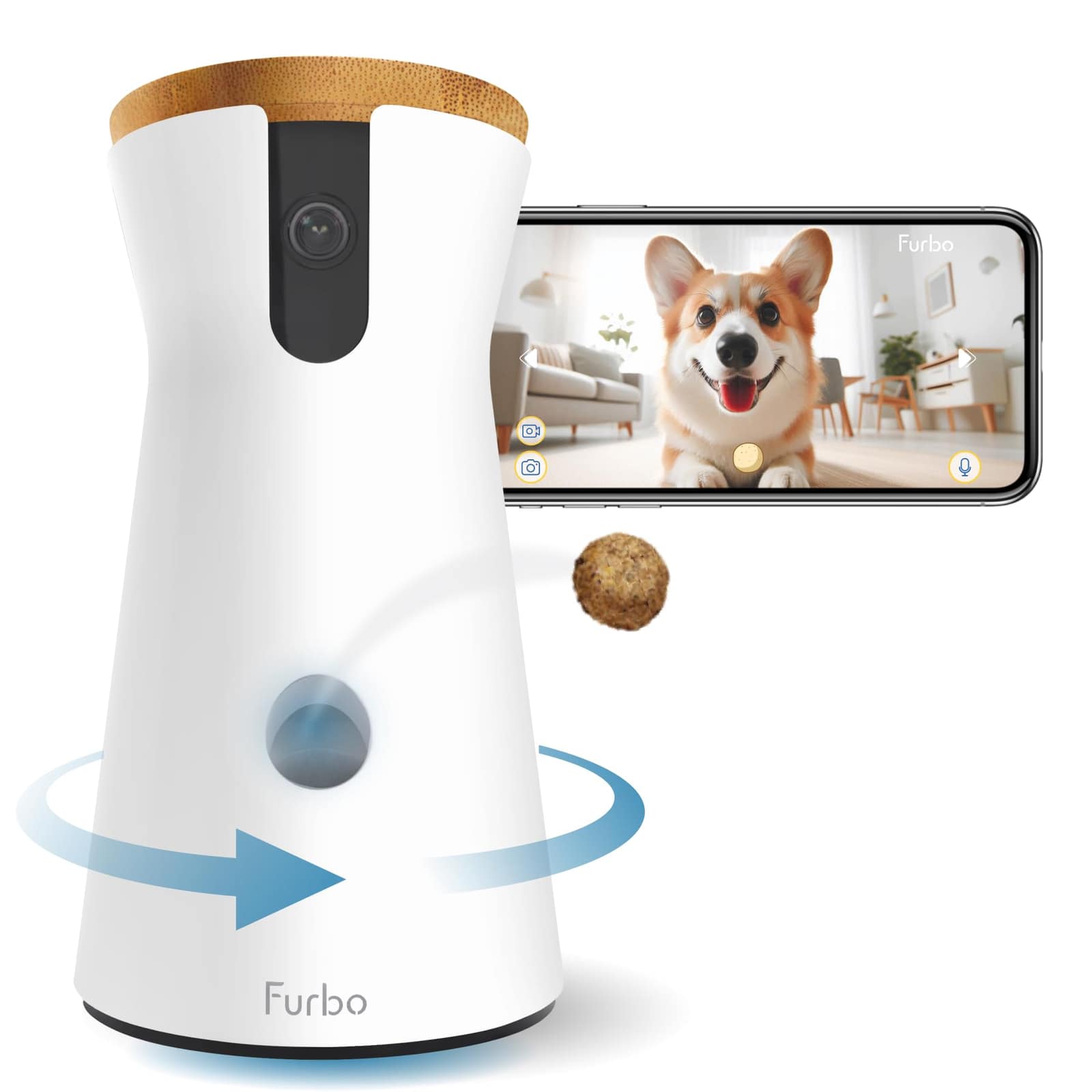
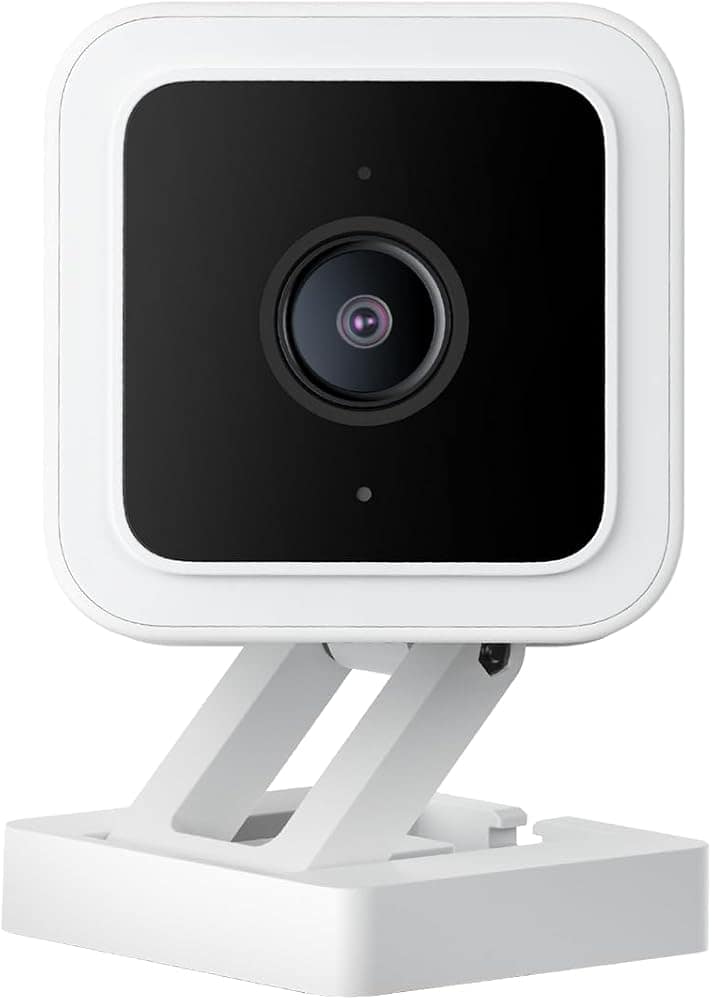
Pet Camera
Two-way audio and HD video — stay connected and soothe your dog from anywhere.

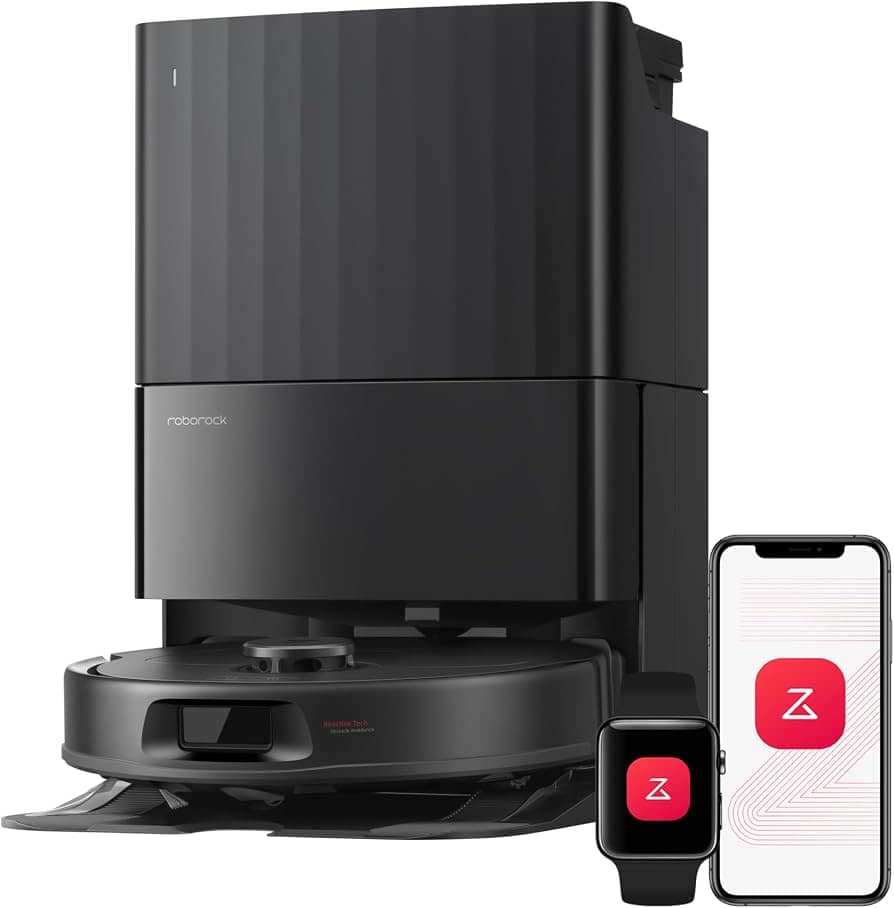
Robot Vacuum
Built for pet hair — keeps your home clean without lifting a finger.
Recommended Products by Life Stage
Products marked with SmartPaws Recommended are ones we've independently reviewed and recommend across the site. All Amazon links include our affiliate tag — purchases support SmartPaws at no extra cost to you.
Puppy / Kitten Stage
Adult Stage
Joint Supplement
Nutramax Cosequin Maximum Strength Joint Supplement
Proactive joint support for a large breed prone to dysplasia.
SmartPaws RecommendedOmega-3 Supplement
Nordic Naturals Omega-3 Pet Fish Oil
Anti-inflammatory support and potential anti-cancer benefits.
SmartPaws RecommendedDeshedding Tool
FURminator Undercoat Deshedding Tool
Berners shed massively — the FURminator is essential for coat management.
SmartPaws RecommendedGPS Tracker
Fi Series 3+ Smart GPS Dog Collar
Berners love to roam on large properties. The Fi GPS collar tracks activity and location 24/7.
SmartPaws RecommendedPet Camera
Wyze Cam v3 Pet Monitor
Monitor your Berner for signs of overheating or joint discomfort while you're away.
SmartPaws RecommendedSenior Stage
Breed Traits
Temperament
Climate & Physical
Compatibility
Rural & Outdoor
Scores reflect breed tendencies. Individual training significantly affects both livestock safety and off-leash reliability.
Health & Longevity
Based on breed-specific genetic health risks and common conditions
Consider Adopting
Many Bernese Mountain Dogs are waiting in shelters and breed-specific rescues. Adoption costs are typically $50–$400 vs. $1,500–$4,000 from a breeder.
Read our Rescue Guide →How to Train a Bernese Mountain Dog
Breed-specific challenges, techniques, and training timeline — written specifically for Bernese Mountain Dog owners.
Read Training GuideDownload the Bernese Mountain Dog Guide
Get a printable PDF with traits, cost of ownership, health notes, and best-fit summary — free.