SmartPawsGuides, comparisons & trusted resources — Guides & trusted resources — always independent.

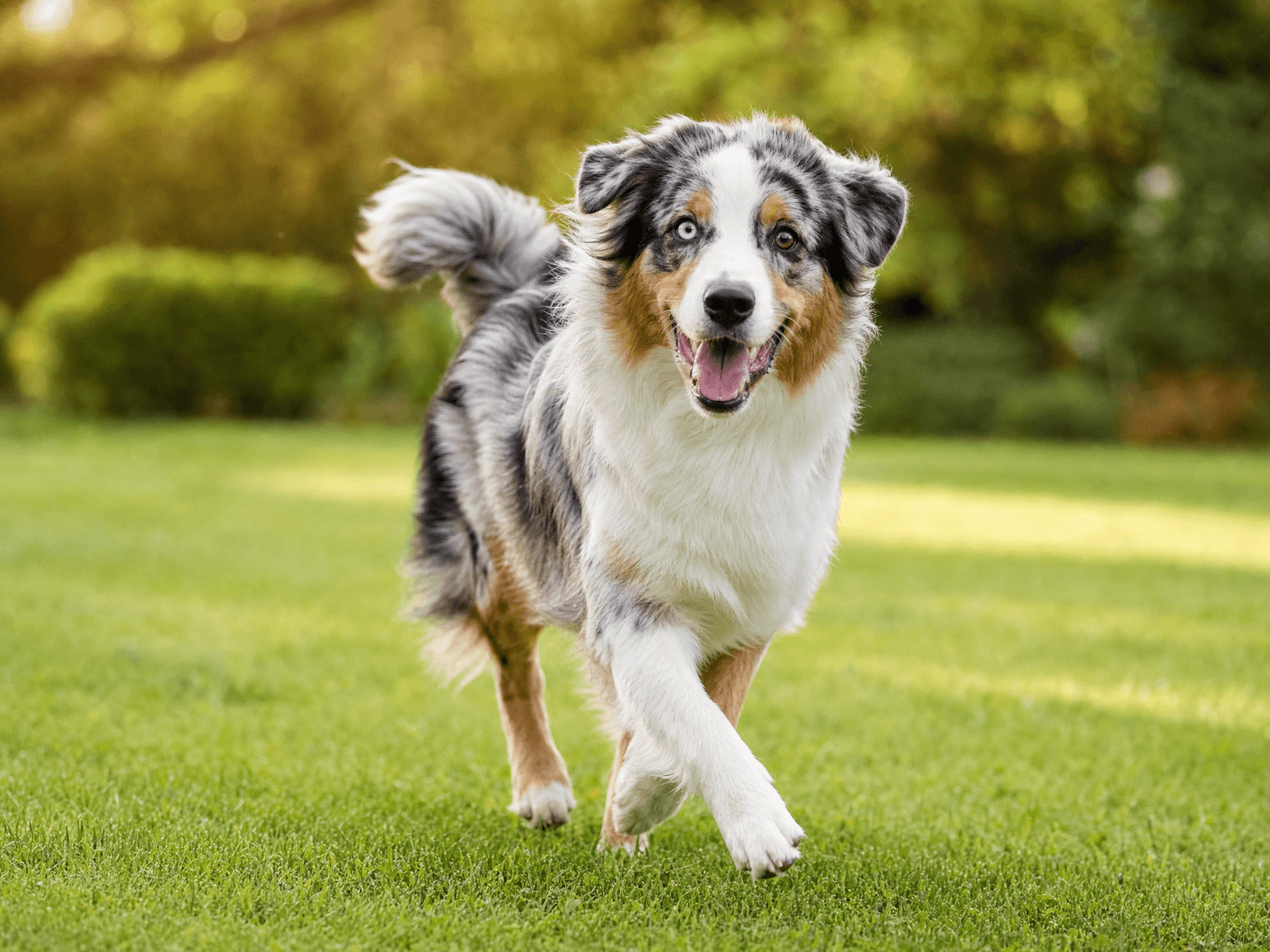
Australian Shepherd
Origin: United States
Weight
40–65 lbs
Height
18–23 inches
Lifespan
12–15 years
Coat
Medium-length double coat
Breeder Cost
$600–$2,500
Adoption Cost
$50–$300
Personality & Temperament
Australian Shepherds are brilliant, driven working dogs who need a job to be happy. They are intensely loyal to their family and have an almost supernatural ability to learn. Aussies excel at virtually every dog sport and activity. Without sufficient mental and physical stimulation, they will create their own 'job' — usually something destructive.
Best For
Very active individuals or families, those who participate in dog sports, experienced dog owners, those with large yards or rural settings
Exercise & Activity Needs
Aussies need 90+ minutes of vigorous exercise daily, plus significant mental stimulation. Agility, herding, frisbee, flyball, and advanced obedience are ideal. This is not a breed for sedentary households.
Grooming & Coat Care
The Aussie's double coat requires brushing 2–3 times weekly to prevent mats, with daily brushing during heavy shedding seasons. Professional grooming every 8–12 weeks helps manage the coat. Never shave an Aussie — their double coat protects them from both heat and cold.
Coat type: Medium-length double coat; wavy or straight with feathering
Common Health Conditions
The MDR1 gene mutation is a unique and important health consideration for Aussies — it affects how they metabolize certain common medications. DNA testing is essential. Buy from breeders who test for MDR1, hip dysplasia, and eye conditions.
Hip Dysplasia
Common in medium-to-large breeds. OFA certification from breeders is recommended.
MDR1 Gene Mutation
A genetic mutation that makes Aussies sensitive to certain medications (ivermectin, loperamide, etc.). DNA testing can identify carriers. Always inform your vet.
Epilepsy
Idiopathic epilepsy is more common in Aussies than many breeds. Manageable with medication.
Eye Conditions
Collie eye anomaly, cataracts, and progressive retinal atrophy are concerns. Annual eye exams are recommended.
Cancer
Aussies have a higher-than-average cancer rate. Regular vet checkups are essential.
History & Origin
Despite the name, the Australian Shepherd was actually developed in the American West in the 1800s — not Australia. The breed's ancestors were Basque herding dogs that came to America via Australia, which is likely how the 'Australian' name stuck. American ranchers refined the breed for herding livestock on Western ranches. The breed gained national attention in the mid-20th century through rodeo performances and trick dog acts.
Interesting Facts
- 1
Despite the name, Australian Shepherds were developed in the American West — not Australia.
- 2
They are one of the few breeds that commonly have heterochromia (two different colored eyes) or marbled blue eyes.
- 3
Aussies are so intelligent they can learn a new command in as few as 5 repetitions.
- 4
They have a natural 'herding instinct' so strong they will attempt to herd children, cats, and even cars.
- 5
The breed was popularized in the US by rodeo performer Jay Sisler, whose Aussies performed incredible tricks at rodeos in the 1950s.
Cost of Ownership
Owning an Australian Shepherd is a long-term financial commitment. Here's a realistic breakdown of what to budget for.
Annual Cost
$1,300–$2,400
First Year (incl. setup)
$3,000–$5,000
Active working breed; high-quality food fuels their energy
MDR1 gene mutation affects drug sensitivity; test before medicating
Double coat needs brushing 2–3x/week; professional grooming quarterly
Highly intelligent; needs mental stimulation as much as physical
Puzzle toys and agility equipment are worth the investment
Moderate risk; MDR1 complications can be costly
* Estimates based on national averages. Costs vary by location, lifestyle, and individual health needs. Emergency vet visits are not included.
Popularity & Adoption Trends
Estimated US Population
~1 million in the US
Adoption Trend
Australian Shepherd popularity has risen sharply over the past decade, driven by their striking merle coats going viral on social media and their reputation as highly trainable, athletic dogs. Rescue organizations warn that their extreme intelligence and energy requirements lead to high surrender rates when owners are unprepared.
Plan daily life with your Australian Shepherd
Use the guides below to compare practical options alongside this breed's care needs.
Pet Tech Essentials
The right technology makes dog ownership easier, safer, and more connected — whether you're home or away. These are the products our editors consider must-haves for every dog owner.
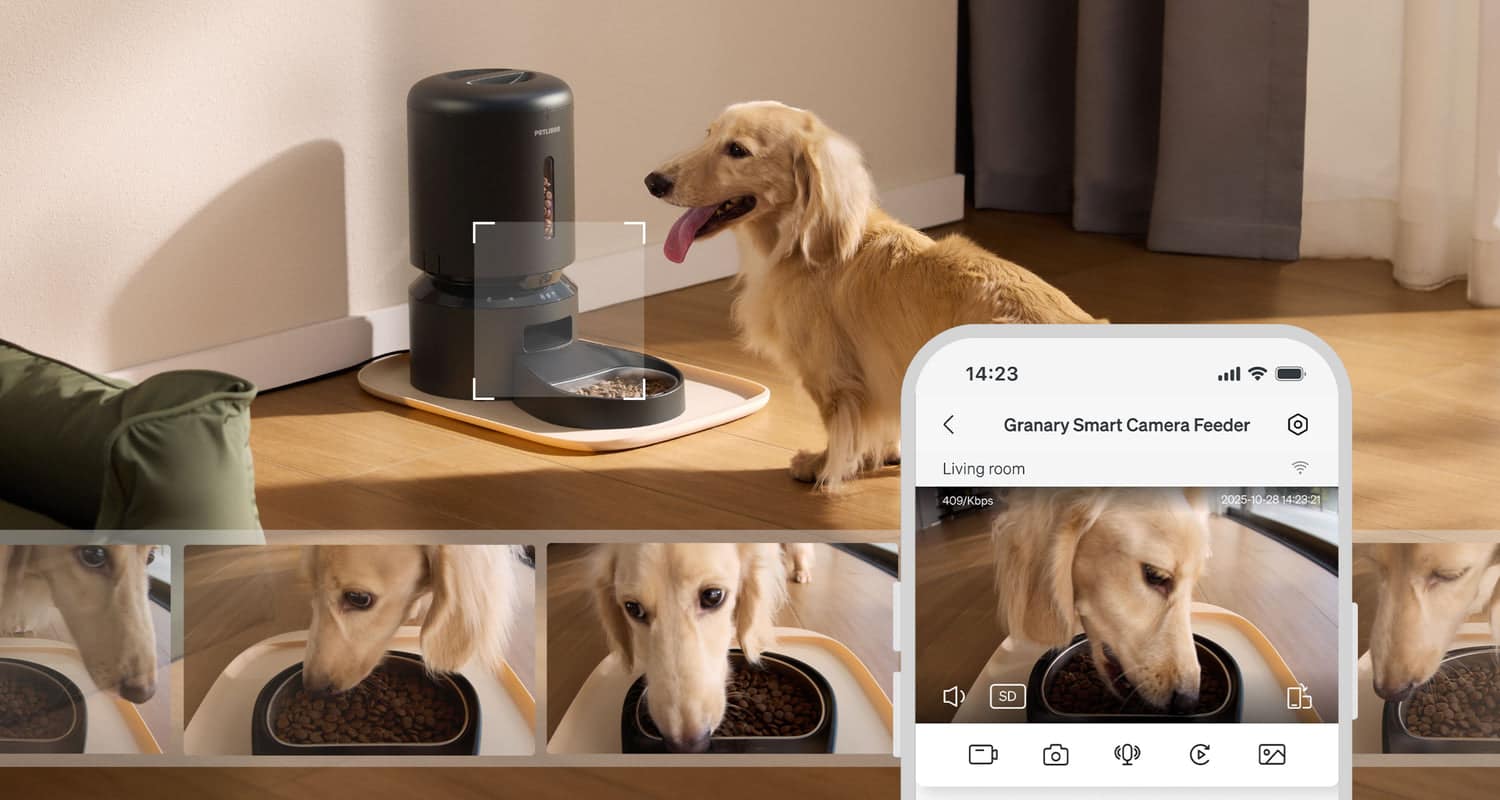
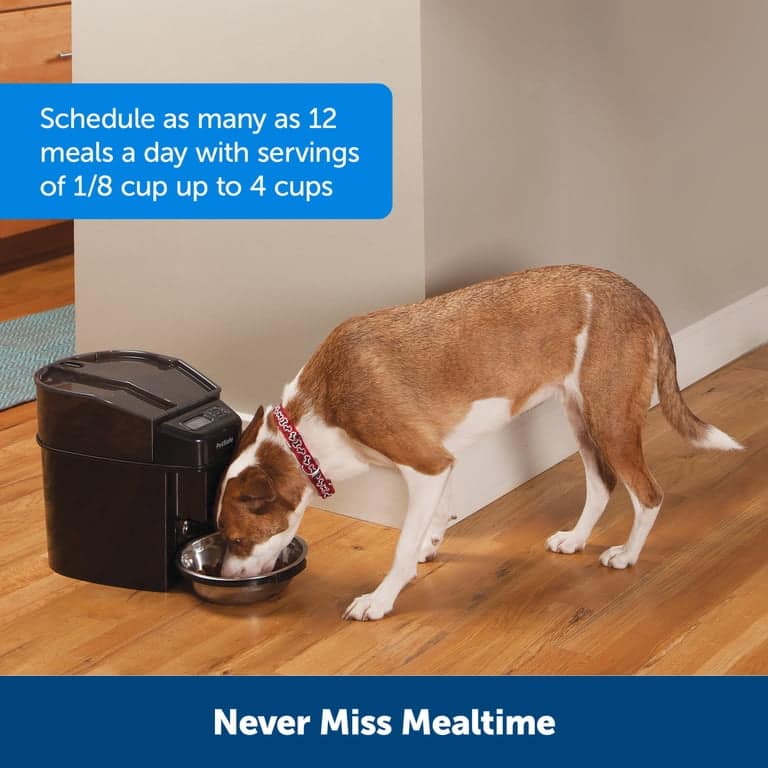
Automatic Feeder
Schedule precise meals so your dog eats right — even when you're not home.
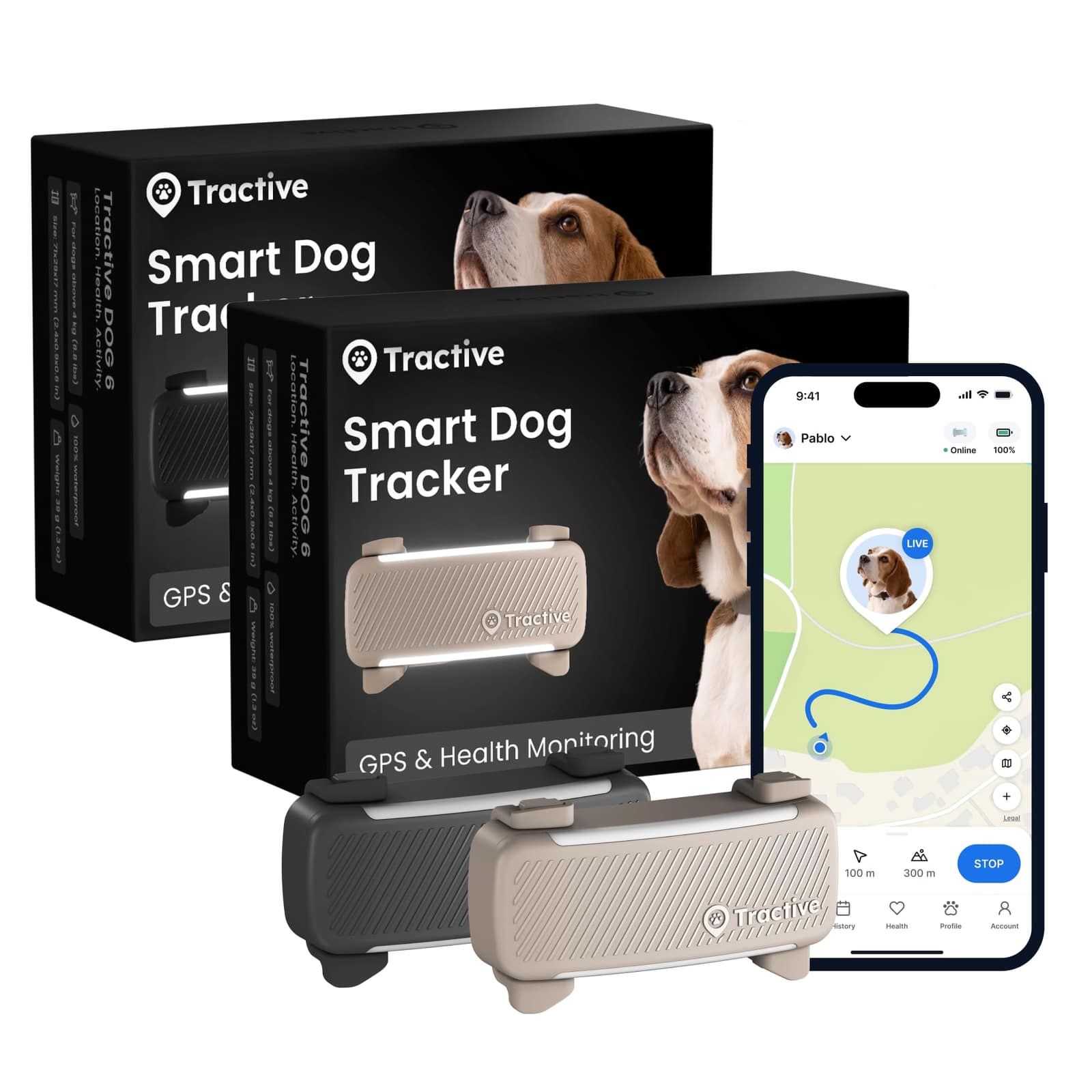
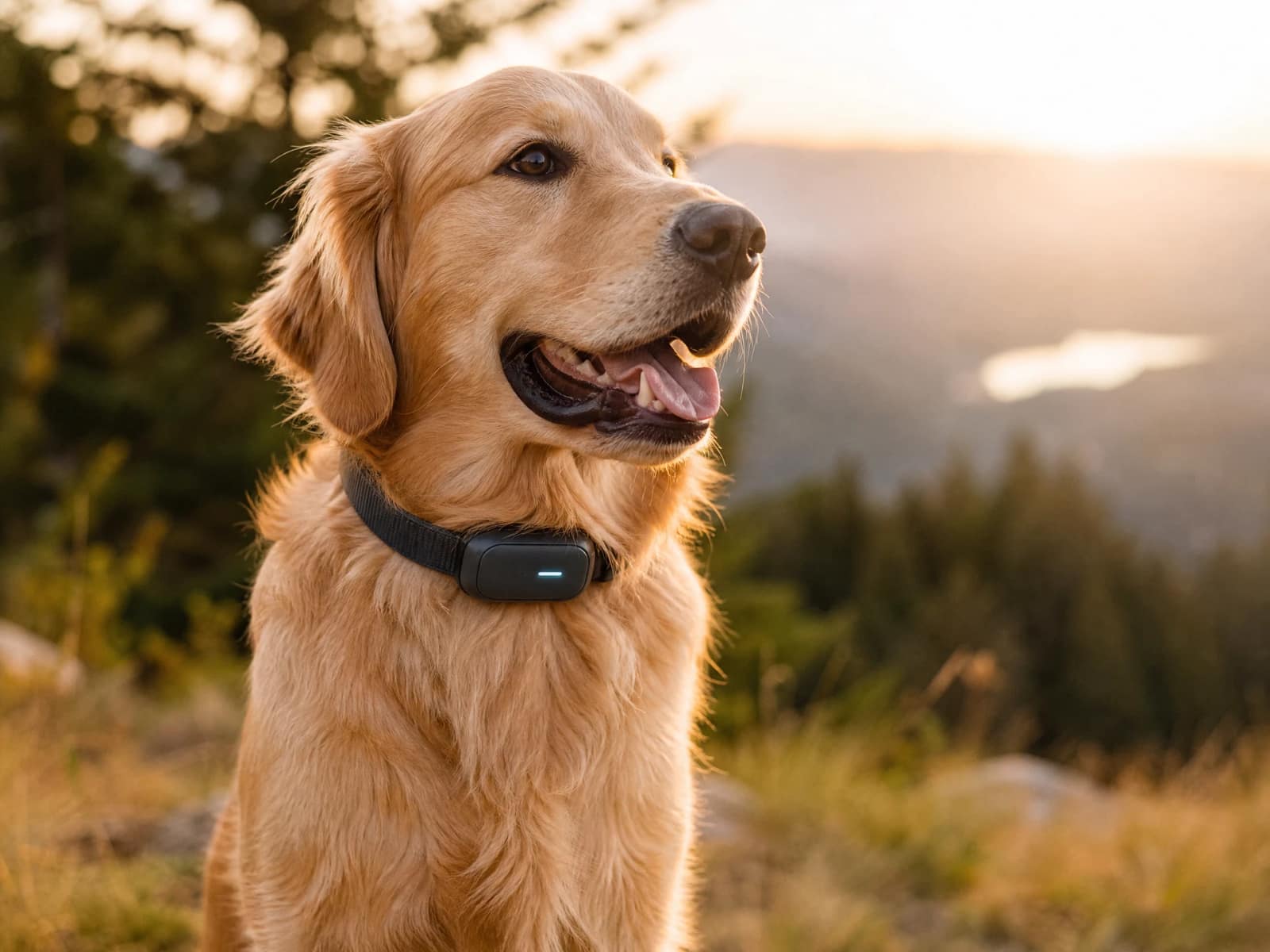
GPS Tracker
Real-time location tracking — because dogs follow their nose, not the fence line.
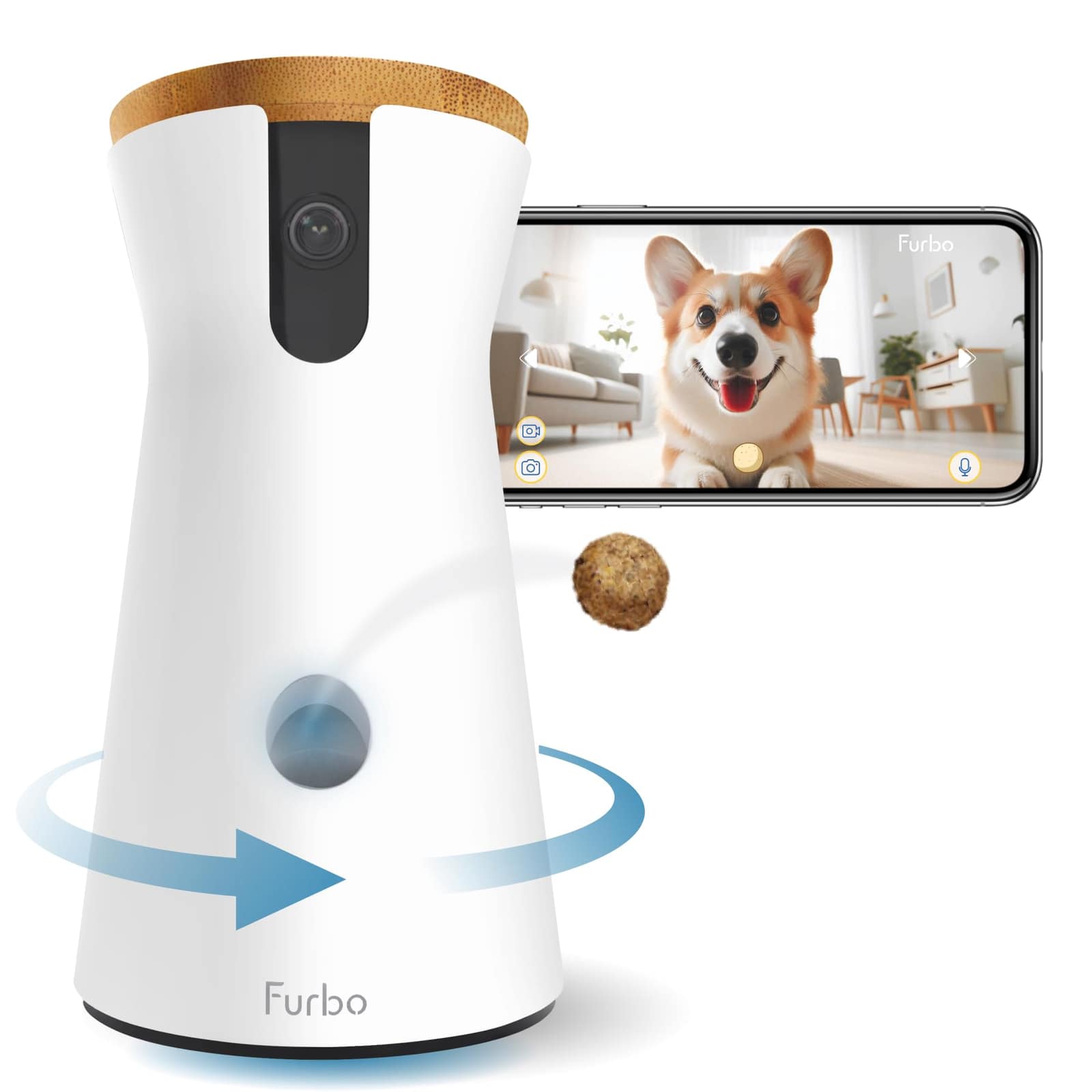
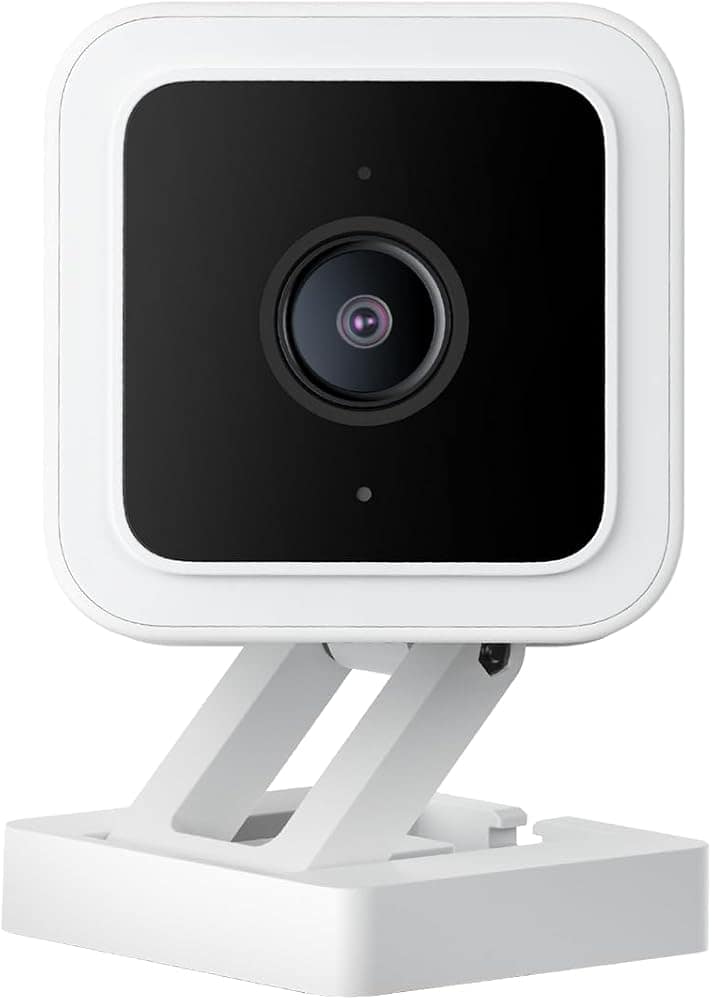
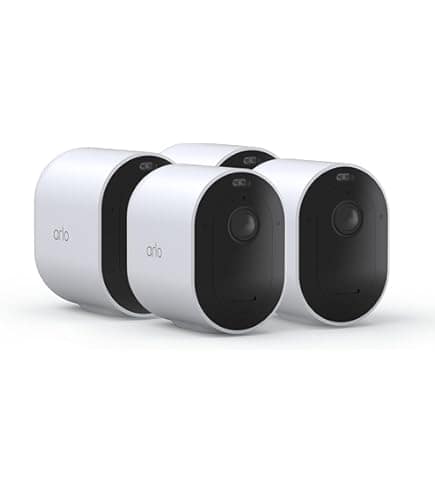
Pet Camera
Two-way audio and HD video — stay connected and soothe your dog from anywhere.
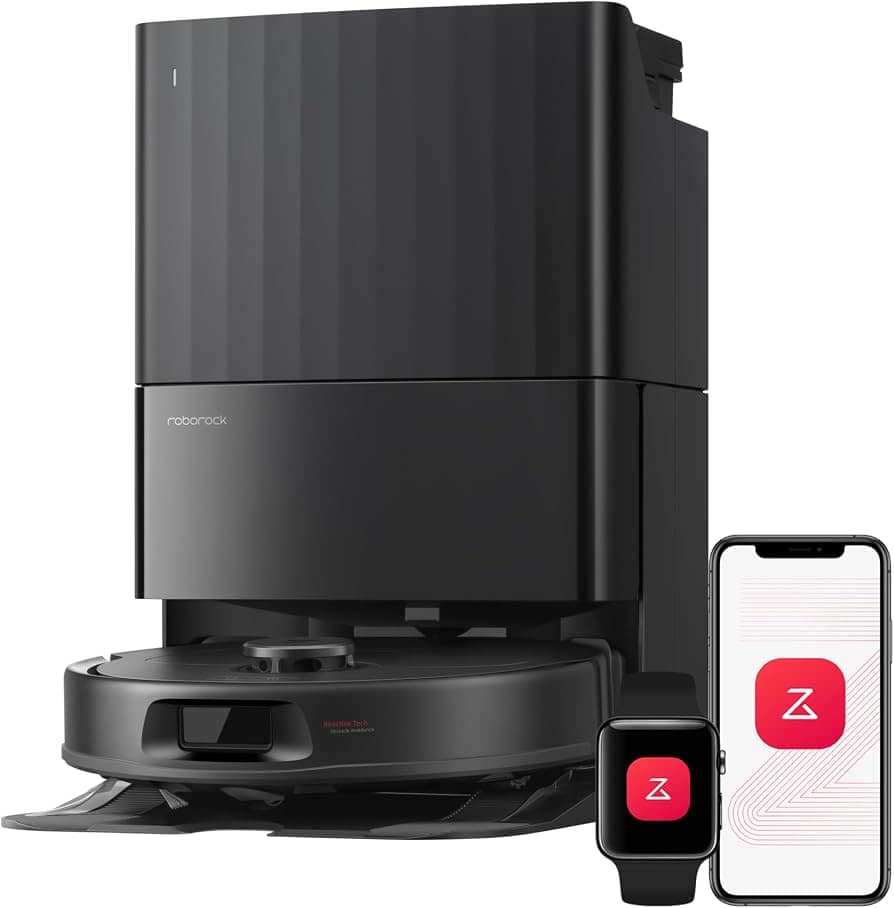
Robot Vacuum
Built for pet hair — keeps your home clean without lifting a finger.
Recommended Products by Life Stage
Products marked with SmartPaws Recommended are ones we've independently reviewed and recommend across the site. All Amazon links include our affiliate tag — purchases support SmartPaws at no extra cost to you.
Puppy / Kitten Stage
Adult Stage
Puzzle Toy
Outward Hound Nina Ottosson Dog Brick Puzzle
Mental stimulation is essential for the highly intelligent Aussie.
SmartPaws RecommendedGPS Tracker
Fi Series 3+ Smart GPS Dog Collar
Athletic Aussies can cover ground quickly — GPS tracking is essential.
SmartPaws RecommendedDeshedding Tool
FURminator Undercoat Deshedding Tool
Aussies shed heavily — the FURminator reduces loose hair significantly.
SmartPaws RecommendedBreed Traits
Temperament
Climate & Physical
Compatibility
Rural & Outdoor
Scores reflect breed tendencies. Individual training significantly affects both livestock safety and off-leash reliability.
Health & Longevity
Based on breed-specific genetic health risks and common conditions
Consider Adopting
Many Australian Shepherds are waiting in shelters and breed-specific rescues. Adoption costs are typically $50–$300 vs. $600–$2,500 from a breeder.
Read our Rescue Guide →How to Train an Australian Shepherd
Breed-specific challenges, techniques, and training timeline — written specifically for Australian Shepherd owners.
Read Training GuideDownload the Australian Shepherd Guide
Get a printable PDF with traits, cost of ownership, health notes, and best-fit summary — free.