
Best forwatching your dog eat from anywhere
Amazon #1
App Connected
Smart Feeding
PETLIBRO Smart Feeder with Camera
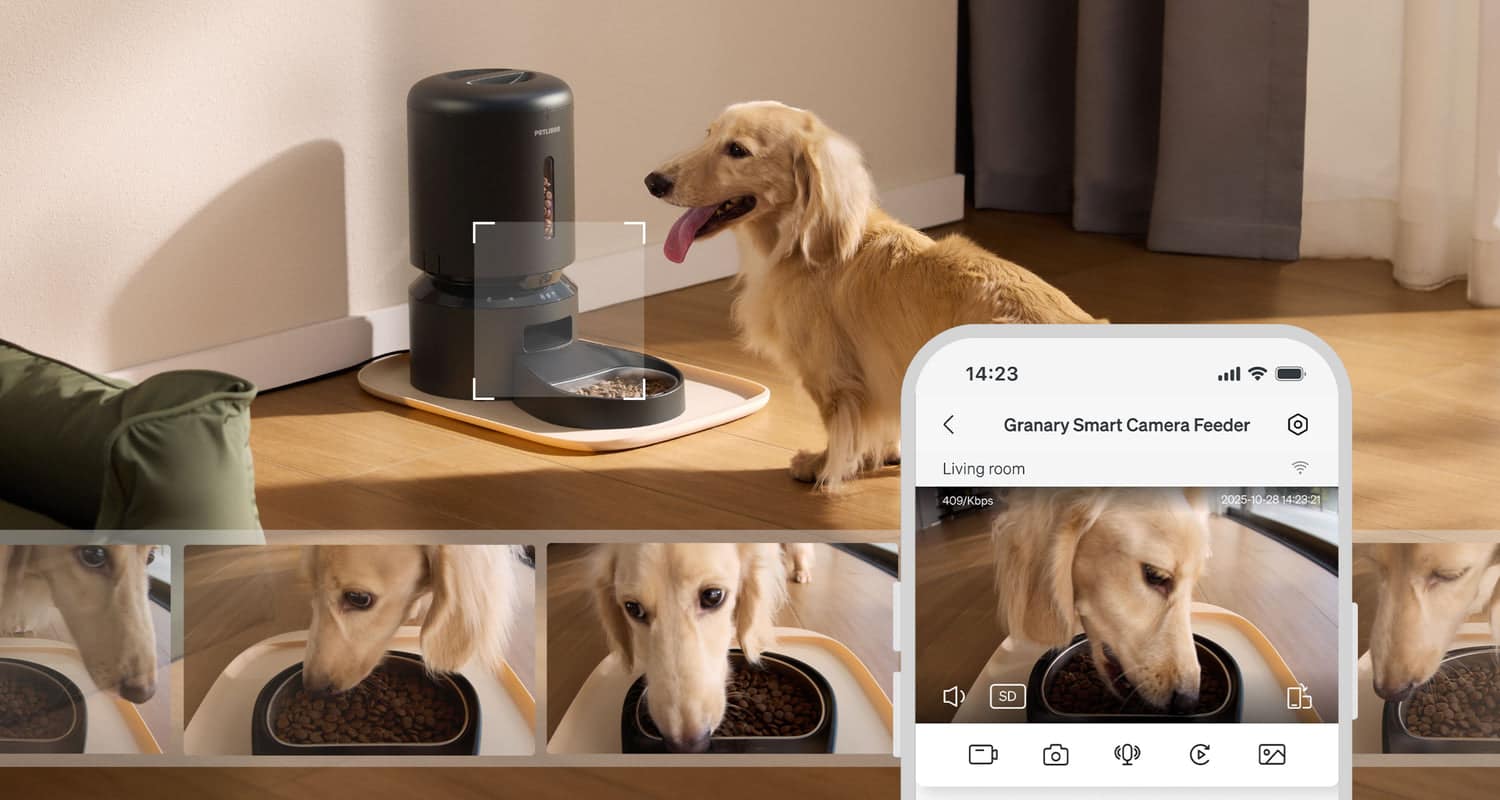
Schedule your dog's meals and watch them eat — from anywhere.
4.6 · 12K reviews
8.2SmartPaws Score
How?Typically$99–$139In Stock
SmartPawsGuides, comparisons & trusted resources — Guides & trusted resources — always independent.
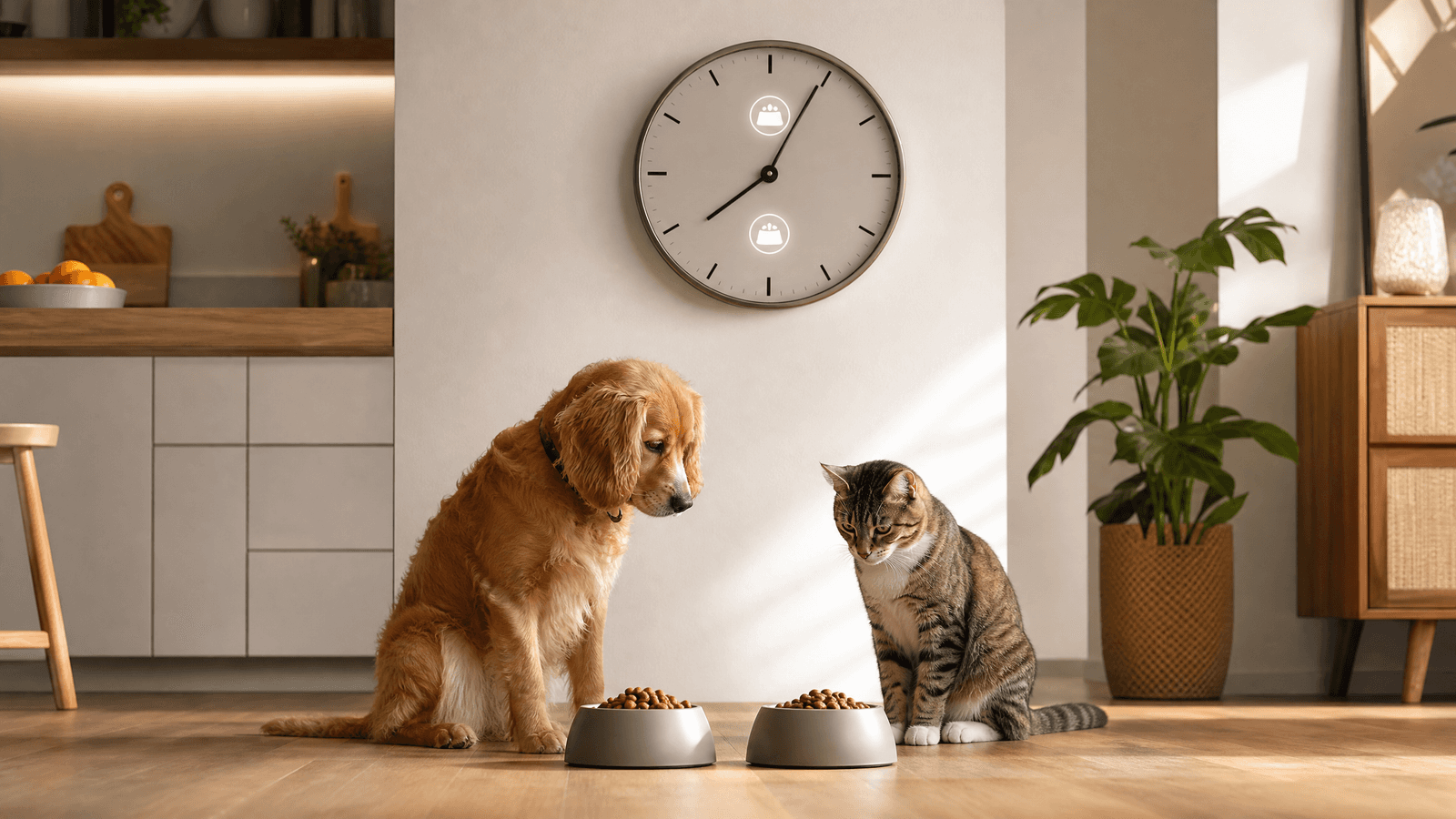
Unlock optimal pet health with veterinary-backed guidance on feeding frequency for dogs and cats.
General Education Only
This article is for general educational purposes and does not constitute veterinary advice. Every pet is different — consult your veterinarian before making changes to your pet's diet, health routine, or supplement regimen. If your pet shows signs of illness, contact a licensed veterinarian promptly.
SmartPaws Editorial Team
Pet Tech Experts · Research-based content
This article contains affiliate links. We may earn a commission if you purchase through our links, at no extra cost to you. Establishing a consistent and appropriate feeding schedule is one of the most fundamental aspects of responsible pet ownership. It's not just about filling a bowl; it's about providing balanced nutrition at the right intervals to support your pet's metabolism, energy levels, and overall health. A well-planned feeding routine can prevent common issues like obesity, digestive upset, and even behavioral problems. But with so much conflicting advice available, how do you determine the best approach for your furry friend? This guide, backed by veterinary insights, will explore the science of pet feeding schedules for both dogs and cats, helping you create a routine that promotes their optimal health and happiness.
A regular feeding schedule offers numerous benefits beyond just satisfying hunger. It helps regulate your pet's metabolism, aids in digestion, and can even contribute to better house-training for puppies and kittens. Consistent meal times can also reduce anxiety and food-related aggression, as pets learn when to expect their next meal. For pets with certain health conditions, such as diabetes, a strict feeding schedule is critical for managing blood sugar levels. Moreover, scheduled feeding allows owners to monitor their pet's appetite, which can be an early indicator of illness.
Dogs have varying nutritional needs throughout their lives, influenced by their age, breed, size, and activity level. Generally, puppies require more frequent meals, while adult dogs can thrive on fewer feedings.
Puppies have high energy demands and small stomachs, necessitating frequent, smaller meals. * **8-12 weeks:** 4 meals per day * **3-6 months:** 3 meals per day * **6-12 months:** 2 meals per day Always consult your veterinarian for precise portion sizes based on your puppy's expected adult weight and growth rate. Avoid free-feeding, as it can lead to overeating and difficulty with house-training.
Most adult dogs do well with two meals per day, typically once in the morning and once in the evening. This helps maintain stable energy levels and prevents excessive hunger between meals. For very active dogs or those with specific health needs, three smaller meals might be beneficial. Monitor your dog's body condition and adjust portion sizes as needed to maintain a healthy weight.
Senior dogs often have slower metabolisms and may be less active, requiring fewer calories. However, some senior dogs may benefit from smaller, more frequent meals if they have digestive sensitivities or other health issues. Two meals per day is generally appropriate, but always consult your vet for dietary recommendations tailored to your senior dog's health status.
Cats are obligate carnivores with unique feeding behaviors. In the wild, they hunt and eat multiple small meals throughout the day. While domestic cats can adapt to scheduled meals, their natural instincts should be considered.
Like puppies, kittens need frequent meals to support their rapid growth and high energy. * **8-12 weeks:** 4-5 small meals per day * **3-6 months:** 3 small meals per day * **6-12 months:** 2-3 small meals per day Transitioning to fewer meals should be gradual. Ensure fresh water is always available.
Many adult cats thrive on two meals per day. However, some cats prefer to graze throughout the day. If you choose scheduled feeding, ensure the portions are appropriate to prevent overeating. For cats prone to obesity, measured meals are essential. Consider using a smart feeder to dispense small, frequent meals automatically, mimicking their natural hunting patterns. See our [Smart Feeder Buying Guide](/articles/best-smart-pet-feeders-2026) for more options.
Senior cats may experience changes in appetite, digestion, and metabolism. Some may need more frequent, smaller meals if they have dental issues or digestive sensitivities. Others might eat less overall. Regular veterinary check-ups are crucial to address any age-related dietary needs or health concerns.
Smart pet feeders can be invaluable tools for maintaining consistent feeding schedules, especially for busy pet owners or those with pets requiring specific meal timings. These devices allow you to program precise portion sizes and dispense meals automatically at set intervals. Many models also offer features like slow-feed options, voice recording, and even remote feeding via a smartphone app.
Smart Feeding
Schedule your dog's meals and watch them eat — from anywhere.
The PETLIBRO Smart Feeder offers reliable automatic feeding with customizable meal times and portion sizes, perfect for maintaining a consistent schedule. Its app control and voice recorder features make it a top choice for modern pet parents.
* **Free-Feeding:** Leaving food out all day can lead to overeating, obesity, and makes it difficult to monitor appetite changes. * **Overfeeding/Underfeeding:** Always measure your pet's food according to veterinary recommendations or package instructions. Adjust as needed based on activity level and body condition. * **Ignoring Dietary Changes:** As pets age or their health status changes, their dietary needs will evolve. Regular vet check-ups are essential to ensure their diet remains appropriate. * **Sudden Diet Changes:** Any changes to your pet's food should be gradual, typically over 7-10 days, to prevent digestive upset.
Establishing and adhering to a consistent feeding schedule is a cornerstone of responsible pet care. By understanding your pet's age, size, and species-specific needs, you can create a routine that supports their health, digestion, and overall well-being. Whether you opt for traditional bowl feeding or leverage the convenience of a smart pet feeder, consistency and appropriate portion control are key. Always consult your veterinarian for personalized advice to ensure your beloved companion receives the best possible nutrition throughout their life.
Keep reading

Separation anxiety is a common yet distressing condition for many dogs and their owners. Understanding the signs is the first step towards providing comfort and effective solutions. This guide will help you identify the symptoms and explore practical steps, including tech aids and training, to alleviate your dog's distress.
Read guide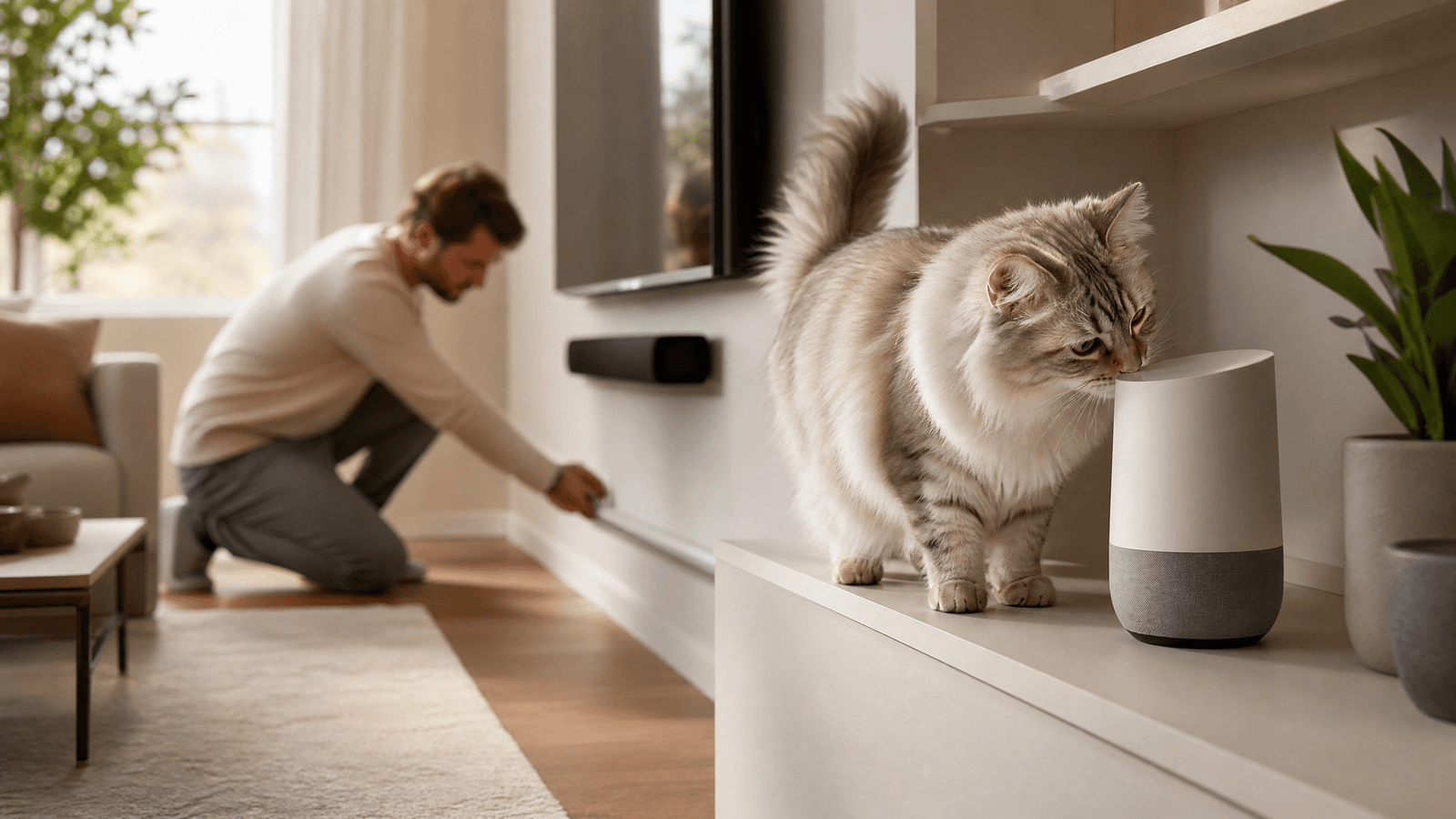
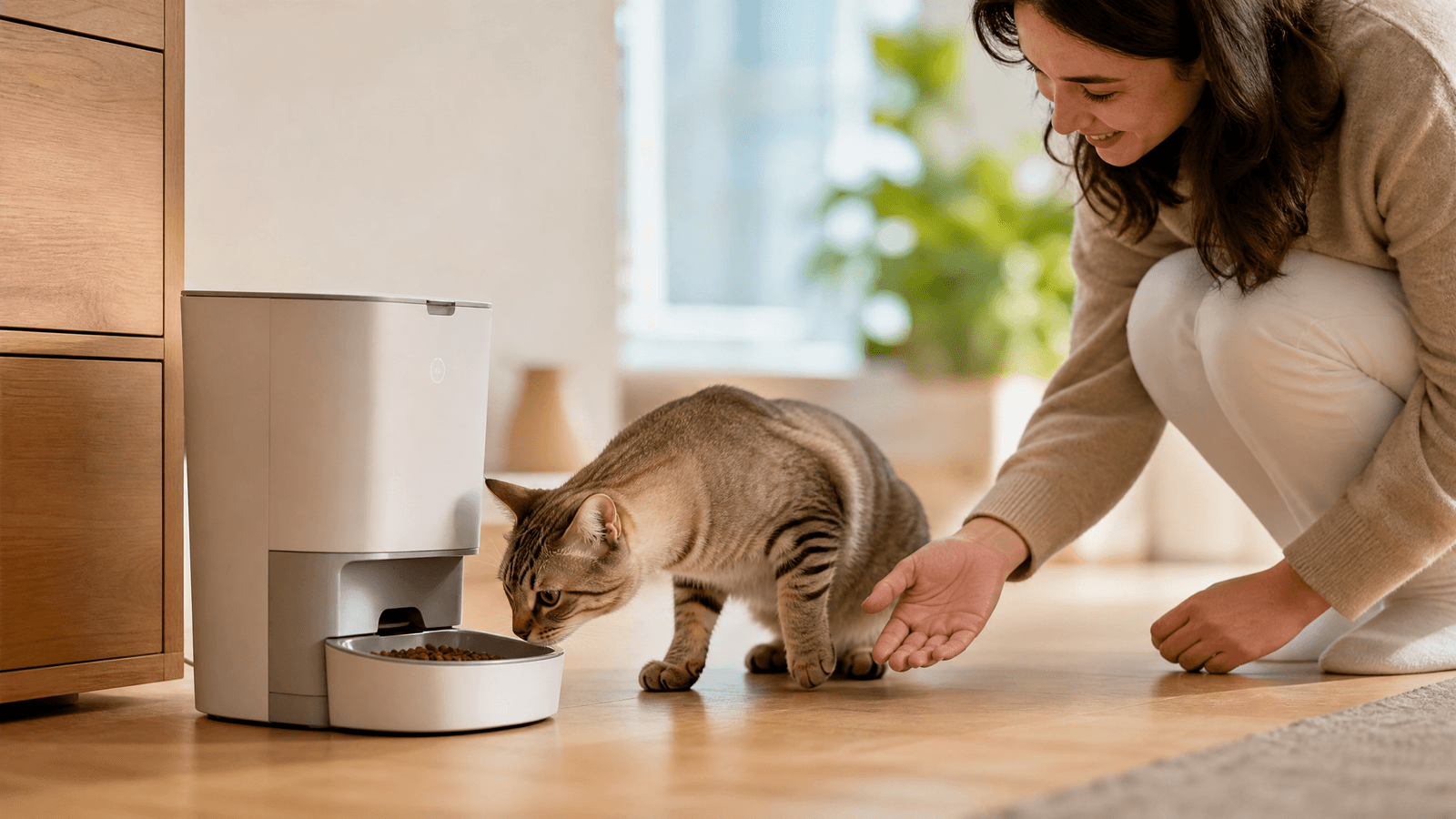
Automatic feeders offer convenience and consistent meal times, but introducing them to a cat requires a gentle, step-by-step strategy. Learn how to make the transition stress-free for your feline companion and avoid common pitfalls.
Read guide