
Best fordogs who need real-time tracking all day
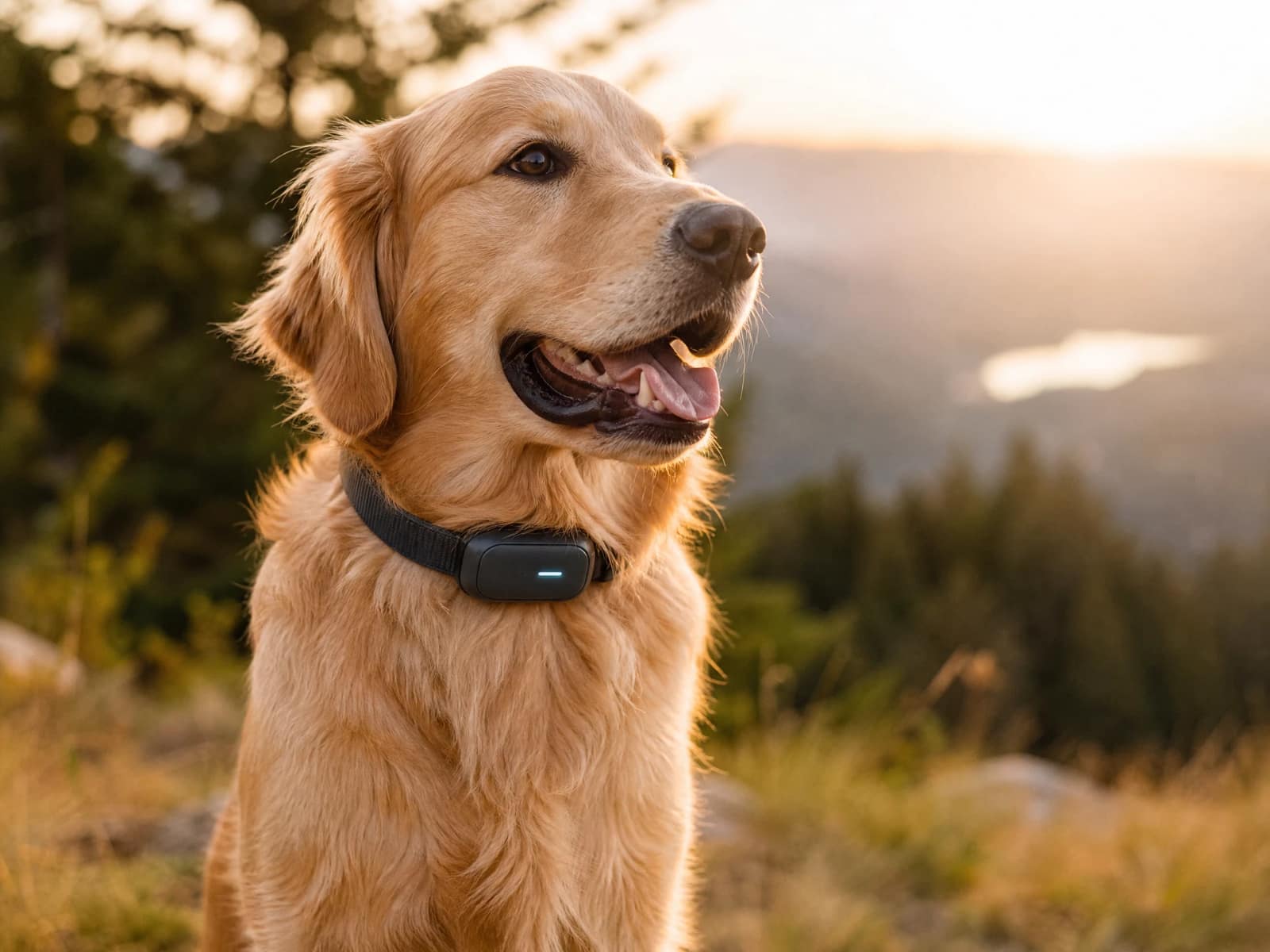
Top Rated
App Connected
GPS & Tracking
Fi Series 3+ Smart GPS Dog Collar
The most accurate GPS dog collar. Built to last.
4.6 · 4.8K reviews
8.2SmartPaws Score
How?Typically$99–$149In Stock
SmartPawsGuides, comparisons & trusted resources — Guides & trusted resources — always independent.
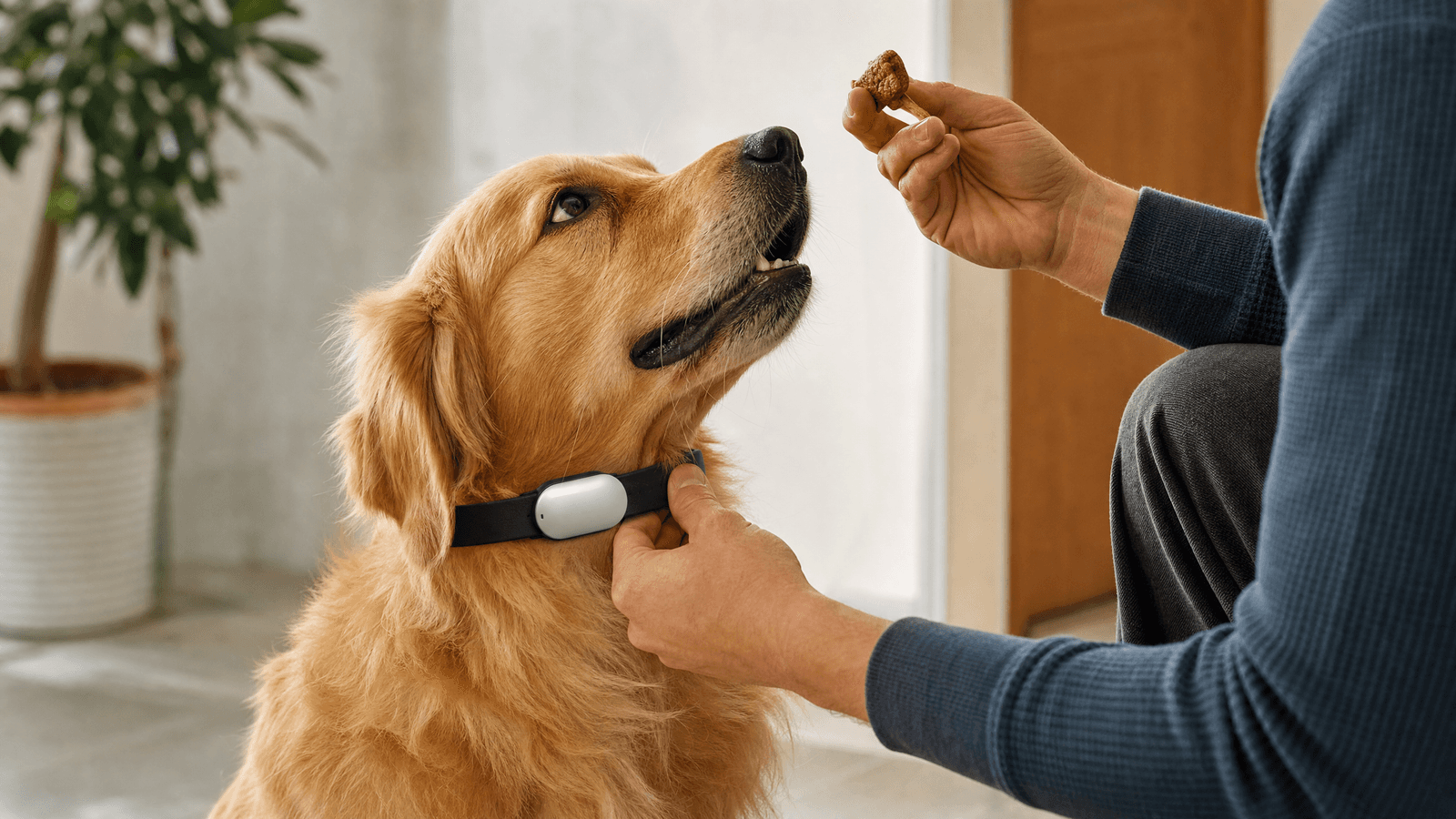
Ensure your furry friend enjoys the safety and freedom of a GPS collar with our comprehensive guide to introduction, desensitization, and proper fit.
SmartPaws Editorial Team
Pet Tech Experts · Research-based content
This article contains affiliate links. We may earn a commission if you purchase through our links, at no extra cost to you. A GPS collar can be a true game-changer for pet parents, offering peace of mind and an added layer of safety for your adventurous canine companion. Whether your dog is an escape artist, loves to explore off-leash, or you simply want to monitor their activity, a GPS collar provides invaluable data and tracking capabilities. However, for some dogs, wearing a new device can be an adjustment. This guide will walk you through the steps to comfortably introduce your dog to their new GPS collar, ensuring a positive experience for both of you.
Beyond just tracking a lost pet, modern GPS collars offer a suite of features that enhance your dog's safety and well-being. They can monitor activity levels, set virtual fences, and even provide insights into your dog's health patterns. The ability to locate your dog in real-time, whether they've wandered off during a hike or slipped out the gate, is an unparalleled benefit. It transforms anxiety into assurance, allowing your dog more freedom while keeping them safe.
The key to a successful introduction is positive association. Don't just strap the collar on and expect your dog to love it. Instead, make it a fun and rewarding experience. Start by letting your dog sniff and investigate the collar on their own terms. Place it near their food bowl or bed, allowing them to get used to its presence without pressure. Associate the collar with good things, like treats, praise, or their favorite toys.
Once your dog seems comfortable with the collar's presence, try putting it on for very short periods, perhaps just a minute or two, while offering high-value treats and praise. Immediately remove the collar before they show any signs of discomfort or resistance. Gradually increase the wearing time over several days or weeks, always ending on a positive note. This desensitization process teaches your dog that the collar is a source of good things, not something to be feared or disliked.
A properly fitted GPS collar is crucial for both comfort and accurate tracking. A collar that's too tight can cause chafing and discomfort, while one that's too loose can easily slip off or snag on objects. As a general rule, you should be able to comfortably slide two fingers between the collar and your dog's neck. Ensure the GPS unit itself sits securely on top of the neck, not dangling or shifting excessively, to maintain optimal signal reception.
Some dogs might scratch, chew, or try to remove the collar. This is often a sign of discomfort or anxiety. Revisit the desensitization steps, shortening the wearing time and increasing positive reinforcement. Distraction with play or a favorite chew toy can also help. If chewing persists, consider using a bitter apple spray on the collar (avoiding the GPS unit itself) or consulting with a professional dog trainer. Patience and consistency are vital.
GPS & Tracking
The most accurate GPS dog collar. Built to last.
Known for its sleek design, long battery life, and robust tracking capabilities, the Fi Series 3+ is an excellent choice for active dogs and concerned owners.
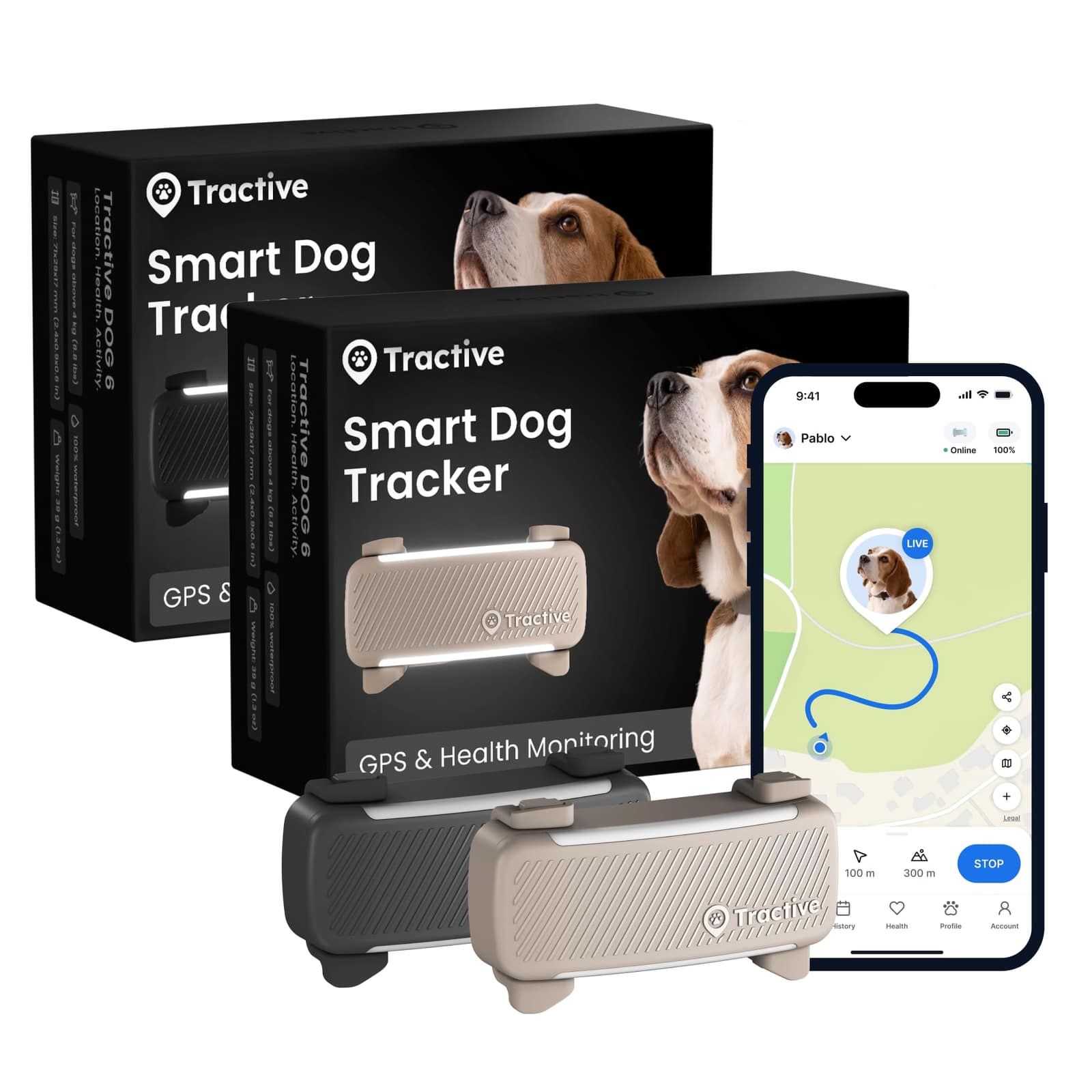
GPS & Tracking
Real-time GPS tracking every 2–3 seconds. Unlimited range, worldwide.
A reliable and affordable option, Tractive offers live tracking, virtual fences, and activity monitoring, perfect for everyday use.
Getting your dog comfortable with a GPS collar is a process that requires patience, positive reinforcement, and attention to detail. By following these steps – a gentle introduction, gradual desensitization, and ensuring a perfect fit – you can help your dog embrace this valuable safety tool. The peace of mind that comes with knowing your dog is safe and trackable is well worth the effort. For more insights into pet tech, explore our [GPS Tracker Buying Guide](/articles/best-gps-trackers-dogs-2026) to find the perfect device for your furry friend.
Keep reading
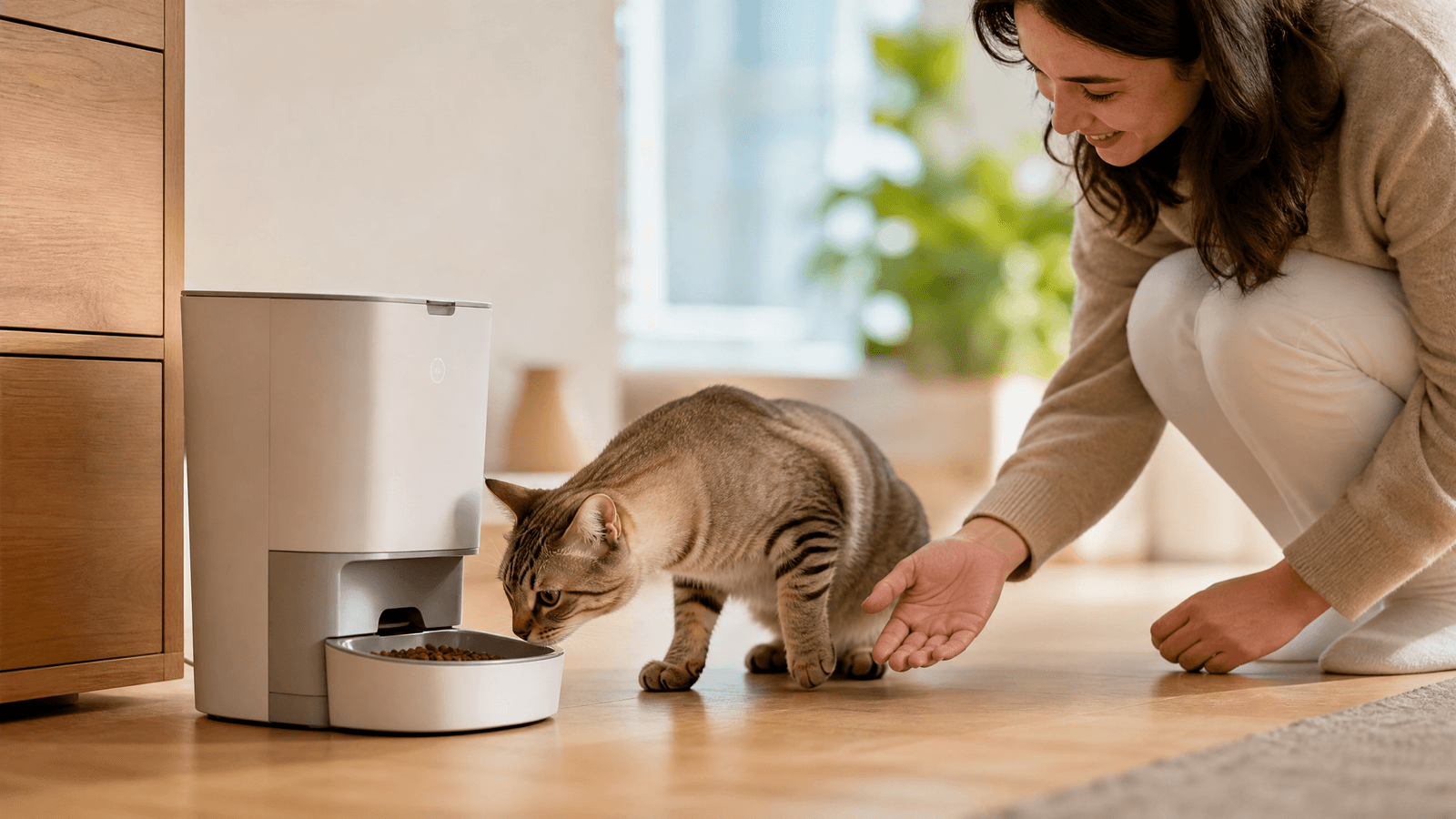
Automatic feeders offer convenience and consistent meal times, but introducing them to a cat requires a gentle, step-by-step strategy. Learn how to make the transition stress-free for your feline companion and avoid common pitfalls.
Read guide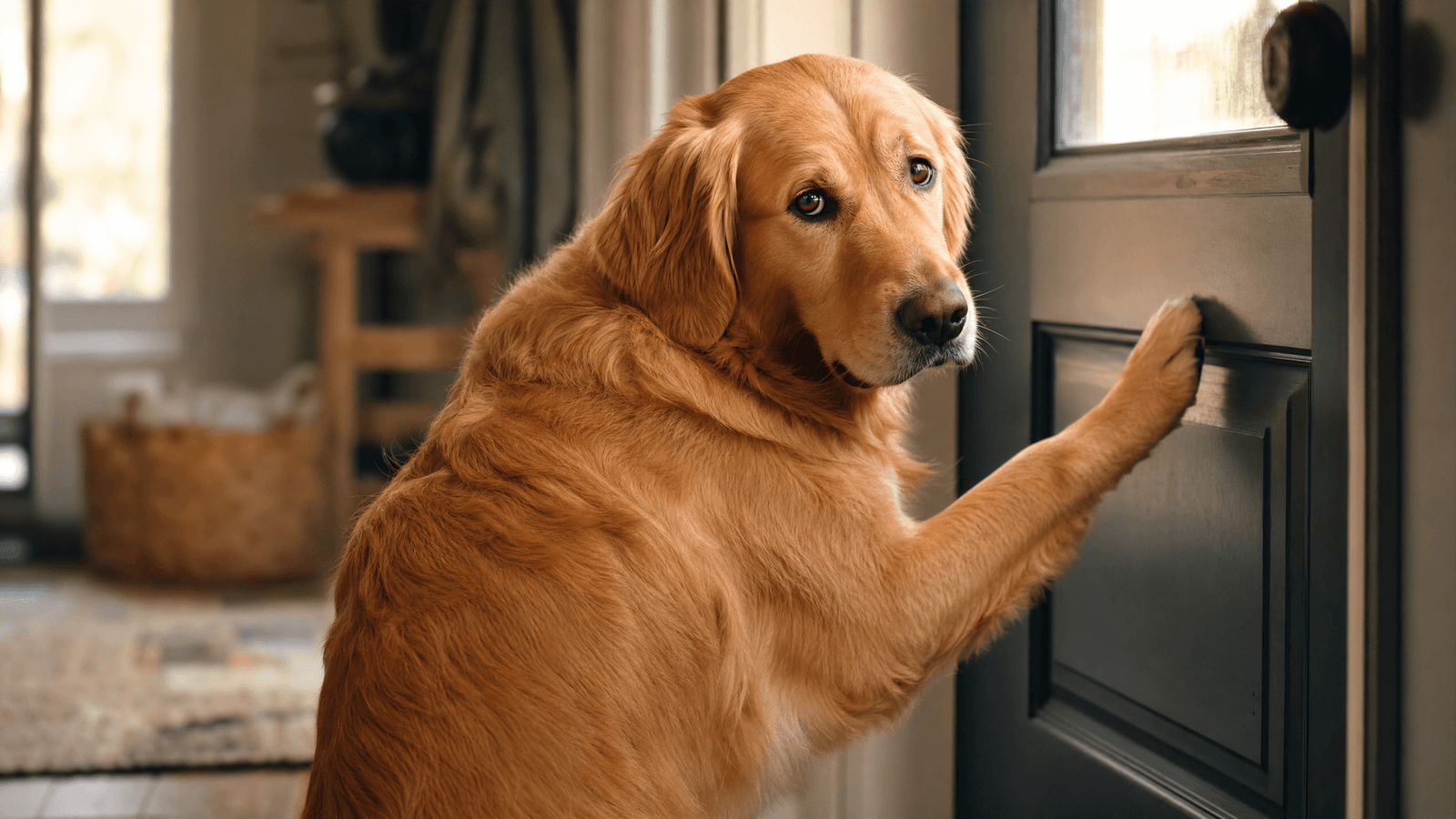
Separation anxiety is a common yet distressing condition for many dogs and their owners. Understanding the signs is the first step towards providing comfort and effective solutions. This guide will help you identify the symptoms and explore practical steps, including tech aids and training, to alleviate your dog's distress.
Read guide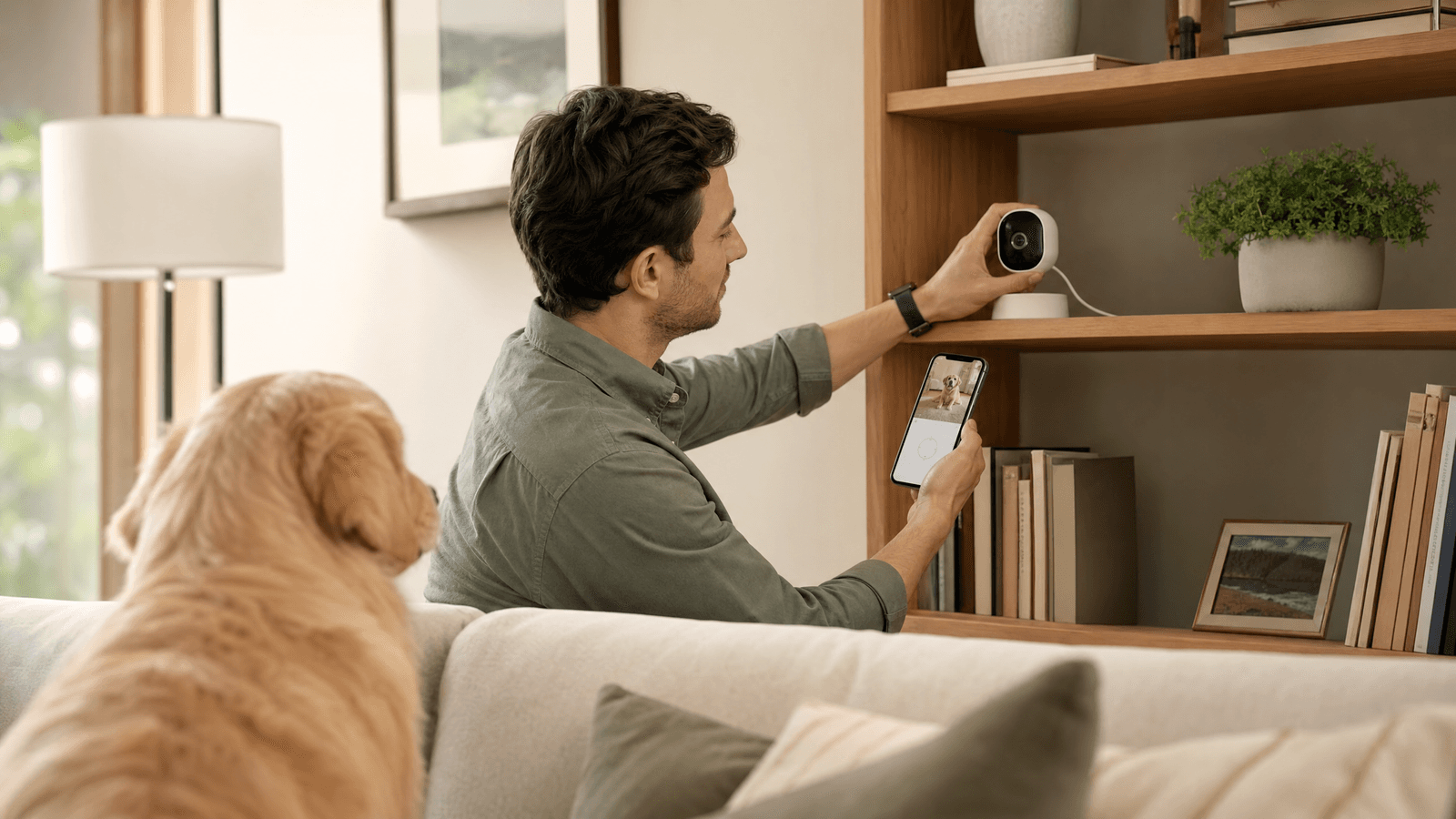
Setting up a pet camera can provide peace of mind and endless entertainment, allowing you to monitor your pets from anywhere. This guide walks you through every step, from choosing the right spot to securing your network and maximizing video quality. Discover how to create a safe and engaging environment for your beloved companions.
Read guide