SmartPawsGuides, comparisons & trusted resources — Guides & trusted resources — always independent.

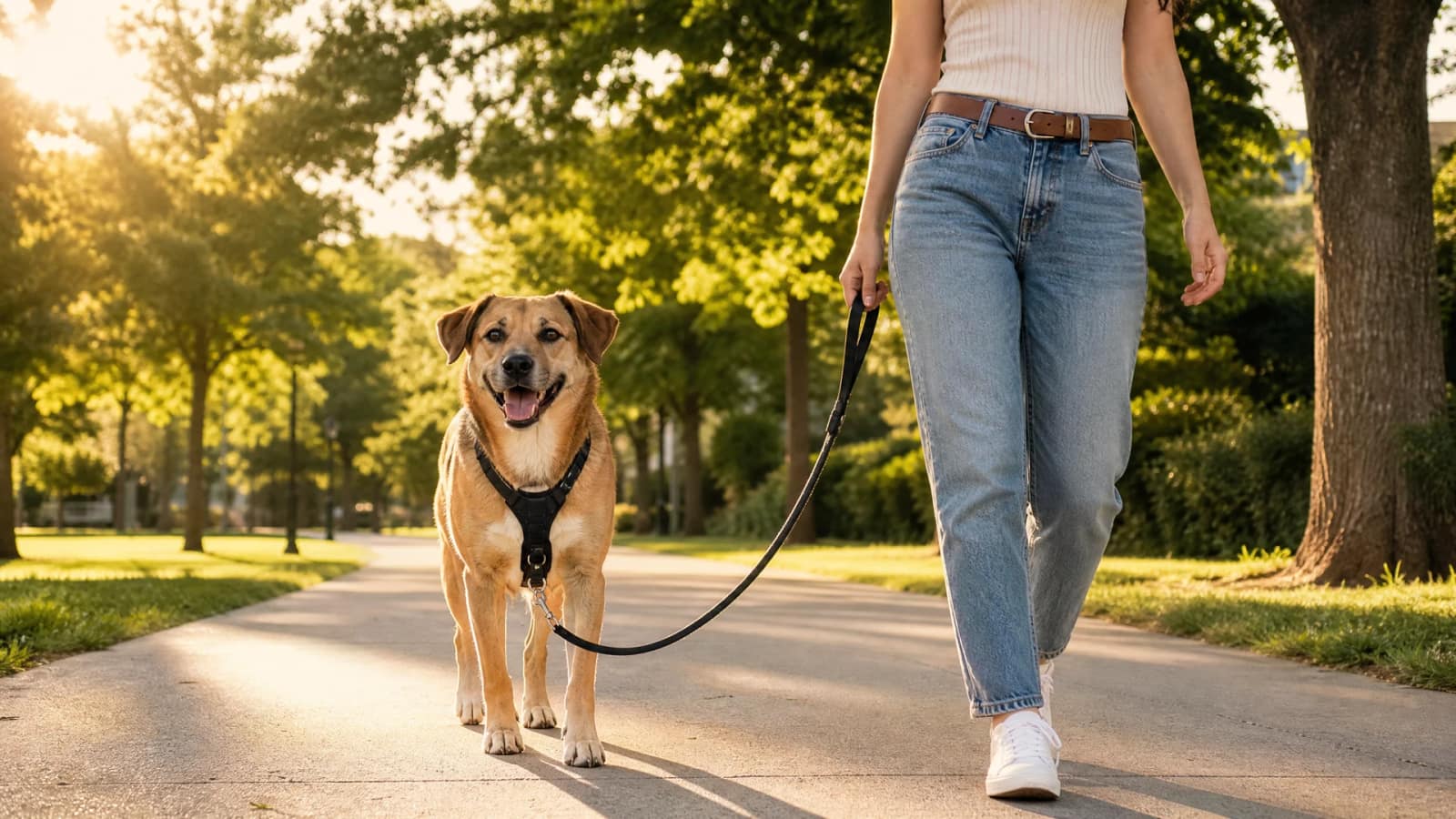
How to Stop Your Dog From Pulling on the Leash
By John Choi · SmartPaws author
The right harness plus the right technique makes leash pulling a solvable problem — for any breed, any age.
Leash pulling is frustrating, exhausting, and can even be dangerous — especially with large or strong breeds. The good news: it's one of the most fixable dog behavior problems. The solution combines the right equipment with consistent technique. This guide covers both.
Why Dogs Pull on the Leash
Dogs pull because it works. Every time a dog pulls forward and the owner follows, the dog learns that pulling = getting where they want to go. It's not dominance, stubbornness, or spite — it's simple reinforcement. The fix is to make pulling ineffective and loose-leash walking rewarding.
The Two-Part Solution
Stopping leash pulling requires two things working together: (1) a front-clip no-pull harness that physically redirects pulling behavior, and (2) consistent training that rewards loose-leash walking. Neither works as well alone. A harness without training is a management tool. Training without the right equipment makes the process harder and slower.
How No-Pull Harnesses Work
Standard back-clip harnesses actually encourage pulling — the dog leans into the harness like a sled dog. Front-clip harnesses attach the leash at the dog's chest. When the dog pulls forward, the leash redirects them to the side, breaking the pulling momentum and turning them back toward you. This makes pulling physically less effective and gives you much more control without force.
Best No-Pull Harnesses by Dog Size
Not all no-pull harnesses fit all dogs. Size, body shape, and coat type all matter. Here are the top-tested options for small, medium, and large dogs.
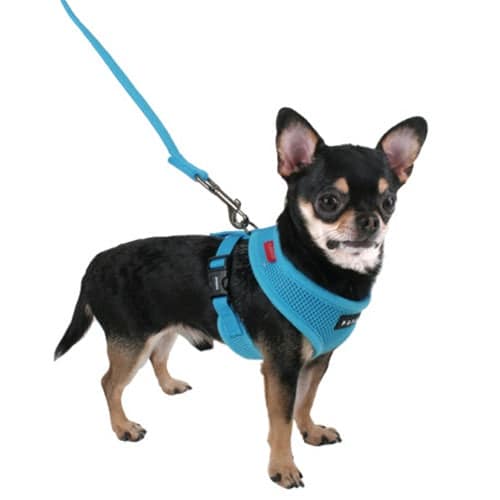
Puppia Soft Dog Harness — Best for Small Dogs
The Wirecutter top pick for small breeds. Soft mesh construction, step-in design, and a back clip — ideal for toy breeds and dogs with delicate necks. Lightweight and machine washable. The chest strap gently discourages pulling without pressure on the throat.
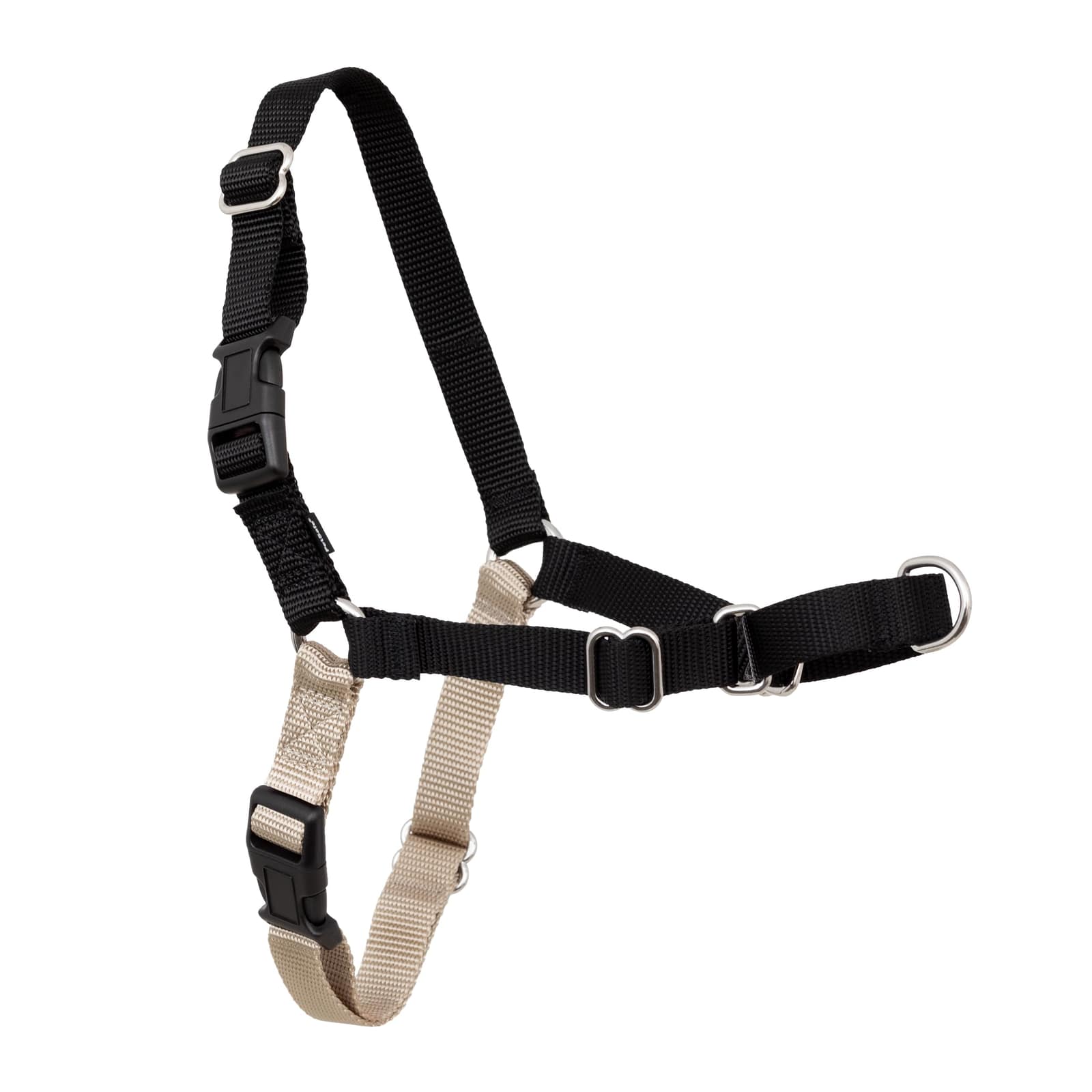
PetSafe Easy Walk No-Pull Harness — Best for Medium Dogs
The #1 trainer-recommended no-pull harness. The patented martingale loop at the chest gently discourages pulling without choking. Used by professional trainers and recommended by vets. Available in 5 sizes. The front-clip design redirects your dog sideways when they pull, breaking the pulling momentum naturally.
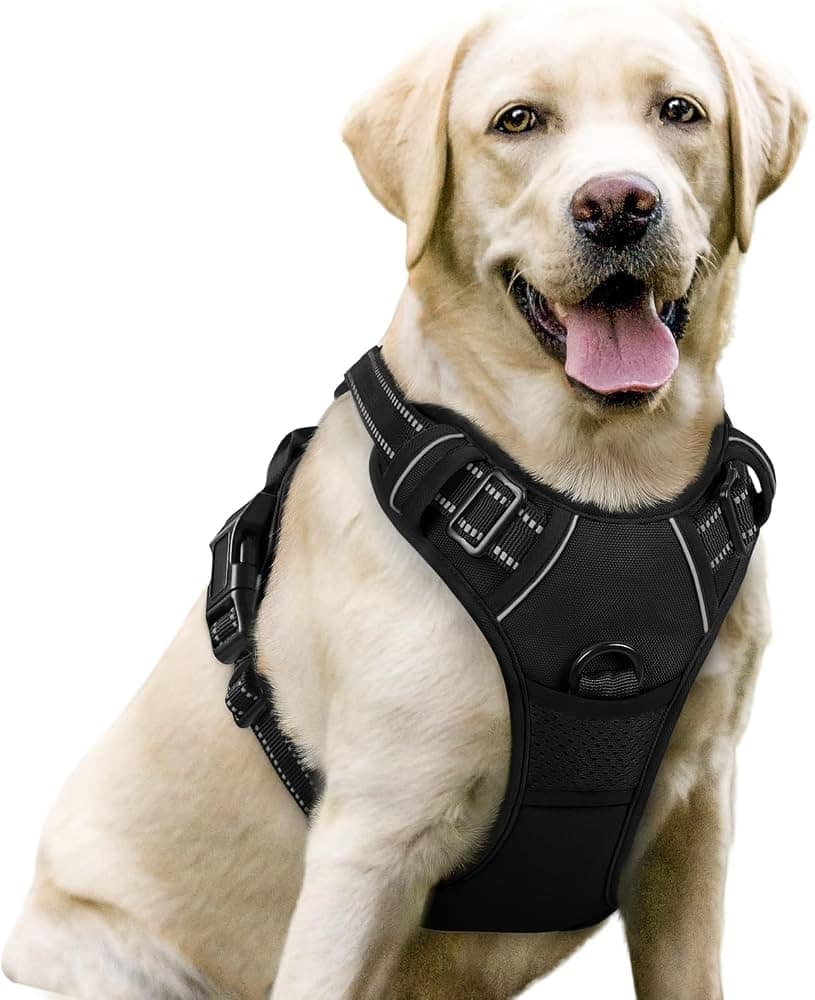
rabbitgoo No-Pull Dog Harness — Best for Large Dogs
Amazon's #1 bestselling no-pull harness. Dual front and back clips, padded chest plate, reflective strips, and easy on/off buckles. Excellent for strong pullers and large breeds. The padded chest and belly straps distribute pressure evenly so there's no choking or discomfort even with strong pullers.
No-Pull Harness Quick Comparison
The Stop-and-Wait Technique
The most effective loose-leash training method: the moment your dog pulls, stop completely. Don't move forward. Wait until the leash goes slack — even for a second — then immediately reward with a treat and continue walking. Repeat every single time. This teaches your dog that pulling = walk stops, loose leash = walk continues. Most dogs show significant improvement within 2–3 weeks of daily practice.
Practice in low-distraction environments first (your driveway, a quiet street) before moving to high-distraction areas like dog parks or busy sidewalks. Set your dog up to succeed by starting easy and gradually increasing difficulty.
The Change-Direction Technique
An alternative to stop-and-wait: when your dog pulls, turn and walk in the opposite direction. Your dog has to follow you, which interrupts the pulling pattern and refocuses their attention on you. Reward the moment they catch up and walk beside you. This method works especially well for high-energy dogs who don't respond well to standing still.
What Doesn't Work
Choke chains and prong collars can suppress pulling through pain, but they don't teach the dog what to do instead — and they carry real risks of tracheal damage, neck injury, and increased anxiety. Retractable leashes actively reward pulling by giving the dog more length the harder they pull. Neither is recommended by modern trainers or veterinary behaviorists.
The Bottom Line
Leash pulling is fixable with the right harness and consistent technique. A front-clip no-pull harness removes the mechanical advantage of pulling, and the stop-and-wait or change-direction method teaches your dog that loose leash = forward progress. Most dogs show meaningful improvement within 2–3 weeks. Start today — your walks will be better for both of you.
Keep reading
You might also like
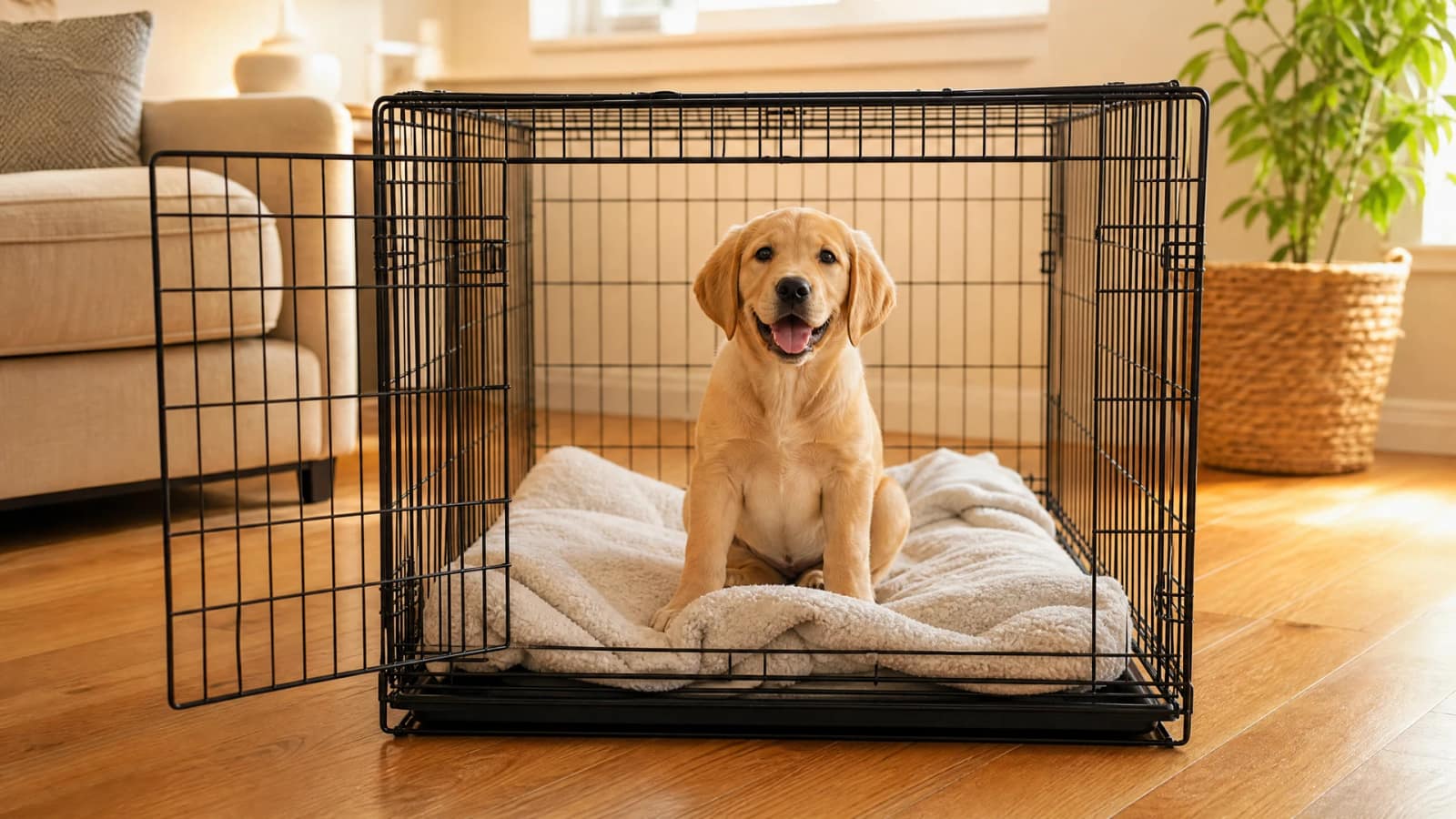
Crate Training a Puppy: The Complete Step-by-Step Guide
Crate training is one of the most valuable things you can do for a new puppy — but only when done correctly. A rushed or punitive approach creates anxiety. A patient, positive approach creates a dog who genuinely loves their crate.
Read guide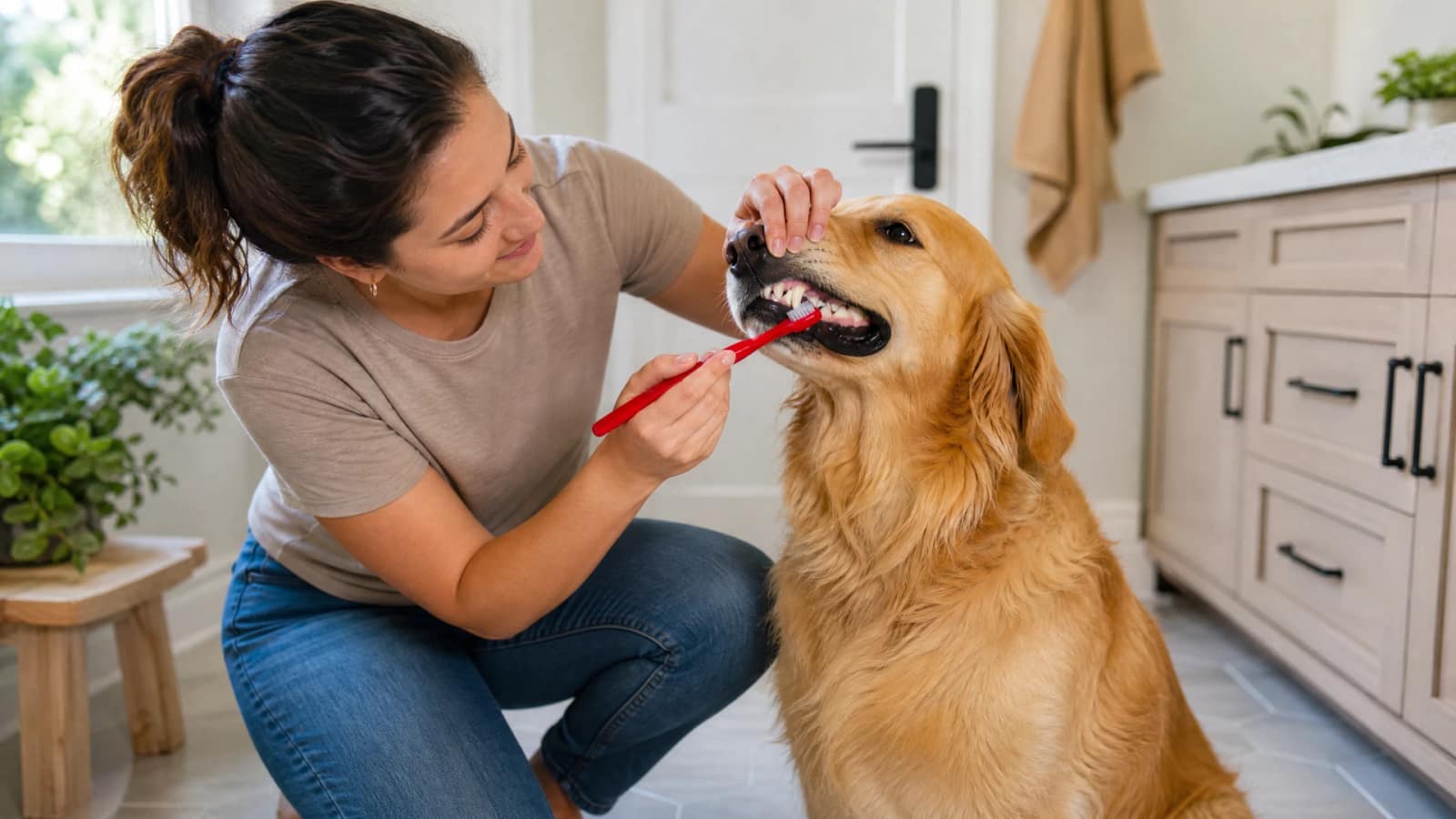
Dog Dental Health: Why It Matters More Than You Think
Most dog owners skip dental care until there's a vet bill. By then, the damage is already done. Dental disease doesn't just cause bad breath — it causes pain, tooth loss, and bacteria that enter the bloodstream and damage the heart, kidneys, and liver.
Read guide
Dog Nutrition Guide: What to Feed, What to Avoid, and How to Read a Label
Dog food marketing is designed to appeal to humans, not dogs. Grain-free, raw, holistic, ancestral — these terms are largely unregulated and often misleading. Here's what the science actually says about feeding your dog well.
Read guide