SmartPawsGuides, comparisons & trusted resources — Guides & trusted resources — always independent.

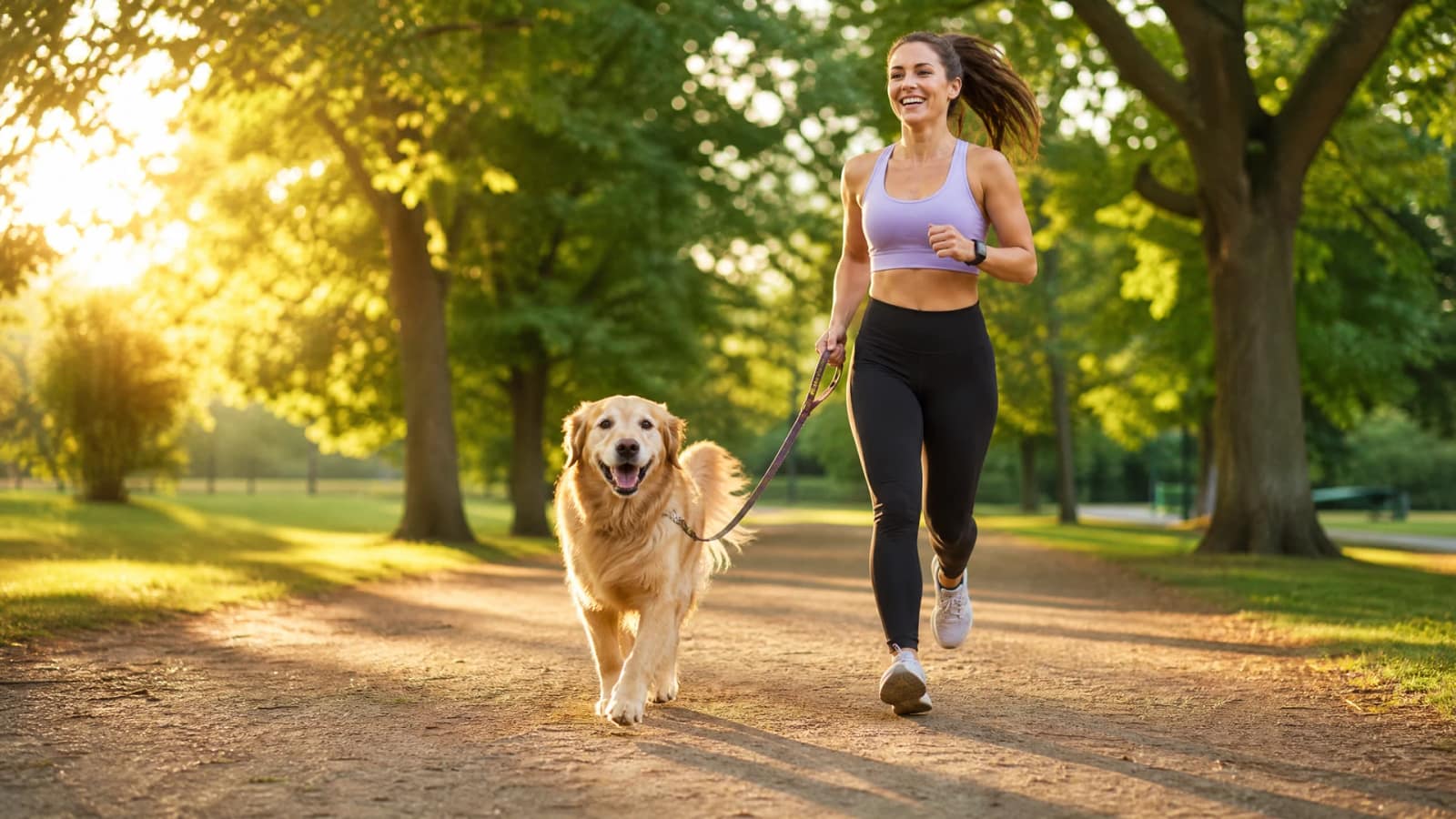
How Much Exercise Does Your Dog Need? A Breed-by-Breed Guide
By John Choi · SmartPaws author
Exercise needs vary dramatically by breed, age, and health. Here's how to figure out the right amount for your specific dog — and the signs you're getting it wrong.
General Education Only
This article is for general educational purposes and does not constitute veterinary advice. Every pet is different — consult your veterinarian before making changes to your pet's diet, health routine, or supplement regimen. If your pet shows signs of illness, contact a licensed veterinarian promptly.
Exercise is one of the most important factors in your dog's physical and mental health — but 'take your dog for a walk' is not a prescription. A Border Collie needs 2+ hours of vigorous activity daily. A French Bulldog needs 20–30 minutes of gentle walking. Getting this wrong causes obesity, destructive behavior, joint damage, and anxiety. This guide gives you the framework to figure out exactly what your dog needs.
Exercise Needs by Breed Group
Herding breeds (Border Collie, Australian Shepherd, German Shepherd) need 90–120+ minutes of vigorous exercise daily — and mental stimulation on top of that. Sporting breeds (Labrador, Golden Retriever, Weimaraner) need 60–90 minutes. Terriers are surprisingly energetic and need 45–90 minutes. Toy breeds (Chihuahua, Pomeranian) need 20–40 minutes. Brachycephalic breeds (Bulldog, Pug, French Bulldog) need only 20–30 minutes and are at risk of overheating — never exercise them in heat or humidity. Giant breeds (Great Dane, Mastiff) need moderate exercise but are prone to joint issues and should avoid high-impact activity.
Age Adjustments
Puppies should not do forced, repetitive exercise on hard surfaces until their growth plates close — typically 12–18 months depending on breed size. The general guideline is 5 minutes of exercise per month of age, twice daily. So a 4-month-old puppy gets two 20-minute sessions. Senior dogs need continued exercise for joint health and weight management, but lower impact — swimming, gentle walks, and shorter sessions are ideal. Watch for signs of fatigue or pain and adjust accordingly.
Signs Your Dog Needs More Exercise
Destructive behavior (chewing furniture, digging, excessive barking) is the most common sign of under-exercised dogs. Hyperactivity indoors, difficulty settling, and attention-seeking behaviors are also indicators. Weight gain is a clear signal. Some dogs develop anxiety-related behaviors — excessive licking, pacing, or restlessness — when their exercise needs aren't met. A well-exercised dog is calm, settles easily, and sleeps soundly.
Signs You're Over-Exercising
Over-exercise is less common but real — particularly in puppies and working breeds pushed too hard. Signs include: excessive panting or difficulty recovering after exercise, lameness or stiffness the day after activity, reluctance to exercise when they previously were eager, and behavioral changes like increased irritability. Large and giant breed puppies are especially vulnerable to joint damage from excessive high-impact exercise before growth plates close.
Mental Exercise Counts
Physical exercise is only half the equation. Mental stimulation — training sessions, puzzle feeders, scent work, and interactive play — tires dogs out as effectively as physical activity, sometimes more so. A 15-minute training session can be as exhausting for a dog as a 30-minute walk. For high-drive breeds, mental exercise is essential, not optional. Rotate toys, teach new commands, and use meal time as a training opportunity.
Hot Weather and Exercise Safety
Dogs cannot regulate body heat as efficiently as humans. Exercise in the early morning or evening when temperatures are below 75°F. Asphalt can reach 140°F on a hot day — if you can't hold your hand on the pavement for 5 seconds, it's too hot for your dog's paws. Brachycephalic breeds should not be exercised outdoors when temperatures exceed 70°F. Always bring water. Know the signs of heat stroke: excessive panting, drooling, vomiting, collapse. It's a medical emergency.
The sniff walk: A 20-minute 'sniff walk' where your dog sets the pace and follows their nose provides more mental enrichment than a brisk 45-minute structured walk. Let your dog sniff — it's how they process the world. Structured walks and sniff walks serve different purposes; both are valuable.
The Bottom Line
Match exercise to your dog's breed, age, and individual temperament. Combine physical exercise with mental stimulation. Watch your dog's behavior and body condition for feedback — they'll tell you if you're getting it right. And when in doubt, ask your veterinarian — they can assess your dog's specific health status and recommend appropriate activity levels.
Keep reading
You might also like

Crate Training a Puppy: The Complete Step-by-Step Guide
Crate training is one of the most valuable things you can do for a new puppy — but only when done correctly. A rushed or punitive approach creates anxiety. A patient, positive approach creates a dog who genuinely loves their crate.
Read guide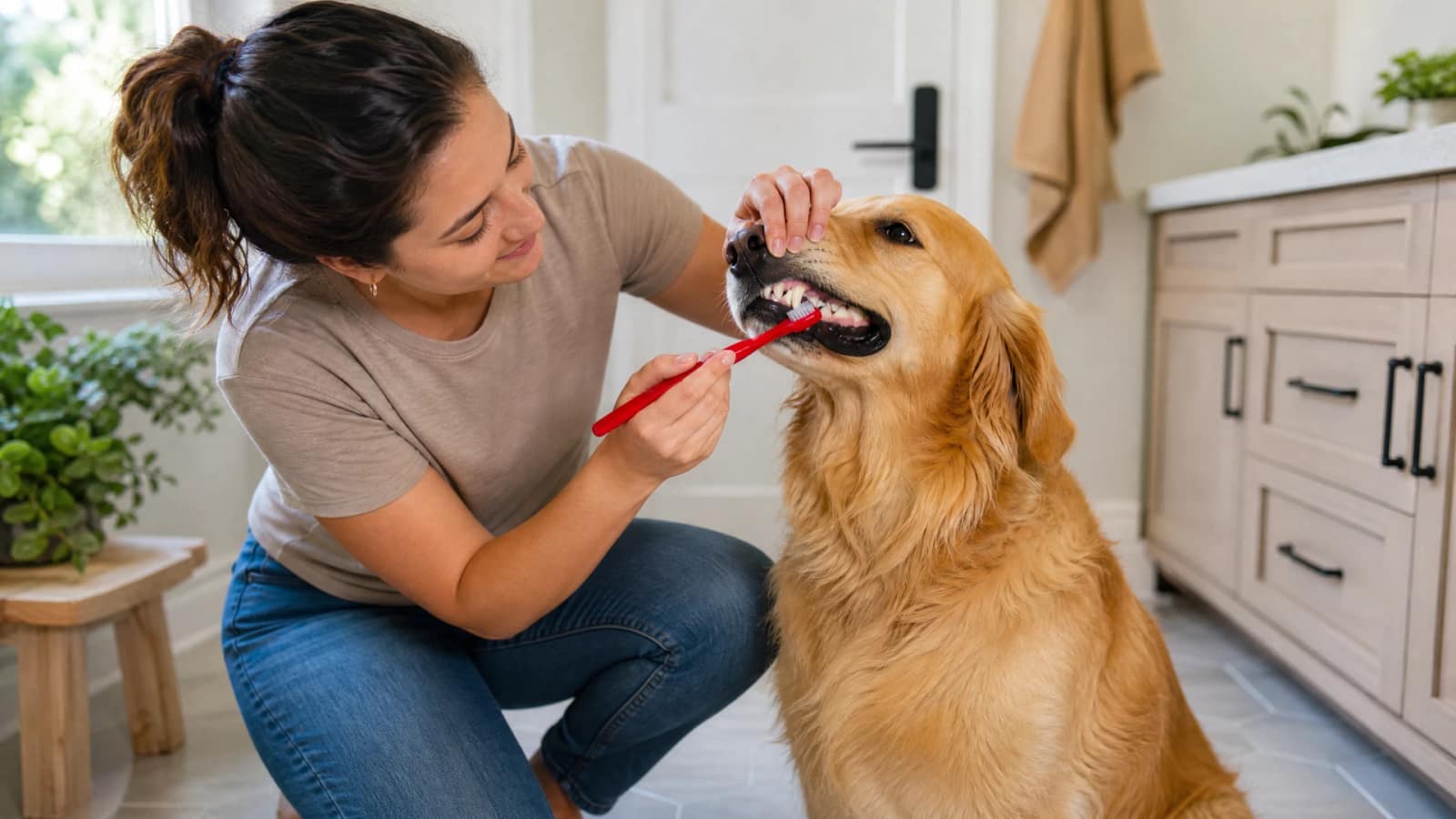
Dog Dental Health: Why It Matters More Than You Think
Most dog owners skip dental care until there's a vet bill. By then, the damage is already done. Dental disease doesn't just cause bad breath — it causes pain, tooth loss, and bacteria that enter the bloodstream and damage the heart, kidneys, and liver.
Read guide
Dog Nutrition Guide: What to Feed, What to Avoid, and How to Read a Label
Dog food marketing is designed to appeal to humans, not dogs. Grain-free, raw, holistic, ancestral — these terms are largely unregulated and often misleading. Here's what the science actually says about feeding your dog well.
Read guide