SmartPawsGuides, comparisons & trusted resources — Guides & trusted resources — always independent.

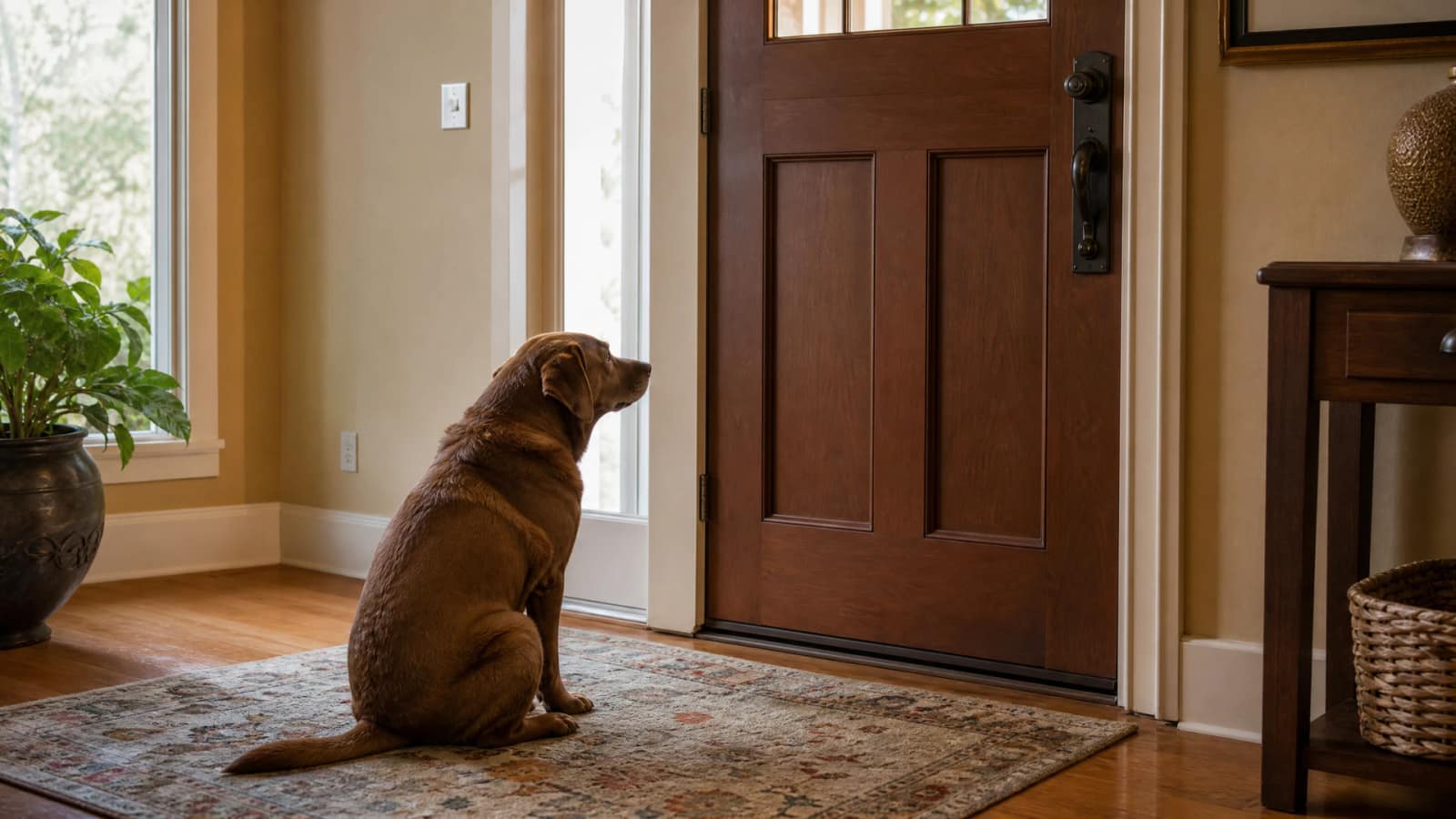
Dog Separation Anxiety: What It Actually Is and How to Treat It
By John Choi · SmartPaws author
Separation anxiety affects 1 in 4 dogs. It's not disobedience — it's a genuine panic response. Here's how to diagnose it correctly and what actually works.
General Education Only
This article is for general educational purposes and does not constitute veterinary advice. Every pet is different — consult your veterinarian before making changes to your pet's diet, health routine, or supplement regimen. If your pet shows signs of illness, contact a licensed veterinarian promptly.
Separation anxiety is the second most common reason dogs are surrendered to shelters. It's widely misunderstood — many owners believe their dog is being destructive out of spite or boredom, when in reality the dog is in a state of genuine panic. Understanding what separation anxiety actually is — and what it isn't — is the first step to treating it effectively.
What Separation Anxiety Actually Is
Separation anxiety is a panic disorder triggered by the absence of an attachment figure — usually the primary owner. It's not about being alone per se; many dogs with separation anxiety are fine when left with another person or even another dog. The panic response activates the sympathetic nervous system: heart rate increases, cortisol spikes, and the dog enters a state of genuine distress. Destructive behavior, vocalization, and house soiling during departures are symptoms of this panic state, not deliberate misbehavior.
Diagnosing Separation Anxiety vs. Boredom
The key diagnostic question is: does the behavior happen only when the dog is alone (or separated from a specific person), or does it happen at other times too? A dog who chews furniture only when left alone likely has separation anxiety. A dog who chews furniture whenever they're unsupervised is more likely under-exercised or under-stimulated. Set up a camera and record your dog's behavior during your absence. Dogs with true separation anxiety typically begin showing distress within the first 30 minutes of being alone.
What Doesn't Work
Punishment is counterproductive — it increases anxiety and damages trust without addressing the underlying panic. Getting another dog does not reliably resolve separation anxiety; the anxious dog is attached to the person, not to company in general. Crating an anxious dog without proper desensitization can intensify panic and cause self-injury. Ignoring departures and arrivals is a minor component of treatment, not a solution on its own.
Systematic Desensitization: The Evidence-Based Treatment
The gold standard treatment for separation anxiety is systematic desensitization — gradually exposing the dog to departures in a way that stays below the anxiety threshold. Start with sub-threshold departures: pick up your keys, then sit back down. Put on your coat, then take it off. Step outside for 5 seconds, return calmly. The goal is to break the association between departure cues and panic. Progress is measured in seconds and minutes, not hours. This process takes weeks to months and requires consistency.
Medication as a Tool
For moderate to severe separation anxiety, behavioral medication prescribed by a veterinarian can be an important part of treatment. Fluoxetine (Prozac) and clomipramine are FDA-approved for separation anxiety in dogs. These medications reduce baseline anxiety, making the dog more receptive to behavioral modification. They are not sedatives and do not resolve the problem on their own — they work best in combination with systematic desensitization.
Management While You Work on Treatment
While working through desensitization, minimize full-duration absences as much as possible — every full panic episode reinforces the anxiety response. Use a dog walker, doggy daycare, or ask a friend or family member to stay with your dog. Pet cameras let you monitor your dog remotely and intervene if needed. Some dogs benefit from calming aids (Adaptil diffuser, calming supplements) as adjuncts — not solutions.
The departure routine: Many dogs with separation anxiety begin showing anxiety before you leave — during the 'pre-departure ritual' of getting dressed, picking up keys, and putting on shoes. Randomize these cues throughout the day without leaving. Put on your shoes and watch TV. Pick up your keys and make coffee. This breaks the predictive association that triggers pre-departure anxiety.
The Bottom Line
Separation anxiety is treatable, but it requires patience, consistency, and often professional guidance. The most important first step is accurate diagnosis — record your dog's behavior during absences before assuming it's separation anxiety. If it is, commit to systematic desensitization, consider medication if the anxiety is severe, and minimize full-duration absences while you work through the process. Recovery is possible for most dogs.
Keep reading
You might also like
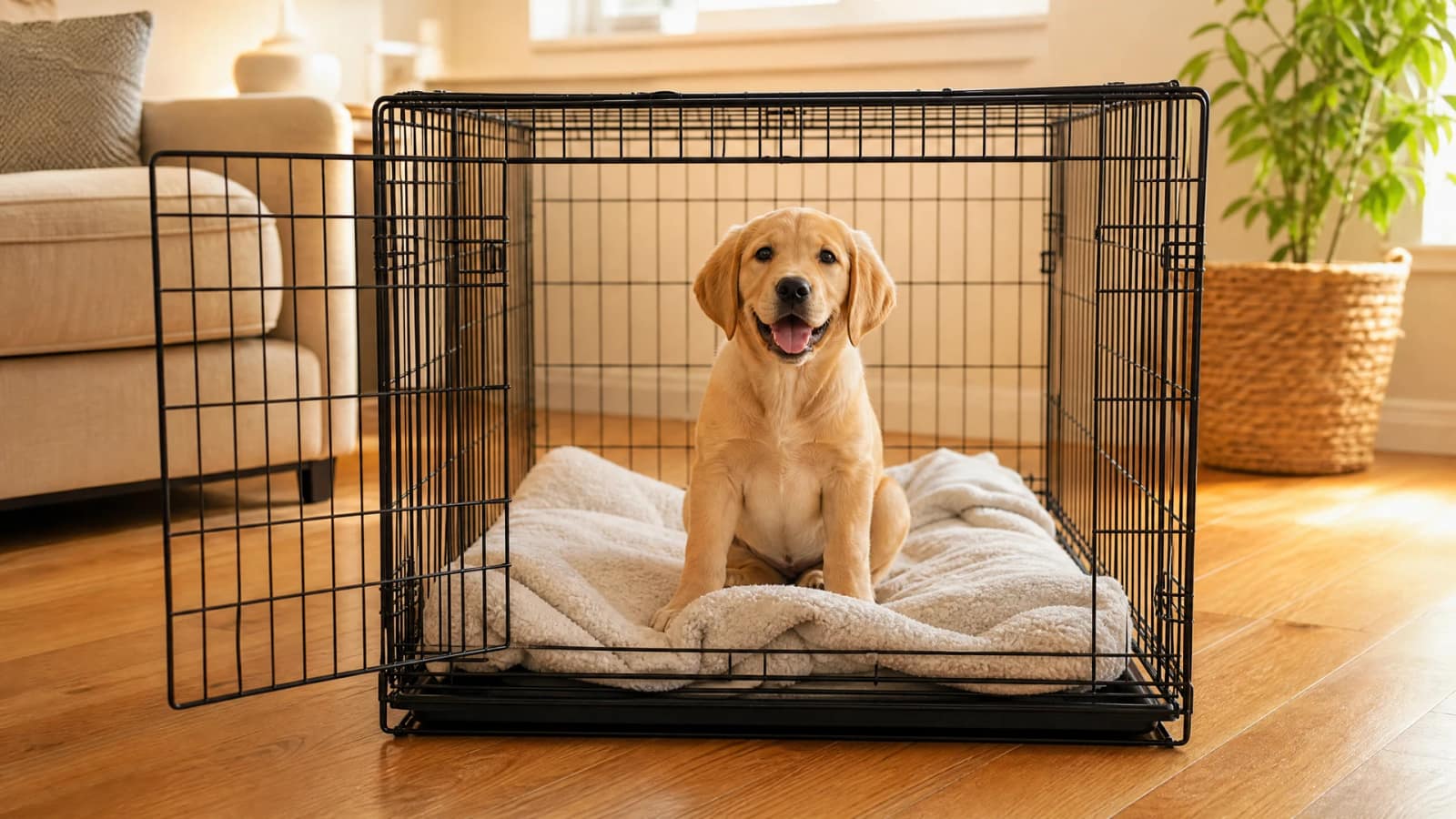
Crate Training a Puppy: The Complete Step-by-Step Guide
Crate training is one of the most valuable things you can do for a new puppy — but only when done correctly. A rushed or punitive approach creates anxiety. A patient, positive approach creates a dog who genuinely loves their crate.
Read guide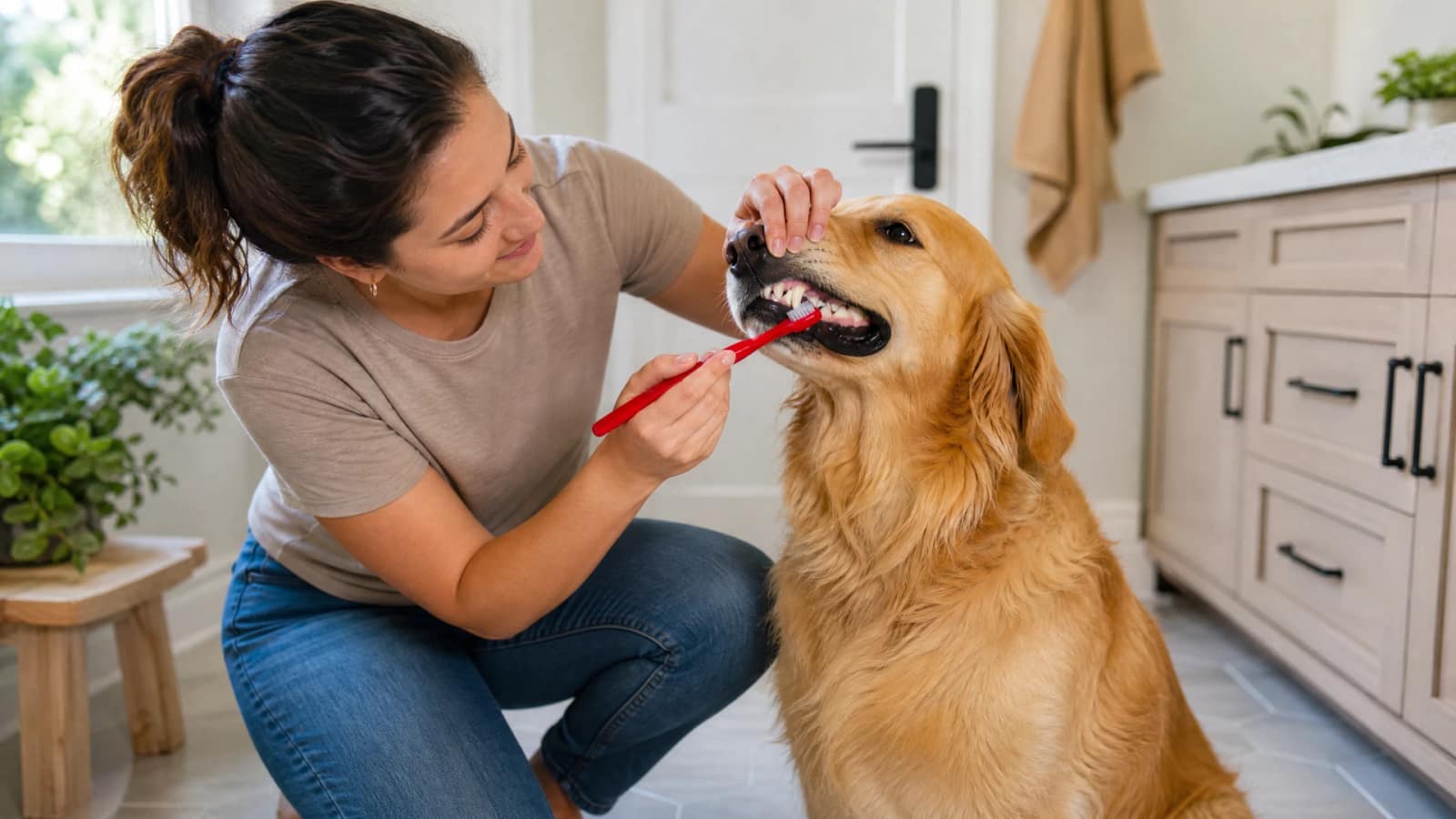
Dog Dental Health: Why It Matters More Than You Think
Most dog owners skip dental care until there's a vet bill. By then, the damage is already done. Dental disease doesn't just cause bad breath — it causes pain, tooth loss, and bacteria that enter the bloodstream and damage the heart, kidneys, and liver.
Read guide
Dog Nutrition Guide: What to Feed, What to Avoid, and How to Read a Label
Dog food marketing is designed to appeal to humans, not dogs. Grain-free, raw, holistic, ancestral — these terms are largely unregulated and often misleading. Here's what the science actually says about feeding your dog well.
Read guide