SmartPawsGuides, comparisons & trusted resources — Guides & trusted resources — always independent.

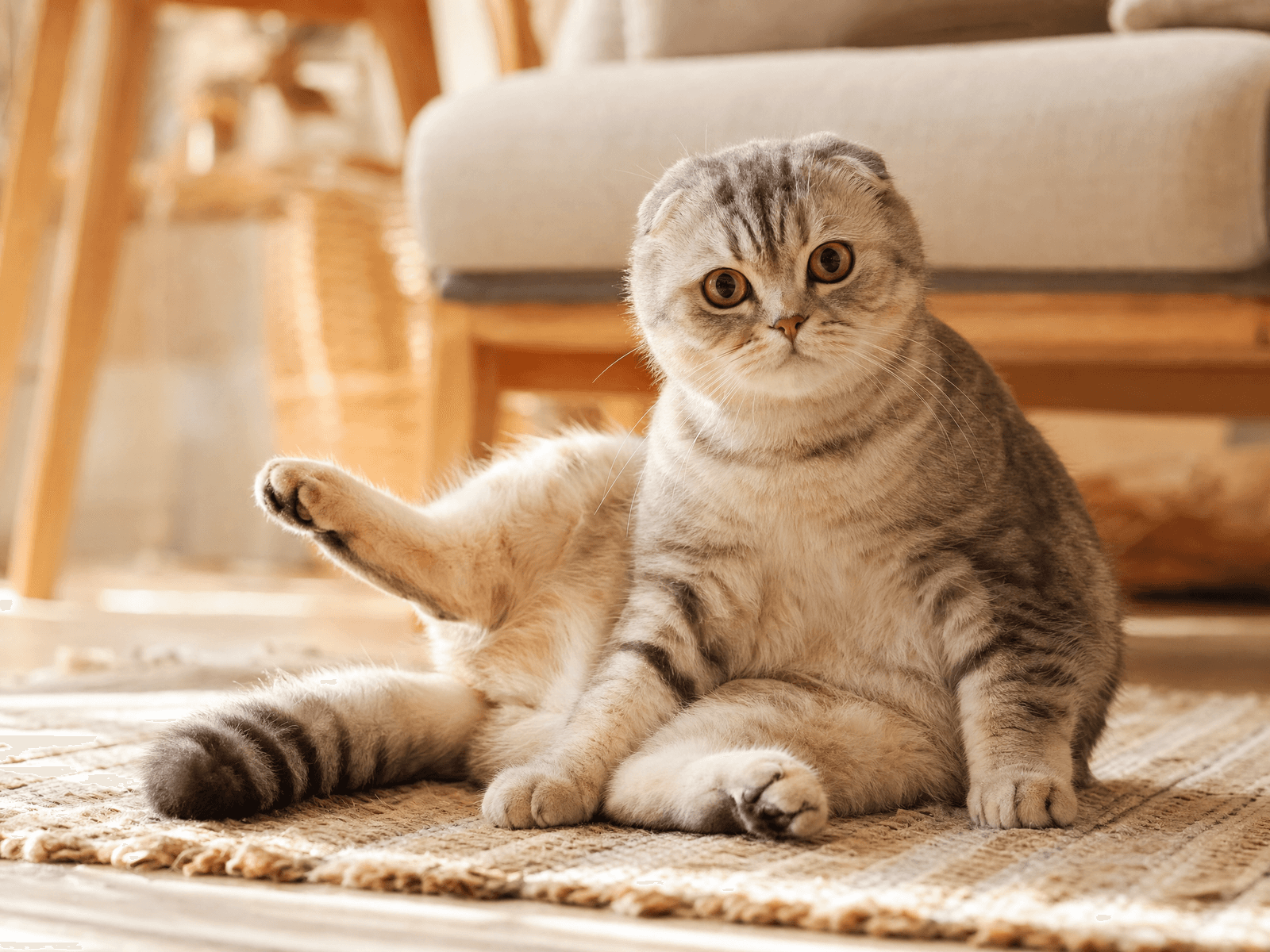
Scottish Fold
Origin: Scotland
Weight
6–13 lbs
Height
8–10 inches
Lifespan
11–14 years
Coat
Short or long, dense, plush coat
Breeder Cost
$1,000–$3,000
Adoption Cost
$50–$200
Personality & Temperament
Scottish Folds are instantly recognizable by their distinctive folded ears, which give them an owl-like appearance. They are sweet, calm, and adaptable cats who get along well with children and other pets. Scottish Folds are known for sitting in unusual positions — often on their back with their legs stretched out, called the 'Buddha position.'
Best For
Calm households, those who understand the health implications and are prepared for potential joint management
Exercise & Activity Needs
Scottish Folds are moderately active cats who enjoy gentle play sessions of 15–20 minutes daily. They are not highly energetic but benefit from interactive toys to prevent boredom.
Grooming & Coat Care
Short-haired Scottish Folds need weekly brushing. Long-haired varieties (Scottish Fold Longhair) need brushing 2–3 times weekly. Their folded ears need weekly cleaning to prevent wax buildup and infections.
Coat type: Short or long, dense, plush coat
Common Health Conditions
Osteochondrodysplasia is a serious ethical concern for Scottish Folds. ALL Scottish Folds carry the gene that causes painful joint disease — it is inseparable from the folded ear trait. Many veterinary organizations and countries have banned the breeding of Scottish Folds for this reason. If you choose a Scottish Fold, be prepared for potential lifelong joint management.
Osteochondrodysplasia (OCD)
The most serious health concern for Scottish Folds. The same genetic mutation that causes the folded ears also causes a painful degenerative joint disease affecting the entire skeleton. ALL Scottish Folds carry this gene. Signs include reluctance to move, stiff gait, and pain.
Ear Infections
The folded ears restrict airflow and trap wax, making Folds prone to ear infections. Weekly cleaning is essential.
Hypertrophic Cardiomyopathy (HCM)
Heart muscle disease. Annual cardiac screening is recommended.
Polycystic Kidney Disease (PKD)
Cysts form in the kidneys. DNA testing is available.
Breed Restrictions & Legal Status
This breed is restricted in some locations:
- • Scotland (banned by GCCF)
- • Netherlands (banned)
- • Austria (banned)
- • Belgium (banned)
- • Germany (restricted)
Breeding is banned or restricted in several countries due to the painful osteochondrodysplasia that affects all Scottish Folds.
History & Origin
The Scottish Fold originated from a single cat named Susie, a white barn cat with unusual folded ears found on a farm in Perthshire, Scotland in 1961. Shepherd William Ross noticed Susie and began breeding her, working with geneticist Pat Turner to establish the breed. The fold is caused by a dominant gene mutation that affects cartilage throughout the body — not just the ears. The breed was recognized by the CFA in 1978 but remains controversial due to the health implications of the fold gene.
Interesting Facts
- 1
All Scottish Folds descend from a single cat named Susie, found on a Scottish farm in 1961.
- 2
The fold gene affects all cartilage in the body — not just the ears — causing painful joint disease in all homozygous cats.
- 3
Taylor Swift's Scottish Folds, Meredith and Olivia, are among the most famous cats in the world.
- 4
Scotland has banned the breeding of Scottish Folds — the breed's country of origin no longer allows them to be bred.
- 5
Straight-eared kittens from Scottish Fold litters (called Scottish Straights) carry the fold gene but don't have folded ears.
Cost of Ownership
Owning a Scottish Fold is a long-term financial commitment. Here's a realistic breakdown of what to budget for.
Annual Cost
$900–$1,800
First Year (incl. setup)
$2,200–$4,000
Quality food; weight management important
Osteochondrodysplasia causes painful joint disease in all Folds
Varies by coat length; ear cleaning important due to folded ears
Quality litter; comfortable bedding for joint comfort
Gentle play; joint pain may limit activity
Essential — joint disease treatment is ongoing and expensive
* Estimates based on national averages. Costs vary by location, lifestyle, and individual health needs. Emergency vet visits are not included.
Popularity & Adoption Trends
Estimated US Population
~500,000 in the US
Adoption Trend
Scottish Fold popularity has declined as awareness of their painful genetic condition (osteochondrodysplasia) grows. Scotland, Germany, the Netherlands, and Austria have banned the breeding of Scottish Folds. Welfare organizations worldwide are calling for an end to breeding cats with the fold mutation, which causes painful joint disease in all affected cats.
Plan daily life with your Scottish Fold
Use the guides below to compare practical options alongside this breed's care needs.
Pet Tech Essentials
The right technology makes cat ownership easier, safer, and more connected — whether you're home or away. These are the products our editors consider must-haves for every cat owner.
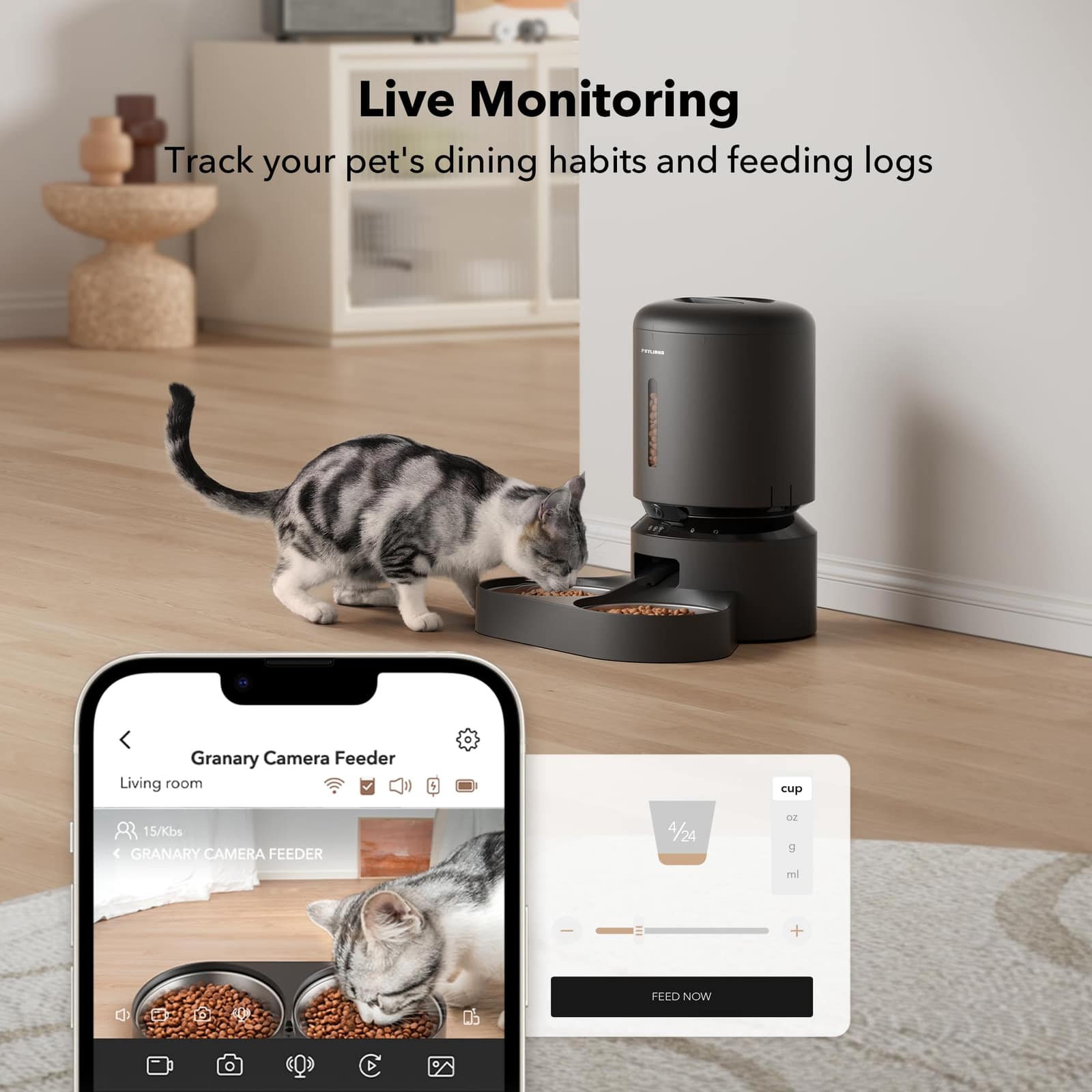
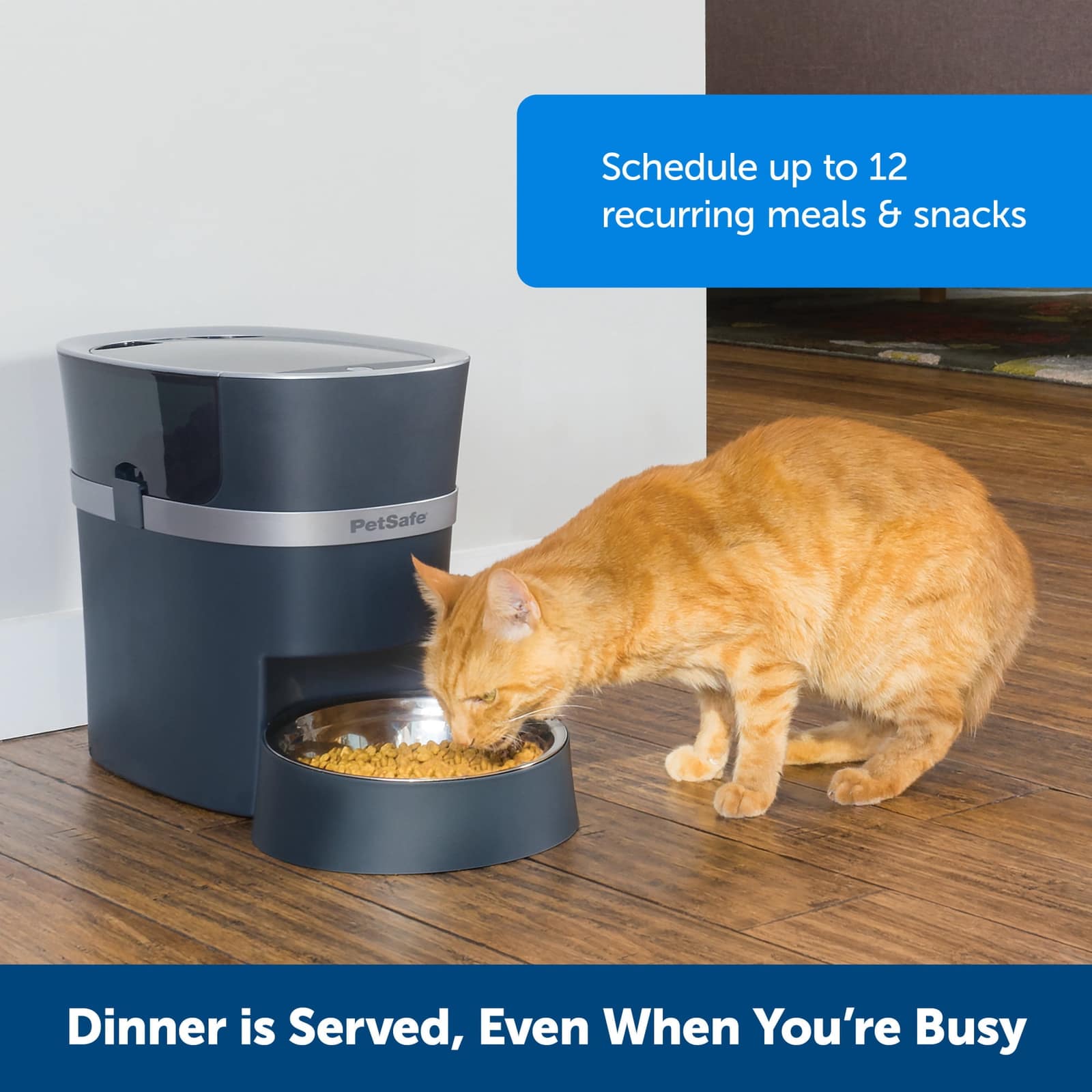
Automatic Feeder
Scheduled, portion-controlled meals — no more 4 a.m. wake-up calls for breakfast.

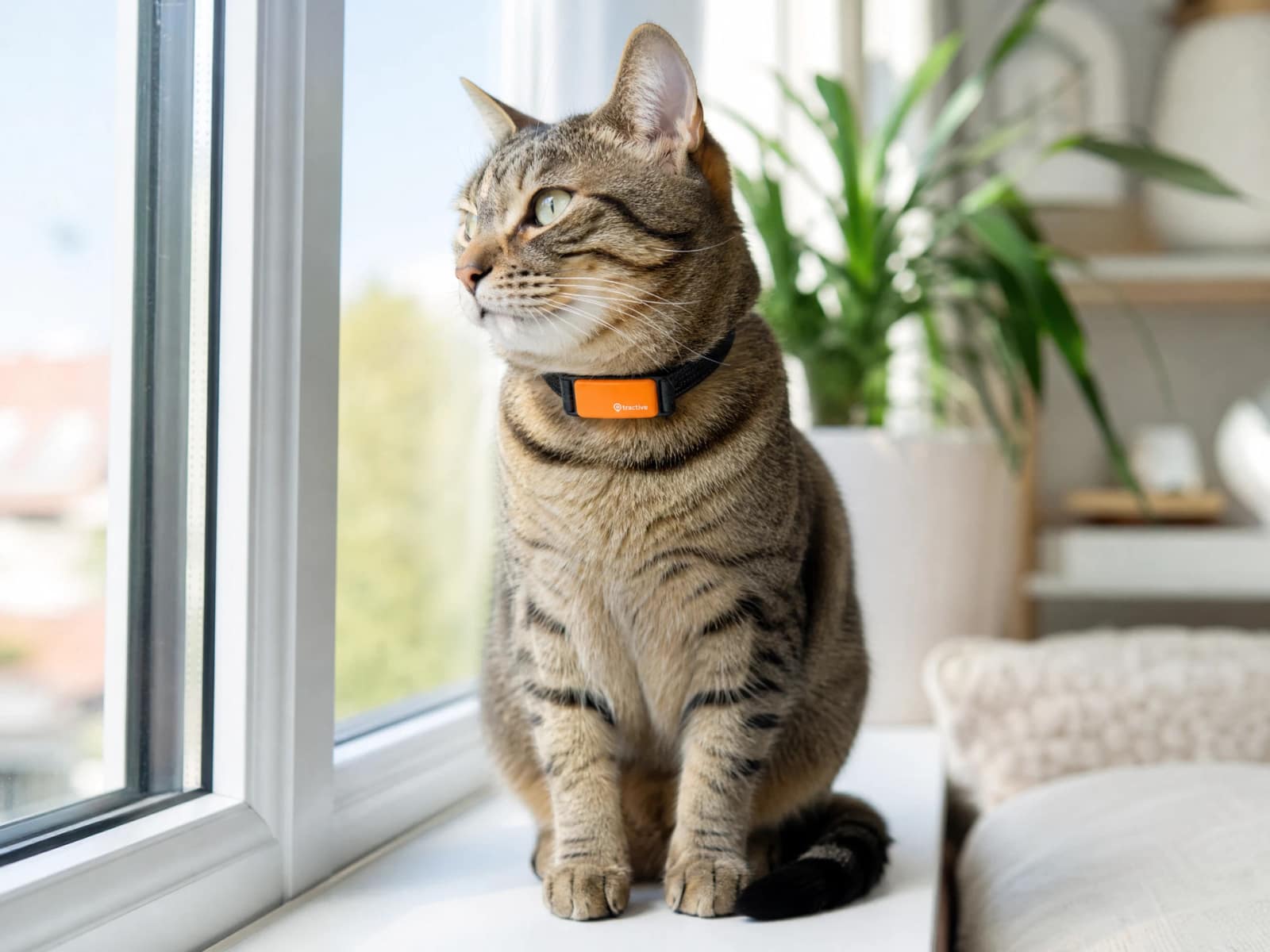
GPS Tracker
Know exactly where your cat is — essential for outdoor and indoor-outdoor cats.
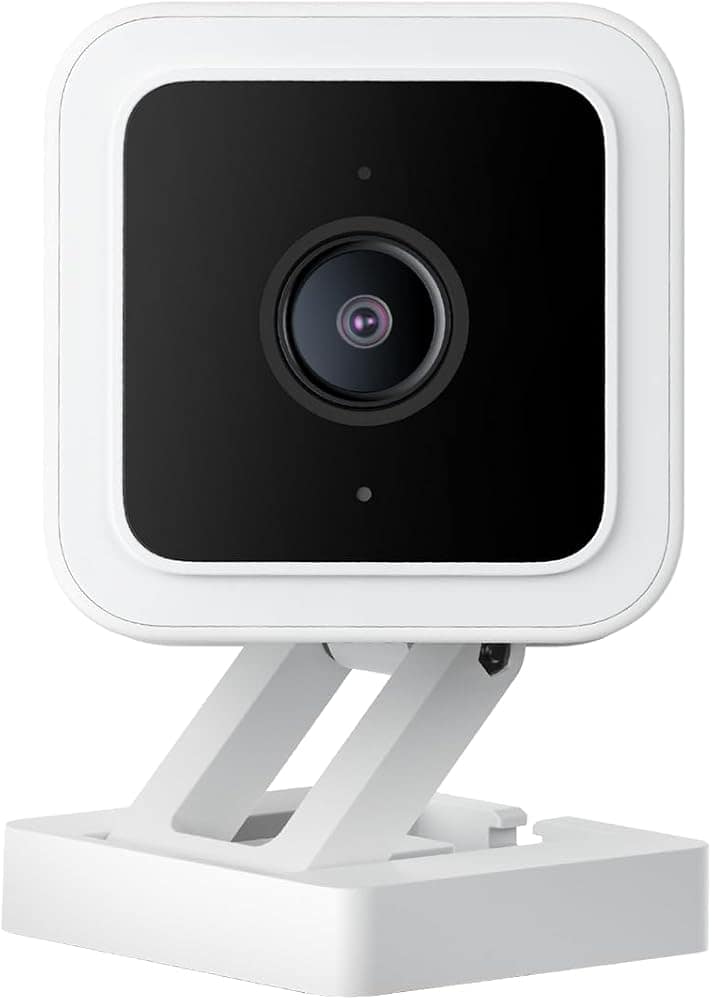
Pet Camera
Check in on your cat anytime — two-way audio lets you hear and be heard.

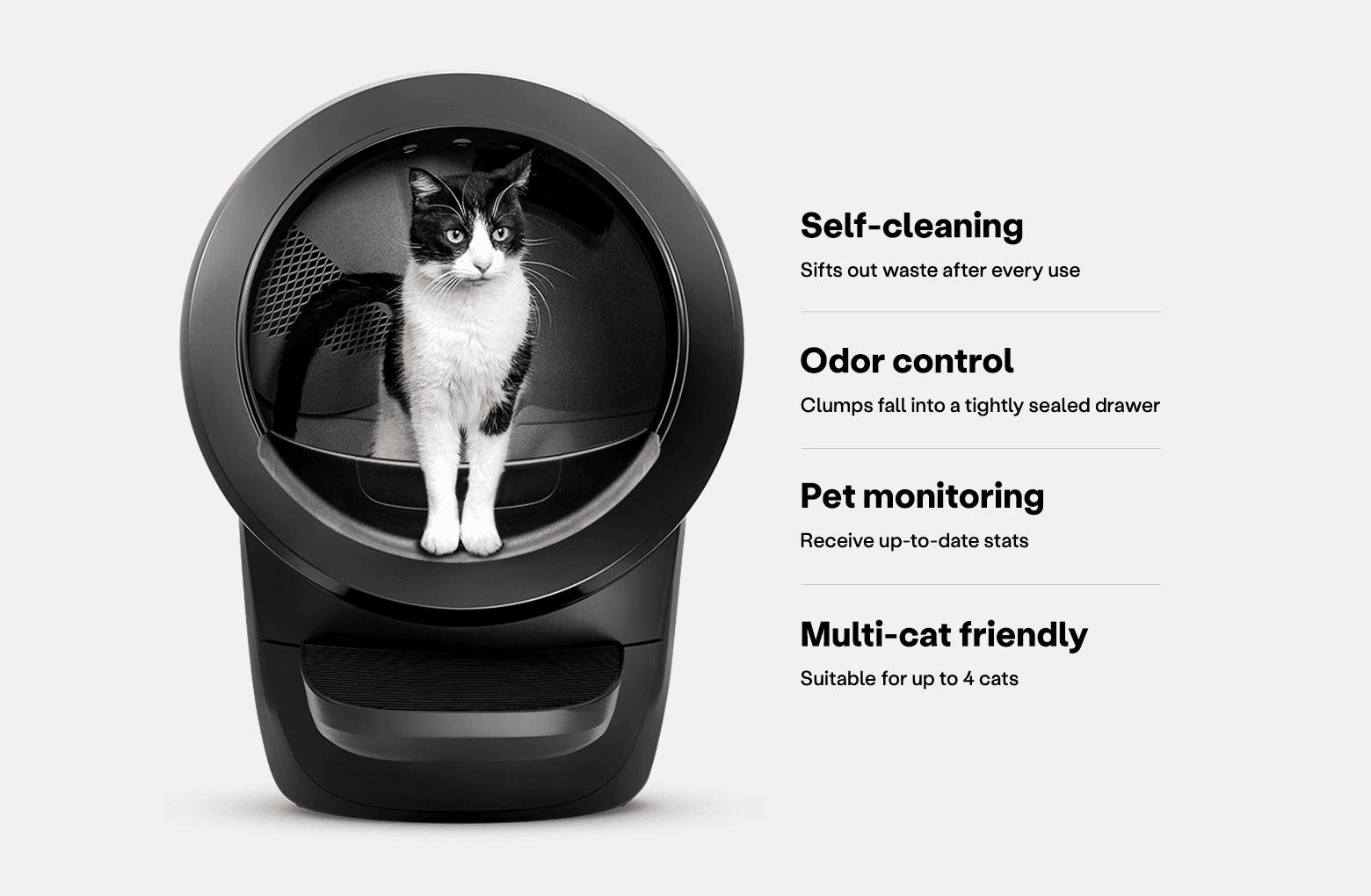
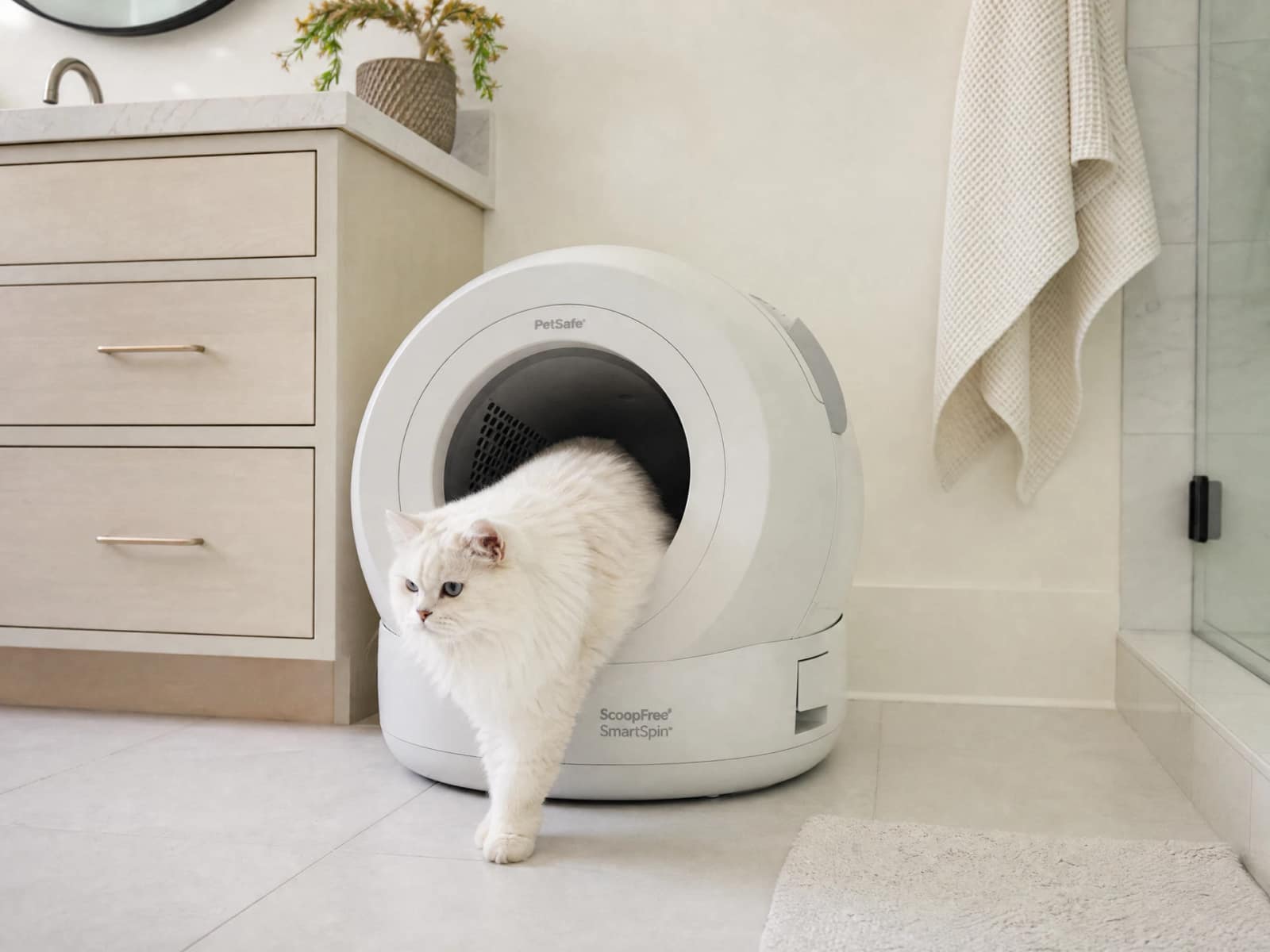
Self-Cleaning Litter Box
Automatic scooping after every use — your cat always has a fresh box.
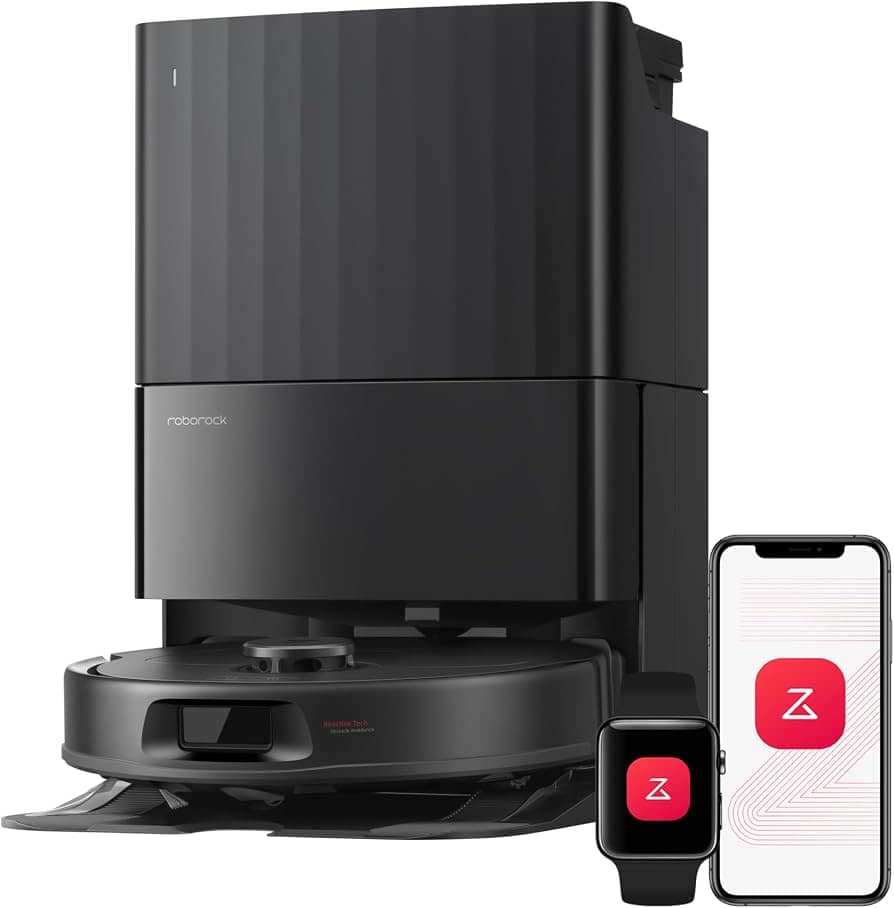
Robot Vacuum
Designed for pet hair and litter scatter — runs on a schedule so you never notice the mess.
Recommended Products by Life Stage
Products marked with SmartPaws Recommended are ones we've independently reviewed and recommend across the site. All Amazon links include our affiliate tag — purchases support SmartPaws at no extra cost to you.
Puppy / Kitten Stage
Adult Stage
Joint Supplement
Nordic Naturals Omega-3 Cat Fish Oil
Omega-3 fatty acids reduce inflammation and support joint health in Scottish Folds prone to osteochondrodysplasia.
SmartPaws RecommendedWater Fountain
PETLIBRO Dockstream 2 Smart Water Fountain
Encourages hydration, supporting kidney health.
SmartPaws RecommendedOmega-3 Supplement
Nordic Naturals Omega-3 Cat Fish Oil
Omega-3 fatty acids reduce inflammation and support joint health in Scottish Folds prone to osteochondrodysplasia.
SmartPaws RecommendedSenior Stage
Orthopedic Bed
FurHaven Orthopedic Sofa-Style Pet Bed
Omega-3 fatty acids reduce inflammation and support joint health in Scottish Folds prone to osteochondrodysplasia.
SmartPaws RecommendedSenior Cat Food
Royal Canin Indoor Adult Dry Cat Food
Omega-3 fatty acids reduce inflammation and support joint health in Scottish Folds prone to osteochondrodysplasia.
SmartPaws RecommendedBreed Traits
Temperament
Climate & Physical
Compatibility
Health & Longevity
Based on breed-specific genetic health risks and common conditions
Consider Adopting
Many Scottish Folds are waiting in shelters and breed-specific rescues. Adoption costs are typically $50–$200 vs. $1,000–$3,000 from a breeder.
Read our Rescue Guide →How to Train a Scottish Fold
Breed-specific challenges, techniques, and training timeline — written specifically for Scottish Fold owners.
Read Training GuideDownload the Scottish Fold Guide
Get a printable PDF with traits, cost of ownership, health notes, and best-fit summary — free.