SmartPawsGuides, comparisons & trusted resources — Guides & trusted resources — always independent.

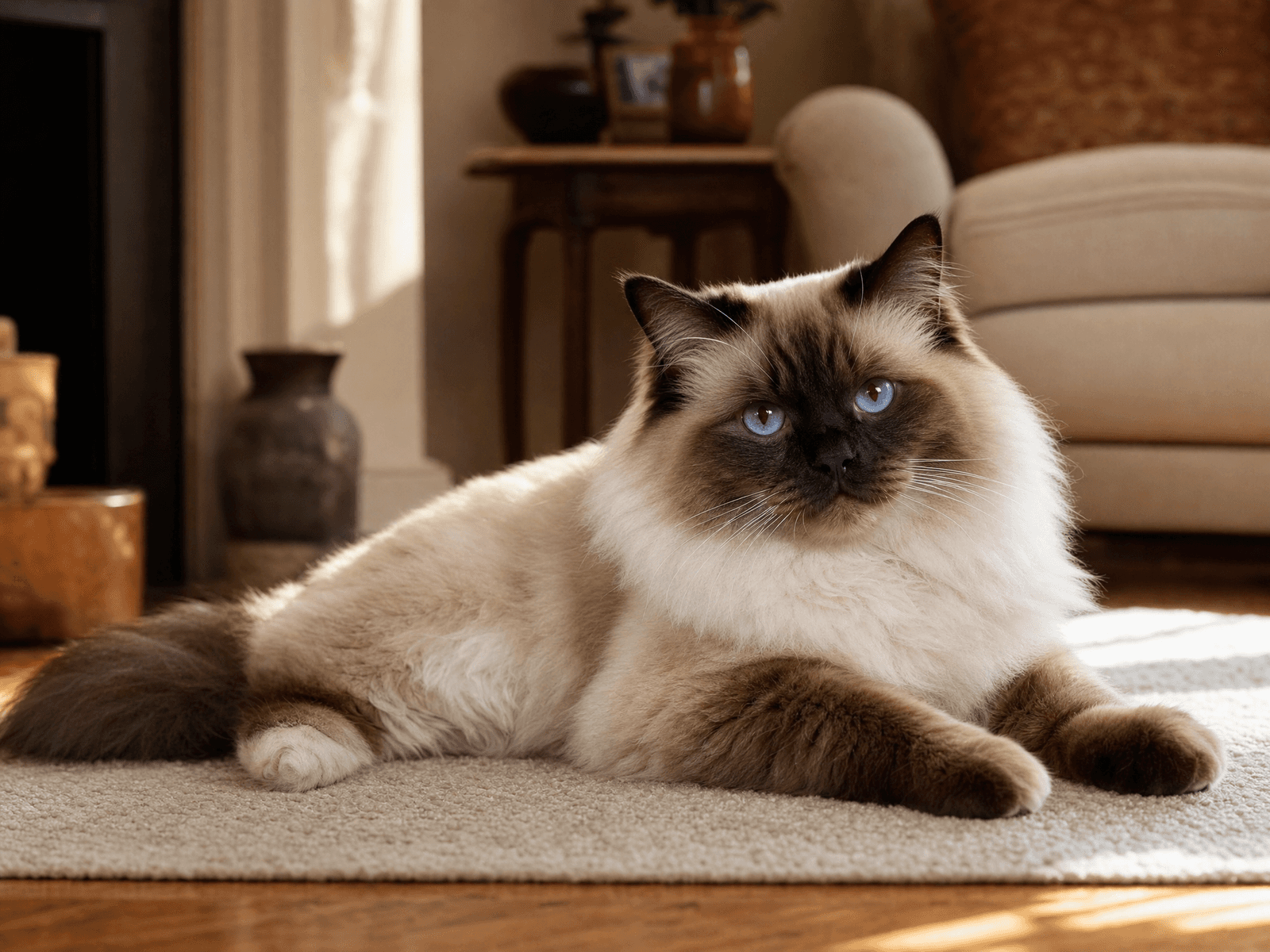
Ragdoll
Origin: United States (California)
Weight
10–20 lbs
Height
9–11 inches
Lifespan
12–17 years
Coat
Semi-long, silky, plush coat
Breeder Cost
$800–$2,500
Adoption Cost
$50–$200
Personality & Temperament
Ragdolls are named for their tendency to go limp when picked up — they are the ultimate lap cat. They are gentle, calm, and deeply affectionate, following their owners from room to room like devoted shadows. Ragdolls are one of the largest domestic cat breeds and are known for their striking blue eyes and colorpoint coat. They are ideal for families with children and other pets.
Best For
Families with children, apartment dwellers, multi-pet households, those who want a gentle, devoted companion
Exercise & Activity Needs
Ragdolls are calm cats who enjoy gentle play sessions of 15–20 minutes daily. They are not highly active but benefit from interactive toys and puzzle feeders to prevent boredom and obesity.
Grooming & Coat Care
The Ragdoll's semi-long coat is surprisingly easy to maintain — their minimal undercoat means they mat less than other longhaired breeds. Brushing 2–3 times weekly is sufficient. They shed moderately year-round.
Coat type: Semi-long, silky, plush coat; minimal undercoat
Common Health Conditions
HCM is the most serious concern for Ragdolls. Buy from breeders who DNA-test for HCM and PKD. Annual cardiac screening is recommended.
Hypertrophic Cardiomyopathy (HCM)
The most serious health concern for Ragdolls. DNA testing is available for the most common mutation. Annual cardiac screening is recommended.
Urinary Tract Issues
Ragdolls are prone to bladder stones and urinary tract infections. Ensure adequate water intake.
Obesity
Ragdolls are calm cats who can easily become overweight. Measure food portions carefully.
Dental Disease
Common in all cats. Regular dental care is essential.
Polycystic Kidney Disease (PKD)
Cysts form in the kidneys. DNA testing is available.
History & Origin
The Ragdoll is a relatively new breed, developed in Riverside, California in the 1960s by breeder Ann Baker. She bred a white Angora-type cat named Josephine with other longhaired cats, selecting for cats that went limp when picked up and had an unusually calm, gentle temperament. Baker was famously eccentric — she trademarked the name 'Ragdoll,' set up a franchise system for breeders, and claimed Josephine had been genetically altered by the US government. The breed was recognized by the CFA in 2000.
Interesting Facts
- 1
Ragdolls go limp when picked up — a trait called 'floppiness' that gives the breed its name.
- 2
They are born completely white and develop their color and pattern over the first 3 years of life.
- 3
Ragdolls are one of the largest cat breeds — males can weigh up to 20 lbs.
- 4
The breed's creator, Ann Baker, trademarked the name 'Ragdoll' and set up a franchise system for breeders — highly unusual in the cat world.
- 5
Ragdolls are known for their dog-like behavior — they will greet owners at the door, follow them around, and can be taught to play fetch.
Cost of Ownership
Owning a Ragdoll is a long-term financial commitment. Here's a realistic breakdown of what to budget for.
Annual Cost
$900–$1,800
First Year (incl. setup)
$2,200–$4,000
Large cat; quality food important for heart health
HCM heart disease is a significant concern in this breed
Semi-long silky coat needs brushing 2–3x/week
Large litter box; quality litter
Gentle breed; calm interactive toys and puzzle feeders
Recommended for HCM coverage
* Estimates based on national averages. Costs vary by location, lifestyle, and individual health needs. Emergency vet visits are not included.
Popularity & Adoption Trends
Estimated US Population
~1.5 million in the US
Adoption Trend
Ragdolls have become one of the fastest-growing cat breeds in popularity, driven by their reputation as the ultimate lap cat. Their tendency to go limp when held (the 'ragdoll' trait) and their calm, gentle temperament make them ideal for families and apartment dwellers. Social media has amplified their appeal.
Plan daily life with your Ragdoll
Use the guides below to compare practical options alongside this breed's care needs.
Pet Tech Essentials
The right technology makes cat ownership easier, safer, and more connected — whether you're home or away. These are the products our editors consider must-haves for every cat owner.
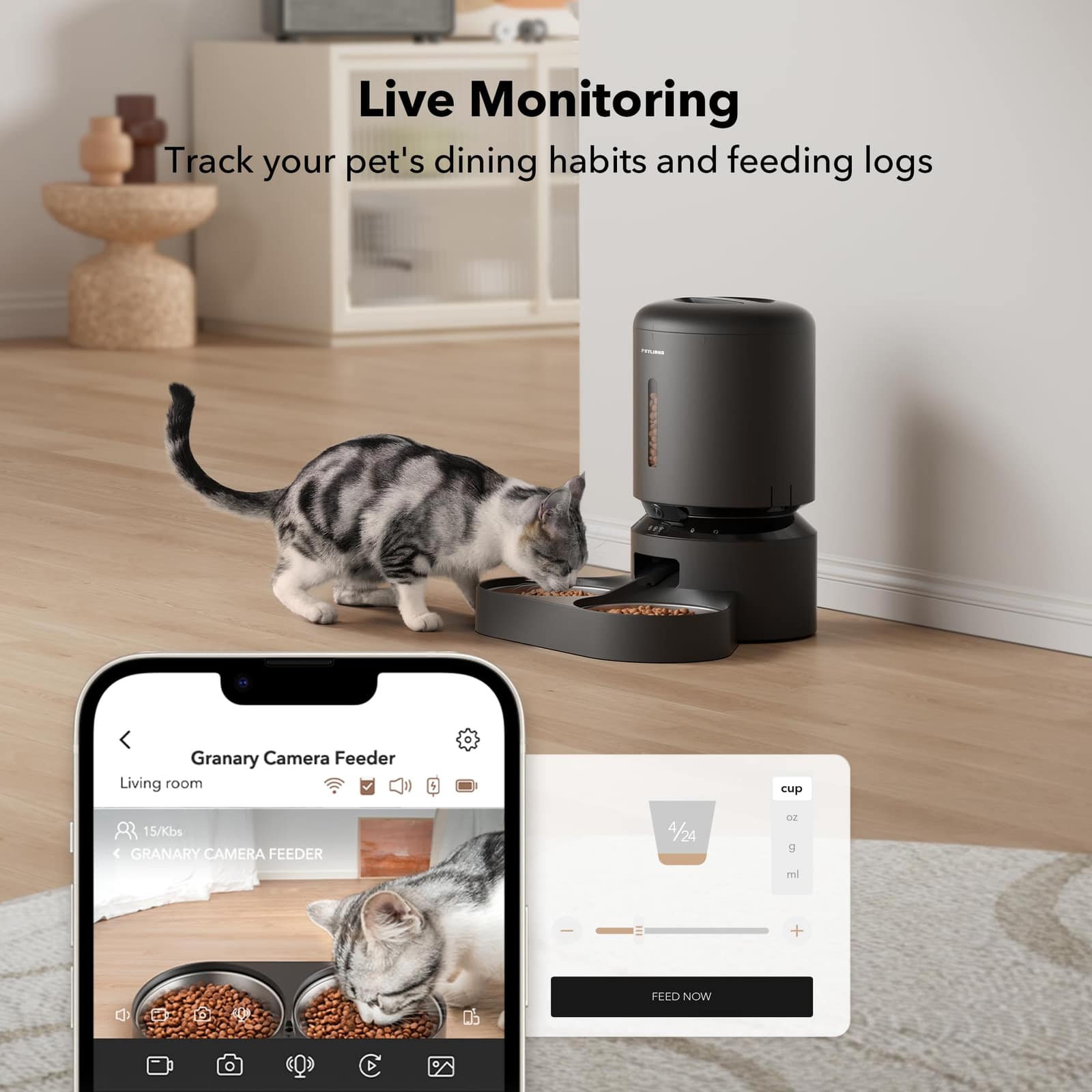
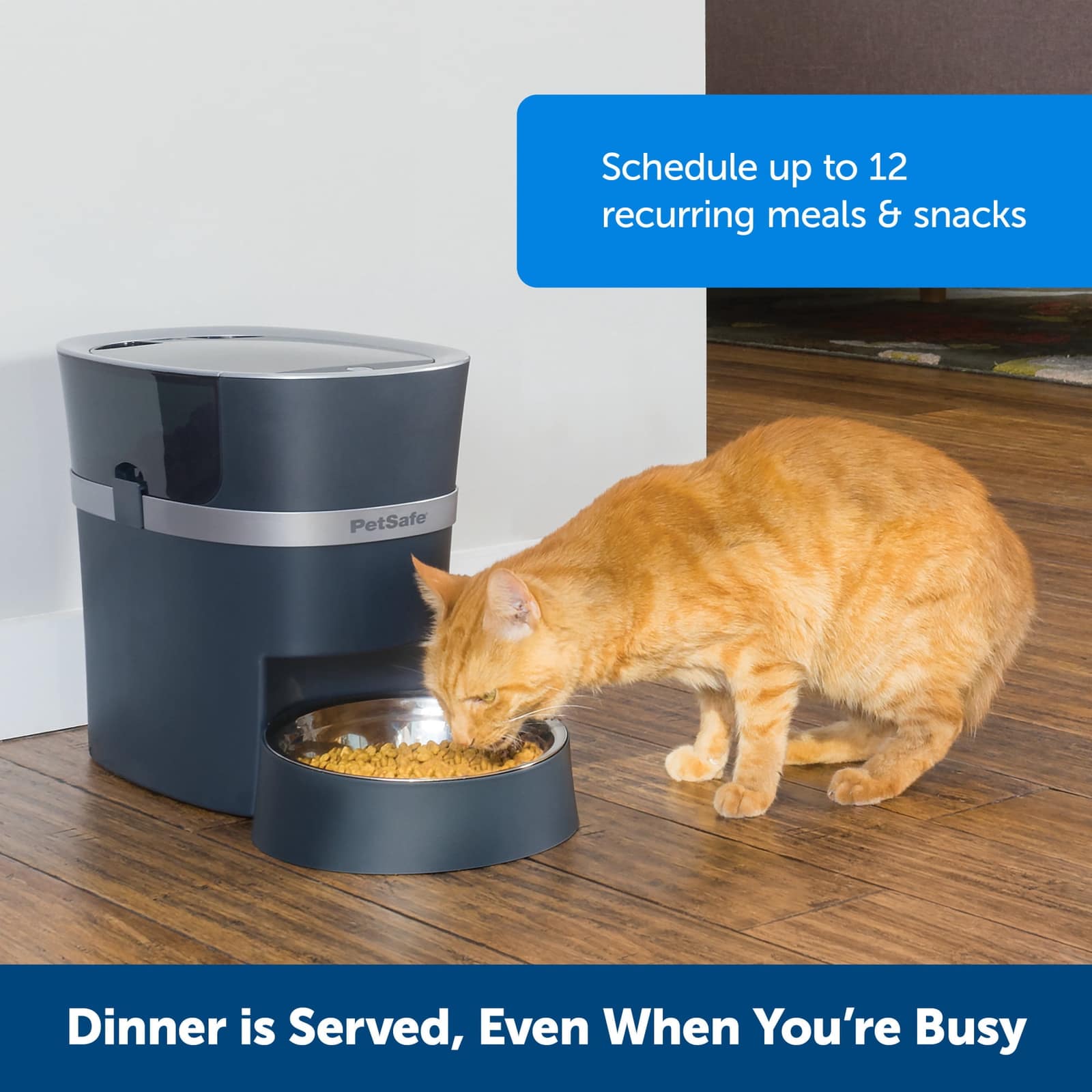
Automatic Feeder
Scheduled, portion-controlled meals — no more 4 a.m. wake-up calls for breakfast.
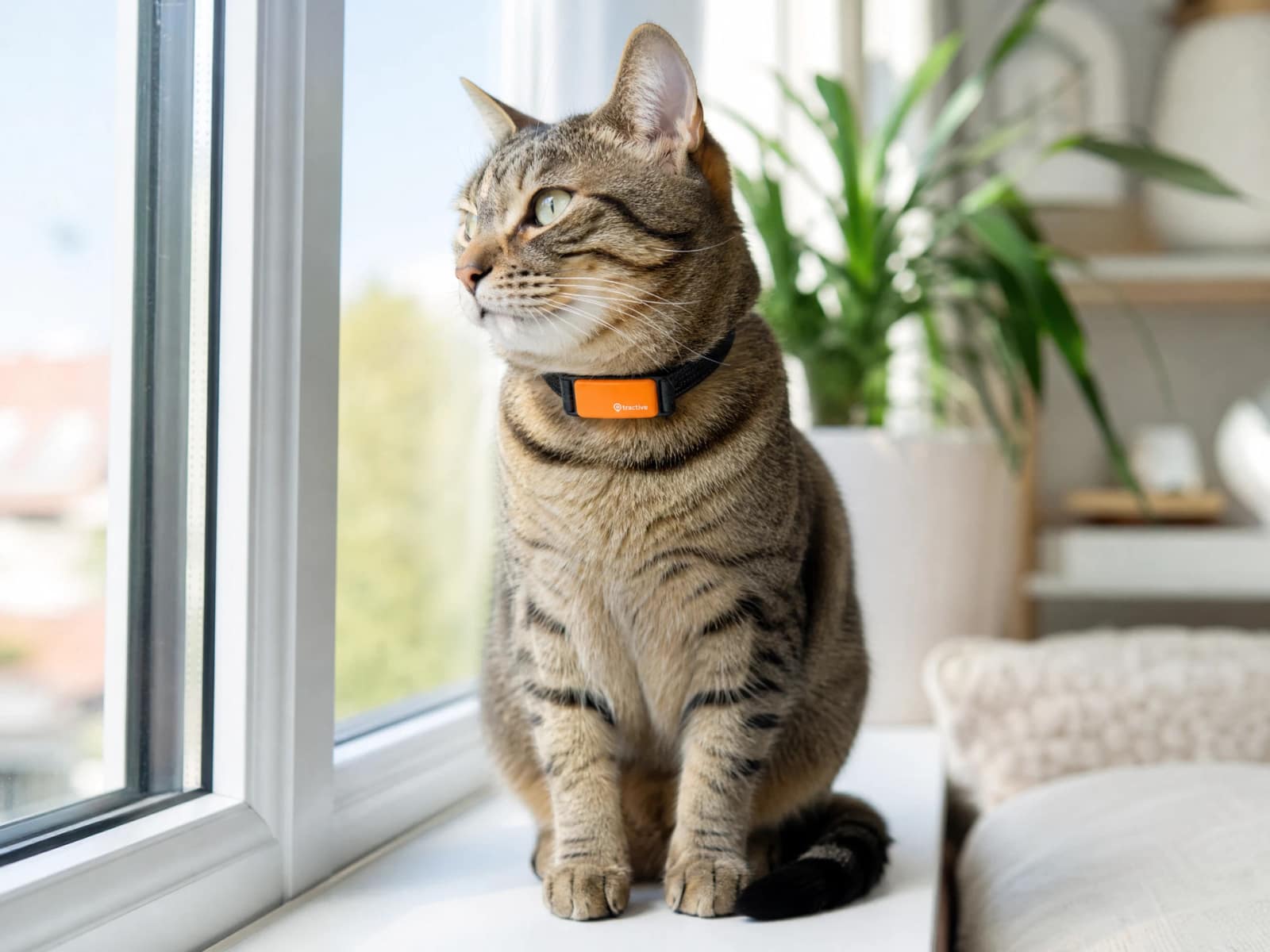
GPS Tracker
Know exactly where your cat is — essential for outdoor and indoor-outdoor cats.
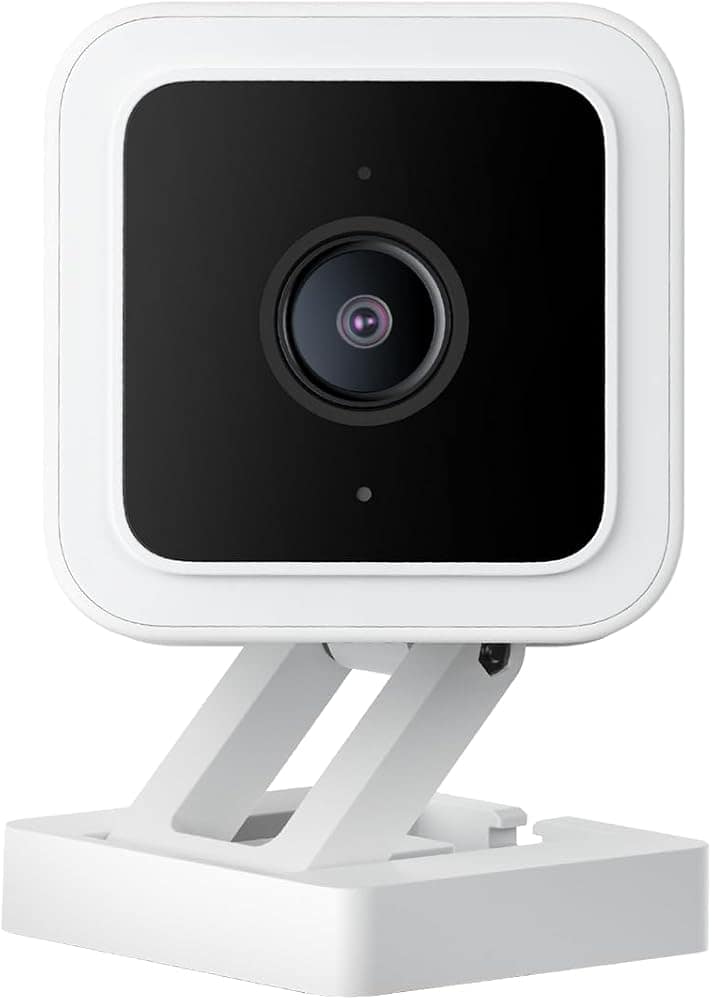
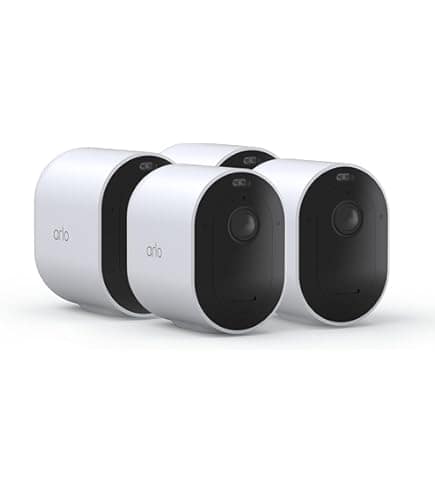
Pet Camera
Check in on your cat anytime — two-way audio lets you hear and be heard.
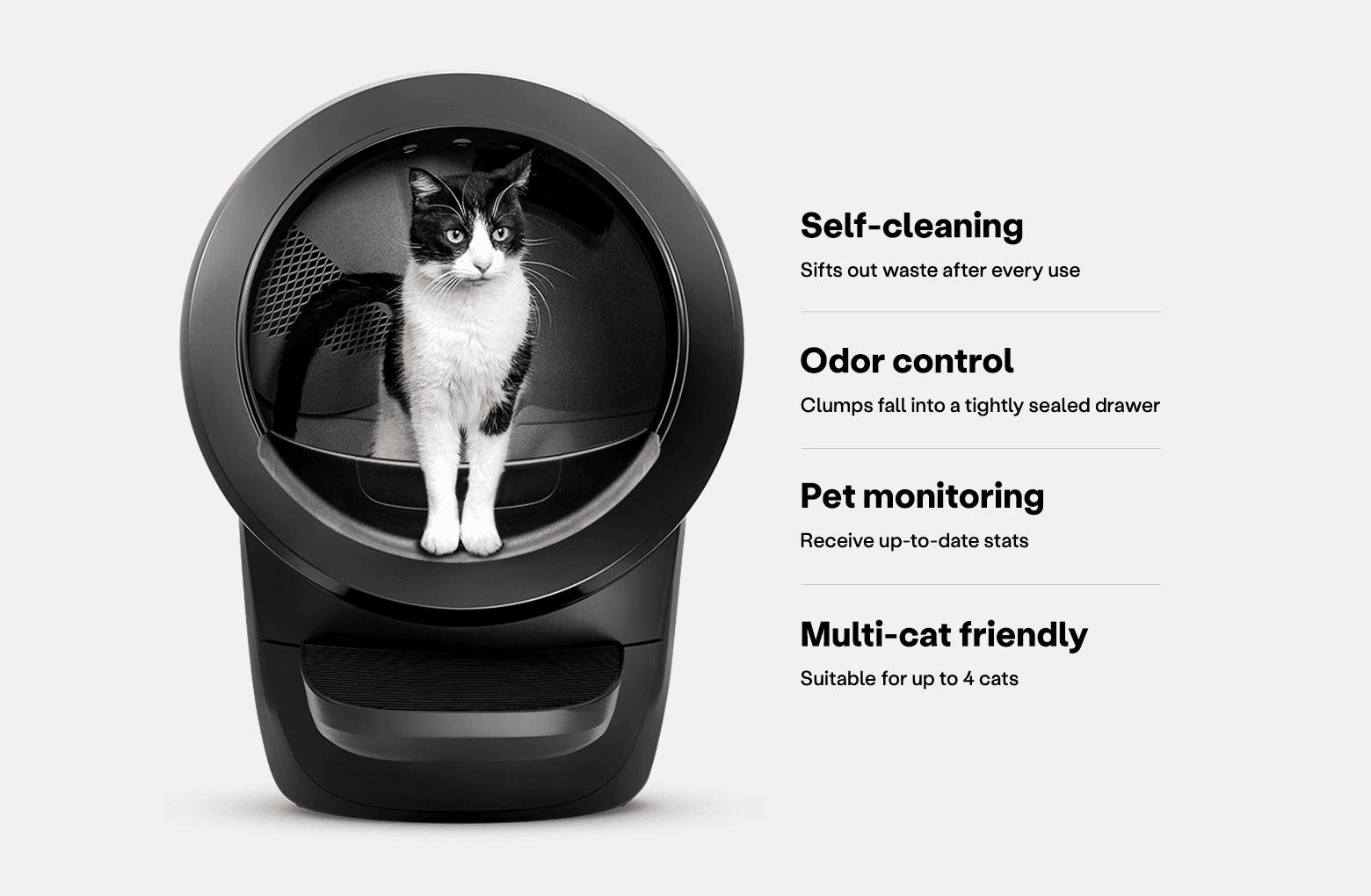
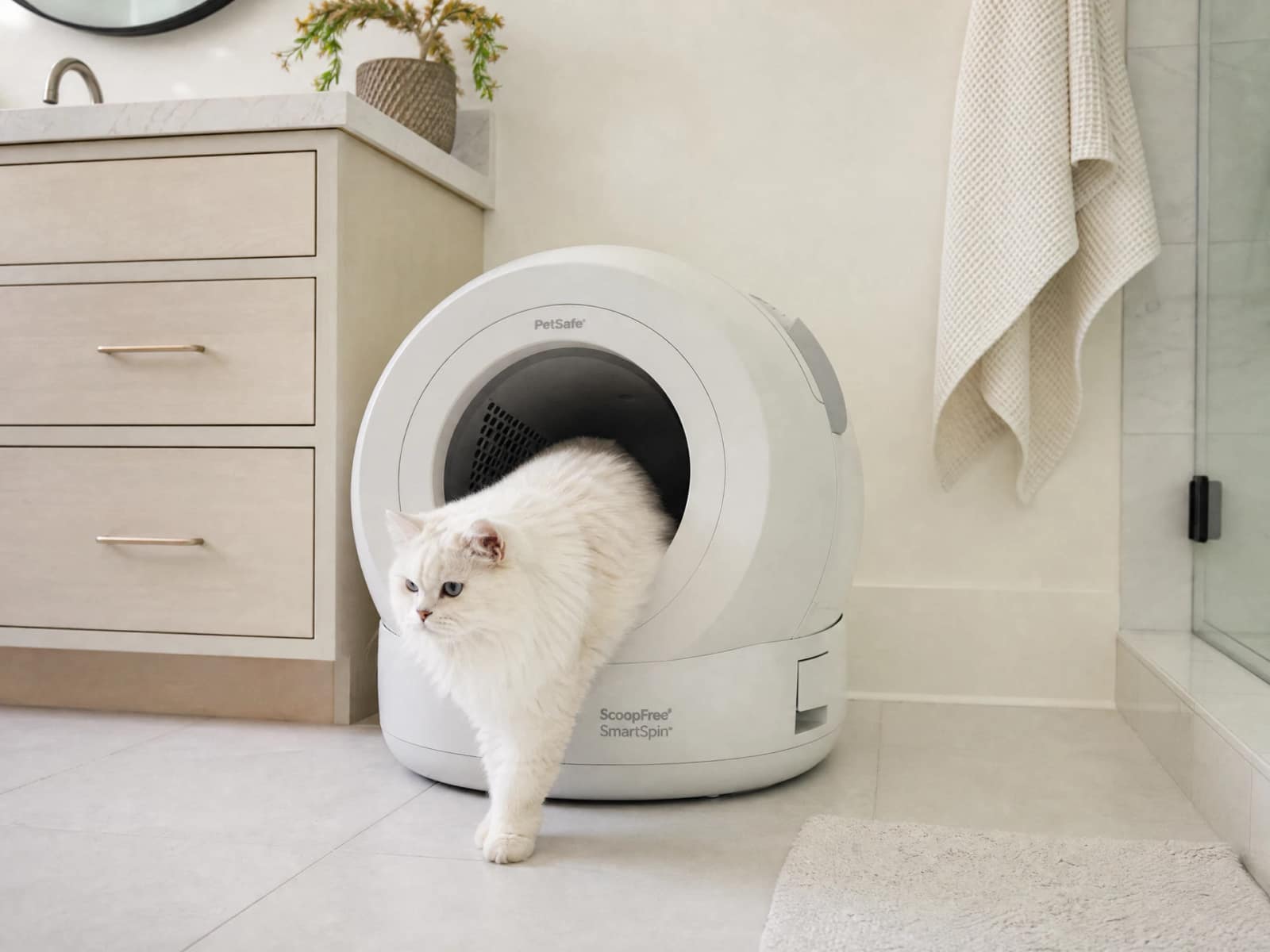
Self-Cleaning Litter Box
Automatic scooping after every use — your cat always has a fresh box.
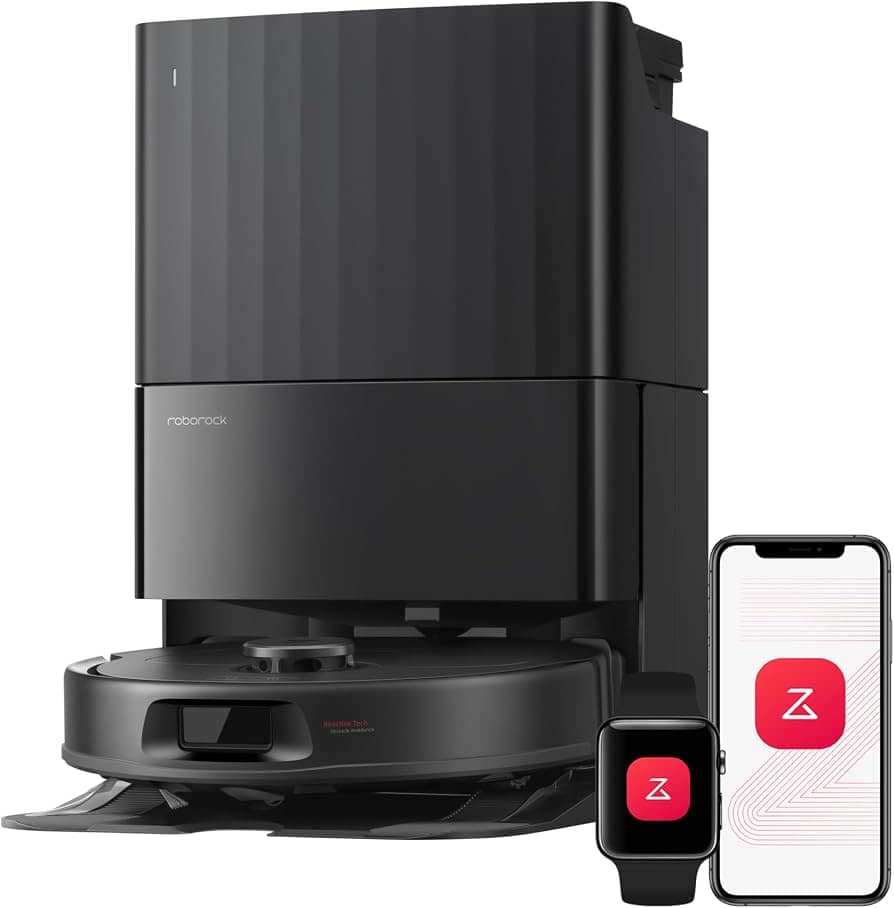
Robot Vacuum
Designed for pet hair and litter scatter — runs on a schedule so you never notice the mess.
Recommended Products by Life Stage
Products marked with SmartPaws Recommended are ones we've independently reviewed and recommend across the site. All Amazon links include our affiliate tag — purchases support SmartPaws at no extra cost to you.
Puppy / Kitten Stage
Adult Stage
Smart Feeder
PETLIBRO Smart Feeder with Camera
Portion control prevents obesity in a calm, low-activity breed.
SmartPaws RecommendedWater Fountain
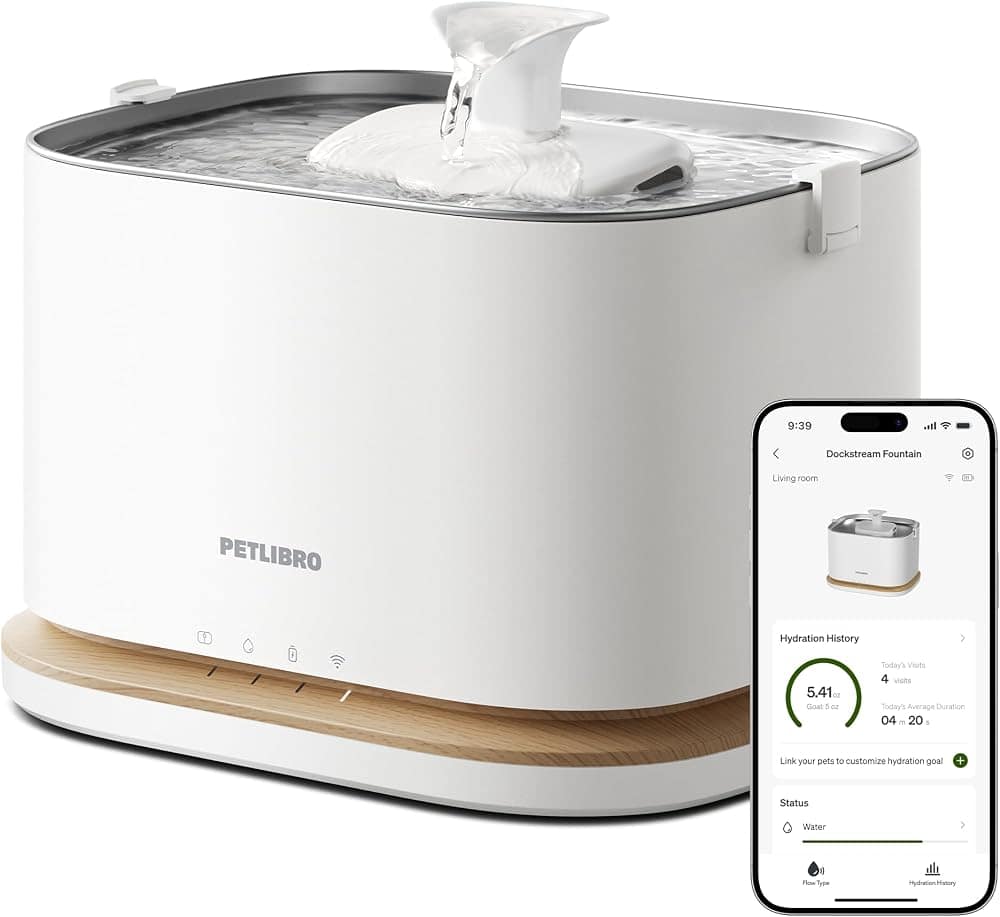
PETLIBRO Dockstream 2 Smart Water Fountain
Encourages hydration, reducing urinary tract disease risk.
SmartPaws RecommendedOmega-3 Supplement
Nordic Naturals Omega-3 Cat Fish Oil
Supports heart health in a breed prone to HCM.
SmartPaws RecommendedBreed Traits
Temperament
Climate & Physical
Compatibility
Health & Longevity
Based on breed-specific genetic health risks and common conditions
Consider Adopting
Many Ragdolls are waiting in shelters and breed-specific rescues. Adoption costs are typically $50–$200 vs. $800–$2,500 from a breeder.
Read our Rescue Guide →How to Train a Ragdoll
Breed-specific challenges, techniques, and training timeline — written specifically for Ragdoll owners.
Read Training GuideDownload the Ragdoll Guide
Get a printable PDF with traits, cost of ownership, health notes, and best-fit summary — free.