SmartPawsGuides, comparisons & trusted resources — Guides & trusted resources — always independent.

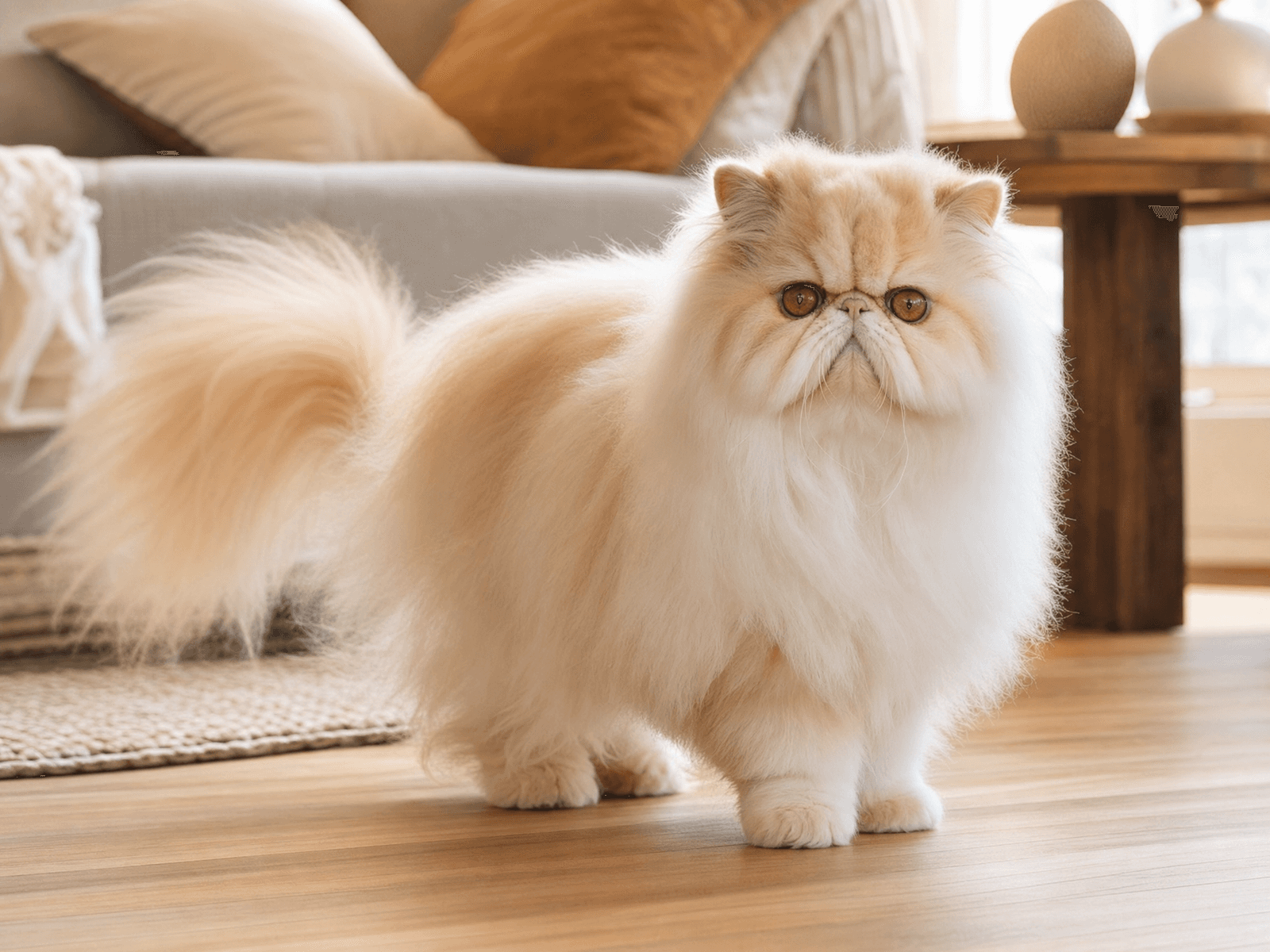
Persian
Origin: Iran (Persia)
Weight
7–12 lbs
Height
10–15 inches
Lifespan
10–17 years
Coat
Long, thick, silky double coat
Breeder Cost
$1,000–$3,000
Adoption Cost
$50–$200
Personality & Temperament
Persians are the quintessential lap cat — calm, gentle, and deeply content to spend their days in quiet companionship. They are not demanding or vocal, preferring a serene environment. Their beautiful coat and sweet expression have made them one of the most popular cat breeds in the world for over a century.
Best For
Calm households, apartment dwellers, those who enjoy grooming, seniors, those who want a quiet, gentle companion
Exercise & Activity Needs
Persians are low-energy cats who are content with short play sessions and lounging. They prefer calm environments and are not suited to chaotic households.
Grooming & Coat Care
The Persian's long coat requires daily brushing to prevent mats and tangles. Professional grooming every 4–6 weeks is strongly recommended. Their flat face requires daily cleaning of the eye area to prevent staining and infection. Many owners opt for a 'lion cut' in summer.
Coat type: Long, thick, silky double coat; requires daily grooming
Common Health Conditions
PKD is the most serious genetic concern for Persians — always buy from breeders who DNA-test for PKD. Their flat face requires ongoing management. Pet insurance is recommended.
Brachycephalic Issues
The flat face causes breathing difficulties, eye problems, and dental crowding. Avoid exercise in hot weather.
Polycystic Kidney Disease (PKD)
A genetic condition causing cysts to form in the kidneys, leading to kidney failure. DNA testing is available and responsible breeders test for it.
Eye Problems
Excessive tearing, corneal ulcers, and entropion are common due to the flat face and prominent eyes.
Dental Disease
Dental crowding from the flat face leads to rapid tartar buildup.
Hypertrophic Cardiomyopathy (HCM)
A heart muscle disease that is common in Persians. Annual cardiac screening is recommended.
History & Origin
The Persian cat's exact origins are debated, but they are believed to have originated in Persia (modern-day Iran) and were brought to Europe by Italian nobleman Pietro della Valle in the 1600s. They became fashionable among European aristocracy and were among the first breeds exhibited at cat shows. Queen Victoria owned two blue Persians, cementing their status as a luxury breed. The flat-faced 'peke-face' Persian was developed in the US in the 1950s through selective breeding.
Interesting Facts
- 1
Persians were among the first cats exhibited at the world's first cat show at Crystal Palace in London in 1871.
- 2
Queen Victoria owned two blue Persians, making them a symbol of aristocratic taste.
- 3
The flat-faced Persian was developed in the US in the 1950s — the original Persian had a much longer, more natural snout.
- 4
Persians require daily grooming — without it, their long coat mats within days.
- 5
They are one of the quietest cat breeds — Persians rarely meow and communicate mostly through their expressive eyes.
Cost of Ownership
Owning a Persian is a long-term financial commitment. Here's a realistic breakdown of what to budget for.
Annual Cost
$1,200–$2,500
First Year (incl. setup)
$2,500–$5,000
Quality food; flat face makes eating from flat bowls difficult
Brachycephalic issues, polycystic kidney disease, dental problems
Long coat requires daily brushing and professional grooming monthly
Low-dust litter important for respiratory health
Calm breed; gentle interactive toys preferred
Strongly recommended given kidney disease and breathing risks
* Estimates based on national averages. Costs vary by location, lifestyle, and individual health needs. Emergency vet visits are not included.
Popularity & Adoption Trends
Estimated US Population
~3 million in the US
Adoption Trend
Persian cat registrations have declined as awareness of their serious health issues — particularly brachycephalic airway syndrome and polycystic kidney disease — grows. Several cat welfare organizations have called for breeding reforms to produce a healthier 'doll-face' Persian with a longer snout. Despite this, they remain one of the most popular purebred cats.
Plan daily life with your Persian
Use the guides below to compare practical options alongside this breed's care needs.
Pet Tech Essentials
The right technology makes cat ownership easier, safer, and more connected — whether you're home or away. These are the products our editors consider must-haves for every cat owner.
Automatic Feeder
Scheduled, portion-controlled meals — no more 4 a.m. wake-up calls for breakfast.



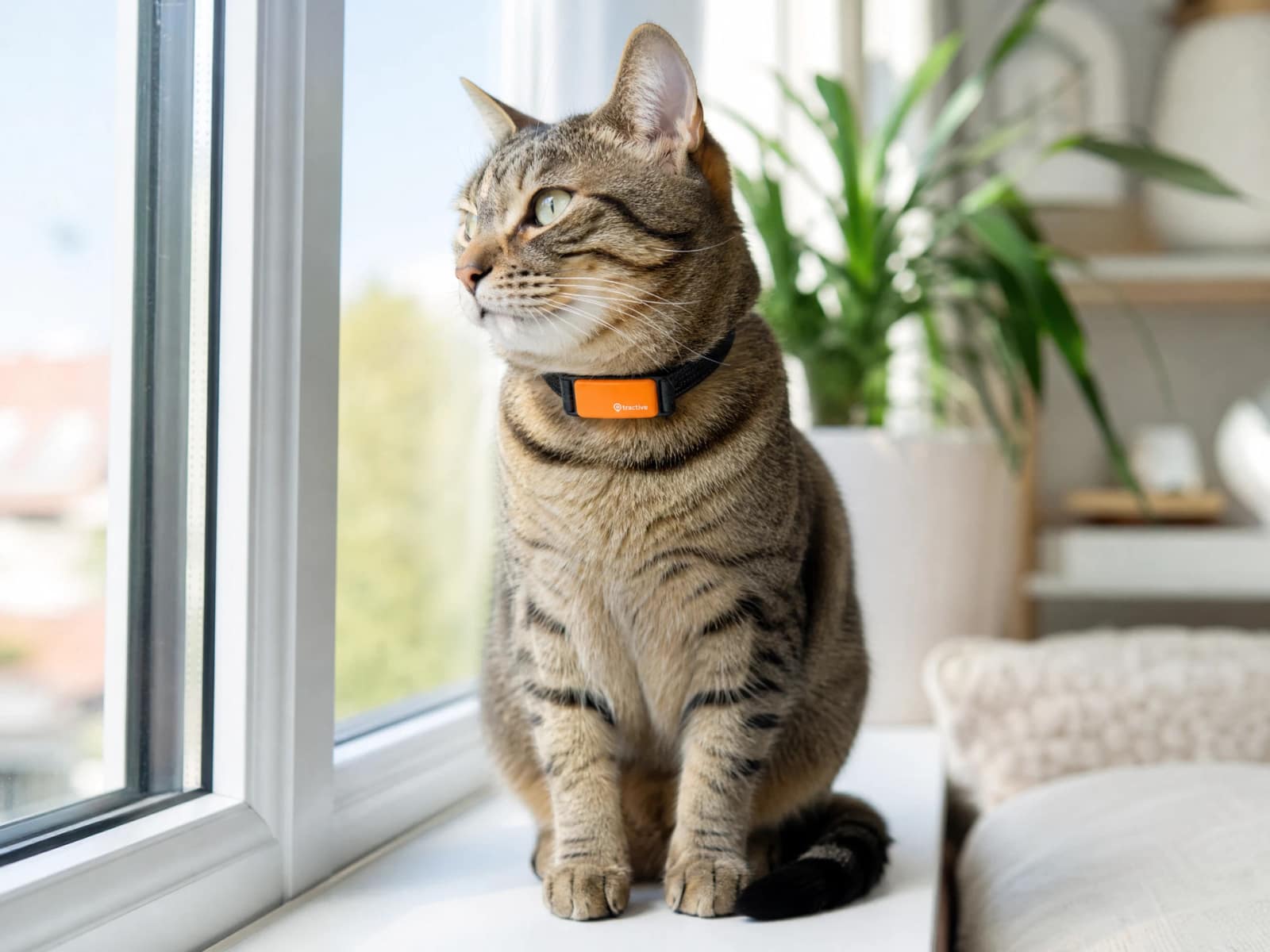
GPS Tracker
Know exactly where your cat is — essential for outdoor and indoor-outdoor cats.
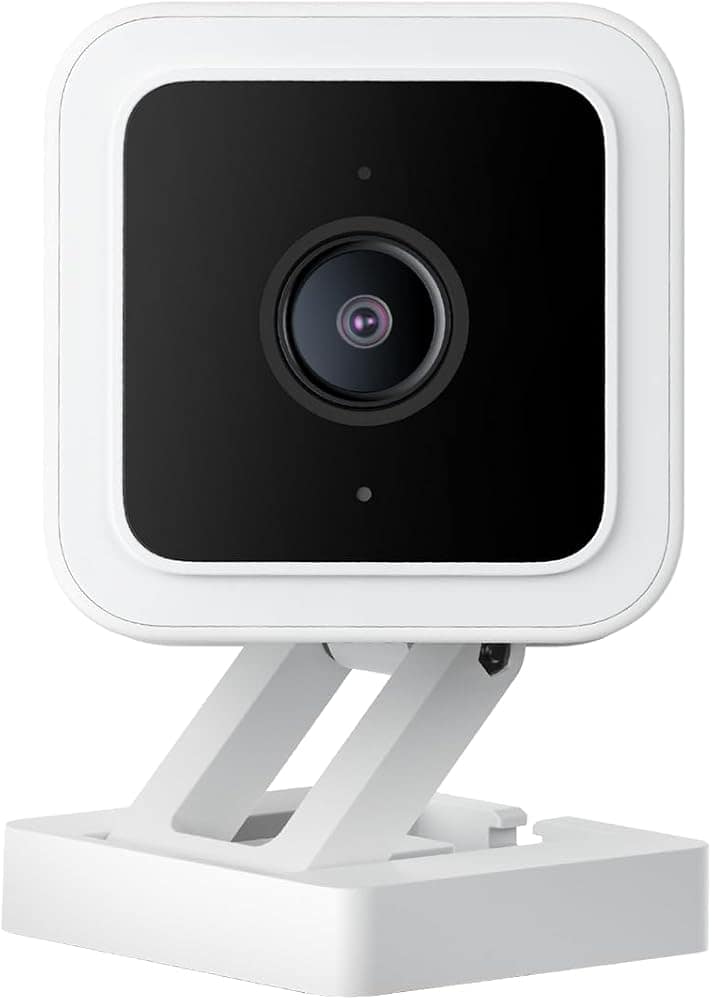
Pet Camera
Check in on your cat anytime — two-way audio lets you hear and be heard.

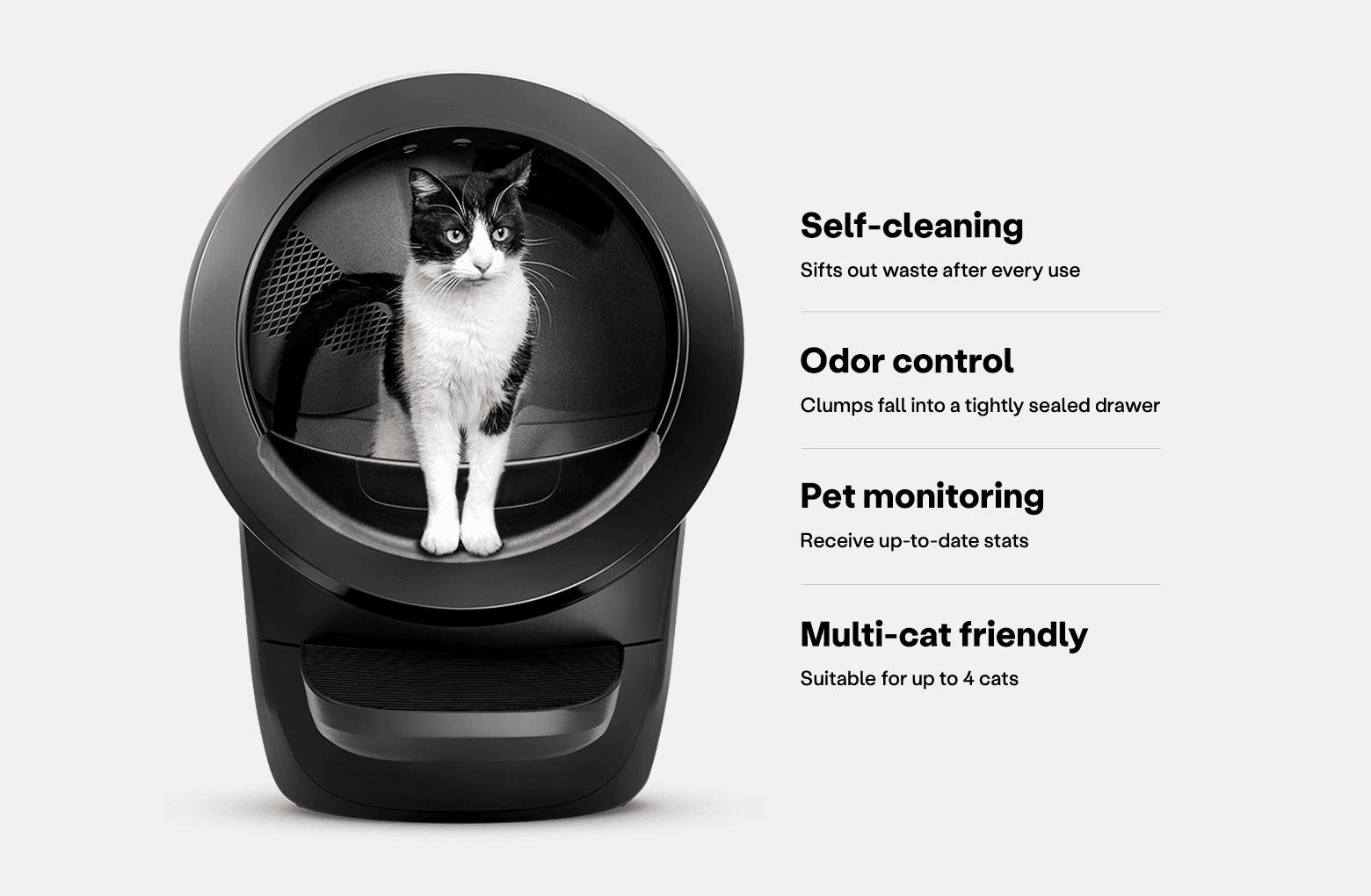
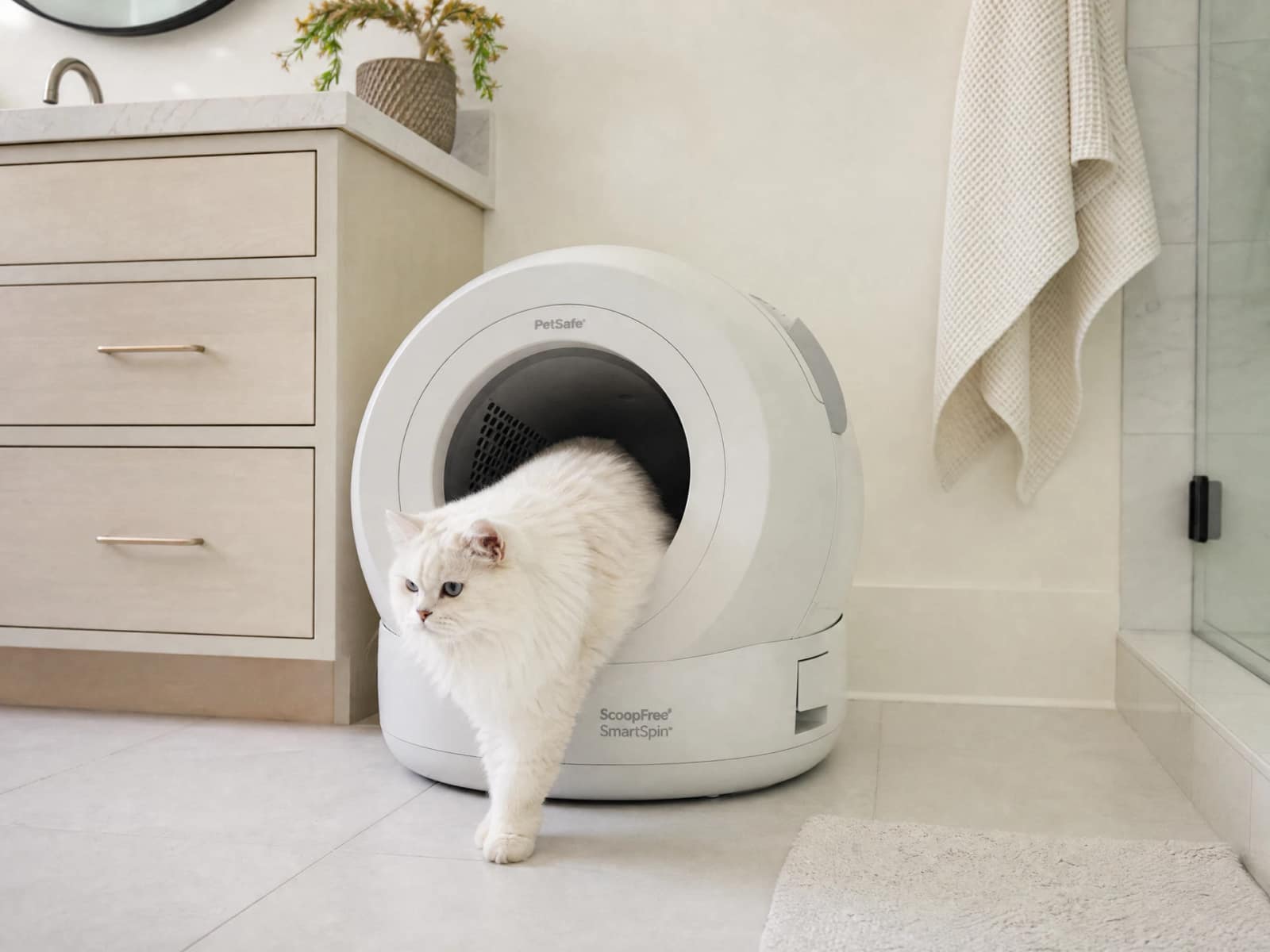
Self-Cleaning Litter Box
Automatic scooping after every use — your cat always has a fresh box.
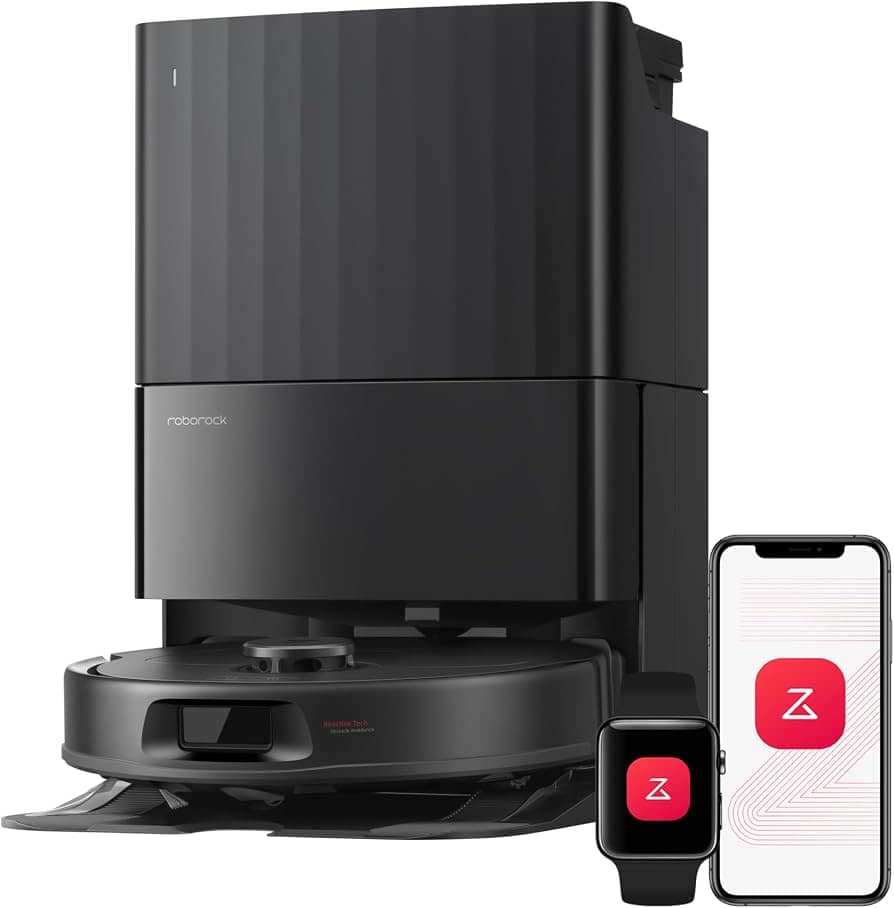
Robot Vacuum
Designed for pet hair and litter scatter — runs on a schedule so you never notice the mess.
Recommended Products by Life Stage
Products marked with SmartPaws Recommended are ones we've independently reviewed and recommend across the site. All Amazon links include our affiliate tag — purchases support SmartPaws at no extra cost to you.
Puppy / Kitten Stage
Adult Stage
Water Fountain
PETLIBRO Dockstream 2 Smart Water Fountain
Encourages hydration, supporting kidney health in a breed prone to PKD.
SmartPaws RecommendedDental Care
TropiClean Fresh Breath Oral Care Gel for Cats
Dental disease is a major concern in flat-faced cats.
SmartPaws RecommendedOmega-3 Supplement
Nordic Naturals Omega-3 Cat Fish Oil
Supports coat quality and heart health in a breed prone to HCM.
SmartPaws RecommendedBreed Traits
Temperament
Climate & Physical
Compatibility
Health & Longevity
Based on breed-specific genetic health risks and common conditions
Consider Adopting
Many Persians are waiting in shelters and breed-specific rescues. Adoption costs are typically $50–$200 vs. $1,000–$3,000 from a breeder.
Read our Rescue Guide →How to Train a Persian
Breed-specific challenges, techniques, and training timeline — written specifically for Persian owners.
Read Training GuideDownload the Persian Guide
Get a printable PDF with traits, cost of ownership, health notes, and best-fit summary — free.