SmartPawsGuides, comparisons & trusted resources — Guides & trusted resources — always independent.

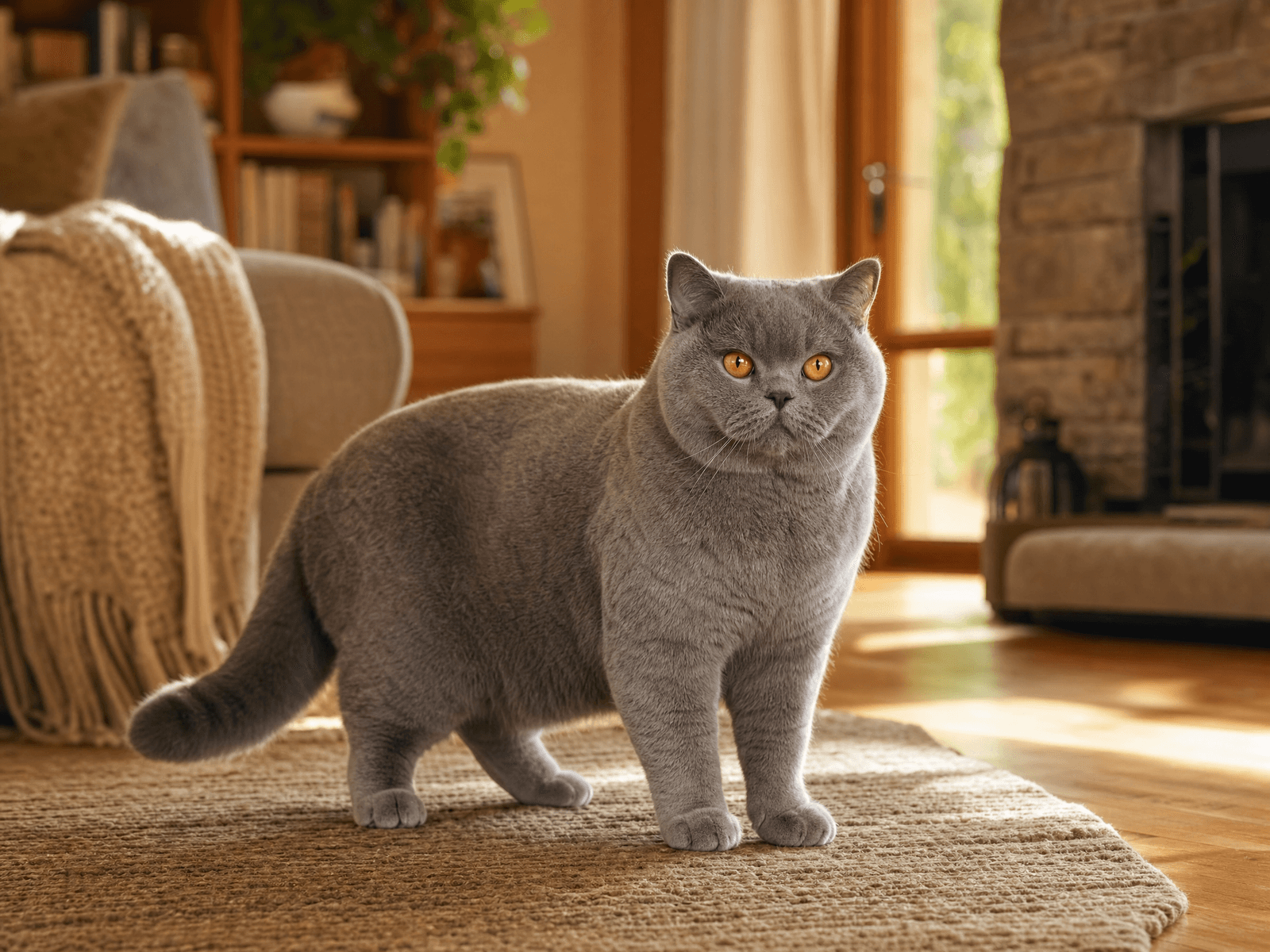
British Shorthair
Origin: England
Weight
7–17 lbs
Height
12–14 inches
Lifespan
12–20 years
Coat
Short, dense, plush coat
Breeder Cost
$1,000–$3,000
Adoption Cost
$50–$200
Personality & Temperament
British Shorthairs are calm, easygoing cats with a dignified, undemanding personality. They are loyal and affectionate but not clingy — they prefer to be near their people rather than on them. Their round faces, chubby cheeks, and plush coats give them a teddy bear appearance. They are adaptable and do well in apartments.
Best For
Apartment dwellers, those who want a calm, independent companion, families with children, multi-pet households
Exercise & Activity Needs
British Shorthairs are low-energy cats who need gentle play sessions of 15–20 minutes daily. They are prone to obesity and benefit from interactive feeders that encourage movement.
Grooming & Coat Care
The British Shorthair's dense coat requires brushing 2–3 times weekly to remove loose hair. They shed moderately year-round. Their plush coat should not be over-groomed — it will lose its characteristic crisp texture.
Coat type: Short, dense, plush coat; crisp texture
Common Health Conditions
HCM and PKD are the most serious concerns for British Shorthairs. Buy from breeders who DNA-test for PKD and cardiac-screen their cats. Annual wellness exams are essential.
Hypertrophic Cardiomyopathy (HCM)
Heart muscle disease is common in British Shorthairs. Annual cardiac screening is recommended.
Polycystic Kidney Disease (PKD)
Cysts form in the kidneys. DNA testing is available.
Obesity
British Shorthairs are prone to obesity due to their low activity level. Measure food portions carefully.
Dental Disease
Common in all cats. Regular dental care is essential.
Blood Type Incompatibility
British Shorthairs have a higher rate of type B blood than most breeds. Blood typing before surgery or transfusion is important.
History & Origin
The British Shorthair is one of the oldest cat breeds, descended from domestic cats brought to Britain by the Romans approximately 2,000 years ago. They developed naturally over centuries into a sturdy, round-faced breed adapted to Britain's climate. The breed was nearly wiped out during WWII when food shortages made keeping cats difficult. Post-war breeders crossed survivors with Persians to rebuild the breed, which gave British Shorthairs their characteristic round face and plush coat.
Interesting Facts
- 1
The British Shorthair is believed to be the inspiration for the Cheshire Cat in Lewis Carroll's Alice in Wonderland.
- 2
They are one of the oldest cat breeds — their ancestors were brought to Britain by Roman soldiers 2,000 years ago.
- 3
British Shorthairs are the most popular pedigree cat in the UK.
- 4
Despite their plush, teddy-bear appearance, they are not lap cats — they prefer to sit nearby rather than on you.
- 5
The 'British Blue' (solid gray-blue) is the most iconic color, but the breed comes in over 100 color and pattern combinations.
Cost of Ownership
Owning a British Shorthair is a long-term financial commitment. Here's a realistic breakdown of what to budget for.
Annual Cost
$800–$1,600
First Year (incl. setup)
$2,000–$3,800
Prone to obesity; portion control and quality food important
HCM, PKD, and dental disease are concerns
Dense plush coat needs weekly brushing
Quality litter and enrichment supplies
Calm breed; moderate play and puzzle feeders
Recommended for HCM and kidney disease coverage
* Estimates based on national averages. Costs vary by location, lifestyle, and individual health needs. Emergency vet visits are not included.
Popularity & Adoption Trends
Estimated US Population
~1 million in the US
Adoption Trend
British Shorthairs have surged in popularity worldwide, driven by their teddy-bear appearance and calm, independent temperament. They are particularly popular in Asia, where demand has driven significant price increases. The 'British Blue' (solid gray) remains the most iconic color variety.
Plan daily life with your British Shorthair
Use the guides below to compare practical options alongside this breed's care needs.
Pet Tech Essentials
The right technology makes cat ownership easier, safer, and more connected — whether you're home or away. These are the products our editors consider must-haves for every cat owner.
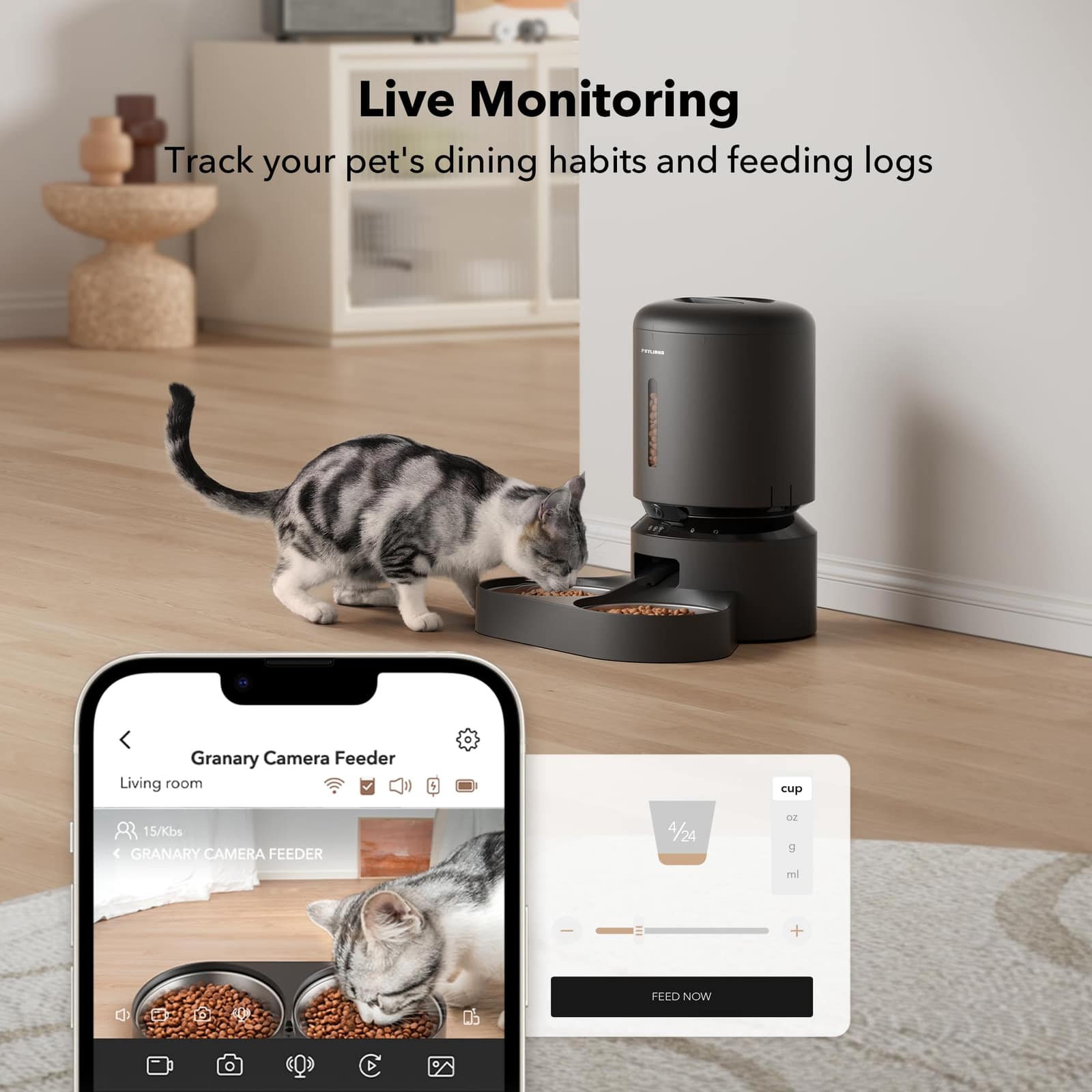
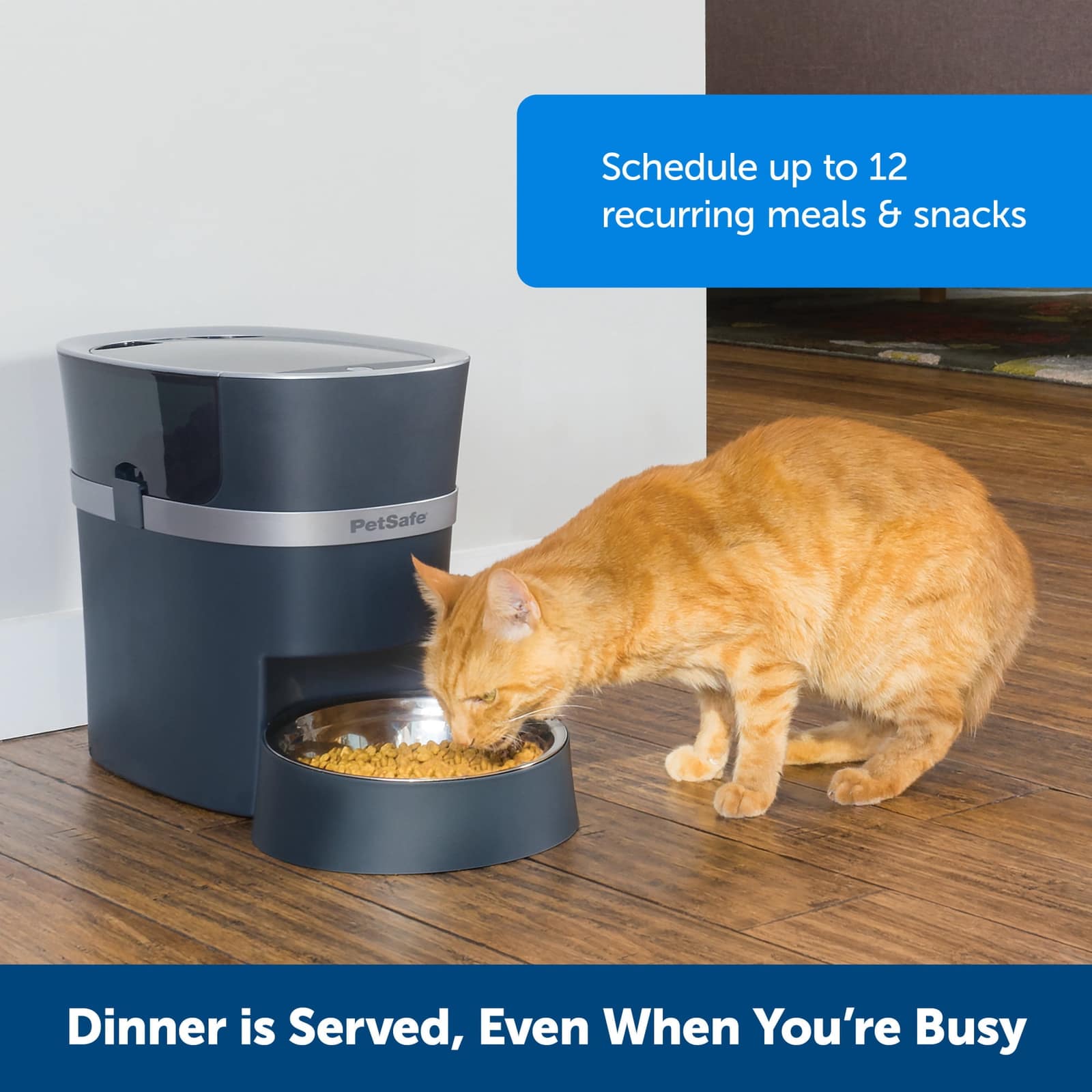
Automatic Feeder
Scheduled, portion-controlled meals — no more 4 a.m. wake-up calls for breakfast.
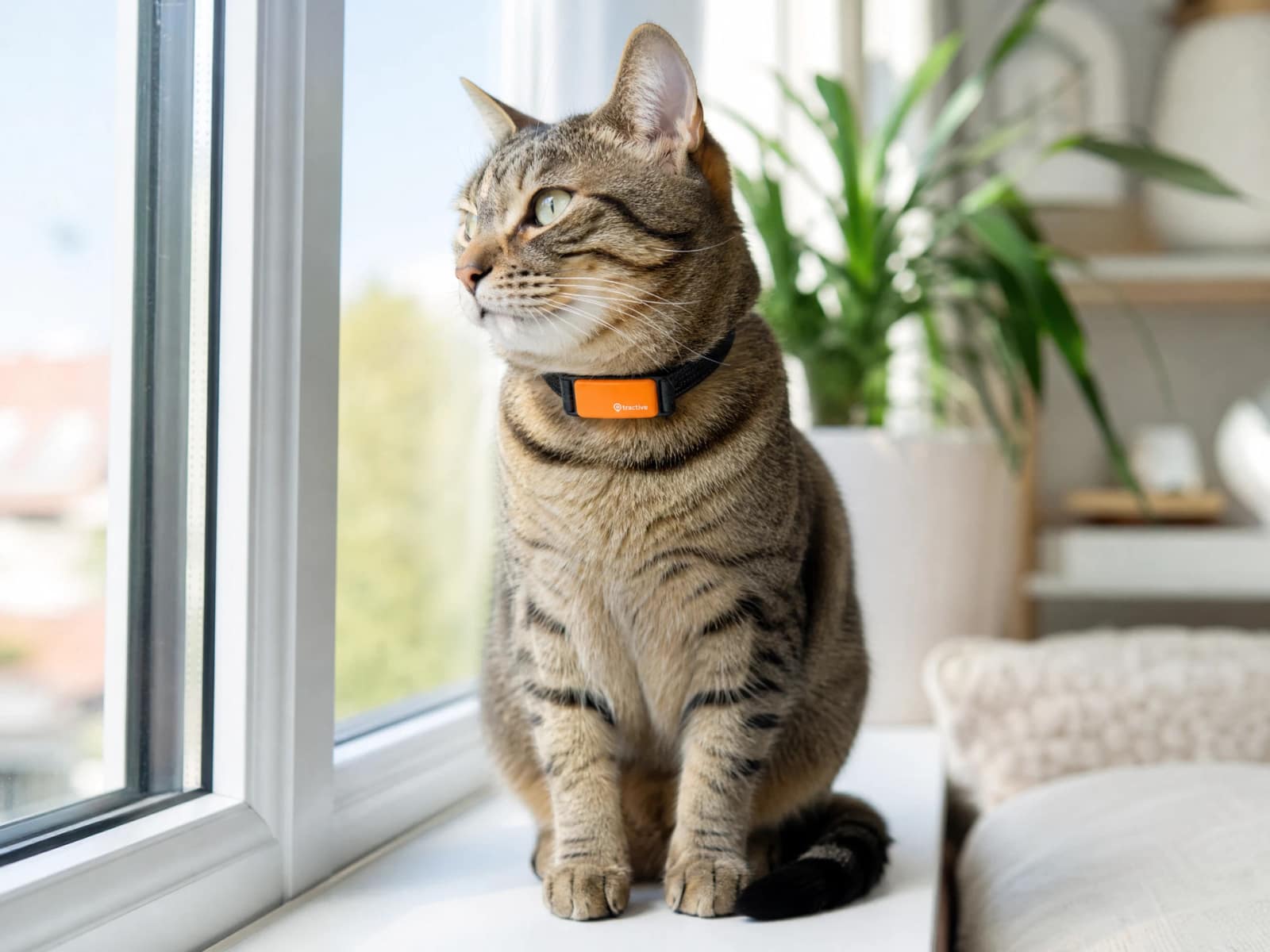
GPS Tracker
Know exactly where your cat is — essential for outdoor and indoor-outdoor cats.
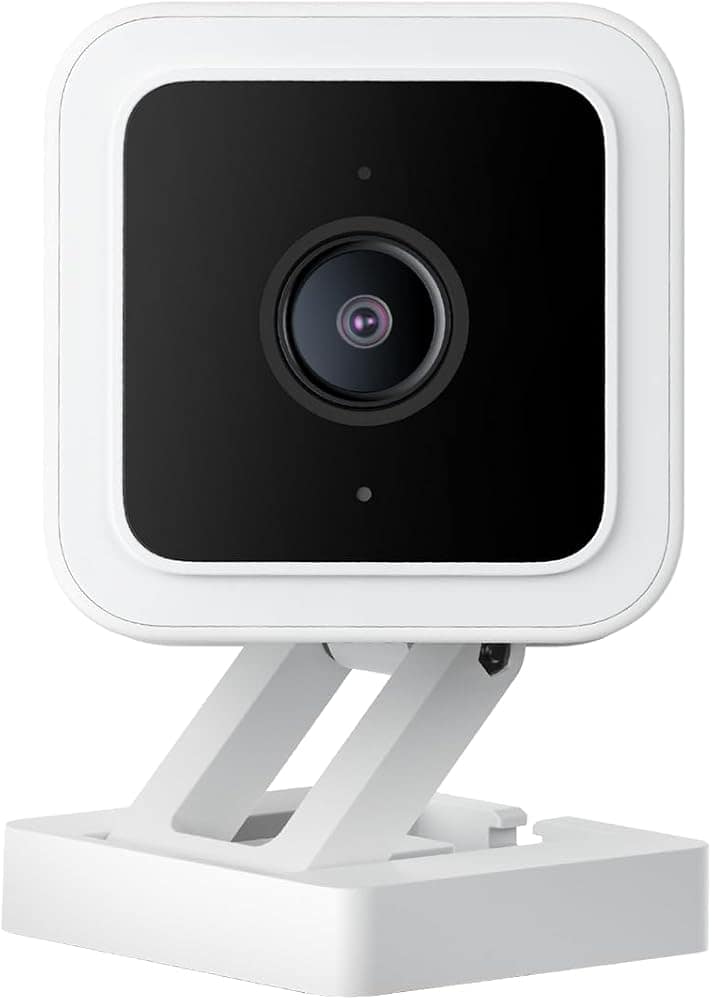
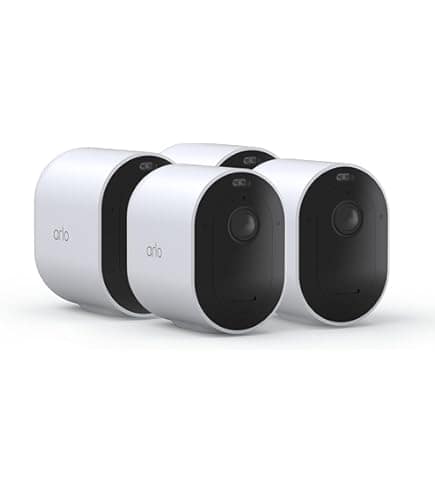
Pet Camera
Check in on your cat anytime — two-way audio lets you hear and be heard.
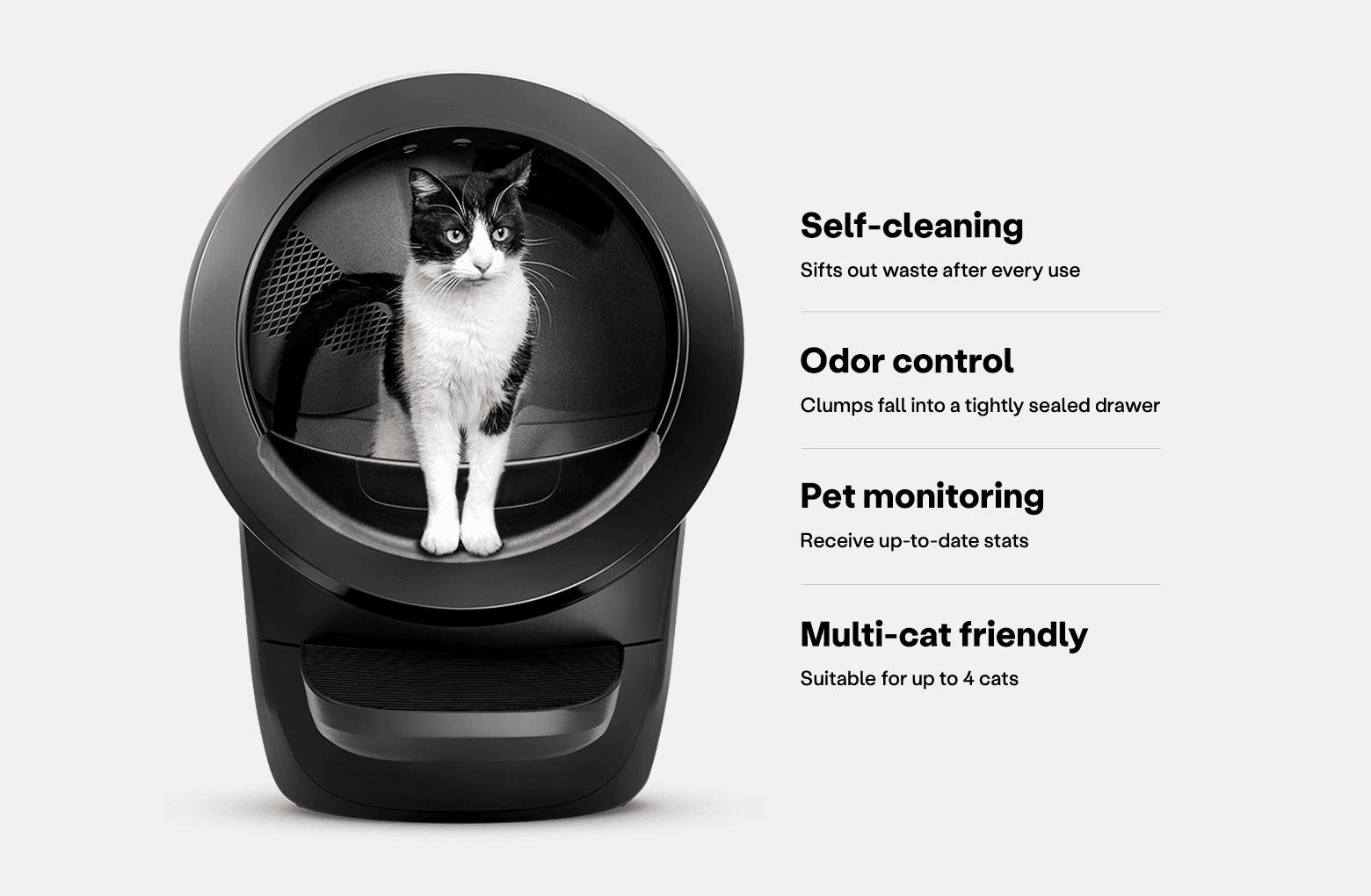
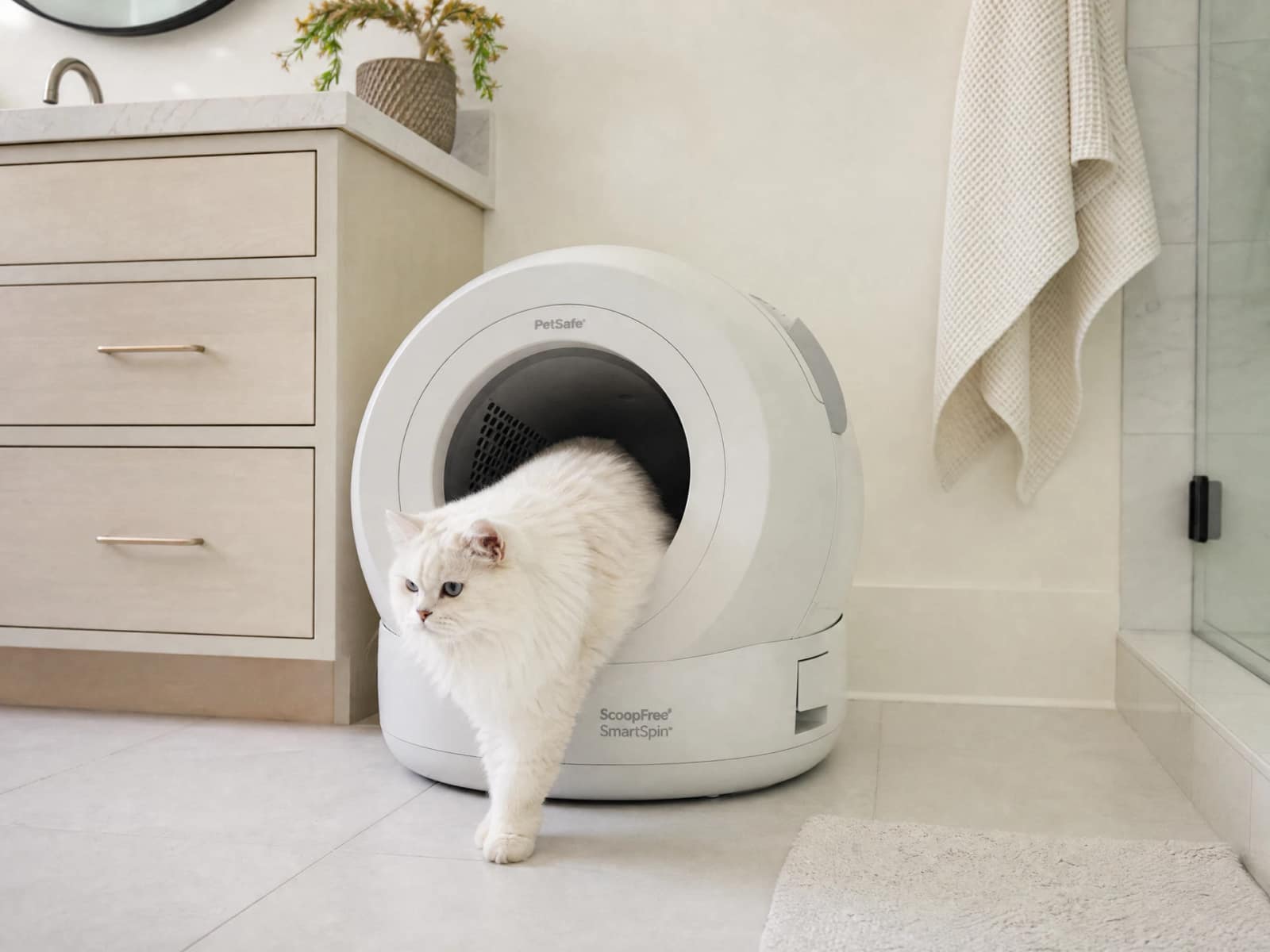
Self-Cleaning Litter Box
Automatic scooping after every use — your cat always has a fresh box.
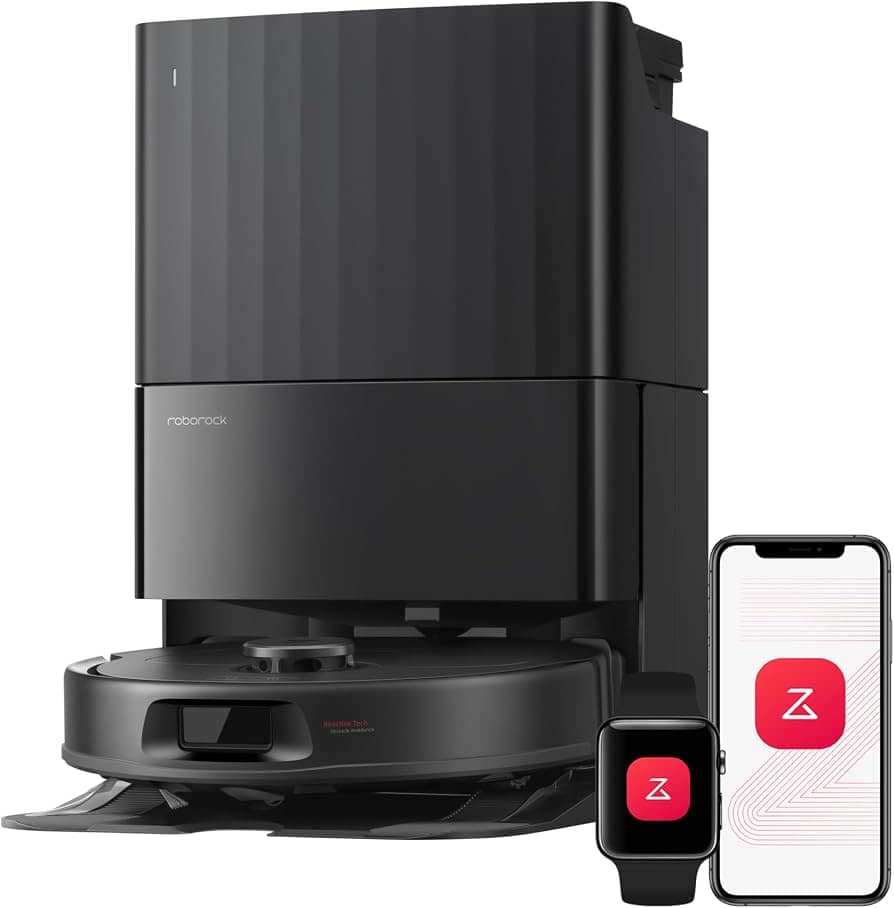
Robot Vacuum
Designed for pet hair and litter scatter — runs on a schedule so you never notice the mess.
Recommended Products by Life Stage
Products marked with SmartPaws Recommended are ones we've independently reviewed and recommend across the site. All Amazon links include our affiliate tag — purchases support SmartPaws at no extra cost to you.
Puppy / Kitten Stage
Adult Stage
Smart Feeder
PETLIBRO Smart Feeder with Camera
Portion control prevents obesity in a low-activity breed.
SmartPaws RecommendedWater Fountain
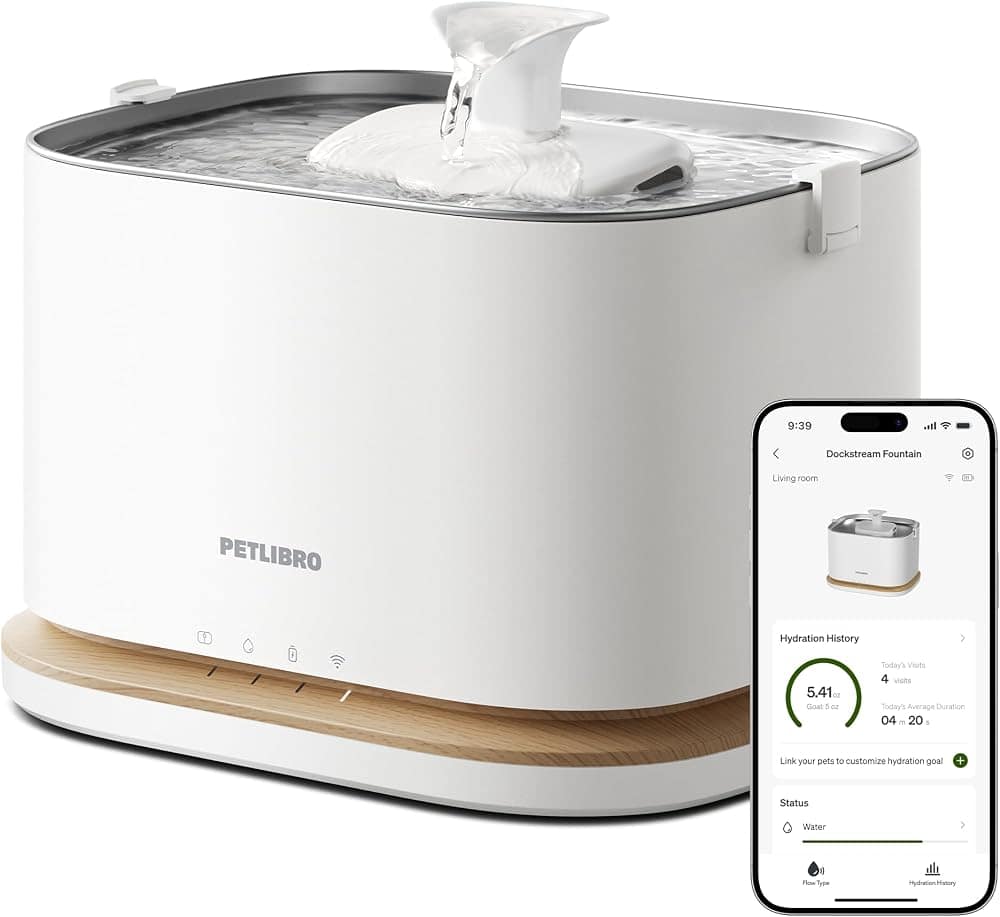
PETLIBRO Dockstream 2 Smart Water Fountain
Encourages hydration, supporting kidney health.
SmartPaws RecommendedOmega-3 Supplement
Nordic Naturals Omega-3 Cat Fish Oil
Supports heart health in a breed prone to HCM.
SmartPaws RecommendedSenior Stage
Breed Traits
Temperament
Climate & Physical
Compatibility
Health & Longevity
Based on breed-specific genetic health risks and common conditions
Consider Adopting
Many British Shorthairs are waiting in shelters and breed-specific rescues. Adoption costs are typically $50–$200 vs. $1,000–$3,000 from a breeder.
Read our Rescue Guide →How to Train a British Shorthair
Breed-specific challenges, techniques, and training timeline — written specifically for British Shorthair owners.
Read Training GuideDownload the British Shorthair Guide
Get a printable PDF with traits, cost of ownership, health notes, and best-fit summary — free.