SmartPawsGuides, comparisons & trusted resources — Guides & trusted resources — always independent.

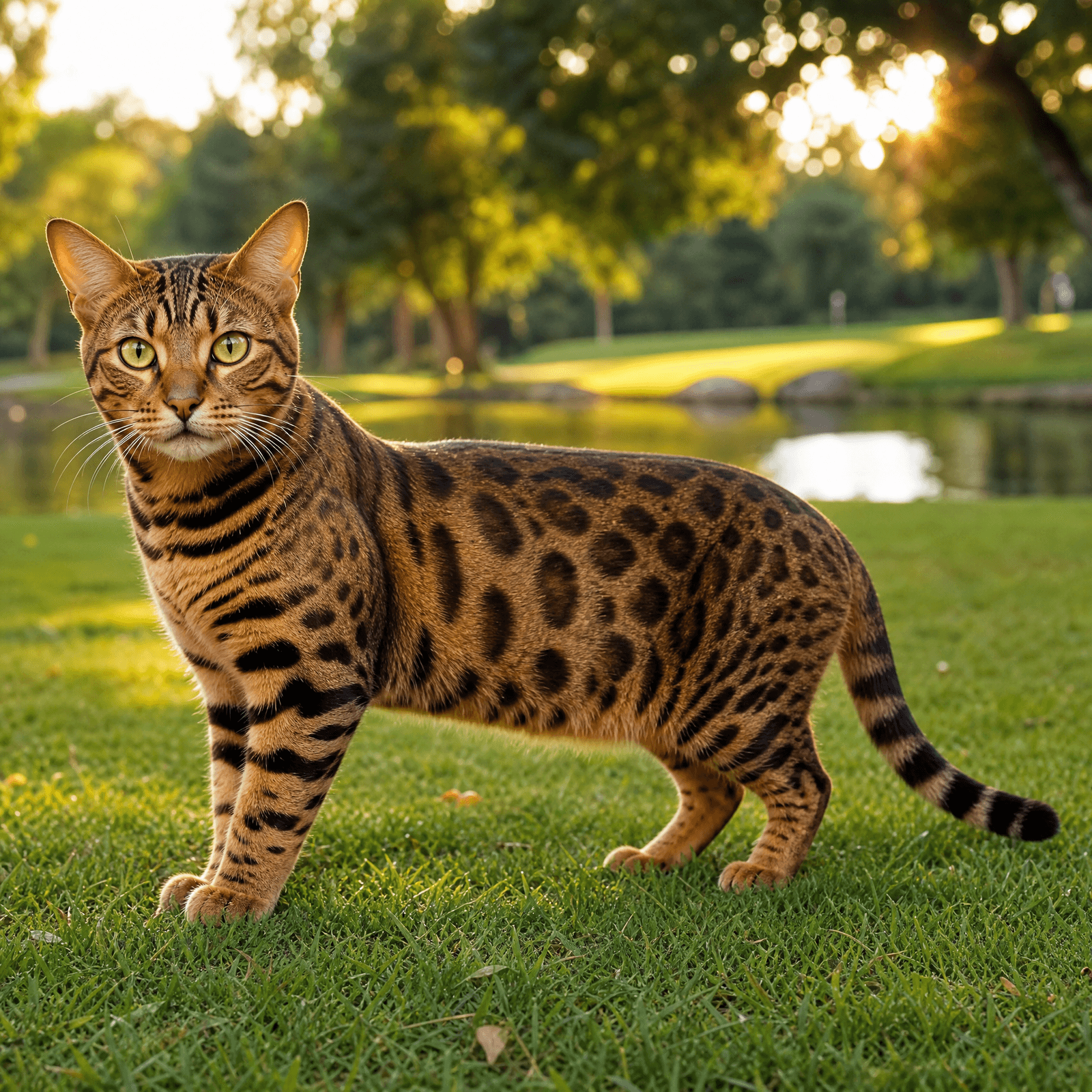
Bengal
Origin: United States
Weight
8–15 lbs
Height
13–16 inches
Lifespan
12–16 years
Coat
Short, thick, luxurious spotted or marbled coat
Breeder Cost
$1,500–$5,000
Adoption Cost
$100–$400
Personality & Temperament
Bengals are stunning, athletic cats with a wild appearance and an energetic, curious personality. They are descended from the Asian leopard cat and retain a strong prey drive and love of water. Bengals are highly intelligent and need significant mental and physical stimulation. They are not a good fit for sedentary households or those who want a quiet lap cat.
Best For
Active households, experienced cat owners, those who want an interactive, wild-looking companion and can provide extensive enrichment
Exercise & Activity Needs
Bengals need extensive daily play — at least 30–60 minutes of active interaction. They are climbers, jumpers, and hunters who need tall cat trees, puzzle toys, and interactive play. Many Bengals enjoy walking on a leash.
Grooming & Coat Care
The Bengal's short, luxurious coat requires minimal grooming — weekly brushing is sufficient. They shed minimally. Their coat has a distinctive glitter effect in sunlight.
Coat type: Short, thick, luxurious spotted or marbled coat
Common Health Conditions
PRA-b is a breed-specific genetic condition that responsible breeders test for. Buy only from breeders who DNA-test for PRA-b and cardiac-screen their cats.
Progressive Retinal Atrophy (PRA-b)
A genetic eye condition unique to Bengals that causes blindness. DNA testing is available and responsible breeders test for it.
Hypertrophic Cardiomyopathy (HCM)
Heart muscle disease. Annual cardiac screening is recommended.
Flat-Chested Kitten Syndrome
A condition affecting Bengal kittens where the chest is flattened. Most affected kittens do not survive.
Anesthetic Sensitivity
Bengals may have sensitivity to certain anesthetics. Always inform your vet.
Tritrichomonas Foetus
A parasitic infection causing chronic diarrhea. More common in Bengals than most breeds.
Breed Restrictions & Legal Status
This breed is restricted in some locations:
- • Hawaii (banned)
- • New York City (banned)
- • Australia (some states)
- • UK (F1-F4 generations restricted)
Early-generation Bengals (F1-F4) are considered exotic/hybrid animals and are restricted in some jurisdictions. Later-generation Bengals (F5+) are typically legal as domestic cats.
History & Origin
The Bengal cat was created in the 1960s and 1970s by crossing domestic cats with the Asian Leopard Cat (Prionailurus bengalensis) — a small wild cat native to South and East Asia. The breed was developed by Jean Mill in California, who sought to create a domestic cat with the wild appearance of a leopard but the temperament of a house cat. Early generations were wild and unpredictable; modern Bengals (F4 and beyond) are fully domesticated. The TICA recognized the Bengal in 1983.
Interesting Facts
- 1
Bengals are the only domestic cat breed with a rosette pattern — the same type of spots found on leopards and jaguars.
- 2
They are descended from the Asian Leopard Cat, a small wild cat — early generations were partially wild.
- 3
Bengals love water — unlike most cats, many will voluntarily swim or play in water.
- 4
They are one of the most athletic cat breeds and can jump over 3 times their body height.
- 5
Some Bengals have a 'glitter gene' that makes their coat appear to sparkle in sunlight.
Cost of Ownership
Owning a Bengal is a long-term financial commitment. Here's a realistic breakdown of what to budget for.
Annual Cost
$800–$1,600
First Year (incl. setup)
$2,000–$3,800
Active breed; high-protein diet recommended
HCM, PK deficiency, and progressive retinal atrophy possible
Short, sleek coat; minimal grooming needs
Quality litter; Bengals are fastidious about cleanliness
Highly active; needs extensive play and climbing structures
Recommended for HCM and eye condition coverage
* Estimates based on national averages. Costs vary by location, lifestyle, and individual health needs. Emergency vet visits are not included.
Popularity & Adoption Trends
Estimated US Population
~500,000 in the US
Adoption Trend
Bengal cats have grown dramatically in popularity as cat owners seek a more exotic, wild-looking companion. Their leopard-like spots and athletic personality make them visually striking. However, their high energy and intelligence lead to significant surrender rates when owners discover they are more demanding than typical domestic cats.
Plan daily life with your Bengal
Use the guides below to compare practical options alongside this breed's care needs.
Pet Tech Essentials
The right technology makes cat ownership easier, safer, and more connected — whether you're home or away. These are the products our editors consider must-haves for every cat owner.
Automatic Feeder
Scheduled, portion-controlled meals — no more 4 a.m. wake-up calls for breakfast.


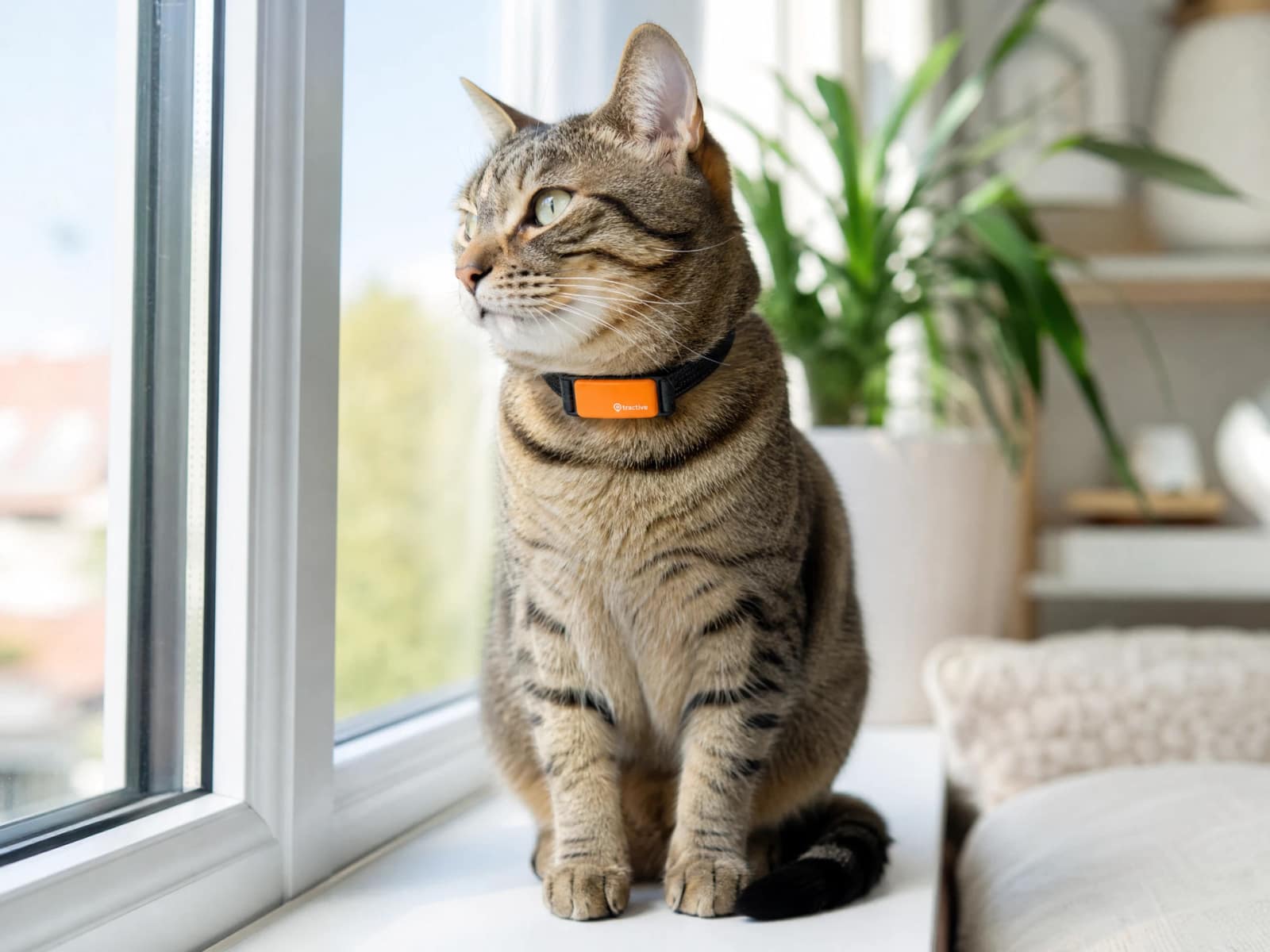
GPS Tracker
Know exactly where your cat is — essential for outdoor and indoor-outdoor cats.
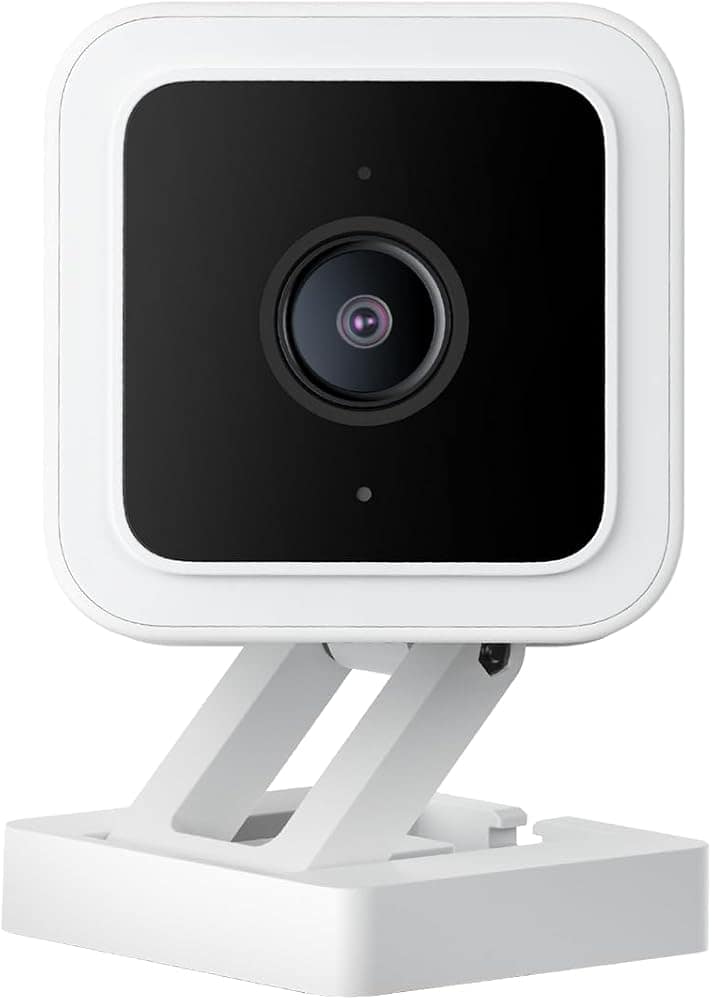
Pet Camera
Check in on your cat anytime — two-way audio lets you hear and be heard.

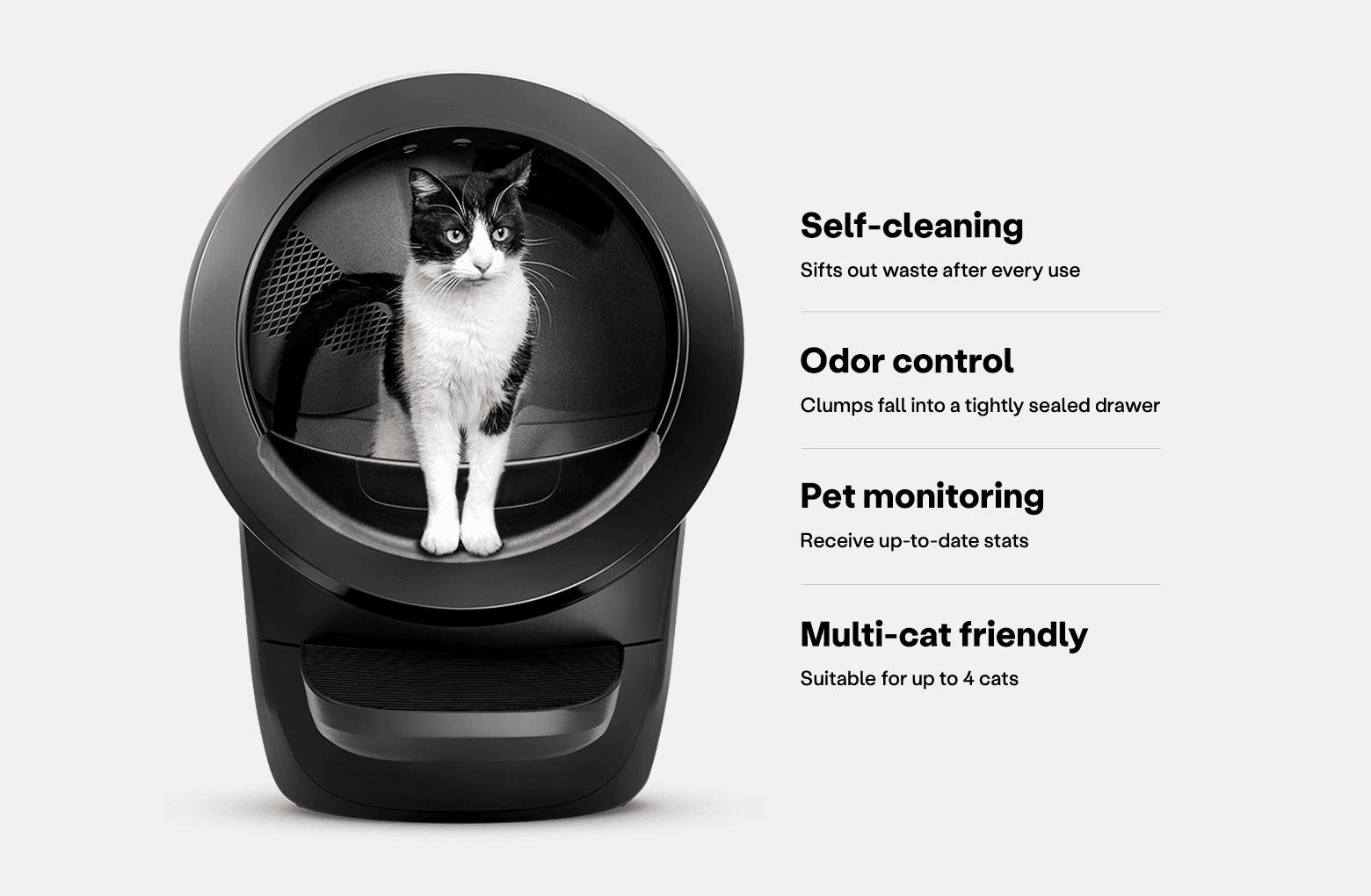
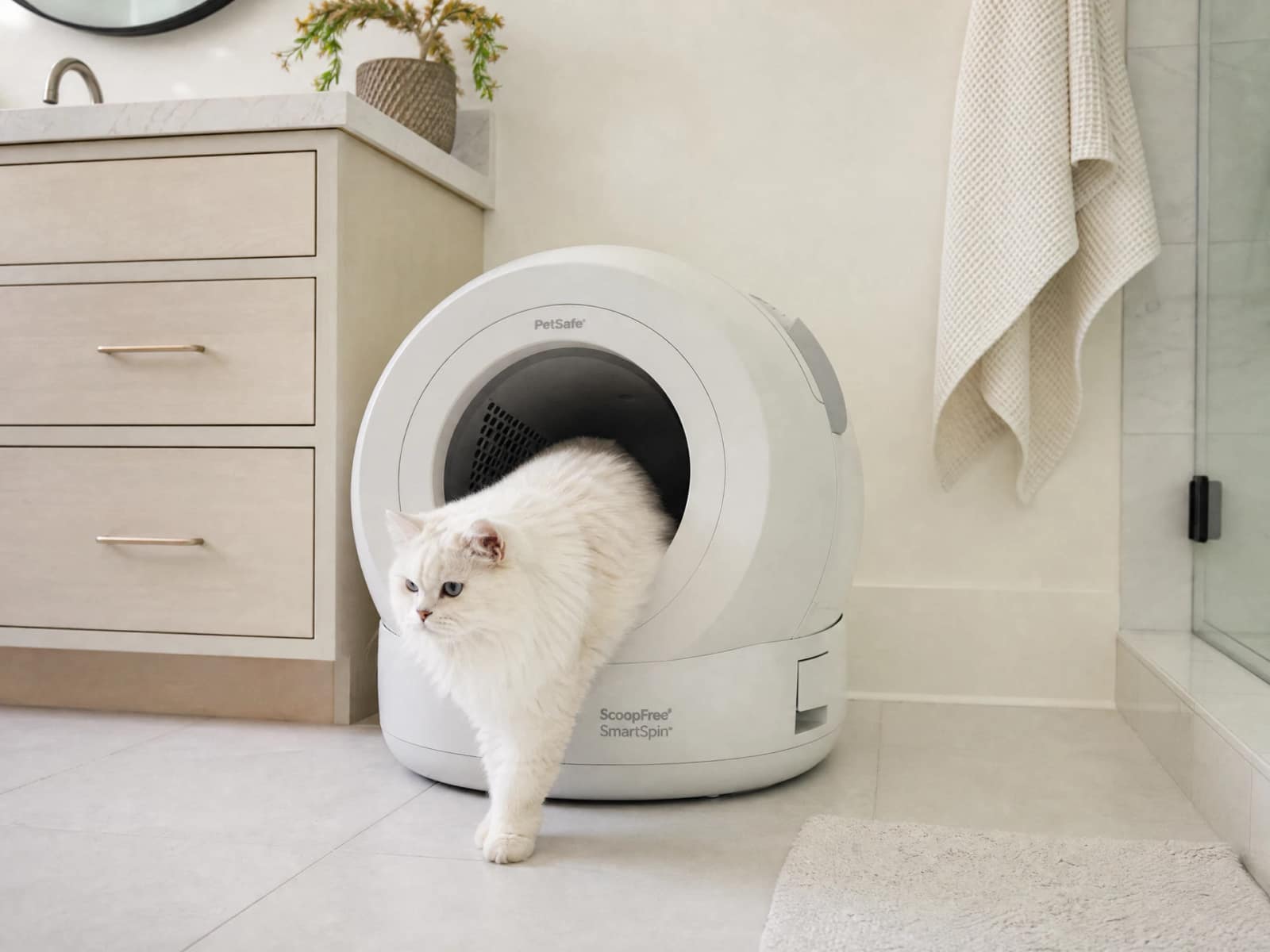
Self-Cleaning Litter Box
Automatic scooping after every use — your cat always has a fresh box.
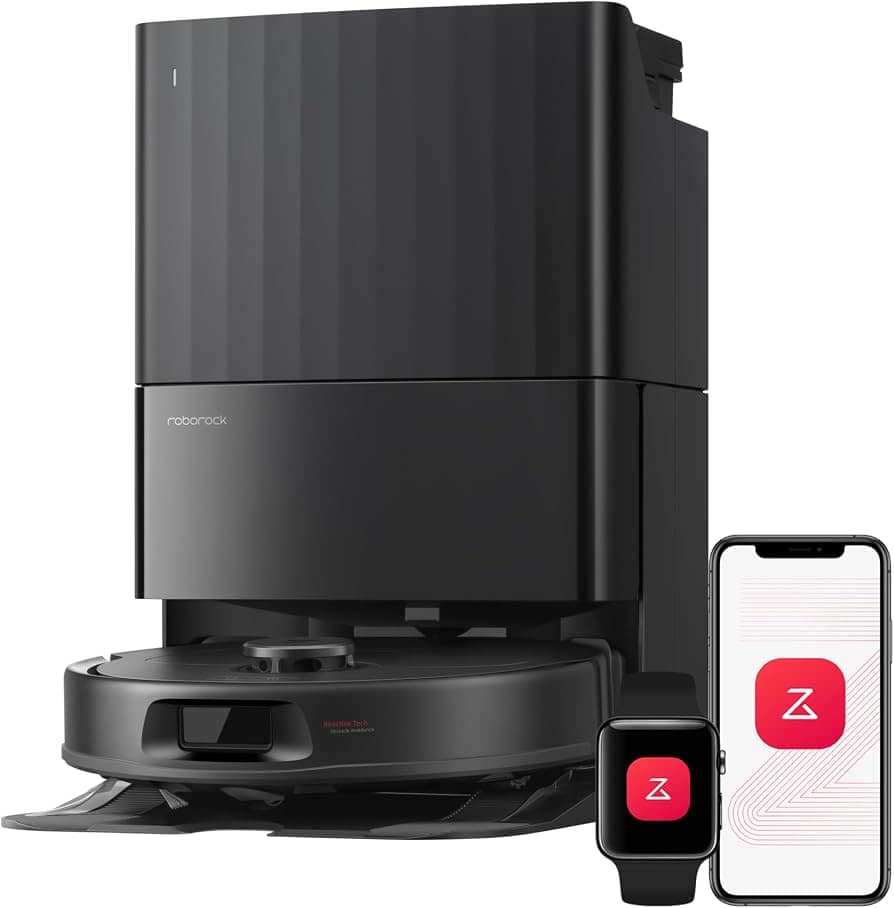
Robot Vacuum
Designed for pet hair and litter scatter — runs on a schedule so you never notice the mess.
Recommended Products by Life Stage
Products marked with SmartPaws Recommended are ones we've independently reviewed and recommend across the site. All Amazon links include our affiliate tag — purchases support SmartPaws at no extra cost to you.
Puppy / Kitten Stage
Adult Stage
Electronic Toy
PetFusion Ambush Interactive Electronic Feather Toy
Bengals need stimulating, active play to channel their hunting instinct.
SmartPaws RecommendedPuzzle Feeder
Catit Senses 2.0 Food Tree Puzzle Feeder
Mental stimulation for a highly intelligent breed.
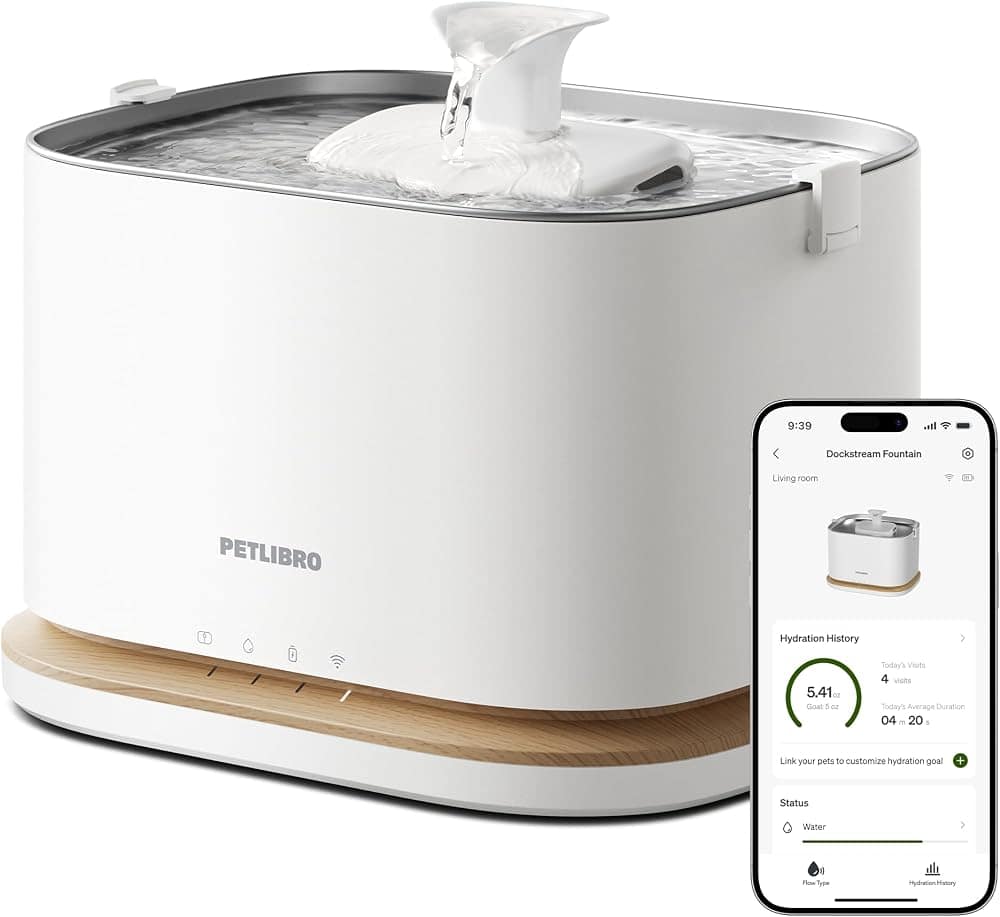
SmartPaws RecommendedWater Fountain
PETLIBRO Dockstream 2 Smart Water Fountain
Bengals love water — a fountain encourages hydration.
SmartPaws RecommendedBreed Traits
Temperament
Climate & Physical
Compatibility
Health & Longevity
Based on breed-specific genetic health risks and common conditions
Consider Adopting
Many Bengals are waiting in shelters and breed-specific rescues. Adoption costs are typically $100–$400 vs. $1,500–$5,000 from a breeder.
Read our Rescue Guide →How to Train a Bengal
Breed-specific challenges, techniques, and training timeline — written specifically for Bengal owners.
Read Training GuideDownload the Bengal Guide
Get a printable PDF with traits, cost of ownership, health notes, and best-fit summary — free.