SmartPawsGuides, comparisons & trusted resources — Guides & trusted resources — always independent.

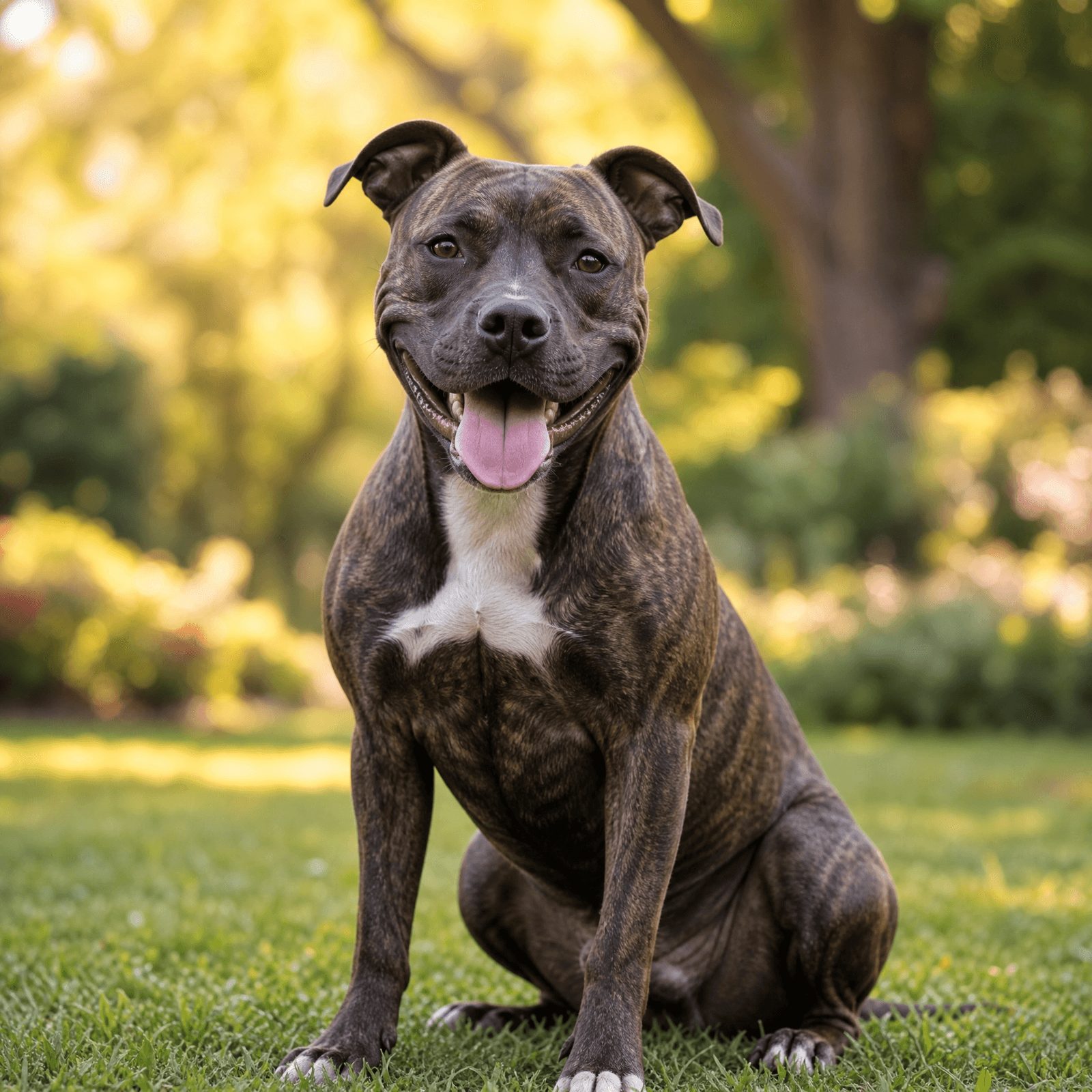
American Pit Bull Terrier
Origin: United States
Weight
30–60 lbs
Height
17–21 inches
Lifespan
12–16 years
Coat
Short, smooth, glossy coat
Breeder Cost
$500–$2,000
Adoption Cost
$25–$200
Personality & Temperament
American Pit Bull Terriers are affectionate, loyal, and playful dogs who are deeply devoted to their families. Despite their reputation, well-bred and well-socialized Pit Bulls are gentle with children and eager to please. They are athletic, energetic dogs who thrive with active families. The negative reputation of the breed is largely the result of irresponsible ownership and abuse, not inherent temperament.
Best For
Active families, experienced dog owners, those who can provide consistent training and socialization
Exercise & Activity Needs
Pit Bulls need 60–90 minutes of vigorous exercise daily. They are athletic and excel at weight pulling, agility, and obedience. Without sufficient exercise, they can become destructive.
Grooming & Coat Care
The Pit Bull's short coat requires minimal grooming — weekly brushing and a bath every 4–6 weeks. They are relatively low-shedding. Check ears and nails monthly.
Coat type: Short, smooth, glossy coat
Common Health Conditions
Pit Bulls are generally healthy and long-lived. Allergies and hip dysplasia are the primary concerns. Their athletic nature makes them prone to sports injuries.
Hip Dysplasia
Common in medium-to-large breeds. OFA certification from breeders is recommended.
Allergies
Pit Bulls are prone to environmental and food allergies causing skin irritation and itching.
Hypothyroidism
An underactive thyroid causing weight gain and lethargy.
Heart Disease
Congenital heart defects are more common in Pit Bulls than many breeds.
Knee Problems (CCL)
Cranial cruciate ligament tears are common in athletic breeds.
Breed Restrictions & Legal Status
This breed is restricted in some locations:
- • Many US cities and counties (BSL)
- • UK (banned under Dangerous Dogs Act)
- • Canada (Ontario)
- • Australia (some states)
- • New Zealand
- • Germany
- • France
- • Spain
- • Portugal
- • Italy
- • Denmark
- • Norway
- • Poland
Breed-specific legislation (BSL) based on perceived aggression risk. Many animal welfare organizations oppose BSL as ineffective and unjust. Well-socialized Pit Bulls are not inherently dangerous.
History & Origin
The American Pit Bull Terrier was developed in 19th-century England and Ireland by crossing Bulldogs with terriers to create a dog with the Bulldog's strength and the terrier's tenacity for dog fighting. When Irish and English immigrants came to America, they brought their dogs, which became working farm dogs, catch dogs for hogs, and beloved family companions. The breed's reputation changed dramatically in the late 20th century due to association with dog fighting and gang culture.
Interesting Facts
- 1
Pit Bull-type dogs were once called 'nanny dogs' in America for their gentle, protective nature with children.
- 2
Sergeant Stubby, a Pit Bull mix, was the most decorated war dog of WWI — he was promoted to sergeant by General Pershing.
- 3
The RCA Victor dog 'Nipper' and Petey from The Little Rascals were both Pit Bull-type dogs.
- 4
Pit Bulls are banned or restricted in over 900 US cities — more than any other breed.
- 5
Despite their reputation, Pit Bulls consistently score above average on the American Temperament Test Society's temperament evaluations.
Cost of Ownership
Owning an American Pit Bull Terrier is a long-term financial commitment. Here's a realistic breakdown of what to budget for.
Annual Cost
$1,400–$2,500
First Year (incl. setup)
$3,200–$5,500
Muscular breed needs quality protein-rich diet
Allergies, hip dysplasia, and heart conditions possible
Short coat; minimal grooming needs
Early socialization and training is critical for this powerful breed
Heavy-duty toys; APBTs are powerful chewers
Recommended; some insurers exclude this breed — shop carefully
* Estimates based on national averages. Costs vary by location, lifestyle, and individual health needs. Emergency vet visits are not included.
Popularity & Adoption Trends
Estimated US Population
~4 million in the US
Adoption Trend
Pit Bull-type dogs are among the most common breeds in US shelters, representing 30–40% of all shelter dogs. Despite widespread breed-specific legislation (BSL), their actual ownership numbers remain high. Advocacy organizations have made significant progress in repealing BSL in many cities, and public perception is gradually shifting as more owners share positive experiences.
Plan daily life with your American Pit Bull Terrier
Use the guides below to compare practical options alongside this breed's care needs.
Pet Tech Essentials
The right technology makes dog ownership easier, safer, and more connected — whether you're home or away. These are the products our editors consider must-haves for every dog owner.
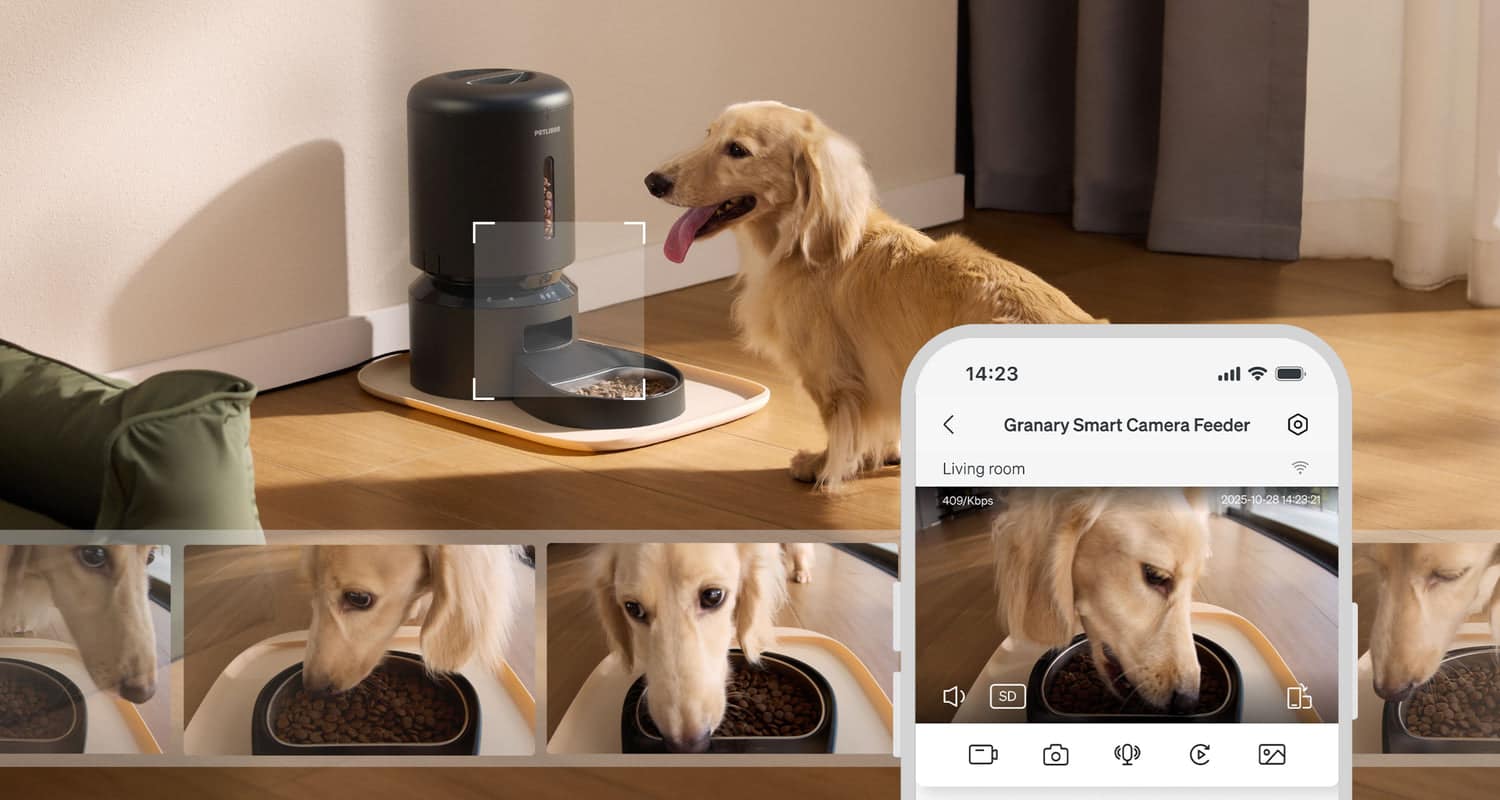
Automatic Feeder
Schedule precise meals so your dog eats right — even when you're not home.

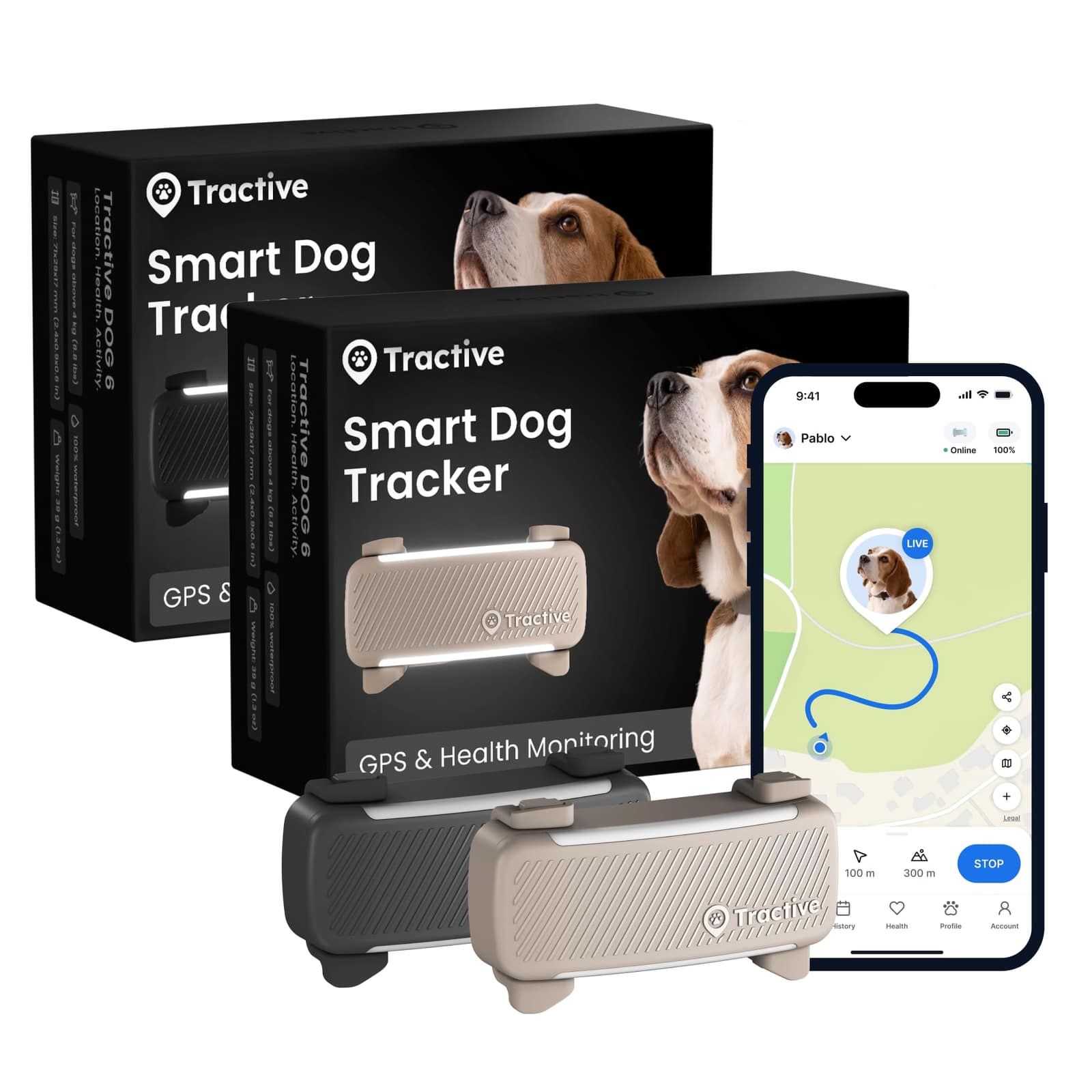
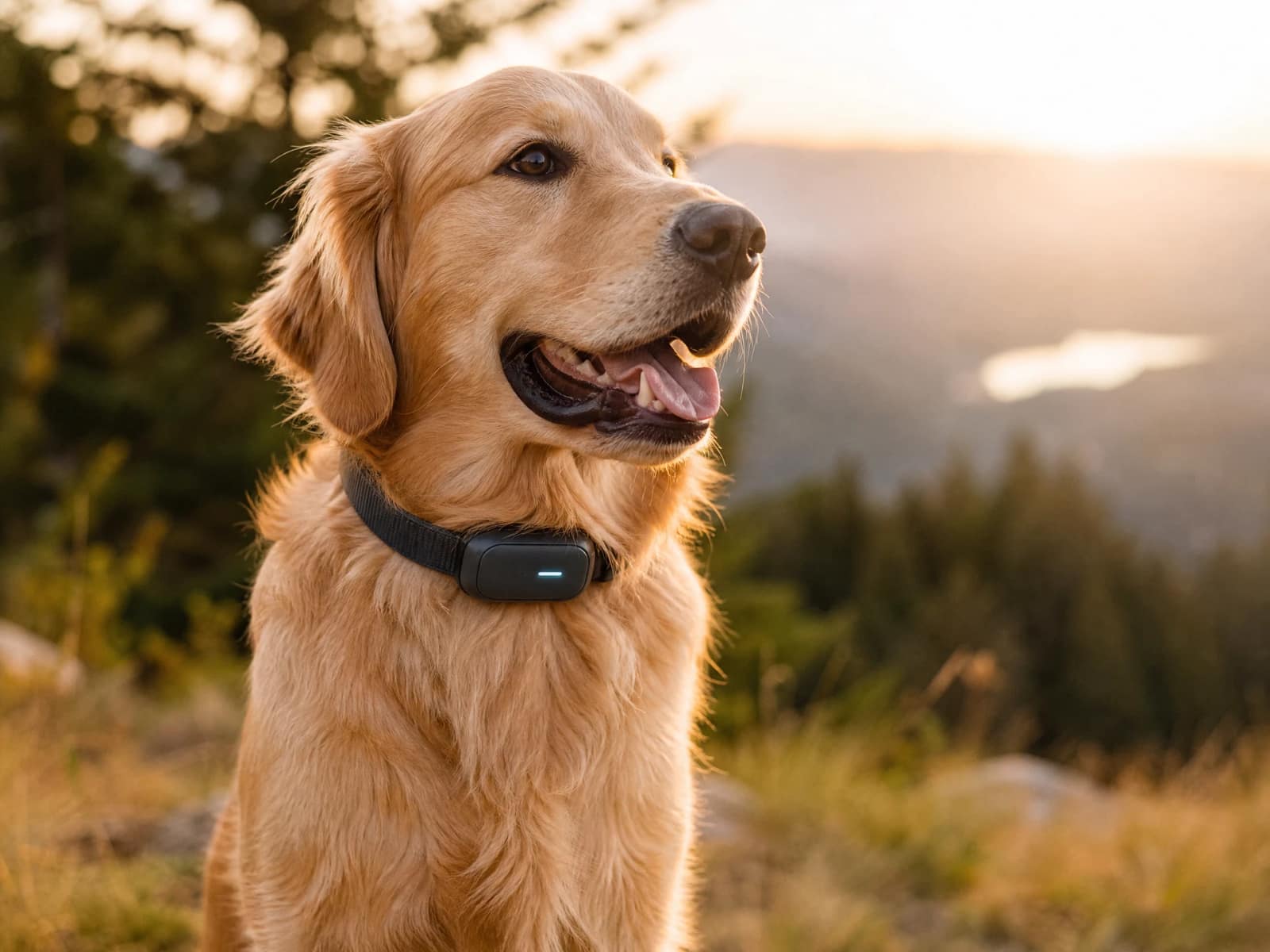
GPS Tracker
Real-time location tracking — because dogs follow their nose, not the fence line.
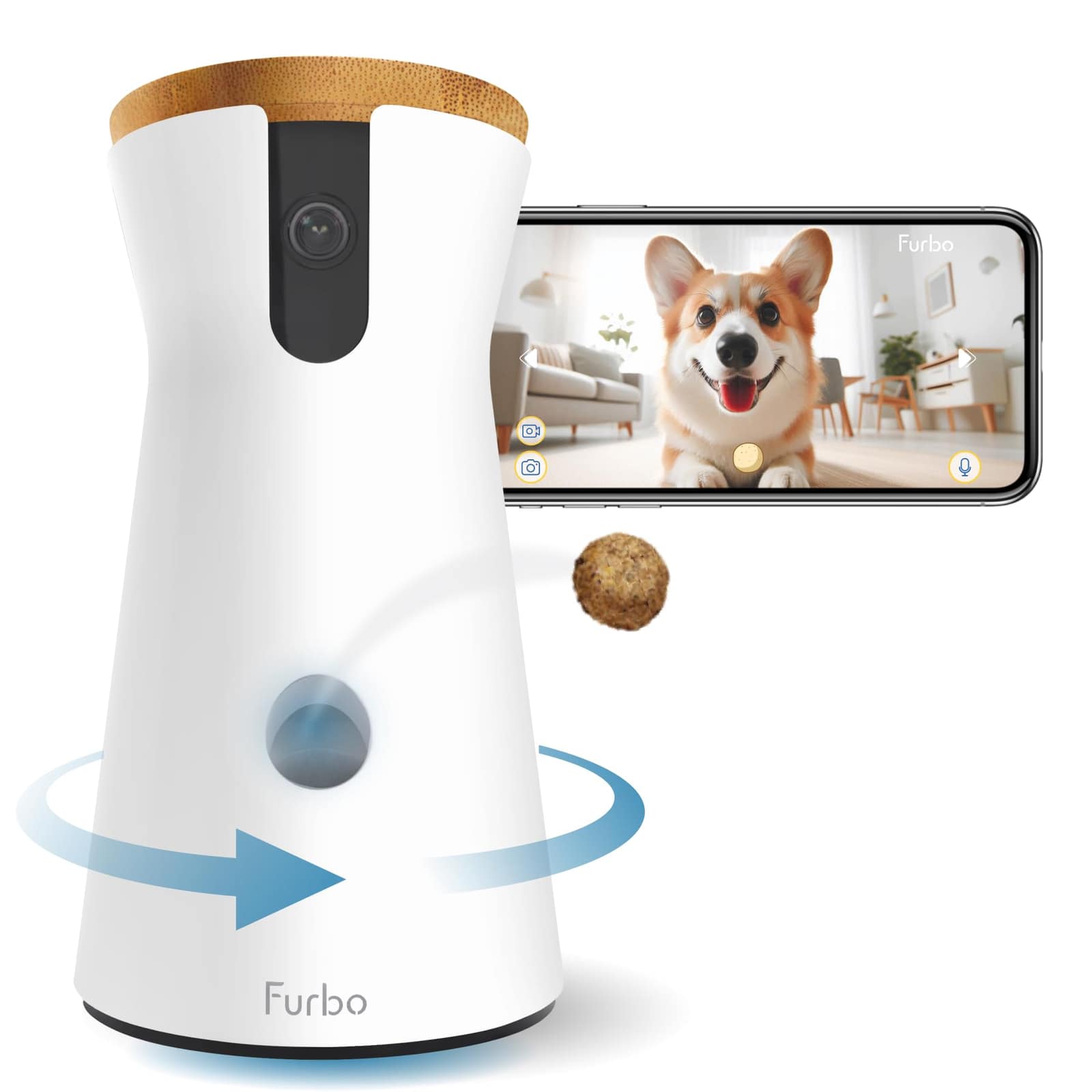
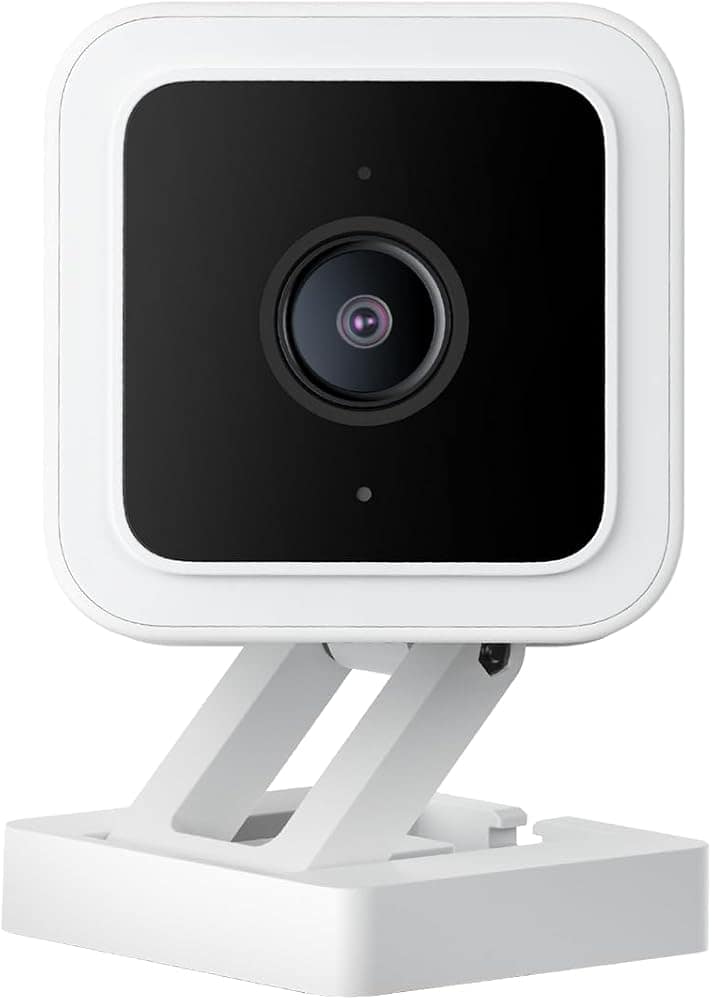
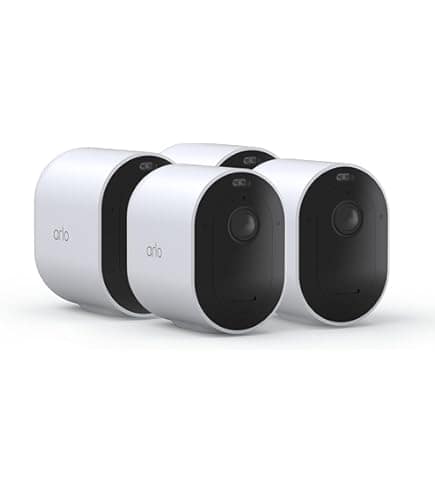
Pet Camera
Two-way audio and HD video — stay connected and soothe your dog from anywhere.
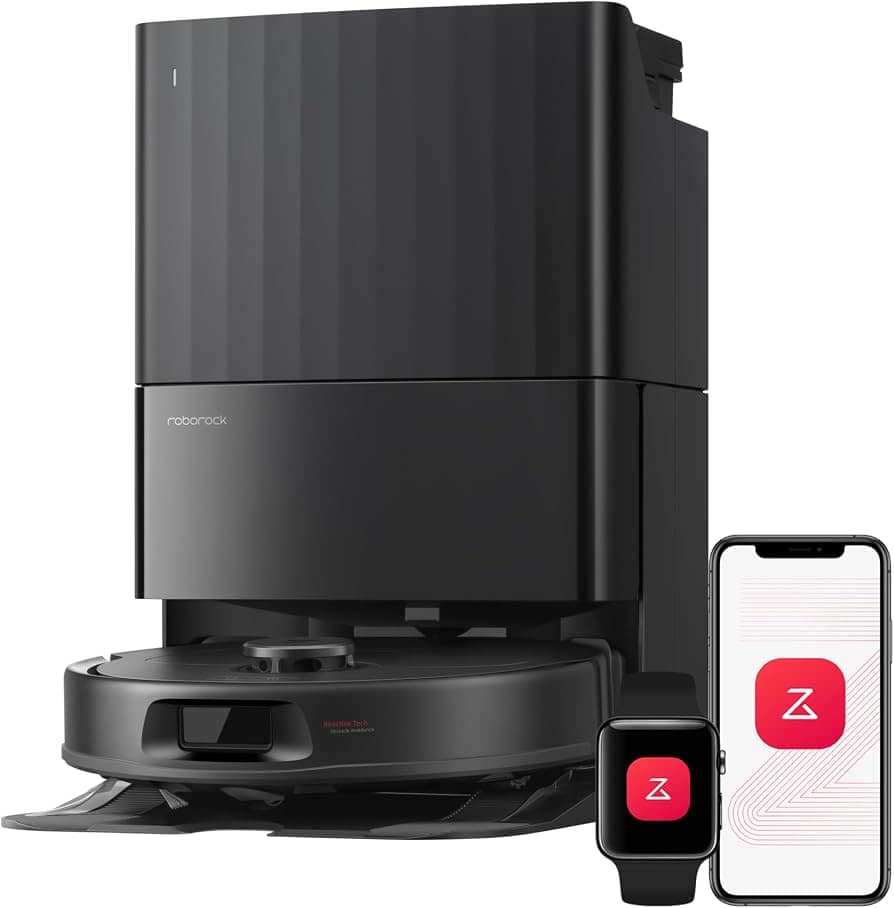
Robot Vacuum
Built for pet hair — keeps your home clean without lifting a finger.
Recommended Products by Life Stage
Products marked with SmartPaws Recommended are ones we've independently reviewed and recommend across the site. All Amazon links include our affiliate tag — purchases support SmartPaws at no extra cost to you.
Puppy / Kitten Stage
Adult Stage
GPS Tracker
Tractive Smart Dog GPS Tracker
Athletic Pit Bulls can roam — GPS tracking provides peace of mind.
SmartPaws RecommendedChew Toy
Benebone Wishbone Chew
Pit Bulls are powerful chewers — the Benebone is built to last.
Joint Supplement
Nutramax Cosequin Maximum Strength Joint Supplement
Supports joint health in an athletic breed prone to CCL tears.
SmartPaws RecommendedBreed Traits
Temperament
Climate & Physical
Compatibility
Rural & Outdoor
Scores reflect breed tendencies. Individual training significantly affects both livestock safety and off-leash reliability.
Health & Longevity
Based on breed-specific genetic health risks and common conditions
Consider Adopting
Many American Pit Bull Terriers are waiting in shelters and breed-specific rescues. Adoption costs are typically $25–$200 vs. $500–$2,000 from a breeder.
Read our Rescue Guide →How to Train an American Pit Bull Terrier
Breed-specific challenges, techniques, and training timeline — written specifically for American Pit Bull Terrier owners.
Read Training GuideDownload the American Pit Bull Terrier Guide
Get a printable PDF with traits, cost of ownership, health notes, and best-fit summary — free.