SmartPawsGuides, comparisons & trusted resources — Guides & trusted resources — always independent.

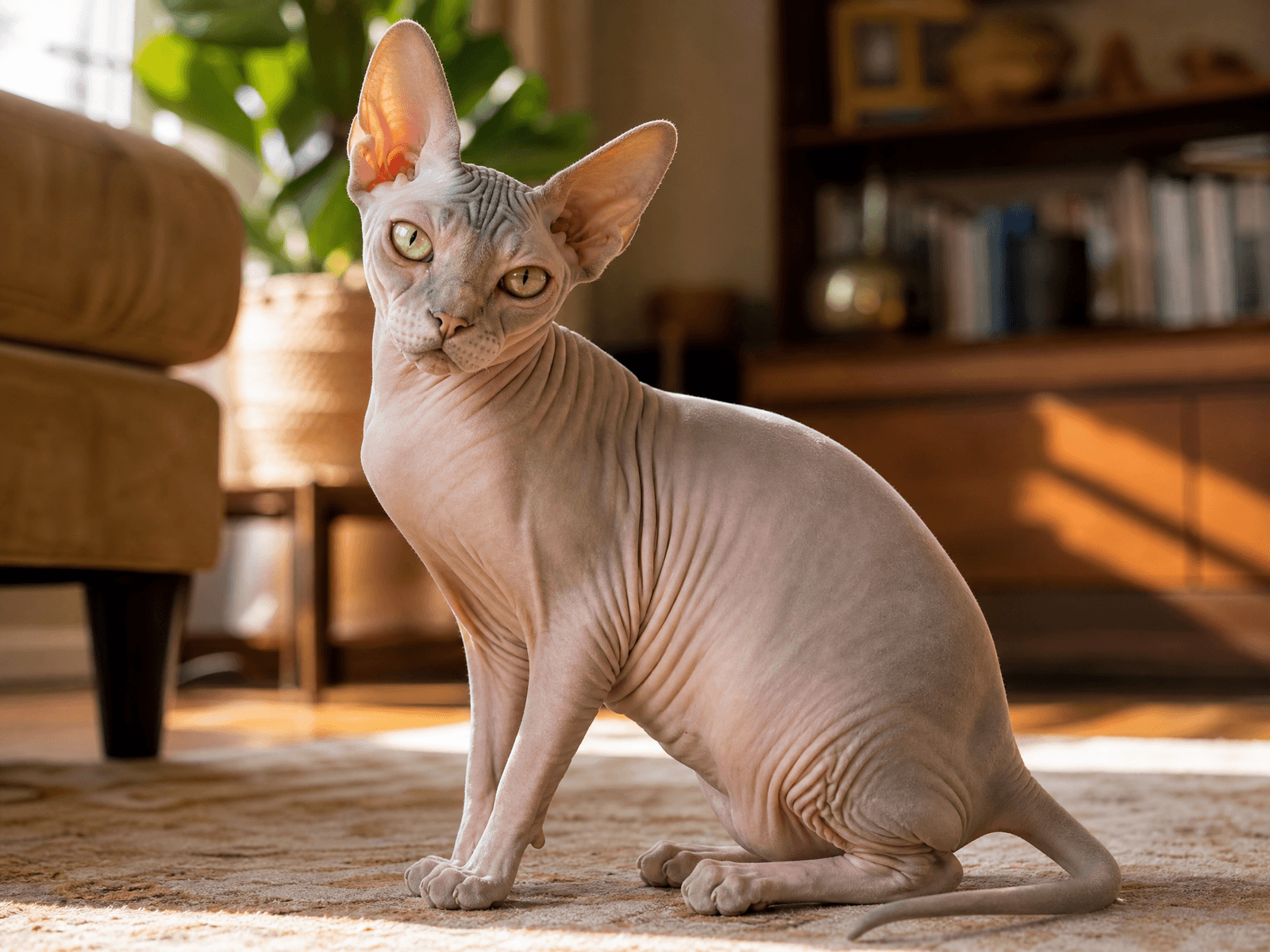
Sphynx
Origin: Canada
Weight
6–12 lbs
Height
8–10 inches
Lifespan
9–15 years
Coat
Hairless (covered in fine down)
Breeder Cost
$1,500–$4,000
Adoption Cost
$100–$400
Personality & Temperament
Sphynx cats are the extroverts of the cat world — warm, affectionate, and endlessly entertaining. Despite their alien appearance, they are incredibly soft to the touch (like warm suede) and love nothing more than snuggling with their people. Sphynx are highly social and do not do well when left alone. They are ideal for those who want a dog-like cat companion.
Best For
Those who want a highly social, dog-like companion, households where someone is home most of the day, those who don't mind regular bathing
Exercise & Activity Needs
Sphynx are active, playful cats who need daily interactive play sessions of 20–30 minutes. They are climbers and acrobats who enjoy tall cat trees and puzzle toys.
Grooming & Coat Care
Despite being hairless, Sphynx require significant grooming. Their skin produces oils that would normally be absorbed by fur, so they need weekly baths to prevent greasy buildup. Their large ears need weekly cleaning. They are sensitive to cold and should wear a sweater in temperatures below 65°F.
Coat type: Hairless (covered in fine down); wrinkled skin
Common Health Conditions
HCM is the most serious concern for Sphynx — it is very common in the breed. Annual cardiac screening is non-negotiable. Buy from breeders who cardiac-test their cats.
Hypertrophic Cardiomyopathy (HCM)
The most serious health concern for Sphynx. HCM is very common in the breed. Annual cardiac screening with echocardiogram is essential.
Hereditary Myopathy
A muscle disease causing weakness and abnormal gait. More common in Sphynx than most breeds.
Skin Issues
Their hairless skin is prone to sunburn, skin infections, and temperature sensitivity. Keep them indoors and away from direct sunlight.
Dental Disease
Common in all cats. Regular dental care is essential.
Urticaria Pigmentosa
A skin condition causing crusty sores. More common in Sphynx than most breeds.
History & Origin
The modern Sphynx breed began with a hairless kitten named Prune, born in Toronto, Canada in 1966 as a natural genetic mutation. Breeders worked to establish the hairless trait through selective breeding, crossing hairless cats with Devon Rex cats to create a healthy, genetically diverse breed. The Sphynx was recognized by the CFA in 2002. Despite appearing hairless, Sphynx cats have a fine layer of peach-fuzz down covering their skin.
Interesting Facts
- 1
Sphynx cats are not truly hairless — they have a fine layer of peach-fuzz down that feels like warm suede.
- 2
They have a higher body temperature than other cats and feel warm to the touch — earning them the nickname 'the suede hot water bottle.'
- 3
Without fur to absorb body oils, Sphynx cats need weekly baths to prevent skin buildup.
- 4
They are one of the most social and affectionate cat breeds — they will follow their owners everywhere and sleep under the covers.
- 5
The Sphynx is the official mascot of the Canadian province of Ontario.
Cost of Ownership
Owning a Sphynx is a long-term financial commitment. Here's a realistic breakdown of what to budget for.
Annual Cost
$1,000–$2,000
First Year (incl. setup)
$2,500–$4,500
High metabolism; needs more calories than most cats
HCM heart disease is a major concern; skin conditions common
No fur but needs weekly baths to remove skin oil buildup
Sweaters for cold weather; warm bedding essential
Highly social and active; needs lots of interactive play
Strongly recommended given HCM risk
* Estimates based on national averages. Costs vary by location, lifestyle, and individual health needs. Emergency vet visits are not included.
Popularity & Adoption Trends
Estimated US Population
~300,000 in the US
Adoption Trend
Sphynx popularity has grown steadily as allergy-sensitive cat lovers discover their nearly hairless coat. Their alien-like appearance and intensely affectionate personality make them memorable companions. Social media has amplified their appeal — their wrinkled, expressive faces photograph dramatically.
Plan daily life with your Sphynx
Use the guides below to compare practical options alongside this breed's care needs.
Pet Tech Essentials
The right technology makes cat ownership easier, safer, and more connected — whether you're home or away. These are the products our editors consider must-haves for every cat owner.
Automatic Feeder
Scheduled, portion-controlled meals — no more 4 a.m. wake-up calls for breakfast.


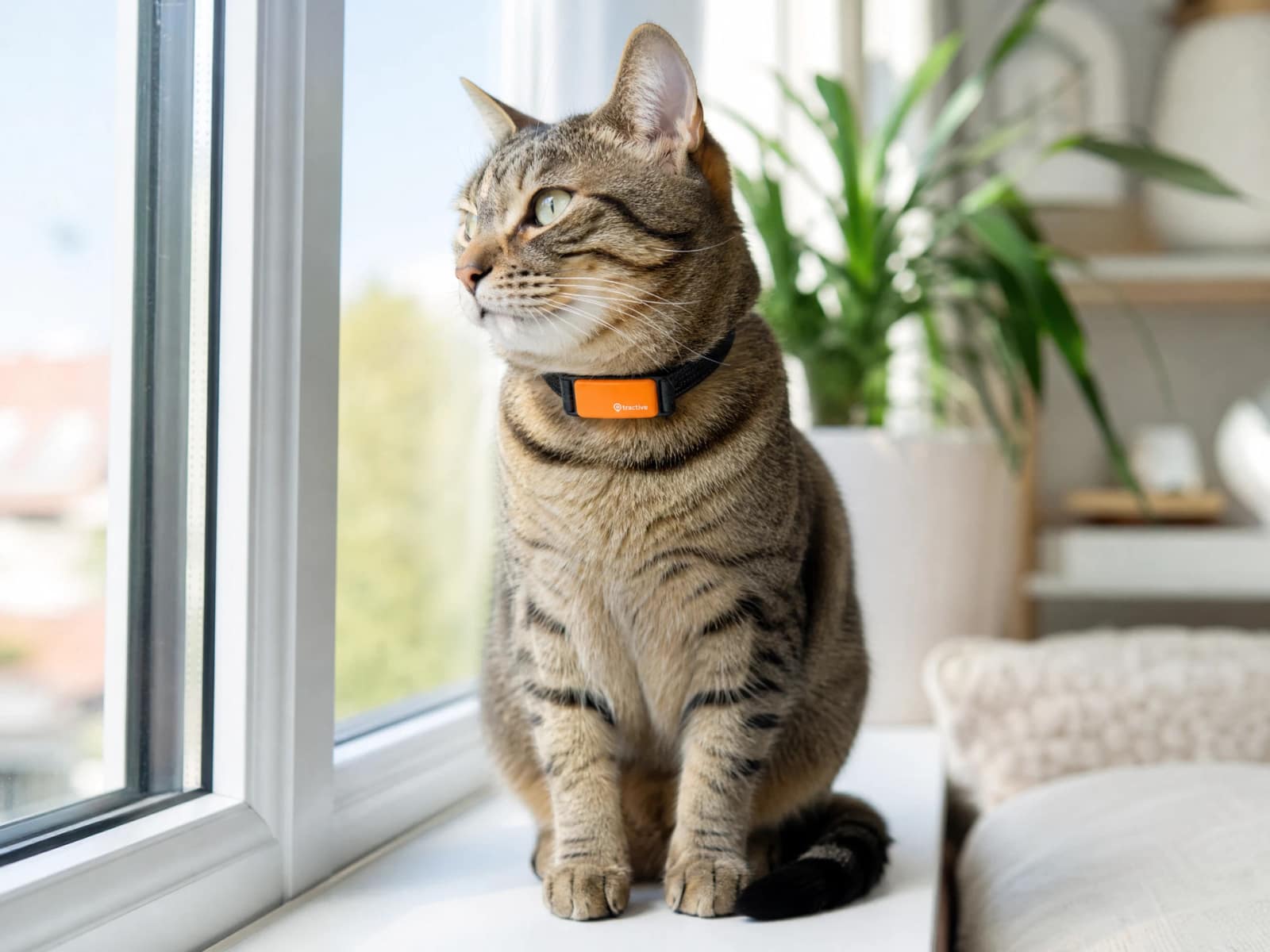
GPS Tracker
Know exactly where your cat is — essential for outdoor and indoor-outdoor cats.
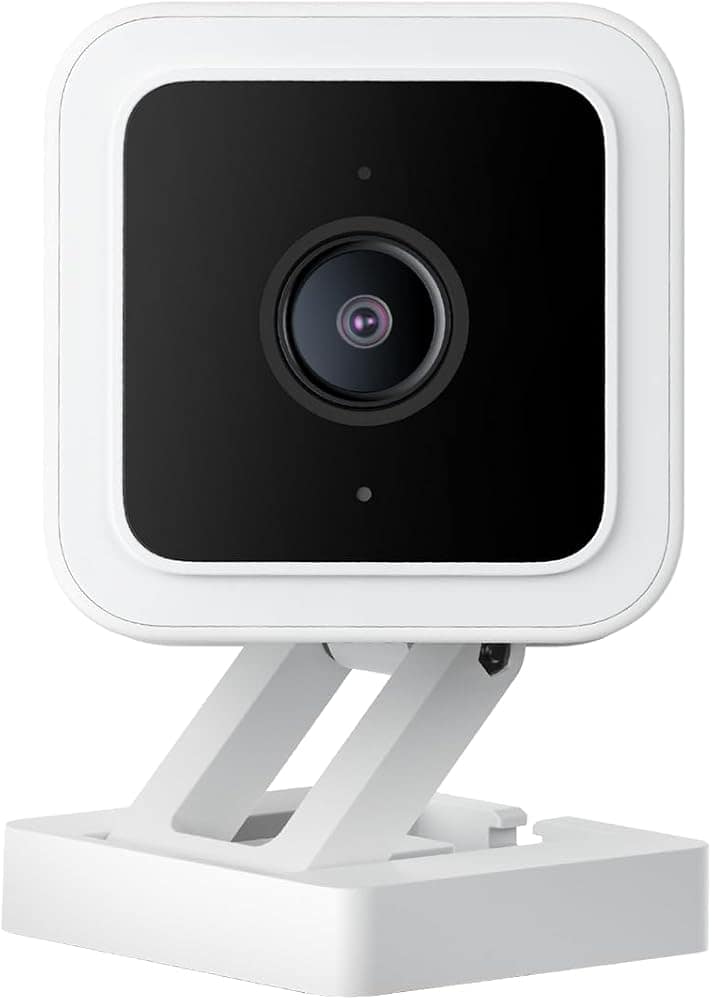
Pet Camera
Check in on your cat anytime — two-way audio lets you hear and be heard.

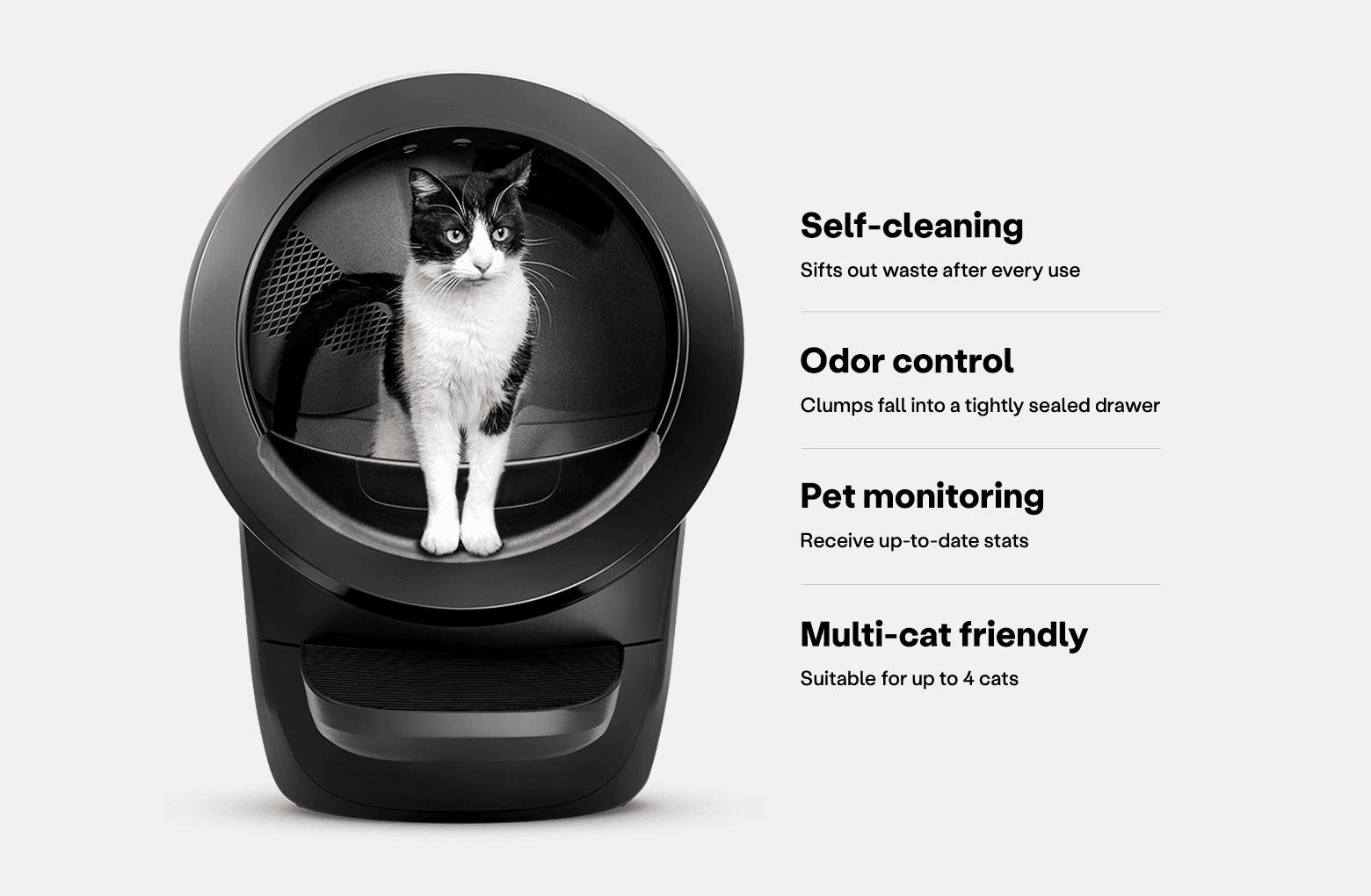
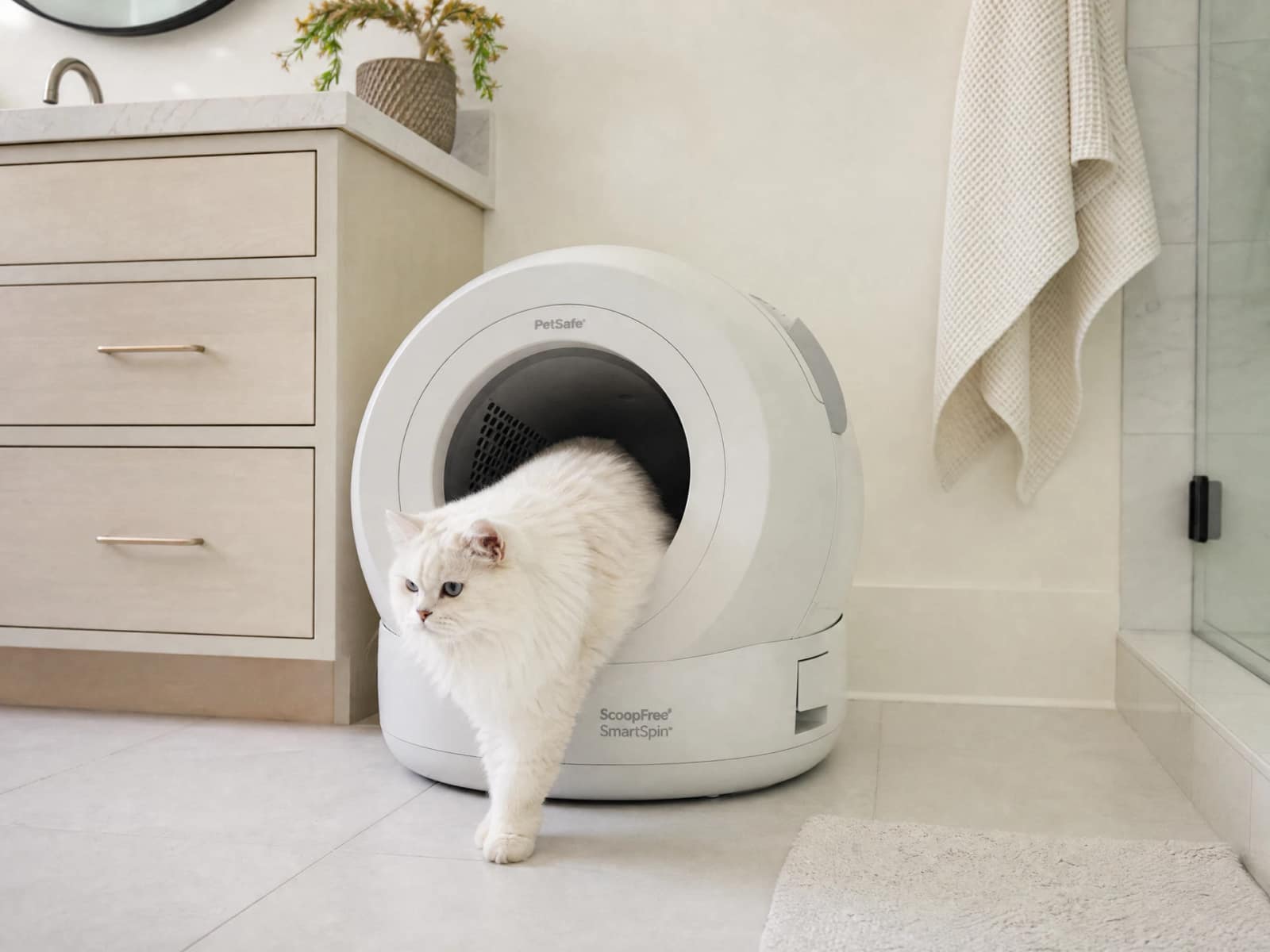
Self-Cleaning Litter Box
Automatic scooping after every use — your cat always has a fresh box.
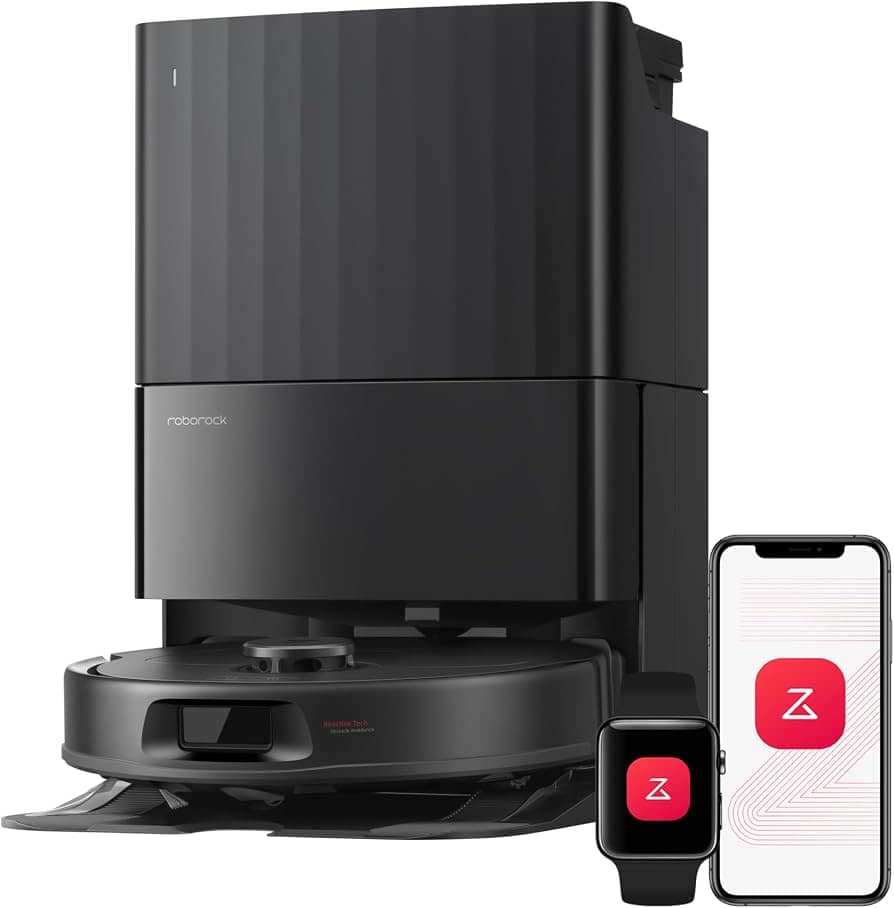
Robot Vacuum
Designed for pet hair and litter scatter — runs on a schedule so you never notice the mess.
Recommended Products by Life Stage
Products marked with SmartPaws Recommended are ones we've independently reviewed and recommend across the site. All Amazon links include our affiliate tag — purchases support SmartPaws at no extra cost to you.
Puppy / Kitten Stage
Adult Stage
Cat Tree
Go Pet Club 72-Inch Cat Tree
Sphynx are climbers who need vertical space.
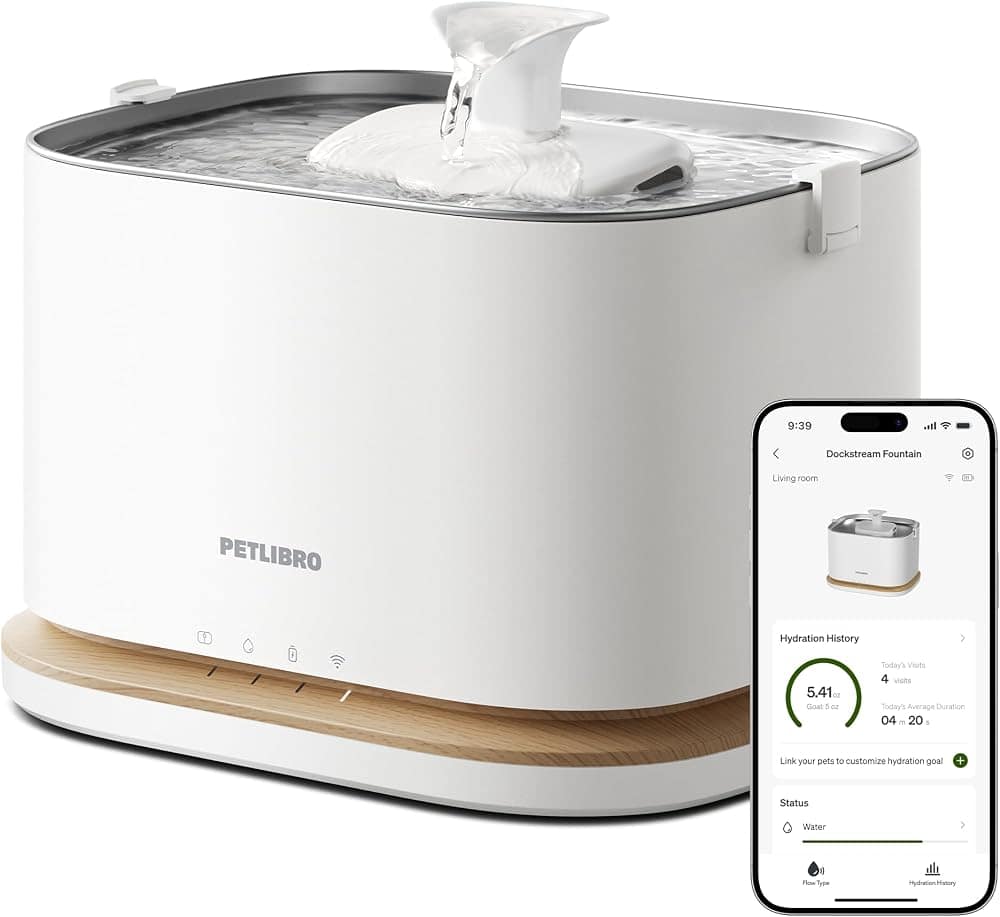
SmartPaws RecommendedWater Fountain
PETLIBRO Dockstream 2 Smart Water Fountain
Encourages hydration, supporting kidney and urinary health.
SmartPaws RecommendedOmega-3 Supplement
Nordic Naturals Omega-3 Cat Fish Oil
Supports heart health and skin condition in a breed prone to HCM.
SmartPaws RecommendedSenior Stage
Breed Traits
Temperament
Climate & Physical
Compatibility
Health & Longevity
Based on breed-specific genetic health risks and common conditions
Consider Adopting
Many Sphynxs are waiting in shelters and breed-specific rescues. Adoption costs are typically $100–$400 vs. $1,500–$4,000 from a breeder.
Read our Rescue Guide →How to Train a Sphynx
Breed-specific challenges, techniques, and training timeline — written specifically for Sphynx owners.
Read Training GuideDownload the Sphynx Guide
Get a printable PDF with traits, cost of ownership, health notes, and best-fit summary — free.