SmartPawsGuides, comparisons & trusted resources — Guides & trusted resources — always independent.

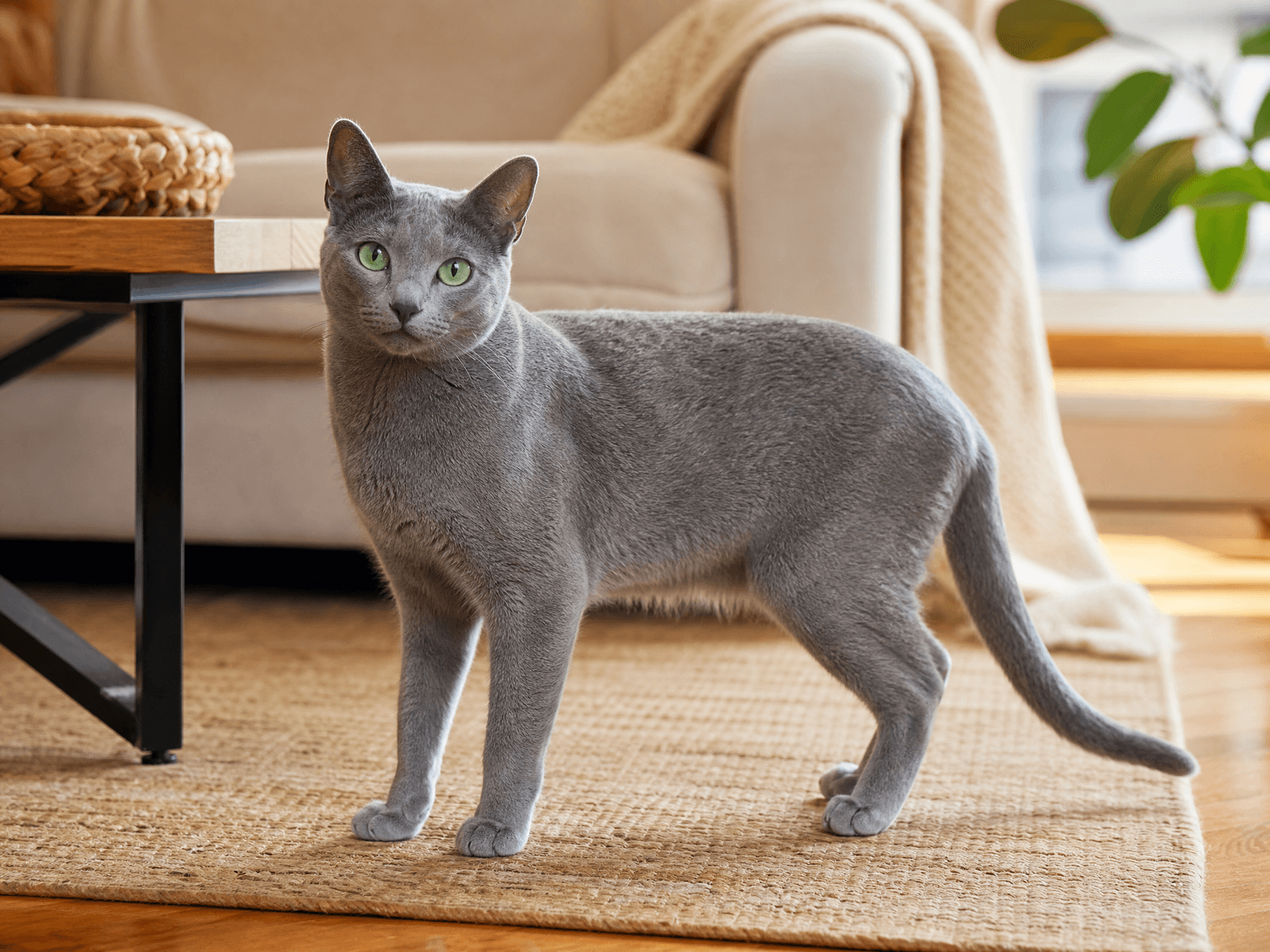
Russian Blue
Origin: Russia
Weight
7-12 lbs
Height
9-11 inches
Lifespan
15-20 years
Coat
Short, dense, plush blue-gray double coat
Breeder Cost
$1,500-$3,000
Adoption Cost
$75-$200
Personality & Temperament
The Russian Blue is an elegant, gentle cat that forms deep bonds with their chosen person but remains reserved with strangers. They are quiet, clean, and relatively low-maintenance — ideal for people who want a sophisticated, loyal companion without the demanding personality of more vocal breeds.
Best For
Quiet households or individuals who want a loyal, elegant companion that is not overly demanding.
Exercise & Activity Needs
Moderate indoor play. They enjoy interactive toys but are not high-energy cats.
Grooming & Coat Care
Brush weekly. Their dense double coat sheds minimally but benefits from regular grooming.
Coat type: Short, dense, plush blue-gray double coat
Common Health Conditions
One of the healthiest cat breeds with few genetic issues. Obesity, bladder stones, and HCM are the main concerns.
Obesity
Russian Blues are prone to overeating — portion control is essential.
Bladder Stones
Urinary issues are common in the breed.
Hypertrophic Cardiomyopathy
Heart muscle disease — echocardiograms recommended.
History & Origin
The Russian Blue is believed to have originated in the port of Arkhangelsk in northern Russia, where they were kept as ship cats. They were brought to England by sailors in the 1860s and first exhibited at Crystal Palace in 1875. The breed nearly went extinct during WWII but was revived by British and Scandinavian breeders. They arrived in the US in the 1900s.
Interesting Facts
- 1
Russian Blues are believed to produce lower levels of the Fel d 1 protein — the primary cat allergen — than most other breeds.
- 2
They are one of the longest-lived cat breeds — many reach 15-20 years.
- 3
Russian Blues were kept as ship cats in the port of Arkhangelsk, Russia, and spread throughout the world via trade routes.
- 4
They nearly went extinct during WWII and were revived from a small founding population.
- 5
Russian Blues are known for their 'smile' — the slight upward curve of their mouth gives them a perpetually pleased expression.
Cost of Ownership
Owning a Russian Blue is a long-term financial commitment. Here's a realistic breakdown of what to budget for.
Annual Cost
$700–$1,400
First Year (incl. setup)
$1,800–$3,200
Quality food; prone to obesity — portion control important
Generally healthy; bladder stones and dental disease possible
Dense double coat; weekly brushing sufficient
Quality litter; Russian Blues are fastidious
Gentle and reserved; calm interactive toys preferred
Moderate risk; generally a healthy breed
* Estimates based on national averages. Costs vary by location, lifestyle, and individual health needs. Emergency vet visits are not included.
Popularity & Adoption Trends
Estimated US Population
~500,000 in the US
Adoption Trend
Russian Blue popularity has grown as allergy-sensitive cat lovers discover their lower Fel d 1 protein levels. Their elegant appearance and gentle temperament make them increasingly popular in urban settings.
Plan daily life with your Russian Blue
Use the guides below to compare practical options alongside this breed's care needs.
Pet Tech Essentials
The right technology makes cat ownership easier, safer, and more connected — whether you're home or away. These are the products our editors consider must-haves for every cat owner.
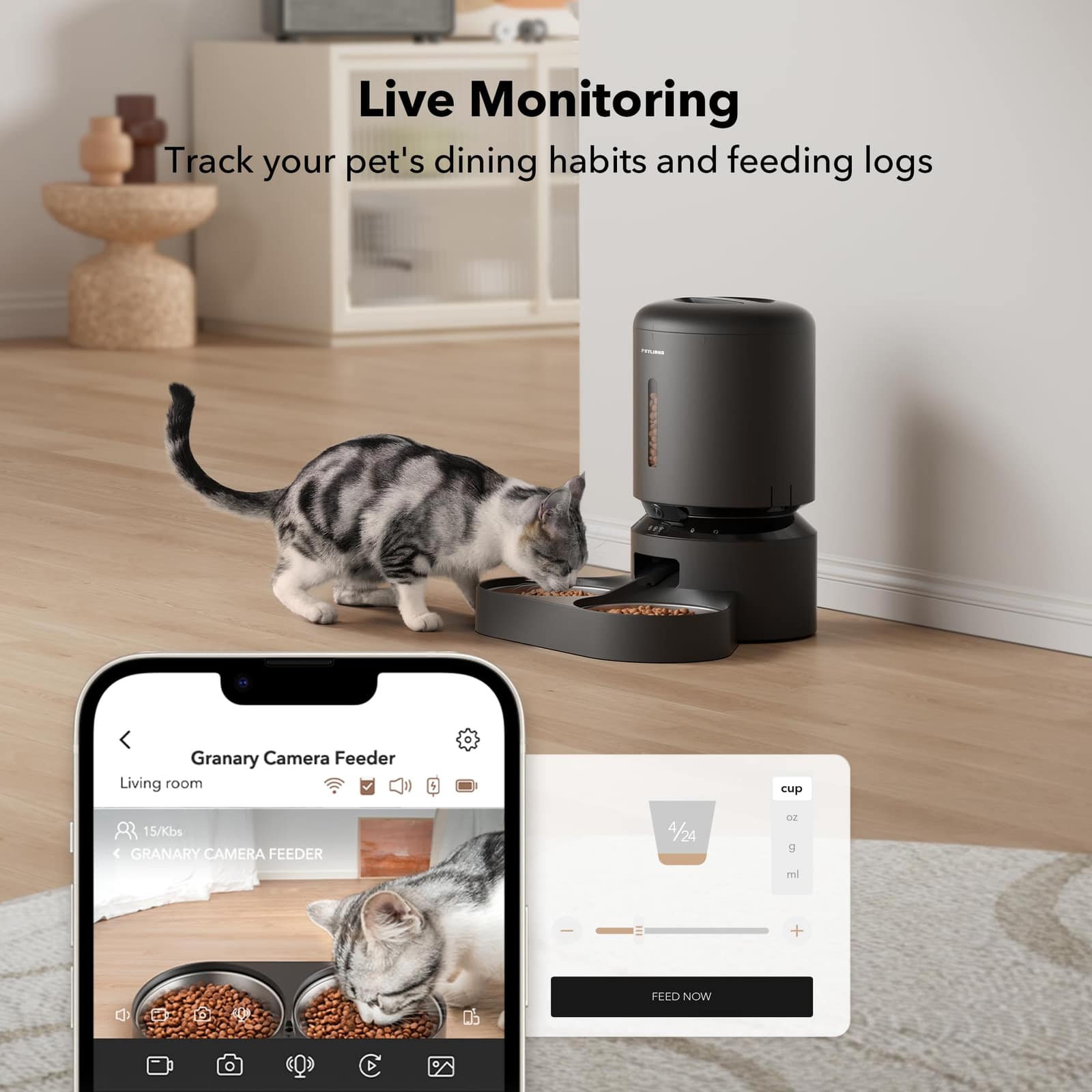
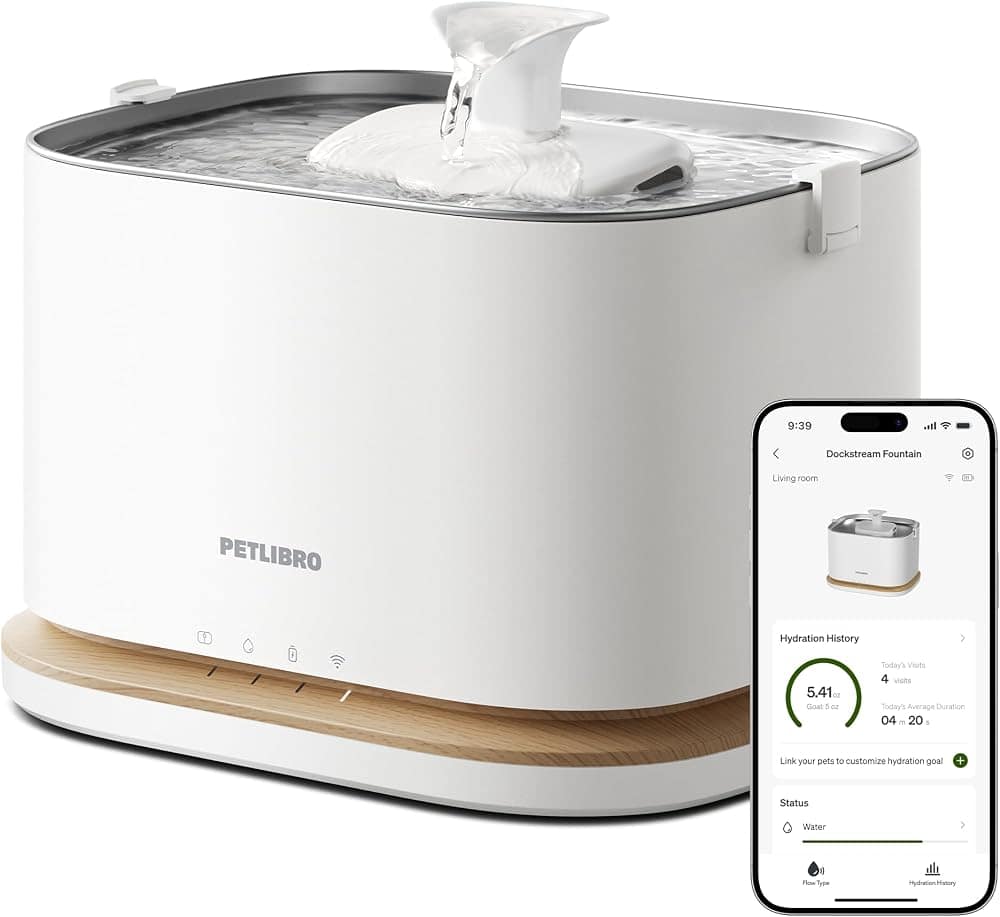
Automatic Feeder
Scheduled, portion-controlled meals — no more 4 a.m. wake-up calls for breakfast.

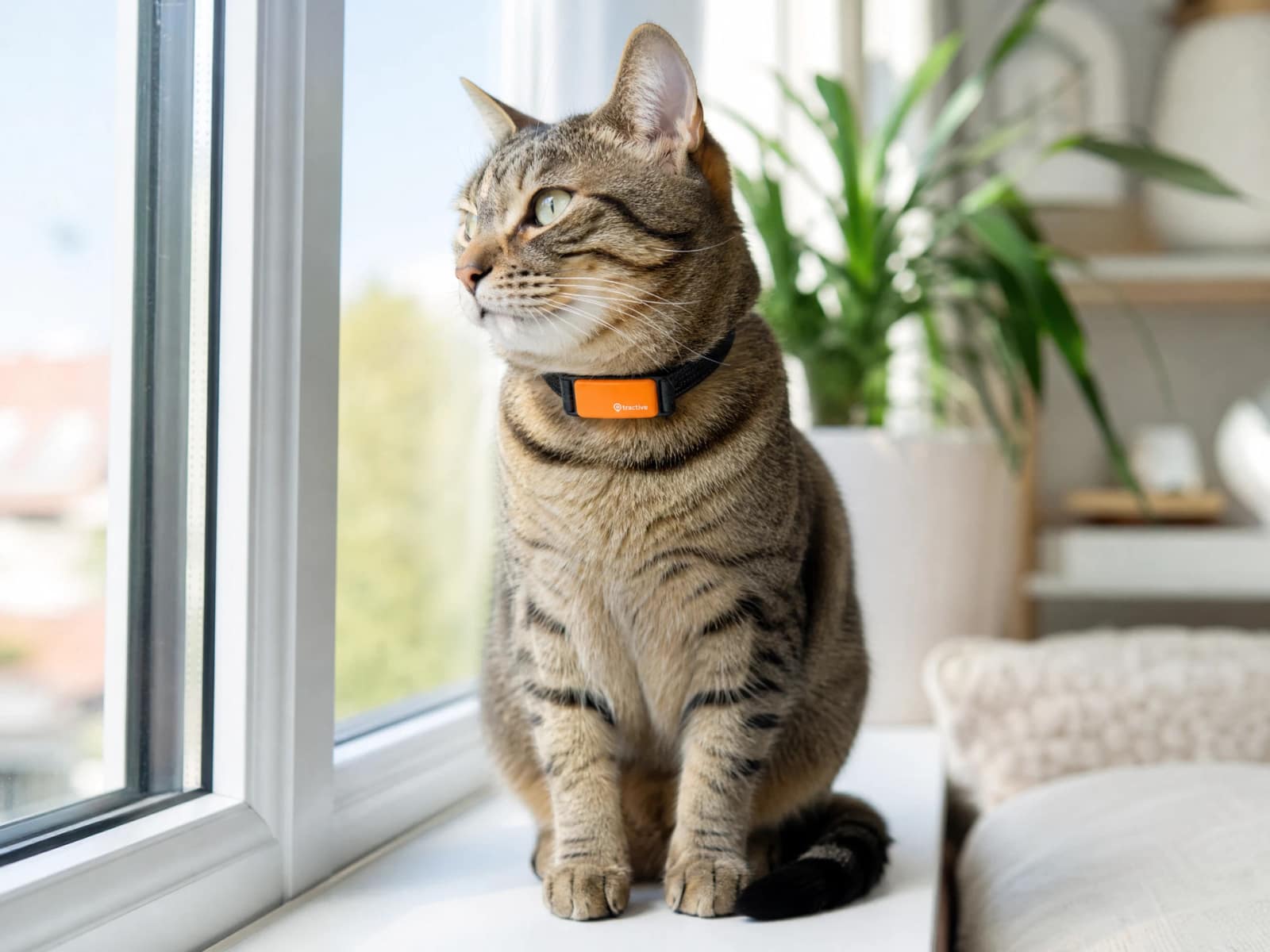
GPS Tracker
Know exactly where your cat is — essential for outdoor and indoor-outdoor cats.
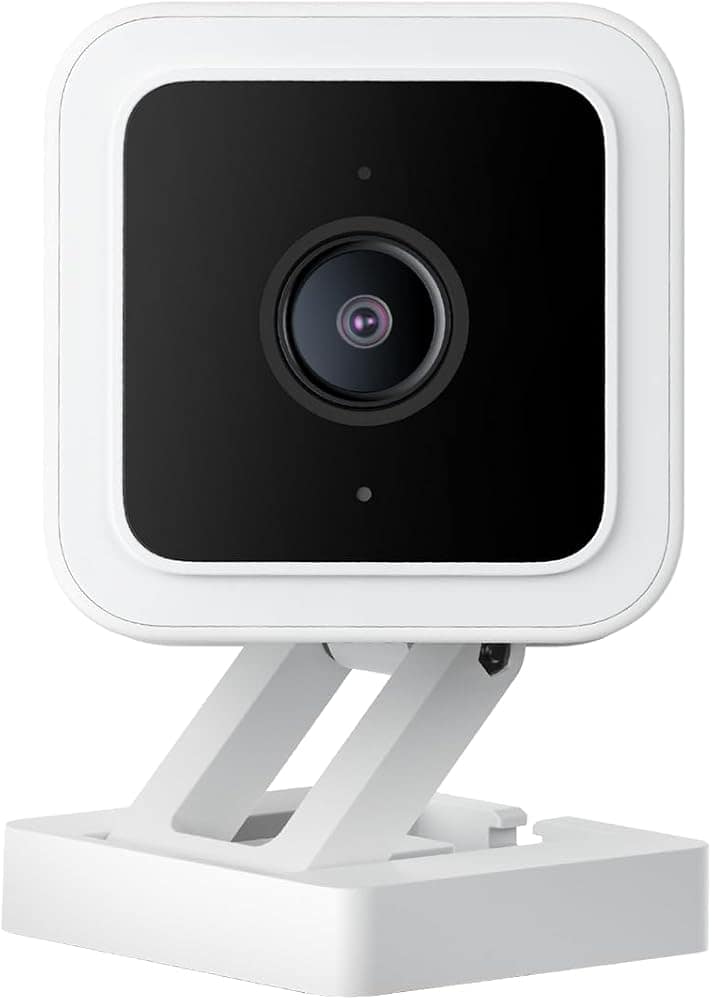
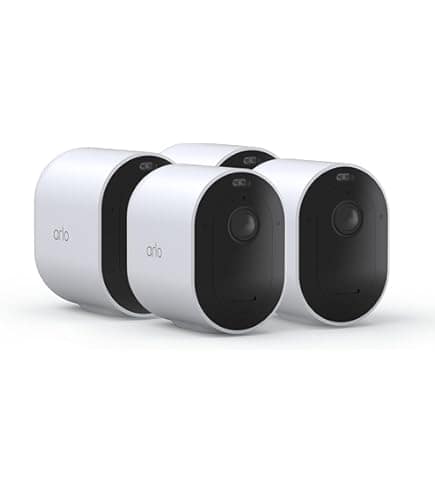
Pet Camera
Check in on your cat anytime — two-way audio lets you hear and be heard.
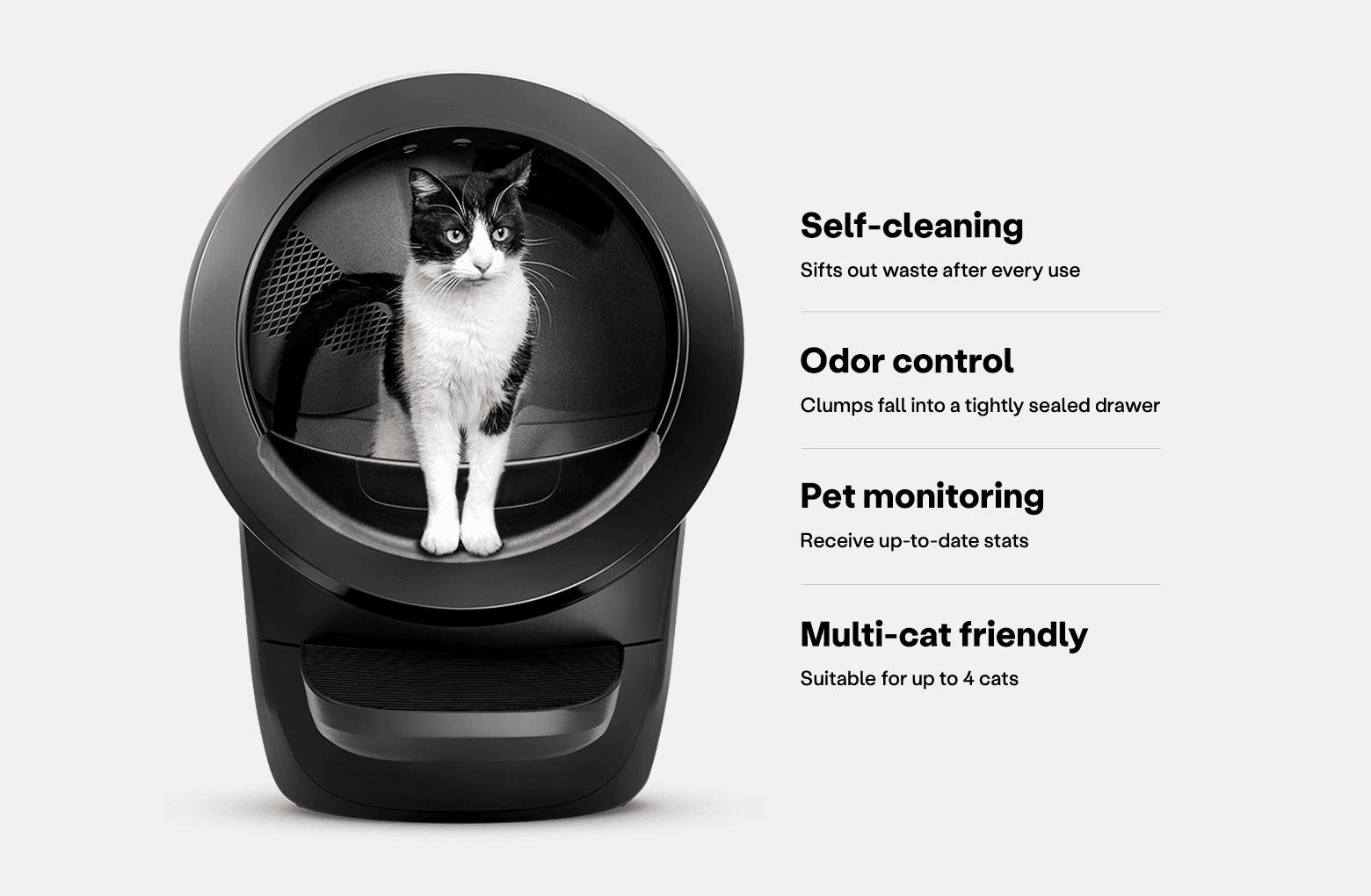
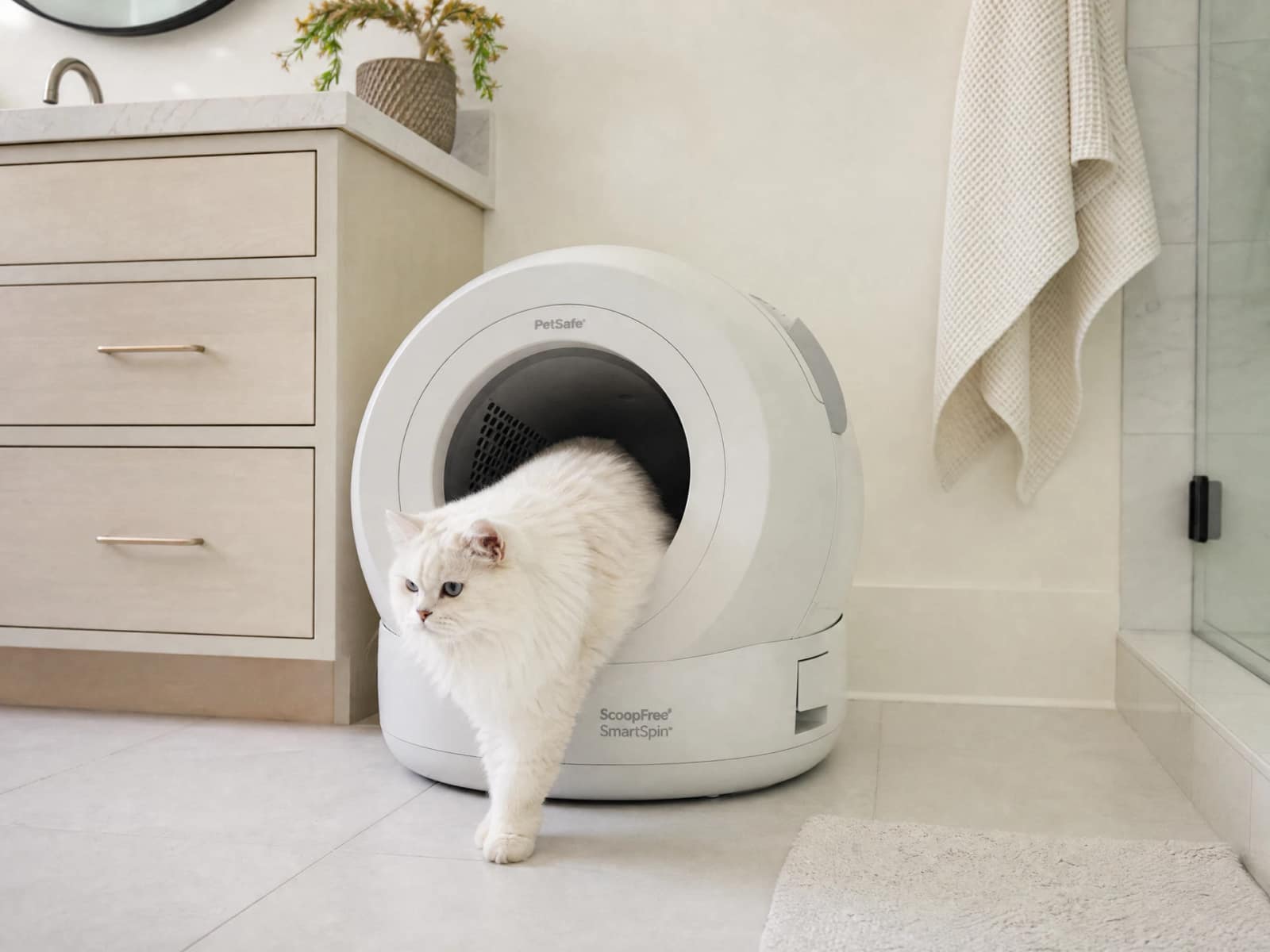
Self-Cleaning Litter Box
Automatic scooping after every use — your cat always has a fresh box.
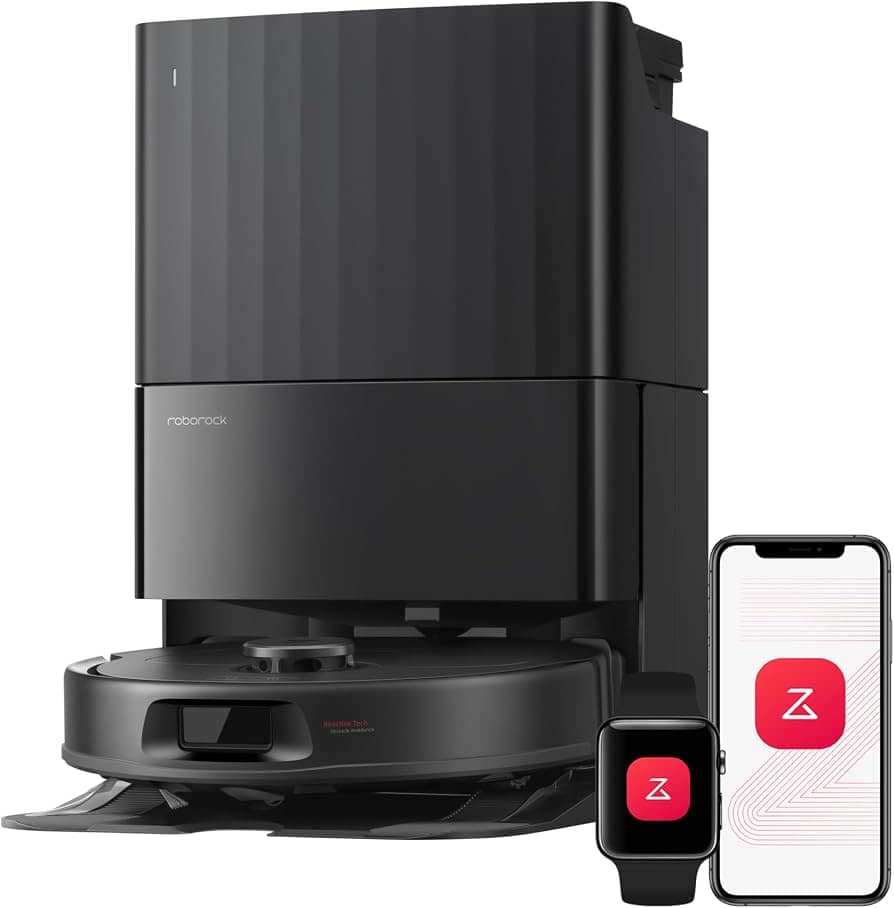
Robot Vacuum
Designed for pet hair and litter scatter — runs on a schedule so you never notice the mess.
Recommended Products by Life Stage
Products marked with SmartPaws Recommended are ones we've independently reviewed and recommend across the site. All Amazon links include our affiliate tag — purchases support SmartPaws at no extra cost to you.
Puppy / Kitten Stage
Adult Stage
GPS Tracker
Tractive Cat GPS
Peace of mind if your Russian Blue ever ventures outside.
Pet Camera
Furbo 360° Dog Camera
Check in on your reserved Russian Blue throughout the day.
SmartPaws RecommendedSelf-Cleaning Litter
Litter-Robot 4 Self-Cleaning Litter Box
Russian Blues are fastidious — automated litter management keeps them happy.
SmartPaws RecommendedBreed Traits
Temperament
Climate & Physical
Compatibility
Health & Longevity
Based on breed-specific genetic health risks and common conditions
Consider Adopting
Many Russian Blues are waiting in shelters and breed-specific rescues. Adoption costs are typically $75-$200 vs. $1,500-$3,000 from a breeder.
Read our Rescue Guide →Download the Russian Blue Guide
Get a printable PDF with traits, cost of ownership, health notes, and best-fit summary — free.