SmartPawsGuides, comparisons & trusted resources — Guides & trusted resources — always independent.

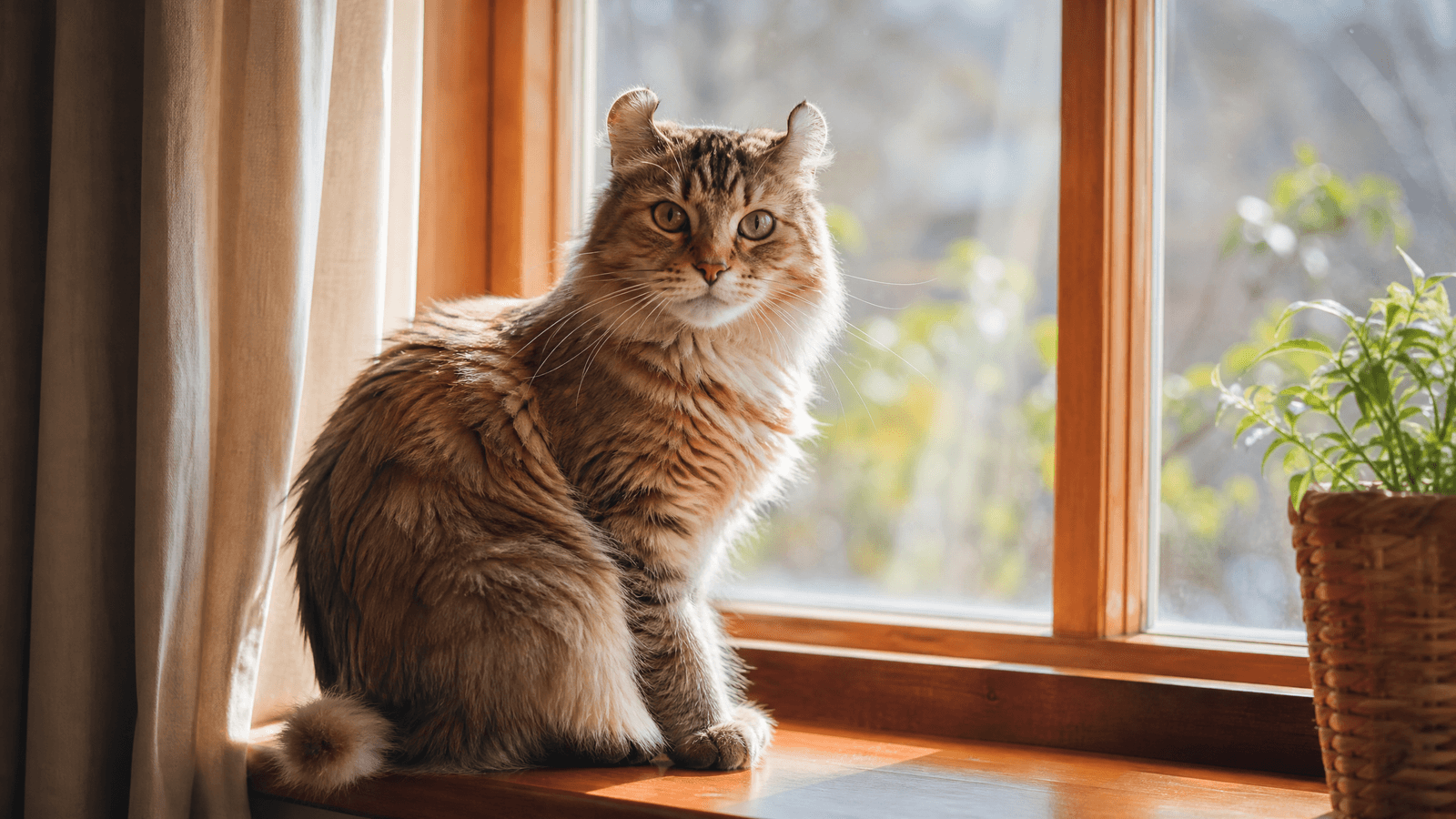
Highlander
Origin: United States
Weight
10–20 lbs
Height
15–22 inches
Lifespan
10–15 years
Coat
Available in both short and long hair varieties with a dense, resilient coat.
Breeder Cost
$600–$2,000
Adoption Cost
$150–$400
Personality & Temperament
Highlanders are known as the clowns of the cat fancy, combining a powerful, wild big-cat appearance with an affectionate, playful disposition. They love being the center of attention and actively engage with their human families through entertaining antics.
Best For
Active individuals or families with children and other pets who want an engaging, dog-like companion that loves interaction and play.
Exercise & Activity Needs
High energy levels require daily interactive play sessions, puzzle toys, and climbing opportunities to keep them mentally and physically stimulated.
Grooming & Coat Care
Low maintenance grooming; shorthaired types need weekly brushing, while longhaired varieties require brushing two to three times a week to prevent tangles.
Coat type: Available in both short and long hair varieties with a dense, resilient coat.
Common Health Conditions
The Highlander is generally a healthy breed. Key health concerns include Hypertrophic Cardiomyopathy (HCM) and Patellar Luxation. Regular veterinary checkups and health screening of breeding dogs are recommended.
Hypertrophic Cardiomyopathy (HCM)
A common heart muscle disease in cats that can be monitored through regular screening.
Patellar Luxation
Slipping of the kneecap which can cause occasional discomfort or lameness.
History & Origin
Development of the breed began in 2004 in the United States with the goal of creating a domestic cat possessing a powerful wild big-cat look using carefully chosen domestic gene pools.
Interesting Facts
- 1
They feature distinctive curled-back ear tips and a naturally short bobbed tail.
- 2
Despite their wild appearance, they are gentle giants at heart.
- 3
They often learn to fetch and walk on a leash easily.
Cost of Ownership
Owning a Highlander is a long-term financial commitment. Here's a realistic breakdown of what to budget for.
Annual Cost
$800–$1,500
First Year (incl. setup)
$1,500–$2,500
High-quality premium cat food
Routine checkups and vaccinations
Basic grooming supplies
Interactive toys and scratching posts
* Estimates based on national averages. Costs vary by location, lifestyle, and individual health needs. Emergency vet visits are not included.
Plan daily life with your Highlander
Use the guides below to compare practical options alongside this breed's care needs.
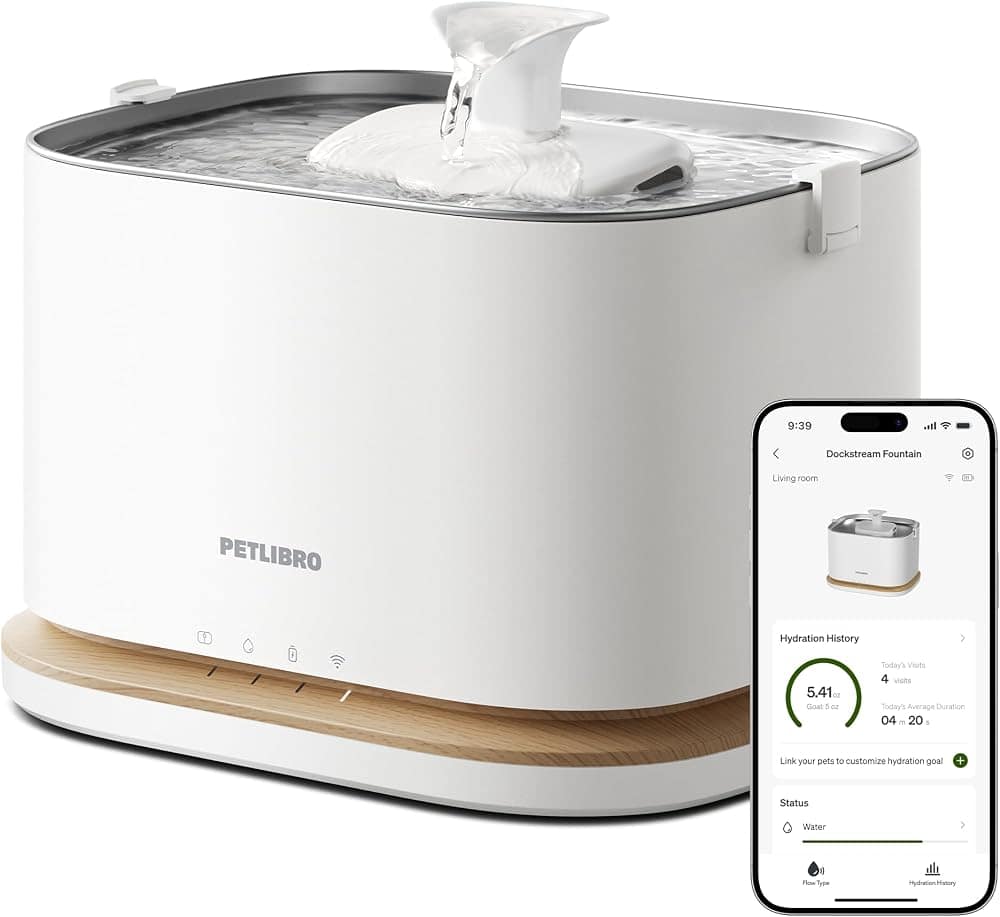
Pet Tech Essentials
The right technology makes cat ownership easier, safer, and more connected — whether you're home or away. These are the products our editors consider must-haves for every cat owner.
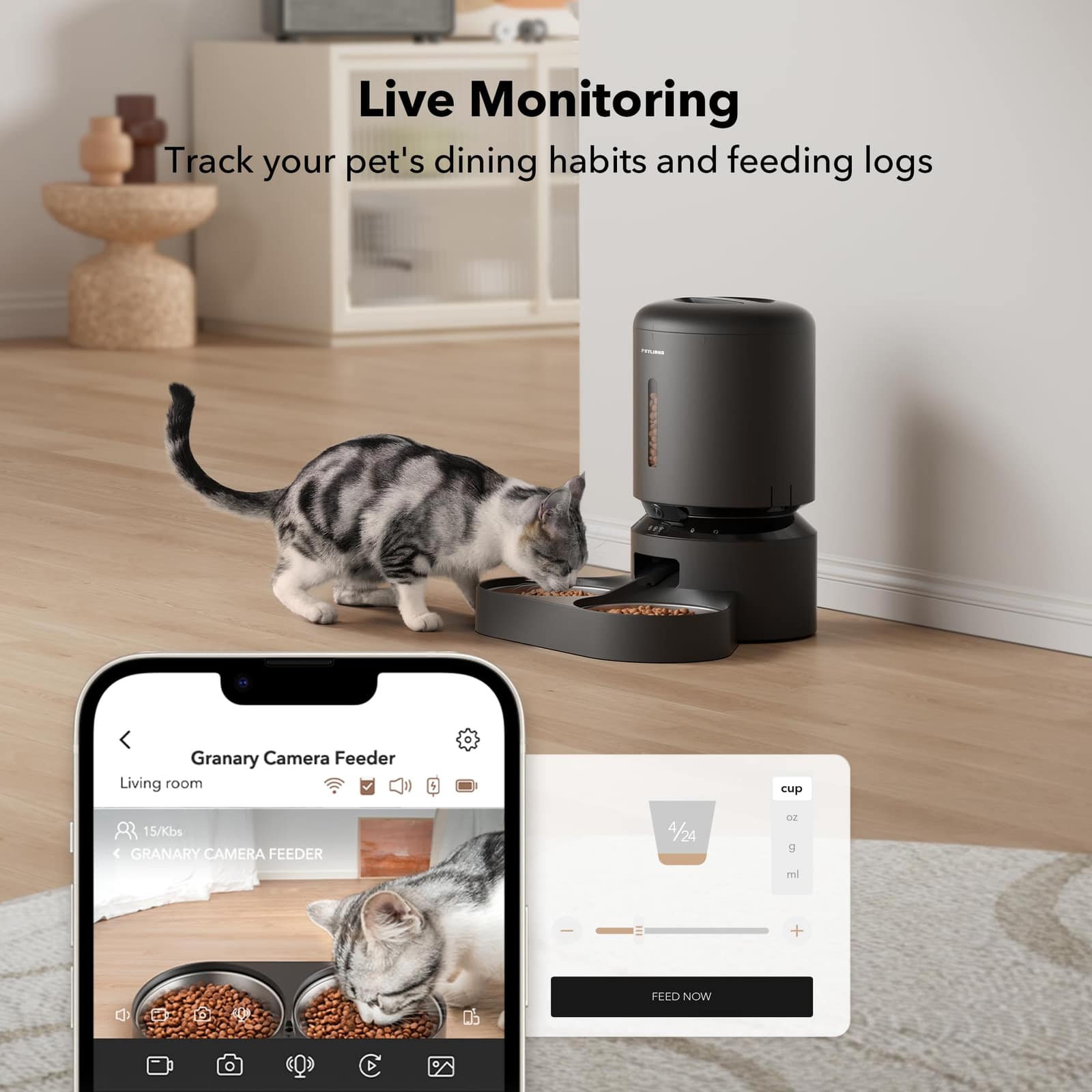
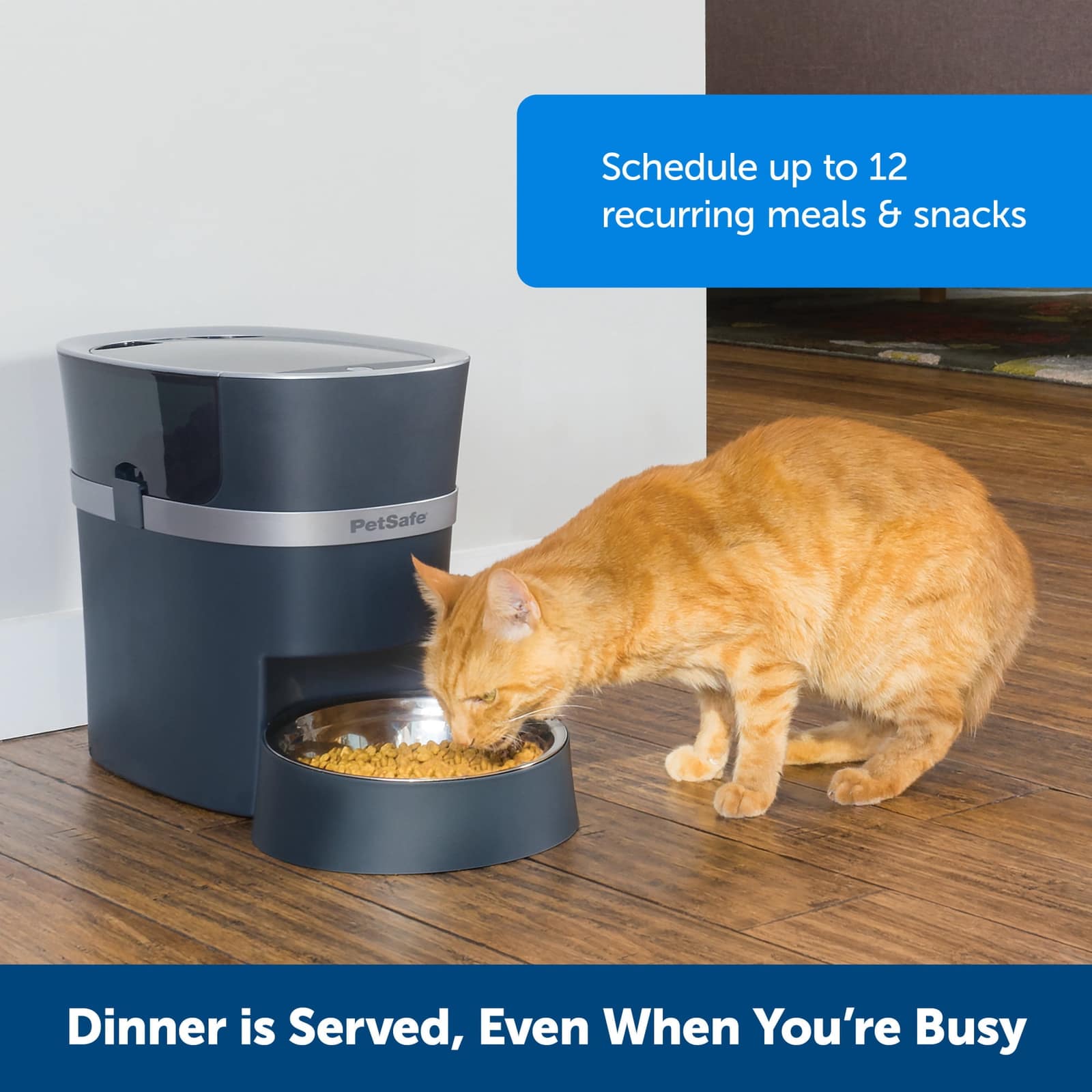
Automatic Feeder
Scheduled, portion-controlled meals — no more 4 a.m. wake-up calls for breakfast.
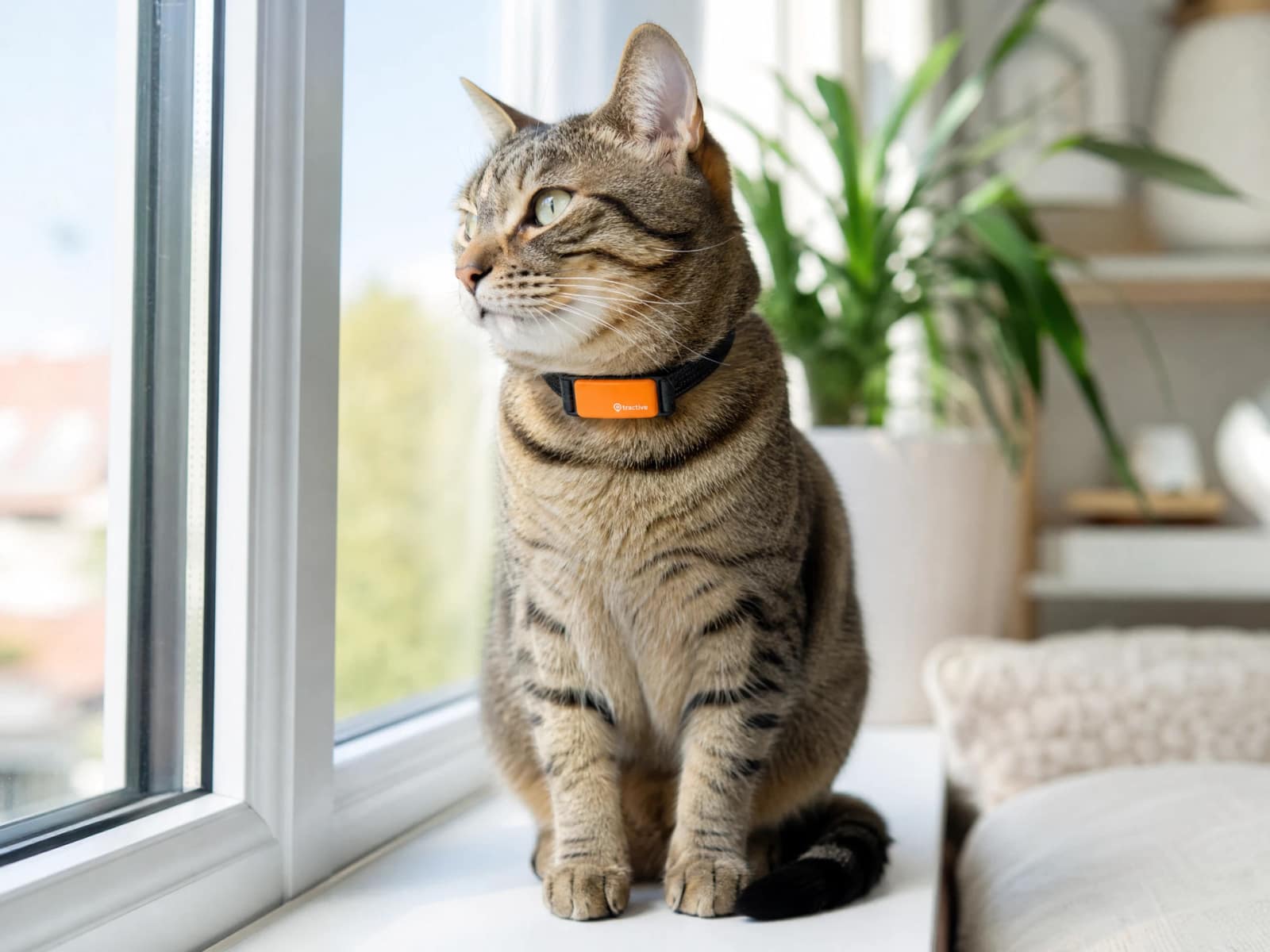
GPS Tracker
Know exactly where your cat is — essential for outdoor and indoor-outdoor cats.
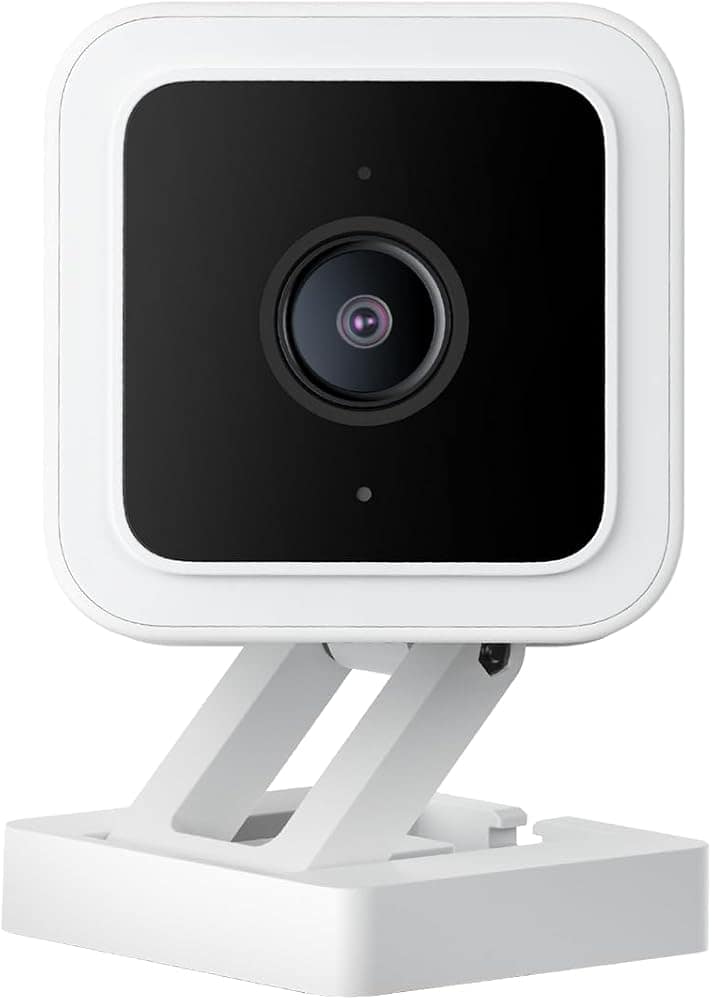
Pet Camera
Check in on your cat anytime — two-way audio lets you hear and be heard.

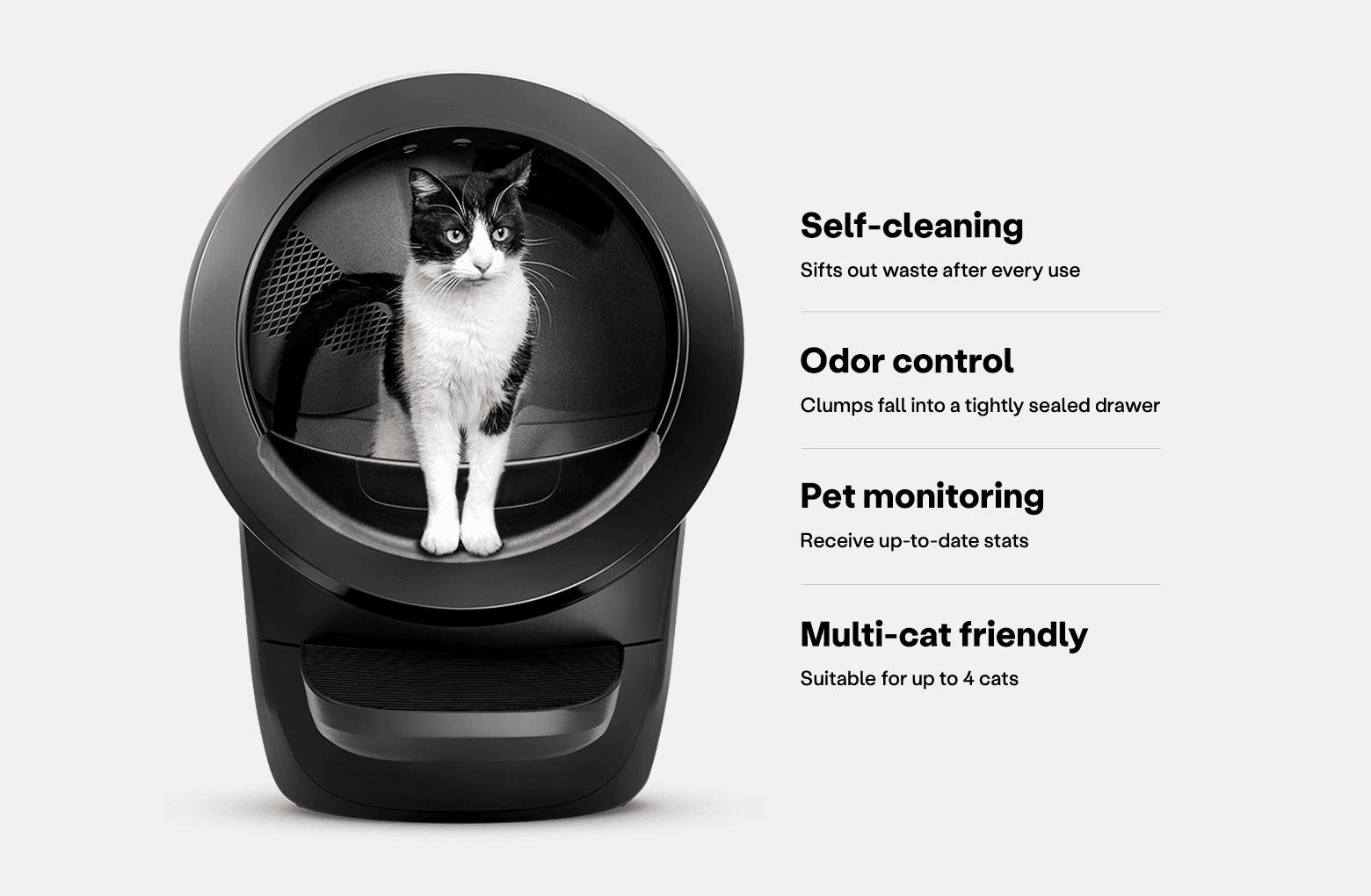
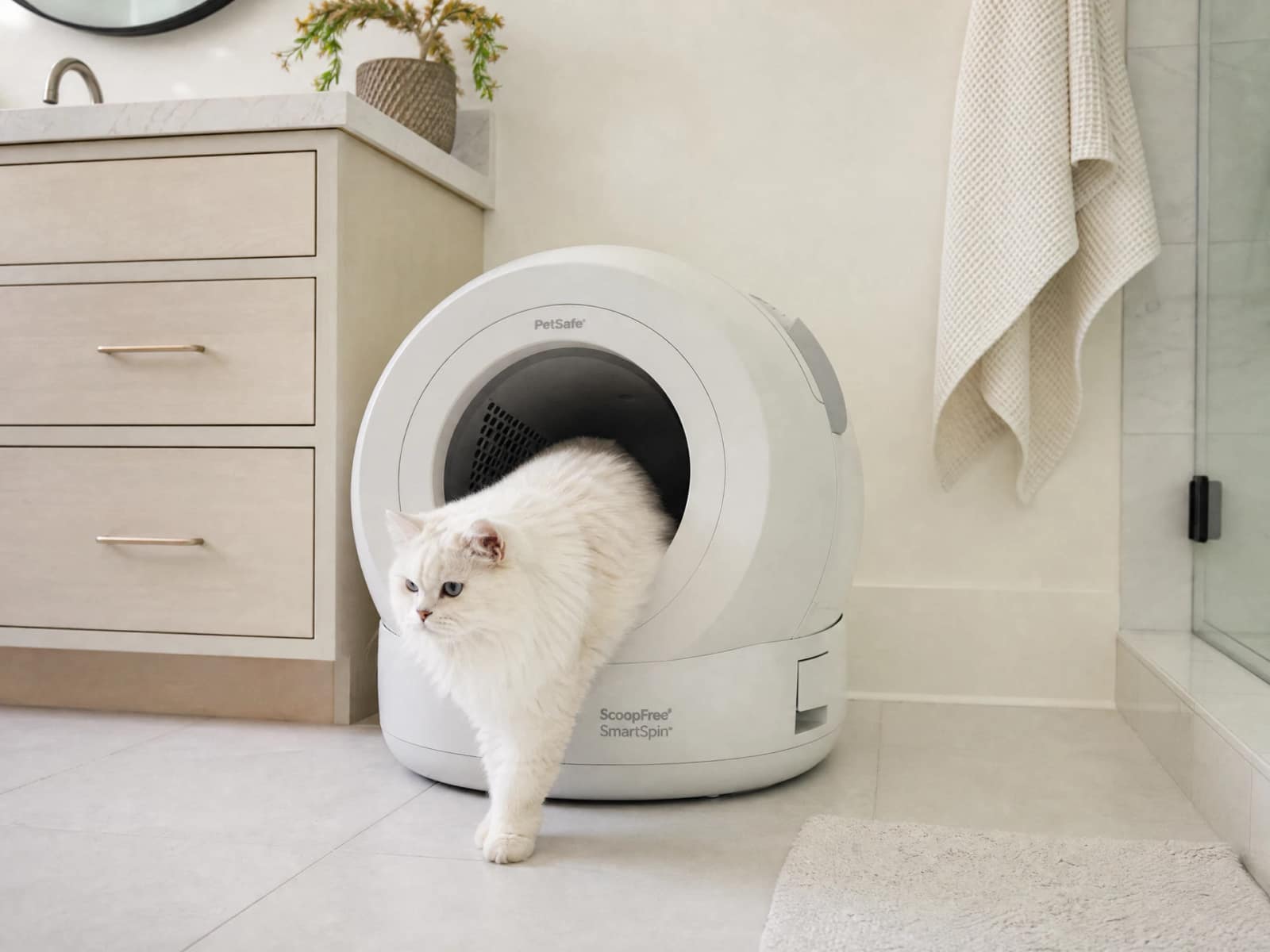
Self-Cleaning Litter Box
Automatic scooping after every use — your cat always has a fresh box.
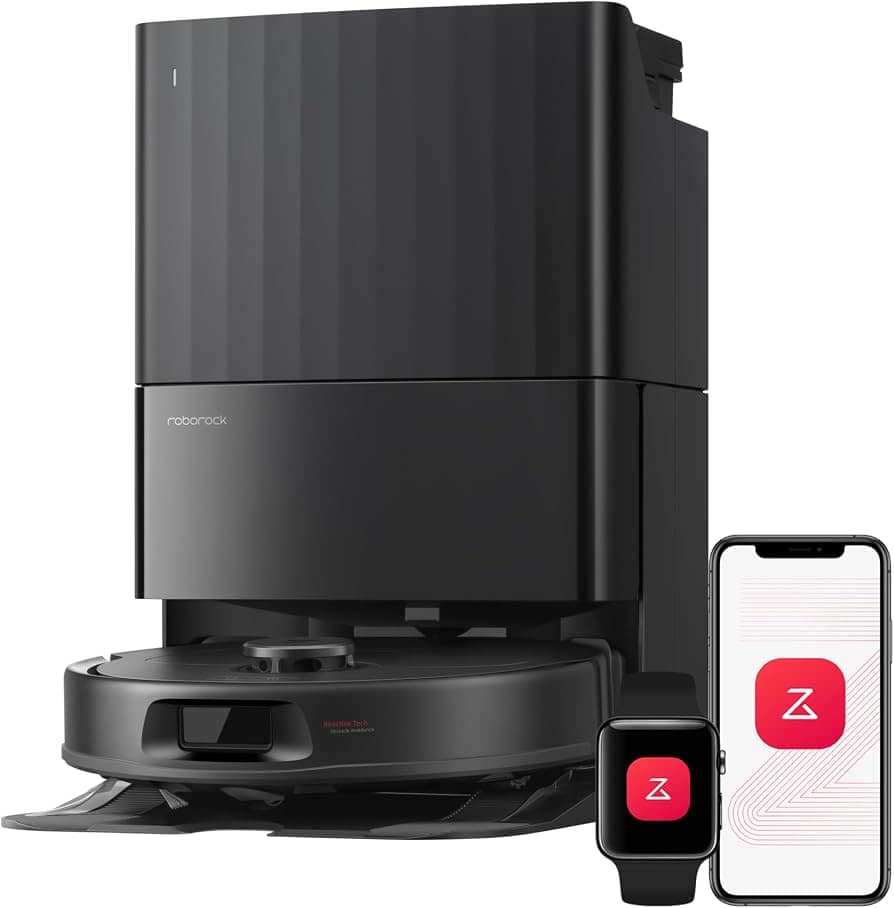
Robot Vacuum
Designed for pet hair and litter scatter — runs on a schedule so you never notice the mess.
Recommended Products by Life Stage
Products marked with SmartPaws Recommended are ones we've independently reviewed and recommend across the site. All Amazon links include our affiliate tag — purchases support SmartPaws at no extra cost to you.
Puppy / Kitten Stage
Breed Traits
Temperament
Climate & Physical
Compatibility
Health & Longevity
Based on breed-specific genetic health risks and common conditions
Consider Adopting
Many Highlanders are waiting in shelters and breed-specific rescues. Adoption costs are typically $150–$400 vs. $600–$2,000 from a breeder.
Read our Rescue Guide →Download the Highlander Guide
Get a printable PDF with traits, cost of ownership, health notes, and best-fit summary — free.