SmartPawsGuides, comparisons & trusted resources — Guides & trusted resources — always independent.

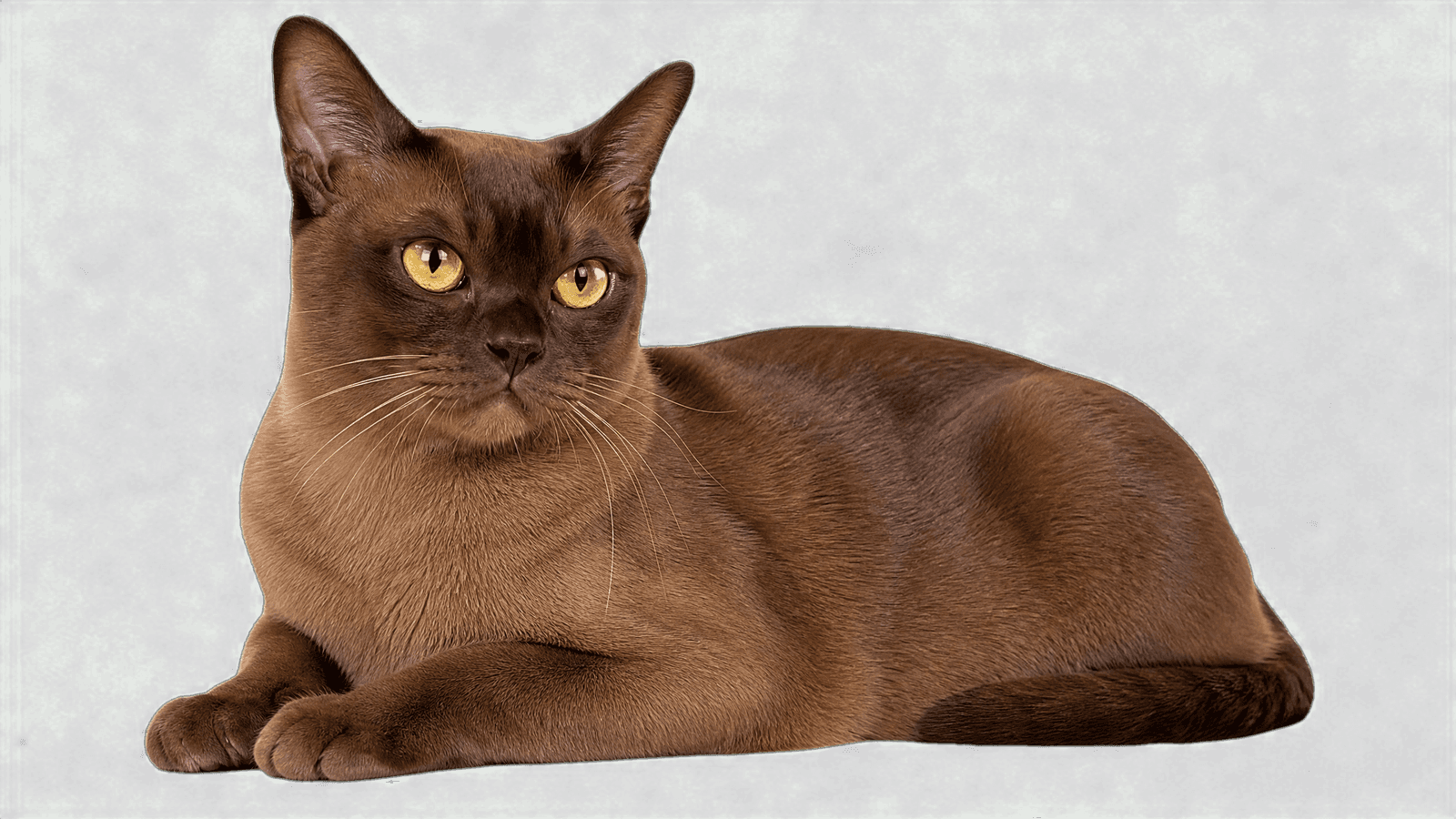
European Burmese
Origin: United Kingdom / Europe (developed from foundation cats imported from Burma/UK)
Weight
6–12 lbs
Height
8–10 inches
Lifespan
10–15 years
Coat
Short, fine, satin-like coat close-lying to the body with a glossy finish
Breeder Cost
$1,000–$2,500
Adoption Cost
$75–$350
Personality & Temperament
The European Burmese is an exceptionally people-oriented and affectionate cat often described as having dog-like loyalty. They are lively, highly social, and thrive on constant human interaction and companionship.
Best For
An owner or family who spends a lot of time at home and wants an interactive, devoted 'Velcro' cat companion.
Exercise & Activity Needs
Moderate daily playtime with interactive toys and climbing structures to keep their active minds and athletic bodies stimulated.
Grooming & Coat Care
Low maintenance grooming; a weekly brush or rub down with a damp cloth is all that is needed to maintain their sleek, glossy coat.
Coat type: Short, fine, satin-like coat close-lying to the body with a glossy finish
Common Health Conditions
The European Burmese is generally a healthy breed. Key health concerns include Hypokalaemic Polymyopathy and Diabetes Mellitus. Regular veterinary checkups and health screening of breeding dogs are recommended.
Hypokalaemic Polymyopathy
An inherited genetic disorder causing muscle weakness, potassium deficiency, and episodes of neck muscle drop.
Diabetes Mellitus
A metabolic disorder affecting insulin production, requiring dietary management and veterinary monitoring.
History & Origin
Developed in Europe after foundation cats were imported from Burma and the UK, the European Burmese was bred to maintain a more moderate, wedge-shaped head and balanced athletic build compared to its American counterpart.
Interesting Facts
- 1
They retain a kitten-like playfulness well into their adult years.
- 2
Their short, satin-like coat lacks a heavy undercoat, making them feel exceptionally silky to the touch.
- 3
They communicate with a distinctive soft yet persistent voice to express their desires.
Cost of Ownership
Owning an European Burmese is a long-term financial commitment. Here's a realistic breakdown of what to budget for.
Annual Cost
$600–$1,200
First Year (incl. setup)
$1,200–$2,500
High-quality premium cat food and treats
Routine checkups, vaccinations, and parasite prevention
Minimal professional grooming; basic at-home supplies
Interactive toys, scratching posts, and litter
* Estimates based on national averages. Costs vary by location, lifestyle, and individual health needs. Emergency vet visits are not included.
Plan daily life with your European Burmese
Use the guides below to compare practical options alongside this breed's care needs.
Pet Tech Essentials
The right technology makes cat ownership easier, safer, and more connected — whether you're home or away. These are the products our editors consider must-haves for every cat owner.
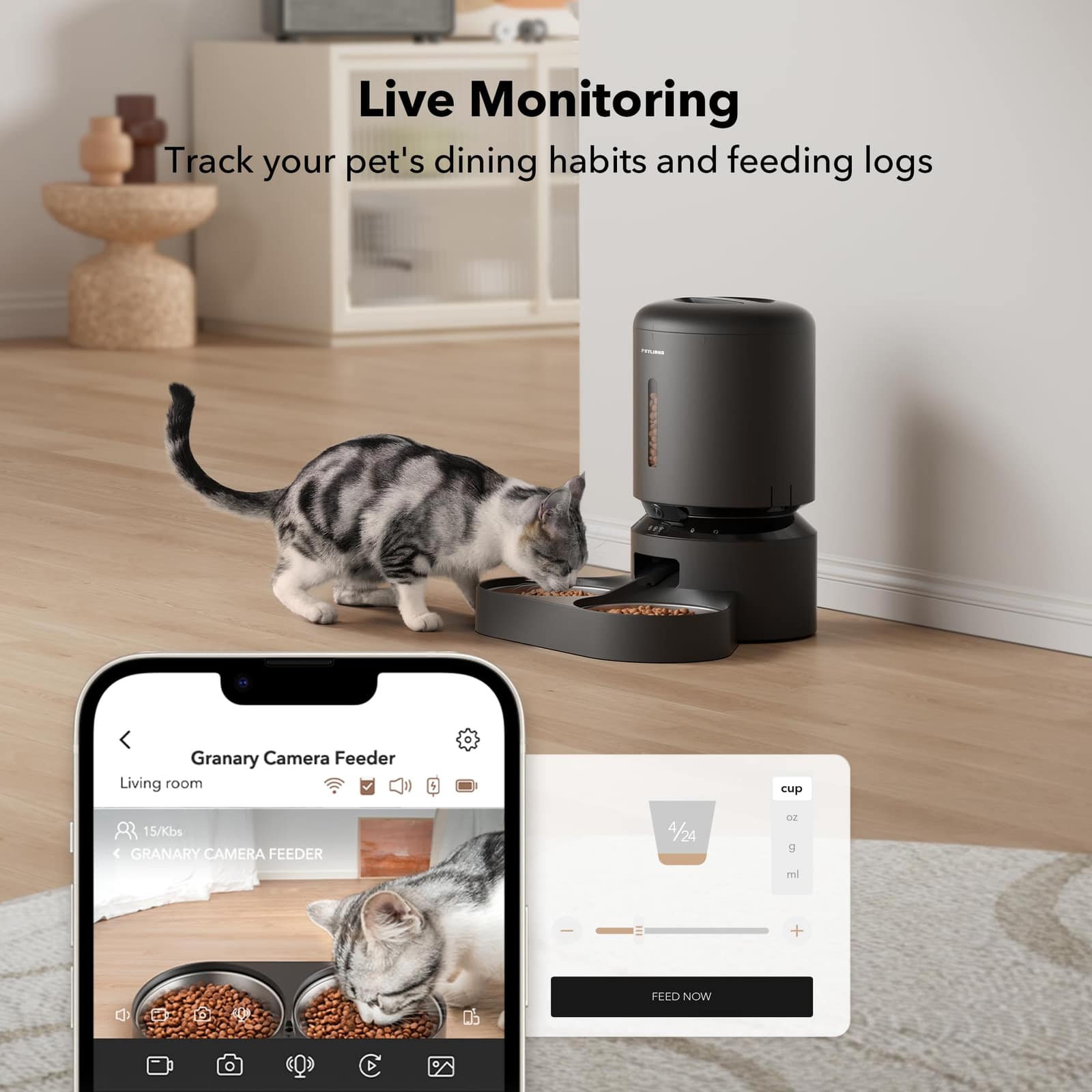
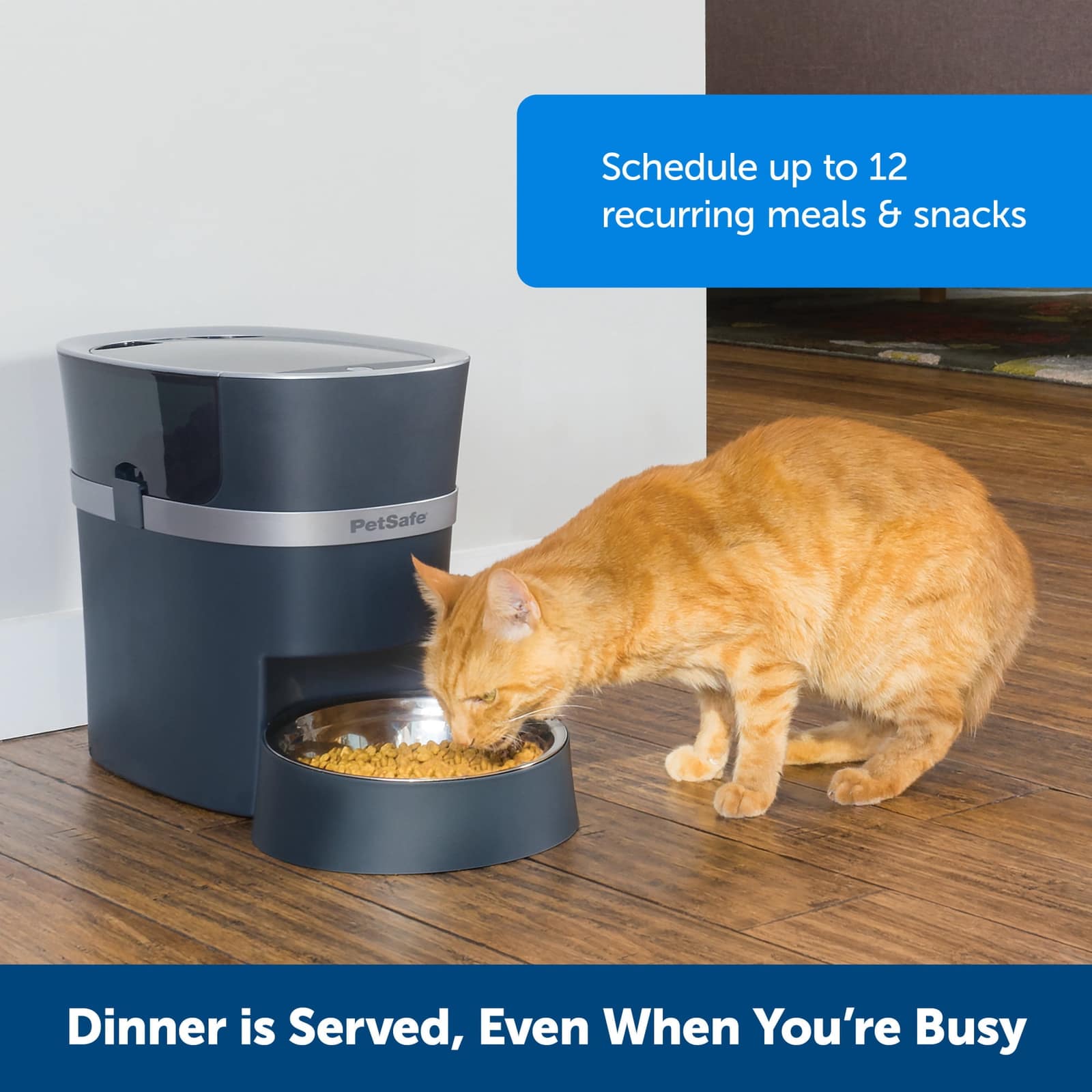
Automatic Feeder
Scheduled, portion-controlled meals — no more 4 a.m. wake-up calls for breakfast.
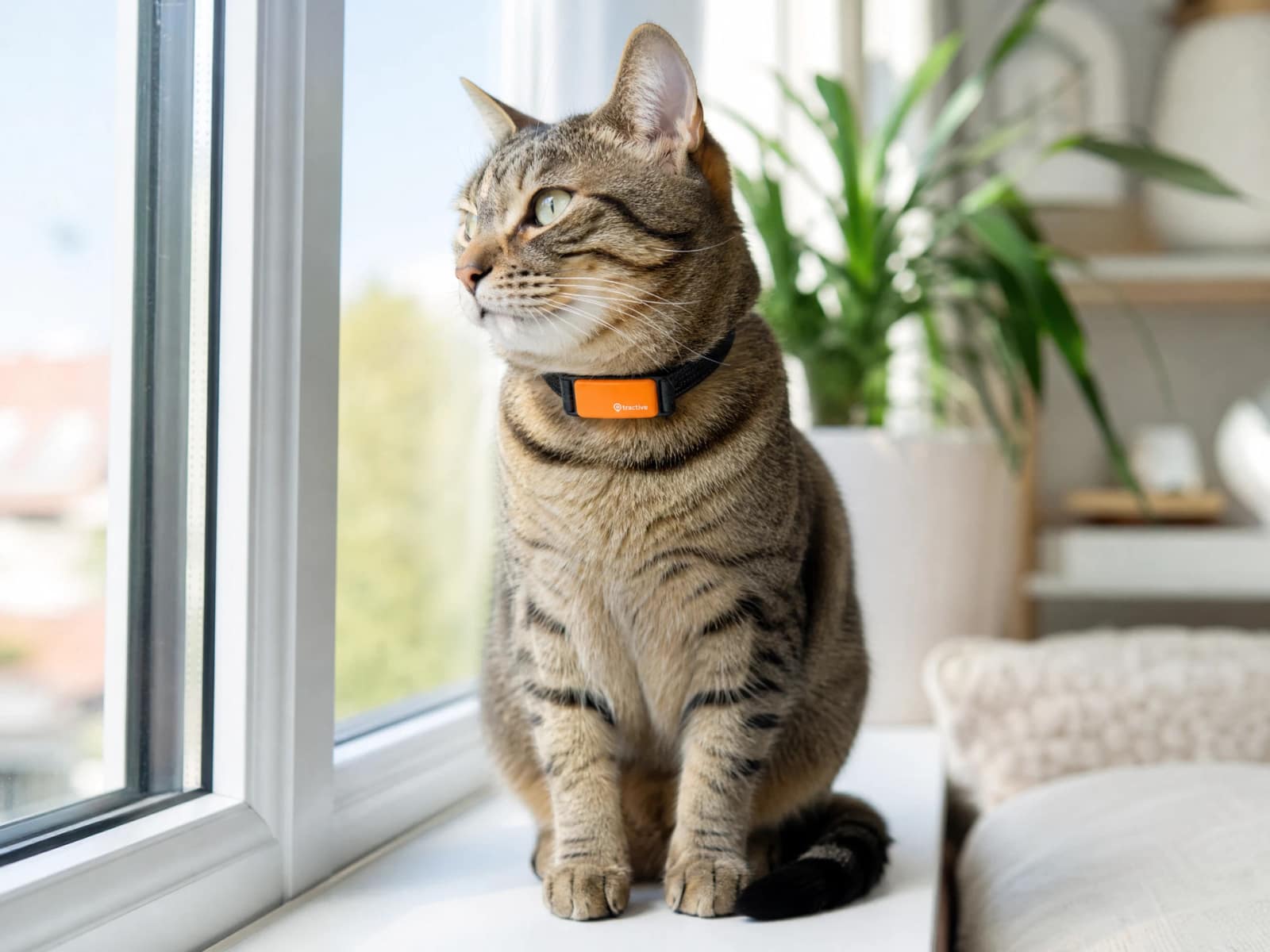
GPS Tracker
Know exactly where your cat is — essential for outdoor and indoor-outdoor cats.
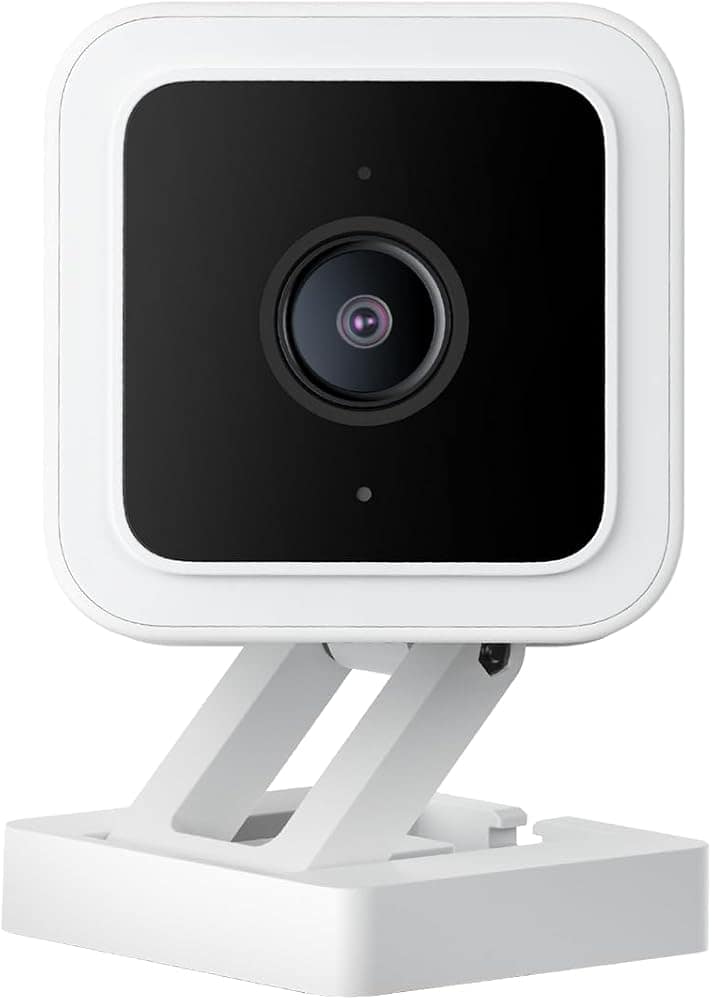
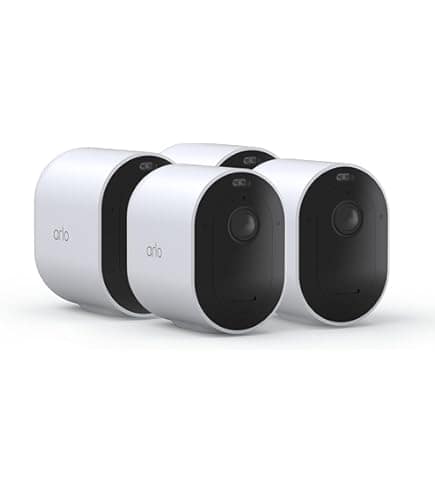
Pet Camera
Check in on your cat anytime — two-way audio lets you hear and be heard.
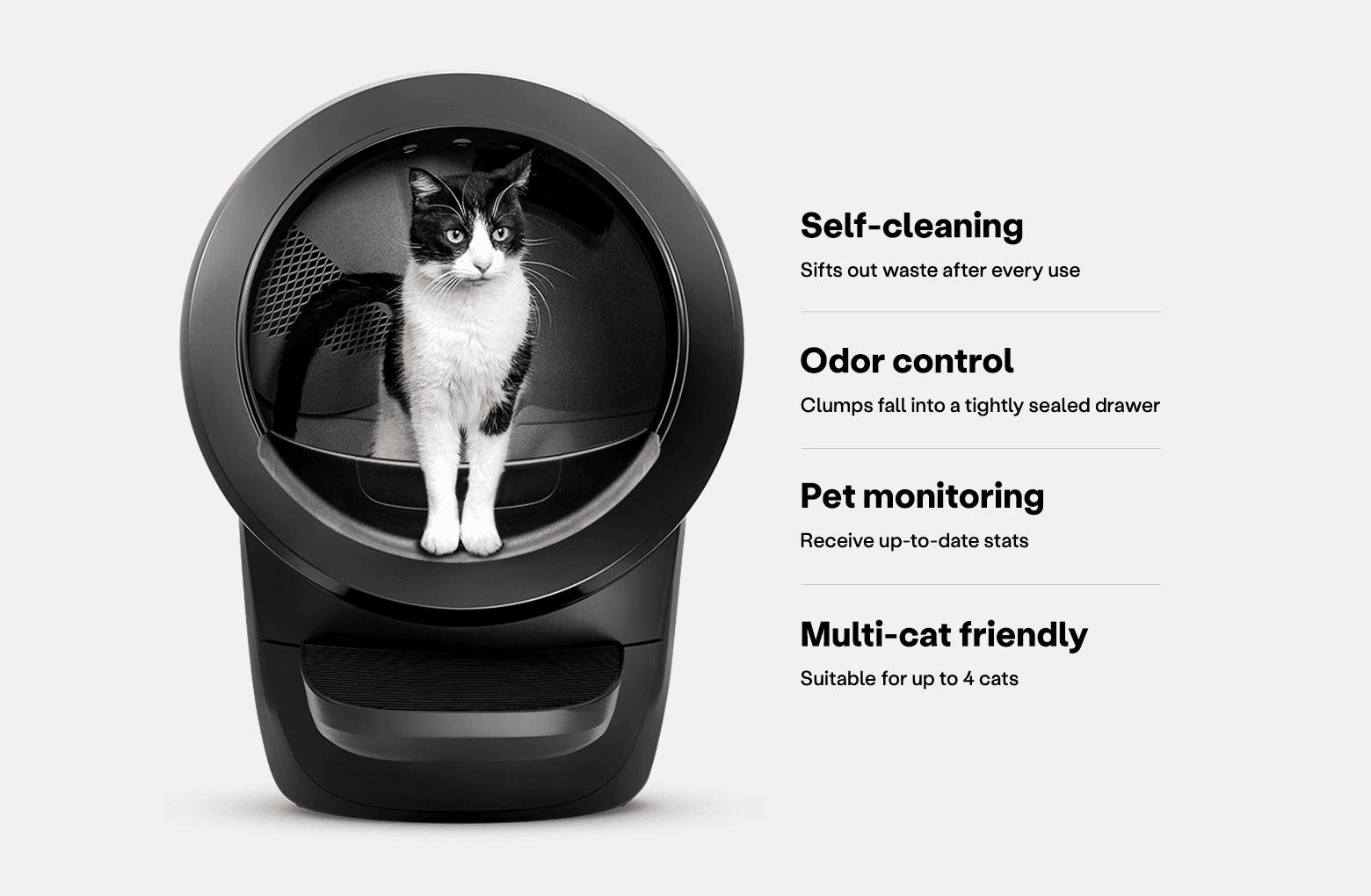
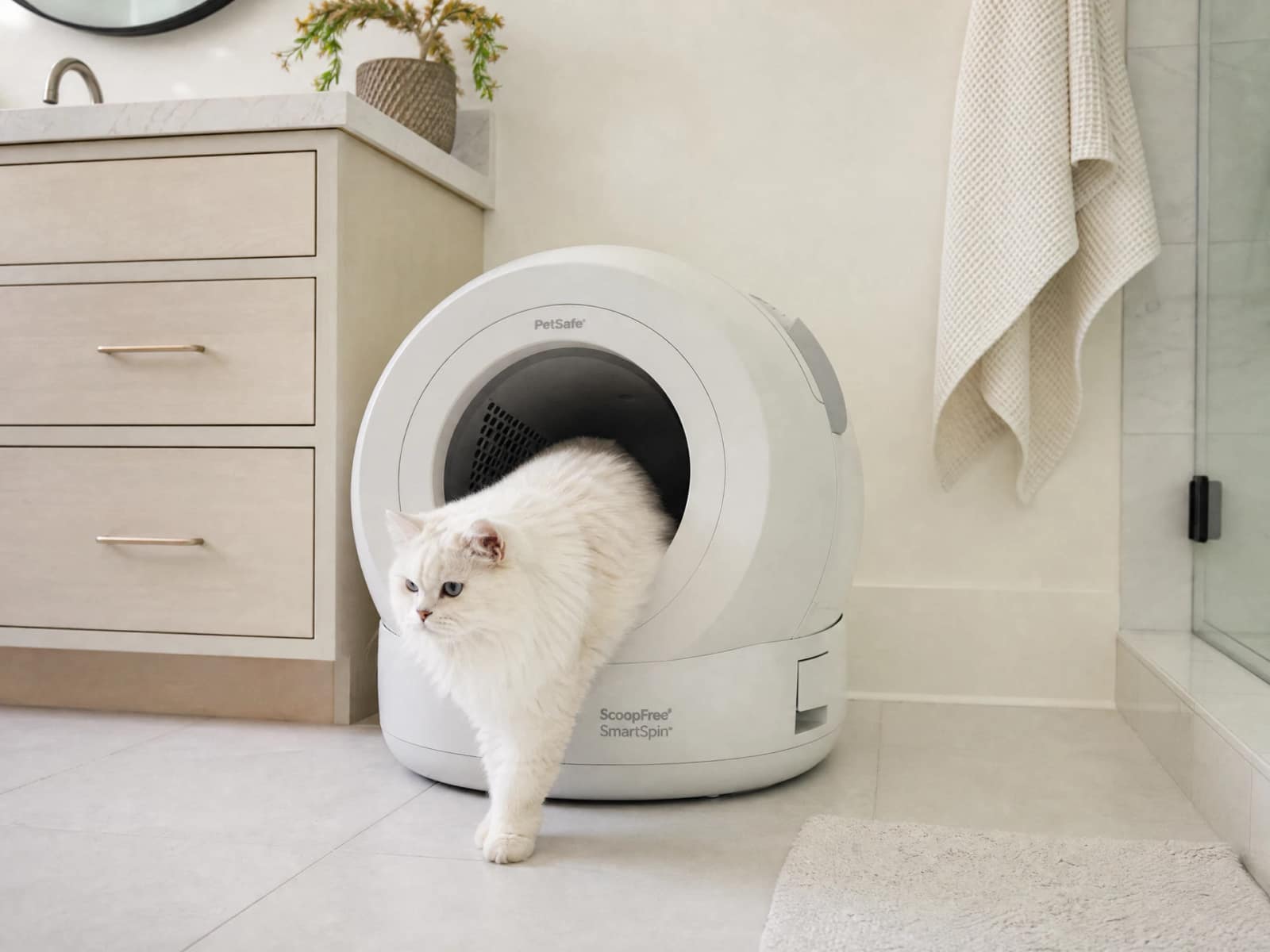
Self-Cleaning Litter Box
Automatic scooping after every use — your cat always has a fresh box.
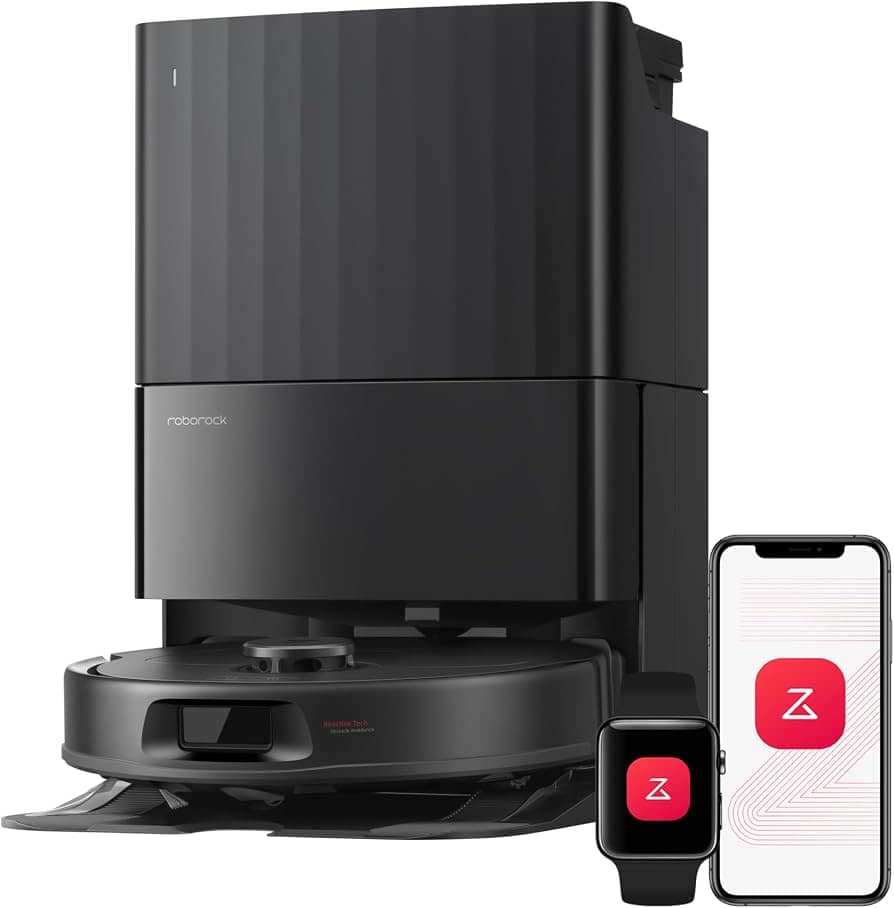
Robot Vacuum
Designed for pet hair and litter scatter — runs on a schedule so you never notice the mess.
Recommended Products by Life Stage
Products marked with SmartPaws Recommended are ones we've independently reviewed and recommend across the site. All Amazon links include our affiliate tag — purchases support SmartPaws at no extra cost to you.
Puppy / Kitten Stage
Breed Traits
Temperament
Climate & Physical
Compatibility
Health & Longevity
Based on breed-specific genetic health risks and common conditions
Consider Adopting
Many European Burmeses are waiting in shelters and breed-specific rescues. Adoption costs are typically $75–$350 vs. $1,000–$2,500 from a breeder.
Read our Rescue Guide →Download the European Burmese Guide
Get a printable PDF with traits, cost of ownership, health notes, and best-fit summary — free.