SmartPawsGuides, comparisons & trusted resources — Guides & trusted resources — always independent.

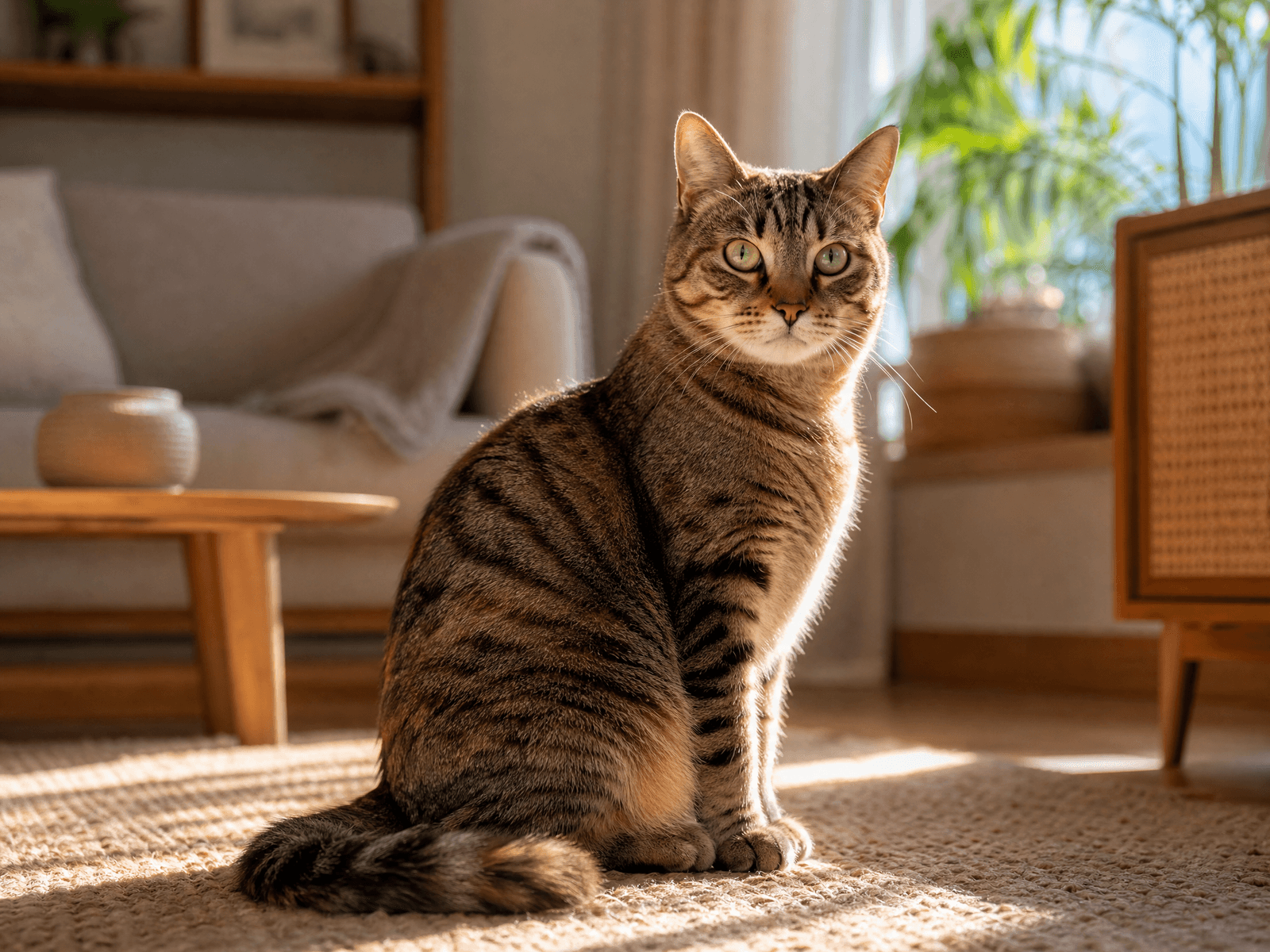
Domestic Shorthair
Origin: Worldwide
Weight
8–10 lbs
Height
8–10 inches
Lifespan
12–18 years
Coat
Short, dense coat in any color or pattern
Breeder Cost
$100–$500
Adoption Cost
$25–$150
Personality & Temperament
The Domestic Shorthair is not a breed but a category — the cat equivalent of a mixed-breed dog. They are the most common cat in the world and come in every color, pattern, and personality type imaginable. Their genetic diversity makes them generally healthier and longer-lived than many purebred cats. Each Domestic Shorthair is a unique individual.
Best For
First-time cat owners, families, apartment dwellers, anyone who wants a unique, adaptable companion
Exercise & Activity Needs
Domestic Shorthairs need daily play sessions of 15–30 minutes to stay mentally and physically stimulated. Interactive wand toys, puzzle feeders, and window perches keep them engaged.
Grooming & Coat Care
The short coat requires minimal grooming — weekly brushing is sufficient. They shed moderately year-round. Bathe only when necessary.
Coat type: Short, dense coat in any color or pattern
Common Health Conditions
Domestic Shorthairs benefit from hybrid vigor and are generally healthier than purebreds. Annual vet checkups, dental care, and weight management are the most important preventive measures.
Obesity
The most common health issue in domestic cats. Measure food portions and encourage active play.
Dental Disease
Very common in cats. Regular dental care — brushing or dental treats — is essential.
Hyperthyroidism
An overactive thyroid is very common in middle-aged and senior cats. Signs include weight loss despite increased appetite.
Kidney Disease
Chronic kidney disease is the leading cause of death in senior cats. Annual blood work helps catch it early.
Urinary Issues
Feline lower urinary tract disease (FLUTD) is common, especially in indoor cats. Ensure adequate water intake.
History & Origin
The Domestic Shorthair is not a breed but a category — any short-haired cat of mixed or unknown ancestry. Their ancestors were wildcats domesticated in the Near East approximately 10,000 years ago, when humans began storing grain and cats discovered an easy food source in the rodents attracted to those stores. Cats spread throughout the world aboard trading ships as valued pest controllers. The Domestic Shorthair's genetic diversity makes them generally healthier than purebred cats.
Interesting Facts
- 1
Domestic Shorthairs represent over 80% of all cats in the US — they are the most common 'breed' by far.
- 2
Their ancestors were domesticated in the Near East approximately 10,000 years ago, making cats one of the most recently domesticated animals.
- 3
Ancient Egyptians worshipped cats as sacred animals — killing a cat, even accidentally, was punishable by death.
- 4
Cats were brought to the Americas by European colonists to control rodent populations on ships and in settlements.
- 5
A cat named Stubbs served as the honorary mayor of Talkeetna, Alaska for 20 years.
Cost of Ownership
Owning a Domestic Shorthair is a long-term financial commitment. Here's a realistic breakdown of what to budget for.
Annual Cost
$600–$1,200
First Year (incl. setup)
$1,500–$2,800
Quality wet and dry food; indoor cats need calorie management
Generally healthy; dental disease and obesity are main concerns
Short coat; minimal grooming needs
Quality litter, litter box, scratching posts
Indoor cats need mental stimulation and play
Optional but recommended for unexpected illness
* Estimates based on national averages. Costs vary by location, lifestyle, and individual health needs. Emergency vet visits are not included.
Popularity & Adoption Trends
Estimated US Population
~60 million in the US
Adoption Trend
Domestic Shorthairs are by far the most common cat in the US, representing over 80% of the cat population. Shelter intake and adoption rates have remained stable for decades. Trap-Neuter-Return (TNR) programs have helped manage feral populations in many cities.
Plan daily life with your Domestic Shorthair
Use the guides below to compare practical options alongside this breed's care needs.
Pet Tech Essentials
The right technology makes cat ownership easier, safer, and more connected — whether you're home or away. These are the products our editors consider must-haves for every cat owner.
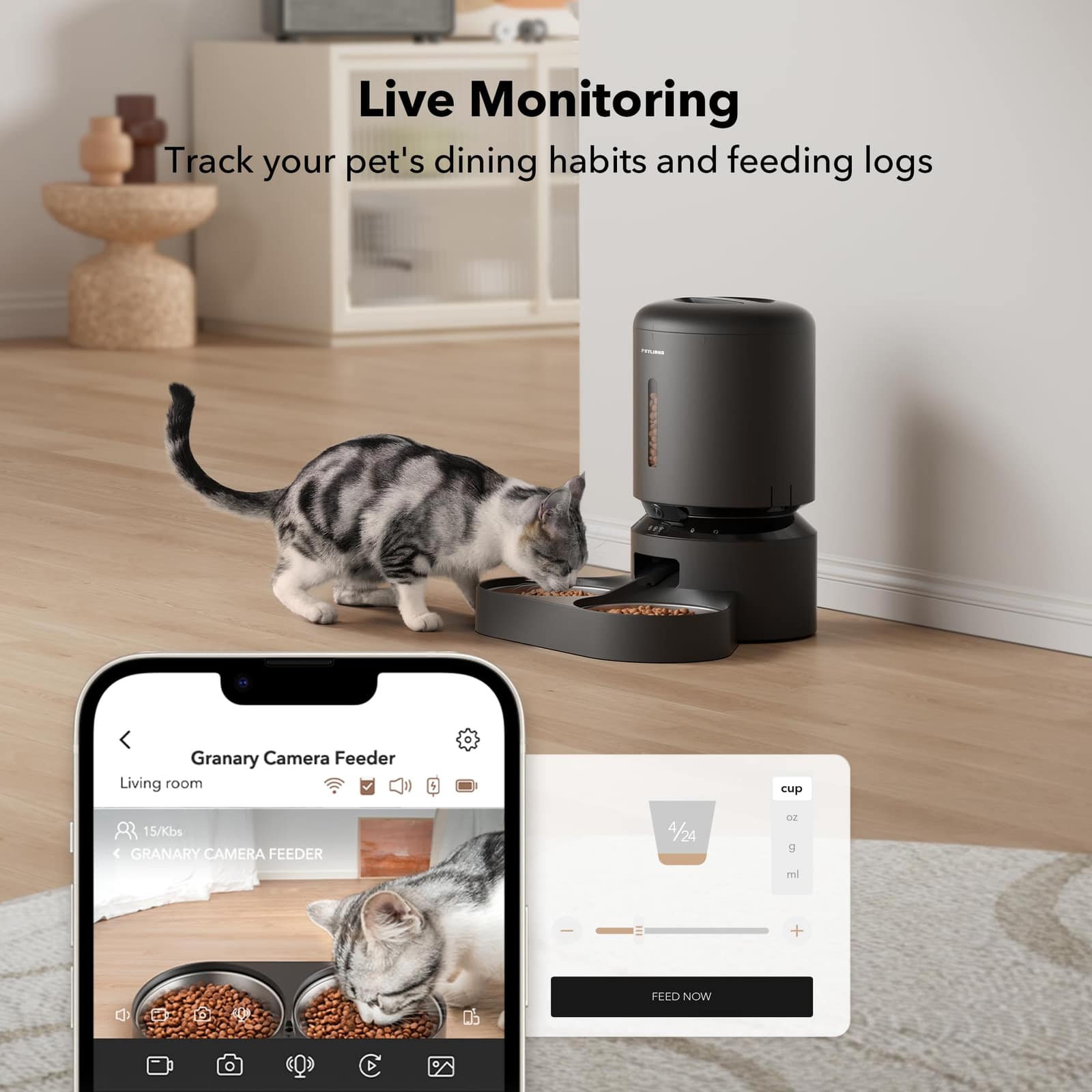
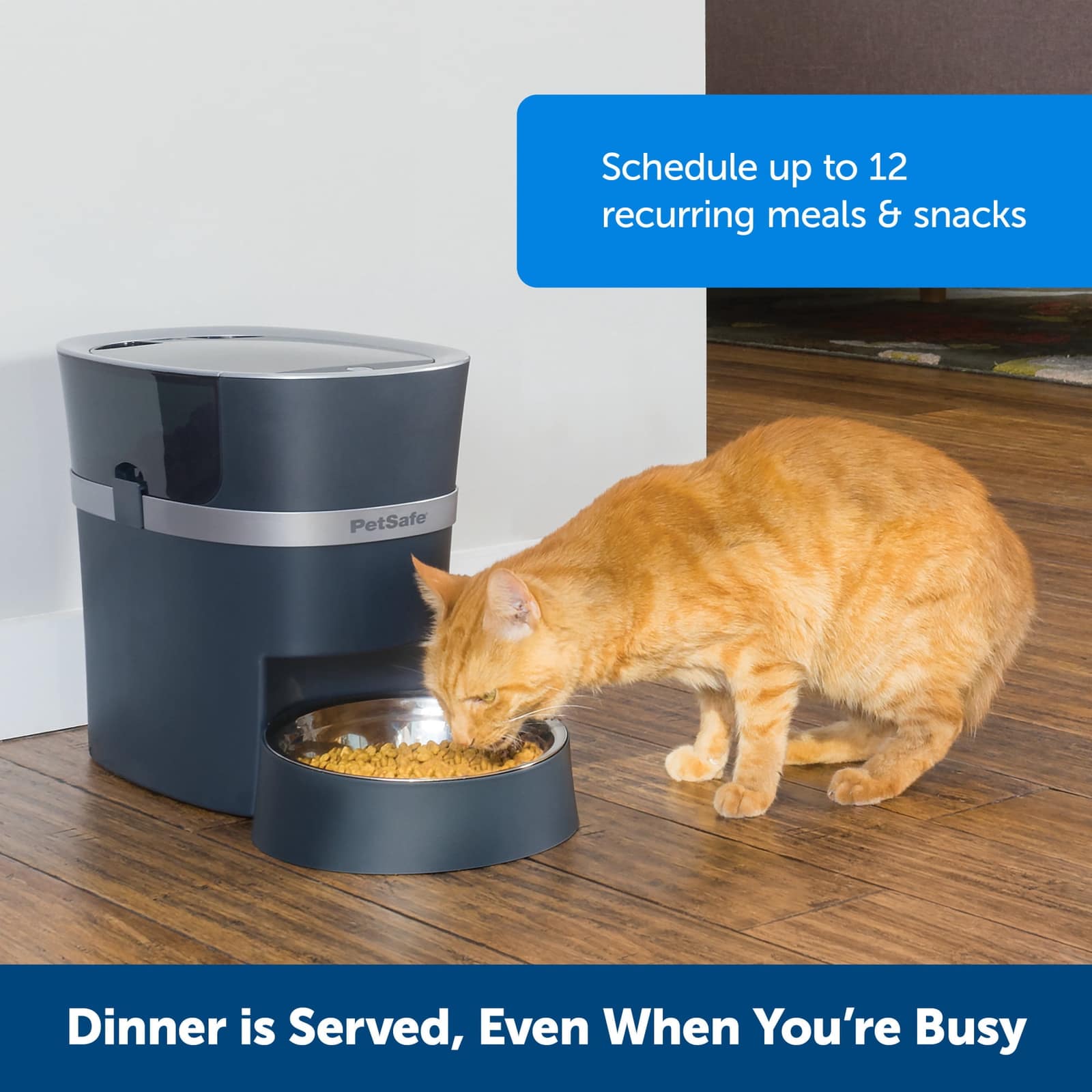
Automatic Feeder
Scheduled, portion-controlled meals — no more 4 a.m. wake-up calls for breakfast.
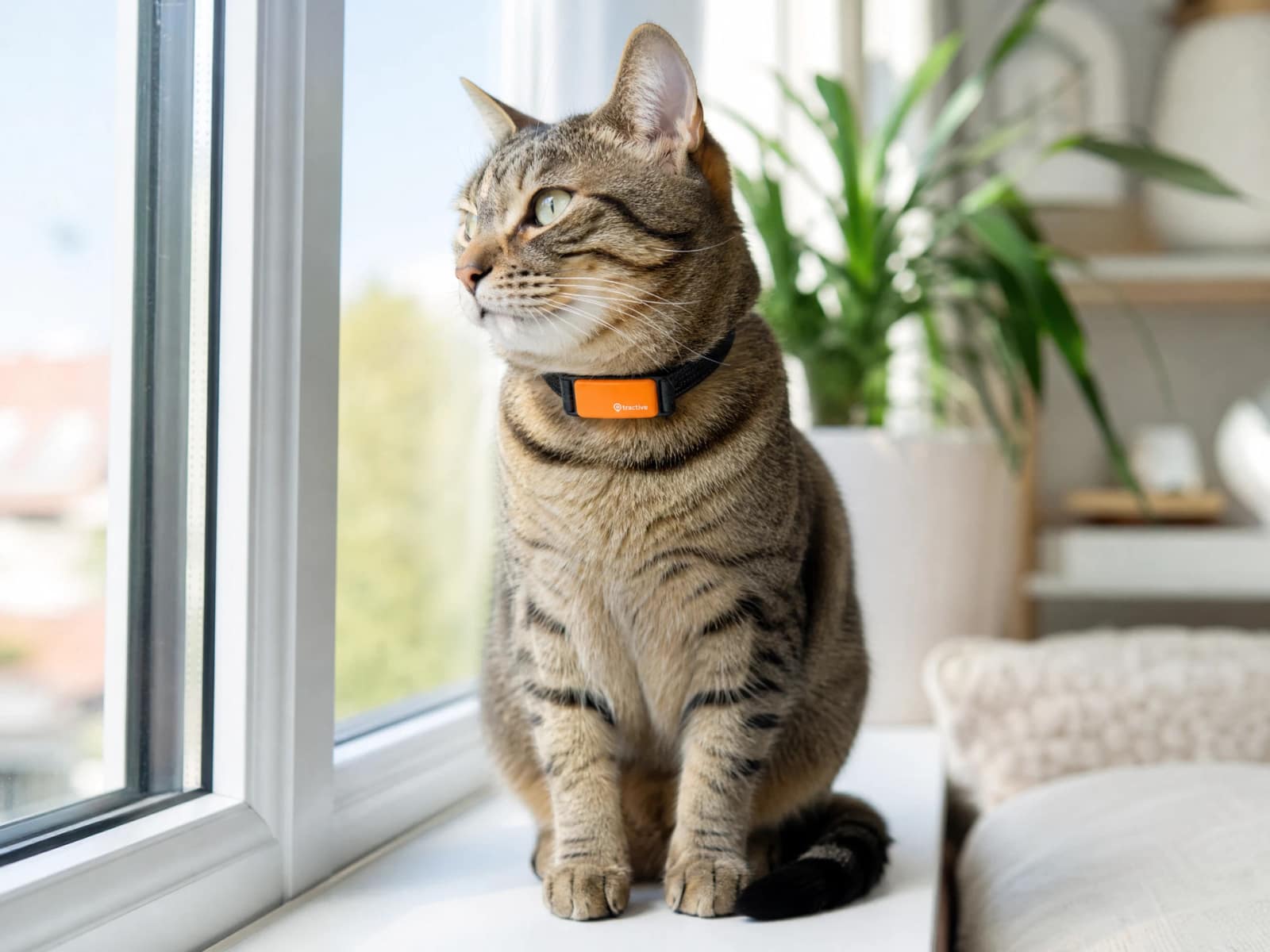
GPS Tracker
Know exactly where your cat is — essential for outdoor and indoor-outdoor cats.
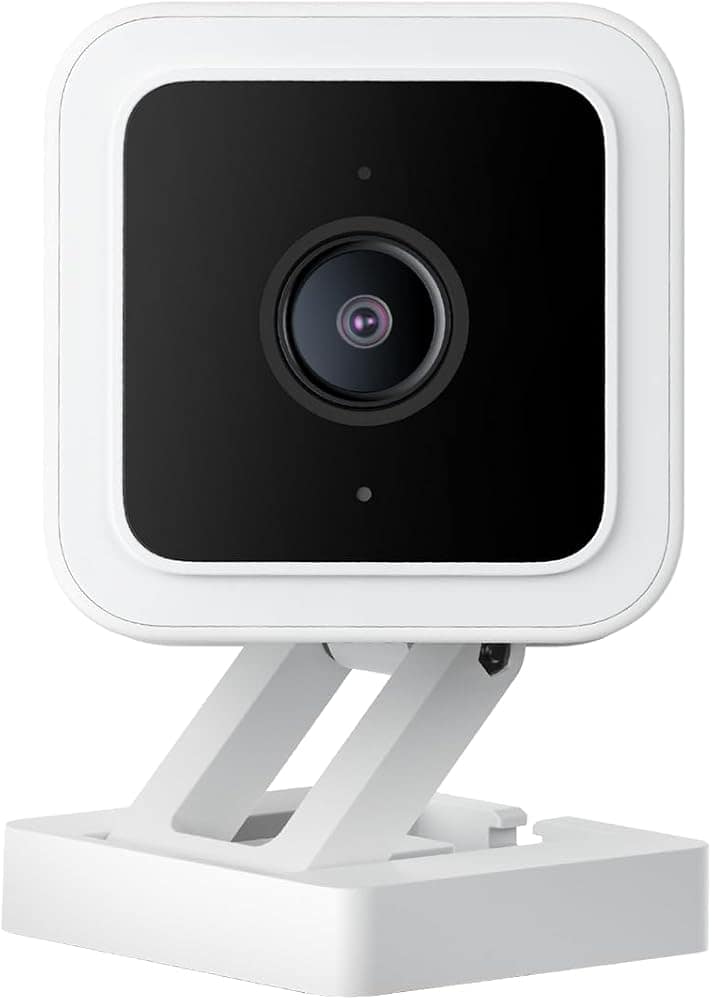
Pet Camera
Check in on your cat anytime — two-way audio lets you hear and be heard.

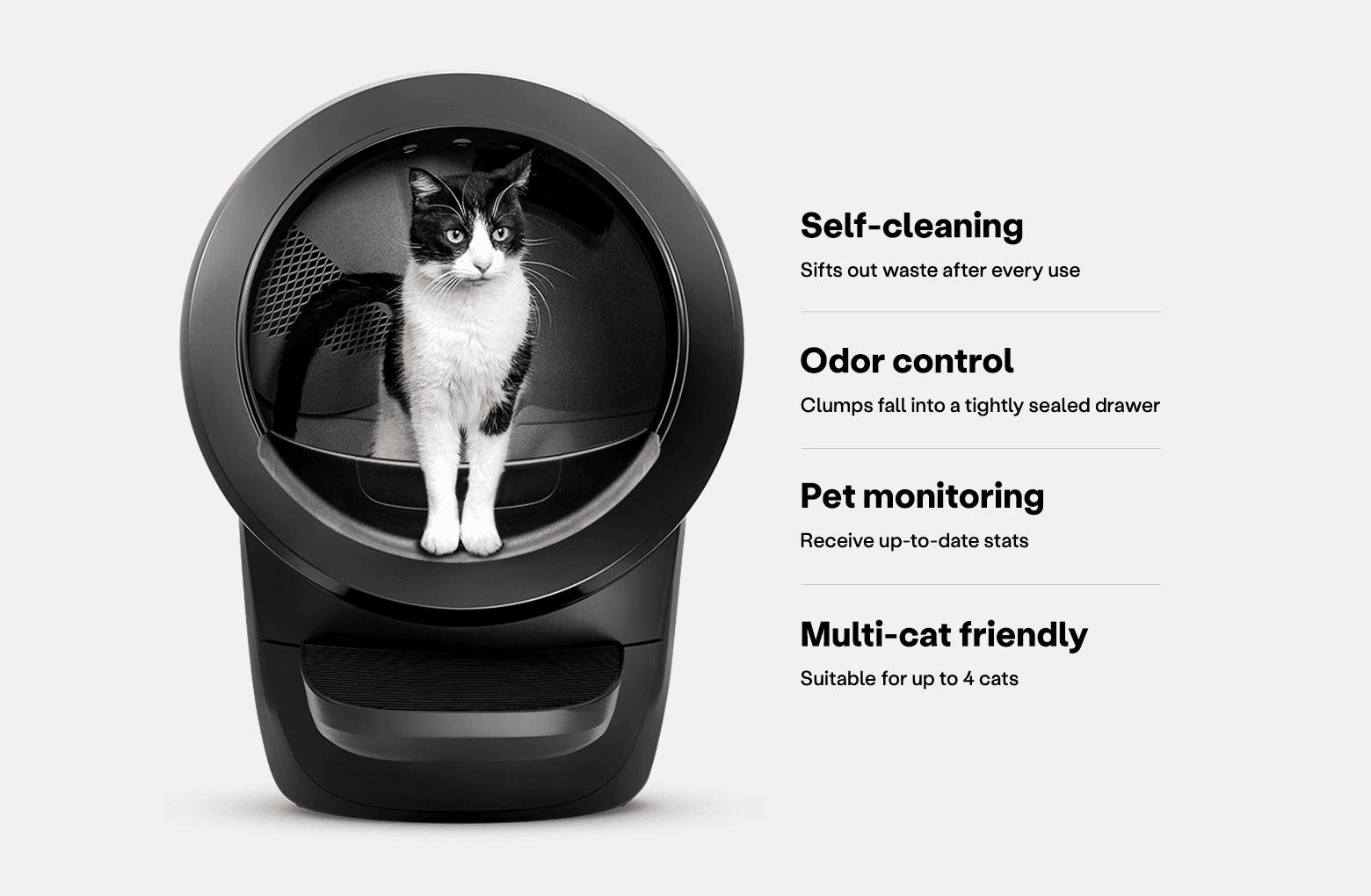
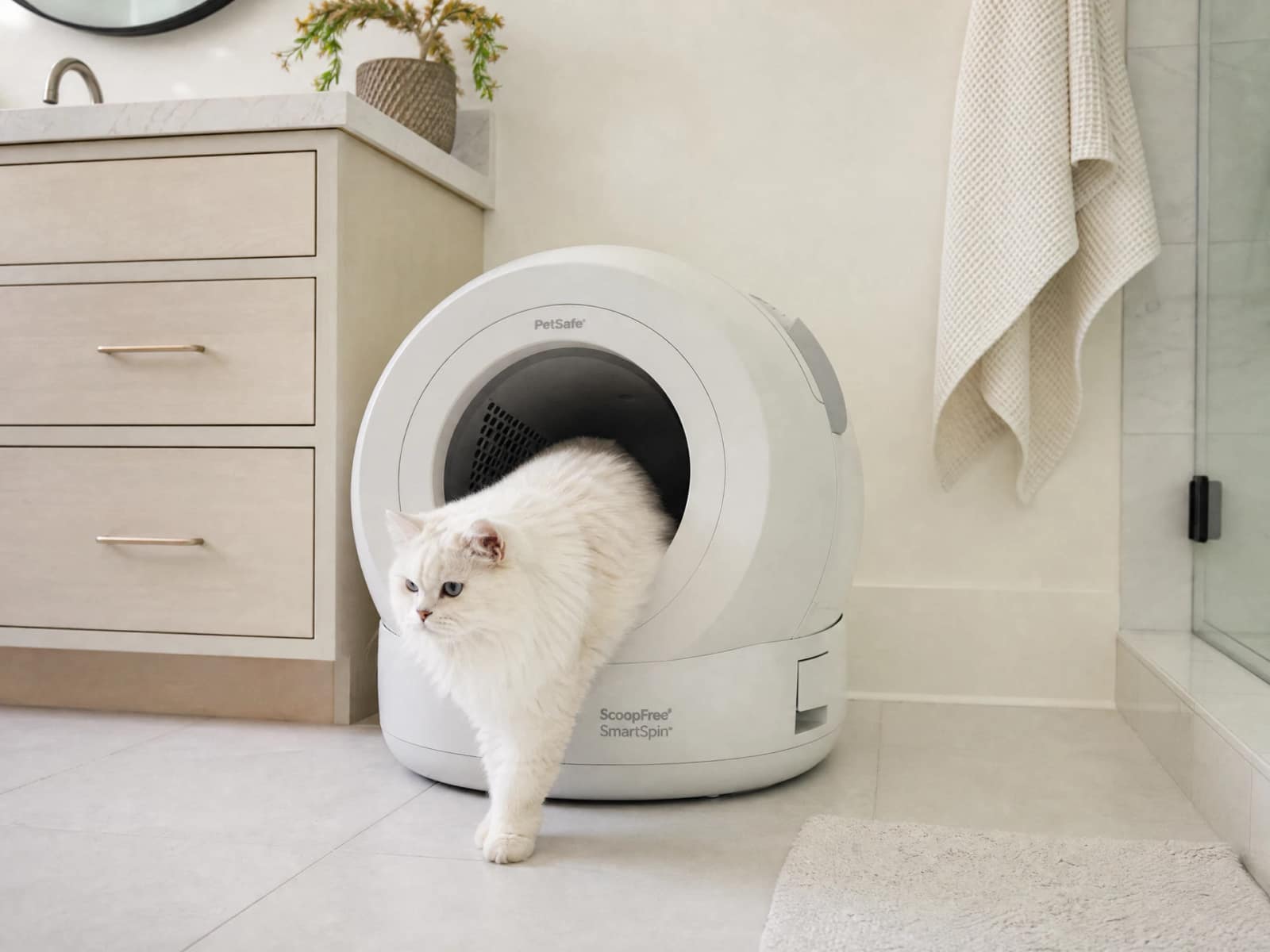
Self-Cleaning Litter Box
Automatic scooping after every use — your cat always has a fresh box.
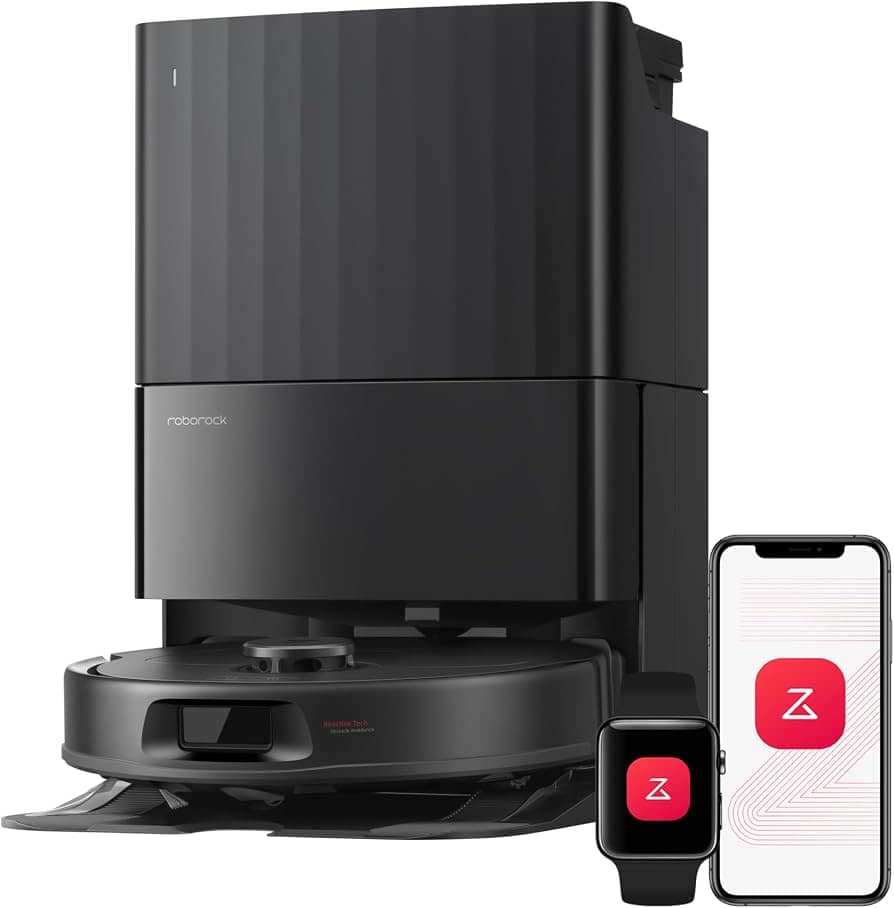
Robot Vacuum
Designed for pet hair and litter scatter — runs on a schedule so you never notice the mess.
Recommended Products by Life Stage
Products marked with SmartPaws Recommended are ones we've independently reviewed and recommend across the site. All Amazon links include our affiliate tag — purchases support SmartPaws at no extra cost to you.
Puppy / Kitten Stage
Adult Stage
Smart Feeder
PETLIBRO Smart Feeder with Camera
Portion control prevents obesity — the #1 health issue in cats.
SmartPaws RecommendedWater Fountain
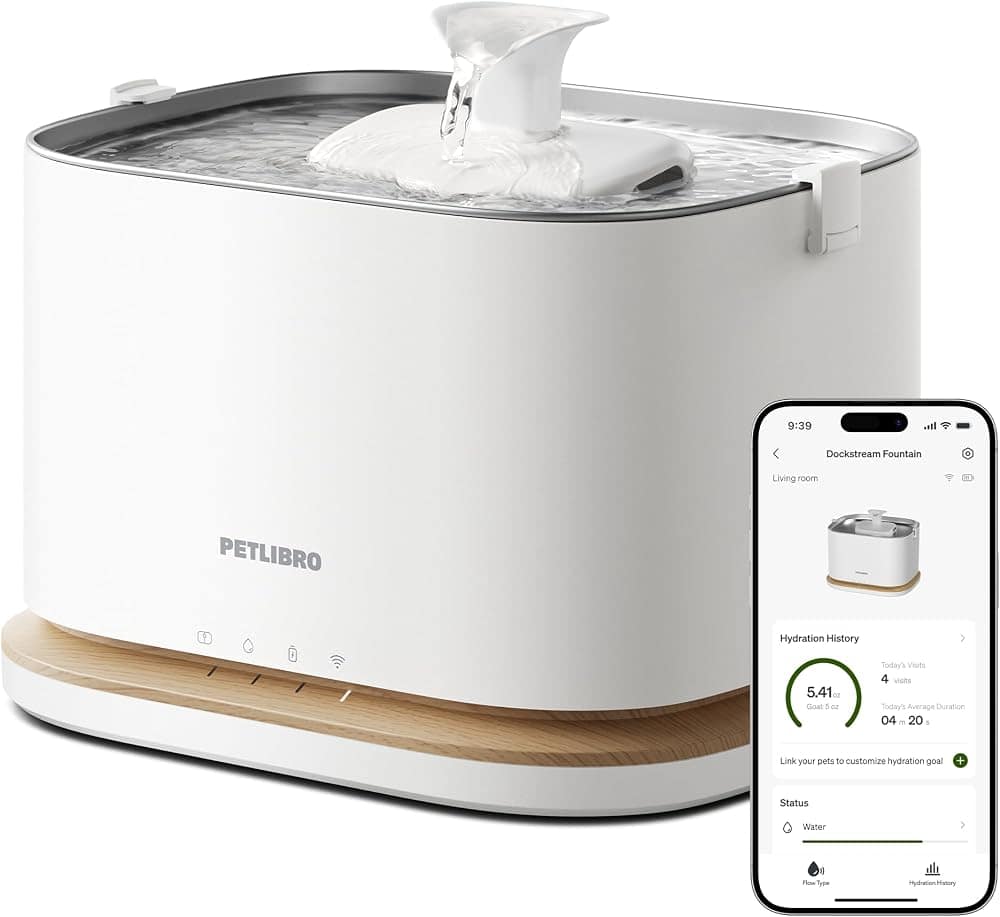
PETLIBRO Dockstream 2 Smart Water Fountain
Encourages hydration, reducing urinary tract disease risk.
SmartPaws RecommendedDental Care
TropiClean Fresh Breath Oral Care Gel for Cats
Dental disease is very common in cats — gel application is easy.
SmartPaws RecommendedBreed Traits
Temperament
Climate & Physical
Compatibility
Health & Longevity
Based on breed-specific genetic health risks and common conditions
Consider Adopting
Many Domestic Shorthairs are waiting in shelters and breed-specific rescues. Adoption costs are typically $25–$150 vs. $100–$500 from a breeder.
Read our Rescue Guide →Download the Domestic Shorthair Guide
Get a printable PDF with traits, cost of ownership, health notes, and best-fit summary — free.