SmartPawsGuides, comparisons & trusted resources — Guides & trusted resources — always independent.

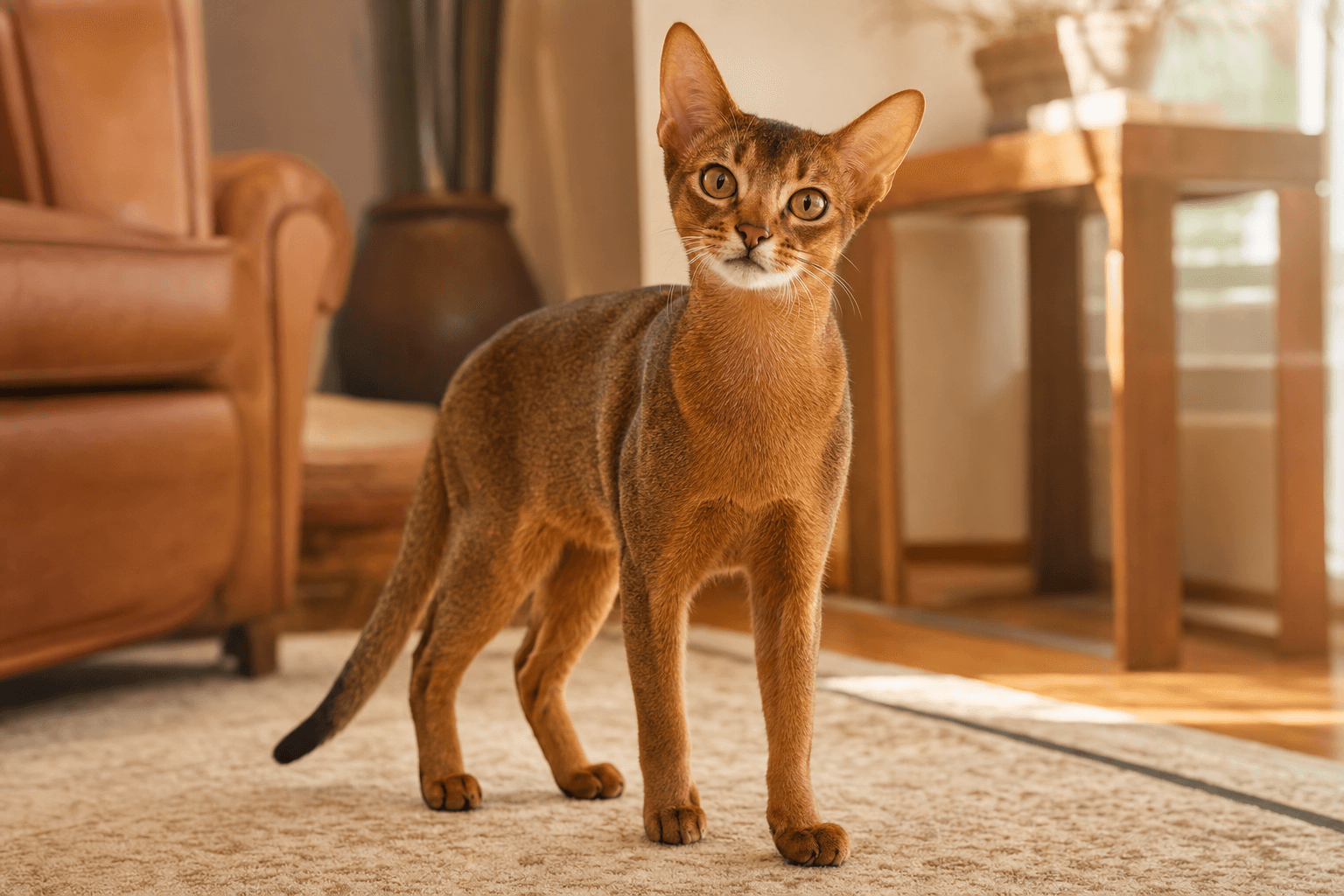
Abyssinian
Origin: Ethiopia (Abyssinia)
Weight
6–10 lbs
Height
8–10 inches
Lifespan
9–15 years
Coat
Short, fine, ticked coat
Breeder Cost
$1,000–$2,500
Adoption Cost
$50–$200
Personality & Temperament
Abyssinians are among the most active and curious cat breeds. They are in constant motion — exploring, climbing, and investigating everything in their environment. Abyssinians are intelligent, playful, and form strong bonds with their owners. They are not lap cats but are deeply engaged with their people. They need significant enrichment to stay happy.
Best For
Active households, experienced cat owners, those who want an interactive, athletic companion and can provide extensive enrichment
Exercise & Activity Needs
Abyssinians need extensive daily play — at least 30 minutes of active interaction. They are climbers and athletes who need tall cat trees, puzzle toys, and interactive play. Many Abyssinians can be trained to walk on a leash.
Grooming & Coat Care
The Abyssinian's short, ticked coat requires minimal grooming — weekly brushing is sufficient. They shed minimally and are relatively low-maintenance from a grooming perspective.
Coat type: Short, fine, ticked coat; each hair has multiple bands of color
Common Health Conditions
PRA and PKDef are breed-specific genetic conditions that responsible breeders test for. Renal amyloidosis is a serious concern — annual blood work helps catch kidney issues early.
Progressive Retinal Atrophy (PRA)
A genetic eye condition causing blindness. DNA testing is available and responsible breeders test for it.
Pyruvate Kinase Deficiency (PKDef)
A genetic condition causing hemolytic anemia. DNA testing is available.
Renal Amyloidosis
Amyloid protein deposits in the kidneys, leading to kidney failure. More common in Abyssinians than most breeds.
Dental Disease
Common in all cats. Regular dental care is essential.
Hypertrophic Cardiomyopathy (HCM)
Heart muscle disease. Annual cardiac screening is recommended.
History & Origin
The Abyssinian's exact origins are debated — despite the name suggesting Ethiopia (formerly Abyssinia), genetic studies suggest the breed likely originated in the Indian Ocean coastal region or Southeast Asia. The first Abyssinian in England was a cat named Zula, brought from Abyssinia (Ethiopia) by a British soldier after the Abyssinian War in 1868. The breed was developed in England and arrived in the US in the early 1900s.
Interesting Facts
- 1
Despite the name, genetic studies suggest Abyssinians likely originated in Southeast Asia or the Indian Ocean coast — not Ethiopia.
- 2
Their ticked coat pattern (each hair has multiple bands of color) is unique among domestic cats.
- 3
Abyssinians are one of the most active cat breeds — they are constantly in motion and need significant enrichment.
- 4
They are believed to resemble the sacred cats depicted in ancient Egyptian art.
- 5
Abyssinians are one of the few cat breeds that enjoy water and will often play with running faucets.
Cost of Ownership
Owning an Abyssinian is a long-term financial commitment. Here's a realistic breakdown of what to budget for.
Annual Cost
$700–$1,400
First Year (incl. setup)
$1,800–$3,200
Active breed; quality protein-rich diet
Renal amyloidosis, PK deficiency, and dental disease possible
Short, ticked coat; minimal grooming needs
Quality litter and enrichment supplies
Highly active and curious; needs extensive play and climbing
Recommended for kidney and blood disorder coverage
* Estimates based on national averages. Costs vary by location, lifestyle, and individual health needs. Emergency vet visits are not included.
Popularity & Adoption Trends
Estimated US Population
~500,000 in the US
Adoption Trend
Abyssinian popularity is stable among cat enthusiasts who appreciate their athletic, curious personality. Often called 'the clowns of the cat world,' they are one of the most active and playful breeds. Their ticked coat pattern is unique and striking.
Plan daily life with your Abyssinian
Use the guides below to compare practical options alongside this breed's care needs.
Pet Tech Essentials
The right technology makes cat ownership easier, safer, and more connected — whether you're home or away. These are the products our editors consider must-haves for every cat owner.
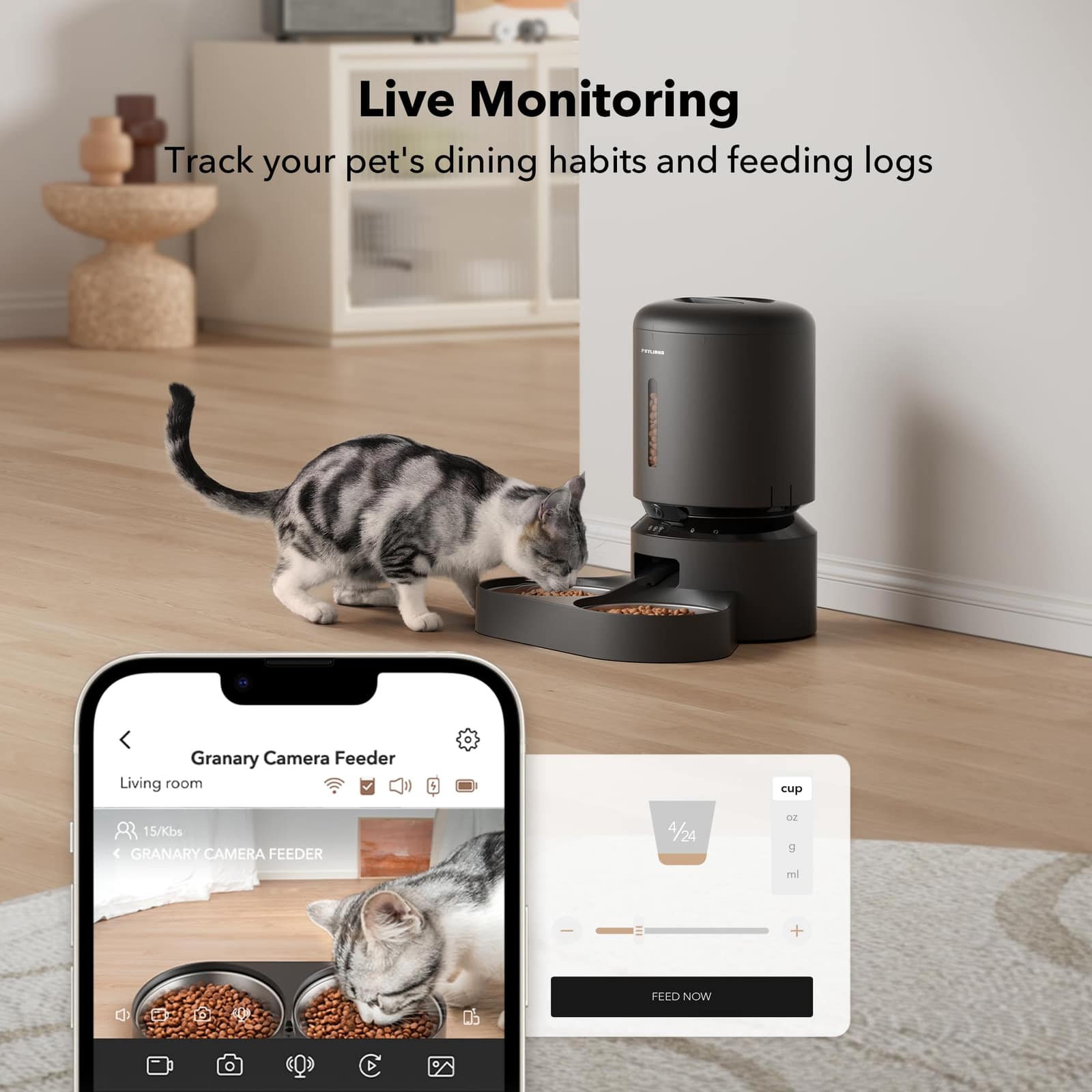
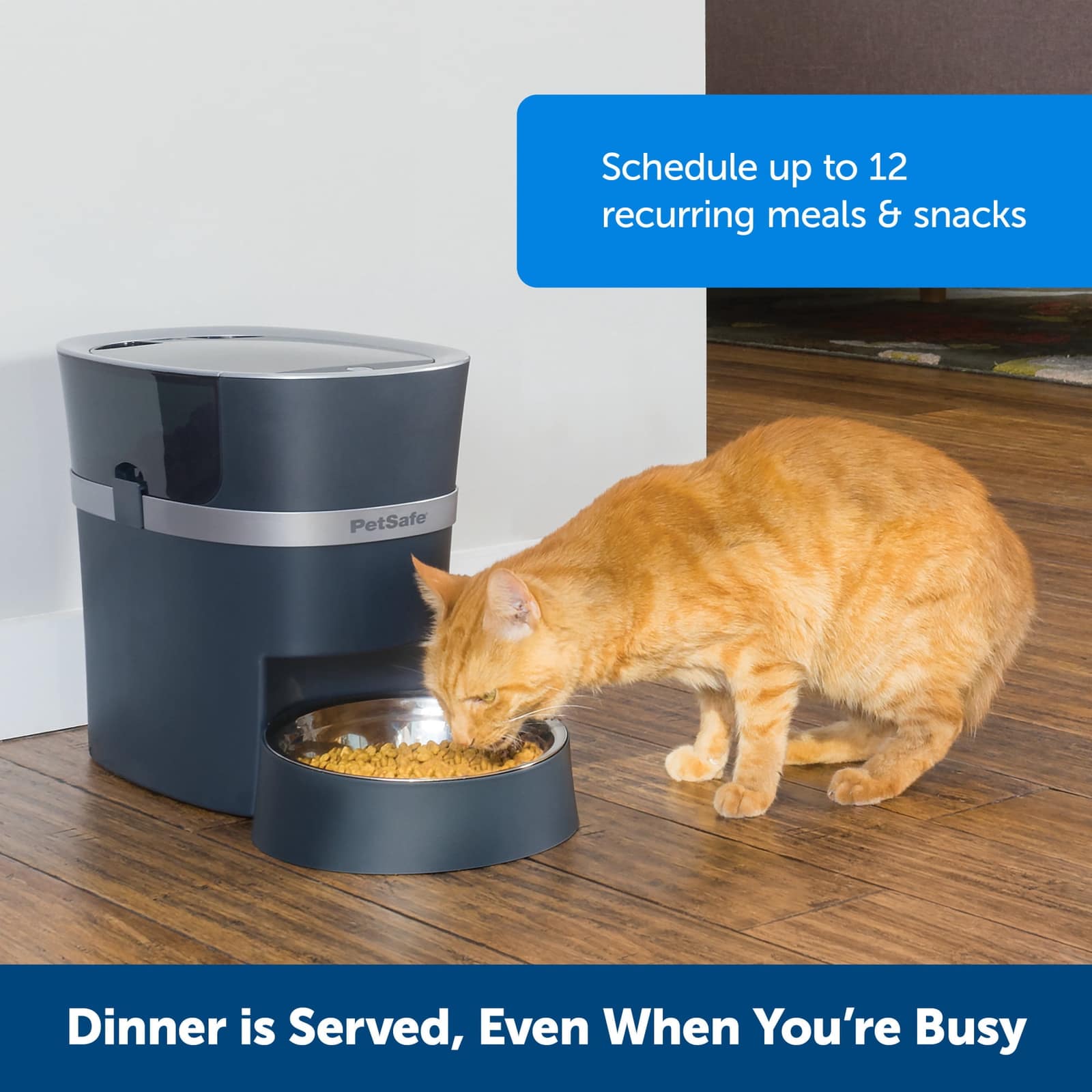
Automatic Feeder
Scheduled, portion-controlled meals — no more 4 a.m. wake-up calls for breakfast.
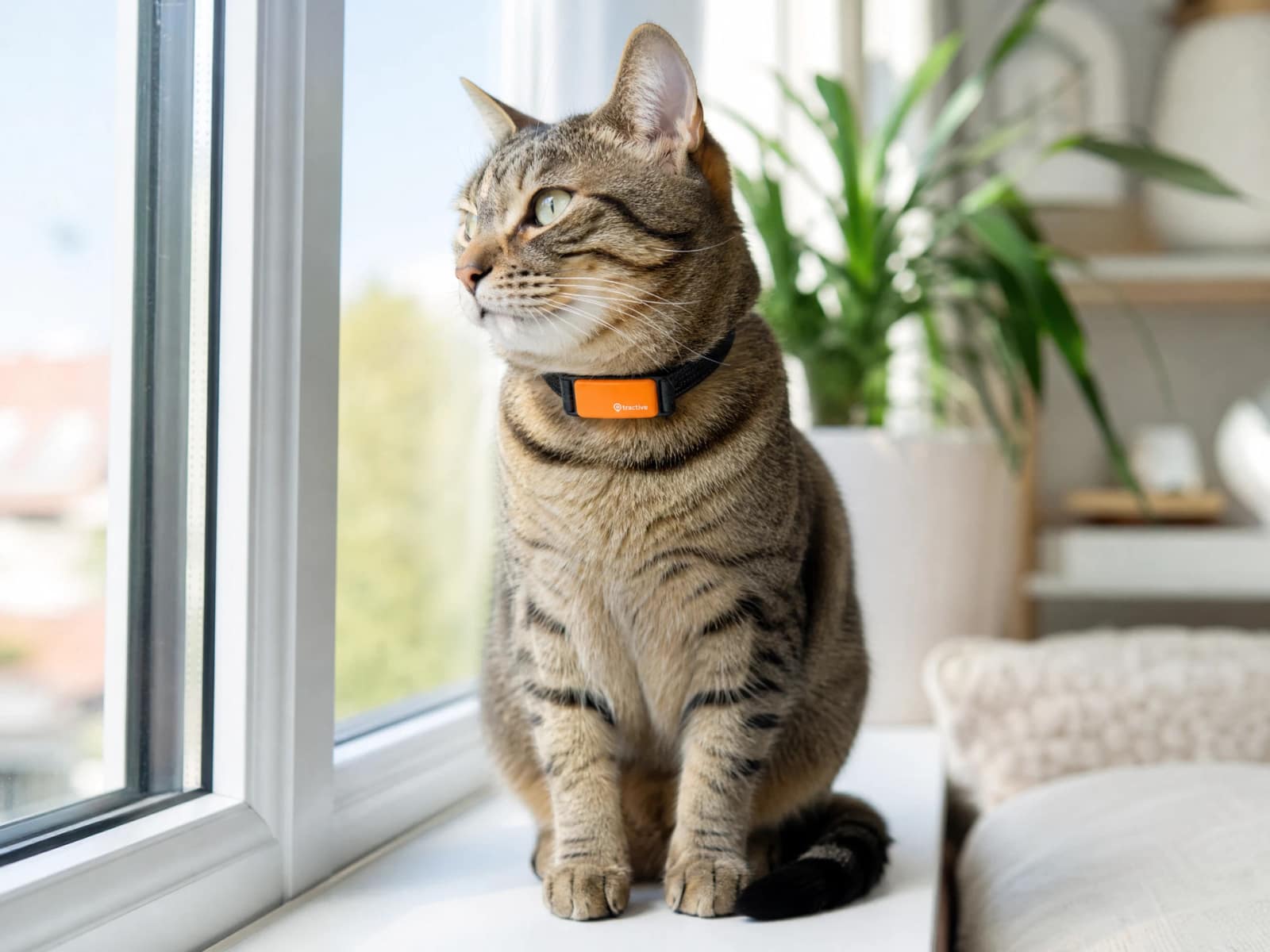
GPS Tracker
Know exactly where your cat is — essential for outdoor and indoor-outdoor cats.
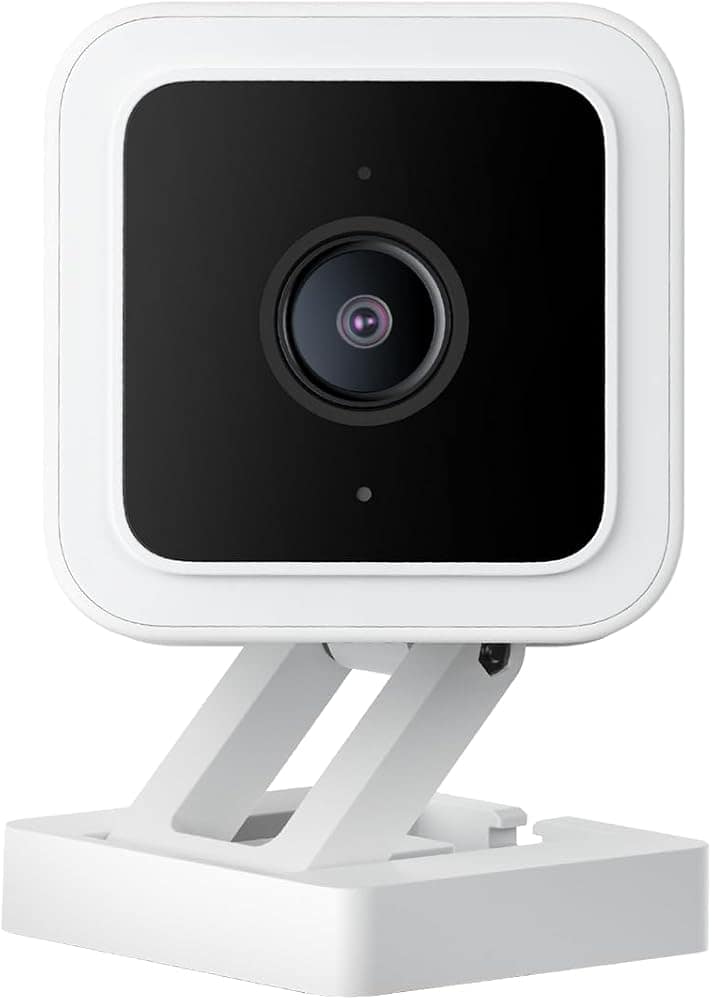
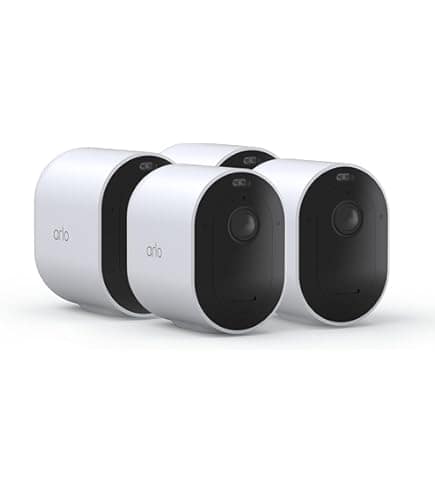
Pet Camera
Check in on your cat anytime — two-way audio lets you hear and be heard.
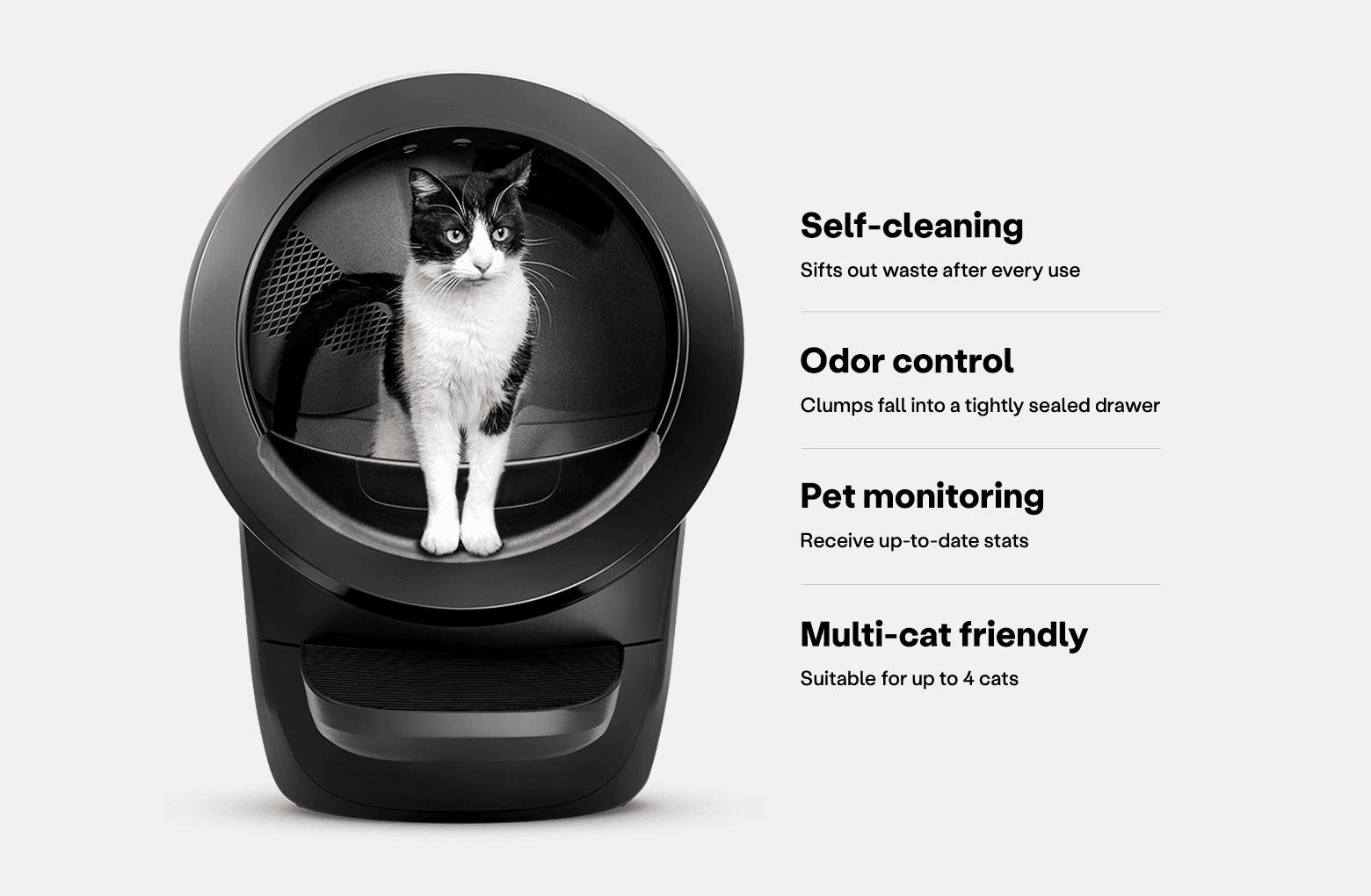
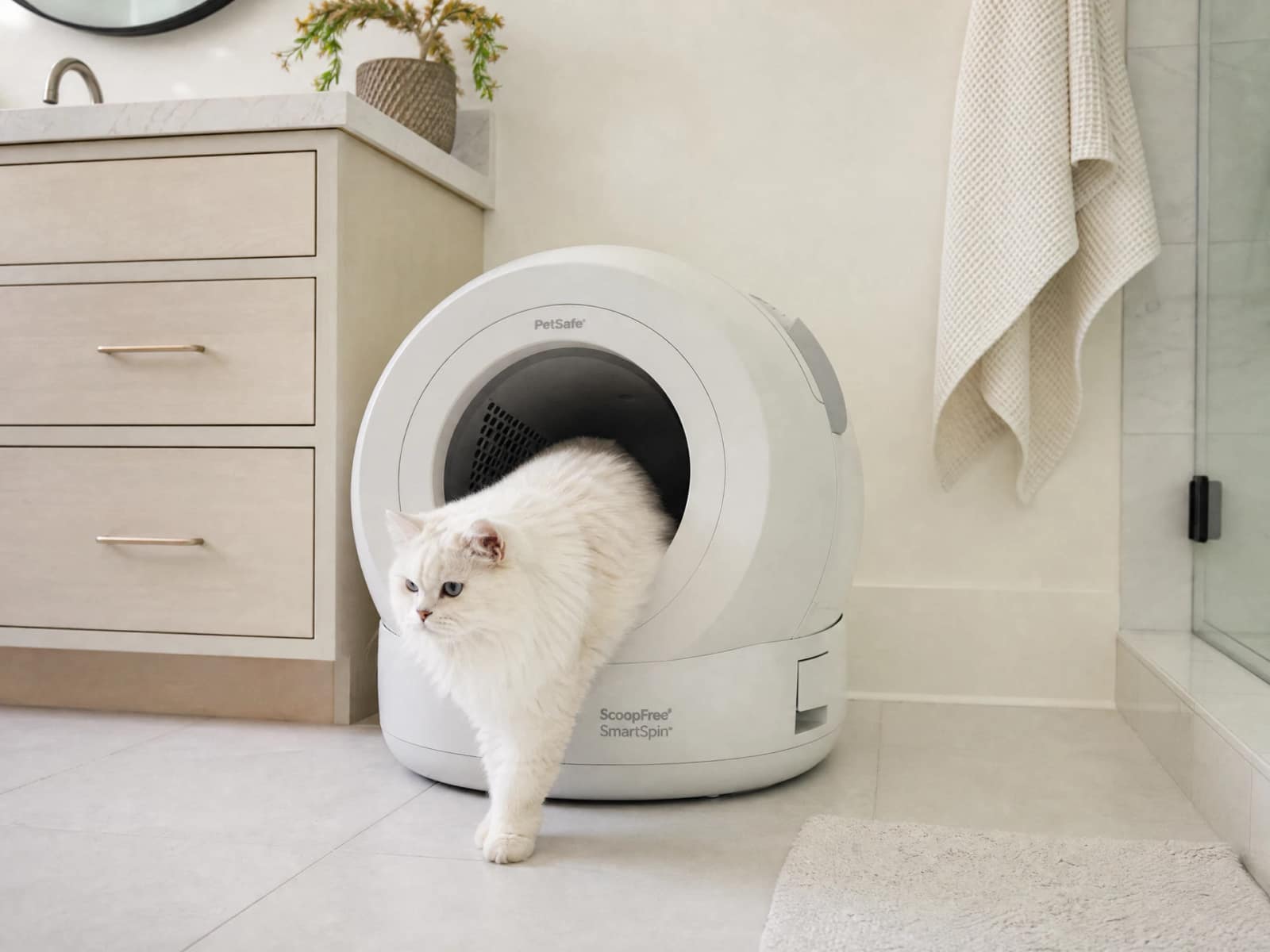
Self-Cleaning Litter Box
Automatic scooping after every use — your cat always has a fresh box.
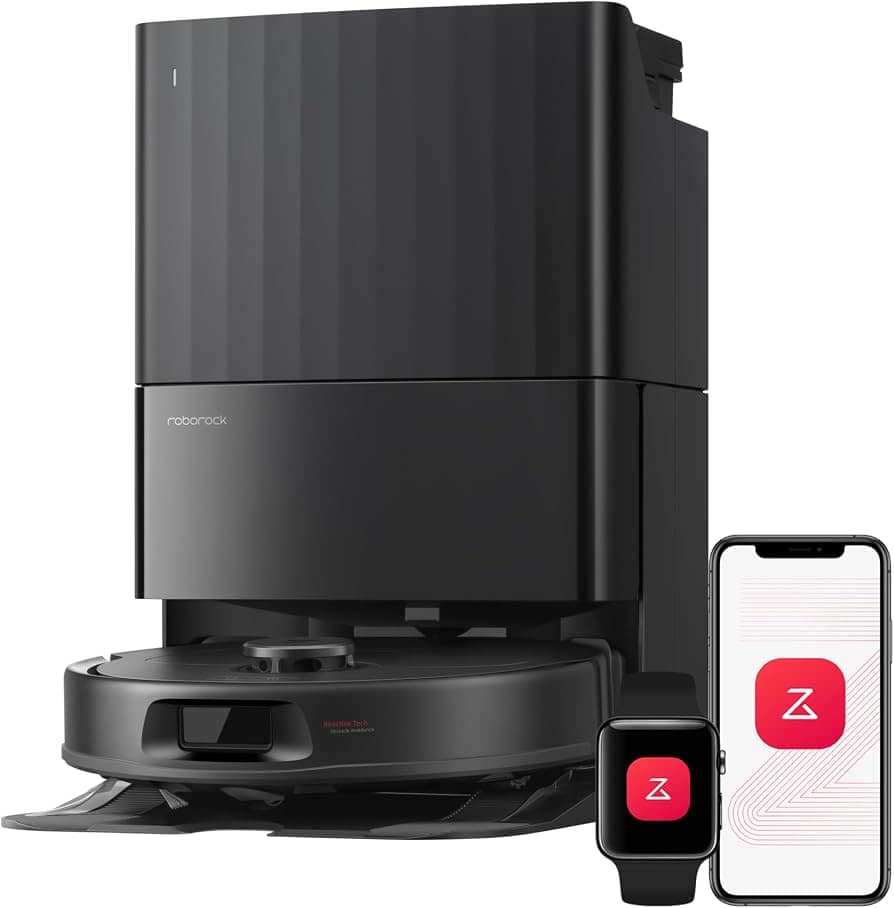
Robot Vacuum
Designed for pet hair and litter scatter — runs on a schedule so you never notice the mess.
Recommended Products by Life Stage
Products marked with SmartPaws Recommended are ones we've independently reviewed and recommend across the site. All Amazon links include our affiliate tag — purchases support SmartPaws at no extra cost to you.
Puppy / Kitten Stage
Adult Stage
Electronic Toy
PetFusion Ambush Interactive Electronic Feather Toy
Active Abyssinians need stimulating, automated play.
SmartPaws RecommendedPuzzle Feeder
Catit Senses 2.0 Food Tree Puzzle Feeder
Mental stimulation for a highly intelligent breed.
SmartPaws RecommendedWater Fountain
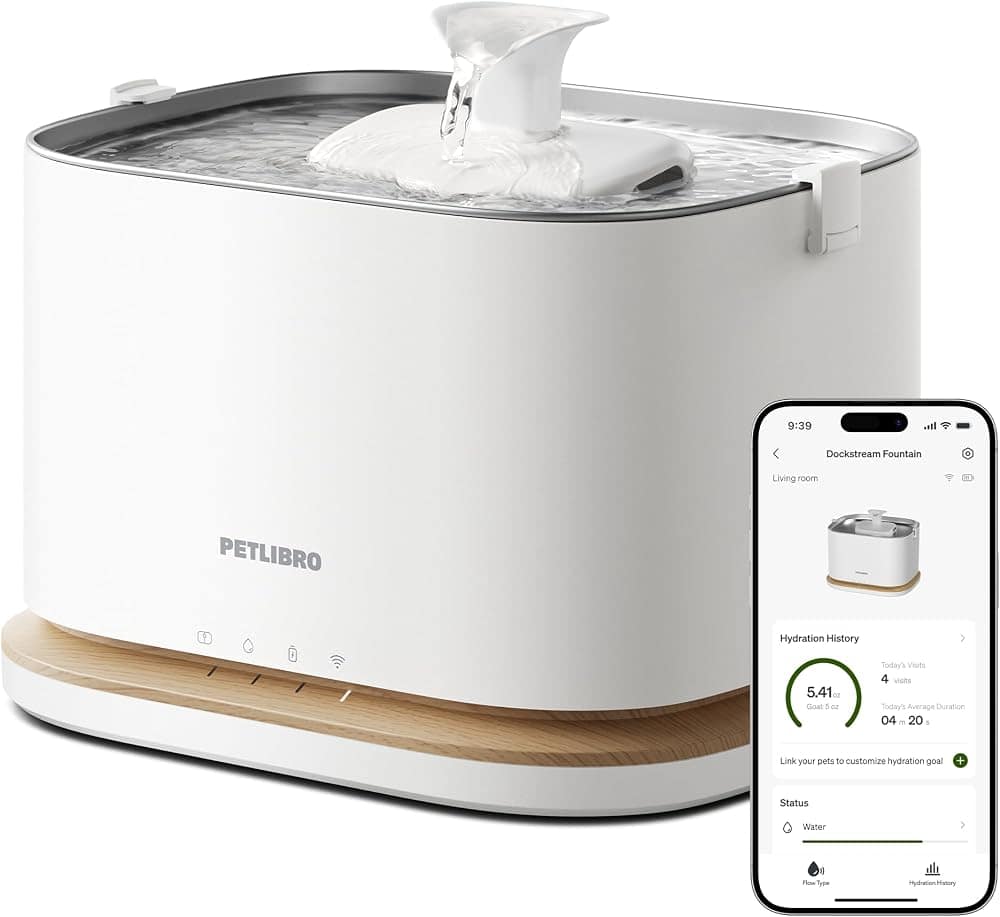
PETLIBRO Dockstream 2 Smart Water Fountain
Encourages hydration, supporting kidney health.
SmartPaws RecommendedBreed Traits
Temperament
Climate & Physical
Compatibility
Health & Longevity
Based on breed-specific genetic health risks and common conditions
Consider Adopting
Many Abyssinians are waiting in shelters and breed-specific rescues. Adoption costs are typically $50–$200 vs. $1,000–$2,500 from a breeder.
Read our Rescue Guide →How to Train an Abyssinian
Breed-specific challenges, techniques, and training timeline — written specifically for Abyssinian owners.
Read Training GuideDownload the Abyssinian Guide
Get a printable PDF with traits, cost of ownership, health notes, and best-fit summary — free.