
Best forhomes with two or more cats
Premium
Smart Hygiene
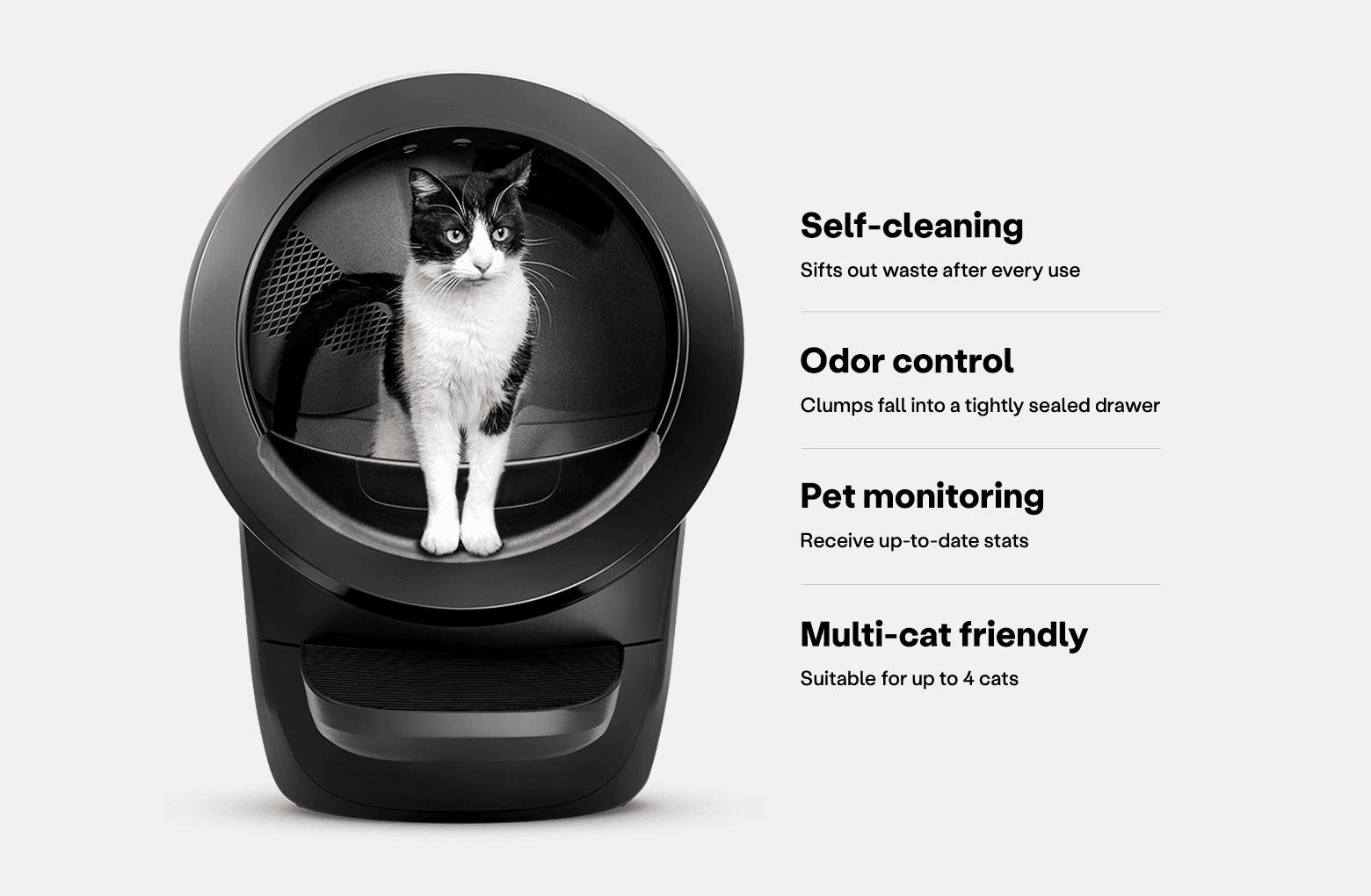
Litter-Robot 4 Self-Cleaning Litter Box
The gold standard in automatic litter boxes. Odor-free, hands-free.
4.5 · 6.7K reviews
8.7SmartPaws Score
How?Typically$699–$899In Stock
SmartPawsGuides, comparisons & trusted resources — Guides & trusted resources — always independent.
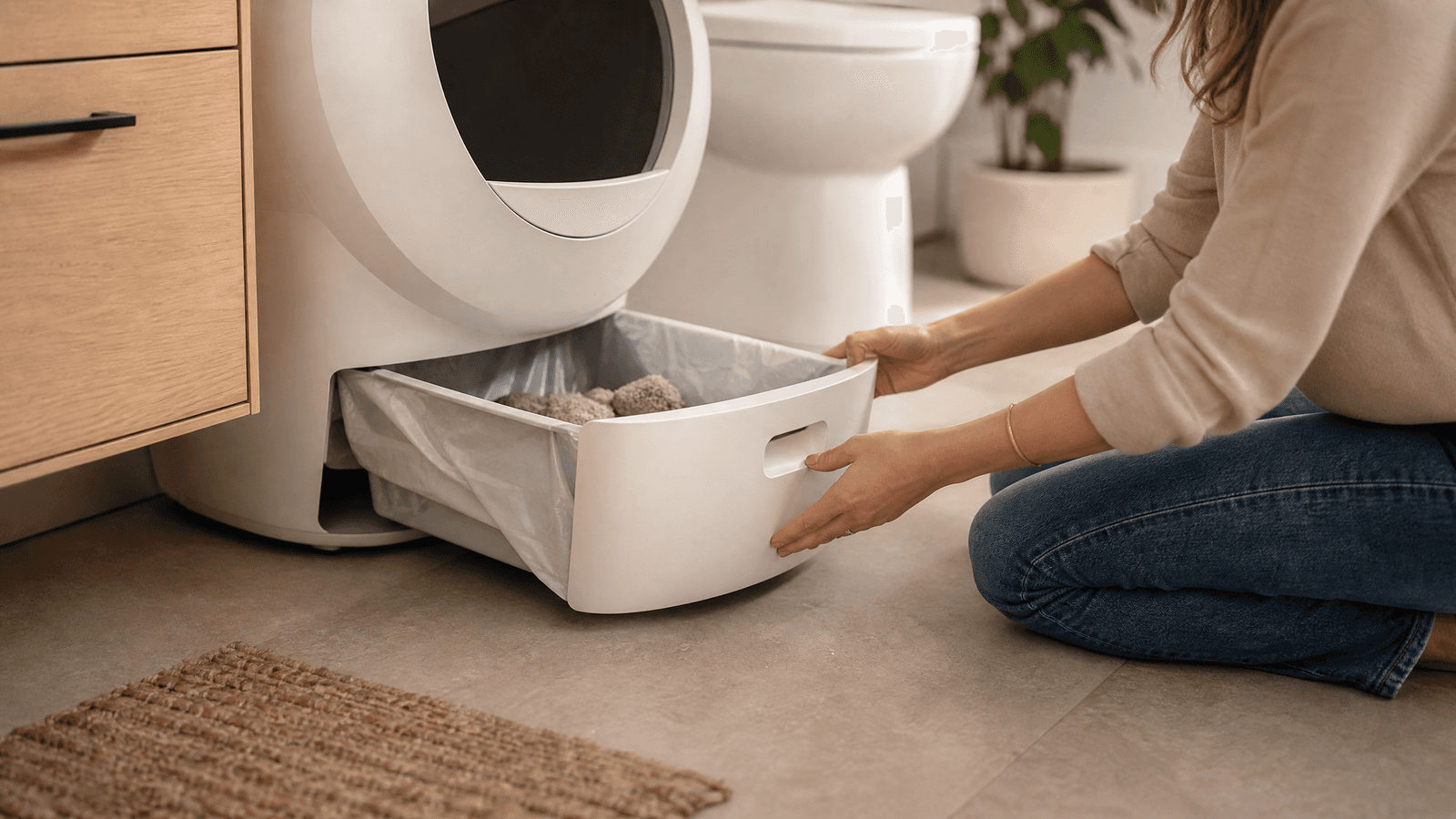
Unpacking the real-world capacity, emptying frequency, and odor control of the Litter-Robot 4's waste drawer for multi-cat homes.
SmartPaws Editorial Team
Pet Tech Experts · Research-based content
This article contains affiliate links. We may earn a commission if you purchase through our links, at no extra cost to you. The Litter-Robot 4 is a game-changer for many cat owners, promising to automate one of the least pleasant aspects of pet ownership: scooping the litter box. A key component of this automation is its waste drawer, designed to collect soiled litter and minimize odors. But how often do you *really* need to empty it? The manufacturer provides guidelines, but real-world usage, especially in multi-cat households, can tell a different story. In this in-depth review, we'll explore the practical capacity of the Litter-Robot 4's waste drawer, delve into emptying frequencies for various cat counts, discuss optimal liner options, and evaluate its effectiveness in controlling unpleasant smells. Our goal is to give you a clear picture of what to expect, helping you manage your cat's litter needs with confidence.
The Litter-Robot 4 features a redesigned waste drawer that Whisker, the manufacturer, claims offers improved waste distribution and a larger size compared to previous models, leading to less frequent emptying. Physically, the drawer measures approximately 5.5 inches high, 13.5 inches wide, and 9.25 inches deep. While these dimensions provide a good amount of space, the actual usable capacity can sometimes feel less due to how the waste is deposited and how the 'full' sensor operates. Many users report that the Litter-Robot 4's sensor can be quite sensitive, sometimes indicating the drawer is full even when there appears to be more room. This is often a calibration issue or due to the waste piling up unevenly. However, the system is designed to prevent overfilling, which could lead to messes. The improved distribution mechanism does help spread the waste more evenly across the drawer, maximizing the space and extending the time between empties. It's a significant upgrade from older models where waste often piled up in one spot, triggering the sensor prematurely.
For a single, average-sized cat, the Litter-Robot 4's waste drawer can typically last **7-10 days** before needing to be emptied. This is a comfortable duration for most owners, allowing for weekly waste disposal without constant monitoring. Factors like the cat's diet, size, and litter type can slightly influence this, but generally, a single cat provides the most extended emptying intervals.
This is where the 'less frequent emptying' claim gets tested. For two average-sized cats, Whisker suggests emptying the drawer twice per week. However, many users in online forums and reviews indicate that they find themselves emptying it every **2-4 days**. This discrepancy often comes down to the size and frequency of use by the cats. If you have two larger cats or cats that use the box very frequently, you'll likely be on the shorter end of that spectrum. It's still a vast improvement over daily scooping of traditional boxes, but it's important to set realistic expectations.
The Litter-Robot 4 is advertised as suitable for up to four cats. With three cats, you can expect to empty the waste drawer every **1-3 days**. Beyond three cats, the frequency will likely be daily, or even twice daily depending on the specific cats. While the Litter-Robot 4 can technically accommodate multiple cats, the waste drawer becomes the bottleneck for truly hands-off operation in larger multi-cat households. For these scenarios, some owners opt for two Litter-Robots to further extend emptying intervals and ensure constant availability of a clean litter box.
The Litter-Robot 4 is designed to work seamlessly with its proprietary waste drawer liners. These liners are durable, tear-free, and transparent, allowing the sensor to function correctly. A pack of 25 drawstring liners is available from Whisker, making disposal quick and mess-free. These are generally recommended for the best fit and sensor compatibility. However, many users seek more economical or environmentally friendly alternatives. Standard 10-13 gallon kitchen trash bags can often fit the Litter-Robot 4 waste drawer, though they may not have the perfect snug fit of the official liners. When using alternative bags, ensure they are not too opaque, as this can interfere with the waste level sensor. Look for bags that are strong enough to hold the weight of soiled litter without tearing. Some users also explore compostable or biodegradable options, though finding ones that are both strong and sensor-compatible can be a challenge. Always test alternative liners carefully to ensure they don't impede the unit's function.
One of the primary benefits of an enclosed, self-cleaning litter box like the Litter-Robot 4 is superior odor control. The waste drawer is sealed, containing odors effectively between emptying cycles. The unit also features a carbon filter located in the waste drawer, which helps absorb and neutralize odors. This combination significantly reduces the typical 'litter box smell' that can permeate a home. To maximize odor control, consider these tips: * **Regular Emptying:** Even if the drawer isn't completely full, emptying it more frequently, especially in multi-cat homes, will keep odors at bay. * **Carbon Filter Replacement:** The carbon filter needs to be replaced periodically (typically every 1-2 months) to maintain its effectiveness. Neglecting this can lead to noticeable odors. * **Quality Litter:** Using a high-quality, clumping litter with good odor control properties is crucial. Scented litters can sometimes mask odors rather than eliminate them, so look for litters designed for odor absorption. * **Drawer Cleaning:** Periodically clean the waste drawer itself with mild soap and water to remove any lingering odors or residue. A deep clean every few months can make a big difference.
Smart Hygiene
The gold standard in automatic litter boxes. Odor-free, hands-free.
The ultimate self-cleaning litter box for superior odor control and reduced scooping. Its large waste drawer and smart features make cat care easier.
The Litter-Robot 4's waste drawer is a well-engineered component that delivers on its promise of reducing the chore of litter box maintenance. While the emptying frequency will naturally increase with more cats, it still offers a significant convenience over traditional methods. For single-cat homes, you can truly enjoy nearly hands-off operation for over a week. For multi-cat households, while you'll be emptying it more often than the ideal, it's still a massive time-saver and odor reducer. By understanding its capacity, managing expectations for emptying frequency, and utilizing proper liners and odor control techniques, the Litter-Robot 4's waste drawer proves to be a highly effective solution for a cleaner, fresher home. For more insights into smart pet products, be sure to check out our [Smart Pet Feeder Comparison Guide](/articles/best-smart-pet-feeders-2026).
Keep reading
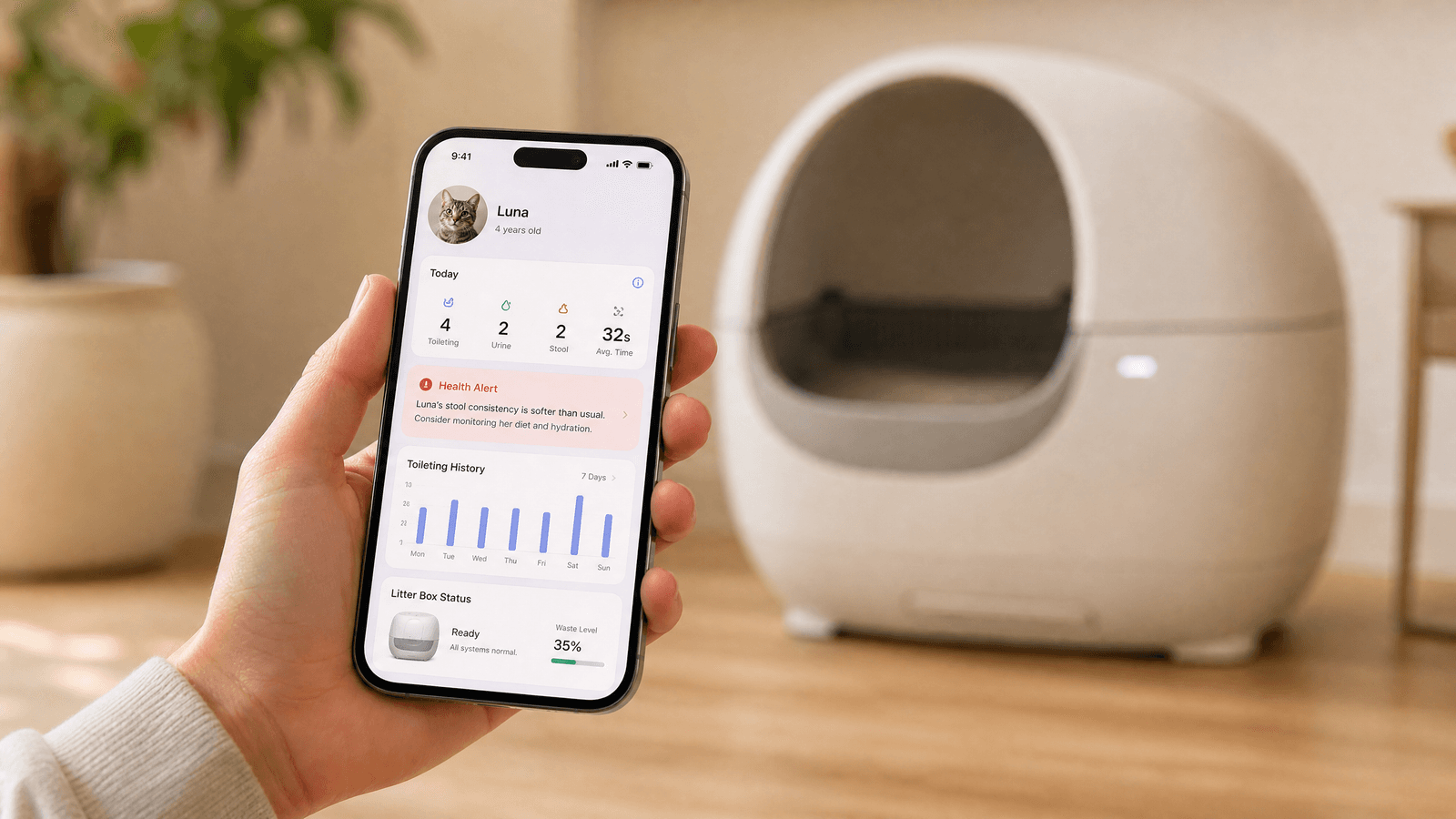
The Litter-Robot 4 promises a cleaner home and happier cats, but how does its accompanying Whisker app truly enhance the experience? We explore its features, smart home integration, and whether it justifies the investment.
Read guide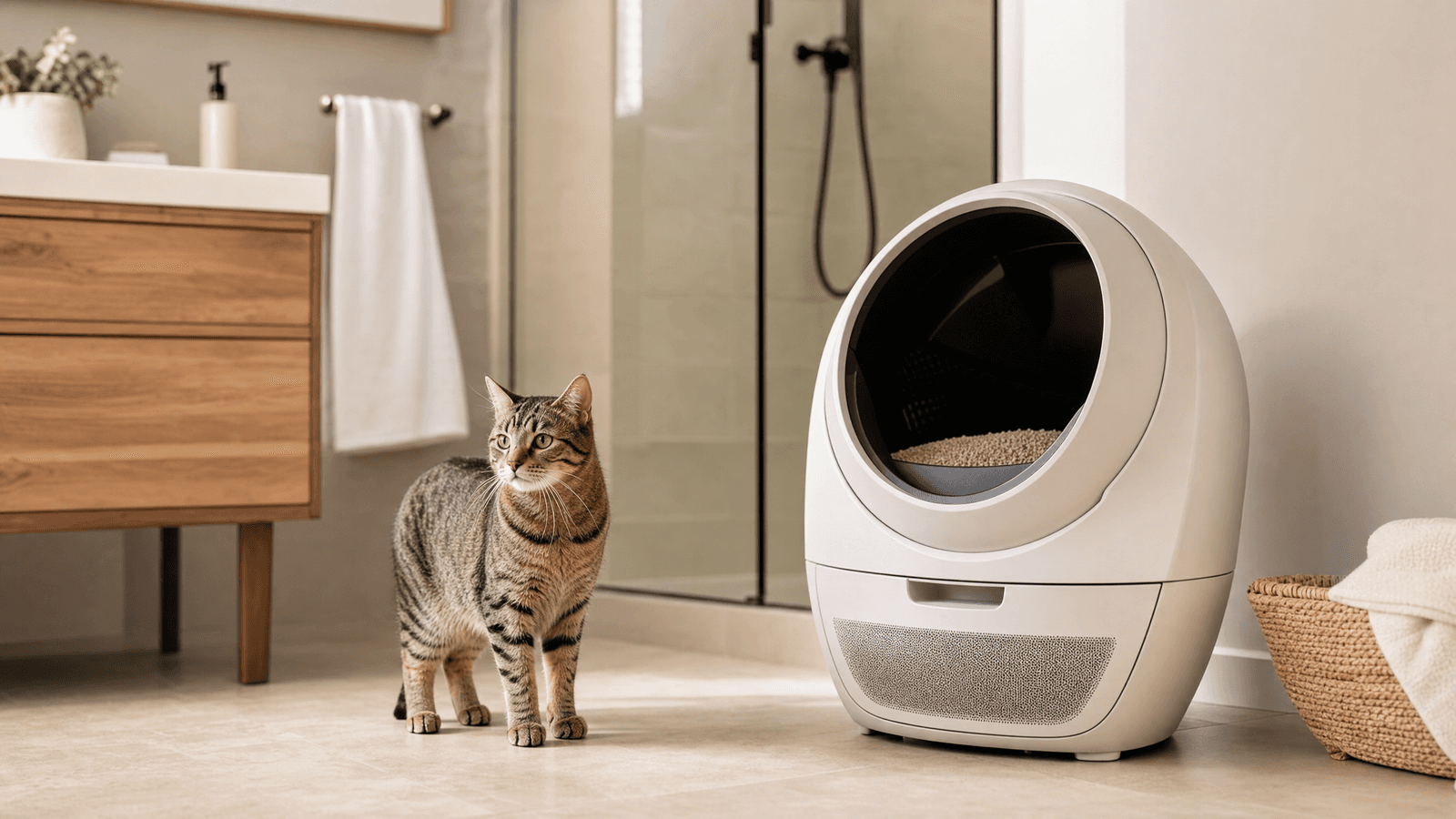
The Litter-Robot 4 promises a fresh home with its advanced odor control. We dive deep into its mechanisms, from carbon filters to sealed waste drawers, and share our real-world findings. Discover if this smart litter box lives up to its claims.
Read guide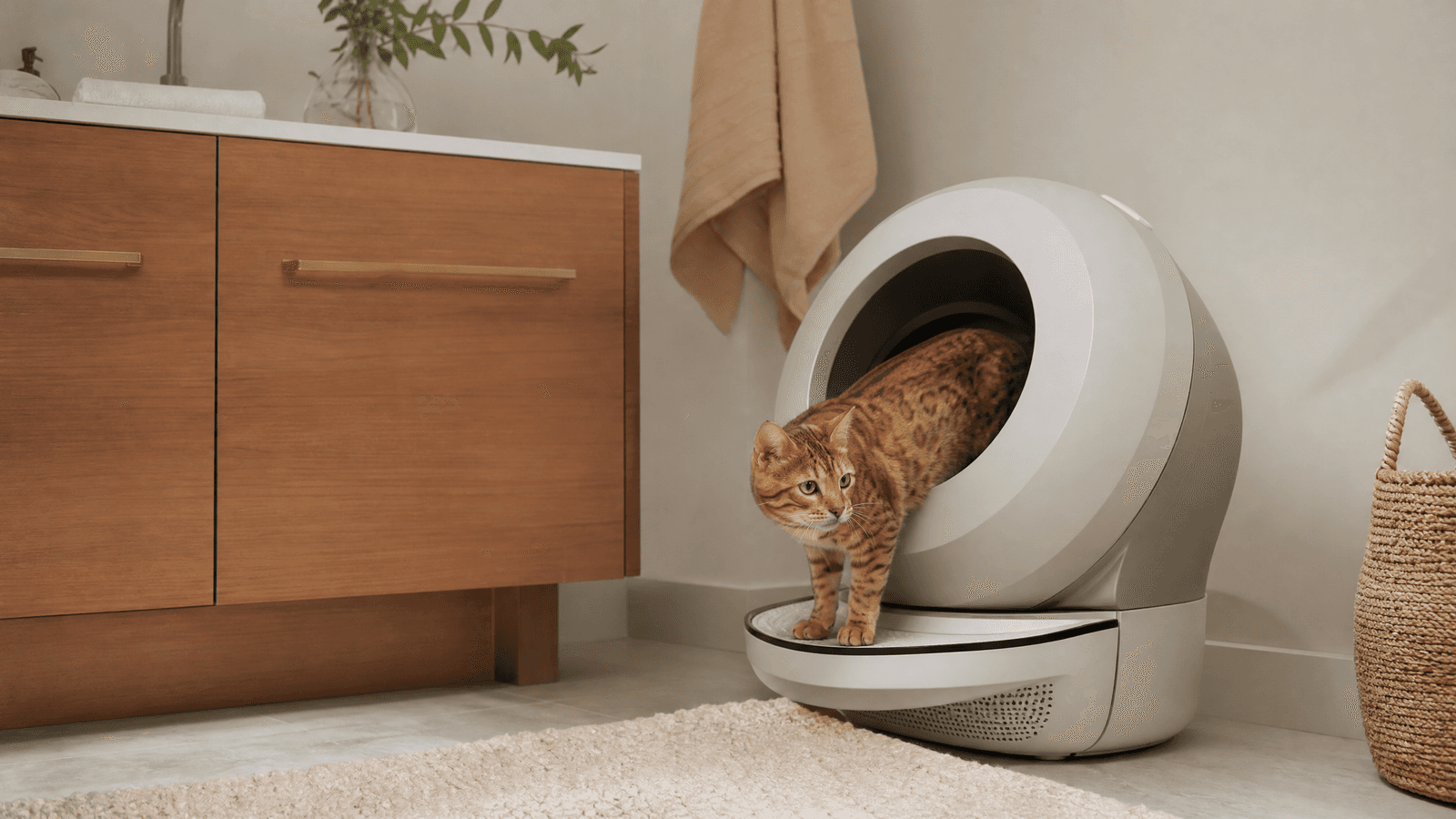
For cat parents with smaller felines, the idea of an automatic litter box like the Litter-Robot 4 can be appealing, but concerns about size and weight limits often arise. This review explores if this advanced device truly caters to the needs of small cats and how to ensure their successful adoption.
Read guide