SmartPawsGuides, comparisons & trusted resources — Guides & trusted resources — always independent.

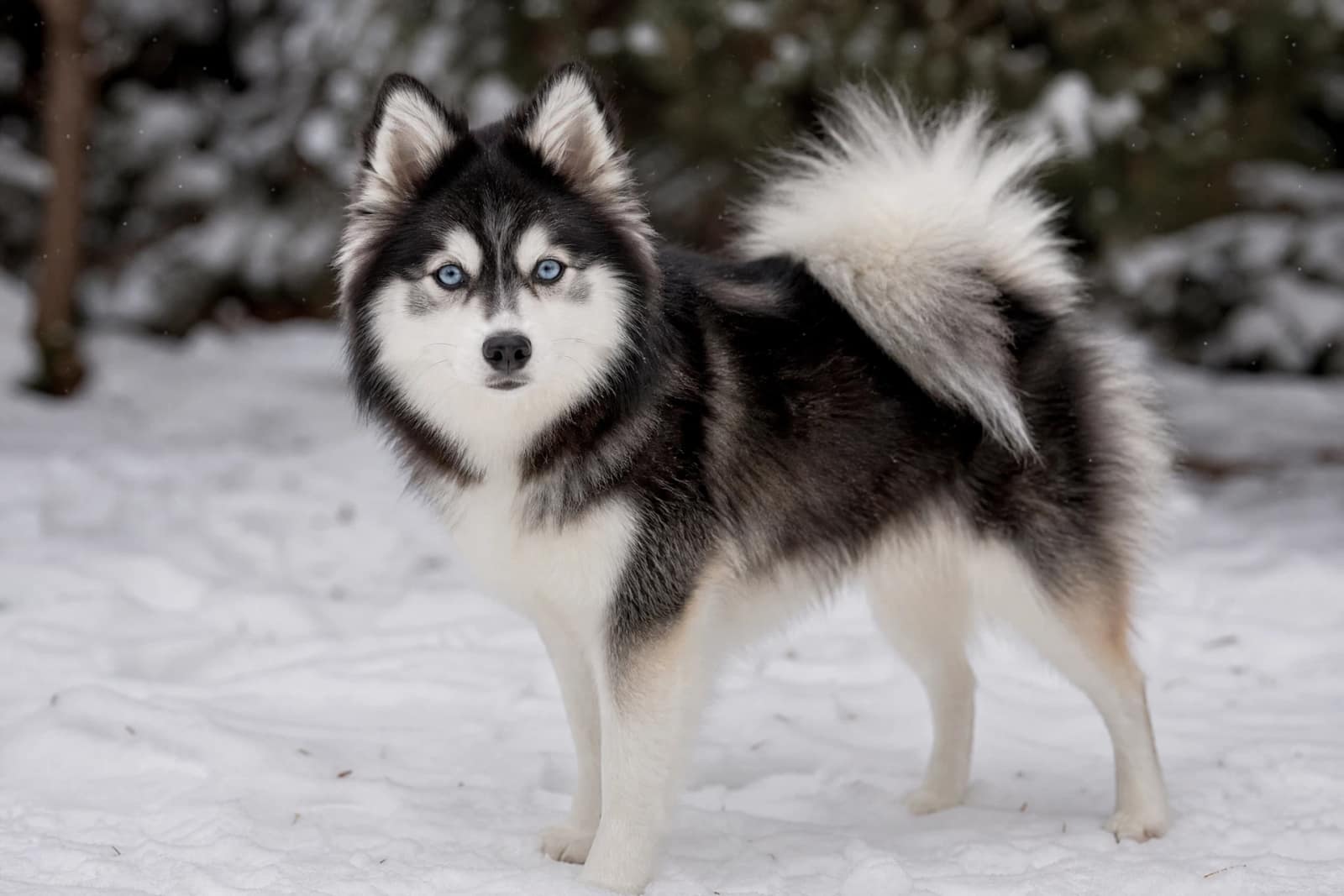
Pomsky
Pomeranian × Siberian Husky
Origin: United States
Weight
7–38 lbs
Height
10–15 inches
Lifespan
13–15 years
Coat
Thick double coat
Breeder Cost
$1,000–$5,000
Adoption Cost
$100–$400
Personality & Temperament
The Pomsky is a striking designer dog that combines the Pomeranian's bold personality with the Siberian Husky's athletic build and striking appearance. They are energetic, playful, and often vocal — inheriting the Husky's tendency to howl. Pomskies are highly variable in size and appearance, even within the same litter.
Best For
Active individuals or families, those who want a striking, energetic companion, experienced dog owners
Exercise & Activity Needs
Pomskies need 45–60 minutes of vigorous exercise daily. They are athletic and can be escape artists — always keep them on a leash or in a securely fenced yard. Their Husky heritage means they have a strong prey drive.
Grooming & Coat Care
The Pomsky's thick double coat sheds heavily twice a year and moderately year-round. Brushing 2–3 times weekly and daily brushing during shedding season is essential. Never shave a Pomsky.
Coat type: Thick double coat; moderate-to-heavy shedding
Common Health Conditions
Pomskies are a relatively new designer breed with limited health data. Buy from breeders who health-test both parents. Dental disease and eye conditions are the primary concerns.
Hip Dysplasia
Inherited from the Husky side. Buy from breeders who OFA-certify both parents.
Eye Conditions
Inherited from the Husky side. Annual eye exams are recommended.
Dental Disease
Inherited from the Pomeranian side. Daily dental care is essential.
Patellar Luxation
Inherited from the Pomeranian side. Common in small-to-medium breeds.
Allergies
Skin allergies are more common in Pomskies than many breeds.
History & Origin
The Pomsky is one of the newest designer breeds, first intentionally bred in the US around 2009–2012. They are created by crossing a Siberian Husky with a Pomeranian, typically through artificial insemination due to the significant size difference between the parent breeds. The breed gained viral attention in 2011 when photos of Finnish Spitz puppies were mistakenly shared as Pomsky puppies, driving enormous demand before the breed was even established.
Interesting Facts
- 1
Pomskies went viral in 2011 based on photos that were actually Finnish Spitz puppies — demand exploded before the breed even existed in significant numbers.
- 2
Due to the size difference between Huskies and Pomeranians, most Pomskies are bred through artificial insemination.
- 3
Their size is highly unpredictable — Pomskies can range from 7 to 38 lbs depending on which parent they take after.
- 4
They often inherit the Husky's vocal nature and the Pomeranian's tendency to bark — a very noisy combination.
- 5
The Pomsky Club of America was founded in 2012, just a few years after the breed was first created.
Cost of Ownership
Owning a Pomsky is a long-term financial commitment. Here's a realistic breakdown of what to budget for.
Annual Cost
$1,100–$2,000
First Year (incl. setup)
$2,800–$4,500
Small to medium portions; quality food important
Eye conditions, dental disease, and hip dysplasia possible
Thick double coat needs regular brushing and professional grooming
Intelligent but can be stubborn; early socialization critical
Secure fencing essential; Pomskies can be escape artists
Recommended for eye and orthopedic coverage
* Estimates based on national averages. Costs vary by location, lifestyle, and individual health needs. Emergency vet visits are not included.
Popularity & Adoption Trends
Estimated US Population
~100,000 in the US
Adoption Trend
Pomskies exploded in popularity after viral photos of their wolf-like appearance spread on social media in the early 2010s. However, their unpredictable size and temperament — ranging from Pomeranian-like to Husky-like — have led to many surrenders. Rescue organizations report increasing Pomsky intake from owners who didn't research the breed.
Plan daily life with your Pomsky
Use the guides below to compare practical options alongside this breed's care needs.
Pet Tech Essentials
The right technology makes dog ownership easier, safer, and more connected — whether you're home or away. These are the products our editors consider must-haves for every dog owner.
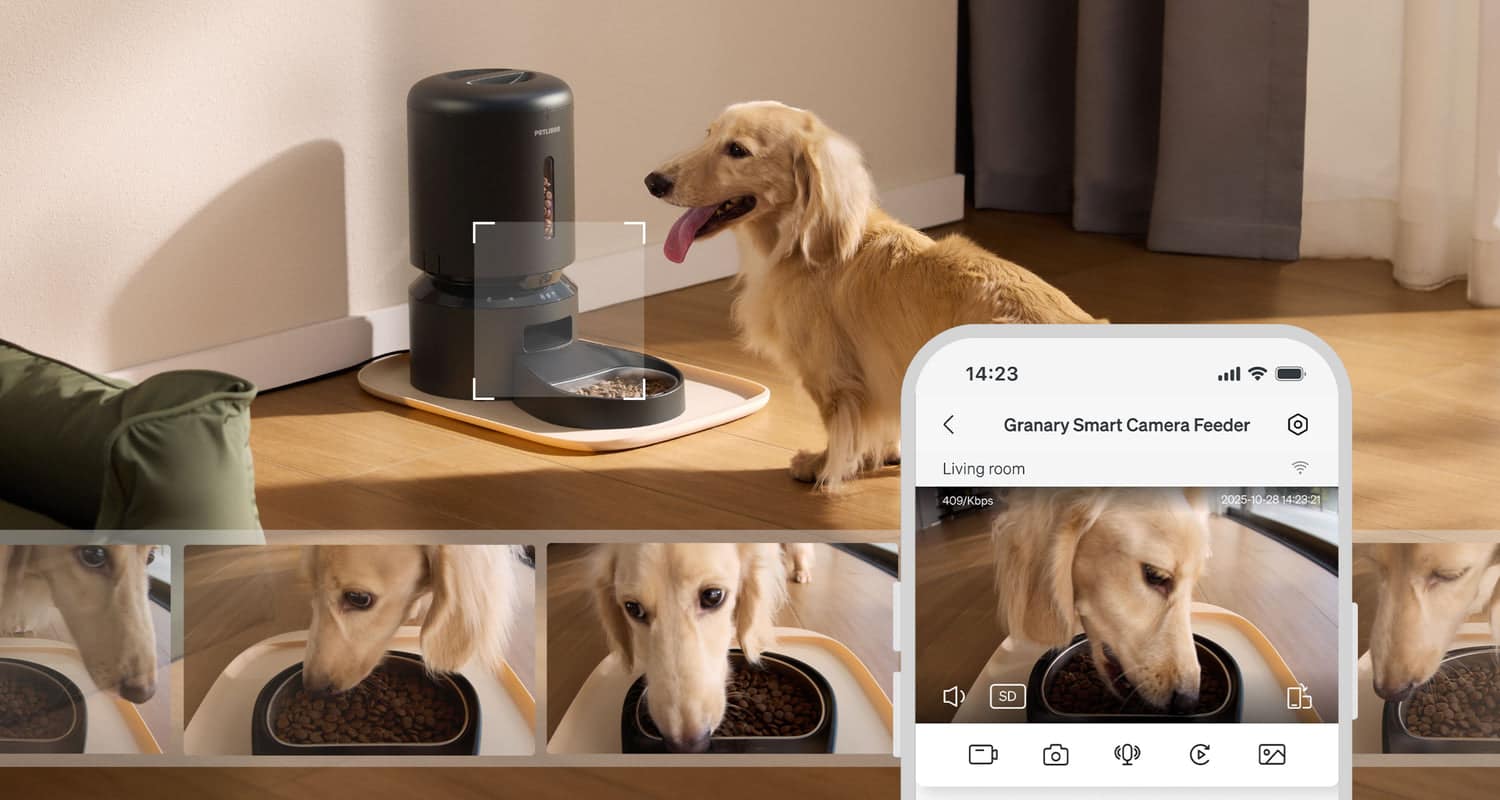
Automatic Feeder
Schedule precise meals so your dog eats right — even when you're not home.

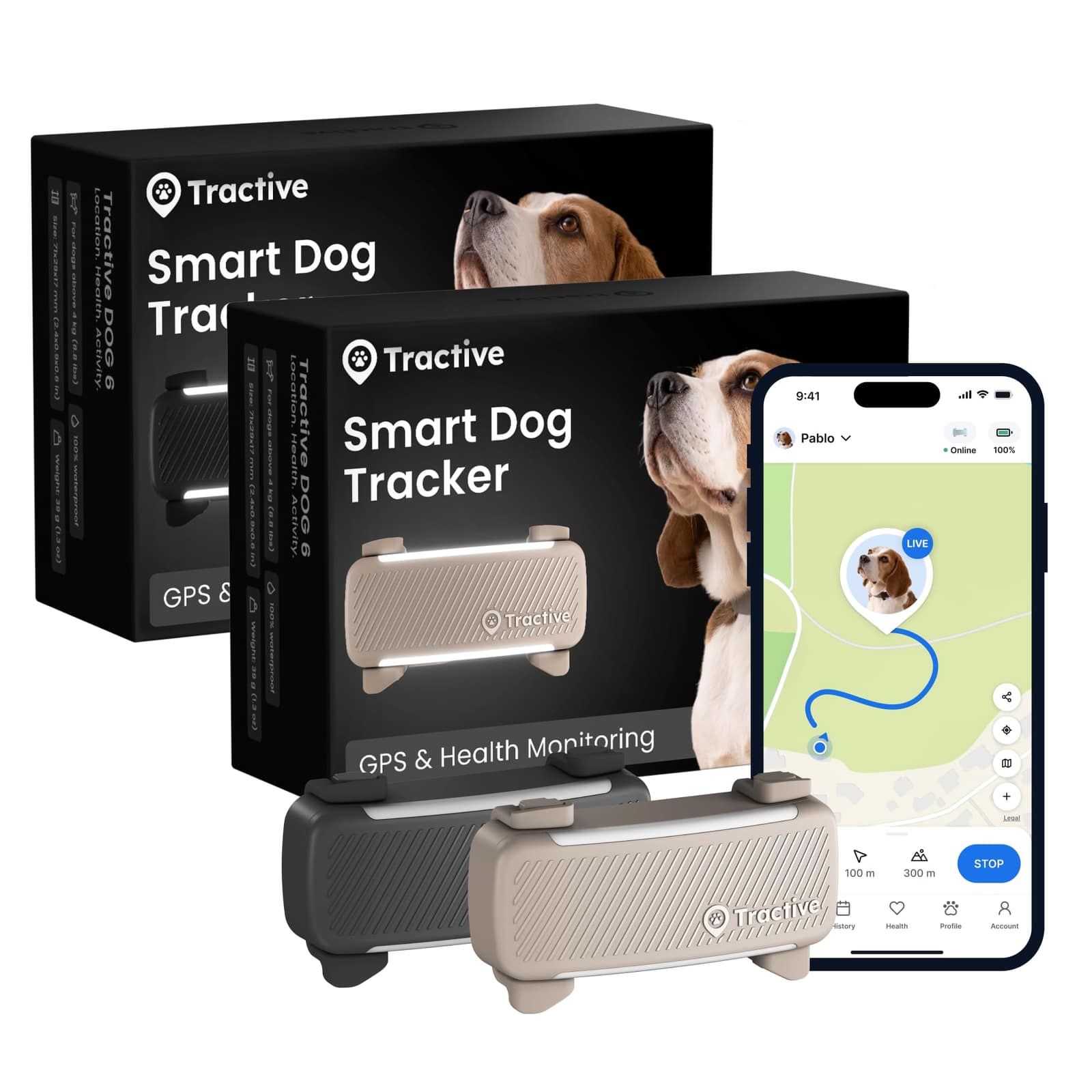
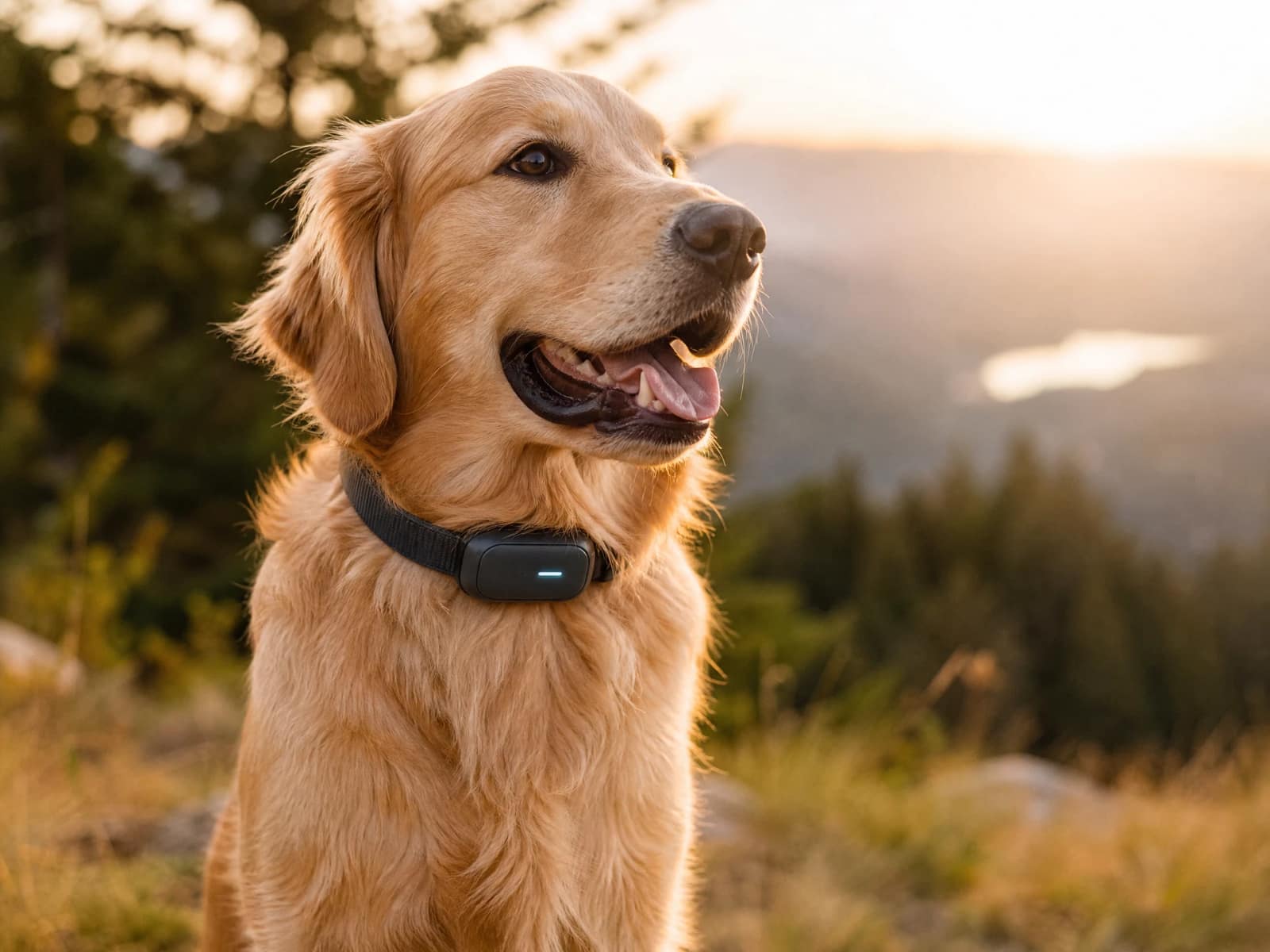
GPS Tracker
Real-time location tracking — because dogs follow their nose, not the fence line.
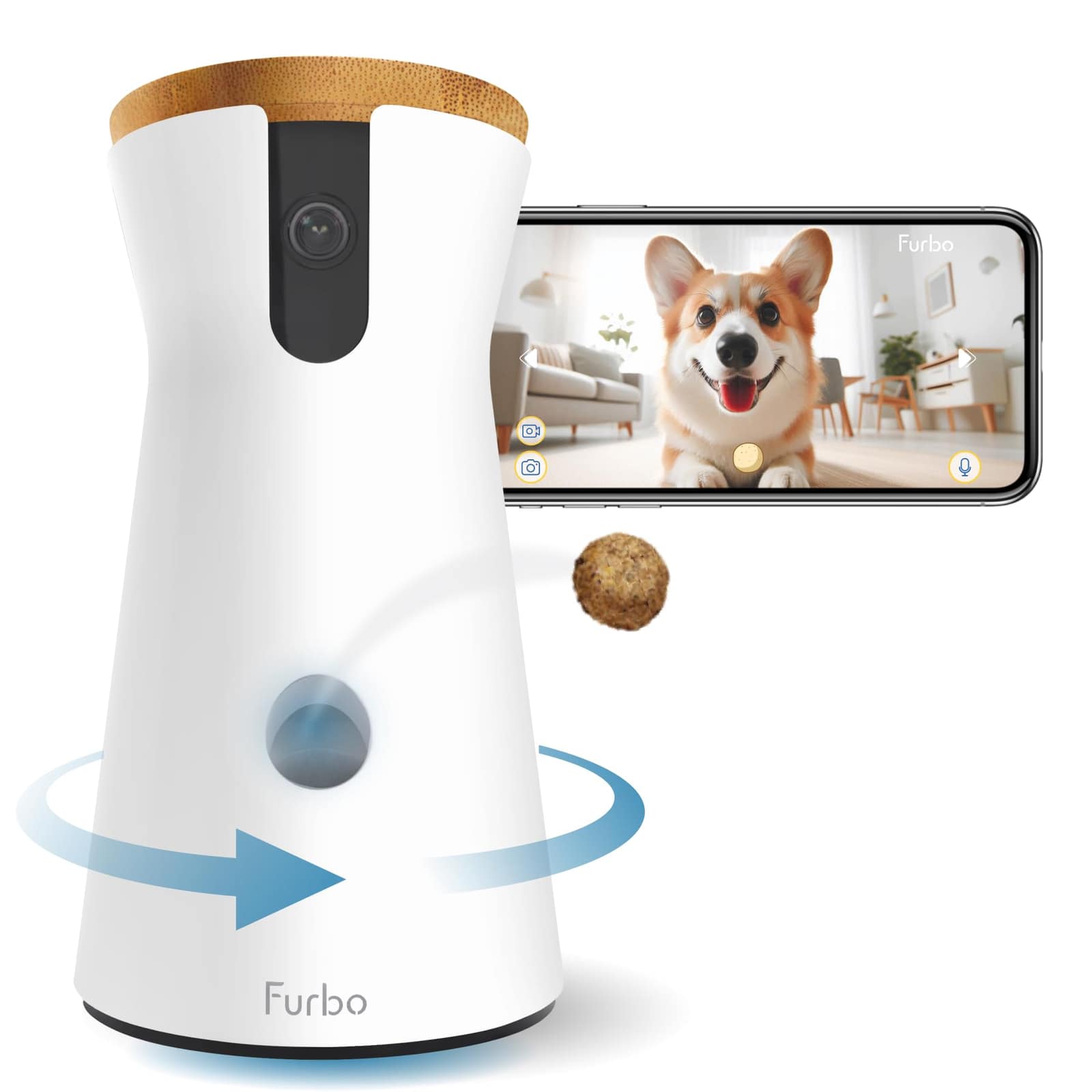
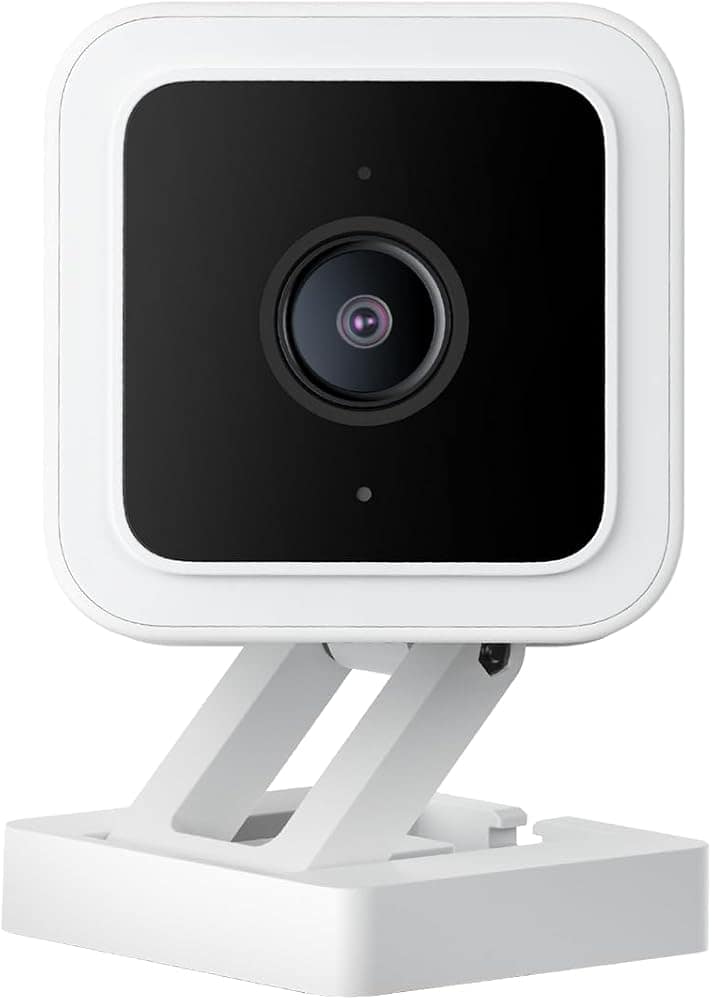
Pet Camera
Two-way audio and HD video — stay connected and soothe your dog from anywhere.

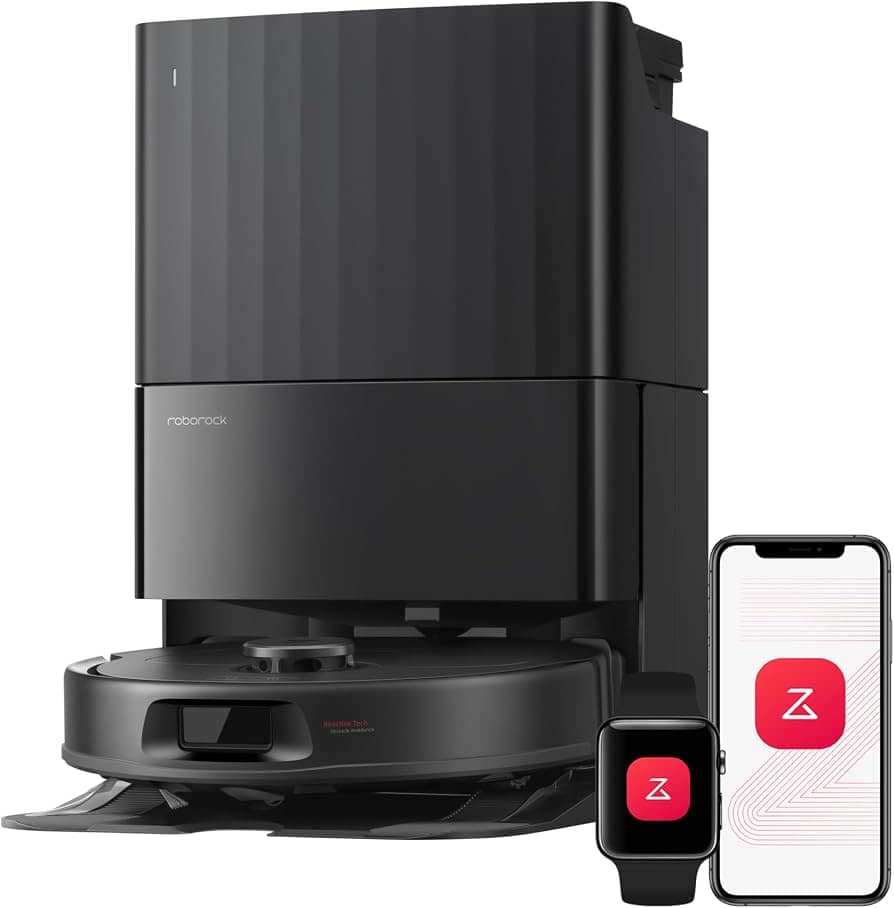
Robot Vacuum
Built for pet hair — keeps your home clean without lifting a finger.
Recommended Products by Life Stage
Products marked with SmartPaws Recommended are ones we've independently reviewed and recommend across the site. All Amazon links include our affiliate tag — purchases support SmartPaws at no extra cost to you.
Puppy / Kitten Stage
Adult Stage
GPS Tracker
Fi Series 3+ Smart GPS Dog Collar
Pomskies can be escape artists — GPS tracking is essential.
SmartPaws RecommendedDeshedding Tool
FURminator Undercoat Deshedding Tool
Pomskies shed heavily — the FURminator is essential for coat management.
SmartPaws RecommendedDental Care
Oxyfresh Premium Pet Dental Water Additive
Dental disease is a concern — water additive is the easiest daily solution.
SmartPaws RecommendedBreed Traits
Temperament
Climate & Physical
Compatibility
Rural & Outdoor
Scores reflect breed tendencies. Individual training significantly affects both livestock safety and off-leash reliability.
Health & Longevity
Based on breed-specific genetic health risks and common conditions
Consider Adopting
Many Pomskys are waiting in shelters and breed-specific rescues. Adoption costs are typically $100–$400 vs. $1,000–$5,000 from a breeder.
Read our Rescue Guide →Download the Pomsky Guide
Get a printable PDF with traits, cost of ownership, health notes, and best-fit summary — free.