SmartPawsGuides, comparisons & trusted resources — Guides & trusted resources — always independent.

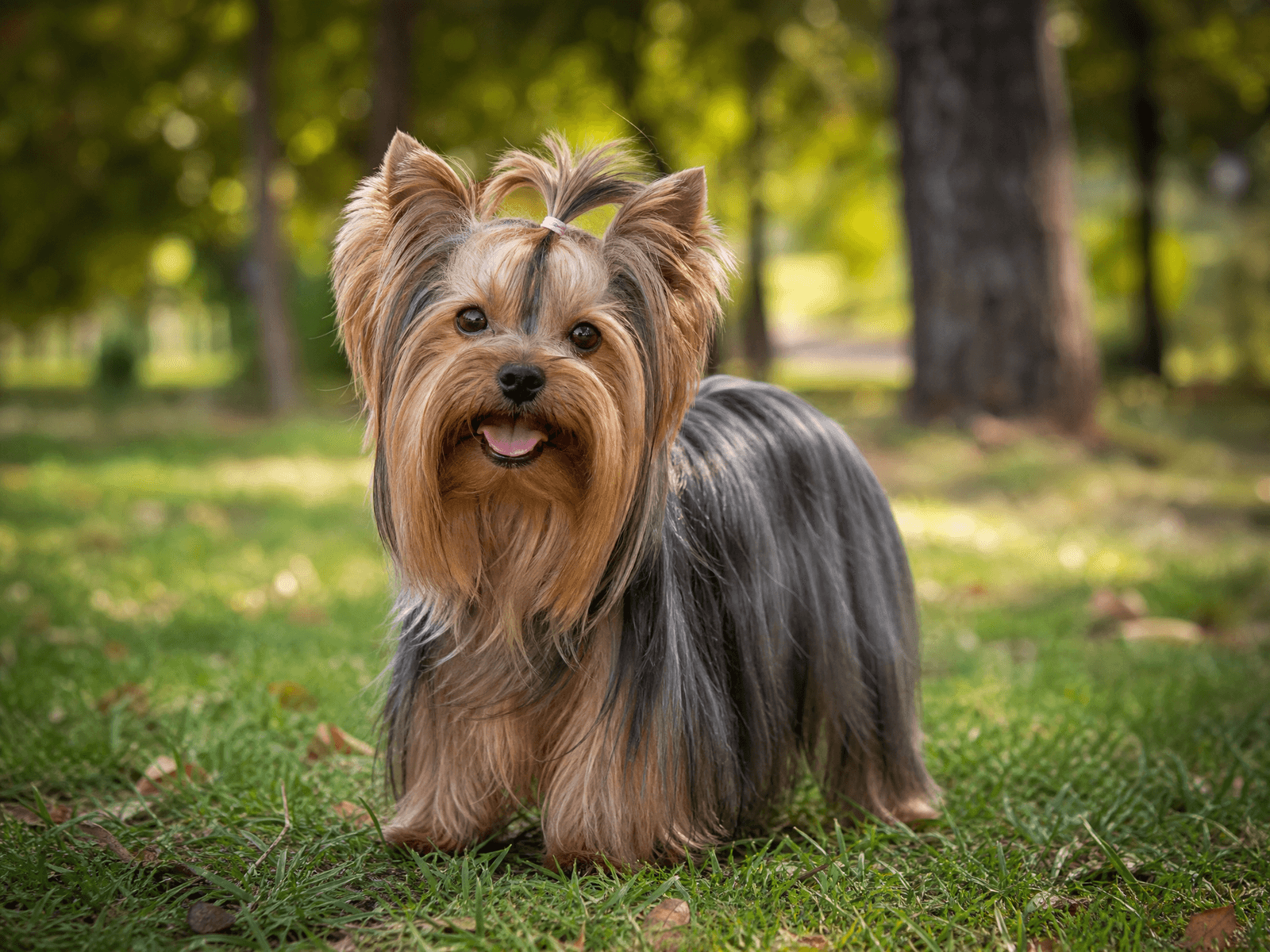
Yorkshire Terrier
Origin: England
Weight
7 lbs or under
Height
7–8 inches
Lifespan
13–16 years
Coat
Long, silky, human-hair-like coat
Breeder Cost
$1,000–$3,000
Adoption Cost
$50–$200
Personality & Temperament
Yorkshire Terriers are tiny dogs with enormous personalities. They are bold, feisty, and completely unaware of their small size. Yorkies are affectionate and devoted to their families but can be territorial and vocal. Their silky coat and compact size make them popular city dogs, and their low-shedding coat is a bonus for allergy sufferers.
Best For
Apartment dwellers, singles, seniors, allergy sufferers who want a low-shedding companion
Exercise & Activity Needs
Yorkies need 20–30 minutes of exercise daily. Short walks and indoor play sessions are sufficient. They are adaptable and can get much of their exercise through indoor play.
Grooming & Coat Care
The Yorkie's long, silky coat requires daily brushing to prevent tangles and mats. Many owners opt for a shorter 'puppy cut' that requires less maintenance. Professional grooming every 6–8 weeks is recommended. Their coat grows continuously and never sheds.
Coat type: Long, silky, human-hair-like coat; low-shedding
Common Health Conditions
Yorkies are generally healthy and long-lived. Dental disease, patellar luxation, and tracheal collapse are the primary concerns. Always use a harness rather than a collar to protect the trachea.
Patellar Luxation
The kneecap slips out of place, causing intermittent skipping or lameness. Very common in small breeds.
Tracheal Collapse
The tracheal rings weaken and collapse, causing a characteristic honking cough. Use a harness instead of a collar to reduce tracheal pressure.
Dental Disease
Small mouths are crowded with teeth, leading to rapid tartar buildup. Daily dental care is essential.
Portosystemic Shunt
A congenital liver condition where blood bypasses the liver. Signs include poor growth, neurological symptoms, and vomiting.
Hypoglycemia
Low blood sugar is a risk in puppies and very small adults. Feed small, frequent meals.
History & Origin
The Yorkshire Terrier was developed in 19th-century Yorkshire and Lancashire, England, by Scottish workers who migrated to work in the textile mills. They crossed various terrier breeds — including the Waterside Terrier, Paisley Terrier, and Clydesdale Terrier — to create a small but fierce ratter that could chase vermin in the mills and mine shafts. The breed transitioned from working-class ratter to Victorian high-society fashion accessory within a single generation.
Interesting Facts
- 1
Yorkshire Terriers were originally bred as ratters in Yorkshire textile mills — their glamorous show coat came later.
- 2
A Yorkie named Smoky is considered one of the first therapy dogs in history, visiting wounded soldiers in WWII Pacific hospitals.
- 3
Their silky coat grows continuously like human hair rather than shedding — making them hypoallergenic.
- 4
Despite weighing only 7 lbs, Yorkies have the bold, fearless personality of a much larger terrier.
- 5
The breed was officially named 'Yorkshire Terrier' in 1870 by a reporter who felt the breed deserved recognition for the county where it was developed.
Cost of Ownership
Owning a Yorkshire Terrier is a long-term financial commitment. Here's a realistic breakdown of what to budget for.
Annual Cost
$900–$1,800
First Year (incl. setup)
$2,200–$4,000
Small portions; high-quality small-breed formula
Dental disease, collapsed trachea, and liver shunts possible
Silky coat requires professional grooming every 6–8 weeks
Feisty and smart; early socialization prevents barkiness
Harnesses over collars to protect the trachea
Recommended; liver shunts and tracheal issues can be costly
* Estimates based on national averages. Costs vary by location, lifestyle, and individual health needs. Emergency vet visits are not included.
Popularity & Adoption Trends
Estimated US Population
~2 million in the US
Adoption Trend
Yorkshire Terriers remain one of the most popular toy breeds in the US, particularly among apartment dwellers and seniors. Their hypoallergenic coat and portable size make them ideal city dogs. Social media has amplified their popularity, with 'Yorkie' content generating millions of views.
Plan daily life with your Yorkshire Terrier
Use the guides below to compare practical options alongside this breed's care needs.
Pet Tech Essentials
The right technology makes dog ownership easier, safer, and more connected — whether you're home or away. These are the products our editors consider must-haves for every dog owner.
Automatic Feeder
Schedule precise meals so your dog eats right — even when you're not home.


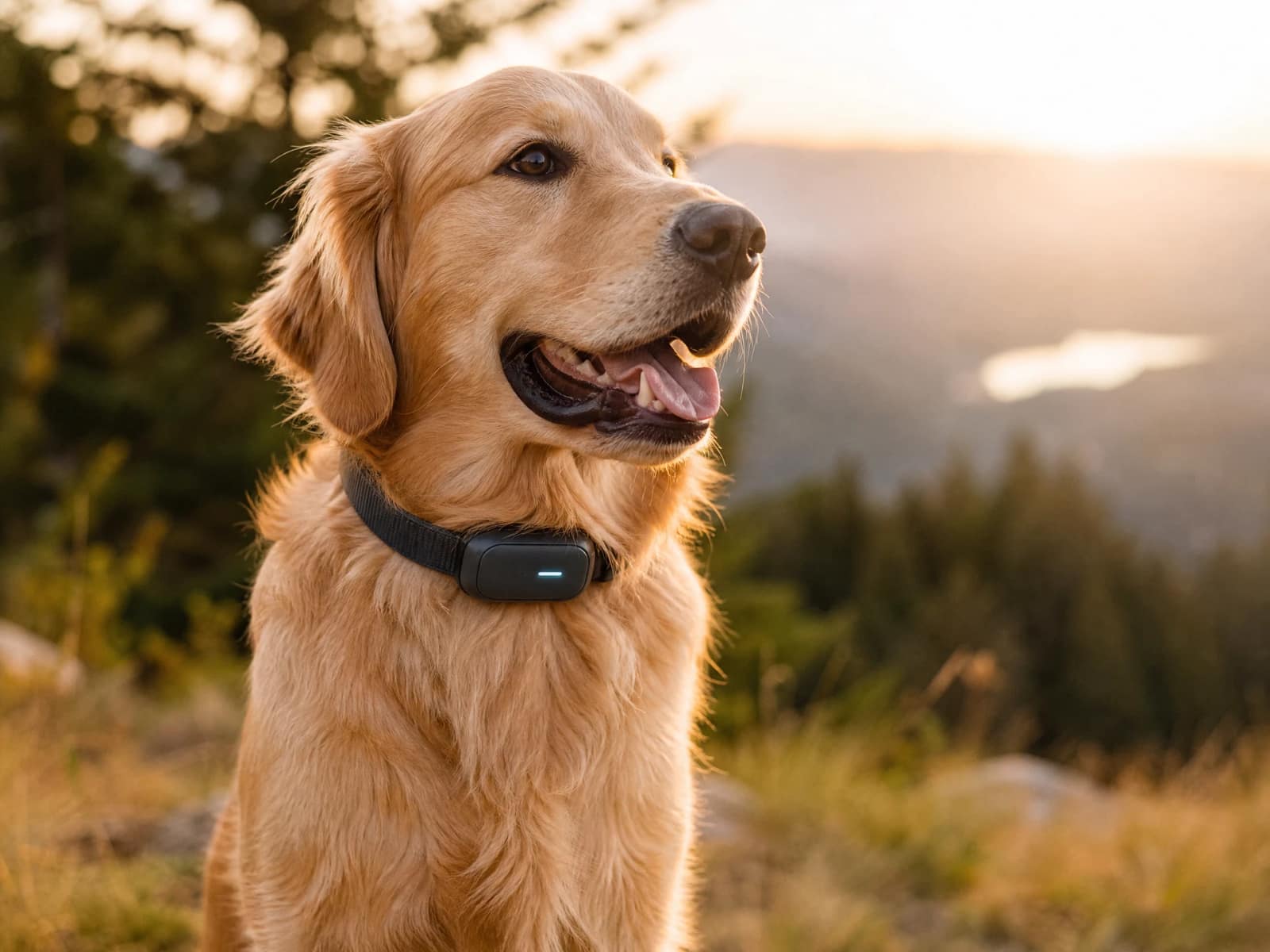
GPS Tracker
Real-time location tracking — because dogs follow their nose, not the fence line.

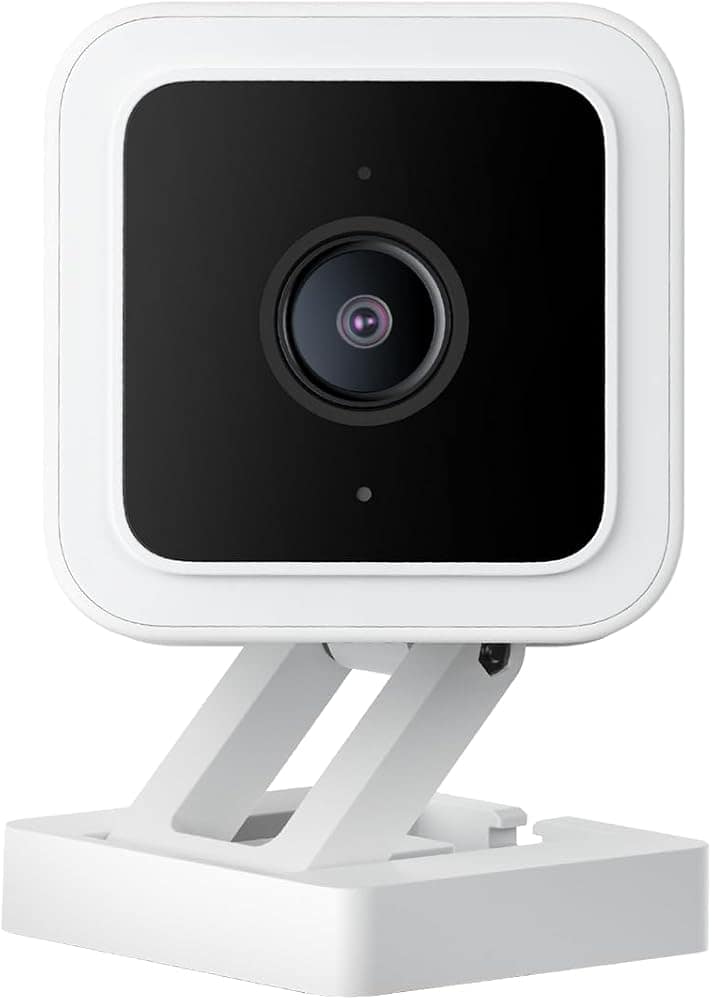
Pet Camera
Two-way audio and HD video — stay connected and soothe your dog from anywhere.


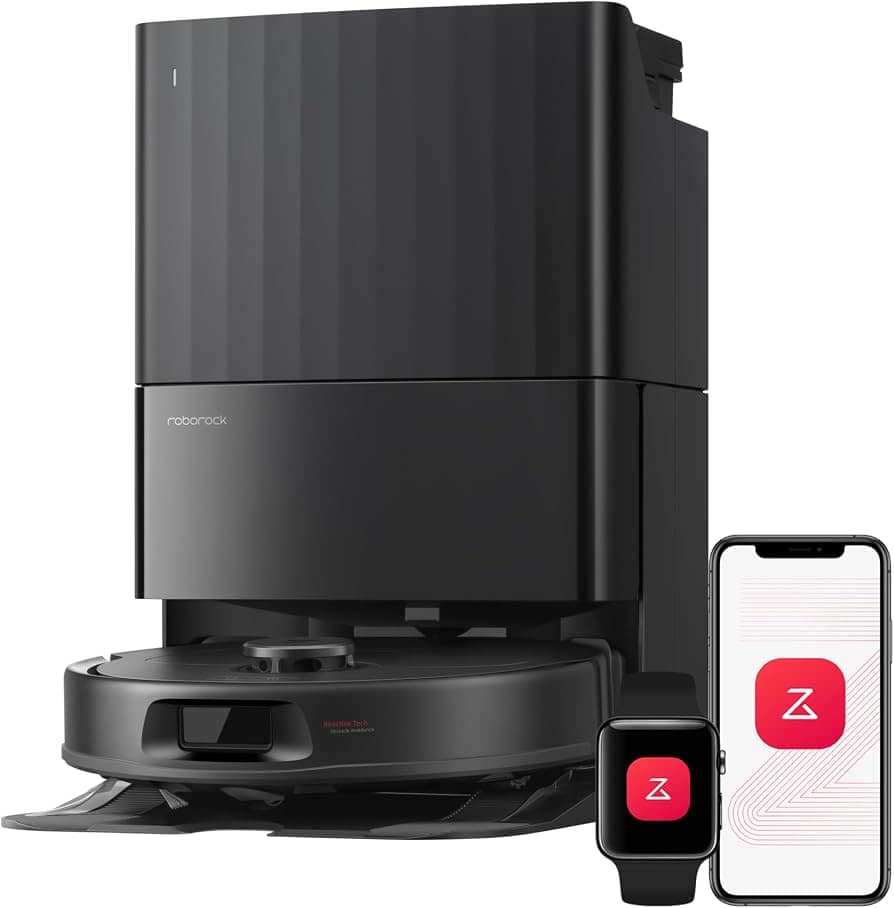
Robot Vacuum
Built for pet hair — keeps your home clean without lifting a finger.
Recommended Products by Life Stage
Products marked with SmartPaws Recommended are ones we've independently reviewed and recommend across the site. All Amazon links include our affiliate tag — purchases support SmartPaws at no extra cost to you.
Puppy / Kitten Stage
Adult Stage
Dental Care
Vet's Best Enzymatic Dog Toothpaste Kit
Daily brushing is essential for Yorkies prone to dental disease.
SmartPaws RecommendedCalming Aid
ThunderShirt Classic Dog Anxiety Jacket
Helps anxious Yorkies during storms, fireworks, and travel.
SmartPaws RecommendedSmart Feeder
PetSafe Smart Feed Automatic Feeder
Yorkies need small, frequent meals. A smart feeder prevents hypoglycemia common in tiny breeds.
SmartPaws RecommendedPet Camera
Furbo 360° Dog Camera
Yorkies are vocal and social — check in and toss a treat to keep them calm while you're out.
SmartPaws RecommendedBreed Traits
Temperament
Climate & Physical
Compatibility
Rural & Outdoor
Scores reflect breed tendencies. Individual training significantly affects both livestock safety and off-leash reliability.
Health & Longevity
Based on breed-specific genetic health risks and common conditions
Consider Adopting
Many Yorkshire Terriers are waiting in shelters and breed-specific rescues. Adoption costs are typically $50–$200 vs. $1,000–$3,000 from a breeder.
Read our Rescue Guide →How to Train a Yorkshire Terrier
Breed-specific challenges, techniques, and training timeline — written specifically for Yorkshire Terrier owners.
Read Training GuideDownload the Yorkshire Terrier Guide
Get a printable PDF with traits, cost of ownership, health notes, and best-fit summary — free.