SmartPawsGuides, comparisons & trusted resources — Guides & trusted resources — always independent.

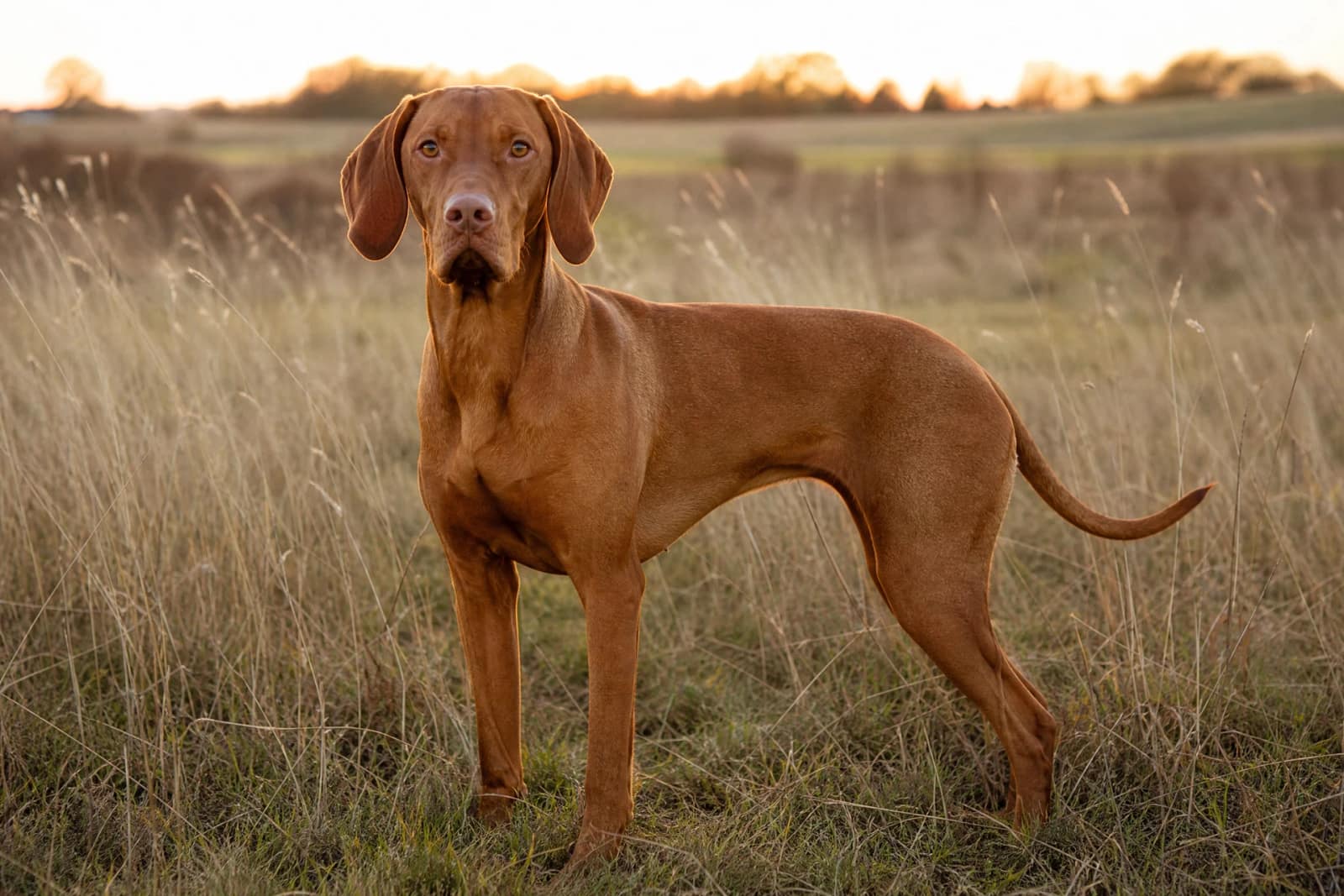
Vizsla
Origin: Hungary
Weight
44–60 lbs
Height
21–24 inches
Lifespan
12–14 years
Coat
Short, smooth, dense, rust-gold coat
Breeder Cost
$1,000–$3,000
Adoption Cost
$50–$300
Personality & Temperament
The Vizsla is Hungary's national dog — a gentle, affectionate, and highly athletic sporting breed. They are known as 'velcro dogs' for their intense desire to be with their people at all times. Vizslas are sensitive and respond poorly to harsh training methods. They are excellent family dogs for active households and excel at virtually every dog sport.
Best For
Very active individuals or families, runners, hunters, those who want a devoted, athletic companion
Exercise & Activity Needs
Vizslas need 90+ minutes of vigorous exercise daily. They excel at running, swimming, hunting, agility, and dock diving. Without sufficient exercise, they become anxious and destructive. This is a breed for runners and outdoor enthusiasts.
Grooming & Coat Care
The Vizsla's short coat requires minimal grooming — weekly brushing and a bath every 6–8 weeks. They are relatively low-shedding. Their rust-gold coat has a natural sheen that requires no special products.
Coat type: Short, smooth, dense, rust-gold coat
Common Health Conditions
Vizslas are generally healthy and long-lived. Epilepsy and cancer are the primary concerns. Buy from breeders who health-test for hip dysplasia and PRA.
Hip Dysplasia
Common in sporting breeds. OFA certification from breeders is recommended.
Epilepsy
Idiopathic epilepsy is more common in Vizslas than many breeds.
Hypothyroidism
An underactive thyroid causing weight gain and lethargy.
Progressive Retinal Atrophy
A degenerative eye condition. DNA testing is available.
Lymphoma
Vizslas have a higher-than-average rate of lymphoma. Regular vet checkups are essential.
History & Origin
The Vizsla is Hungary's national dog, with a history spanning over 1,000 years. They were bred by the Magyar tribes of the Carpathian Basin as pointer-retriever hunting dogs, and appear in 14th-century stone etchings with Hungarian hunters. The breed nearly went extinct twice — once during WWI and again during WWII and the Soviet occupation of Hungary, when many Vizslas were killed or fled with Hungarian refugees. The breed was brought to the US by Hungarian refugees in the 1950s.
Interesting Facts
- 1
The Vizsla is Hungary's national dog and has been a symbol of Hungarian culture for over 1,000 years.
- 2
They are known as 'Velcro dogs' because of their intense need to be physically close to their owners at all times.
- 3
Vizslas are one of the few breeds that are both a pointer and a retriever — they can hunt upland birds and waterfowl.
- 4
The breed nearly went extinct during WWII — Hungarian refugees smuggled Vizslas out of the country to save the breed.
- 5
Vizslas are one of the most athletic dog breeds — they can run 40 mph and have been known to run ultramarathons with their owners.
Cost of Ownership
Owning a Vizsla is a long-term financial commitment. Here's a realistic breakdown of what to budget for.
Annual Cost
$1,200–$2,200
First Year (incl. setup)
$3,000–$5,000
Athletic breed needs quality high-protein diet
Generally healthy; hip dysplasia and epilepsy possible
Short, rust-colored coat; minimal grooming needs
Velcro dog; thrives on training and human connection
Puzzle toys and sporting equipment for this active breed
Moderate risk; generally a healthy breed
* Estimates based on national averages. Costs vary by location, lifestyle, and individual health needs. Emergency vet visits are not included.
Popularity & Adoption Trends
Estimated US Population
~150,000 in the US
Adoption Trend
Vizsla popularity has grown steadily as active families discover their combination of athletic performance, affectionate temperament, and low grooming needs. They are often called the 'Velcro dog' for their intense attachment to their owners. Their rise in popularity has been driven by word of mouth among runners and outdoor enthusiasts.
Plan daily life with your Vizsla
Use the guides below to compare practical options alongside this breed's care needs.
Pet Tech Essentials
The right technology makes dog ownership easier, safer, and more connected — whether you're home or away. These are the products our editors consider must-haves for every dog owner.
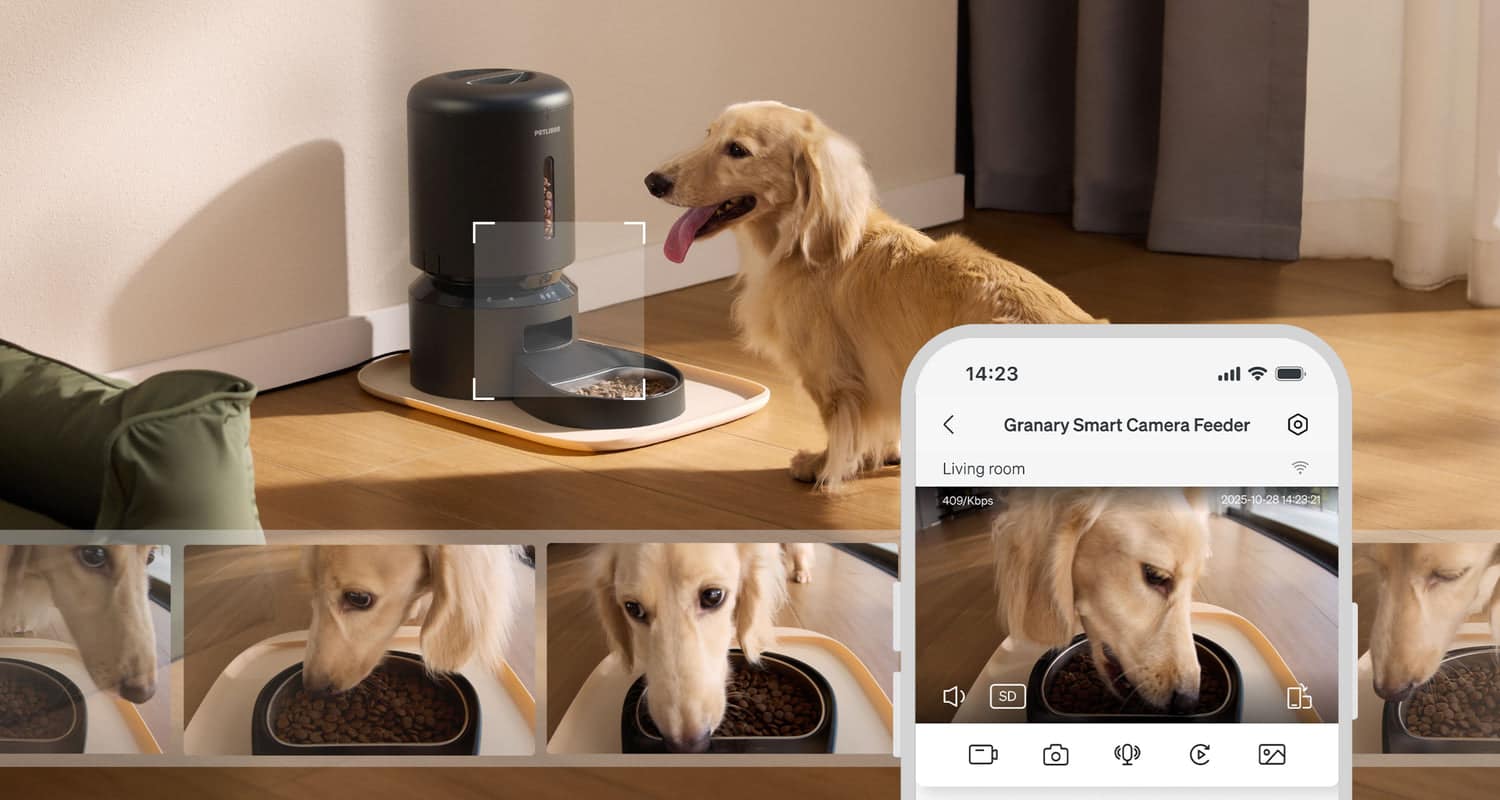
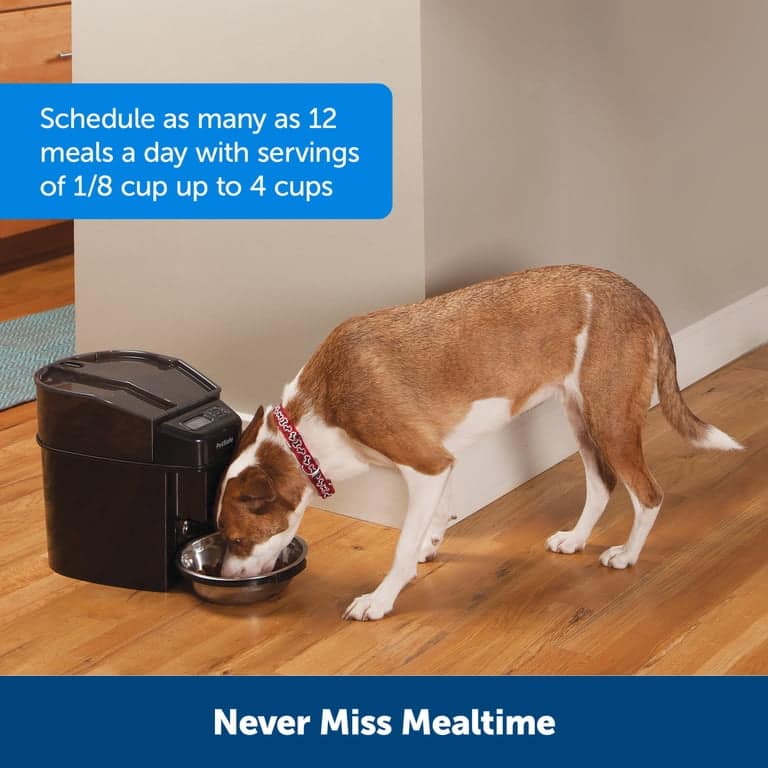
Automatic Feeder
Schedule precise meals so your dog eats right — even when you're not home.
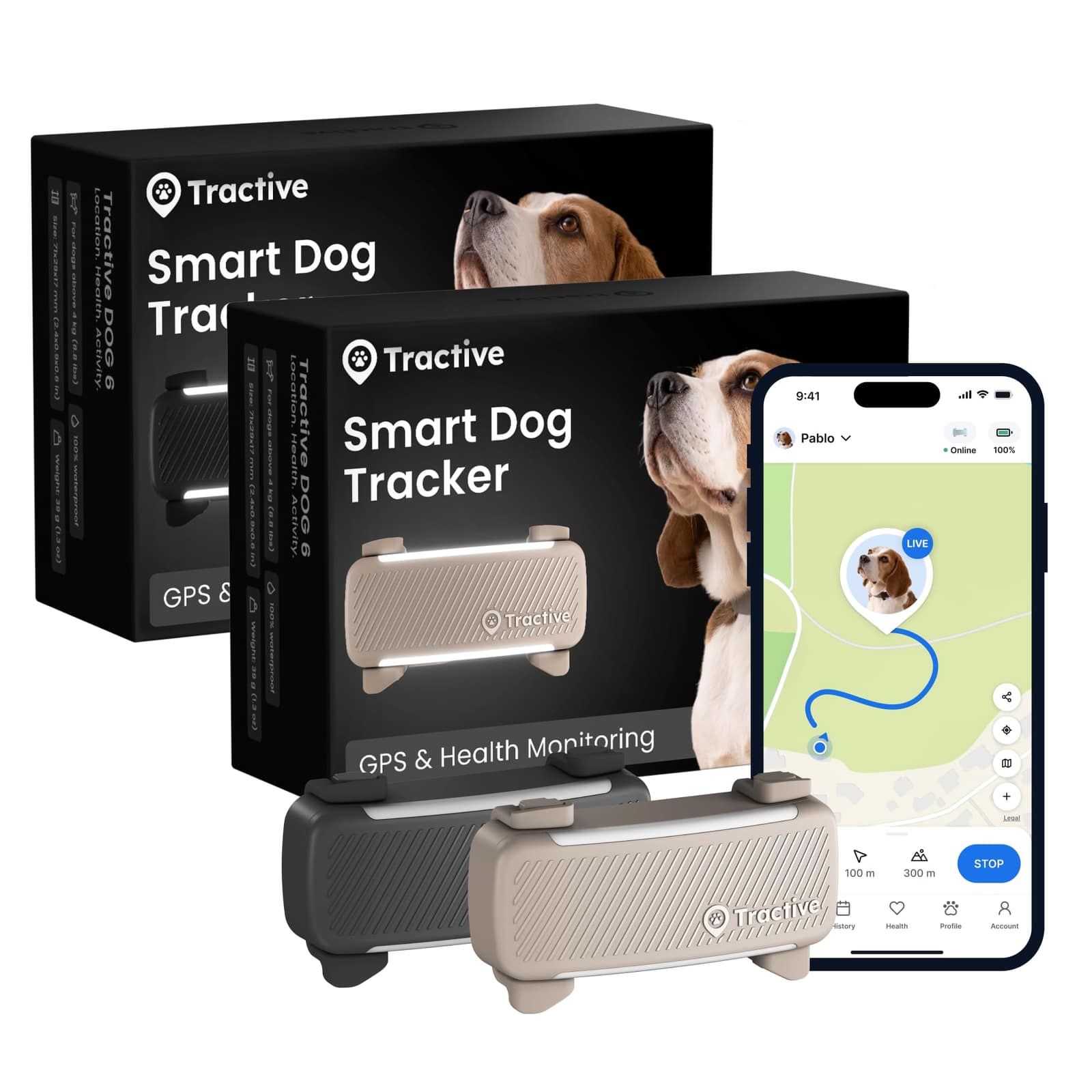
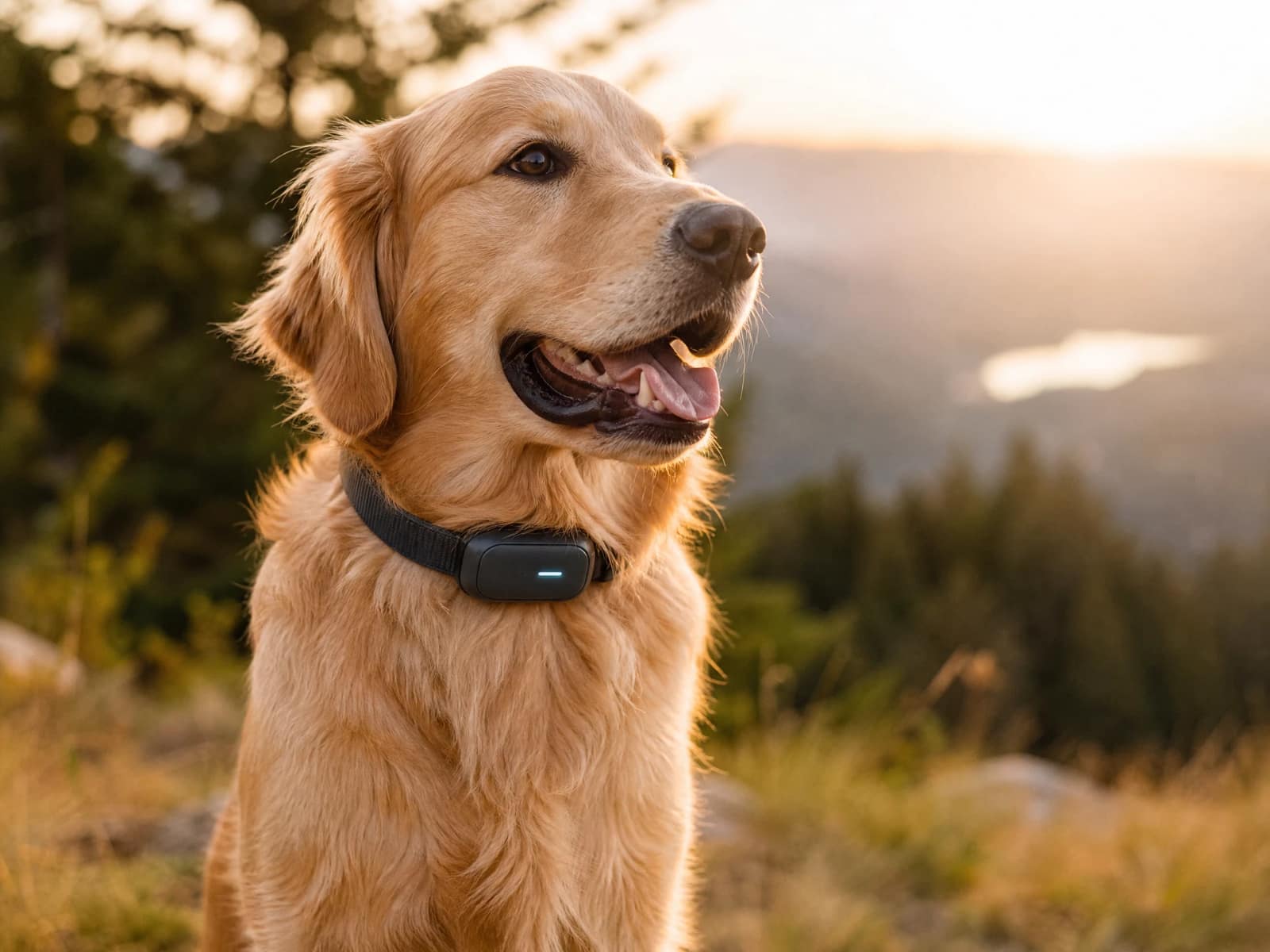
GPS Tracker
Real-time location tracking — because dogs follow their nose, not the fence line.
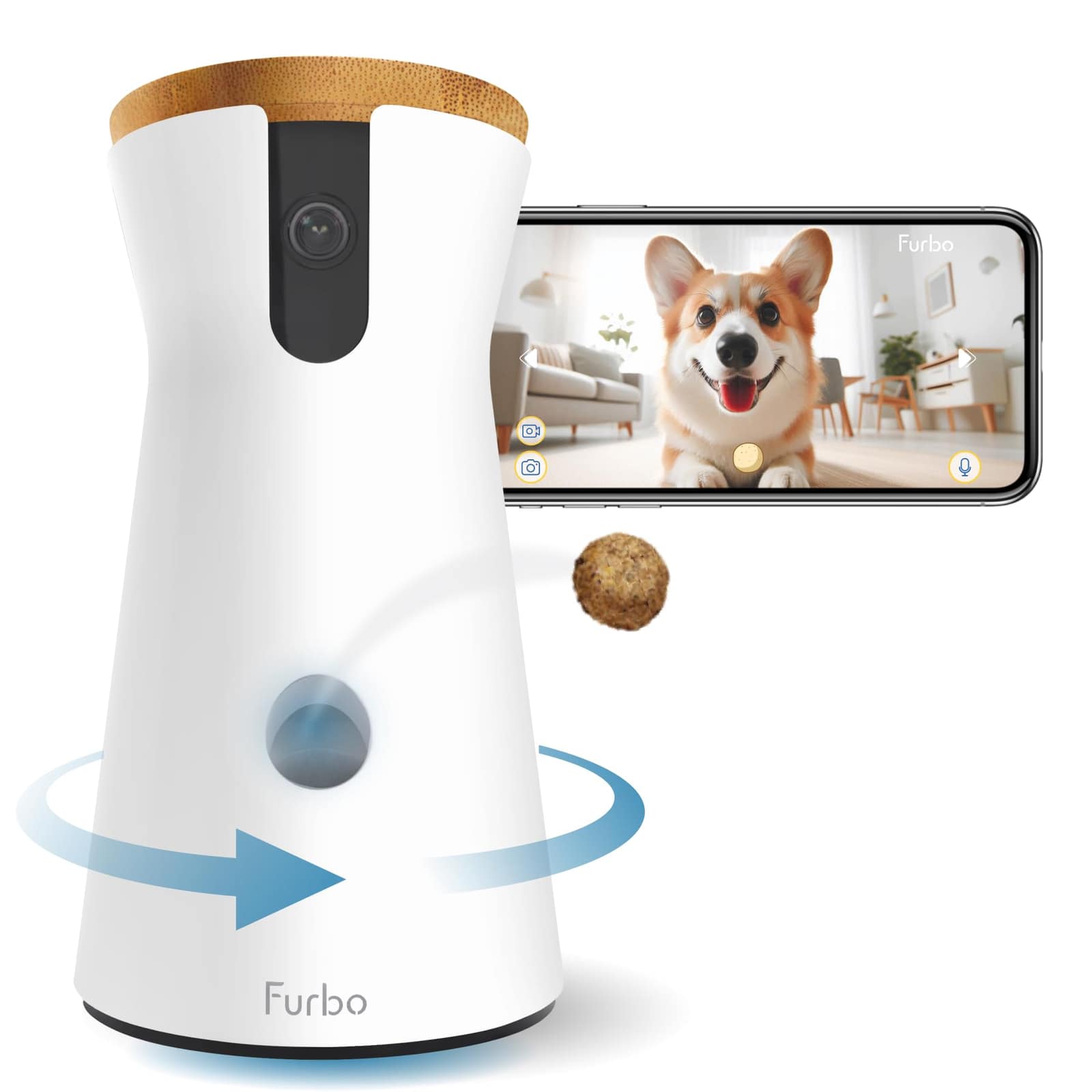
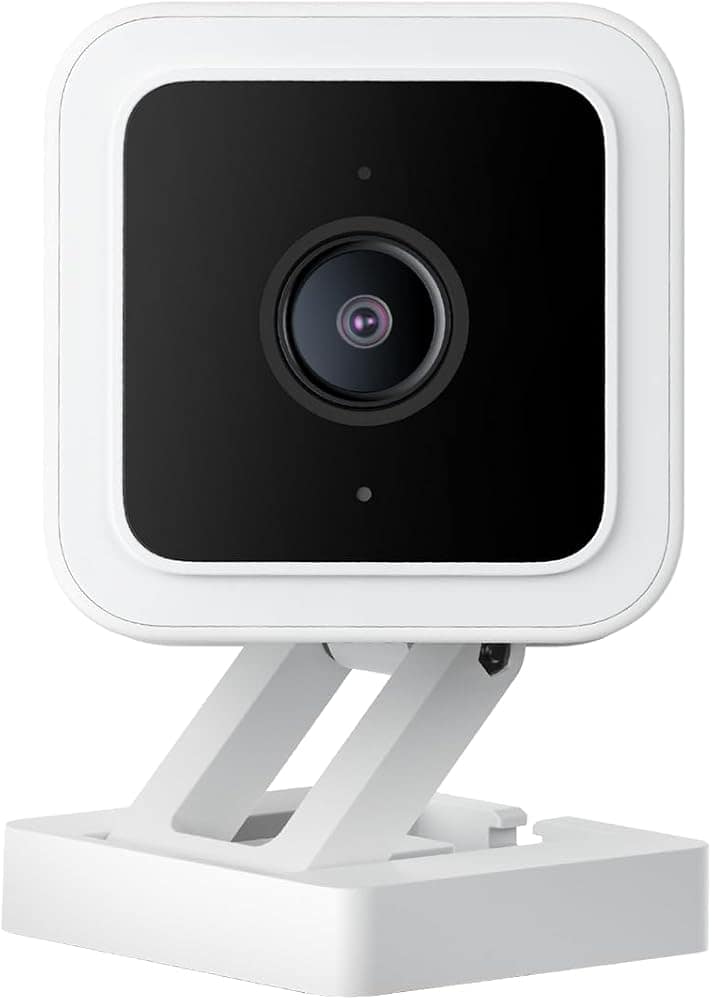
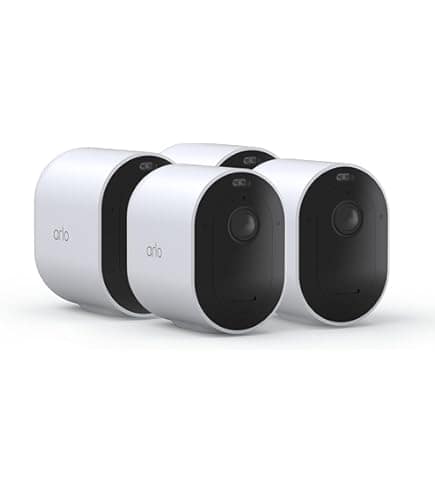
Pet Camera
Two-way audio and HD video — stay connected and soothe your dog from anywhere.
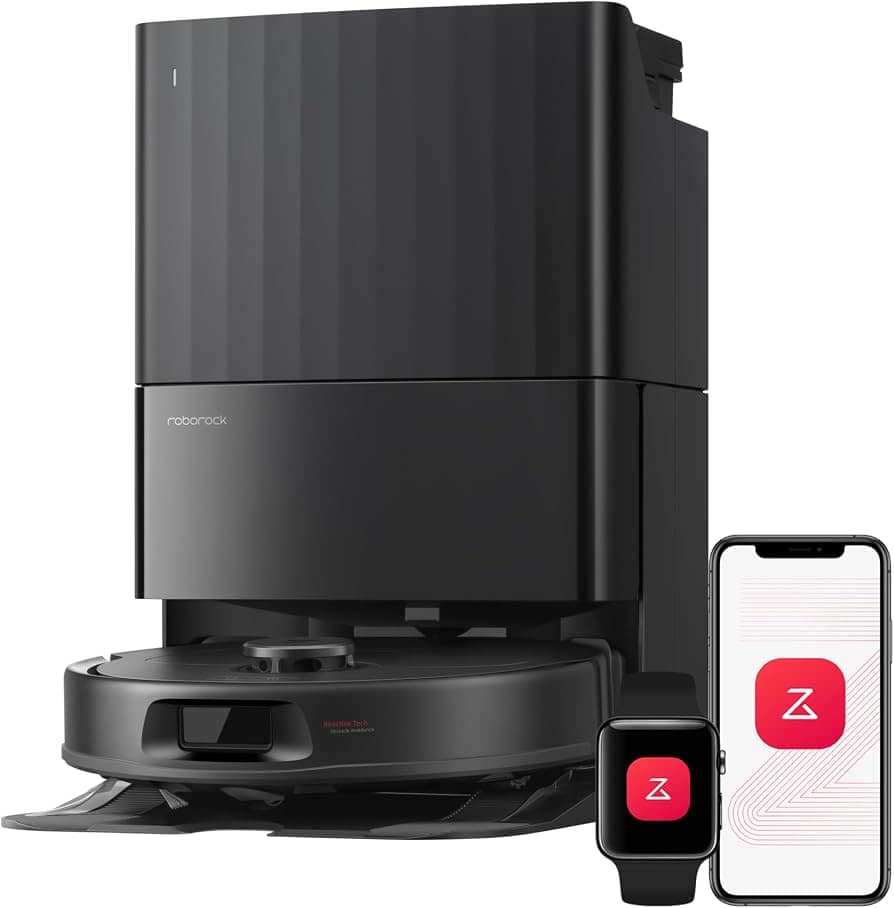
Robot Vacuum
Built for pet hair — keeps your home clean without lifting a finger.
Recommended Products by Life Stage
Products marked with SmartPaws Recommended are ones we've independently reviewed and recommend across the site. All Amazon links include our affiliate tag — purchases support SmartPaws at no extra cost to you.
Puppy / Kitten Stage
Adult Stage
GPS Tracker
Fi Series 3+ Smart GPS Dog Collar
Athletic Vizslas can cover ground quickly — GPS tracking is essential.
SmartPaws RecommendedCalming Aid
Adaptil Calm Home Diffuser for Dogs
Vizslas are prone to separation anxiety — Adaptil helps reduce stress.
SmartPaws RecommendedJoint Supplement
Nutramax Cosequin Maximum Strength Joint Supplement
Proactive joint support for an intensely athletic sporting breed.
SmartPaws RecommendedBreed Traits
Temperament
Climate & Physical
Compatibility
Rural & Outdoor
Scores reflect breed tendencies. Individual training significantly affects both livestock safety and off-leash reliability.
Health & Longevity
Based on breed-specific genetic health risks and common conditions
Consider Adopting
Many Vizslas are waiting in shelters and breed-specific rescues. Adoption costs are typically $50–$300 vs. $1,000–$3,000 from a breeder.
Read our Rescue Guide →How to Train a Vizsla
Breed-specific challenges, techniques, and training timeline — written specifically for Vizsla owners.
Read Training GuideDownload the Vizsla Guide
Get a printable PDF with traits, cost of ownership, health notes, and best-fit summary — free.