SmartPawsGuides, comparisons & trusted resources — Guides & trusted resources — always independent.


Tibetan Terrier
Origin: Tibet
Weight
18–30 lbs
Height
14–16 inches
Lifespan
12–15 years
Coat
A profuse, fine, but not silky double coat with a warm woolly undercoat and a long, wavy or straight outer coat.
Breeder Cost
$1,500–$3,500
Adoption Cost
$50–$300
Personality & Temperament
The Tibetan Terrier is an affectionate, loyal, and sensitive companion known for its charming and gentle disposition. They are intelligent and playful, forming deep bonds with their families while remaining slightly reserved with strangers.
Best For
An active individual, couple, or family with time for regular grooming and a household that can provide plenty of companionship.
Exercise & Activity Needs
Requires moderate daily exercise, including brisk walks and interactive play sessions, to keep them physically fit and mentally stimulated.
Grooming & Coat Care
Demands intensive coat maintenance, requiring daily or near-daily brushing to prevent matting and tangling of their long, double coat.
Coat type: A profuse, fine, but not silky double coat with a warm woolly undercoat and a long, wavy or straight outer coat.
Common Health Conditions
The Tibetan Terrier is generally a sturdy breed. Primary health concerns include Progressive Retinal Atrophy (PRA), Hip Dysplasia, Lens Luxation. Regular veterinary checkups, appropriate health screenings, and responsible breeding practices help minimize these risks.
Progressive Retinal Atrophy (PRA)
An inherited eye disease that causes gradual degeneration of the retina, eventually leading to blindness.
Hip Dysplasia
A genetic malformation of the hip socket that can lead to arthritis and mobility issues.
Lens Luxation
Displacement of the eye's lens from its normal position, which can cause glaucoma and vision loss.
History & Origin
Bred and raised over 2,000 years ago by lamas in the remote monasteries of Tibet, these dogs were considered holy lucky charms, treasured companions, and guard dogs, and were rarely sold or given away.
Interesting Facts
- 1
They have large, flat, snowshoe-like feet that helped them traverse deep mountain snow in Tibet.
- 2
Known as the 'Holy Dog of Tibet', giving one away was believed to bring bad luck.
- 3
Dr. Agnes Greig introduced the breed to the West in the 1920s after receiving one as a gift for successfully treating a patient in Tibet.
Cost of Ownership
Owning a Tibetan Terrier is a long-term financial commitment. Here's a realistic breakdown of what to budget for.
Annual Cost
$1,000–$2,500
First Year (incl. setup)
$2,000–$4,500
High-quality commercial or home-cooked dog food
Routine checkups, vaccinations, and parasite prevention
Professional grooming or high-end home grooming tools
Beds, toys, leashes, and crates
* Estimates based on national averages. Costs vary by location, lifestyle, and individual health needs. Emergency vet visits are not included.
Plan daily life with your Tibetan Terrier
Use the guides below to compare practical options alongside this breed's care needs.
Pet Tech Essentials
The right technology makes dog ownership easier, safer, and more connected — whether you're home or away. These are the products our editors consider must-haves for every dog owner.
Automatic Feeder
Schedule precise meals so your dog eats right — even when you're not home.


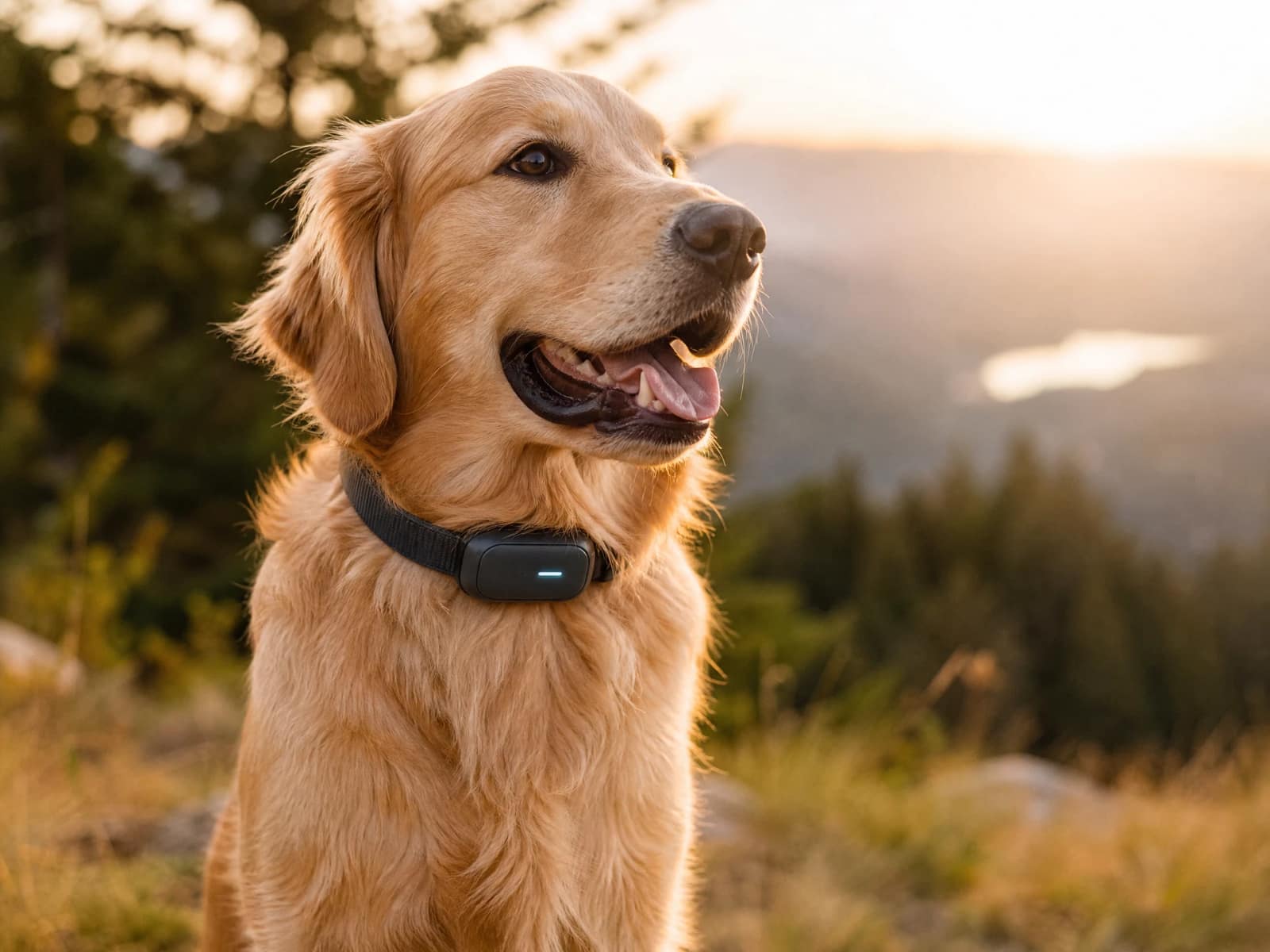
GPS Tracker
Real-time location tracking — because dogs follow their nose, not the fence line.

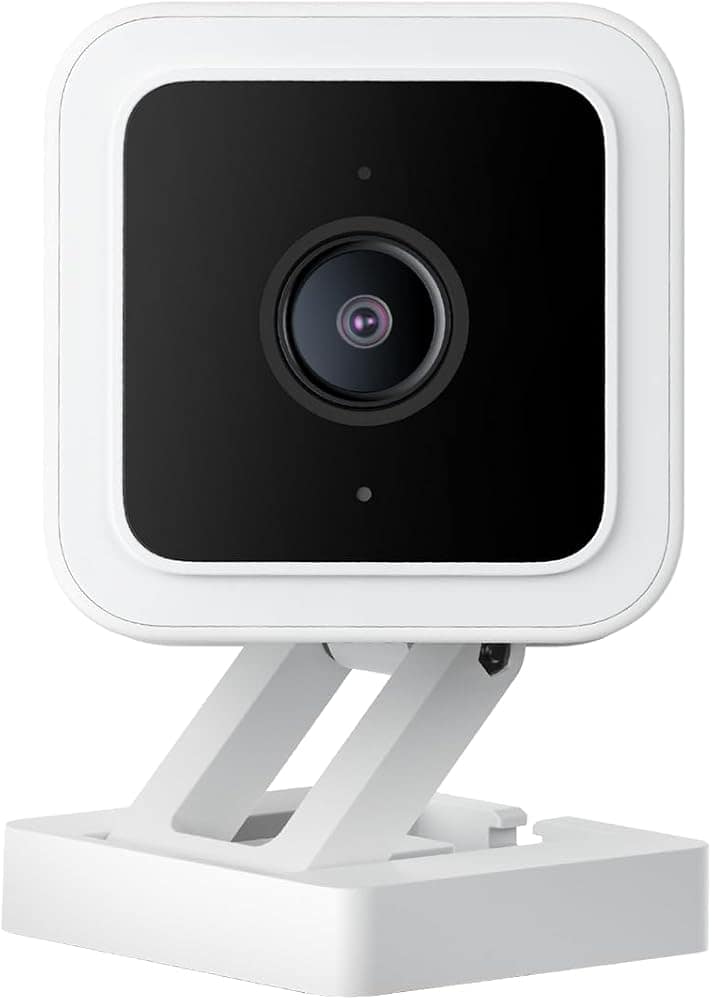
Pet Camera
Two-way audio and HD video — stay connected and soothe your dog from anywhere.


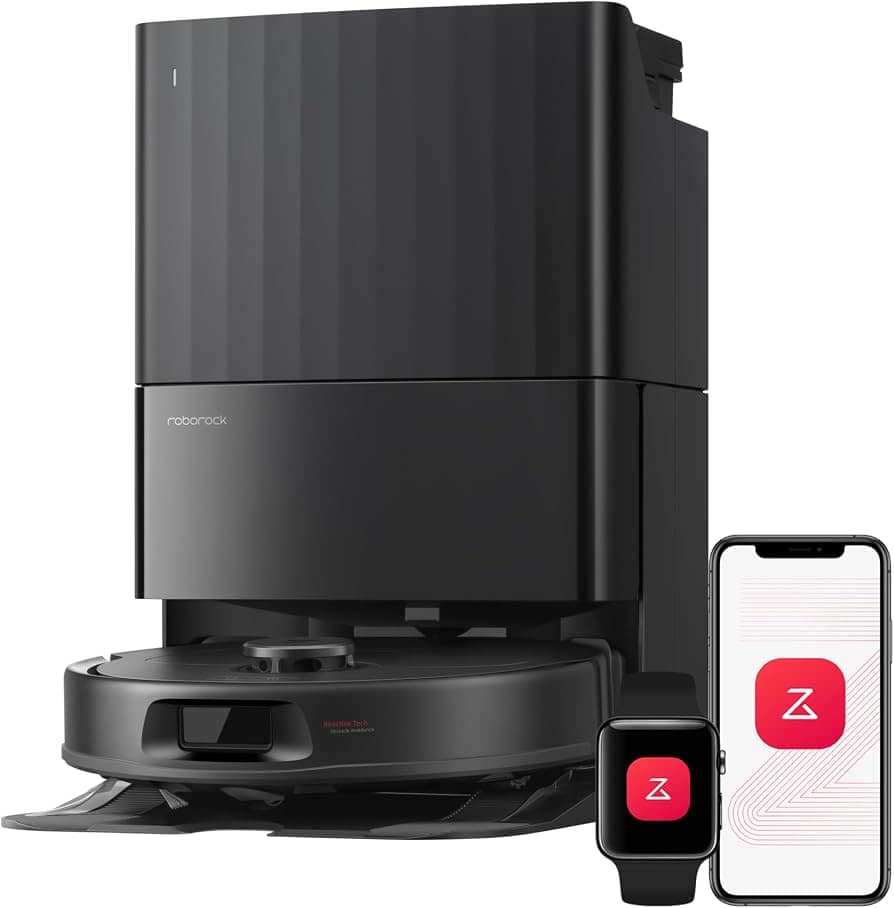
Robot Vacuum
Built for pet hair — keeps your home clean without lifting a finger.
Recommended Products by Life Stage
Products marked with SmartPaws Recommended are ones we've independently reviewed and recommend across the site. All Amazon links include our affiliate tag — purchases support SmartPaws at no extra cost to you.
Puppy / Kitten Stage
Adult Stage
Breed Traits
Temperament
Climate & Physical
Compatibility
Rural & Outdoor
Scores reflect breed tendencies. Individual training significantly affects both livestock safety and off-leash reliability.
Health & Longevity
Based on breed-specific genetic health risks and common conditions
Consider Adopting
Many Tibetan Terriers are waiting in shelters and breed-specific rescues. Adoption costs are typically $50–$300 vs. $1,500–$3,500 from a breeder.
Read our Rescue Guide →Download the Tibetan Terrier Guide
Get a printable PDF with traits, cost of ownership, health notes, and best-fit summary — free.