SmartPawsGuides, comparisons & trusted resources — Guides & trusted resources — always independent.

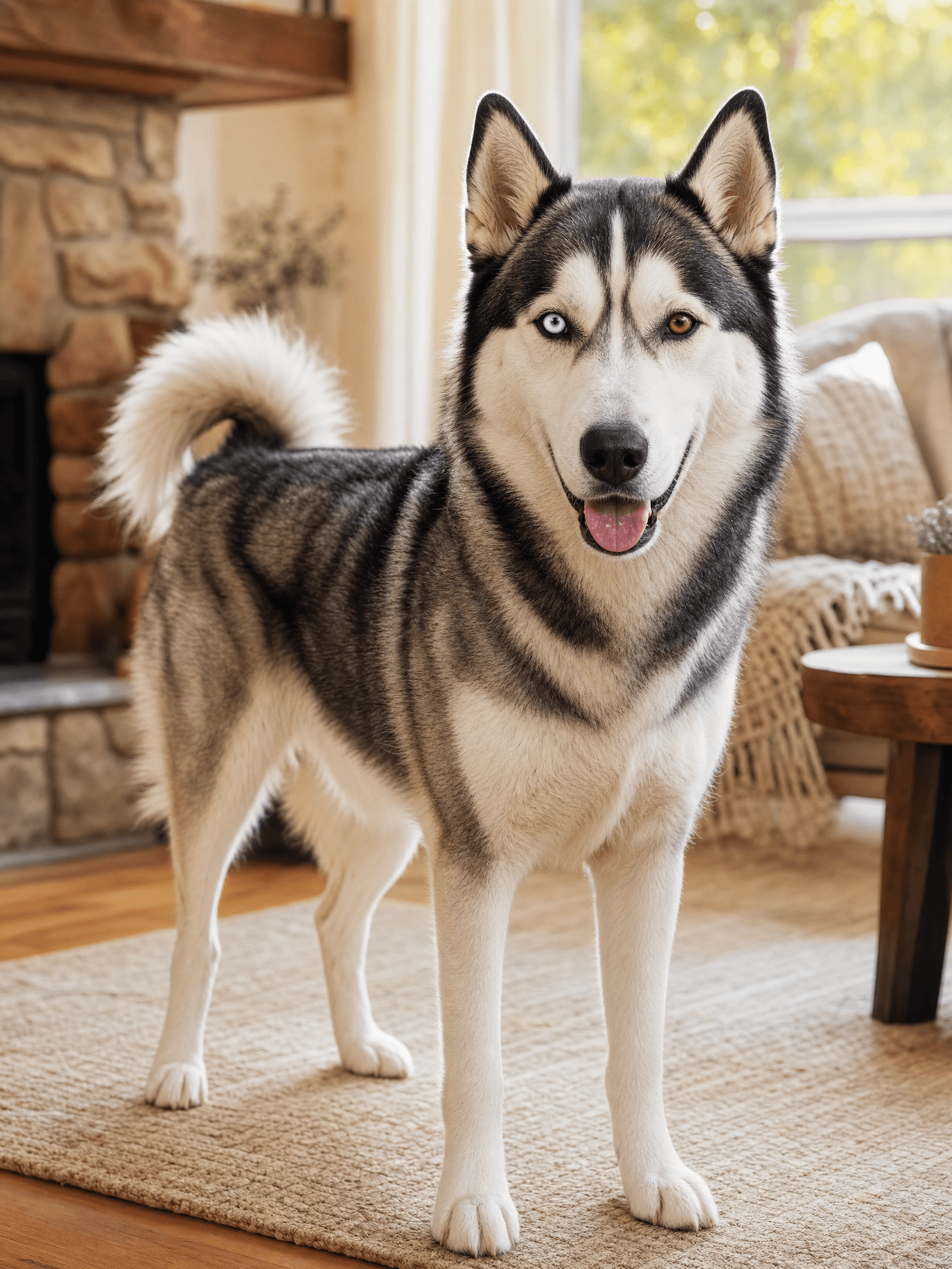
Siberian Husky
Origin: Russia (Siberia)
Weight
35–60 lbs
Height
20–23.5 inches
Lifespan
12–14 years
Coat
Thick double coat
Breeder Cost
$600–$2,500
Adoption Cost
$50–$300
Personality & Temperament
Siberian Huskies are beautiful, athletic dogs with a free-spirited, independent nature. They are friendly and outgoing — almost never aggressive — but their independence makes them challenging to train. Huskies are pack animals who thrive with companionship and can become destructive when bored or lonely. Their endurance is extraordinary; they were bred to run 100+ miles per day in Arctic conditions.
Best For
Very active individuals or families, experienced dog owners, those with securely fenced yards, cold-climate residents
Exercise & Activity Needs
Huskies need 2+ hours of vigorous exercise daily. Running, hiking, skijoring, and mushing are ideal. They are escape artists who can jump fences, dig under them, or find any gap. A securely fenced yard is essential. Never let a Husky off-leash in an unenclosed area.
Grooming & Coat Care
Huskies have a self-cleaning coat that rarely needs bathing, but they shed heavily year-round and blow their coat twice a year in massive quantities. Daily brushing during shedding season and 2–3 times weekly otherwise is essential. Never shave a Husky — their double coat insulates them from both cold and heat.
Coat type: Thick double coat; dense undercoat with straight outer coat
Common Health Conditions
Huskies are generally healthy and long-lived. Eye conditions are the primary concern. Buy from breeders who provide CERF eye certifications and OFA hip clearances.
Eye Conditions
Huskies are prone to cataracts, progressive retinal atrophy (PRA), and corneal dystrophy. Annual eye exams are recommended.
Hip Dysplasia
Less common than in larger breeds, but still a concern. OFA certification from breeders is recommended.
Hypothyroidism
An underactive thyroid causing weight gain and lethargy. Common in middle-aged Huskies.
Zinc-Responsive Dermatosis
A skin condition unique to Nordic breeds where the body doesn't absorb zinc properly, causing crusty skin lesions.
History & Origin
The Siberian Husky was developed by the Chukchi people of northeastern Siberia over thousands of years as a sled dog capable of traveling vast distances in extreme cold on minimal food. They were brought to Alaska in 1908 for sled dog racing. In 1925, a relay of Husky teams ran 674 miles in 5.5 days to deliver diphtheria antitoxin to Nome, Alaska — the famous 'Serum Run' that inspired the Iditarod Trail Sled Dog Race.
Interesting Facts
- 1
The 1925 Nome Serum Run — where Husky teams delivered life-saving diphtheria medicine across 674 miles of frozen Alaska — is commemorated by the annual Iditarod race.
- 2
Huskies can run up to 28 mph and cover 150+ miles per day when pulling a sled.
- 3
They have a unique metabolism that allows them to regulate energy use during extended exercise without 'hitting the wall' like other athletes.
- 4
Huskies are one of the few breeds genetically closest to the ancient wolf — DNA studies show minimal divergence from their wolf ancestors.
- 5
Their double coat insulates them in temperatures as low as -75°F (-60°C).
Cost of Ownership
Owning a Siberian Husky is a long-term financial commitment. Here's a realistic breakdown of what to budget for.
Annual Cost
$1,400–$2,500
First Year (incl. setup)
$3,200–$5,000
Active breed; surprisingly efficient eaters for their size
Generally healthy; eye conditions and hip dysplasia possible
Heavy shedding twice yearly; professional blowouts help
Independent and stubborn; early training is essential
Secure fencing critical — Huskies are escape artists
Moderate risk; generally a healthy breed
* Estimates based on national averages. Costs vary by location, lifestyle, and individual health needs. Emergency vet visits are not included.
Popularity & Adoption Trends
Estimated US Population
~1.5 million in the US
Adoption Trend
Husky popularity surged after the Game of Thrones 'direwolf effect' in the 2010s, leading to a wave of impulse adoptions by owners unprepared for their extreme exercise needs. Rescue organizations subsequently reported record Husky intake. Registrations have since declined as awareness of their demanding nature spreads.
Plan daily life with your Siberian Husky
Use the guides below to compare practical options alongside this breed's care needs.
Pet Tech Essentials
The right technology makes dog ownership easier, safer, and more connected — whether you're home or away. These are the products our editors consider must-haves for every dog owner.
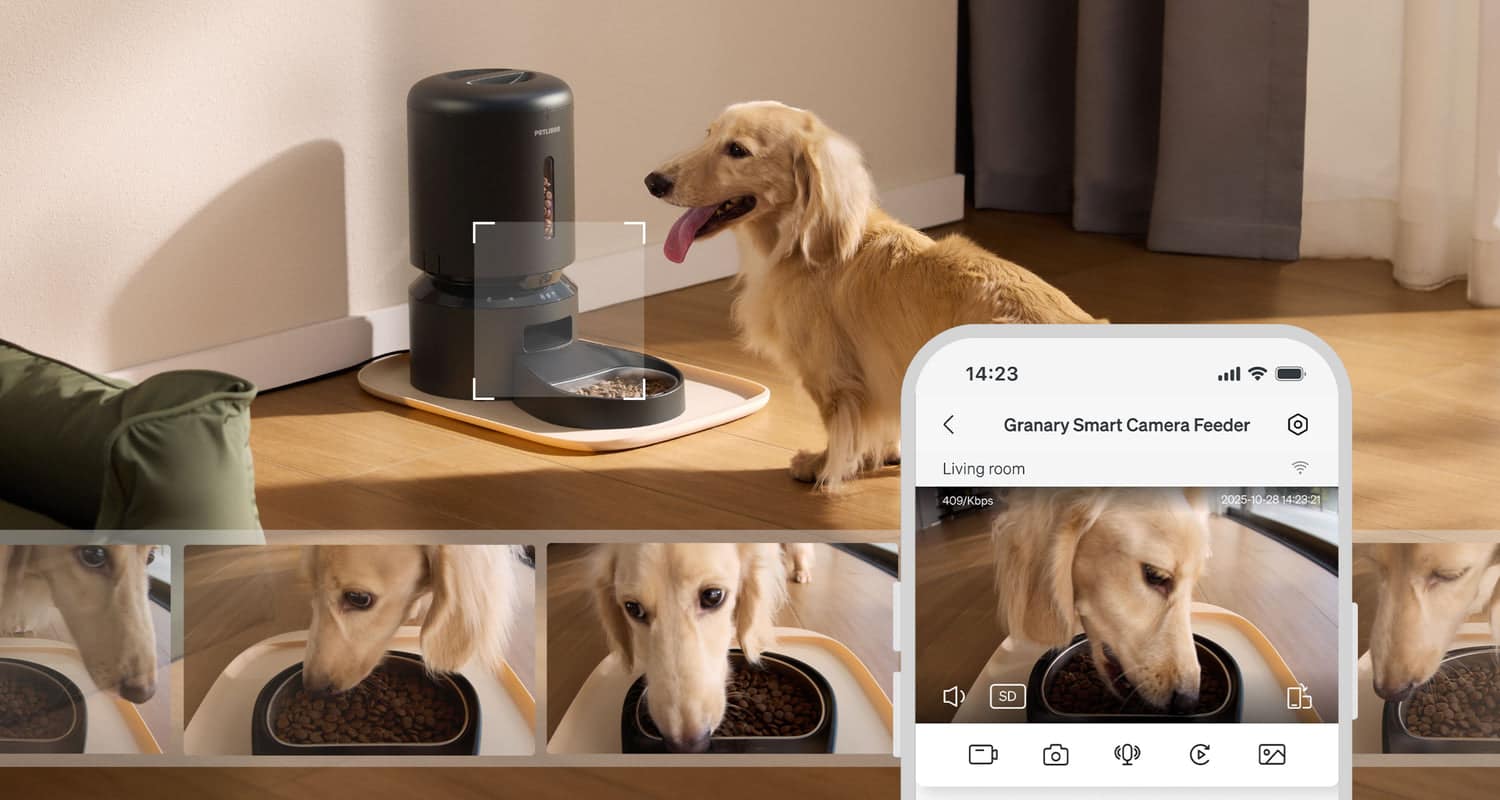
Automatic Feeder
Schedule precise meals so your dog eats right — even when you're not home.

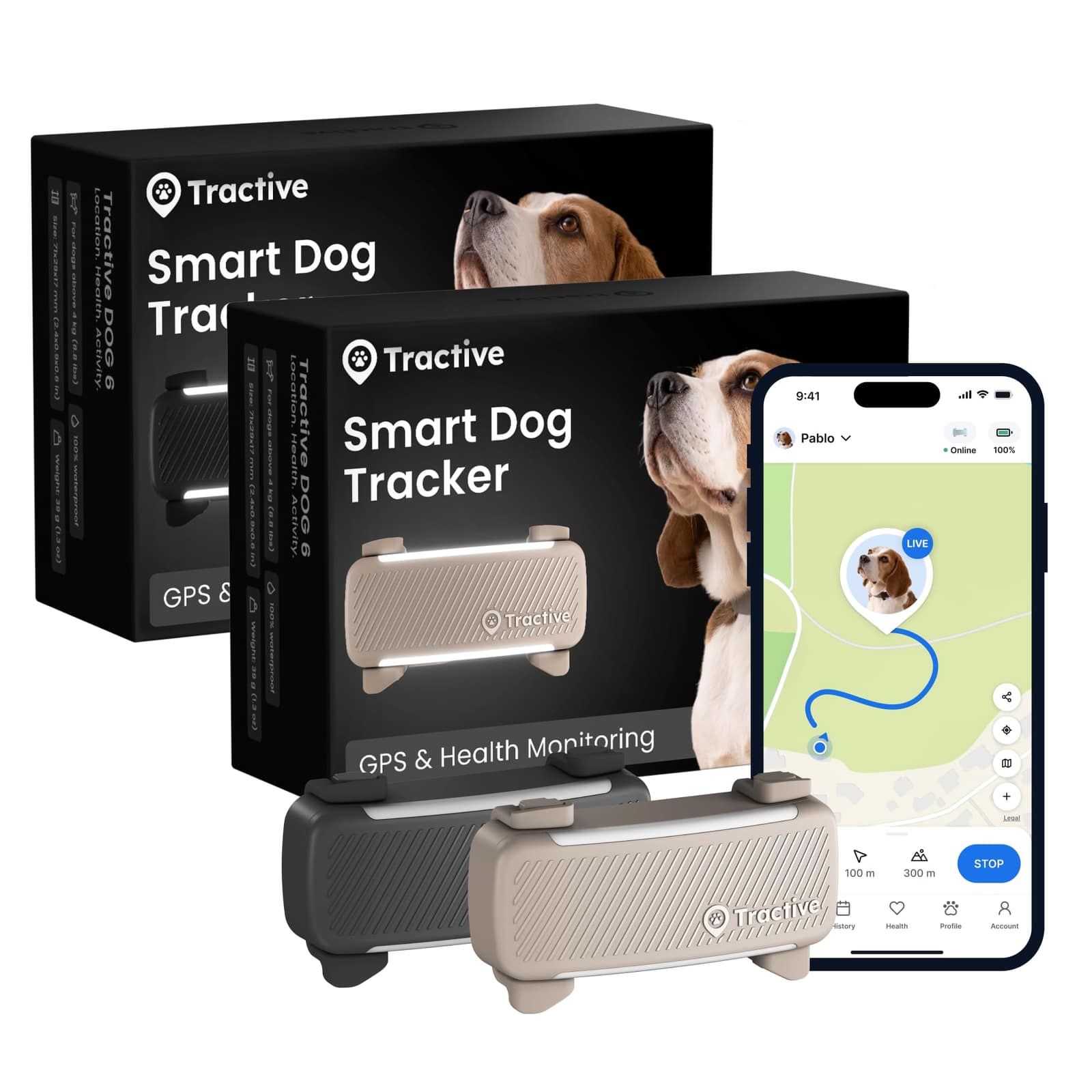
GPS Tracker
Real-time location tracking — because dogs follow their nose, not the fence line.
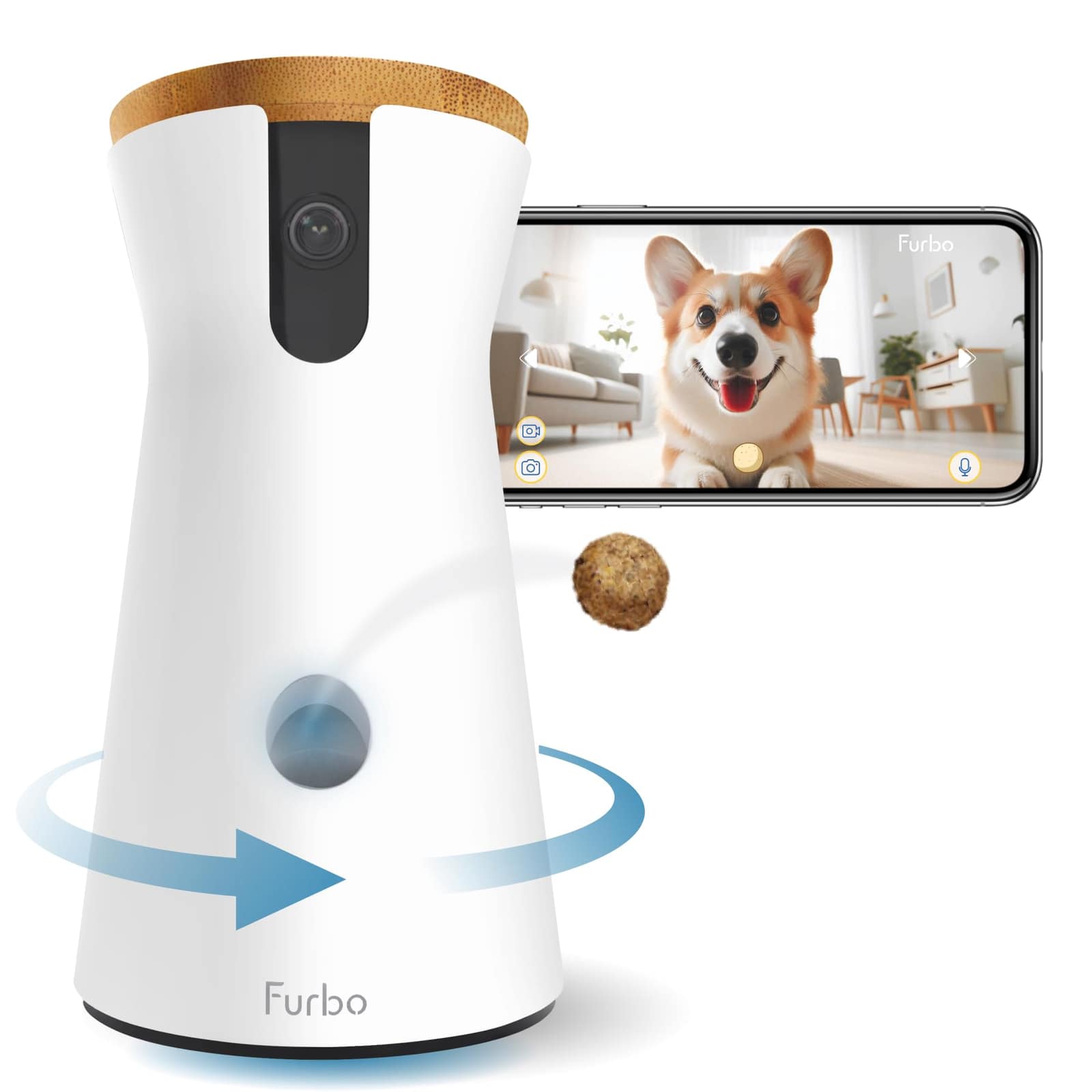
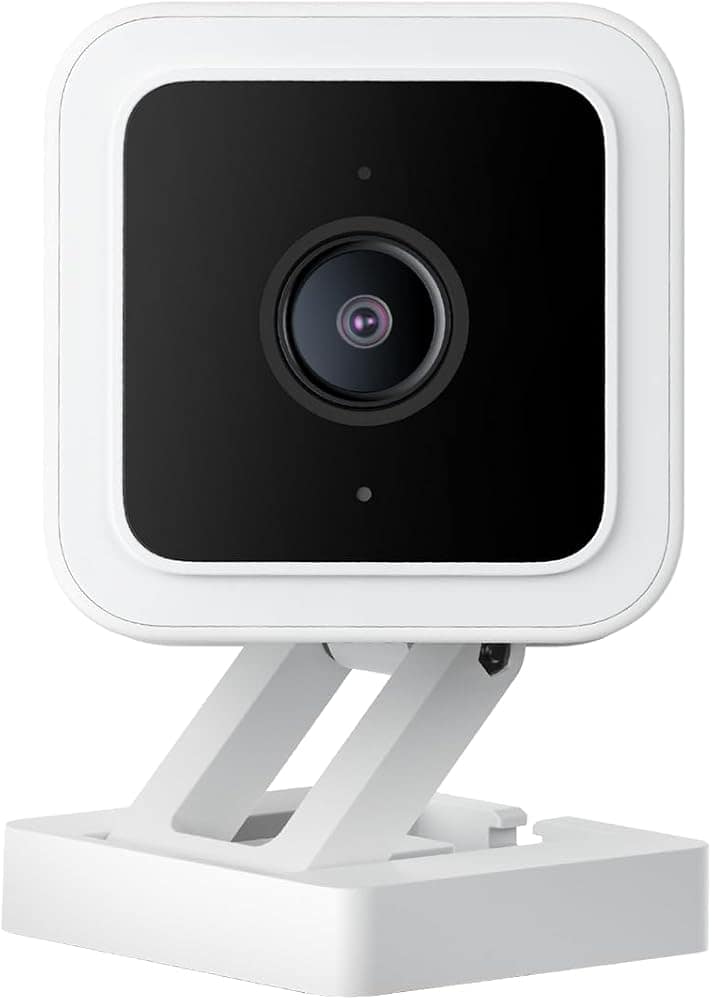
Pet Camera
Two-way audio and HD video — stay connected and soothe your dog from anywhere.

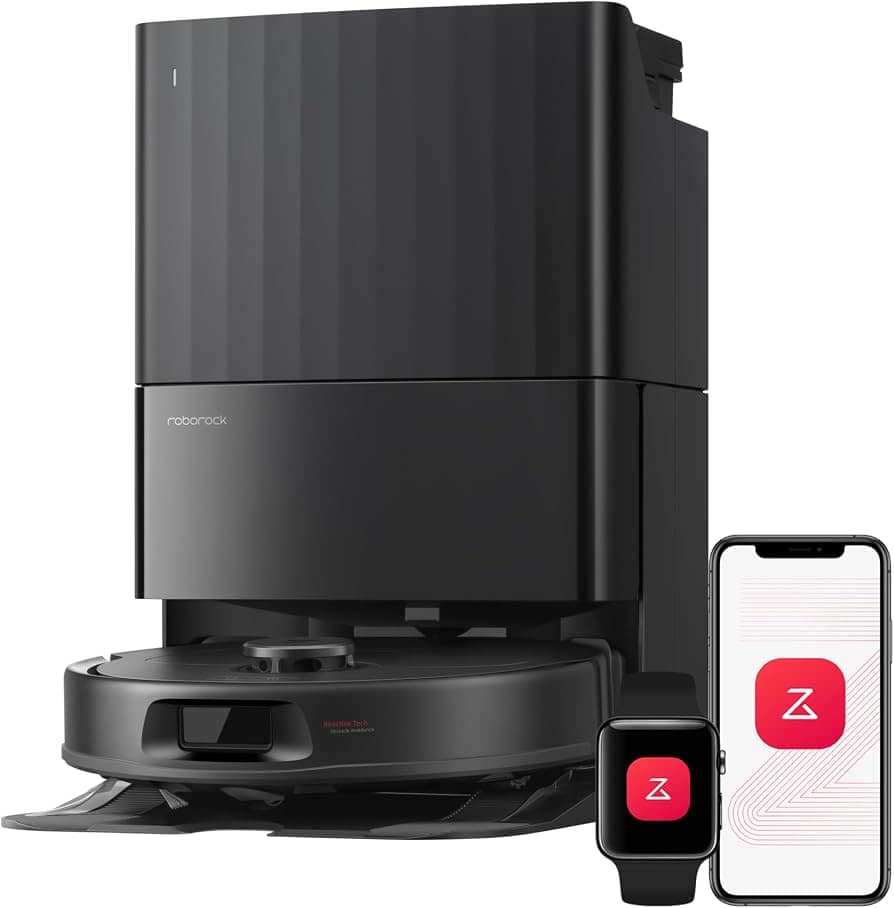
Robot Vacuum
Built for pet hair — keeps your home clean without lifting a finger.
Recommended Products by Life Stage
Products marked with SmartPaws Recommended are ones we've independently reviewed and recommend across the site. All Amazon links include our affiliate tag — purchases support SmartPaws at no extra cost to you.
Puppy / Kitten Stage
Adult Stage
GPS Tracker
Fi Series 3+ Smart GPS Dog Collar
Huskies are notorious escape artists — GPS tracking is non-negotiable.
SmartPaws RecommendedDeshedding Tool
FURminator Undercoat Deshedding Tool
Huskies shed massively — the FURminator is essential for coat management.
SmartPaws RecommendedCalming Aid
Adaptil Calm Home Diffuser for Dogs
Helps anxious Huskies when left alone.
SmartPaws RecommendedBreed Traits
Temperament
Climate & Physical
Compatibility
Rural & Outdoor
Scores reflect breed tendencies. Individual training significantly affects both livestock safety and off-leash reliability.
Health & Longevity
Based on breed-specific genetic health risks and common conditions
Consider Adopting
Many Siberian Huskys are waiting in shelters and breed-specific rescues. Adoption costs are typically $50–$300 vs. $600–$2,500 from a breeder.
Read our Rescue Guide →How to Train a Siberian Husky
Breed-specific challenges, techniques, and training timeline — written specifically for Siberian Husky owners.
Read Training GuideDownload the Siberian Husky Guide
Get a printable PDF with traits, cost of ownership, health notes, and best-fit summary — free.