SmartPawsGuides, comparisons & trusted resources — Guides & trusted resources — always independent.

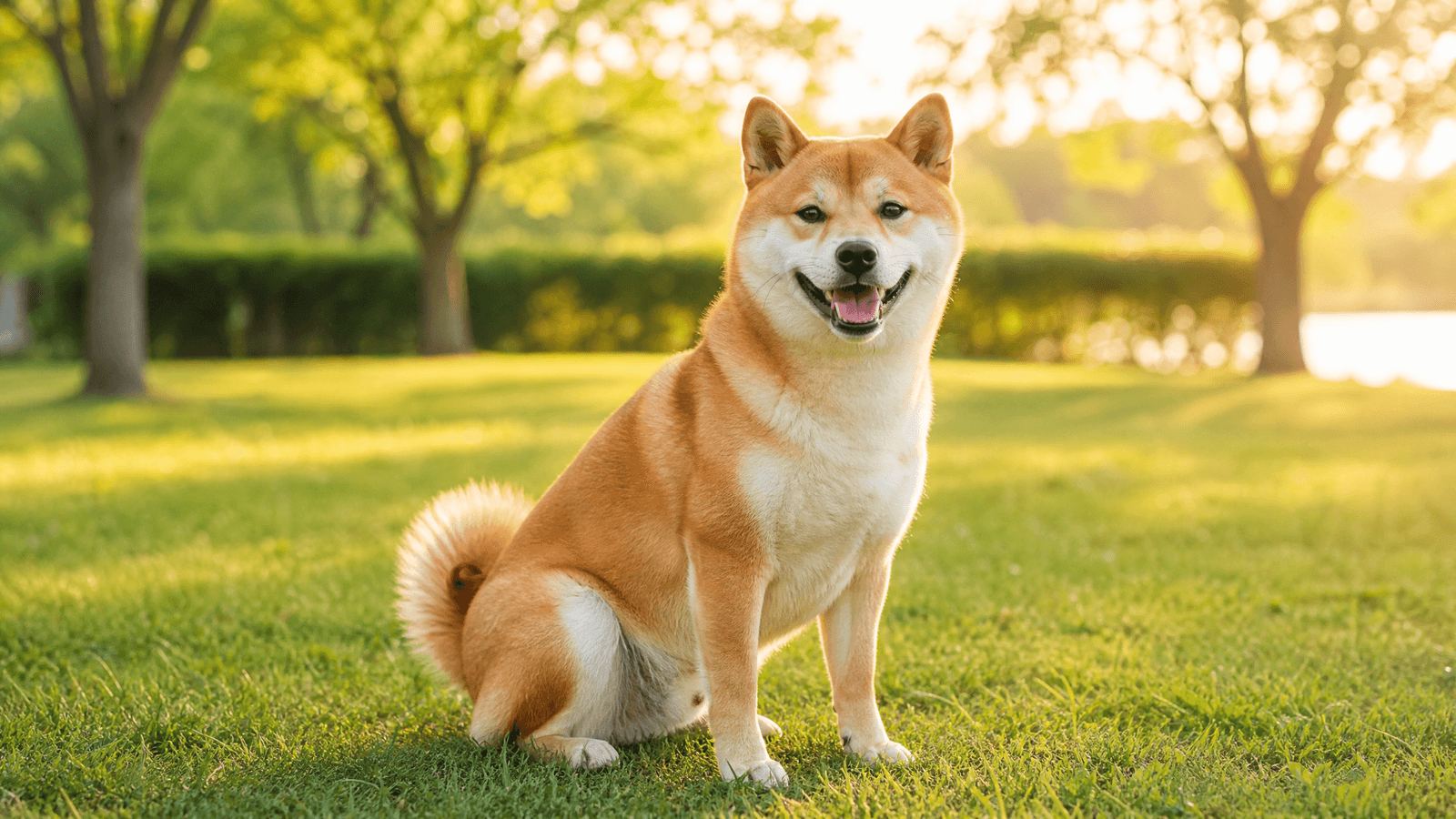
Shiba Inu
Origin: Japan
Weight
17–23 lbs
Height
13.5–16.5 inches
Lifespan
13–16 years
Coat
Thick double coat
Breeder Cost
$1,000–$3,500
Adoption Cost
$50–$300
Personality & Temperament
The Shiba Inu is Japan's most popular companion dog — a spirited, independent, and deeply loyal breed. Shibas are cat-like in their cleanliness and independence. They are devoted to their family but reserved with strangers and can be aggressive toward other dogs. The infamous 'Shiba scream' — a high-pitched vocalization — is a hallmark of the breed.
Best For
Experienced dog owners, active individuals, those who appreciate an independent, cat-like personality
Exercise & Activity Needs
Shibas need 45–60 minutes of vigorous exercise daily. They are athletic and agile escape artists who can scale fences and find any gap. Always keep them on a leash or in a securely fenced yard. Their strong prey drive means they will chase small animals.
Grooming & Coat Care
The Shiba's thick double coat sheds moderately year-round and heavily twice a year. Weekly brushing and daily brushing during shedding season is essential. They are naturally clean and rarely need bathing. Never shave a Shiba — their double coat protects them from both heat and cold.
Coat type: Thick double coat; stiff outer coat with soft undercoat
Common Health Conditions
Shibas are generally healthy and long-lived. Allergies are the most common concern. Buy from breeders who test for hip dysplasia and PRA.
Allergies
Shibas are prone to environmental and food allergies causing skin irritation and itching.
Hip Dysplasia
Less common than in large breeds, but still a concern. OFA certification from breeders is recommended.
Patellar Luxation
The kneecap slips out of place. Common in medium-small breeds.
Progressive Retinal Atrophy
A degenerative eye condition. DNA testing is available.
Hypothyroidism
An underactive thyroid causing weight gain and lethargy.
History & Origin
The Shiba Inu is Japan's smallest and most ancient native dog breed, with origins dating back to 300 BC. They were bred in the mountainous regions of central Japan to hunt small game, birds, and occasionally wild boar. The name 'Shiba' means 'brushwood' in Japanese — either referring to the brushwood bushes where they hunted or the reddish-brown color of brushwood leaves in autumn. The breed nearly went extinct during WWII due to bombing raids and a post-war distemper epidemic.
Interesting Facts
- 1
The Shiba Inu is Japan's most popular companion dog and one of the country's six native breeds.
- 2
The 'Doge' internet meme features a Shiba Inu named Kabosu, which inspired the Dogecoin cryptocurrency.
- 3
Shibas are known for the 'Shiba scream' — a high-pitched, human-like shriek they emit when unhappy or excited.
- 4
They nearly went extinct during WWII — only three bloodlines survived bombing raids and a post-war distemper epidemic.
- 5
Shibas are one of the most cat-like dog breeds — they are fastidiously clean, independent, and will groom themselves like cats.
Cost of Ownership
Owning a Shiba Inu is a long-term financial commitment. Here's a realistic breakdown of what to budget for.
Annual Cost
$1,100–$2,000
First Year (incl. setup)
$2,800–$4,500
Active breed; quality protein-rich diet
Allergies, patellar luxation, and eye conditions possible
Double coat sheds heavily twice yearly; professional blowouts help
Independent and cat-like; early socialization is critical
Secure fencing essential — Shibas are escape artists
Moderate risk; allergy treatment can be ongoing
* Estimates based on national averages. Costs vary by location, lifestyle, and individual health needs. Emergency vet visits are not included.
Popularity & Adoption Trends
Estimated US Population
~300,000 in the US
Adoption Trend
The Shiba Inu experienced a massive popularity surge in the 2010s, driven by the 'Doge' internet meme featuring a Shiba named Kabosu. This viral moment introduced the breed to millions of people worldwide and drove adoption demand. The Dogecoin cryptocurrency, which uses the Shiba Inu as its mascot, has kept the breed in cultural consciousness.
Plan daily life with your Shiba Inu
Use the guides below to compare practical options alongside this breed's care needs.
Pet Tech Essentials
The right technology makes dog ownership easier, safer, and more connected — whether you're home or away. These are the products our editors consider must-haves for every dog owner.
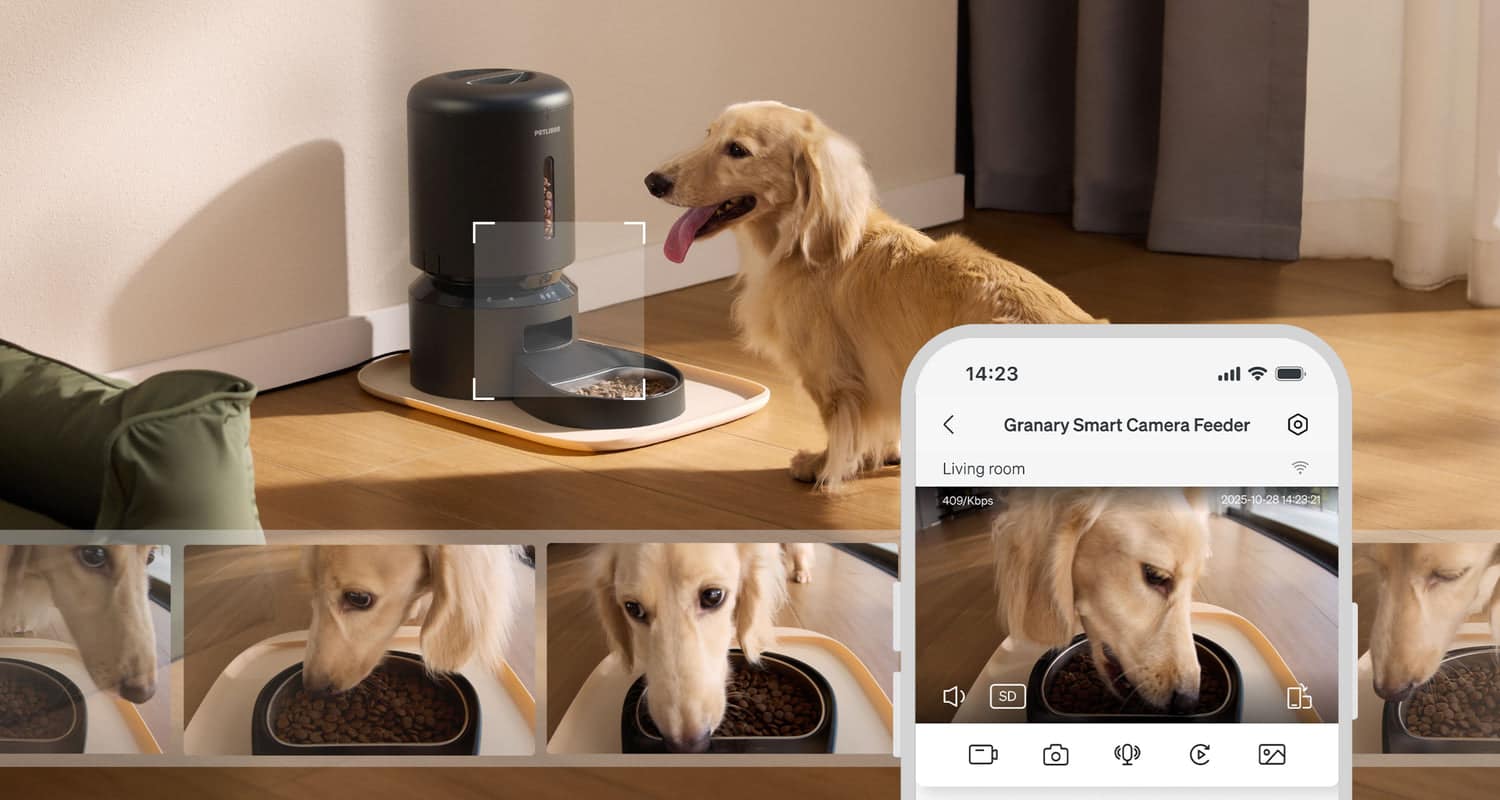
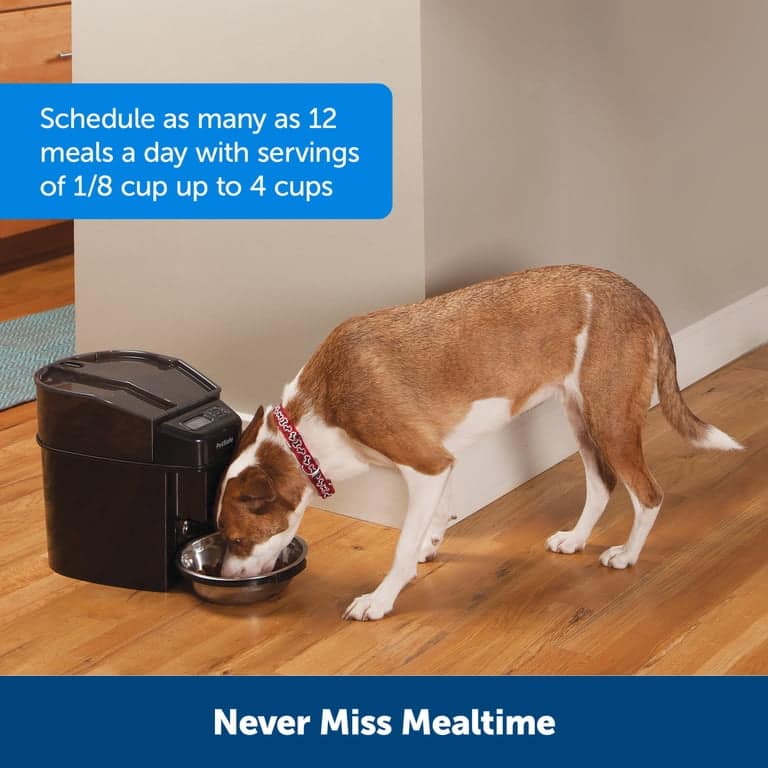
Automatic Feeder
Schedule precise meals so your dog eats right — even when you're not home.
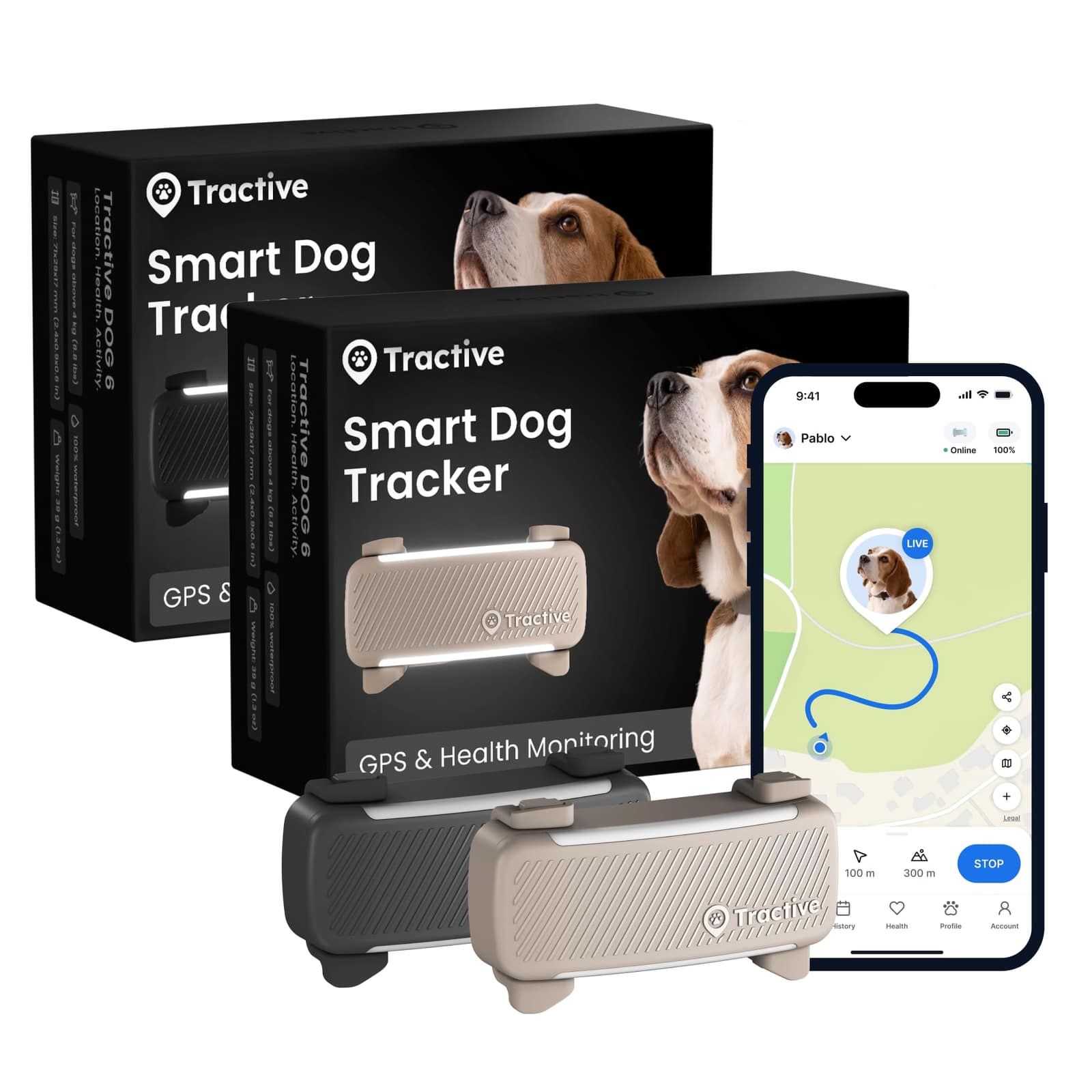
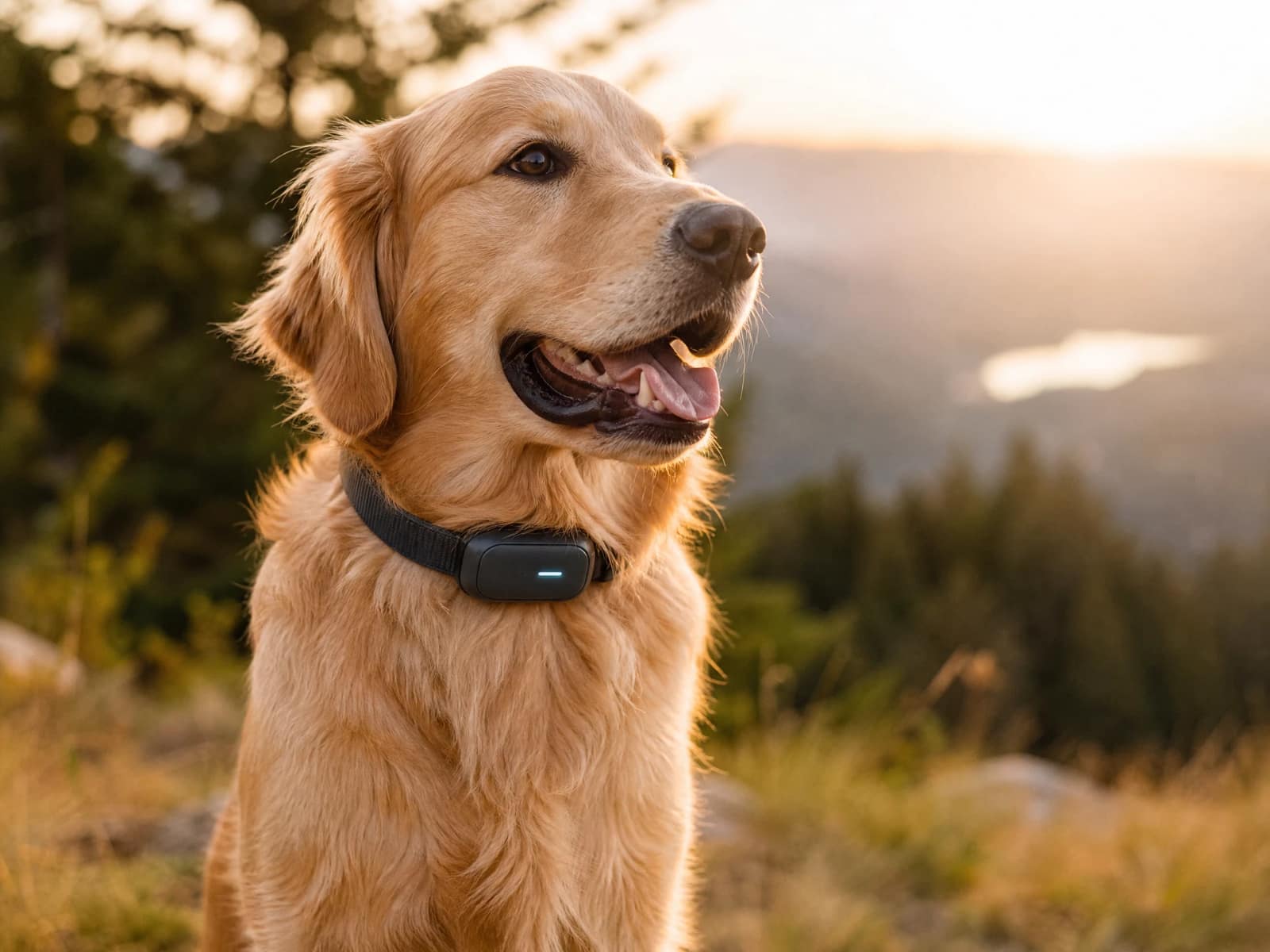
GPS Tracker
Real-time location tracking — because dogs follow their nose, not the fence line.
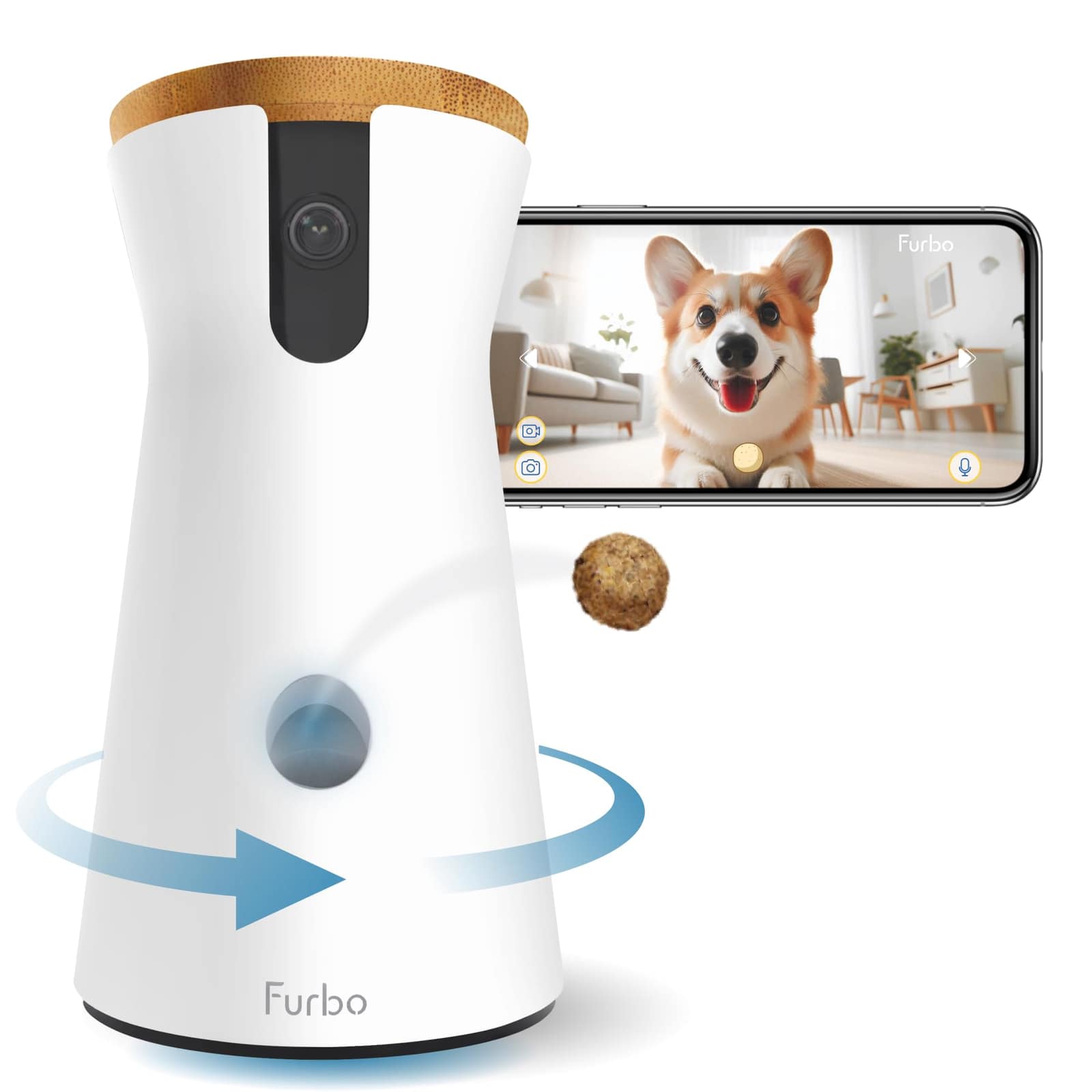
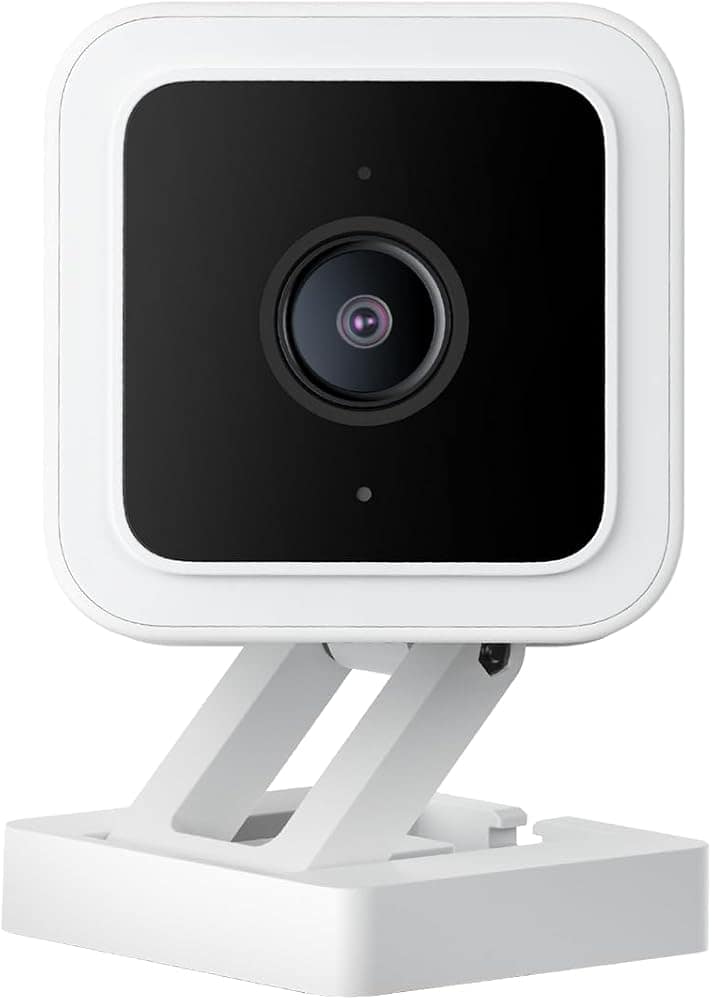
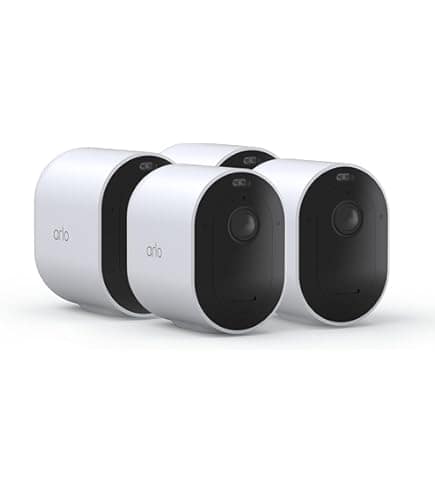
Pet Camera
Two-way audio and HD video — stay connected and soothe your dog from anywhere.
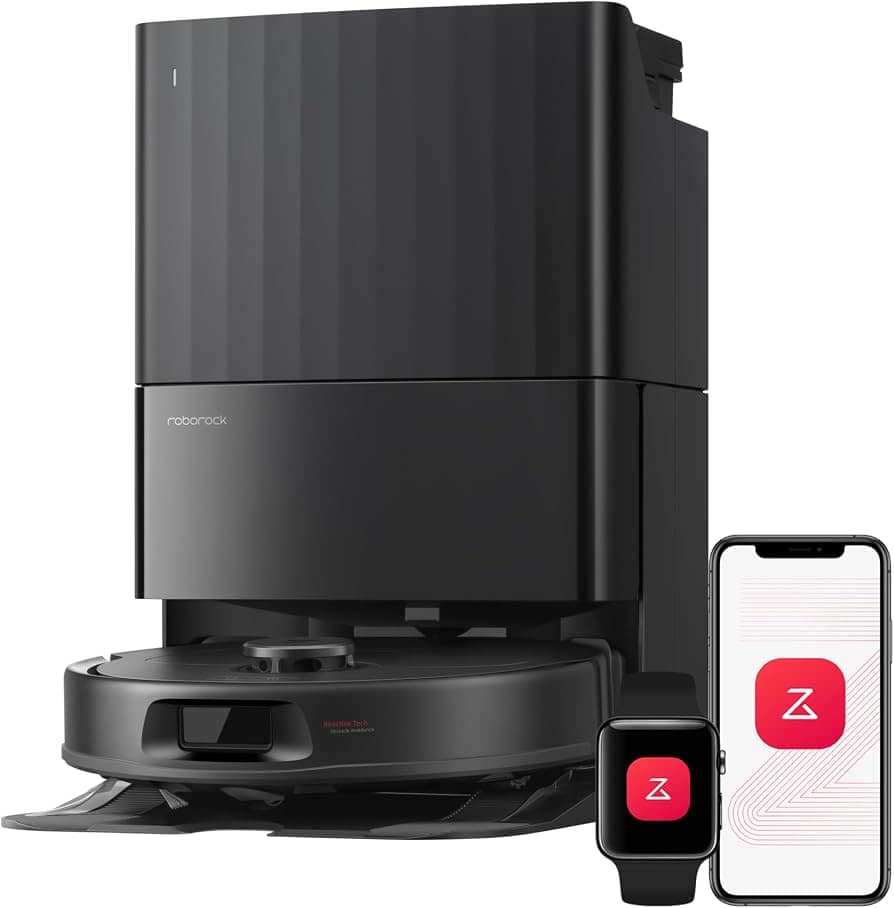
Robot Vacuum
Built for pet hair — keeps your home clean without lifting a finger.
Recommended Products by Life Stage
Products marked with SmartPaws Recommended are ones we've independently reviewed and recommend across the site. All Amazon links include our affiliate tag — purchases support SmartPaws at no extra cost to you.
Puppy / Kitten Stage
Adult Stage
Breed Traits
Temperament
Climate & Physical
Compatibility
Rural & Outdoor
Scores reflect breed tendencies. Individual training significantly affects both livestock safety and off-leash reliability.
Health & Longevity
Based on breed-specific genetic health risks and common conditions
Consider Adopting
Many Shiba Inus are waiting in shelters and breed-specific rescues. Adoption costs are typically $50–$300 vs. $1,000–$3,500 from a breeder.
Read our Rescue Guide →How to Train a Shiba Inu
Breed-specific challenges, techniques, and training timeline — written specifically for Shiba Inu owners.
Read Training GuideDownload the Shiba Inu Guide
Get a printable PDF with traits, cost of ownership, health notes, and best-fit summary — free.