SmartPawsGuides, comparisons & trusted resources — Guides & trusted resources — always independent.

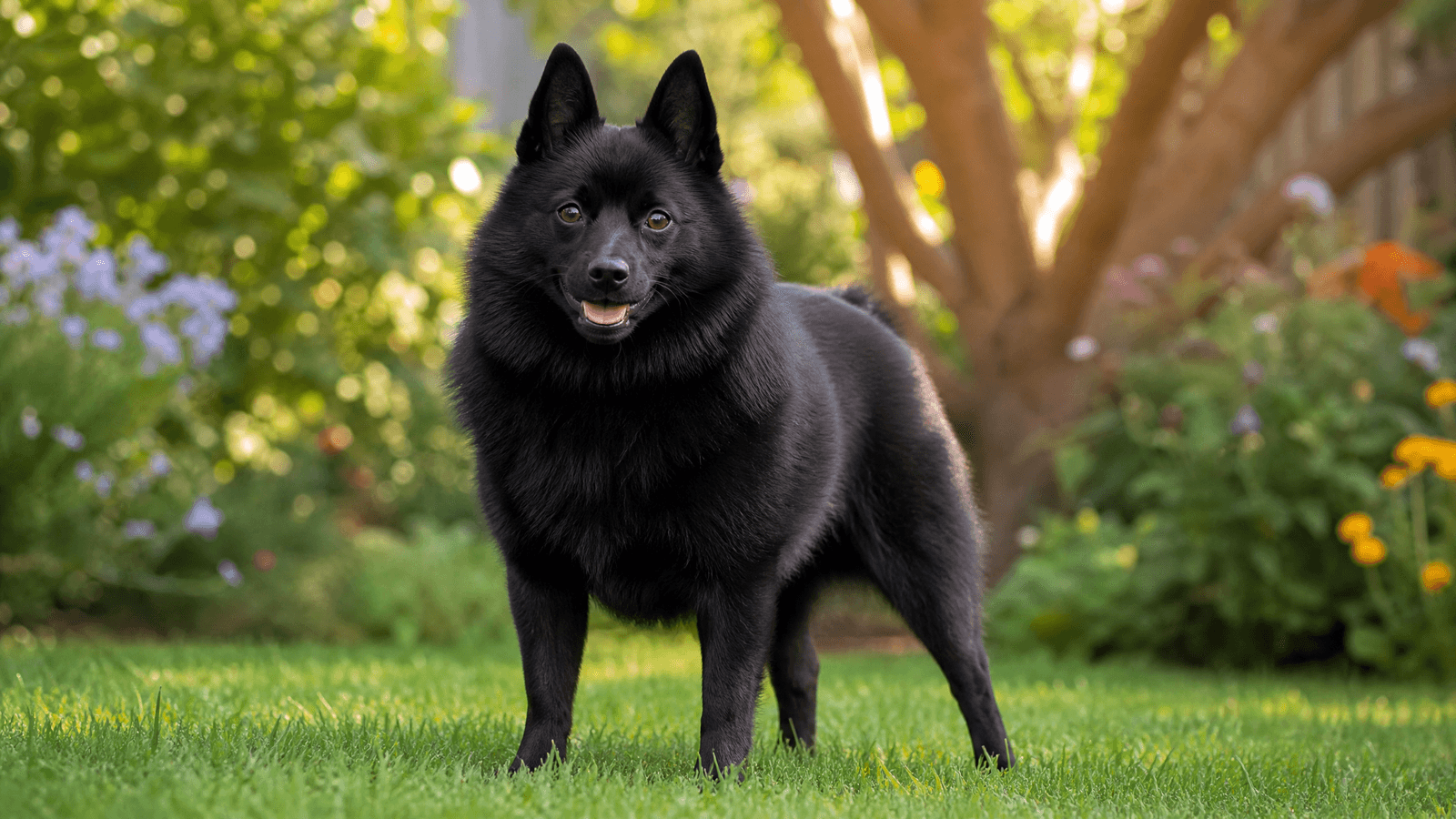
Schipperke
Origin: Belgium
Weight
10–16 lbs
Height
10–13 inches
Lifespan
12–15 years
Coat
Abundant, harsh, straight double coat with a distinctive ruff around the neck and frill on the chest.
Breeder Cost
$1,000–$2,500
Adoption Cost
$150–$400
Personality & Temperament
The Schipperke is a curious, energetic, and intensely alert little dog often nicknamed the 'little captain.' They possess a confident, independent spirit with a strong watchdog nature, always keeping a sharp eye on their surroundings. Though fiercely loyal to their families, they can be somewhat stubborn and require firm, consistent guidance.
Best For
Active individuals or families who understand independent-minded small dogs, appreciate a vocal watchdog, and have time for consistent training.
Exercise & Activity Needs
Requires moderate to high daily exercise, including brisk walks and interactive play sessions to channel their boundless energy.
Grooming & Coat Care
Weekly brushing is sufficient to maintain their thick double coat, though they shed moderately year-round with heavier shedding during seasonal changes.
Coat type: Abundant, harsh, straight double coat with a distinctive ruff around the neck and frill on the chest.
Common Health Conditions
The Schipperke is generally a sturdy breed. Primary health concerns include Mucopolysaccharidosis IIIB (MPS IIIB), Legg-Calve-Perthes Disease, Patellar Luxation. Regular veterinary checkups, appropriate health screenings, and responsible breeding practices help minimize these risks.
Mucopolysaccharidosis IIIB (MPS IIIB)
A genetic lysosomal storage disease affecting metabolism, for which DNA testing is available.
Legg-Calve-Perthes Disease
A hip disorder involving the degeneration of the femoral head, common in small breeds.
Patellar Luxation
A common condition in small dogs where the kneecap dislocates or slips out of place.
History & Origin
Originating in Belgium centuries ago, Schipperkes were bred as watchdogs and ratters on canal boats and barges, as well as general farm dogs.
Interesting Facts
- 1
They are affectionately known as the 'little black fox' due to their silhouette and expression.
- 2
Historically, they were docked a tailless appearance, though many are now born with natural bobs.
- 3
Despite their small size, they have a reputation for being fierce and fearless protectors of their domain.
Cost of Ownership
Owning a Schipperke is a long-term financial commitment. Here's a realistic breakdown of what to budget for.
Annual Cost
$800–$1,500
First Year (incl. setup)
$1,500–$2,800
High-quality small breed formulation
Routine checkups and preventative care
Mostly home maintenance with occasional professional grooming
Durable toys, leash, collar, and bedding
* Estimates based on national averages. Costs vary by location, lifestyle, and individual health needs. Emergency vet visits are not included.
Plan daily life with your Schipperke
Use the guides below to compare practical options alongside this breed's care needs.
Pet Tech Essentials
The right technology makes dog ownership easier, safer, and more connected — whether you're home or away. These are the products our editors consider must-haves for every dog owner.
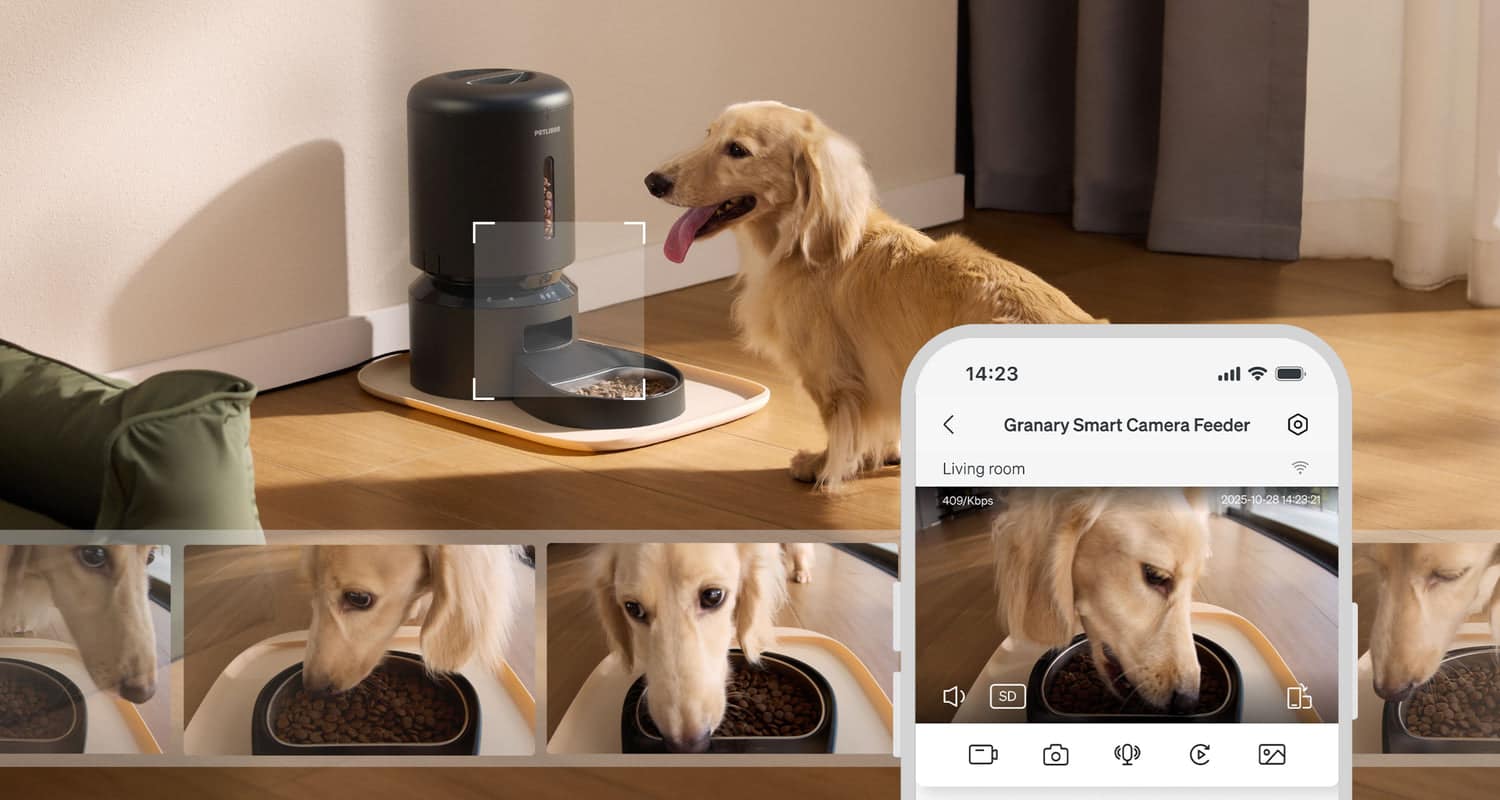
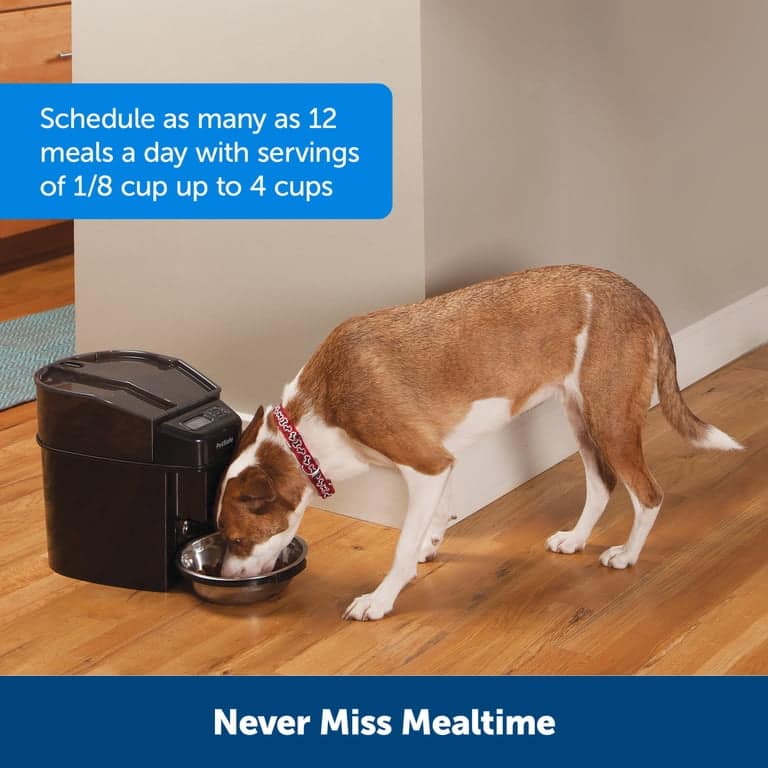
Automatic Feeder
Schedule precise meals so your dog eats right — even when you're not home.
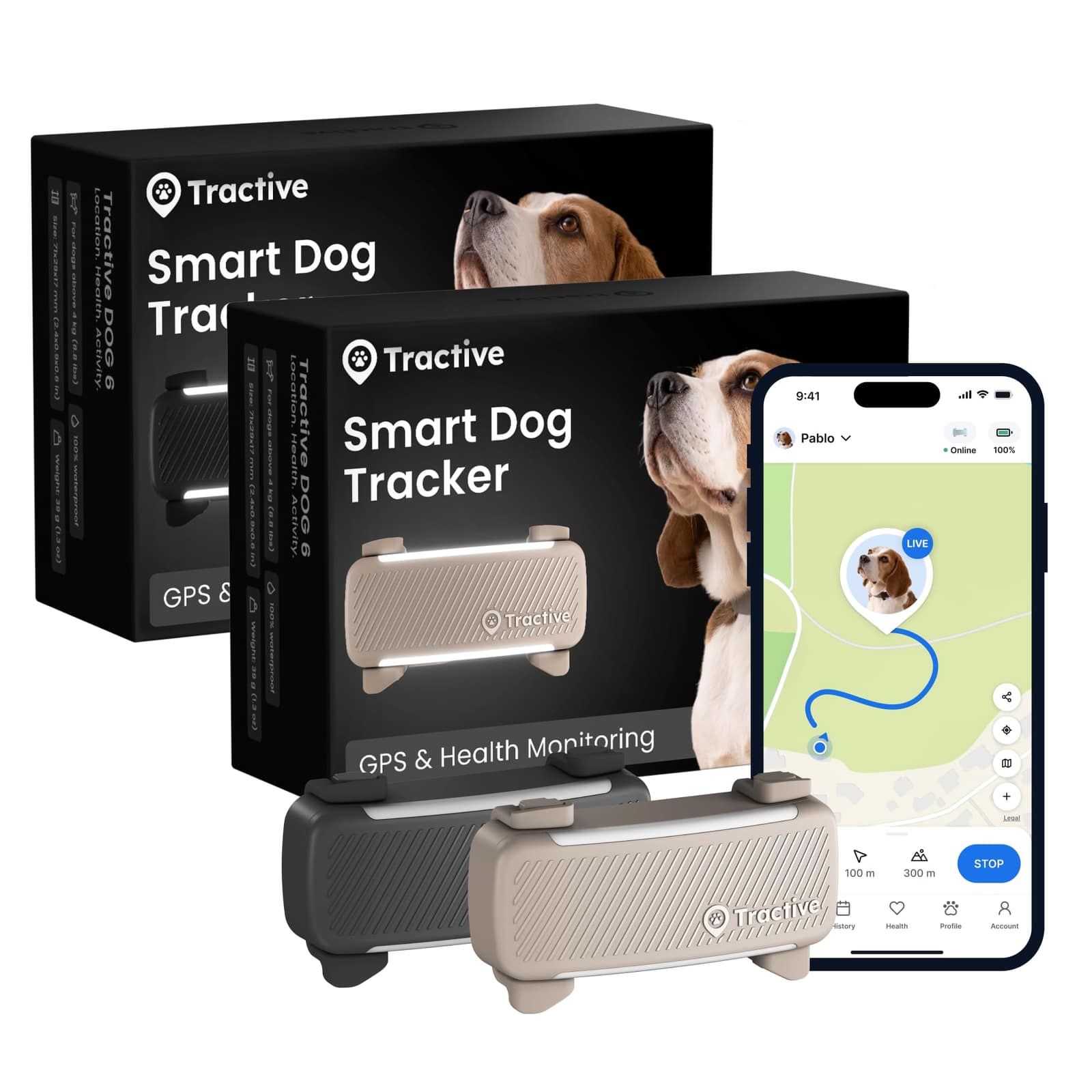
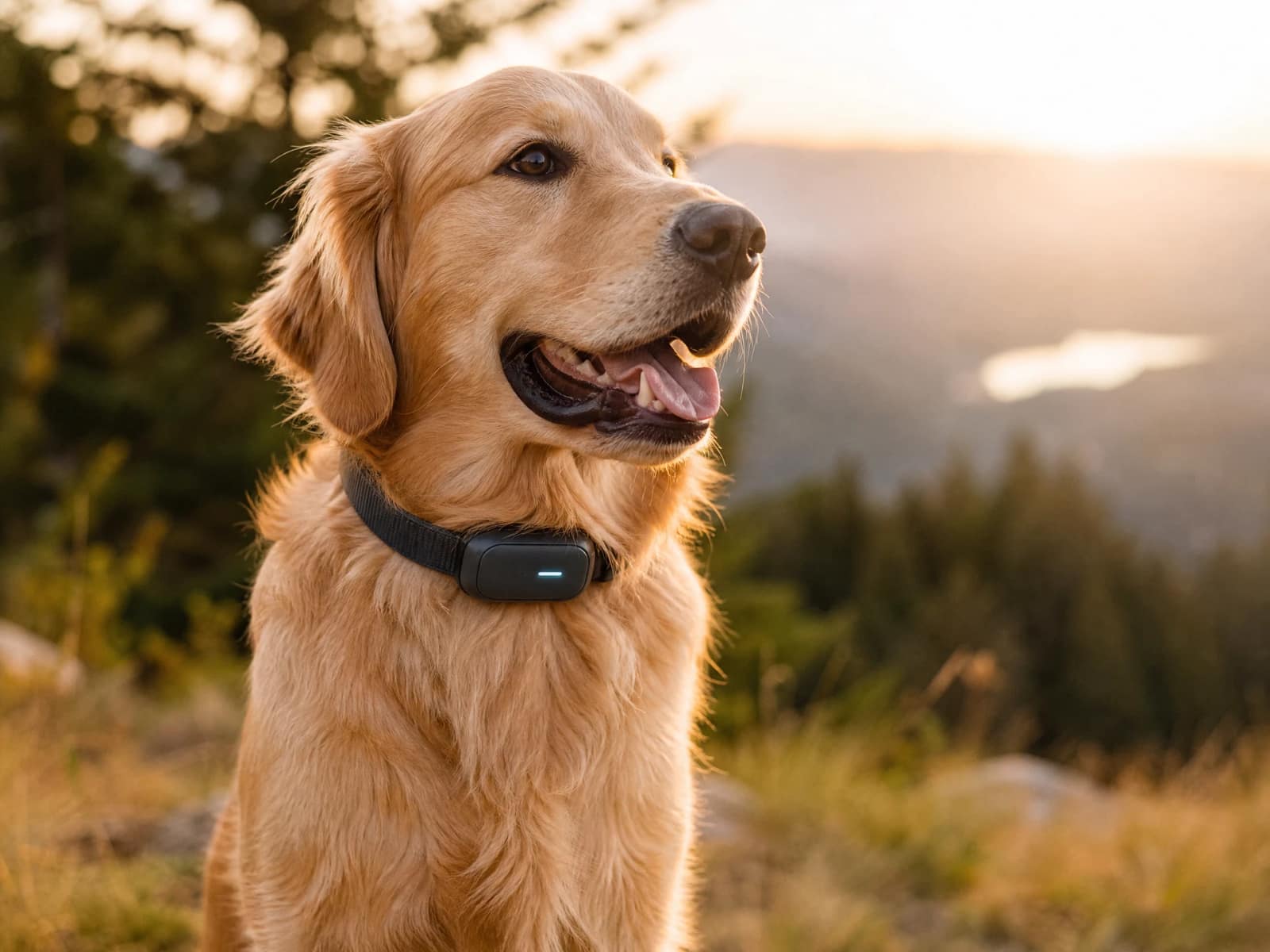
GPS Tracker
Real-time location tracking — because dogs follow their nose, not the fence line.
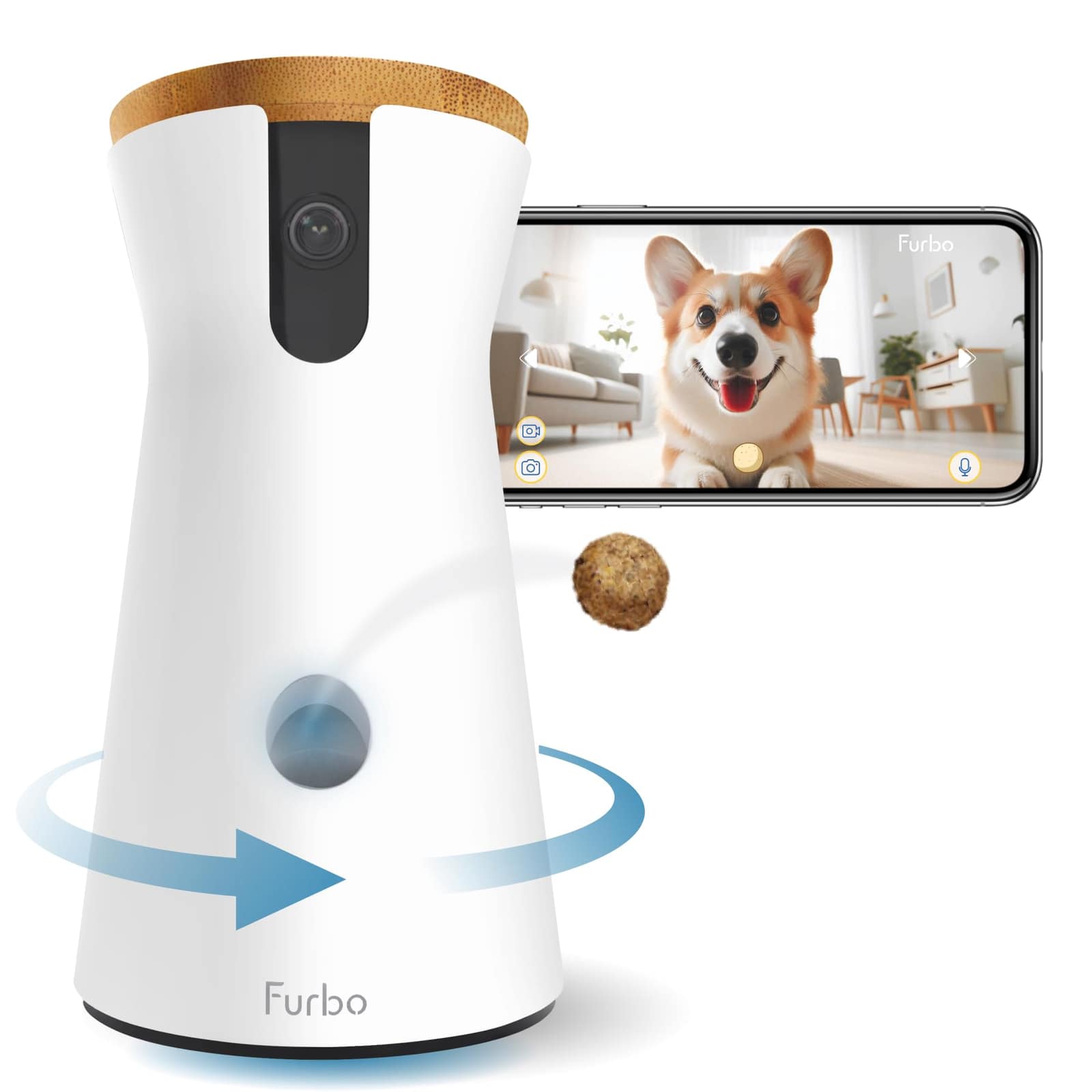
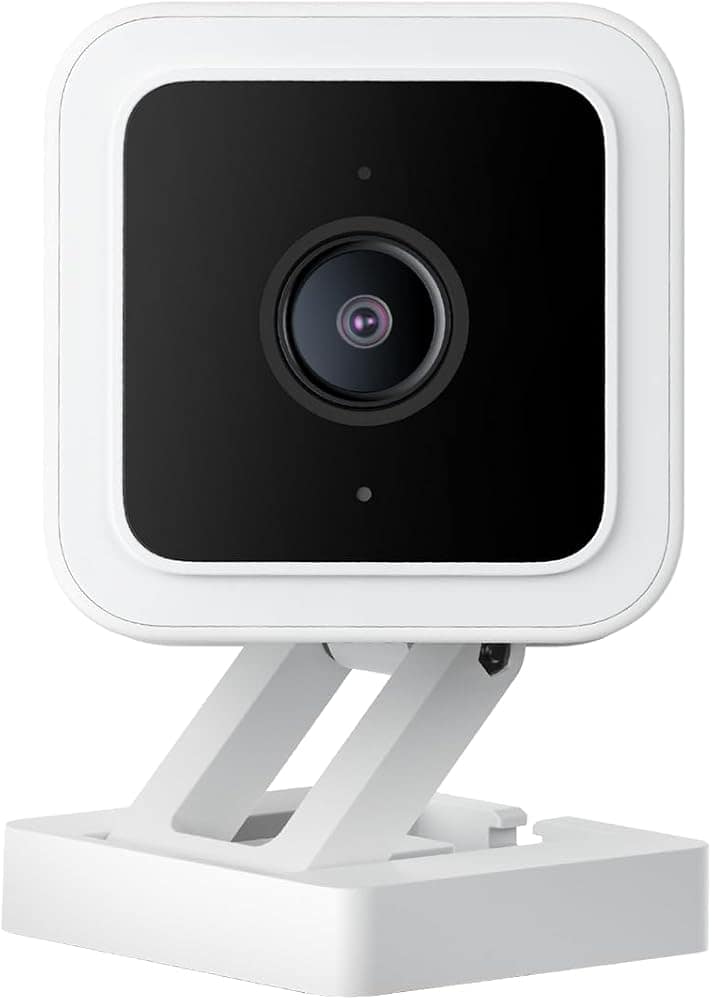
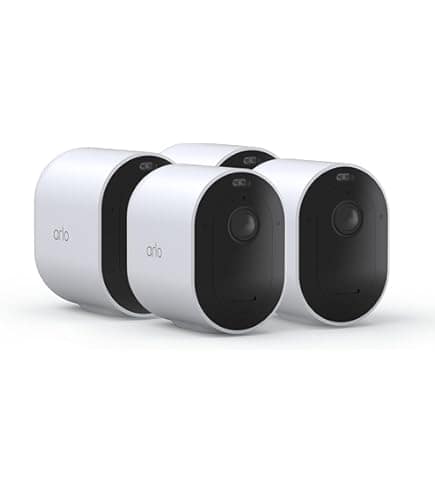
Pet Camera
Two-way audio and HD video — stay connected and soothe your dog from anywhere.
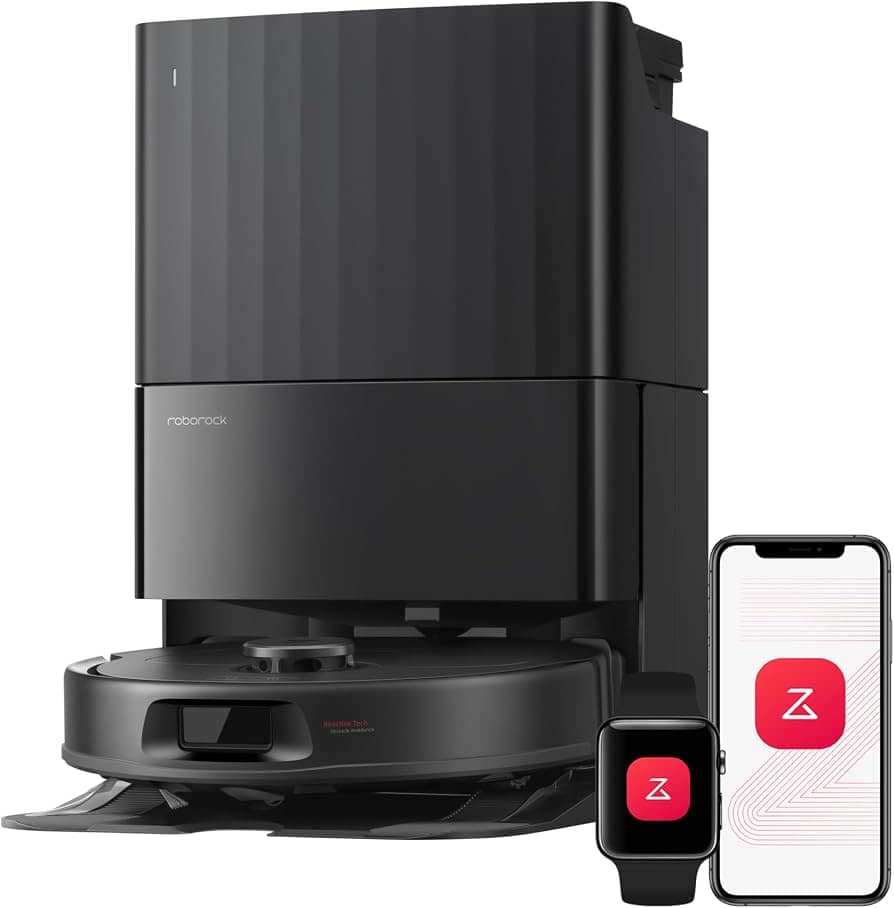
Robot Vacuum
Built for pet hair — keeps your home clean without lifting a finger.
Recommended Products by Life Stage
Products marked with SmartPaws Recommended are ones we've independently reviewed and recommend across the site. All Amazon links include our affiliate tag — purchases support SmartPaws at no extra cost to you.
Adult Stage
GPS Tracker
Tractive Smart Dog GPS Tracker
Schipperkes are curious explorers with high prey drive, making a lightweight GPS tracker ideal for safety.
SmartPaws RecommendedPet Camera
Furbo 360° Dog Camera
Helps monitor separation tendencies and vocalization habits when left alone.
SmartPaws RecommendedBreed Traits
Temperament
Climate & Physical
Compatibility
Rural & Outdoor
Scores reflect breed tendencies. Individual training significantly affects both livestock safety and off-leash reliability.
Health & Longevity
Based on breed-specific genetic health risks and common conditions
Consider Adopting
Many Schipperkes are waiting in shelters and breed-specific rescues. Adoption costs are typically $150–$400 vs. $1,000–$2,500 from a breeder.
Read our Rescue Guide →Download the Schipperke Guide
Get a printable PDF with traits, cost of ownership, health notes, and best-fit summary — free.