SmartPawsGuides, comparisons & trusted resources — Guides & trusted resources — always independent.

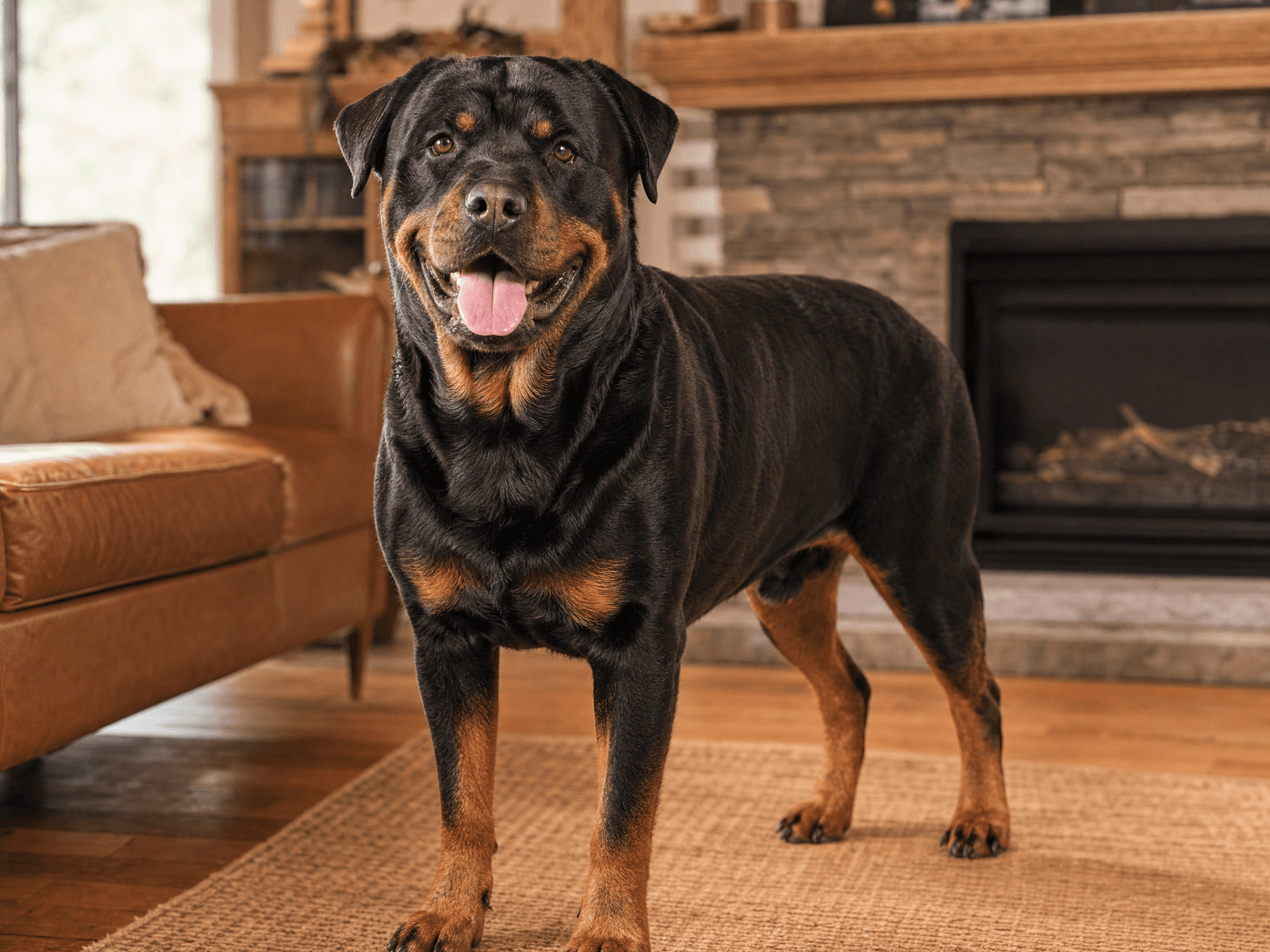
Rottweiler
Origin: Germany
Weight
80–135 lbs
Height
22–27 inches
Lifespan
9–10 years
Coat
Short, dense double coat
Breeder Cost
$1,500–$4,000
Adoption Cost
$50–$300
Personality & Temperament
Rottweilers are powerful, confident dogs with a deeply loyal and loving nature toward their family. They are calm and self-assured rather than aggressive, but their protective instincts are strong. A well-bred, well-socialized Rottweiler is a gentle giant — affectionate with family, reserved with strangers, and absolutely devoted to their people.
Best For
Experienced dog owners, those who can commit to consistent training and socialization, active individuals or families
Exercise & Activity Needs
Rottweilers need 60–90 minutes of exercise daily. They excel at carting, tracking, herding, and obedience. Mental stimulation through training is as important as physical exercise — an under-stimulated Rottweiler can become destructive.
Grooming & Coat Care
The Rottweiler's short coat requires minimal grooming — weekly brushing and a bath every 6–8 weeks. They shed moderately year-round and more heavily in spring and fall. Check ears and nails monthly.
Coat type: Short, dense double coat; black with rust markings
Common Health Conditions
Rottweilers are prone to serious health conditions and have a relatively short lifespan of 9–10 years. Cancer and joint disease are the leading causes of death. Buy from health-tested breeders and schedule regular vet checkups.
Hip & Elbow Dysplasia
Very common in Rottweilers. OFA certification from breeders is essential. Maintain a healthy weight to reduce joint stress.
Osteosarcoma (Bone Cancer)
Rottweilers have one of the highest rates of osteosarcoma of any breed. Watch for unexplained lameness, especially in large bones.
Heart Disease (SAS)
Subvalvular aortic stenosis is a congenital heart condition. Cardiac screening of breeding dogs is important.
Bloat (GDV)
A life-threatening emergency in deep-chested breeds. Feed multiple small meals and avoid exercise after eating.
Hypothyroidism
Common in middle-aged Rottweilers. Manageable with daily medication.
Breed Restrictions & Legal Status
This breed is restricted in some locations:
- • Some US cities (breed-specific legislation)
- • Ireland
- • Portugal
- • Romania
- • Ecuador
Breed-specific legislation (BSL) based on perceived aggression risk. Well-socialized Rottweilers are not inherently dangerous.
History & Origin
The Rottweiler is one of the oldest herding breeds, descended from Roman drover dogs that accompanied legions through Europe. In the German town of Rottweil, these dogs became indispensable for driving cattle to market and pulling butchers' carts — earning them the name 'Rottweiler Metzgerhund' (Rottweil butcher's dog). When cattle driving was outlawed in the 19th century, the breed nearly disappeared until German police adopted them as working dogs.
Interesting Facts
- 1
Rottweilers are descended from Roman cattle-driving dogs — some of the oldest working dog lineages in Europe.
- 2
They were used by the Roman army to herd cattle that fed the troops during military campaigns across Europe.
- 3
Despite their reputation, Rottweilers consistently score above average on temperament tests — they are calmer than many popular breeds.
- 4
Their bite force is approximately 328 PSI — one of the strongest of any domestic dog breed.
- 5
Rottweilers were the first breed used as guide dogs for the blind in Germany.
Cost of Ownership
Owning a Rottweiler is a long-term financial commitment. Here's a realistic breakdown of what to budget for.
Annual Cost
$1,800–$3,200
First Year (incl. setup)
$4,000–$6,500
Large, muscular breed needs high-quality protein diet
Joint issues, heart disease, and cancer risks
Short coat; minimal grooming needs
Professional training essential for this powerful breed
Heavy-duty toys and a strong leash are necessities
Strongly recommended given cancer and joint risks
* Estimates based on national averages. Costs vary by location, lifestyle, and individual health needs. Emergency vet visits are not included.
Popularity & Adoption Trends
Estimated US Population
~1 million in the US
Adoption Trend
Rottweiler registrations have remained relatively stable, though breed-specific legislation in some municipalities has impacted ownership. Their reputation as loyal family protectors keeps demand steady among experienced dog owners. Rescue organizations report high intake, often from owners who underestimated their strength and training requirements.
Plan daily life with your Rottweiler
Use the guides below to compare practical options alongside this breed's care needs.
Pet Tech Essentials
The right technology makes dog ownership easier, safer, and more connected — whether you're home or away. These are the products our editors consider must-haves for every dog owner.
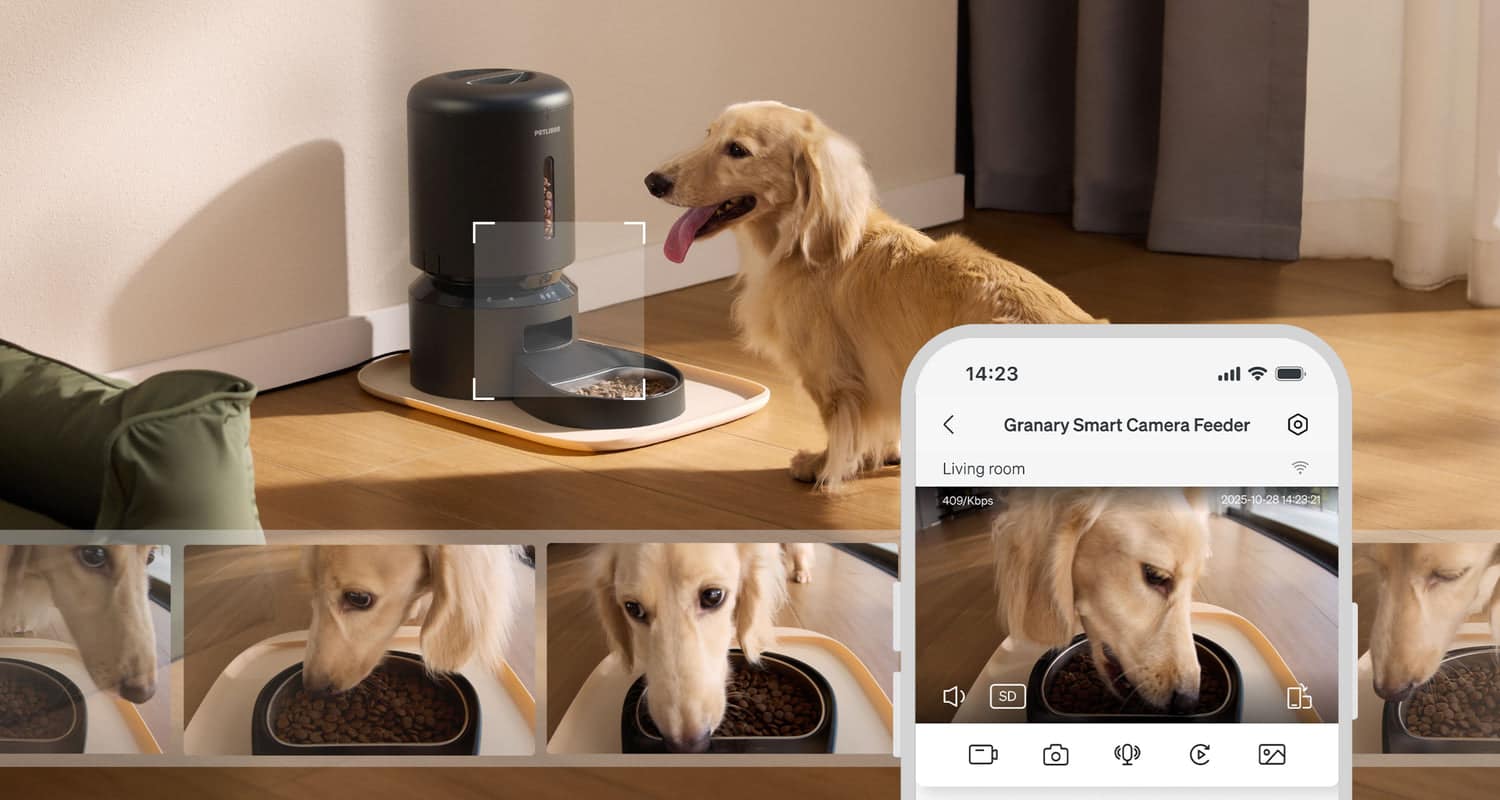
Automatic Feeder
Schedule precise meals so your dog eats right — even when you're not home.

GPS Tracker
Real-time location tracking — because dogs follow their nose, not the fence line.


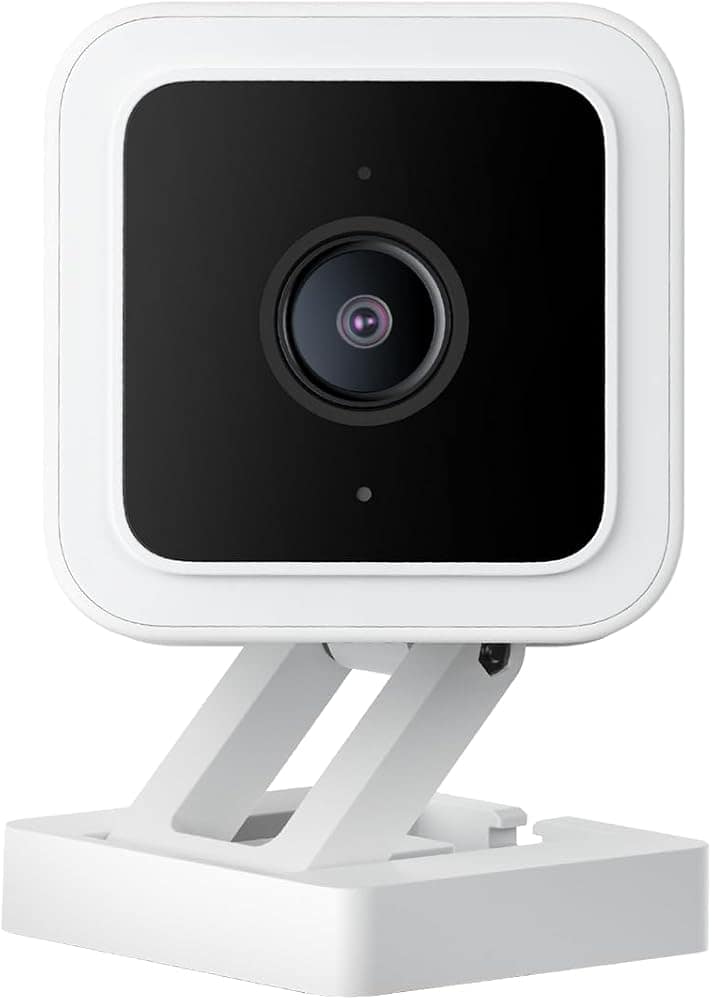
Pet Camera
Two-way audio and HD video — stay connected and soothe your dog from anywhere.


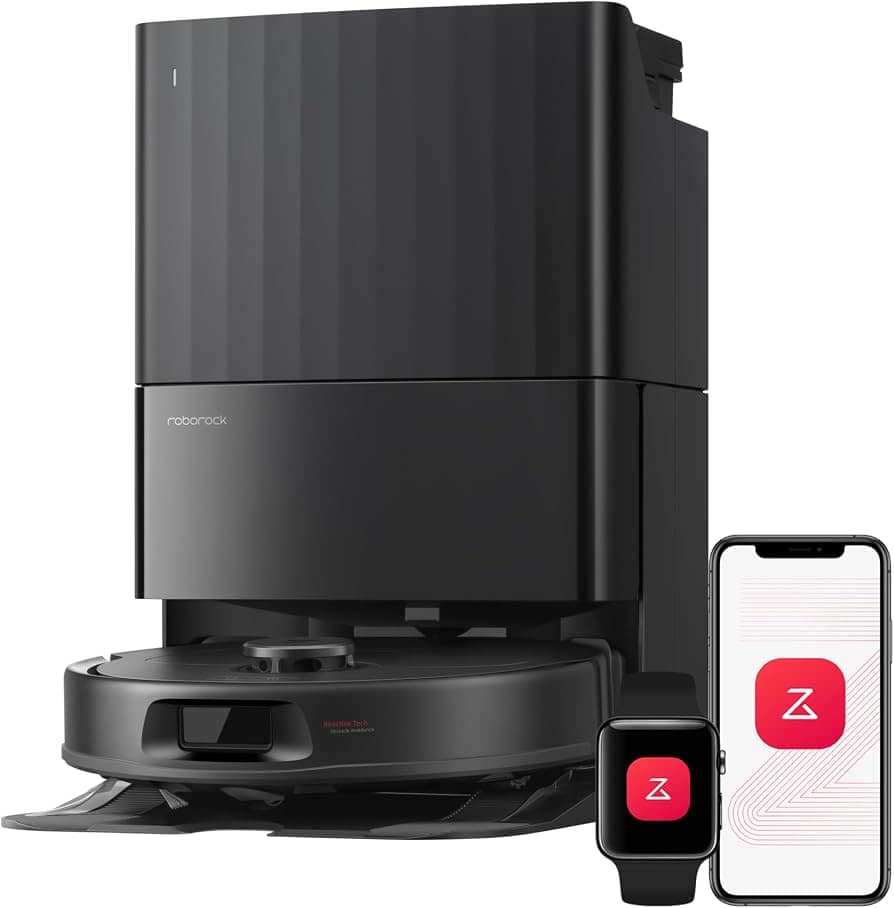
Robot Vacuum
Built for pet hair — keeps your home clean without lifting a finger.
Recommended Products by Life Stage
Products marked with SmartPaws Recommended are ones we've independently reviewed and recommend across the site. All Amazon links include our affiliate tag — purchases support SmartPaws at no extra cost to you.
Puppy / Kitten Stage
Adult Stage
Breed Traits
Temperament
Climate & Physical
Compatibility
Rural & Outdoor
Scores reflect breed tendencies. Individual training significantly affects both livestock safety and off-leash reliability.
Health & Longevity
Based on breed-specific genetic health risks and common conditions
Consider Adopting
Many Rottweilers are waiting in shelters and breed-specific rescues. Adoption costs are typically $50–$300 vs. $1,500–$4,000 from a breeder.
Read our Rescue Guide →How to Train a Rottweiler
Breed-specific challenges, techniques, and training timeline — written specifically for Rottweiler owners.
Read Training GuideDownload the Rottweiler Guide
Get a printable PDF with traits, cost of ownership, health notes, and best-fit summary — free.